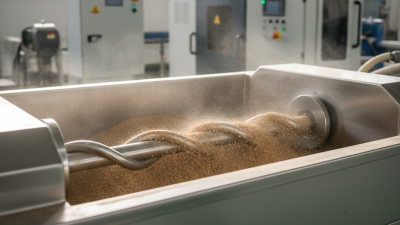
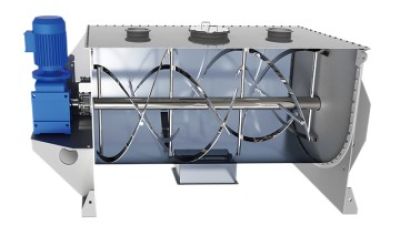
The Ribbon Blenderplays a pretty vital role in lots of industries, like food processing and pharma. As manufacturers keep chasing more efficiency, these machines are really gaining popularity. I mean, a recent report from Grand View Research predicts that the global blender market might hit about $1.8 billion by 2026. That kind of growth really shows how important it is to have high-quality Ribbon Blenders to scale up production smoothly.
Of course, picking the right ribbon blender isn’t always straightforward. Not every model delivers the same performance or holds up reliability-wise. A study from ResearchAndMarkets even shows that around 30% of users face issues with mixing efficiency or maintenance at some point. So, it’s pretty crucial for buyers to get clear, reliable info to avoid making costly mistakes.
Bringing together expert insights and real user experiences can really help you make better choices. In fact, research suggests that people who do their homework are about 40% more likely to pick a ribbon blender that really fits their needs. This guide is here to give you the rundown on some of the best options out there. With trustworthy data in hand, buyers worldwide can navigate their choices with a bit more confidence and peace of mind.
Overview of Ribbon Blenders: Function and Applications
Ribbon blenders are versatile machines widely used in various industries. They effectively blend powders, granules, and even some liquids. Their unique design allows for a consistent mixture, crucial in food, pharmaceutical, and chemical sectors. According to a recent report by MarketsandMarkets, the global ribbon blender market is projected to reach $100 million by 2026, driven by increased demand for efficient blending solutions.
The functionality of ribbon blenders lies in their ability to create uniform mixtures. The ribbons within the blender facilitate the movement of materials, ensuring every particle is exposed to the mixture. They are particularly useful in handling bulk solids. However, achieving the desired mixture can be a challenge. Inaccurate loading or insufficient blending time can lead to inconsistencies. The industry often struggles with these variables.
Applications of ribbon blenders extend beyond basic mixing. They are utilized in industries requiring precise formulations, such as cosmetics and pet food. A survey by Research and Markets indicates that 35% of companies using this equipment report issues with scalability. This raises an important question about efficiency. Manufacturers need to continually evaluate processes to enhance product quality. Fine-tuning these blends is essential to meet evolving consumer demands and regulatory standards.
Key Features to Consider When Selecting a Ribbon Blender
When selecting a ribbon blender, key features play a significant role. Look for the blending capacity that matches your production needs. It’s crucial to consider the size and dimensions of the unit, especially if space is limited. A compact design could save space without sacrificing performance. Materials used in construction also matter. Stainless steel options offer durability and easy cleaning, making them a favored choice in many industries.
Another essential feature is the drive system. Direct drive systems are more efficient but may require more maintenance. Many users find that gear drive systems provide better torque but are bulkier. Be aware of these differences when making your choice. Mixing speed is another factor to consider. Some applications require Gentle Mixing, while others need high-speed blending. Assessing the specific needs of your product can lead to better outcomes.
Lastly, don’t overlook warranty and support services. A good warranty reflects a manufacturer’s confidence in their product. However, lengthy warranties often come with conditions. Always read the fine print. Engaging with experienced users can provide insights into the blender’s performance over time. This practical information helps in making an informed decision.
Top Brands and Models of Ribbon Blenders in 2026
In 2026, the search for the best Ribbon Type Blender is more crucial than ever. Manufacturers need reliable equipment for consistent mixing results. Various models exist, catering to different production scales. Some mixers may struggle with specific materials, leading to uneven blending. It’s essential to evaluate how these devices perform under various conditions.
Top brands in the market focus on efficiency and durability. They offer options for varying batch sizes. Moreover, advanced features enhance usability and safety. A handful of models are excellent for large-scale operations, yet they may present challenges in smaller environments. Users often report difficulty in cleaning these machines thoroughly, impacting hygiene.
Choosing the right Ribbon Type Blender requires careful consideration of your needs. Think about the materials you will mix. Some users find themselves frustrated by limited functionalities. Others appreciate the reliability of established models. Reflecting on past experiences can help in making the best decision for your operations.
Comparative Analysis of Pricing for Ribbon Blenders Globally
When exploring pricing trends for ribbon blenders globally, it's essential to consider various factors affecting costs. According to a recent market analysis report, the average price of a Ribbon Blender Mixer varies significantly across different regions. In North America, prices range from $15,000 to $30,000, while European buyers may find similar models priced between €12,000 and €25,000. These variations often stem from region-specific manufacturing expenses and shipping costs.
Furthermore, the demand for ribbon blenders is on the rise. A study indicated that the industry is projected to grow at a CAGR of 5.2% from 2023 to 2030. This growth fuels competitiveness in pricing, though it may also lead to quality compromises, as some manufacturers opt for cheaper production methods. Buyers must carefully assess whether lower prices mean lower quality or merely different market strategies.
Additionally, when evaluating options, one must consider the materials used in the ribbon blender mixer. Variability in steel grades and component durability can greatly influence performance and longevity. Buyers frequently overlook these aspects, leading to future regrets. Balancing cost with quality requires thorough research and a reliable supplier network to ensure a wise investment.
Maintenance and Care Tips for Prolonging Blender Lifespan
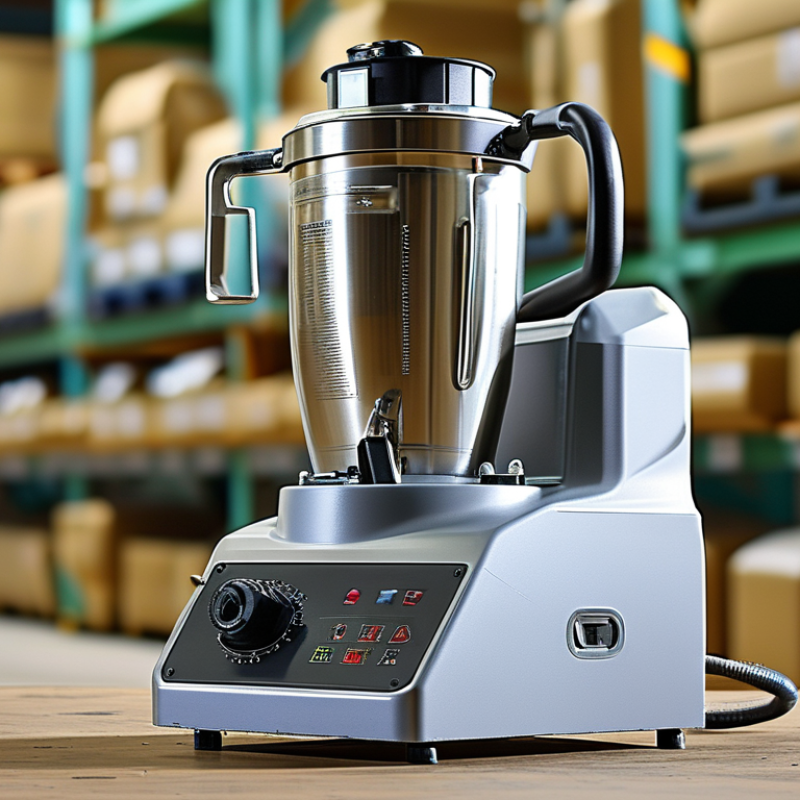
Maintaining a blender is crucial for its longevity and performance. Regular cleaning is essential. After each use, wipe down the exterior and interior with a damp cloth. This prevents buildup. A Small Ribbon Blender can handle various tasks, but it still requires care. Make sure to avoid using harsh chemicals. They can damage the finish and affect its performance.
Inspecting the blades is important as well. Regular checks will ensure they remain sharp and effective. If you notice any dullness, consider sharpening or replacing them. Over time, wear and tear can happen, especially if used frequently. Taking notice of unusual noises while blending can signal a need for maintenance. Ignoring such signs can lead to larger issues later.
Lastly, don't forget to check the motor. Keep the ventilation area free of dust. Overheating can be a real concern in any blender. Following these tips will help keep your small ribbon blender in great shape. Even small adjustments in your care routine can make a big difference.
User Reviews and Feedback on the Best Ribbon Blenders
User reviews and feedback on ribbon mixers provide valuable insights into their performance and usability. According to a recent industry report by Grand View Research, the ribbon blender market is projected to reach a value of $500 million by 2026. This growth is largely driven by the increasing demand for efficient mixing in industries like food processing and pharmaceuticals. Users appreciate the versatility of the Ribbon Mixer Blender, enabling it to handle a variety of materials with uniform mixing precision.
Feedback highlights both strengths and weaknesses. Many users note that ribbon blenders excel in mixing solid and powdery substances effectively. However, some mention difficulties in cleaning the equipment, which can lead to operational downtime. According to a survey conducted by Industry Research, 40% of users express concerns about maintenance and cleaning processes. Clear communication from manufacturers about proper care is often lacking, resulting in mixed user experiences.
Additionally, some users have reported that their ribbon mixer blenders are less effective at handling highly viscous mixtures. This suggests a need for increased innovation and technology enhancements in newer models. Overall, while ribbon mixers are favored for their functionality, there remains room for improvement in ease of use and maintenance guidance.
2026 Best Ribbon Blenders - User Reviews and Feedback
Trends in Ribbon Blender Technology and Innovations for 2026
The ribbon blender market is evolving rapidly as we move towards 2026. Current trends show a shift towards automation and IoT integration in blending technologies. A recent report from Market Research Future indicates that the global ribbon blender market is expected to grow by 4.5% annually. This rise reflects increased demand for efficient mixing solutions across food, pharmaceuticals, and chemical industries.
Innovative features are enhancing ribbon blenders. Manufacturers now focus on energy efficiency and reduction of blending times. Enhanced user interfaces allow for better control and monitoring. According to a study, improved blending consistency can minimize production waste and optimize material usage. Yet, these advancements also pose challenges. Not all businesses can afford the latest technology, leading to a potential gap between large and small manufacturers.
Furthermore, sustainability is becoming paramount. Many companies are exploring eco-friendly materials for construction. This can reduce the environmental impact of production. A survey conducted by Allied Market Research shows that 60% of manufacturers plan to adopt sustainable practices by 2026. However, transitioning to greener solutions often requires upfront investment, which can deter smaller players. The journey toward advancing ribbon blender technology is marked by both innovation and reflection on these industry challenges.
Efficient Mixing Solutions: Exploring High-Quality Ribbon Blenders for Diverse Industrial Applications
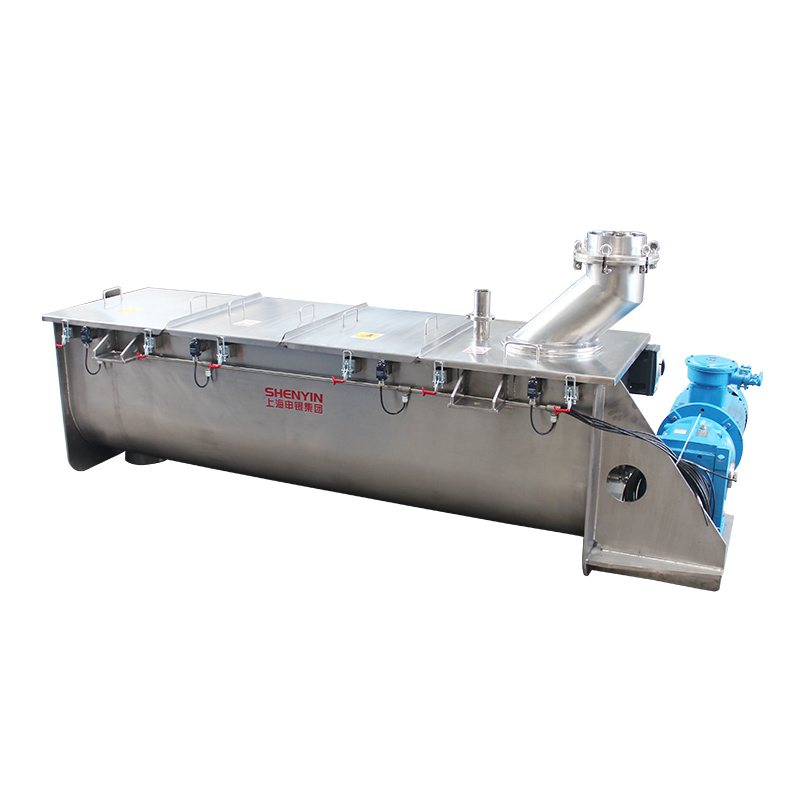
In the realm of industrial processing, achieving efficient and homogenous material mixing is paramount, especially in sectors such as food production, pharmaceuticals, and chemicals. The SYLW series mixer exemplifies innovation with its distinct design, comprising two sets of opposing inner and outer double-layer spiral belts. This unique configuration significantly enhances the mixing efficiency, addressing the challenges of diverse material types and fluidity levels. According to industry statistics, effective mixing can reduce processing time by up to 30%, thereby increasing productivity and operational efficiency.
The outer spiral belt actively transmits materials to the center of the cylinder, while the inner spiral belt redirects them toward the walls, creating a dynamic circulation pattern. This dual-action mixing mechanism fosters enhanced convection and ensures that even the most challenging materials, such as powders with low fluidity, are thoroughly blended. To tackle issues like dead corners often seen in traditional horizontal screw belt mixers, a specially designed scraper structure is deployed. This innovation not only guarantees a consistent push of materials towards the cylinder center but also facilitates cleaner discharge, allowing for higher operational efficiencies.
Recent reports highlight that advanced mixing solutions can lead to a 20% reduction in energy consumption due to improved mixing effectiveness. As industries continually seek out robust mixing solutions that can meet the demands of evolving applications, the SYLW series stands out, integrating efficiency and sustainability into the heart of mixing operations.
FAQS
: Ribbon blenders mix powders, granules, and some liquids. They are crucial in food, pharmaceutical, and chemical industries.
They create uniform mixtures using ribbons to move materials. This ensures every particle gets blended thoroughly.
Users often struggle with inaccurate loading and insufficient blending time, leading to inconsistencies in mixtures.
Yes, they handle various materials. However, some users find limitations in functionality for specific applications.
Cleaning can cause downtime. Many users report difficulties in maintenance, impacting overall effectiveness.
Users appreciate their ability to mix solid substances. Yet, some report issues with highly viscous mixtures.
It's crucial to assess them based on your mixing needs. Past experiences can guide more informed choices.
The market is growing due to demand for efficient mixing. However, scalability and innovation remain concerns for users.
Conclusion
The article "2026 Best Ribbon Blender for Global Buyers Guide" offers a comprehensive overview of ribbon blenders, detailing their function and diverse applications in various industries. It highlights crucial features that buyers should consider when selecting a ribbon blender, ensuring they choose the right model for their specific needs.
Additionally, the guide presents a comparative analysis of global pricing for ribbon blenders, enabling buyers to make informed purchasing decisions. It also provides maintenance and care tips to extend the lifespan of these machines and includes user reviews that offer real-world insights into the best ribbon blenders available. Finally, the article discusses emerging trends and technological innovations expected in ribbon blender designs for 2026, preparing buyers for future advancements in this essential mixing equipment.

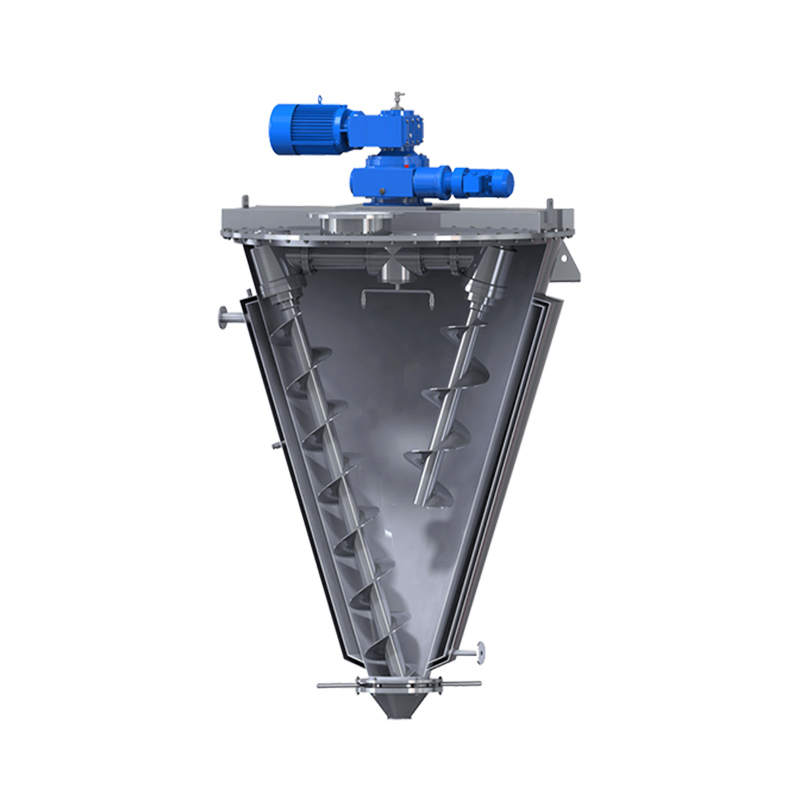 Conical Screw Mixer
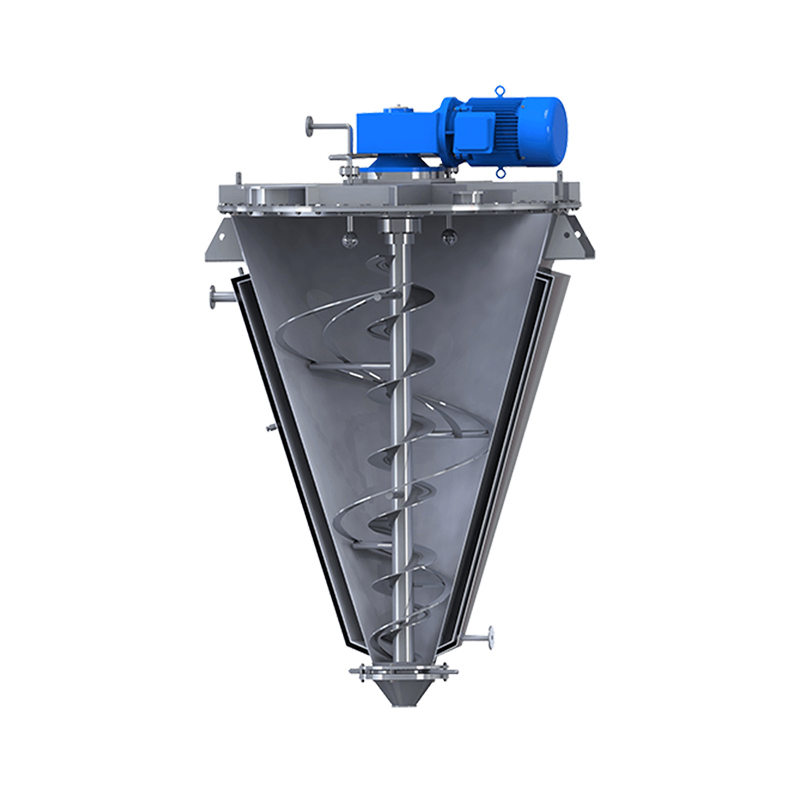 Conical Screw Belt Mixer
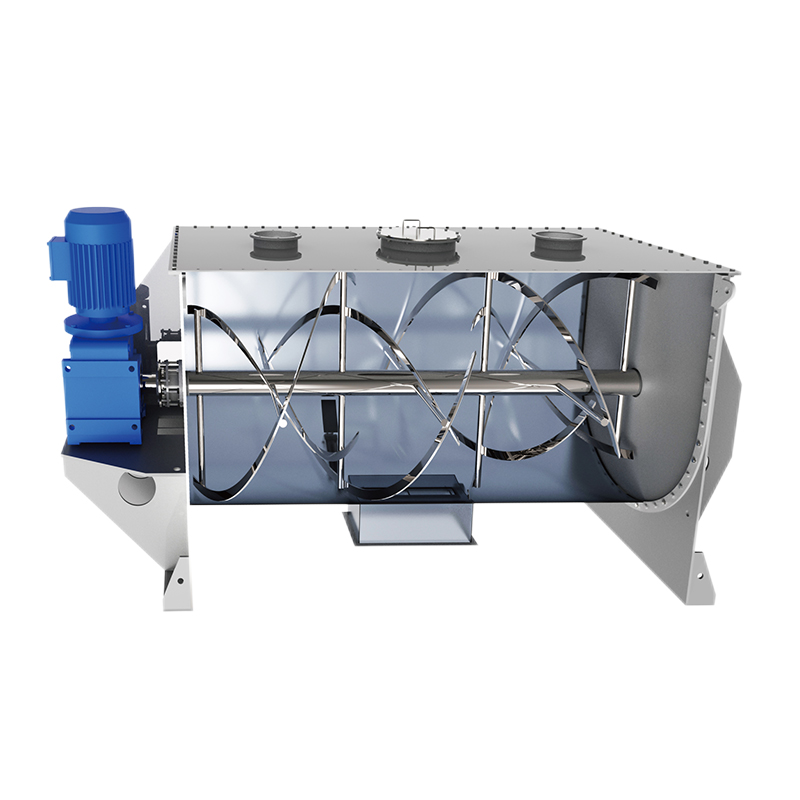 Ribbon Blender
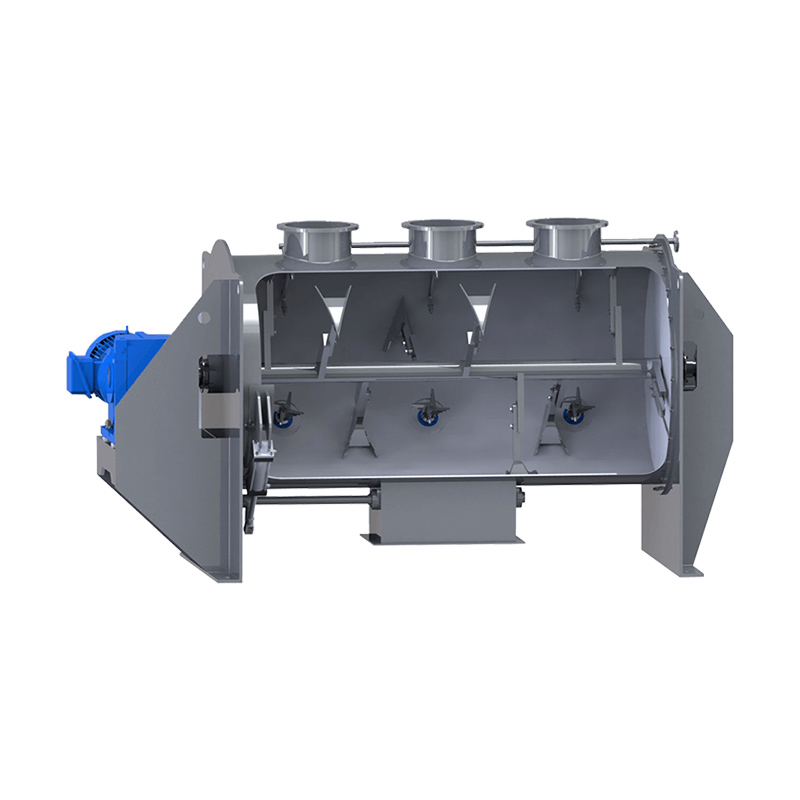 Plough-shear Mixer
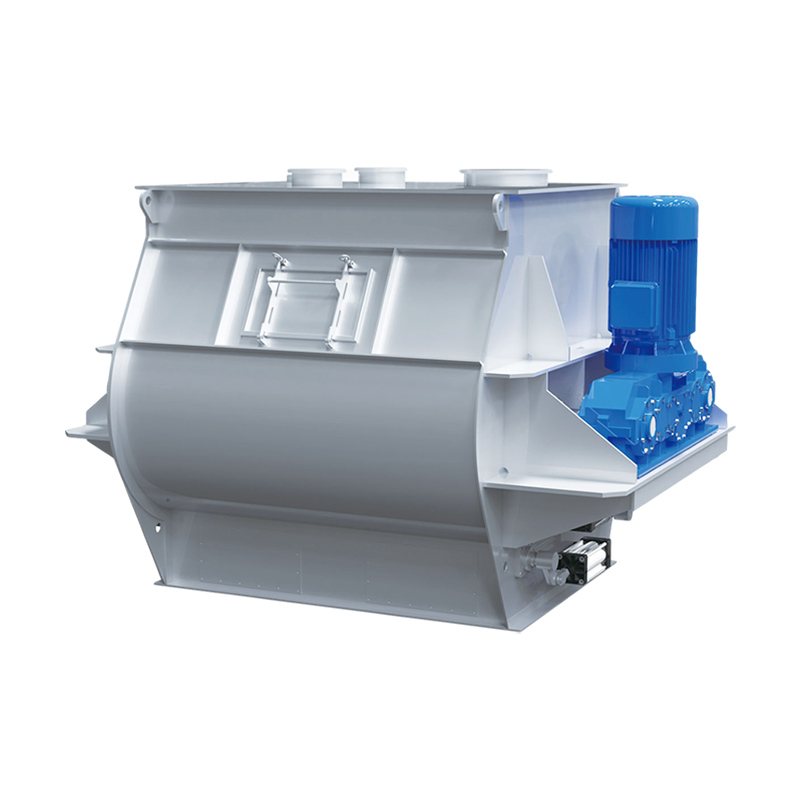 Double Shaft Paddle Mixer
 CM Series Mixer