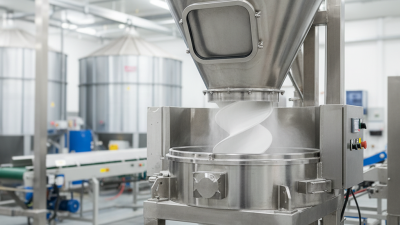
In the fast-moving world of manufacturing, picking the right Powder Mixerreally matters when it comes to keeping things running smoothly. As industry veteran Dr. Emily Johnson from MixTech Solutions points out, “How well a Powder Mixer performs can seriously affect the quality of the final product.” So, it’s super important to find a mixer that fits your specific production needs.
A lot of companies tend to overlook the finer details of Powder Mixer technology. But here’s the thing — efficiency isn’t just about how fast it mixes; it’s also about how consistent the results are and maintaining good product quality. Skimp on proper mixing, and you might end up with uneven results that mess up the entire production line. For example, uneven particle distribution in the powder can cause the final product to vary, which might hurt your company's reputation and bottom line.
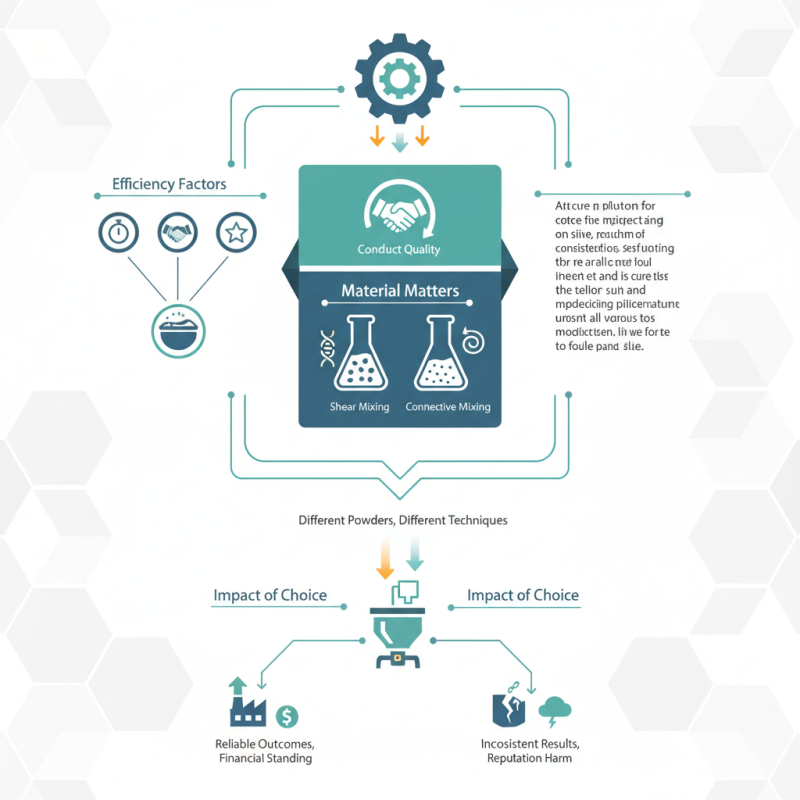
And let’s not forget, choosing the right Powder Mixer isn’t always straightforward. Different powders need different mixing techniques, which adds a bit of a layer of complexity. Companies really need to navigate these tricky bits to get reliable results. In today’s super-competitive market, underestimating the importance of a well-selected Powder Mixer can be a costly mistake.
Overview of Powder Mixing in Industrial Production
Powder mixing plays a crucial role in industrial production. This process is foundational for industries such as food, pharmaceuticals, and chemicals. A well-mixed powder ensures uniformity, which can significantly affect the quality of the final product. Different mixing technologies are available, each with its own advantages and challenges.
In many cases, the use of a Lab Powder Mixer proves essential. This equipment allows for small-scale mixing to optimize formulations before full-scale production. Attention to detail during this process is vital. Even slight variations in ingredient ratios can lead to inconsistent product quality. Manufacturers must remain vigilant to identify and correct any imperfections in the mixing process.
Moreover, not all mixing methods yield the same results. Some techniques might leave clumps or uneven distribution. The choice of mixer, speed, and duration are critical factors. Companies must evaluate their current mixing strategies regularly. Continuous improvement is necessary to achieve the highest standards in powder mixing.
Types of Powder Mixers Used in Manufacturing Processes
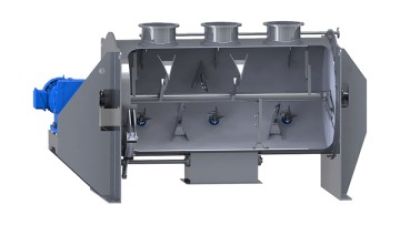
In the manufacturing world, powder mixers play a crucial role. Different types of mixers cater to various production needs. The most common types include Ribbon Mixers, Paddle Mixers, and bin blenders. Ribbon mixers are ideal for homogenous mixing of free-flowing powders. They work by utilizing a double helix ribbon that blends materials efficiently.
Paddle mixers are designed for a wider range of materials, including wet powders. These mixers use large paddles to achieve a thorough mix. Bin blenders offer a more flexible solution, allowing for the mixing of materials in their original containers. This can reduce contamination risk and save on cleaning time.
Tip: Always assess the specific properties of your powders. Their flowability and particle size impact your choice of mixer. A poor match can lead to inconsistent mixes, wasting both time and resources.
Tip: Regular maintenance is crucial for mixer performance. Neglected equipment can lead to uneven mixing and production delays. Even minor issues can escalate, affecting your overall efficiency.
Investing time in understanding these mixers can lead to operational excellence. Ensure you are familiar with their features to make the best choice for your production line.
Factors Influencing Efficiency in Powder Mixing Solutions
Efficient powder mixing is essential for a variety of industries, from pharmaceuticals to food production. Several factors critically influence the efficiency of powder mixing solutions. One key aspect is the equipment design. A well-designed Dry Powder Mixer allows for uniform mixing by ensuring that particles move freely and interact effectively. The shape and size of the mixing chamber can drastically affect the mixing time and quality.
Another influencing factor is the properties of the powders themselves. Different powders have unique flow characteristics and particle sizes. When powders have significant differences in these properties, achieving a homogeneous mix becomes challenging. Additionally, the moisture content of powders can affect their flowability, leading to clumping during the mixing process.
Operator knowledge and experience also play a crucial role in mixing efficiency. Proper training ensures that operators can identify the best practices for achieving consistent results. Despite having advanced equipment, manufacturers must analyze their processes for improvement opportunities. Regular maintenance and calibration of dry powder mixers are often overlooked but are vital for optimal performance. The complexity of powder mixing necessitates a thoughtful approach to every step in the process.
Criteria for Selecting the Right Powder Mixer
When selecting a powder mixer, several criteria must be considered. First, think about the mixer’s capacity. The right size ensures efficiency. A too-small mixer will lead to overloading. Conversely, an oversized one may waste time and resources. The right fit is crucial.
Next, consider the mixing technology. Different powders behave uniquely. A mixer suited for one type may struggle with another. It’s vital to understand the properties of your materials. Additionally, the mixer’s speed and energy consumption play significant roles in operational efficiency. Balancing these aspects can be challenging.
Finally, don’t overlook usability. A user-friendly interface can enhance productivity. Equipment that is difficult to operate can lead to mistakes. Training employees on proper usage is essential. Even with the best mixers, human error can impact results. Reflecting on these factors can guide your decision-making process.
Key Technologies in Modern Powder Mixing
In modern powder mixing, technology plays a vital role in achieving efficiency and consistency. Advanced mixing techniques streamline processes across various industries. For instance, a report by the International Journal of Industrial Engineering highlights that using high-shear mixers can increase mixing uniformity by up to 30%. This advancement is crucial for applications like pharmaceuticals and food production.
The Food Powder Mixer stands out as a key technology for achieving homogeneity and reducing processing time. Specialized equipment allows for precise control of parameters, such as speed and time. A study published in the Journal of Food Science indicates that optimizing these factors can enhance product quality significantly. However, many manufacturers struggle with equipment calibration, leading to inconsistent results and production delays.
Recent trends show a shift toward automation in powder mixing solutions. While this offers efficiency gains, it also necessitates a careful balance. Over-reliance on automated systems without proper oversight can result in undetected errors. Industry experts note that a human touch is still essential for quality control. This dual approach helps to maintain product standards while maximizing production efficiency.
Common Challenges in Powder Mixing and Their Solutions
Powder mixing is a critical process in various industries. However, several challenges can hinder efficiency. One common issue is segregation. When powders have different particle sizes or densities, they can separate during mixing. This can lead to inconsistent products. To combat this, using specific mixing techniques that promote uniform distribution is essential.
Another challenge is the formation of agglomerates. Clumps of material can form during the mixing process. This disrupts the desired consistency of the final product. Employing appropriate moisture levels and adjusting mixing speeds can help reduce agglomeration. Monitoring these factors closely allows for adjustments in real-time.
The mixing environment itself can pose problems. External factors like humidity and temperature can affect powder behavior. Maintaining controlled conditions during the mixing process is vital. Regular monitoring helps identify variations that could impact production. Reflection on these elements is crucial for ongoing improvement. Each challenge presents an opportunity to refine processes and enhance efficiency.
Future Trends in Powder Mixing Technology and Efficiency
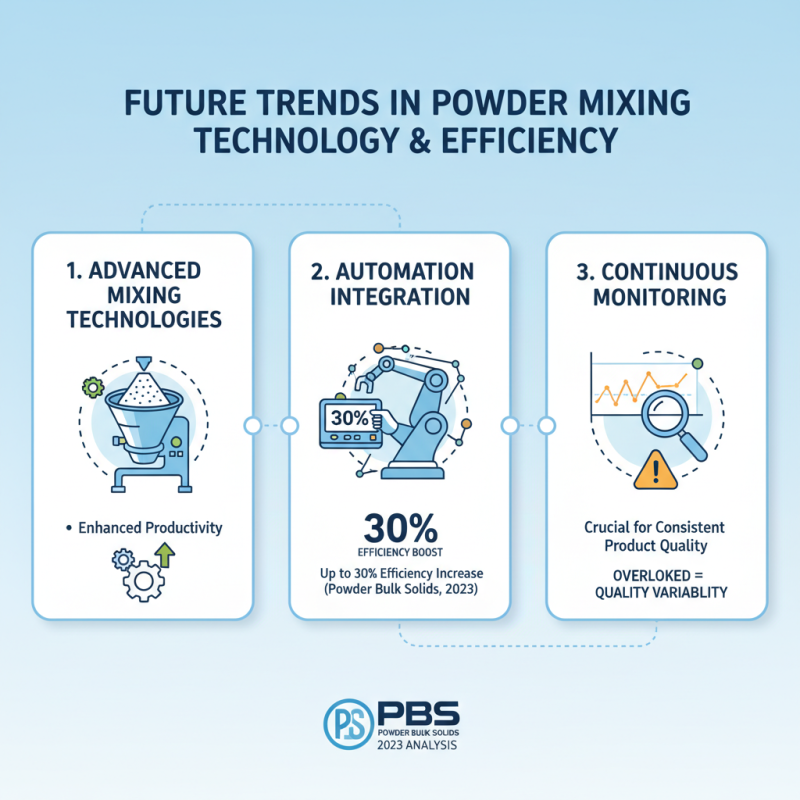
In the realm of powder mixing technology, efficiency remains a key focus. Recent industry reports indicate that companies are increasingly adopting advanced mixing technologies to enhance productivity. According to a 2023 analysis by Powder Bulk Solids, the adoption of automation in mixing processes can boost efficiency by up to 30%. Yet, companies often overlook the necessity of constant monitoring, leading to variability in product quality.
Future trends indicate a shift towards smart mixing solutions. These solutions rely on real-time data to adjust parameters on-the-fly. A study found that firms utilizing these technologies witnessed a reduction in waste by 25%. Moreover, specialized equipment like the Milk Powder Mixer plays a crucial role in achieving consistent blends. However, many manufacturers still struggle with integrating such technologies effectively.
The push for sustainability is also influencing powder mixing methods. Companies are exploring eco-friendly materials and processes. Yet, there's a gap between intention and execution. Flexibility in production lines remains a challenge. As the industry evolves, the drive for innovation must be balanced with practical limitations.
Optimizing Efficiency in Material Processing: Insights from Recent Data on Customizable Plough-Shear Mixers in Industrial Applications
The optimization of efficiency in material processing is crucial for industries dealing with challenging materials, such as powders that tend to agglomerate or viscous substances. The advancements in customizable plough-shear mixers, particularly the SYLD series, provide valuable insights for industrial applications where traditional mixing methods may fall short. These special horizontal mixers excel in blending materials that are often difficult to handle due to properties such as poor fluidity or moisture-induced clumping.
The plough-shear mixer utilizes a powerful spindle mixer in conjunction with an auxiliary fly cutter, which creates a robust shear mixing effect. This innovative design not only ensures a thorough mixing process but also enhances production quality. Industries involved in ceramic clay, refractory materials, and food additives can greatly benefit from this technology, as it addresses specific needs such as mixing low-viscosity fluids and achieving uniform distribution of ingredients. By integrating these advanced mixing solutions into their operations, companies can significantly improve their processing efficiency and product consistency, leading to enhanced overall performance in their respective sectors.
FAQS
: Powder mixing ensures uniformity, which affects the quality of final products in food, pharmaceuticals, and chemicals.
A lab powder mixer enables small-scale testing, optimizing formulations before full-scale production begins.
Poor mixing may leave clumps or uneven distribution, leading to inconsistent product quality.
Consider capacity, mixing technology, and usability. The right size and type matter for efficiency.
Mixer speed impacts operational efficiency and the quality of the mix, affecting overall production outcomes.
Employees must be trained on proper mixer operation to avoid mistakes that impact mixing results.
While automation improves efficiency, reliance without oversight can lead to errors and quality issues.
Equipment calibration is often neglected, which can lead to inconsistency and production delays.
Regular evaluations of mixing strategies lead to continuous improvement and higher quality standards.
Balancing technology and human oversight is essential for maintaining product quality in powder mixing.
Conclusion
The article "Best Powder Mixer Solutions for Efficient Production" provides a comprehensive overview of the essential role of powder mixing in industrial production. It explores various types of powder mixers utilized in manufacturing processes, highlighting their distinctive functions and applications. The discussion also addresses critical factors that influence mixing efficiency, such as mixer design, speed, and material properties, guiding manufacturers in selecting the right powder mixer for their specific needs.
Additionally, the article delves into key technologies currently shaping the field of powder mixing, alongside common challenges faced during the mixing process and practical solutions to overcome them. As industries evolve, the piece also anticipates future trends in powder mixing technology, emphasizing the importance of efficiency and innovation in production methods. Overall, this summary outlines a valuable resource for understanding how optimal powder mixer solutions can significantly enhance production efficacy and product quality.

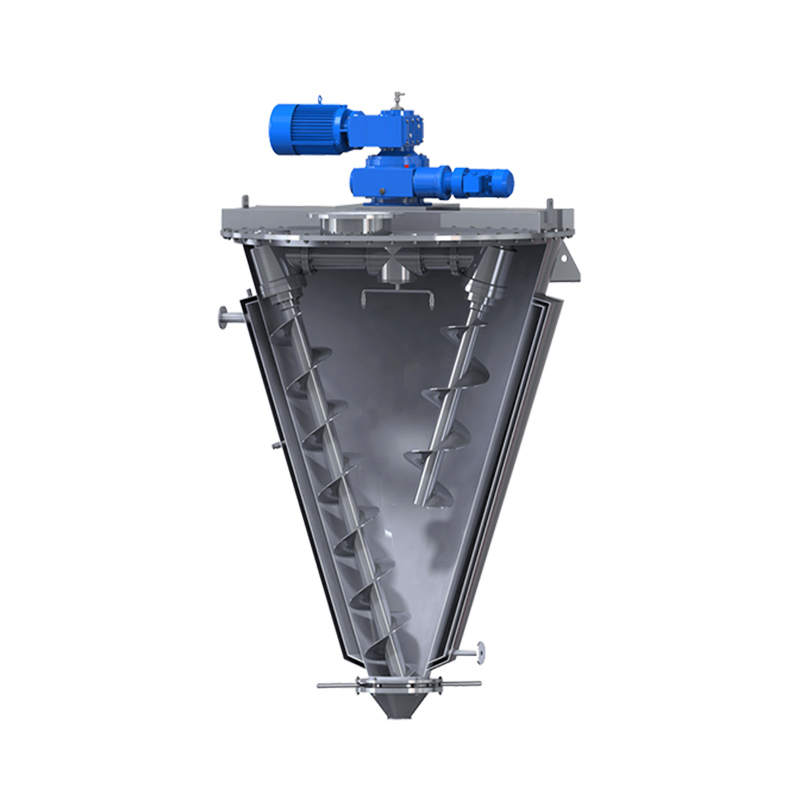 Conical Screw Mixer
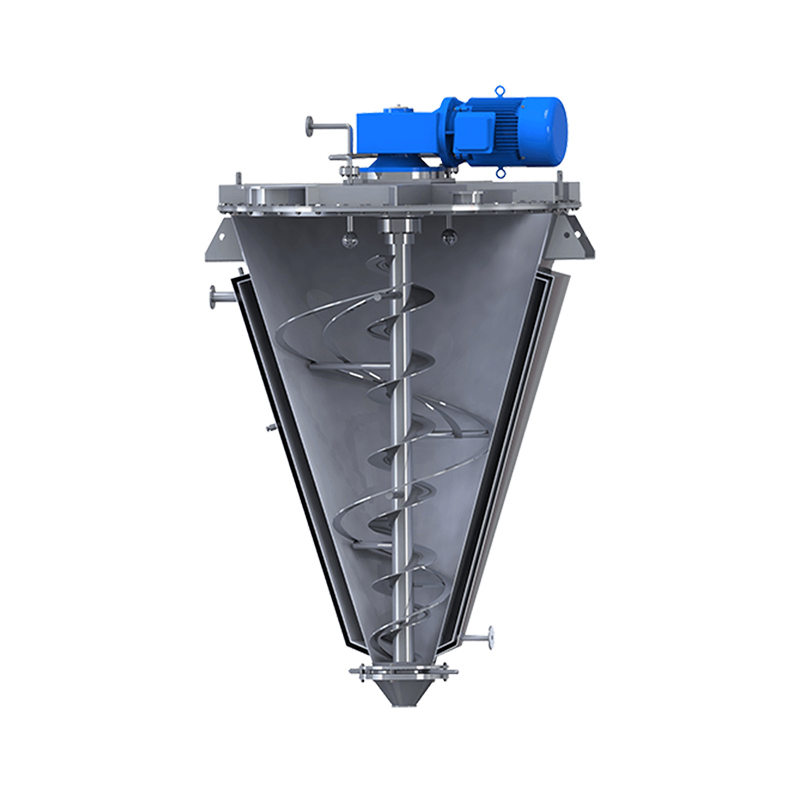 Conical Screw Belt Mixer
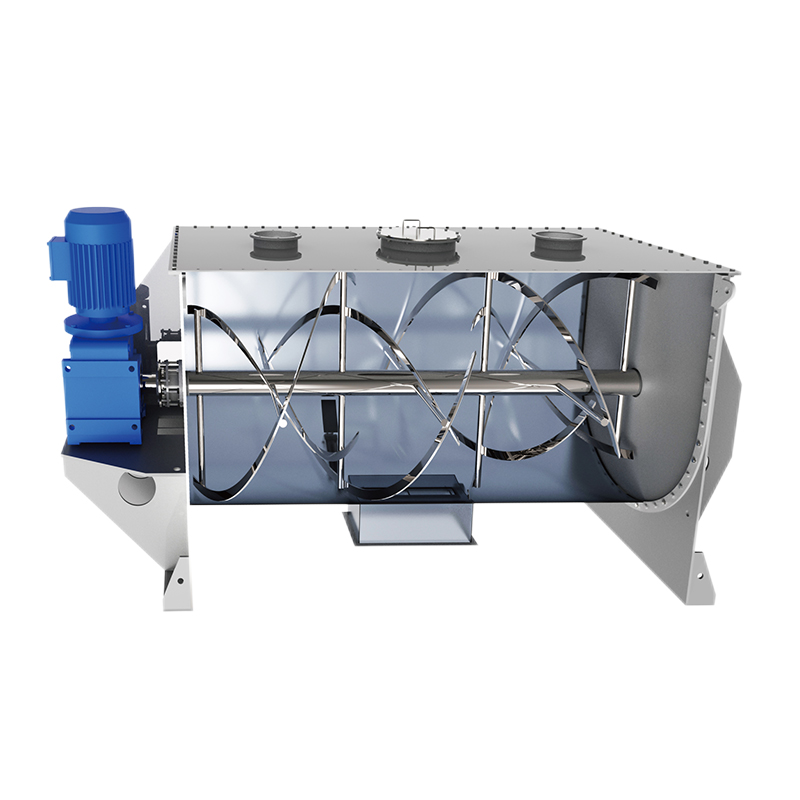 Ribbon Blender
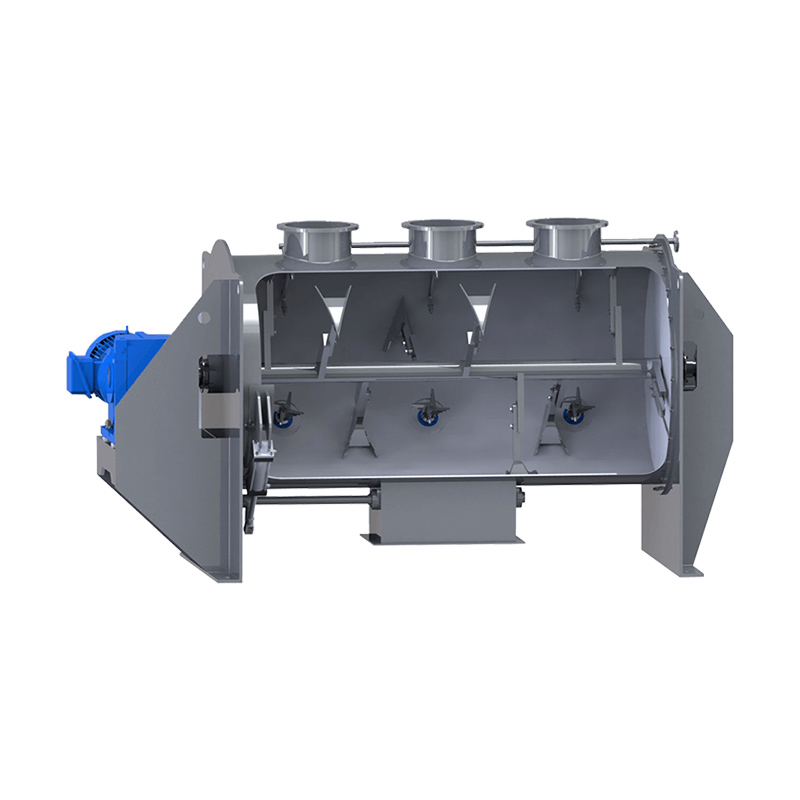 Plough-shear Mixer
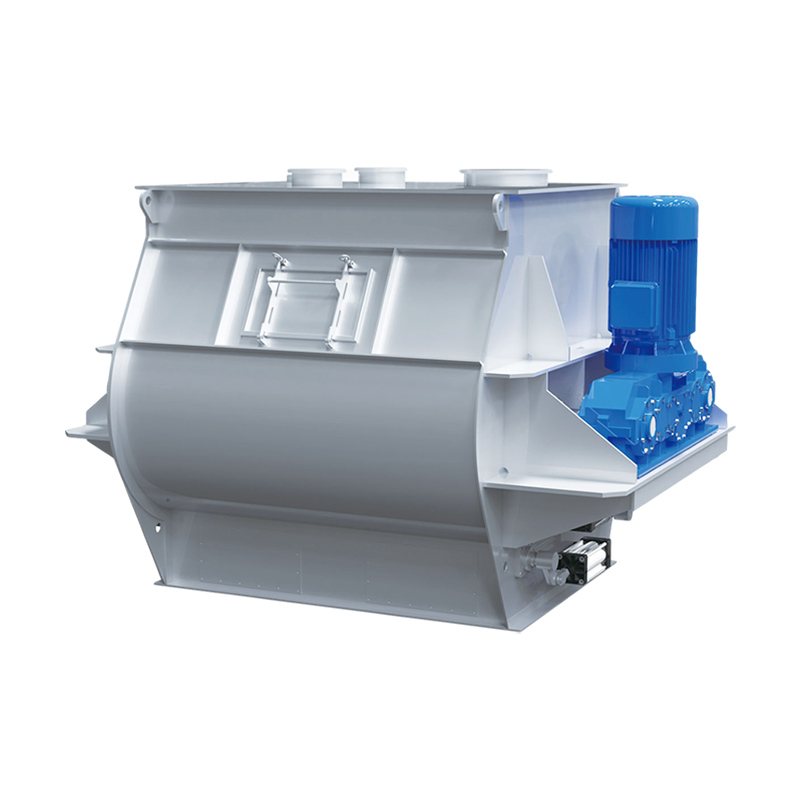 Double Shaft Paddle Mixer
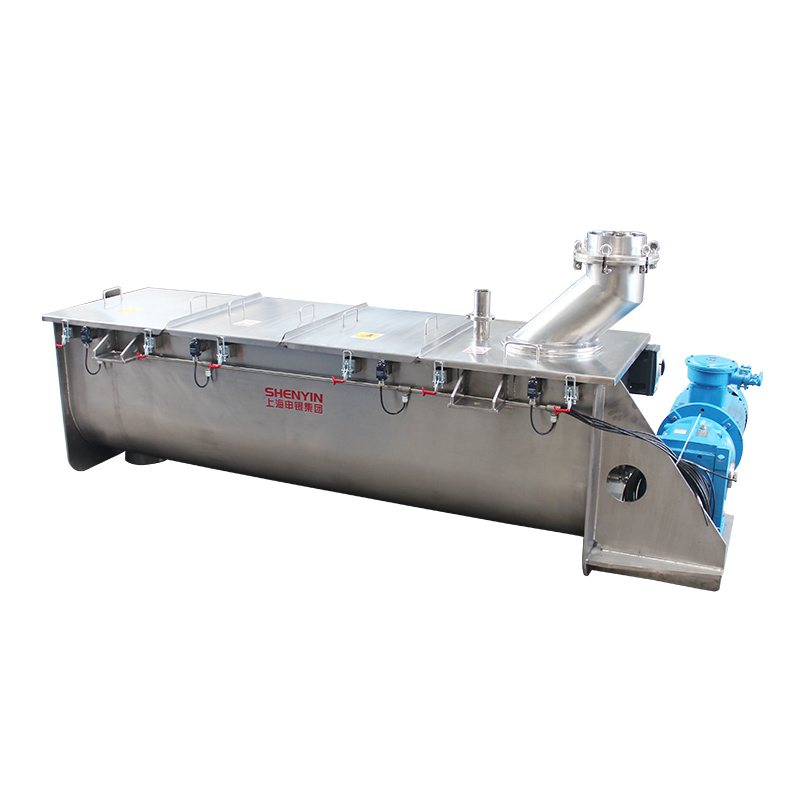 CM Series Mixer