
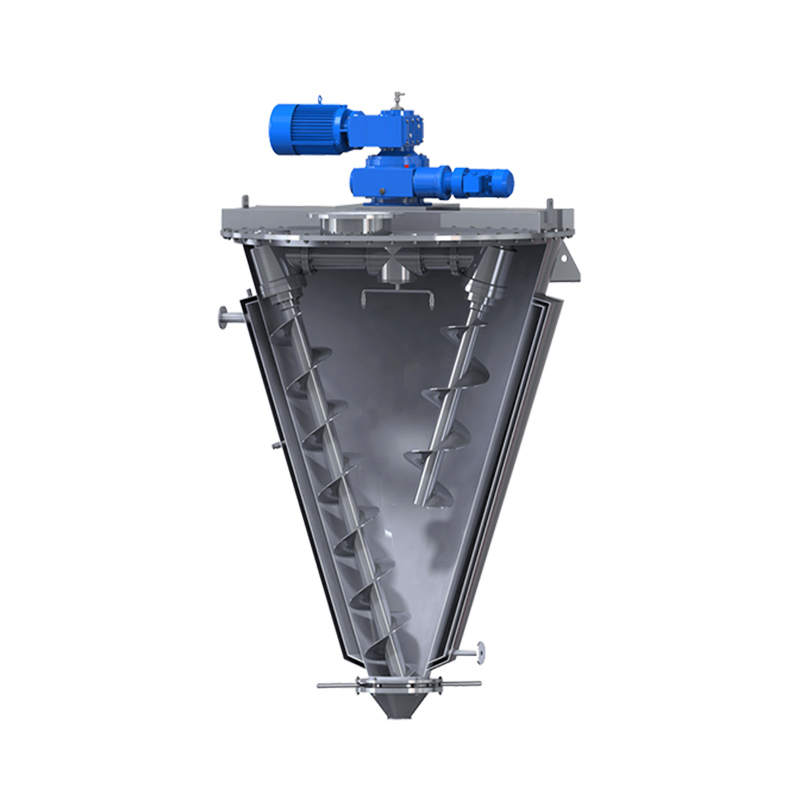
 Conical Screw Mixer
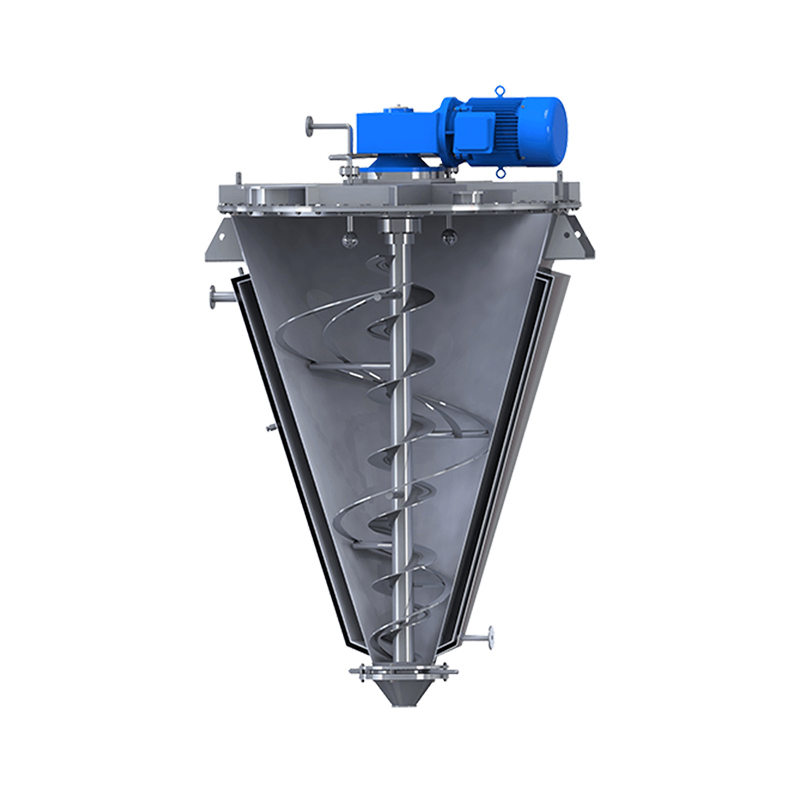 Conical Screw Belt Mixer
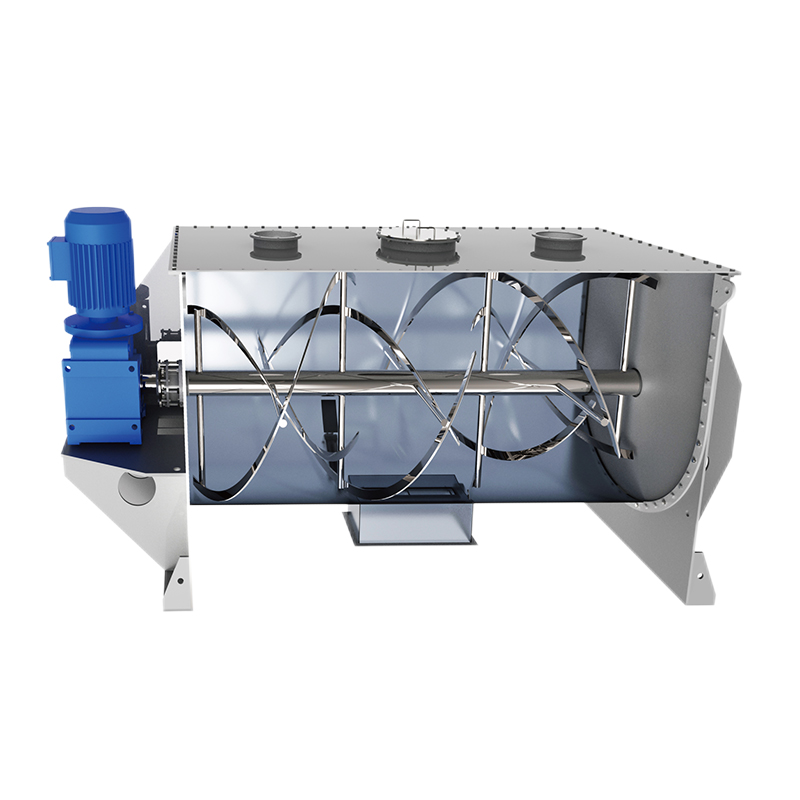 Ribbon Blender
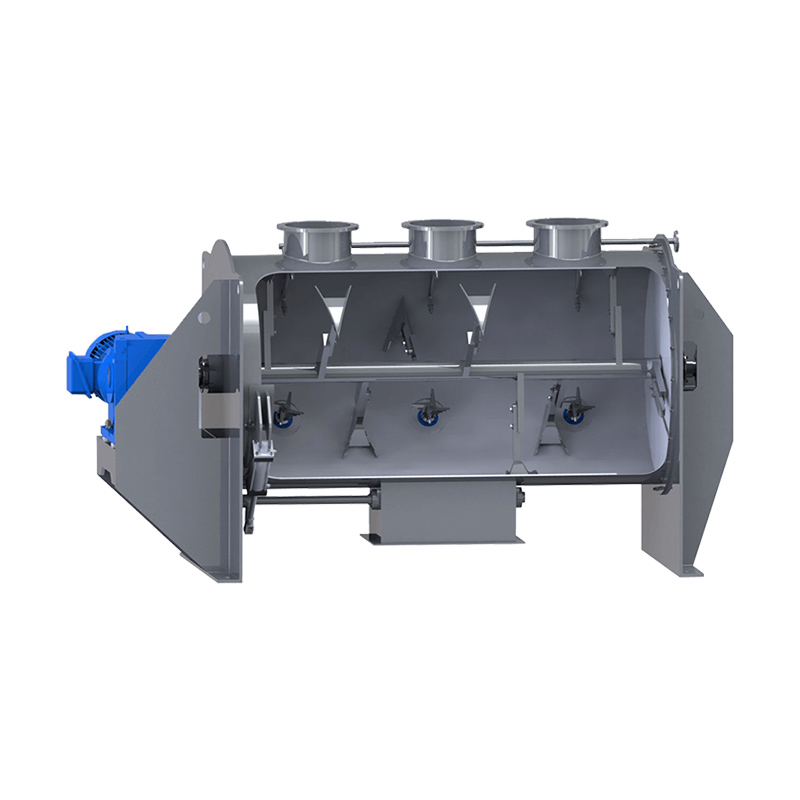 Plough-shear Mixer
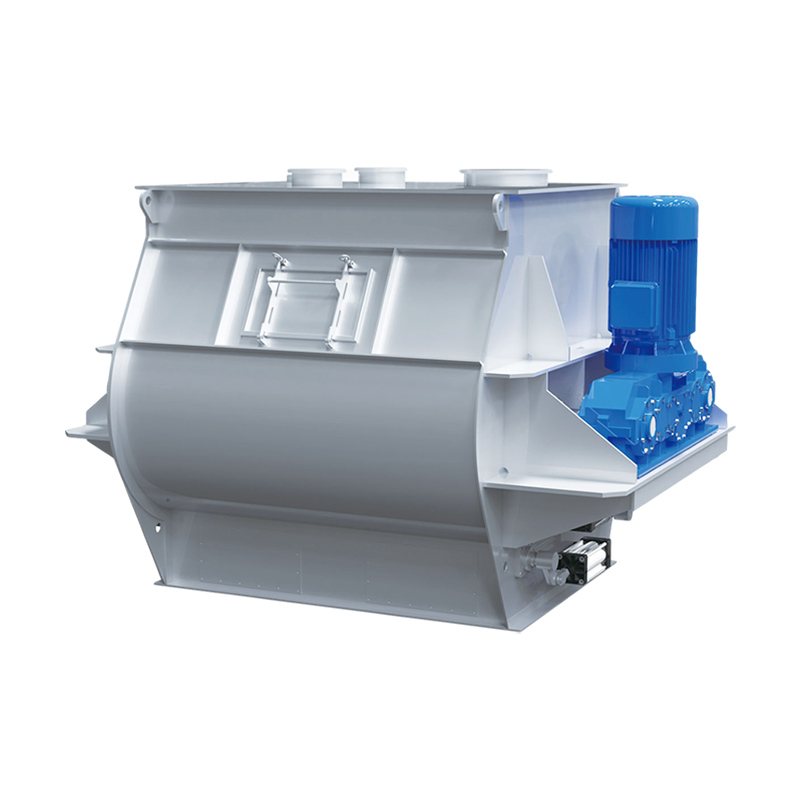 Double Shaft Paddle Mixer
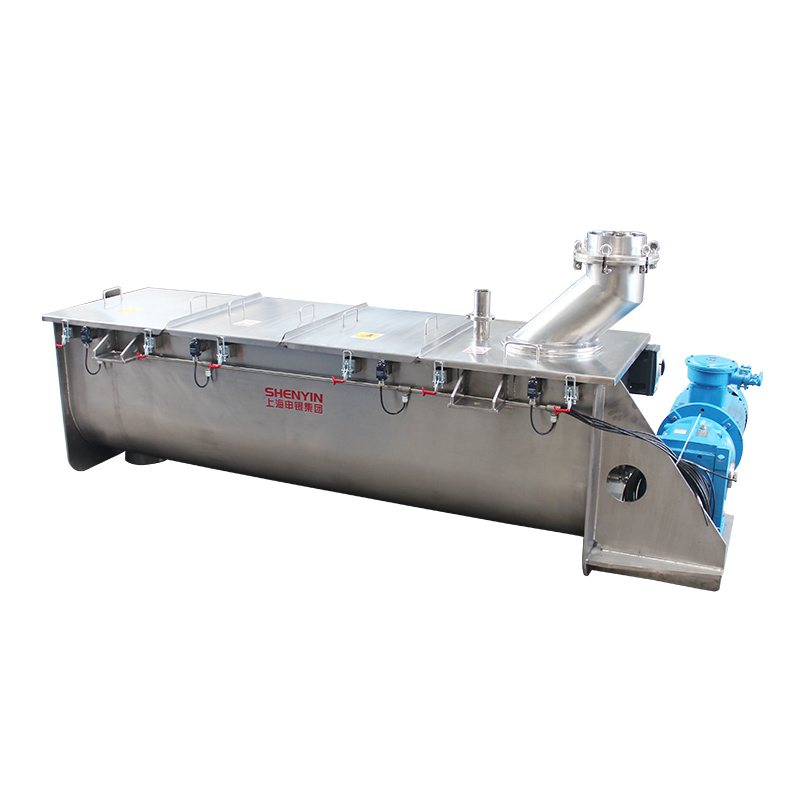 CM Series Mixer
 Leave Your Message
In today’s fast-changing world of industrial mixing, picking the right equipment really makes a huge difference when it comes to running things smoothly and keeping product quality high. According to the latest Global Mixer Market Report from 2022, the demand for mixers—including manual paddle types—is expected to keep growing at about5.1% annually up until 2025. This trend is mainly driven by sectors like construction, food processing, and pharma, where getting the mixing just right is absolutely critical. Manual Paddle Mixers, in particular, are becoming more popular because they’re soversatile, simple to use, and budget-friendly. Unlike electric models, these mixers don’t rely on power, which makes them super handy in all kinds of settings—whether you’re working in a tiny workshop or handling larger industrial jobs. People really like their straightforward design, which makes maintenance easier and means they last for ages. In fact, a study by AMI Global shows that about 60% of professionals prefer manual paddle mixers for tasks where they want a bit more control over the mixing process. That way, they can be sure they’re getting the right consistency and top-quality results.
As companies look for ways to boost productivity and cut costs, knowing how to pick the best manual paddle mixer for specific jobs is more important than ever. Things like the mixer’s capacity, paddle shape, and what it’s made of all matter a lot if you want things to run smoothly and get the right outcomes for different mixing needs.
When selecting the best manual paddle mixer for your mixing needs in 2025, there are several key factors to consider that can significantly impact performance and efficiency. Firstly, the material of the mixer is crucial. According to a recent industry report by the Mixing Equipment Association, stainless steel and high-grade plastic mixers provide durability and resistance to corrosion, ensuring longevity and effectiveness in various environments. Stainless steel mixers, in particular, are preferred for their ability to withstand high temperatures and harsh chemicals, making them ideal for industrial applications.
Another important factor is the paddle design. Research from the International Society of Mixing Technologies indicates that the shape and size of the paddle can influence the mixing speed and consistency. For example, flat or rounded paddles are often better for thick materials, while beater-style paddles can efficiently mix liquids or semi-liquids. Additionally, the mixer’s ergonomic design should not be overlooked. It was found that the comfort of use directly correlates with productivity; operators are able to achieve better results and reduce fatigue when using well-designed, lightweight mixers that minimize strain during extended mixing tasks.
: Stainless steel and high-grade plastic are preferred due to their durability and corrosion resistance, ensuring longevity and effectiveness, especially in industrial applications where high temperatures and harsh chemicals are involved.
The shape and size of the paddle influence mixing speed and consistency. Flat or rounded paddles are better for thick materials, while beater-style paddles are ideal for efficiently mixing liquids or semi-liquids.
Ergonomic design is crucial because it correlates with user comfort and productivity. Well-designed, lightweight mixers reduce operator fatigue during extended mixing tasks, allowing for better results.
For projects requiring mixing capacities of 5 gallons or more, a robust mixer is necessary. For smaller jobs, a portable mixer with a capacity of 1 to 3 gallons is sufficient, focusing on efficiency and ease of use.
Heavier materials, like concrete mixtures, require a mixer with a larger paddle surface area and specific design features to prevent clumping, which results in a more uniform mixture and increased productivity.
Key features include adjustable paddle configurations for improved mixing uniformity and ergonomic designs that reduce user strain, promoting comfort and prolonged use during extensive mixing tasks.
Industries such as construction and food processing benefit from mixing versatility, as different mixtures have unique requirements that can be addressed by adjustable paddle configurations.
User comfort impacts productivity; when operators are comfortable using a well-designed mixer, they can work more efficiently, leading to a smoother workflow and better outcomes in mixing tasks.
In the quest to select the best Manual Paddle Mixer for your specific mixing needs, it is essential to consider several key factors. Understanding the different types of manual paddle mixers available and evaluating the appropriate size and capacity are crucial steps in the selection process. Additionally, the material and build quality should not be overlooked, as they directly impact the durability and performance of the mixer.
When analyzing the market, a comparative study of popular brands can provide insights into reliability and user satisfaction. Essential features that enhance mixing efficiency, such as ergonomic design and ease of use, will also contribute to a smoother mixing experience. At Shanghai Shenyin Machinery Group Co., Ltd., we pride ourselves on offering high-quality mixers and blenders that are widely utilized in various industries, including chemical, pharmaceutical, and foodstuff, ensuring that our products meet diverse mixing requirements effectively.




