Choosing the right Industrial Mixerisn't just a technical detail — it's actually a pretty big deal when it comes to streamlining production in industries like chemical, pharma, and food. I recently came across a report saying that the global market for Industrial Mixers is expected to hit around$7.23 billion by 2025, growing at about 4.1% annually from 2020 onward. That really highlights how much demand there is for better, more efficient mixing solutions that can improve both product quality and consistency.  At Shanghai Shenyin Machinery Group Co., Ltd., we get it — the kind of mixer you pick can make a huge difference in how smoothly things run and what kind of results you get. Whether it’s pigments or construction materials, picking equipment that’s just right for your specific needs is super important if you want to stay competitive out there. Honestly, finding the right mix of technology and application can really give manufacturers an edge in the marketplace.
Factors to Consider When Selecting an Industrial Mixer for Your Production Line
So, if you're trying to pick out an industrial mixer for your production line, the first thing you really need to do is understand what exactly your manufacturing process needs. Like, what kind of materials are you mixing? Are they thick or thin? And what kind of final product are you aiming for? Different Mixers work better for different things — some are gentle and perfect for delicate blending, while others are high-shear and can handletougher jobs. Making sure you choose one that's compatible with your materials can honestly make a huge difference in how smoothly things run.
Oh, and don’t forget to check the mixer’s capacity. It should match your daily production volume — no point getting a tiny one if you need to produce tons! Also, look out for mixers that are a breeze to clean and maintain; it might seem like a small thing, but it saves a lot of time and hassle in the long run.
Safety’s a big deal, too. Industrial mixers can be pretty powerful and potentially dangerous if not used or maintained properly. It’s smart to pick models that have safety features like emergency stops or protective guards — stuff that helps keep operators safe during operation. And, honestly, regular safety training for your team is key — it’s the best way to prevent accidents and keep everyone safe.
Pro tip: do regular risk assessments and involve your team in safety drills. Plus, staying on top of maintenance schedules can save you from unexpected breakdowns or hazards popping up when you least expect them.
Understanding the Different Types of Industrial Mixers and Their Applications
 When you're choosing an industrial mixer for your manufacturing needs, it's really helpful to get a good handle on the different types out there and what they’re best suited for. Usually, you'll come across things like batch mixers, continuous mixers, and custom-built options.
Batch mixers are great if you’re working with specific amounts of materials — kind of like cooking in batches. On the other hand, continuous mixers are more suited for large-scale production where things need to keep moving steadily without stopping. And if you have some pretty unique needs, custom mixers can be built just for your industry—whether that’s food, chemicals, or pharma.
A couple of quick tips: think about the viscosity of your materials before making a pick. If you’re dealing with thicker, more viscous stuff, you’re probably gonna want a more heavy-duty mixer with specialized blades. But if your materials are on the runnier side, standard equipment should do just fine. Also, don't forget to consider the capacity—getting a mixer that matches your production volume is key. It’ll help keep things running smoothly and avoid those frustrating downtimes.
And understanding how the mixing actually works is pretty important, too. Different mixers use different mechanisms—like paddles, ribbons, or planetary actions—to get everything mixed just right. Each type is better suited for certain materials, so it’s worth thinking about your specific blending needs before making a decision. Sometimes, doing some tests or trials can really help you figure out which mixer fits your process best. Trust me, a little upfront research can save you a lot of headaches down the line.
Evaluating Mixer Capacity: How to Determine the Right Size for Your Operation
When you're trying to figure out what size mixer you need for your manufacturing setup, it’s really important to understand the specific demands of your operation. The right mixer size isn't one-size-fits-all—it depends on a bunch of things like how much material you're processing, how thick or viscous those substances are, and how uniform you need your final product to be. For industries such as pharma or food production, where precision really matters, choosing the right-sized mixer can make a huge difference in both efficiency and the quality of your products.
Here are some tips to keep in mind when figuring out the perfect capacity: First off, take a good look at your production volume. What’s the total output you need per hour? It’s usually wise to pick a mixer that can handle about 20% more than your maximum need—just to be safe and account for any sudden upticks. Next, think about the types of materials you’re working with. If they’re really viscous or thick, you might need a bigger mixer or one with special features to get everything mixed properly. And don’t forget to consider future growth. If you think your operation might expand down the road, going for a slightly larger mixer now could actually save you some headaches (and money) later on.
At Shanghai Shenyin Machinery Group Co., Ltd., we’re here to help. We offer a wide range of mixers and blenders suitable for all sorts of industries—chemicals, pharmaceuticals, food, and beyond. The key is understanding what you specifically need and chatting with experienced folks who can help you pick the best equipment for your process. That way, you’re set up for smoother, better production all around.
How to Choose the Right Industrial Mixer for Your Manufacturing Needs
| Mixer Type | Mixer Capacity (Liters) | Recommended Applications | Power Requirement (kW) | Price Range |
| Batch Mixer | 50 - 200 | Food processing, Pharmaceuticals | 5 - 15 | $1,500 - $5,000 |
| Continuous Mixer | 200 - 1000 | Cosmetics, Chemicals | 10 - 30 | $10,000 - $30,000 |
| Planetary Mixer | 30 - 100 | Baking, Confectionery | 3 - 7 | $2,000 - $8,000 |
| Ribbon Mixer | 100 - 500 | Powders, Granules | 5 - 20 | $3,000 - $12,000 |
| Drum Mixer | 200 - 1000 | Bulk materials, Aggregates | 15 - 40 | $5,000 - $20,000 |
The Importance of Material Compatibility in Mixer Selection
When you're trying to pick the right industrial mixer for your manufacturing needs, one of the most important things to consider is material compatibility. Different materials — like inorganic substances, organic polymers, or various composites — can really impact how well the mixer performs and the final quality of your product. For example, if you're working with glass-based materials, it’s pretty crucial to choose a mixer that’s designed to handle those, especially in delicate applications like microfluidic devices where precision and material integrity are key. Picking the right materials for the mixing parts doesn’t just boost durability — it also helps reduce the chance of contamination or unwanted chemical reactions.
Here at Shanghai Shenyin Machinery Group Co., Ltd., we pay close attention to material compatibility in all our mixer and blender designs. Our team of experts works hard to develop equipment that caters to the unique needs of industries like chemicals, pharmaceuticals, and food production. By really understanding how different materials behave, we make sure our mixers perform their best across a wide variety of applications. This careful approach helps manufacturers get consistent results while keeping safety and quality standards high — basically, helping you get your job done right the first time.
Material Compatibility in Industrial Mixers
Analyzing Energy Efficiency Ratings for Industrial Mixers: A Cost-Benefit Perspective
Choosing the right industrial mixer isn’t just about size or capacity — energy efficiency really matters, especially when you’re thinking about long-term costs. Taking a closer look at these ratings can give manufacturers a good idea of how much power a mixer uses compared to how well it performs. A high-efficiency mixer isn't just easier on your electricity bill; it also helps cut down on environmental impact, which is pretty important these days. When you understand these ratings, it’s easier to spot models that do a great job mixing while using less energy — meaning you get better productivity without sacrificing quality.
From the perspective of costs and benefits, investing in an energy-efficient mixer might cost more initially, but the savings on energy bills can make it worth it pretty quickly. Plus, many of these mixers come packed with fancy tech that makes mixing more consistent and reliable — so you spend less time on repairs or downtime. Looking closely at those energy efficiency scores really helps manufacturers make smarter choices, not just saving money but also boosting how smoothly things run overall.
Maintenance Requirements: Ensuring Longevity of Your Industrial Mixer Investment
When you're working with an industrial mixer, taking good care of it is really important if you want it to last and work well. Regular maintenance isn’t just about making it last longer; it also helps keep the quality of your products consistent. A solid maintenance plan should include things like routine checks, lubing up the moving parts, and swapping out any worn-out components. Doing these small things can help you dodge costly breakdowns and avoid downtime — especially when you're in a busy manufacturing setup where every minute counts.
Also, it's pretty important to understand what your specific mixer needs. Different models might have their own quirks or special requirements based on how they're built and what they’re used for. Make sure to read the manufacturer’s instructions and follow their cleaning protocols to keep things hygienic and prevent any contamination. Getting your team trained on the right handling and maintenance habits can really make a difference, too. It’s all about keeping the equipment in good shape so your production runs smoothly and you save money in the long run.

FAQS
: You should consider production volume, material characteristics like viscosity, and potential future scalability. It's advisable to choose a mixer that can handle at least 20% more than your maximum output to account for surges.
In these industries, precision is crucial, and the right sized mixer enhances efficiency and product quality, thereby meeting regulatory requirements and consumer expectations.
Regular maintenance extends the life of the equipment, ensures consistent product quality, and can prevent costly breakdowns and downtime.
It should include routine inspections, lubrication of moving parts, and replacement of worn components to maintain optimal performance.
No, different mixers may have unique maintenance needs based on their design and application, so it's essential to follow the manufacturer's guidelines.
Training personnel on proper handling and maintenance practices can lead to better care of the equipment, which in turn reduces wear and tear and operational costs.
Consulting with experienced manufacturers helps tailor the choice of mixer to the specific needs of your operation, optimizing production processes effectively.
Opting for a larger capacity mixer may save costs in the long run if you anticipate growth, allowing for increased production without needing to invest in new equipment soon.
Proper cleaning is essential to avoid contamination and maintain hygienic operation, especially in industries where product safety is a top priority.
A mixer should ideally have at least 20% more capacity than the maximum output required to effectively manage unexpected surges in production.
Conclusion
When you're trying to pick out the right industrial mixers for your manufacturing setup, there’s actually quite a bit to consider. It’s super important to think about what your production line specifically needs — like what kinds of materials you’ll be mixing and what you'll be using the final product for. Getting a handle on the different types of mixers and what they’re best suited for can really help make the whole choice a lot easier. Oh, and don’t forget about choosing the right capacity — you want something that works well without wasting energy or space.
Another thing to keep in mind is whether the mixer is compatible with the materials you're using. You definitely don’t want any contamination or damage from using the wrong equipment. Plus, it’s smart to look at energy efficiency ratings so you can save some money in the long run — those little savings add up. And yeah, maintenance is key, too. Making sure your mixer is easy to take care of means it’ll last longer and be a better investment overall.
Here at Shanghai Shenyin Machinery Group Co., Ltd., we pride ourselves on offering high-quality mixers and blenders that fit a variety of industries. Our goal is to make sure you get exactly what you need, no matter what kind of project you’re working on.

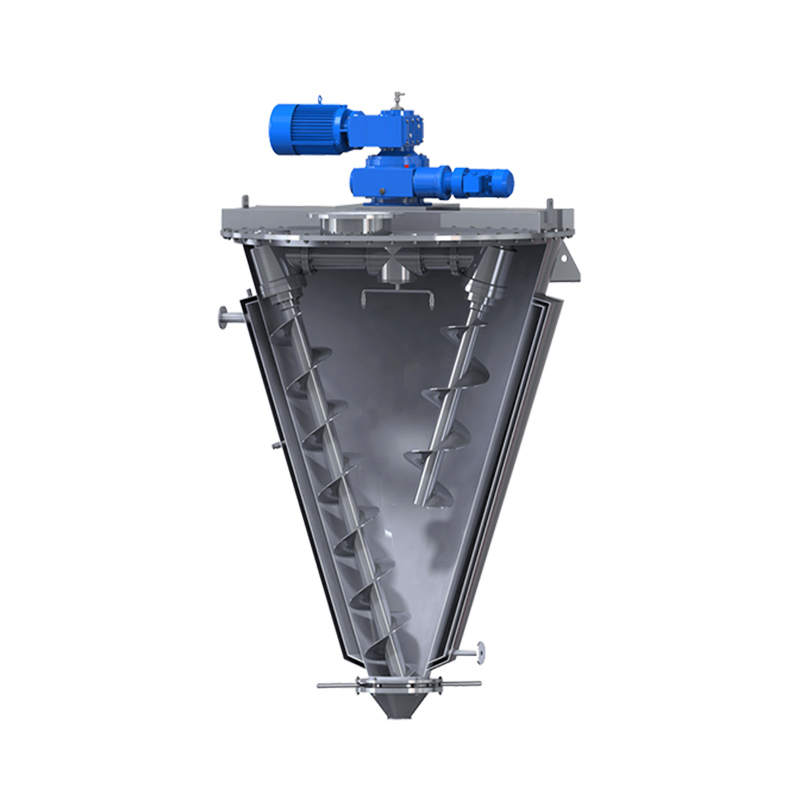 Conical Screw Mixer
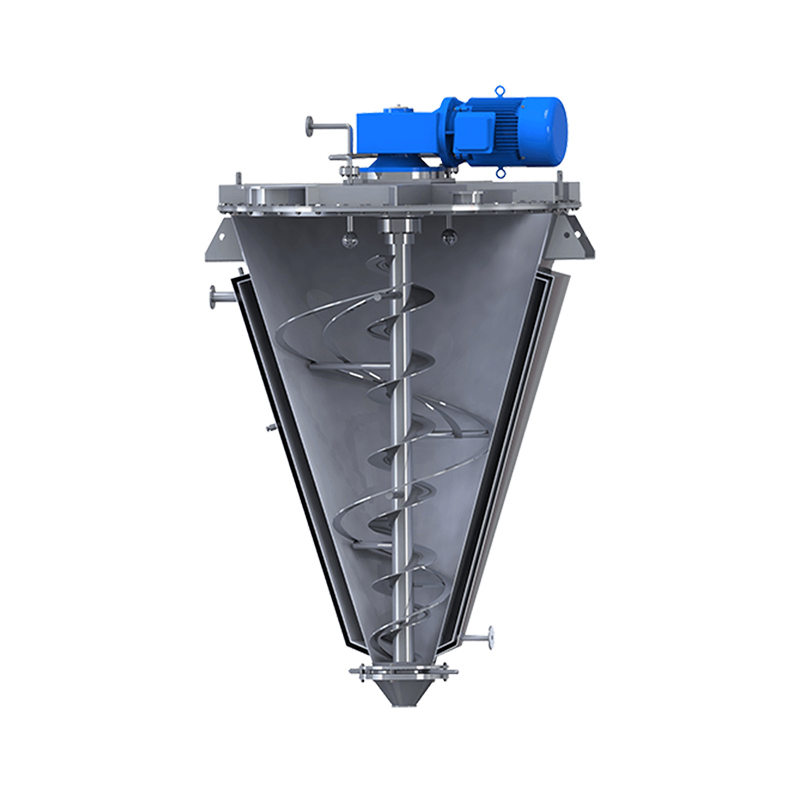 Conical Screw Belt Mixer
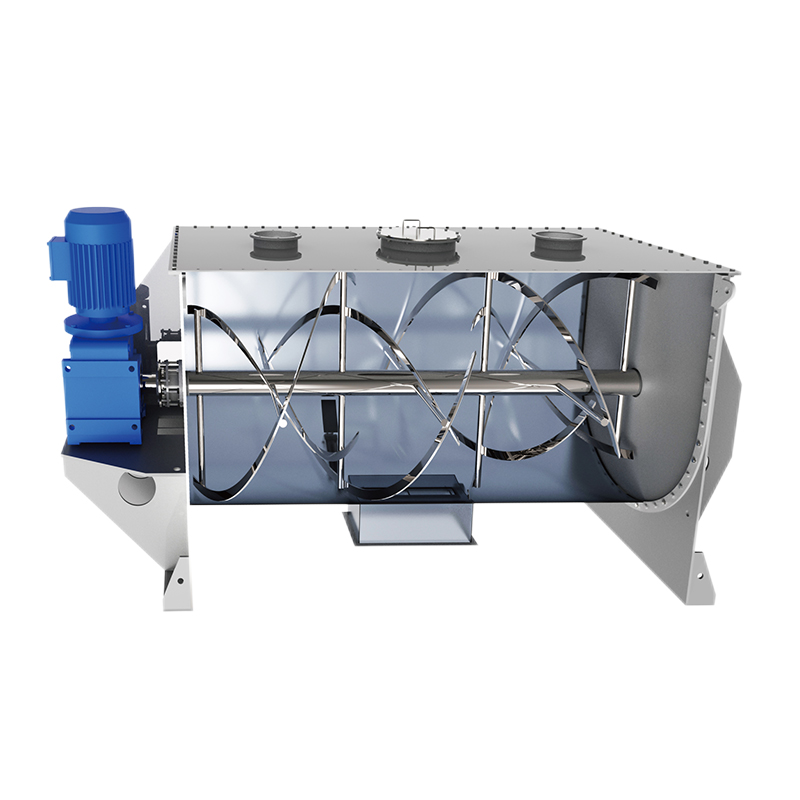 Ribbon Blender
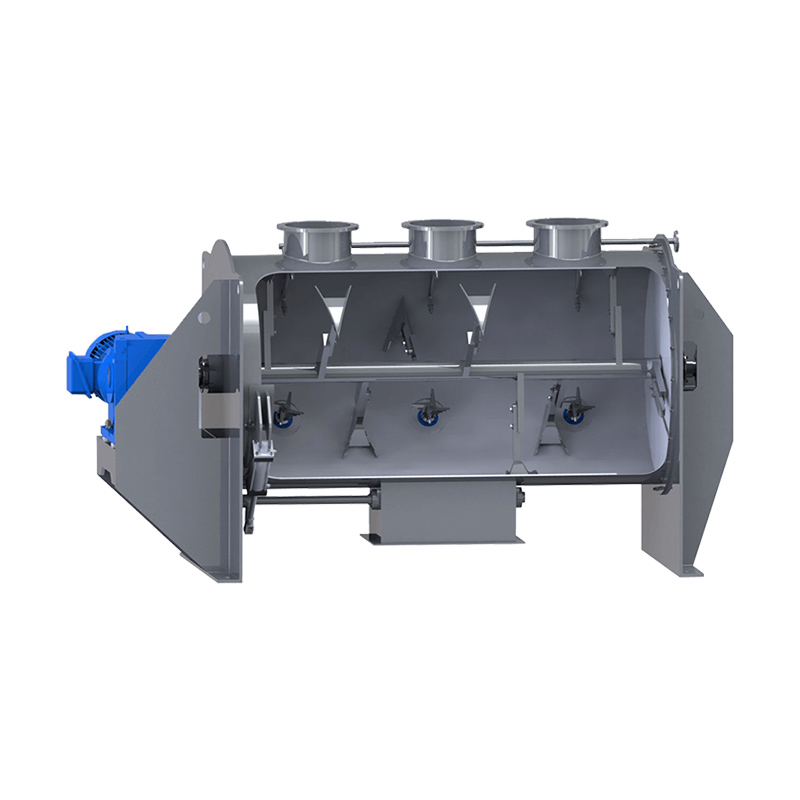 Plough-shear Mixer
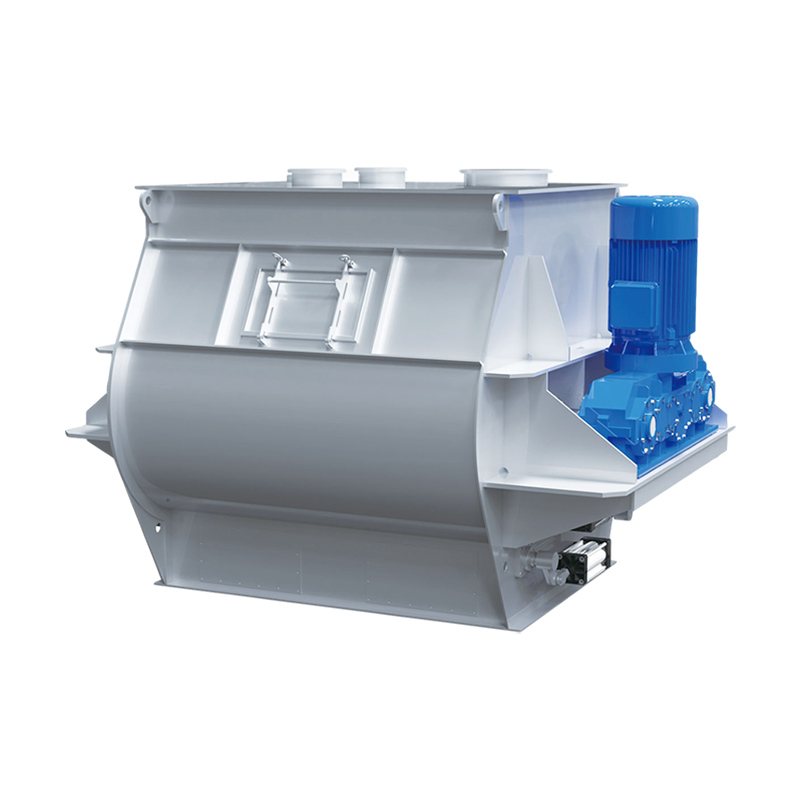 Double Shaft Paddle Mixer
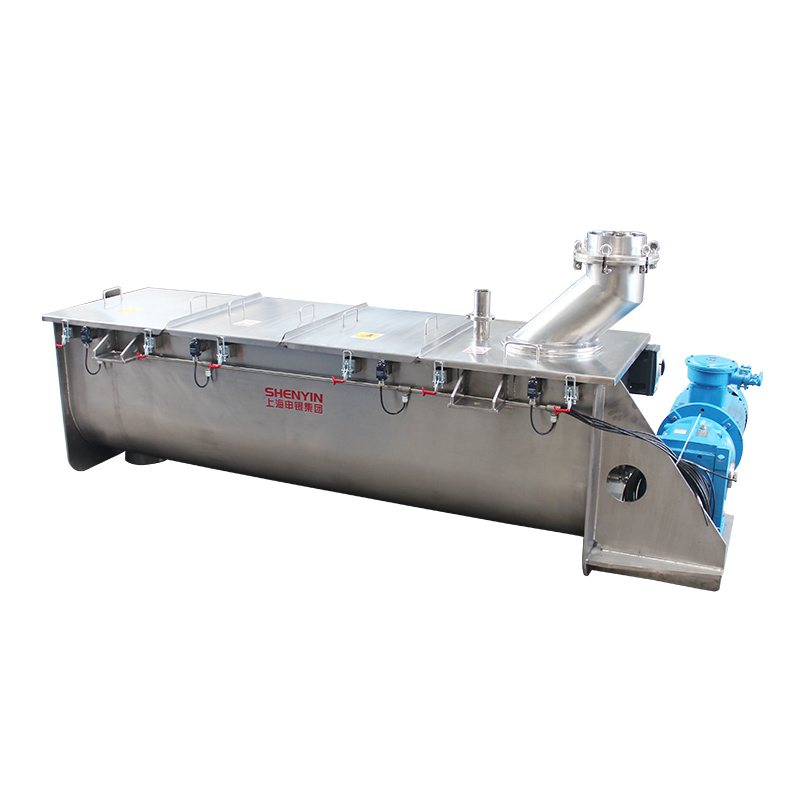 CM Series Mixer


