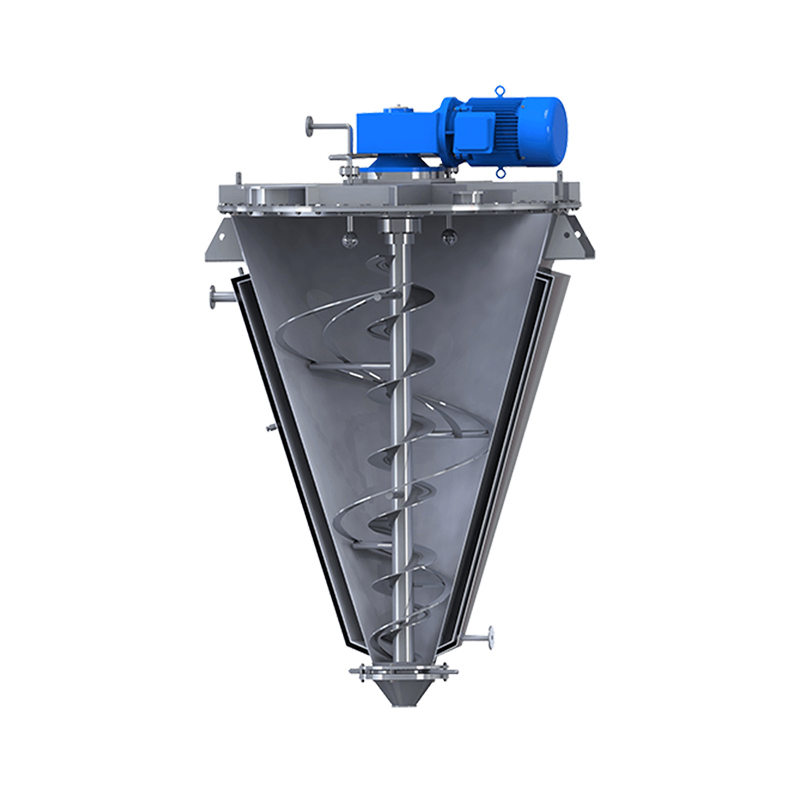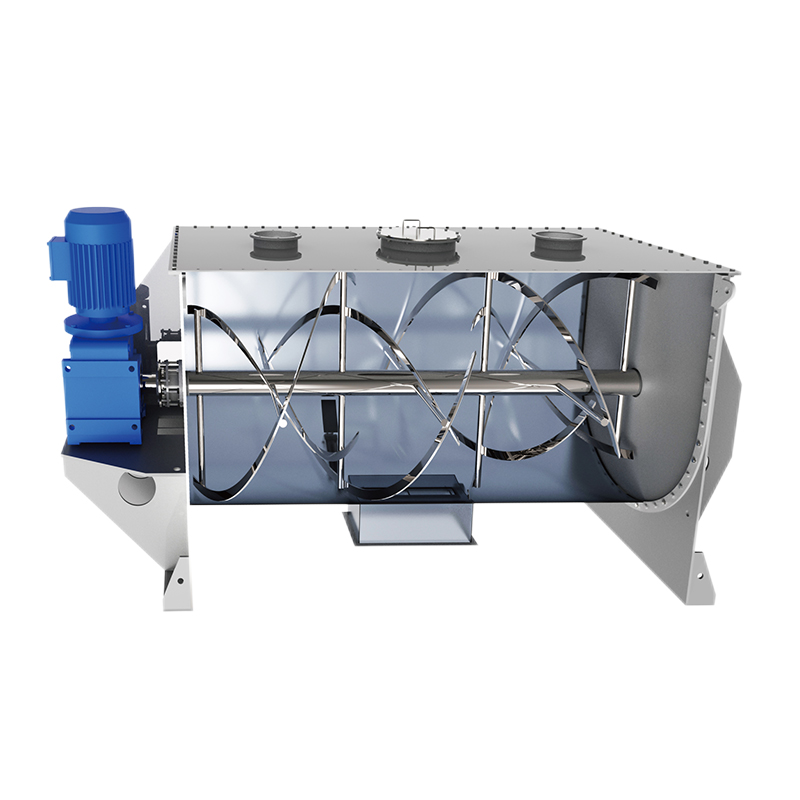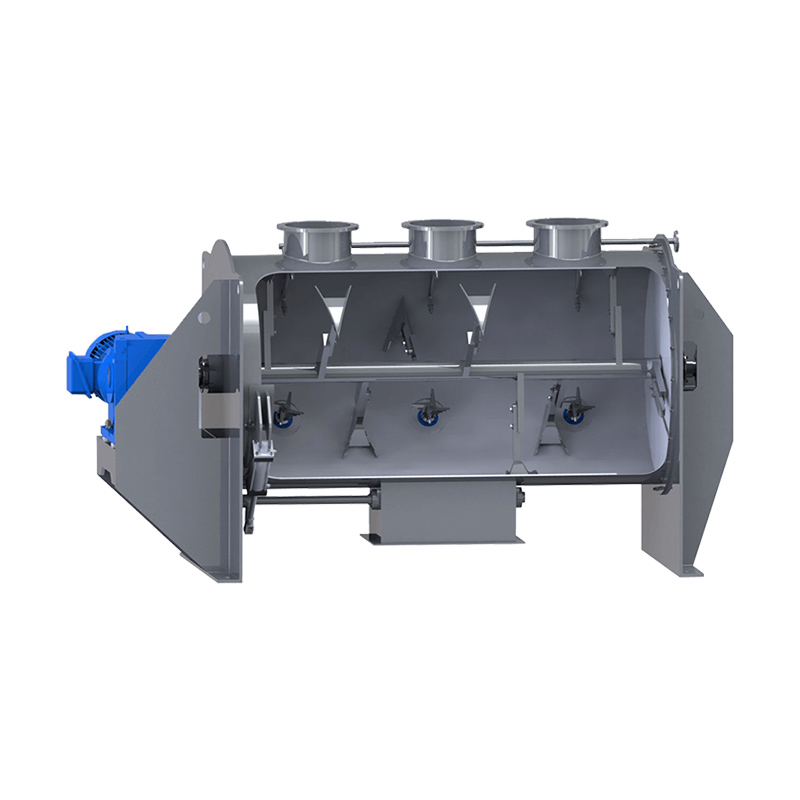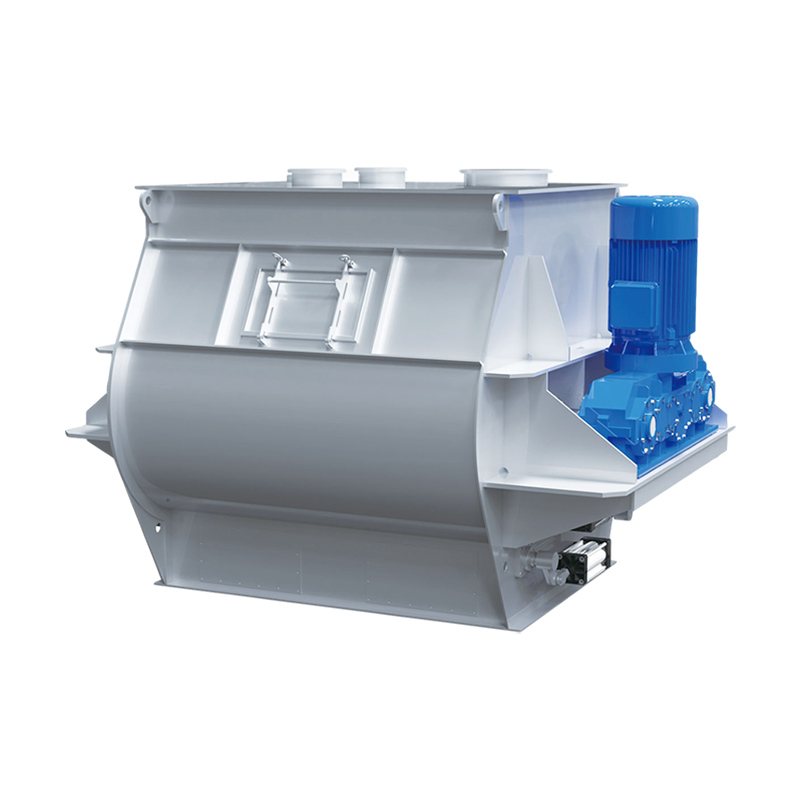
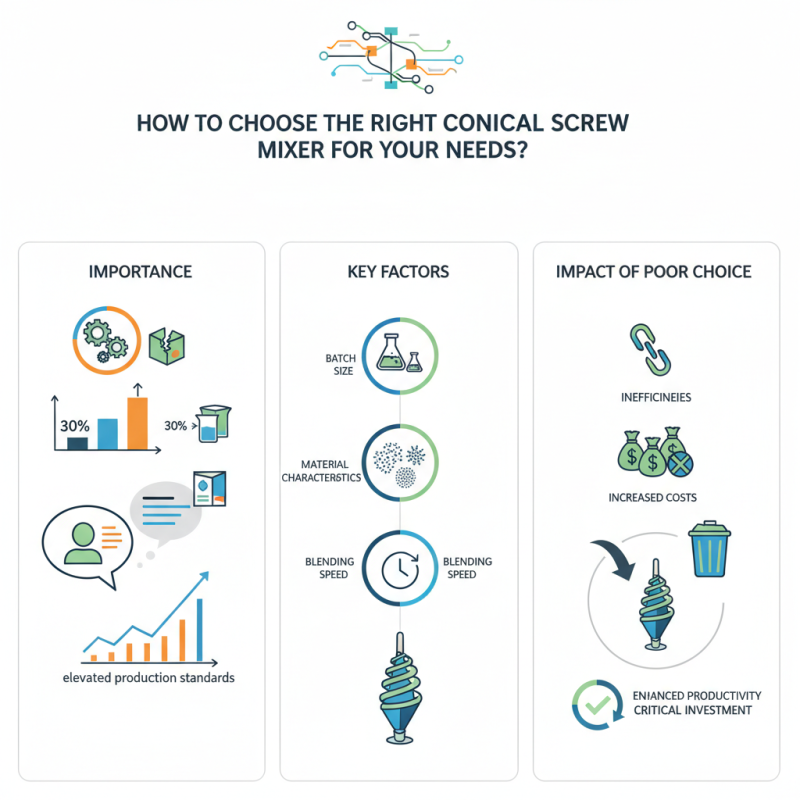
Picking the right Conical Screw Mixeris actually pretty crucial if you want things to run smoothly. The quality of the blending really makes a big difference when it comes to keeping your product consistent. I came across a report by Mixing Technology Insights that said nearly 30% of production headaches come from using the wrong or just inadequate mixing equipment — crazy, right?
John Smith, who’s pretty much an industry pro in mixing, once said, "Choosing the right mixer can really boost your production standards." His point totally hits home—knowing what you need specifically for your process is key. Stuff like batch size, the kind of materials you’re working with, and how fast you need things blended all matter a lot.
That said, a lot of companies don’t pay enough attention to these details. Sometimes they just pick a standard model without thinking about what’s really needed for their specific situation. That kind of oversight can lead to wasted time, higher costs, and less efficient production. So, taking the time to choose the right Conical Screw Mixer isn’t just a small detail — it’s a smart move that can seriously boost productivity and cut down on waste. Trust me, it’s an investment worth making.
Conical screw mixers have gained popularity in various industries due to their unique design and efficiency. These mixers facilitate uniform blending of bulk materials, making them essential for applications in food processing, pharmaceuticals, and chemical manufacturing. According to a recent industry report, the global conical screw mixer market is expected to grow at a rate of 6.5% annually through 2027. This suggests a rising demand driven by advancements in technology and increasing production efficiency.
One key advantage of conical screw mixers is their ability to handle different materials. They efficiently mix powders, granules, and even fragile ingredients without causing damage. Reports indicate that these mixers can blend materials with a size range between 50 microns to 5 mm. However, users must be cautious about the mixer’s scale and capacity. A mismatch between the volume of materials and the mixer size can lead to insufficient mixing and inefficiencies.
Consideration of material properties is crucial in choosing the right mixer. For instance, hygroscopic materials require special attention to prevent clumping. Experts in the field recommend a focus on operational conditions, such as temperature and humidity. Inadequate assessment may lead to unsatisfactory results, impacting product quality. Addressing these challenges ensures a more effective mixing process and meets industry standards.
| Mixing Capacity (Liters) | Power Rating (kW) | Material Type | Application | Features |
|---|---|---|---|---|
| 50 | 3 | Stainless Steel | Food Industry | Easy Clean, Variable Speed |
| 100 | 5 | Carbon Steel | Chemical Processing | ATEX Certified, High Efficiency |
| 200 | 7.5 | Stainless Steel | Pharmaceutical | Automated Controls, CIP System |
| 300 | 10 | Alloy Steel | Construction Materials | Heavy Duty, Customizable Design |
When selecting a conical screw mixer, several key factors come into play. The material being mixed is paramount. Different materials may require distinct mixing techniques. For instance, powdery substances behave differently than liquids. It's vital to assess the viscosity and density of your ingredients. According to recent industry reports, 65% of manufacturers prioritize compatibility with their materials when choosing a mixer.
The mixer’s design also influences performance. Conical designs facilitate better mixing and flow properties. This can significantly reduce batch time and ensure homogeneity. It's essential to consider additional features like the Conical Screw Mixer With Heating Jacket. Such options can enhance processing for temperature-sensitive materials, making them ideal for food or pharmaceutical applications.
Tips: Evaluate the size of the mixer against your production scale. A small unit may not meet high demands, while a large one could lead to inefficiencies. Check maintenance requirements as well; complex models might lead to downtime. Match your operational speed with the mixer’s capabilities. Misalignment can slow down production, affecting overall efficiency.
Choosing the right size for your conical screw mixer is crucial. You should start by assessing your production needs. Consider the volume of materials you'll be mixing. If you typically handle large batches, a larger mixer is necessary to ensure uniform mixing. However, oversized equipment can lead to wastage if your needs are modest.
Next, think about the mixing capacity. It is essential to find a balance between efficiency and practicality. For example, a Conical Screw Mixer With Cooling Jacket might suit specific applications, but if your capacity is too low, it may not be effective. Similarly, a mixer that is too large can complicate operations and increase energy costs beyond what is needed.
Don’t overlook the physical space requirements for the mixer. The area must accommodate not just the machine, but also safe operation zones. It’s often a challenge to predict how much space will be required. Take measurements and assess your layout. Reflecting on these practical aspects can help avoid costly mistakes in your production line.
When choosing a conical screw mixer, material compatibility is key. Different materials require specific considerations. For instance, some materials may react poorly with certain mixing elements. It’s essential to understand your materials fully.
Tips: Always review the chemical properties of your substances. This helps in avoiding unwanted reactions. If you’re unsure, test smaller batches first.
Consider particle size and density. These factors affect the mixing performance. For fine powders, a Custom Conical Screw Mixer may be ideal. It provides the gentle blending required for delicate materials. Remember, not all materials mix well together.
Tips: Maintain communication with your supplier. Discussing your needs can lead to better decisions. Also, bear in mind the cleaning process. Some materials can be challenging to clean. A thorough understanding of your workflow will save time and effort.
This bar chart displays the material compatibility scores for different types of materials used in conical screw mixers. A higher score indicates better compatibility for mixing processes.
Choosing the right conical screw mixer is crucial for achieving optimal blending results. Different blender designs offer unique benefits, catering to various industrial needs. A report from the Mixing Equipment Manufacturers Association highlights that the conical screw mixer is favored for its efficient blending and versatile applications. This design excels in handling delicate powders without causing damage.
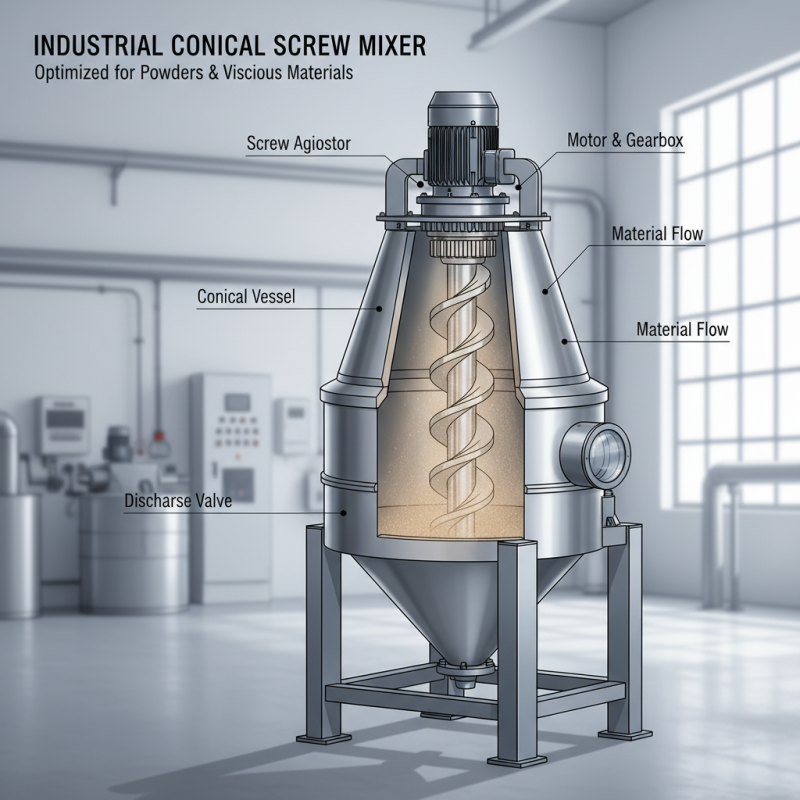
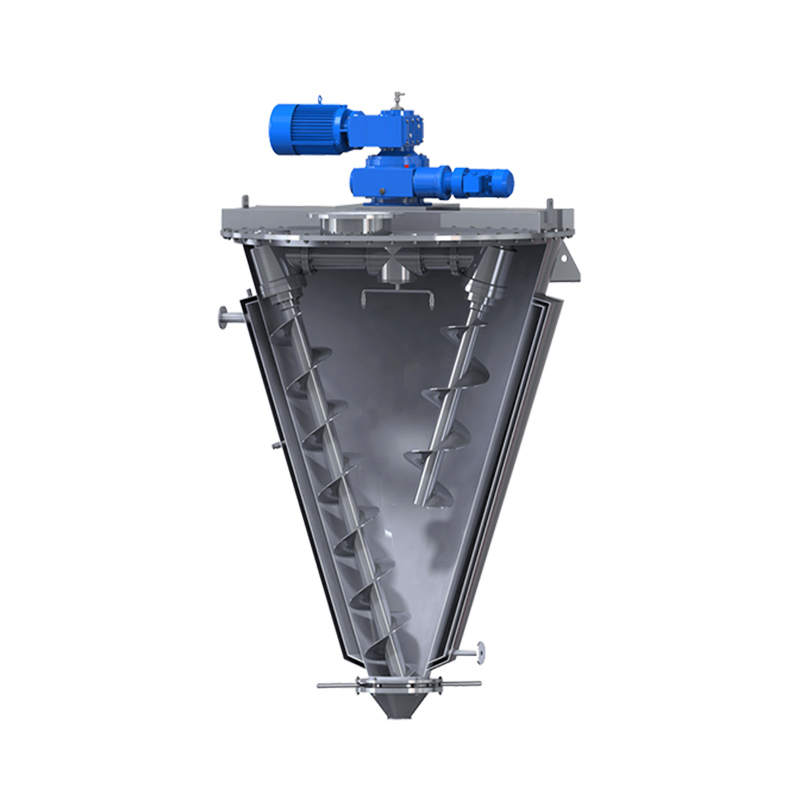
Conical screw mixers utilize a helical screw that moves materials along a conical chamber. This design promotes gentle mixing, which is essential for preserving the integrity of sensitive ingredients. Additionally, the geometry enables a consistent particle size distribution, which is vital in industries such as pharmaceuticals and food processing. However, some users report challenges with ensuring a uniform mix, especially with fine powders that tend to separate.
Understanding the specific needs of your operation is critical. If your materials are prone to clumping, consider mixers with built-in agitation systems. Alternatively, if variable blend size is crucial, a model with adjustable speed settings might be more suitable. While conical screw mixers provide numerous advantages, proper assessment and selection are key to maximizing their effectiveness.
When selecting a conical screw mixer, budget is crucial. A cost-effective choice does not mean compromising quality. Look for mixers that have CE certification. This ensures they meet safety standards and are reliable. A high initial cost can sometimes signal better longevity and efficiency. However, assess if the features justify the price. Some mixers might offer unnecessary functionalities, driving up costs without added benefits.
Consider maintenance costs too. Some mixers require more frequent repairs. This aspect can impact overall budgeting. A lower-priced mixer may seem attractive but could end up being more expensive in the long term. It’s worth investigating warranty options. A good warranty can provide peace of mind and protect your investment. Always ask about replacement parts. Availability can greatly affect budget planning.
Evaluate your production needs before making a decision. Not every application will need high-tech features. In some cases, basic models might suffice. Reflect on your workflow and see if it aligns with the mixer’s capabilities. Balancing cost-effectiveness with your specific requirements is essential. An informed choice will save you money and enhance operational efficiency.
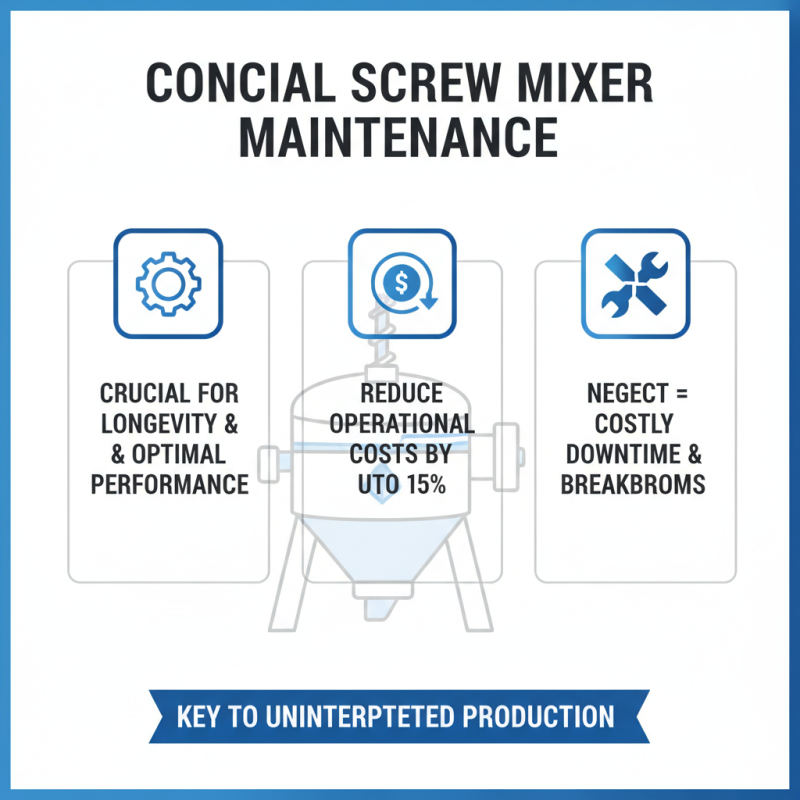
Maintenance is crucial for the longevity of conical screw mixers. Regular upkeep helps ensure optimal performance. Data shows that well-maintained mixers can reduce operational costs by up to 15%. Neglecting maintenance can lead to breakdowns, which cause costly downtimes.
Operators should adhere to a routine checklist. This includes checking seals, inspecting drive systems, and cleaning the mixing chamber. Studies indicate that 70% of equipment failures arise from poor maintenance practices. It’s essential to train staff regularly on maintenance protocols. Skipping these steps can lead to inefficient mixing.
Access to technical support is another key aspect. Many mixers come with support options that can address issues quickly. Having a reliable support team reduces repair time significantly. Reports suggest that companies with strong support systems experience 30% fewer malfunctions. Investing in service contracts may seem costly, but they can be cheaper than emergency repairs. Think about how well your equipment is cared for.
: The product aims to enhance daily productivity and organization. It helps users manage tasks efficiently.
Using the product requires setting clear goals. Regular updates help improve your experience over time.
It includes task lists, reminders, and progress tracking. These features keep users focused and accountable.
Yes, many aspects are customizable. Adjust settings based on your preferences and work style.
If issues arise, consult the instructions. You can also seek help from user communities online.
Some users may find it challenging at first. Take time to explore all features for better usability.
Check for compatibility with popular applications. Integrating tools can streamline your workflow effectively.
Potential limitations include connectivity issues or feature accessibility. Reflect on how these may affect your use.
Yes, user feedback drives improvements. Your experiences can influence future updates and functionalities.
By tracking tasks, it encourages consistency. Developing small habits can lead to significant long-term changes.
Choosing the right Conical Screw Mixer is essential for optimizing your mixing processes across various applications. To do so, one must first understand the working principles of these mixers and their specific applications. Key factors to consider during selection include the size and capacity that align with your production needs, as well as the compatibility of materials being processed. Different designs of blenders offer unique benefits that can enhance mixing efficiency.
Moreover, budget considerations play a crucial role in selecting a Conical Screw Mixer, ensuring cost-effectiveness while meeting quality standards. Ensuring proper maintenance and support options are available will also contribute to the longevity and effectiveness of your mixer. By evaluating these aspects carefully, you can make an informed decision that improves your mixing operations.