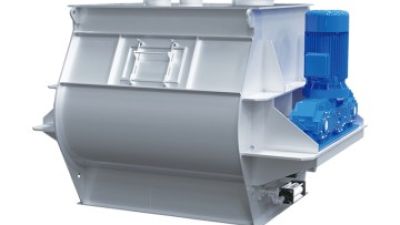
Picking the right Industrial Mixers for your operations can feel pretty overwhelming at times. I mean, John Smith, a well-known industry expert, once said, "Choosing the right mixer can really make or break your production efficiency." Honestly, that just shows how crucial this decision really is.
When you’re looking at different options, it’s super important to think about what your specific processes need. Some materials might require a totally different type of mixer than others. Also, make sure the mixing capacity matches what you’re producing—nothing worse than running a mixer that’s too small or too big. And don’t forget about energy efficiency; a good Industrial Mixer can save you a good chunk of money over time.
You’ll probably hear people say not all mixers are created equal—and honestly, that’s true. Choosing the wrong one can lead to a bunch of headaches, like inconsistent product quality or lots of downtime. It’s smart to think about these things early on so you can avoid costly mistakes down the line. Spending some time picking out the perfect industrial mixer really pays off in the end with better performance and smoother operations.
Understanding Industrial Mixers: Types and Functions
Industrial Mixers are essential in various manufacturing processes. They enable the blending of different materials to achieve uniformity. These mixers come in several types. Each type serves a distinct function. Understanding their differences can significantly impact production.
Batch Mixers are commonly used for small quantities. They allow for easy adjustments in recipes. However, they can be time-consuming. Continuous mixers, on the other hand, are more efficient for large-scale production. They provide a constant flow of materials. Yet, they may lack flexibility in small batches.
Other types include high-shear mixers and planetary mixers. High-shear mixers work well for emulsions and dispersions. But they can generate heat. Planetary mixers excel in applications requiring thorough mixing. They can be overkill for simpler tasks. Careful evaluation is needed to choose the right mixer. Consider the specific requirements of your production process.
Evaluating Your Specific Mixing Requirements
When evaluating your specific mixing requirements, the type of materials is critical. Consider the viscosity and density of your materials. Different mixers handle varying viscosities better. For example, thicker mixtures require powerful equipment. In contrast, lighter mixtures may be suited for simpler designs. You might find that your current mixer struggles with certain materials. This can lead to inconsistent products.
Next, think about the batch size. Smaller batches might not need heavy-duty Industrial Batch Mixers. However, large production runs require robust machinery to ensure efficiency. In some cases, you may be tempted to cut corners. This can result in longer mixing times or inadequate blending. It's essential to assess your output needs thoroughly.
Lastly, consider the mixing time required for your processes. Some formulations may need precise timing for optimal results. If your current setup falls short, it’s time to rethink your choice. Don't be afraid to reach out for advice. Assessing your needs accurately can save you time and resources in the long run.
Key Features to Look for in Industrial Mixers
When selecting industrial mixers, consider essential features that suit your application. The capacity of the mixer plays a critical role. Ensure it meets your production needs. If your processes require mixing large volumes, opt for a larger capacity. However, oversized mixers can waste resources.
Another vital feature is the mixer type. Different mixers serve distinct purposes. Some are designed for dry mixing, while others work better for liquids. Conduct research on which type meets your specific requirements. This is crucial for efficiency.
Pay attention to the ease of cleaning. Mixers in food or pharmaceutical industries require rigorous hygiene standards. A design that allows for easy cleaning saves time and enhances safety. If the cleaning process is too complex, it may lead to contamination issues.
Lastly, consider the power source. Electric mixers may offer consistency, while pneumatic options can provide versatility. Choose based on your production environment. A thoughtful approach here can save money in the long run.
Top Tips for Choosing the Best Industrial Mixers for Your Needs
| Feature | Description | Importance |
| Mixing Speed | The speed at which the mixer operates to achieve desired consistency. | Essential for efficient mixing. |
| Capacity | The volume that the mixer can handle in one batch. | Critical for production needs. |
| Material Composition | Materials used in the construction of the mixer, affecting durability. | Important for longevity and maintenance. |
| Type of Mixer | Different types include planetary, ribbon, and batch mixers. | Varies based on the material and process needs. |
| Noise Level | The sound produced during operation, relevant for workplace comfort. | Affects operator comfort and safety regulations. |
| Energy Efficiency | How much energy the mixer consumes during operation. | Can reduce operational costs. |
| Control Options | Manual vs. automated control systems available. | Affects ease of use and precision. |
Assessing Mixer Size and Capacity for Your Operations
Choosing the right industrial mixer can significantly impact your production efficiency. One key aspect is assessing mixer size and capacity based on your operational needs. For example, a report by the Mixing Equipment Manufacturers Association highlights that mixers with a capacity of 100 to 300 gallons are ideal for medium-sized operations.
When selecting a mixer, consider the volume of materials you'll be processing. A larger capacity mixer may appear beneficial, but it could lead to wasted resources if it exceeds your operational requirements. On the other hand, a smaller mixer might limit your output. Striking the right balance is essential.
Tips for choosing the right size include evaluating batch size and frequency. If your operation has varied batch sizes, look for Custom Industrial Mixers that offer flexibility. This can enhance efficiency while accommodating changing production demands. Remember, unaddressed capacity misalignment can lead to performance issues down the line. Always assess your resources and avoid overestimating your needs. Make choices that align with your current and future production goals, ensuring you avoid potential pitfalls.
Energy Efficiency and Performance Considerations
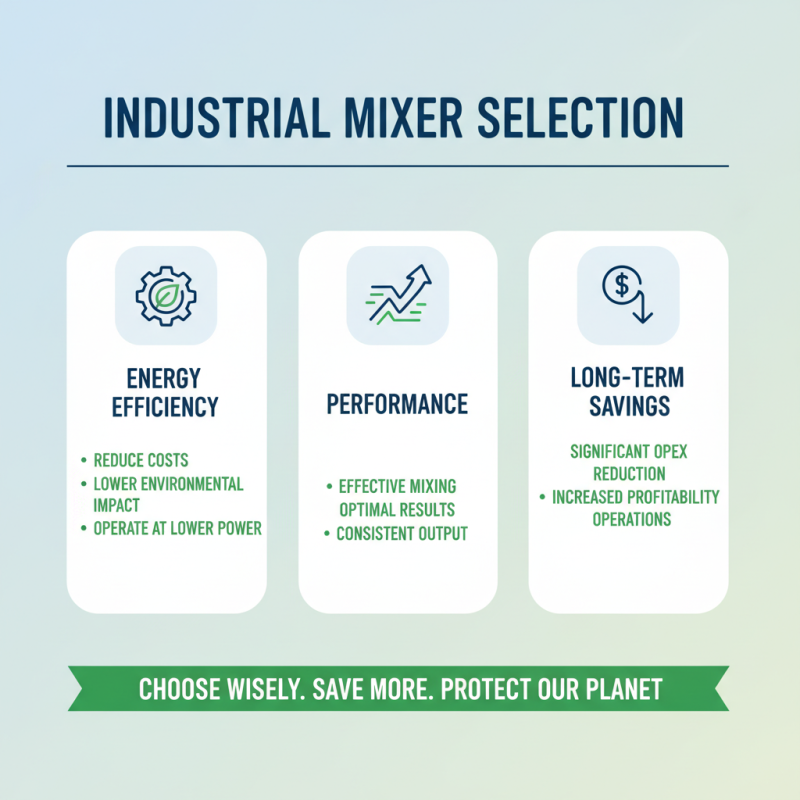
When selecting industrial mixers, it’s crucial to consider energy efficiency and performance. Energy-efficient mixers not only reduce costs but also minimize environmental impact. Look for mixers that operate effectively at lower power levels. This approach can significantly lower your operational expenses over time.
Incorporate regular maintenance into your plan. Well-maintained mixers perform better and last longer. Dirty or worn parts can decrease their efficiency. Regular checks can reveal issues before they escalate. Remember, performance is not just about speed; it's also about consistency and reliability.
Choose models that meet standards like CE Certification Industrial Mixers. These certifications ensure that your equipment meets European safety and efficiency guidelines. Assess the size and capacity you need as well. A smaller mixer might suffice for some applications, while larger tasks may need more powerful options. Each choice shapes your overall productivity.
Budgeting for Your Industrial Mixer Investment
When considering the investment in industrial mixers, budgeting is crucial. According to industry reports, businesses often overlook total ownership costs. The initial purchase may only be a fraction of the overall expenses. Maintenance, energy consumption, and downtime can significantly impact your budget.
One important tip is to assess your production needs thoroughly. Understand the materials you will mix and the required batch sizes. This clarity helps prevent overspending on equipment not suited for your specific tasks. Research indicates that mismatched equipment can lead to production inefficiencies, driving costs higher than anticipated.
Another factor to keep in mind is the potential for scalability. Investing in a mixer that meets current demands yet allows for future growth can save money in the long run. Aim for machines that offer flexibility. It may seem tempting to opt for the lowest price. However, lower costs may compromise performance, leading to costly production delays.
Staying informed about trends and innovations in mixer technology can aid in making a wise investment. Some businesses find themselves stuck with outdated equipment, which can hurt profitability. Analyzing industry movements can help align your budget with the right mixer choice.
Supplier Reputation and Customer Support Services
Choosing the right industrial mixer is crucial. Supplier reputation and customer support are essential factors. A recent industry report highlights that 78% of companies experience issues when their suppliers lack reliable support. This can lead to downtime and increased costs.
When selecting a supplier, prioritize their track record. Look for feedback from previous clients. Check reviews and ratings. This can provide insight into possible challenges. A knowledgeable supplier can help navigate complex requirements. It ensures you get the right Custom Industrial Batch Mixers for your operations.
Customer support is equally important. Over 60% of users report dissatisfaction due to poor communication. Quick responses can prevent delays. Ensure that the supplier offers robust support post-purchase. Ask about their training options and maintenance services. This can make a significant difference in your operations. In the end, choosing the right supplier is about building a partnership. Keep these points in mind when making your decision.
Maximizing Efficiency in Various Industries with the Industrial Double Shaft Paddle Mixer
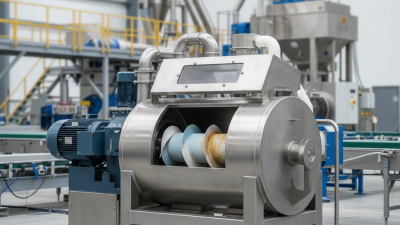
The SYJW series double shaft paddle mixer is engineered to optimize the mixing process across various industries, particularly those dealing with materials exhibiting significant disparities in specific gravity, fineness, and fluidity. This innovative mixer, commonly referred to as a gravityless mixer, excels in ensuring homogeneity in the final product. According to industry reports, efficient mixing is crucial in sectors such as pharmaceuticals, food processing, and construction, where the quality of end products directly correlates to their mixing processes.
Recent data indicates that inconsistencies in material mixing can lead to production inefficiencies, costing industries millions annually. For example, in the food processing sector, subpar mixing can result in uneven flavor distribution, affecting consumer satisfaction and brand loyalty. The double shaft paddle mixer's design mitigates such issues by providing a gentle yet thorough mixing action, effectively handling materials with varied physical properties without compromising their integrity.
In addition, the double shaft system enhances the mixer’s capability to integrate and blend powders, granulates, and pastes uniformly, which is vital in the production of pharmaceutical formulations and specialty chemicals. As industries strive to maximize efficiency while minimizing waste, the SYJW series double shaft paddle mixer stands out as a solution that elevates performance, supporting manufacturers in achieving their operational goals.
FAQS
: Focus on the type of materials, including viscosity and density. Different mixers suit varying viscosities.
Smaller batches may require less robust mixers, while larger production needs powerful equipment for efficiency.
Skimping on mixers can lead to longer mixing times and inadequate blending, affecting product consistency.
Businesses often overlook total ownership costs, including maintenance and energy, impacting the overall budget significantly.
Assess your production needs and required batch sizes to ensure proper matching of equipment and tasks.
Choose a mixer that meets current needs but allows for future growth, which can save money over time.
A supplier's track record is crucial; poor support can lead to issues and increased downtime during operations.
Strong post-purchase support, including training and communication, is vital to prevent operational delays and dissatisfaction.
Opting for lower-cost equipment may compromise performance, resulting in costly production delays and inefficiencies.
Analyzing industry trends helps you align your budget with the right mixer choice and avoid outdated equipment.
Conclusion
When selecting the best industrial mixers for your operations, it is crucial to understand the various types and functions they serve. Different industries require specific mixing capabilities, so evaluating your unique mixing needs is the first step. Key features such as durability, speed settings, and ease of maintenance should also be prioritized. Assessing the size and capacity of the mixer is essential to ensure it meets your production demands without compromising performance.
Energy efficiency is another important consideration, as it can significantly impact operational costs over time. Budgeting appropriately for your investment in industrial mixers will help you balance quality with affordability. Lastly, collaborating with reputable suppliers who offer strong customer support services can enhance your overall experience and ensure you choose the best mixer tailored for your specific requirements.

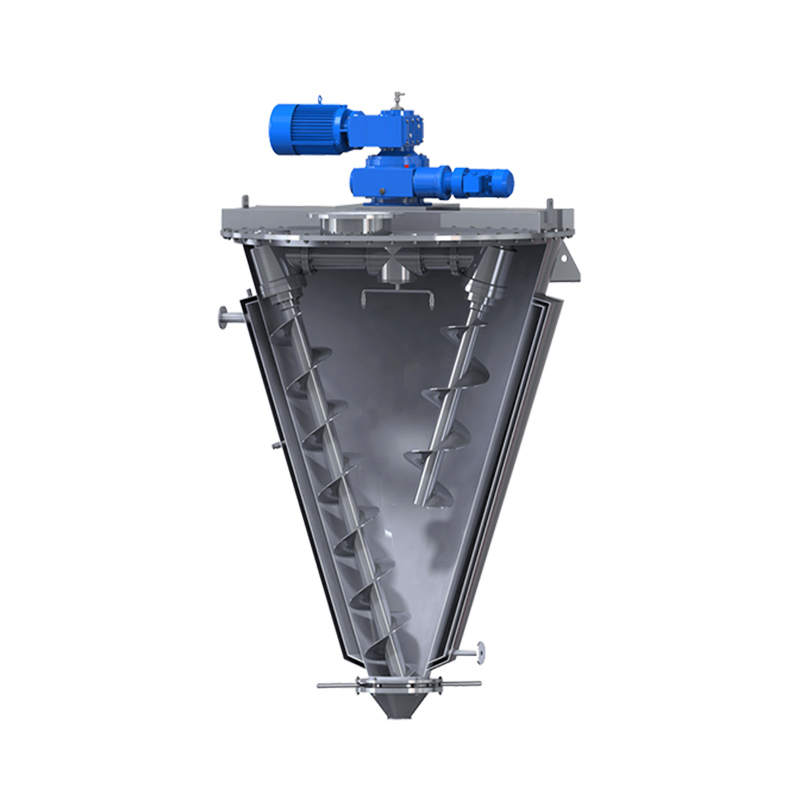 Conical Screw Mixer
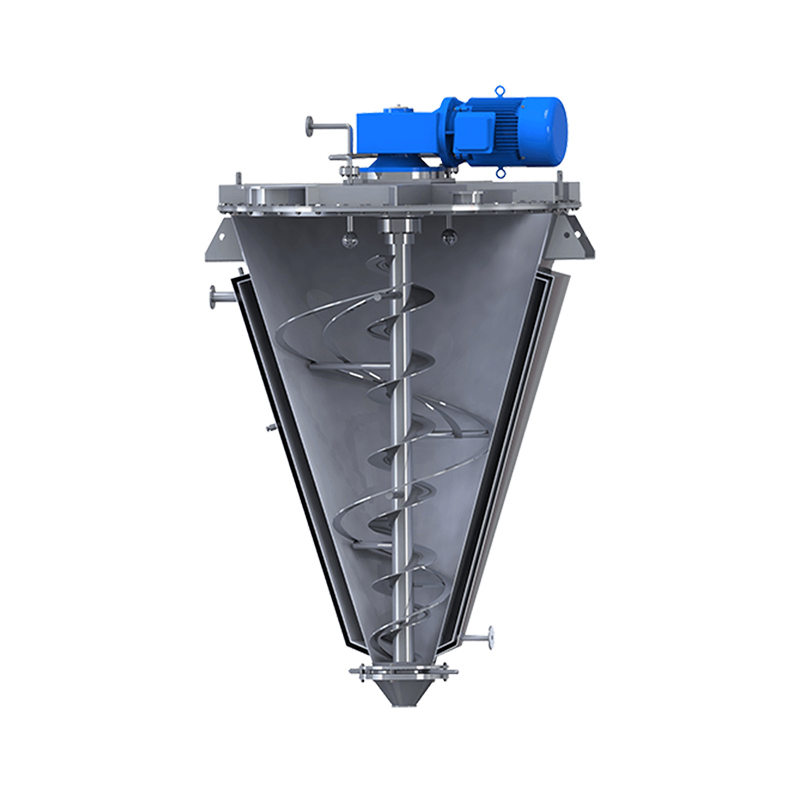 Conical Screw Belt Mixer
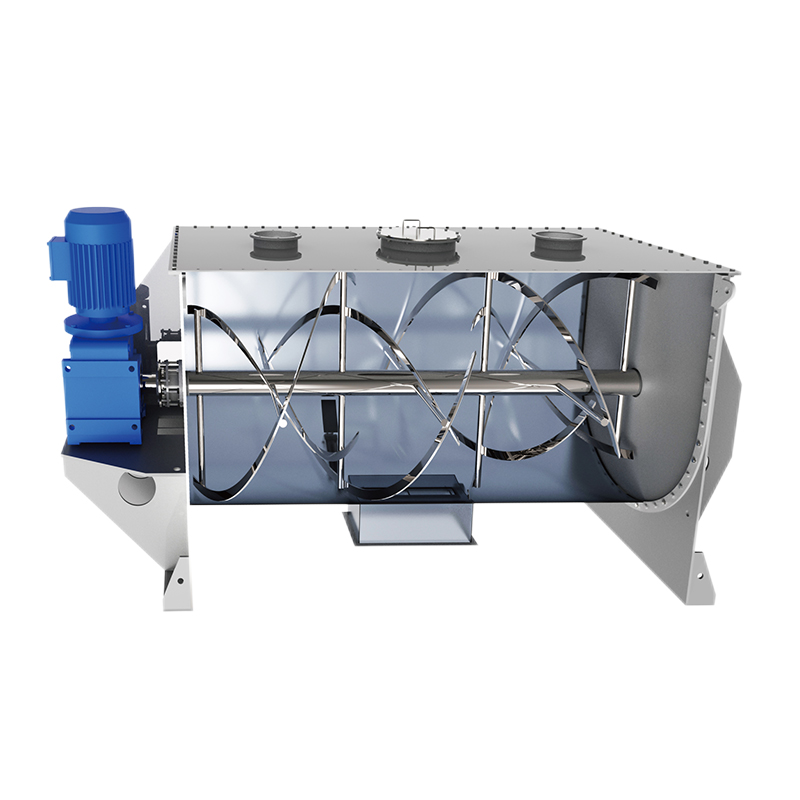 Ribbon Blender
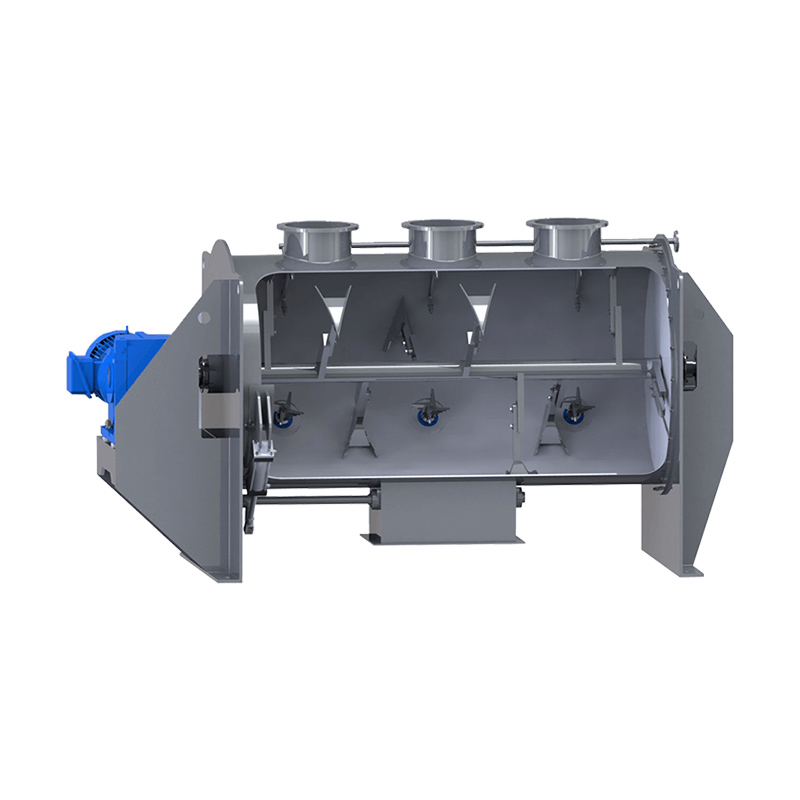 Plough-shear Mixer
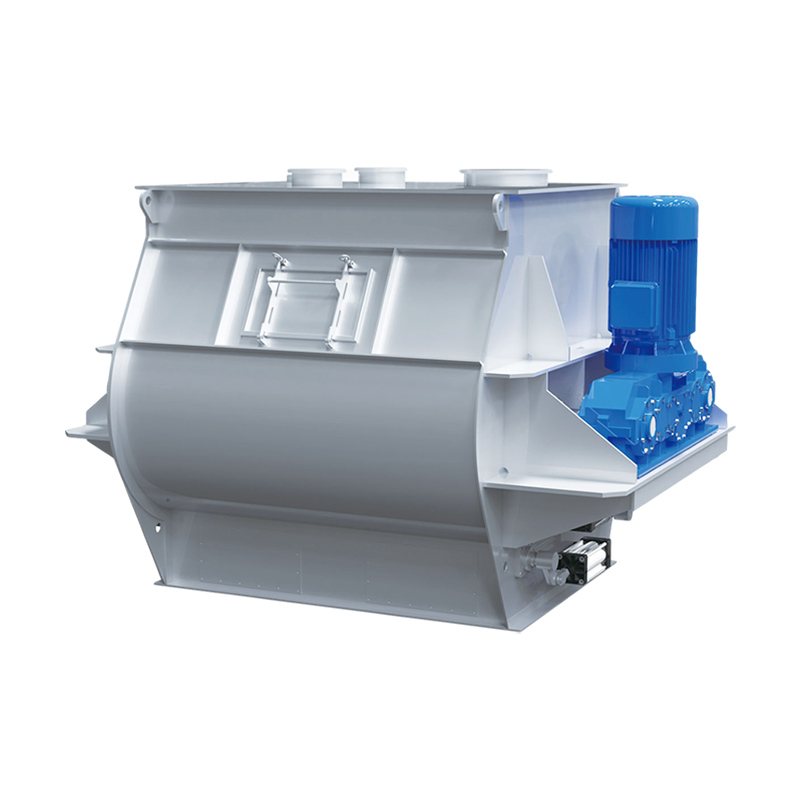 Double Shaft Paddle Mixer
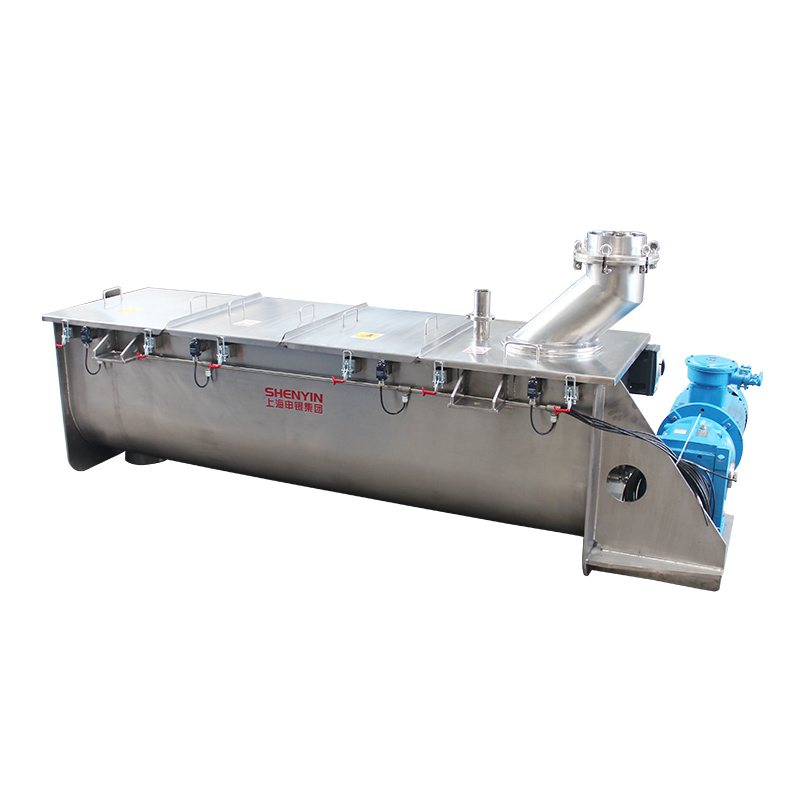 CM Series Mixer