Picking out the right Ribbon Agitatorisn't exactly a walk in the park. With so many designs and uses out there, it can feel pretty overwhelming to make the right call. I remember John Smith, who’s kind of a big deal when it comes to mixing tech, once said, “A good Ribbon Agitator can seriously boost your production game.” That really hits home - it shows just how important this equipment can be across different industries.
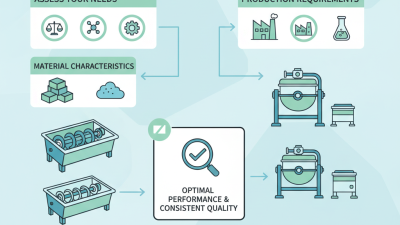
Each Ribbon Agitator is actually tailored for specific tasks. Like, some are built for gently mixing delicate materials, while others are more high-powered, delivering intense shear for tougher jobs. Figuring out exactly what you need makes a huge difference in picking the right model. It’s not just about checking specs — really understanding what you’re trying to achieve is key.
A lot of companies tend to rush into these decisions, often just going for the cheapest option without really thinking about performance. And that can backfire big time, leading to less efficient processes. So, take a moment to reflect on what really matters for your process. Be clear about your mixing needs and the results you want. When you invest in the right Ribbon Agitator, it’ll pay off in the long run — trust me, it’s worth it.
Understanding Ribbon Agitators: Definition and Functionality
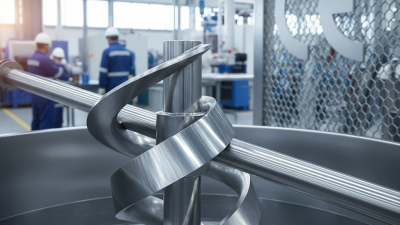
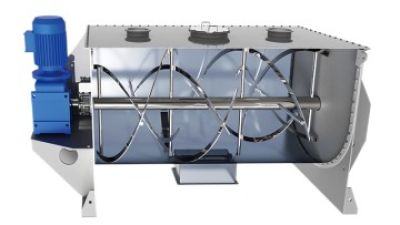
Ribbon agitators are crucial in various industrial applications. They are designed to mix and blend materials effectively. Understanding their definition and functionality is essential for making informed choices. A ribbon agitator consists of a helical ribbon mounted on a shaft. This design facilitates both axial and radial flow, ensuring even distribution of materials.
When selecting a ribbon agitator, consider the material types you’ll be mixing. Different applications may require specific designs or sizes. The viscosity of the materials is another key factor. For dense mixtures, a sturdier agitator is often necessary. Flow patterns should also be analyzed. Sometimes, the ideal agitator may need modifications to optimize performance.
It's important to consult with experts in the field. Their insights can clarify your specific needs. However, even experienced users may overlook certain aspects. Documenting your experiences with different agitators helps refine your choices. Remember, no single agitator fits all situations perfectly. A thoughtful approach is needed for optimal results.
Types of Ribbon Agitators: Overview of Design Variations
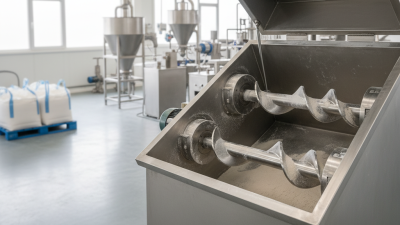
When selecting a ribbon agitator, understanding the design variations is essential. Ribbon agitators come in different configurations, influencing mixing efficiency and material handling. Standard designs include single and double ribbon types. The single ribbon agitator is often used for less viscous materials, offering a simple and cost-effective solution. In contrast, the double ribbon agitator is better suited for more complex mixtures, providing greater homogeneity.
Another critical consideration is the material of construction. Stainless steel is a preferred choice for many industries due to its durability and resistance to corrosion. However, specific applications may require alternative materials, including carbon steel or specialty alloys. Reports indicate that 65% of users opt for Custom Ribbon Agitators to meet unique operational needs. Custom configurations can optimize performance, allowing for adjustments in ribbon design and spacing.
The need for proper sizing cannot be overlooked. Size impacts both the flow dynamics and efficiency of the mixing process. A poorly sized agitator may lead to inefficient mixing, causing inconsistencies in product quality. Data shows that 30% of operational issues stem from inadequate agitator specifications. It is essential to evaluate your process needs carefully. Understanding your material properties and mixing requirements can guide you in choosing the right agitator design for your facility.
Factors to Consider When Selecting a Ribbon Agitator
Choosing the right ribbon agitator involves understanding several key factors. One crucial aspect is the design of the agitator itself. Different shapes and sizes impact mixing efficiency, especially in various materials. According to industry standards, an appropriate ribbon agitator can improve mixing consistency by up to 20%. It’s essential to evaluate the capacity you require based on your production scale.
Another factor is the material compatibility of the agitator. Many ribbon agitators follow CE Certification standards, ensuring safety and reliability. Using corrosive or abrasive materials may require specialized materials for the agitator. This choice directly influences maintenance costs in the long run. Inaccurate selection can lead to premature failures, reducing overall productivity.
Additionally, operational speed is vital for effective mixing. A slow speed may not achieve adequate blending, while too fast can cause splashing and waste. Many studies suggest that balancing speed with thorough mixing is critical for optimal performance. Always consider your specific application requirements, as one size does not fit all in ribbon agitators.
Sizing Your Ribbon Agitator: Capacity and Dimension Guidelines
Choosing the right ribbon agitator can feel overwhelming. The right sizing is crucial for optimal performance. Understanding capacity and dimensions is key. You must consider your specific needs. The size of the agitator should match the volume of material being processed. It affects not only efficiency but also product quality.
Tips: Always calculate the total volume first. The right agitator will minimize dead zones and ensure uniform mixing. You want a configuration that suits your tank shape and size. A compact design may be beneficial in tight spaces.
The width of the ribbon should correspond to the tank's dimensions. Wider ribbons can handle larger volumes but may not fit smaller tanks well. The balance is critical. Too large may lead to inefficiency, while too small can underperform.
Tips: Assess the viscosity of your materials. For thicker substances, a Screw Agitator might be more effective. Adjustments in speed and size can make a huge difference. Take your time to evaluate the requirements. It's always worth reconsidering your choices based on actual performance data.
Material Compatibility: Choosing the Right Construction Material
Choosing the right construction material for a ribbon agitator is crucial. Consider the material compatibility with your substance. Different materials interact uniquely with various chemicals. For instance, stainless steel and polypropylene offer great resistance to corrosion. However, they may not be suitable for all applications.
Think about the operating conditions. High temperatures can limit your choices. Some plastics may deform under heat, while others can maintain their integrity. Similarly, abrasive materials may wear down softer metals. Assess the specific properties of your intended materials.
Evaluate the cost versus performance. Sometimes, a less expensive option may not hold up well in the long term. This can lead to frequent replacements and increased downtime. Understanding your material needs is essential. Reflect on your previous experiences to avoid repeating mistakes. Choosing the correct material can enhance efficiency and longevity.
Material Compatibility of Ribbon Agitators
Applications of Ribbon Agitators in Various Industries
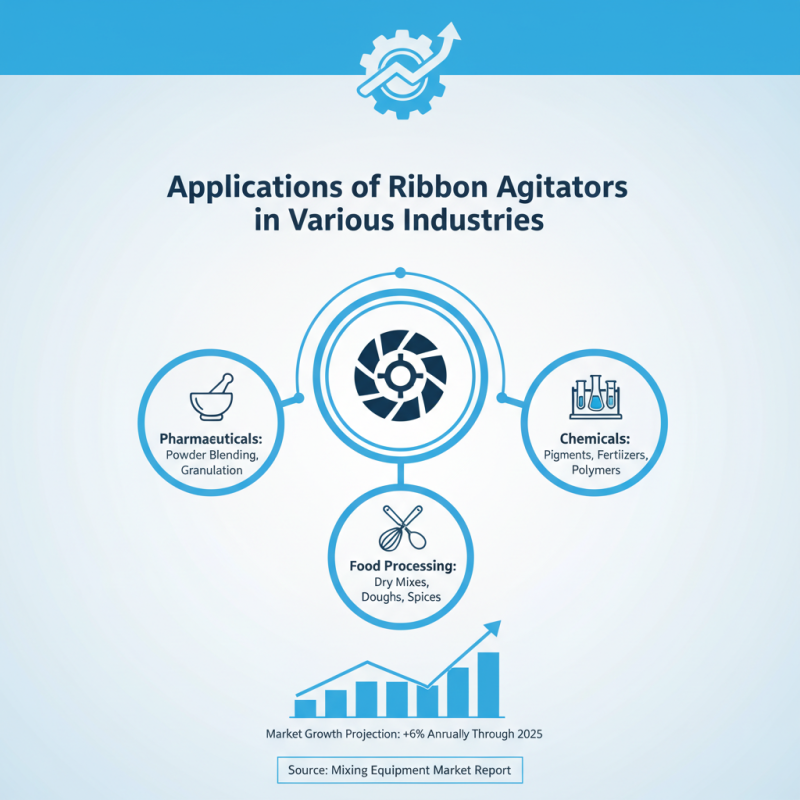
Ribbon agitators are essential tools in various industries, providing efficient mixing solutions for different materials. Their designs vary, and they are widely used in pharmaceutical, food processing, and chemical industries. A report from the Mixing Equipment Market indicates that ribbon agitators have witnessed a significant demand increase, projected to grow by over 6% annually through 2025.
In the food processing industry, ribbon agitators are crucial for ensuring uniform blending of ingredients. They help maintain consistency in the final product. When choosing a ribbon agitator for food applications, it’s vital to consider hygiene standards. In pharmaceuticals, these agitators help create homogeneous mixtures for powders and liquids. It's essential to evaluate the material and size of the agitator for optimal performance. A well-selected Powder Agitator can enhance product quality and reduce processing time.
Tip: Always assess the viscosity of your materials. Not all agitators suit every viscosity level. It’s beneficial to conduct tests with small batches to determine the right configuration.
In chemical processes, ribbon agitators handle corrosive substances efficiently. However, improper selection can lead to ineffective mixing or damage to the agitator. Industrial reports highlight that a poorly functioning agitator can increase production costs significantly. Regular maintenance and inspection ensure longevity and optimal performance of the equipment.
Maintenance Tips for Optimal Performance of Ribbon Agitators
Ribbon agitators are crucial in various industries for blending materials. To ensure they perform optimally, regular maintenance is key. Below are some tips to help keep your ribbon agitator in top condition.
Start by inspecting the agitator regularly. Look for signs of wear or damage on the blades and the ribbon. Ensure that all connections are tight. Loose components can lead to inefficient mixing. Replace any worn parts promptly. This simple step can prevent larger issues down the line.
Cleaning is another essential part of maintenance. Residue buildup can affect performance. Schedule routine cleaning after each use. Use appropriate cleaning agents that won’t harm the agitator’s surface. Pay attention to hard-to-reach areas where materials can linger. An effective cleaning routine improves efficiency.
Lastly, always operate within the recommended parameters. Overloading the agitator can lead to motor strain and premature failure. Monitor the load and adjust based on the material's consistency. This practice extends the agitator’s lifespan. Regular monitoring can highlight any inconsistencies early. Taking these steps leads to better performance and reliability.
2026 How to Choose the Right Ribbon Agitator for Your Needs? - Maintenance Tips for Optimal Performance of Ribbon Agitators
| Parameter | Description | Recommended Value |
| Agitator Type | Choose between single or double ribbon design based on mixing requirements. | Double Ribbon |
| Capacity | Volume of material to be mixed; affects agitator size. | 2000 Liters |
| Power Requirement | Horsepower needed to operate effectively. | 15 HP |
| Material of Construction | Material durability and compatibility with the mix. | Stainless Steel |
| Maintenance Frequency | How often maintenance is recommended to ensure optimal performance. | Every 6 Months |
| Speed Settings | Adjustability of the mixing speed to accommodate different materials. | Variable Speed |
| Safety Features | Features designed to prevent accidents during operation. | Emergency Stop, Overload Protection |
Maximize Efficiency and Quality with Our High-Quality Ribbon Blender: A Comprehensive Buying Guide
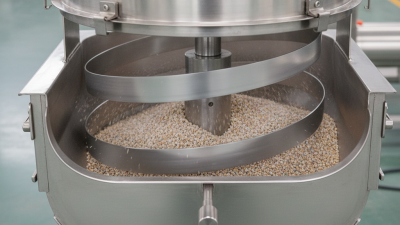
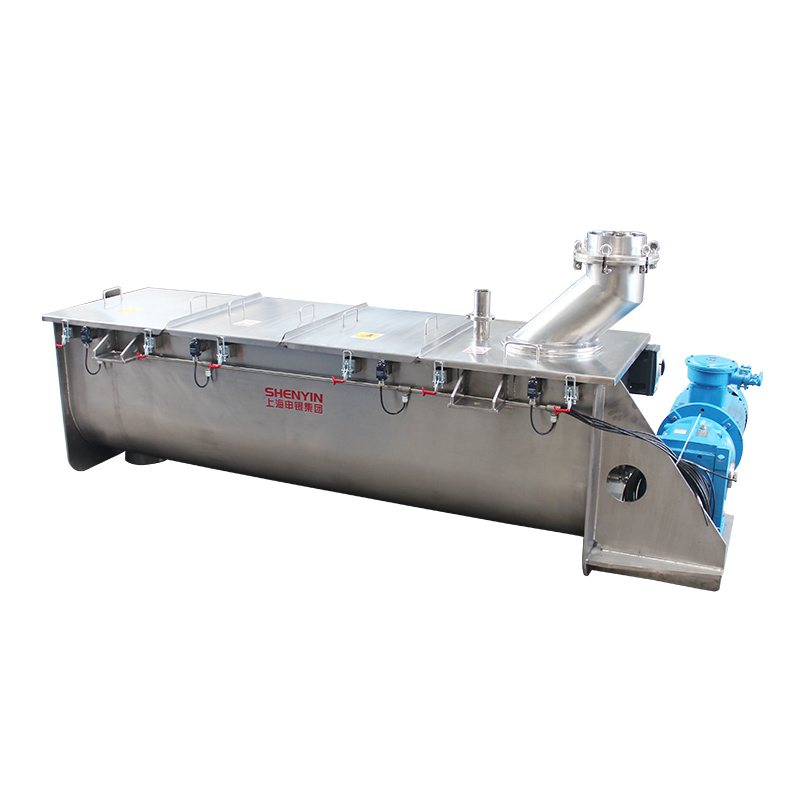
When it comes to maximizing efficiency and quality in industrial mixing processes, Ribbon Blenders stand out as an indispensable tool. The innovative design of the mixing mechanism plays a crucial role in achieving uniformity in material blending. With dual sets of opposite inner and outer double-layer spiral belts, these blenders facilitate rapid mixing while ensuring that materials are consistently pushed towards the center of the mixing cylinder. This unique configuration allows for a balanced and efficient mixing process that reduces the risk of uneven blends.
For materials that exhibit poor fluidity, an effective solution is the implementation of a specialized scraper structure. This patented design enhances the functionality of traditional horizontal screw belt mixers by addressing the challenges posed by dead corners within the mixing chamber. By ensuring that materials are constantly engaging with the mixing mechanisms, the scraper facilitates a thorough blend that delivers high-quality results. The combination of targeted motion and innovative design ensures that even the most challenging materials can be effectively mixed, providing users with the reliability and performance they need in their operations.
FAQS
: Consider the agitator's design, material compatibility, and operational speed for effective mixing.
Different shapes and sizes impact mixing. An appropriate design can improve mixing consistency significantly.
It ensures safety and reliability. Using incompatible materials may lead to costly maintenance issues.
Match the agitator size to your processing volume to ensure efficiency and product quality.
Balancing speed is crucial. Too slow won't blend well, and too fast can cause splashing.
Regular inspections are essential. Check for wear, damage, and ensure connections are tight.
Schedule routine cleaning after each use. Use safe cleaning agents and focus on hard-to-reach areas.
Overloading can strain the motor and cause premature failure. Monitor the load closely.
Regular maintenance, appropriate sizing, and adhering to operational parameters are key steps.
Regular monitoring can help identify issues early. Evaluate adjustments based on actual performance data.
Conclusion
Choosing the right Ribbon Agitator is crucial for optimal mixing and blending processes across various industries. This article delves into the fundamental aspects of Ribbon Agitators, starting with their definition and functionality, to give readers a solid understanding of their importance in industrial applications. Different types of Ribbon Agitators are discussed, highlighting design variations that cater to specific mixing needs.
When selecting a Ribbon Agitator, several factors must be considered, including sizing for capacity and dimensions, and ensuring material compatibility for the intended application. The article also provides maintenance tips to help ensure optimal performance, making it an essential guide for anyone looking to implement or upgrade their mixing systems using Ribbon Agitators.

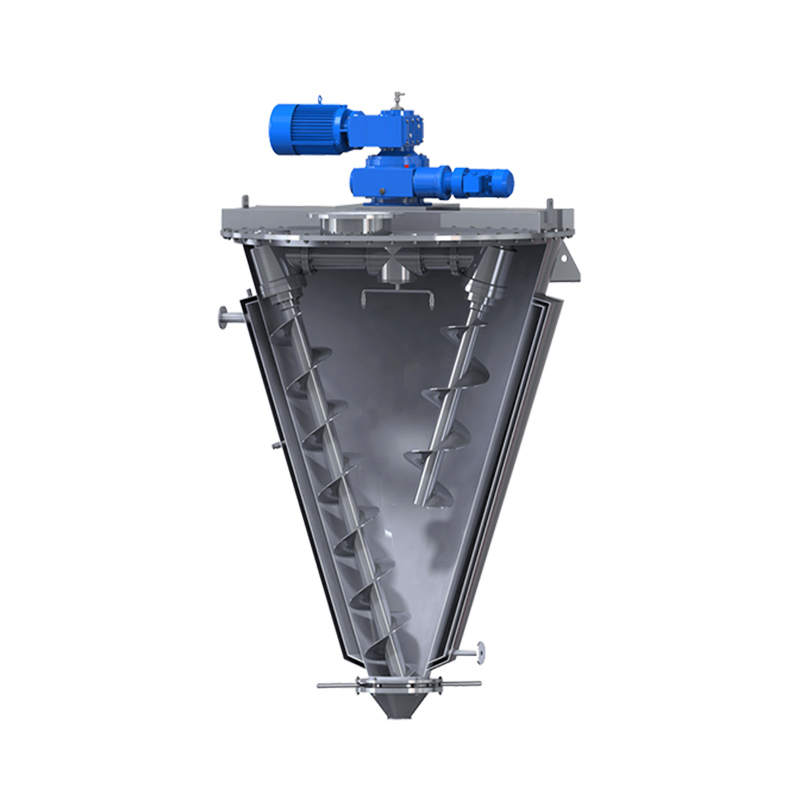 Conical Screw Mixer
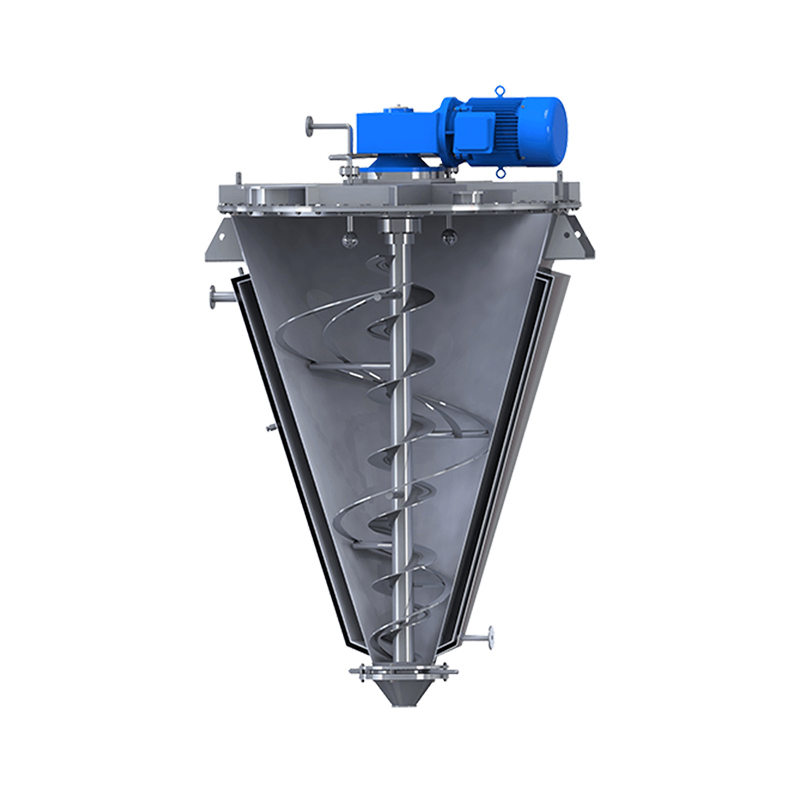 Conical Screw Belt Mixer
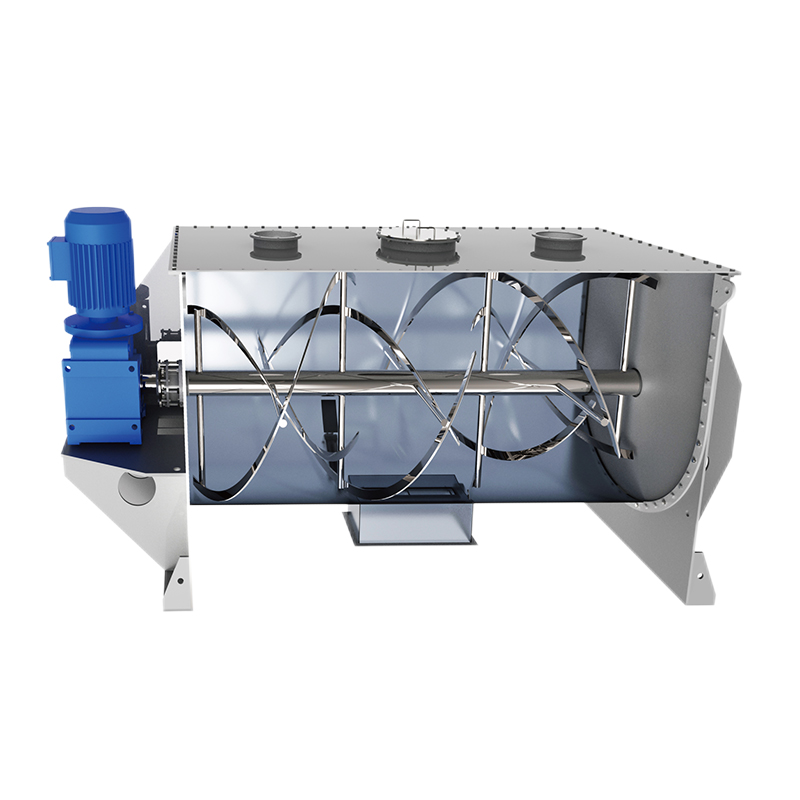 Ribbon Blender
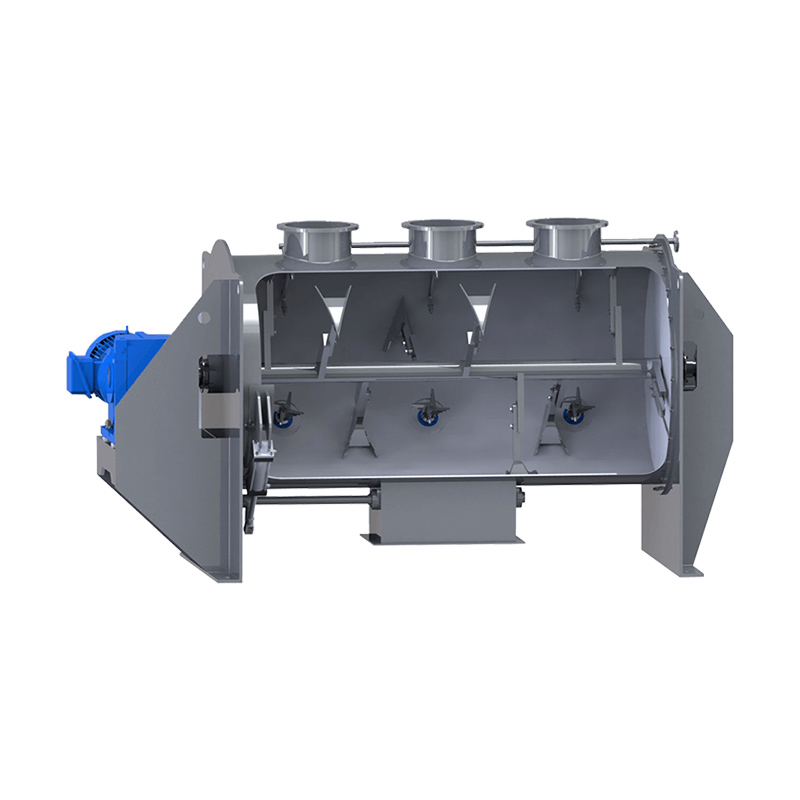 Plough-shear Mixer
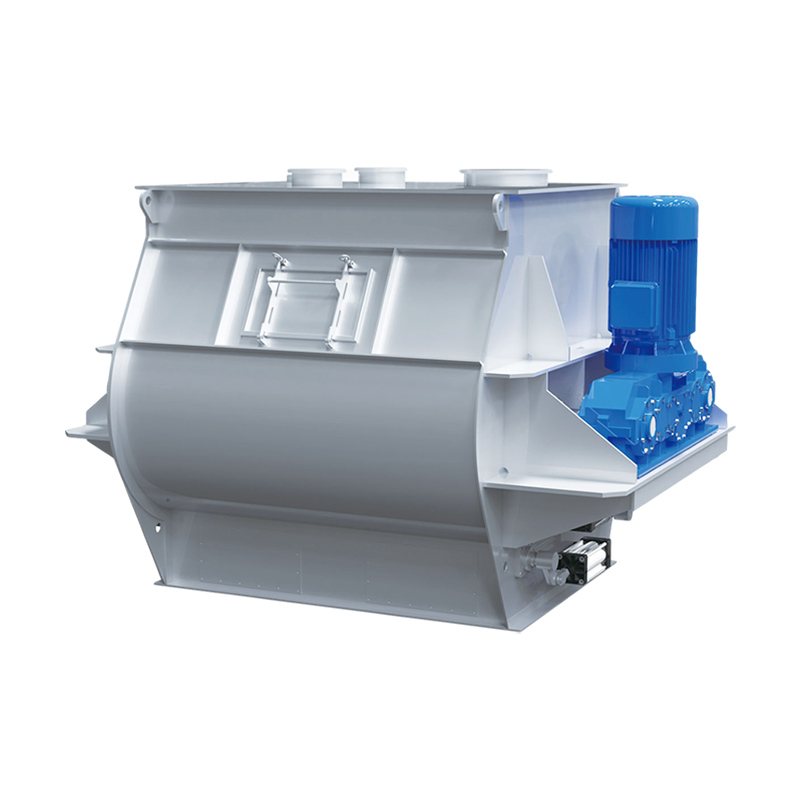 Double Shaft Paddle Mixer
 CM Series Mixer