Picking the right Ribbon Blender for your mixing needs really is a big deal if you wanna get the best results, no matter if you’re in pharma, food processing, or some other industry. I mean, industry expert John Smith from BlendTech Solutions puts it nicely: 'Choosing the right Ribbon Blender can seriously boost both how efficient your process is and the quality of your mix.' With so many designs and specs out there, it can feel a bit overwhelming trying to figure out which one’s perfect for your business, right?
Basically, a Ribbon Blender is great at giving you a thorough, even mix of bulk materials — that’s why lots of manufacturers swear by them. But here’s the thing: not all Ribbon Blenders are the same. Things like what you’re mixing, how much you’re working with, and what kind of consistency you need make a huge difference in what model will work best for you. As Smith points out, ‘Figuring out exactly what you need for your specific mixing job is the first step toward making a smart choice on which Ribbon Blender to go with.’
In this guide, we’ll walk through what you should keep in mind — from what materials the Blender is made of, to blade design, how much it can handle, and how easy it is to keep it running smoothly. Understanding these little details will help you pick the right machine and take your production to the next level.

Understanding Ribbon Blender Types and Their Applications
When it comes to selecting a ribbon blender, understanding the different types available and their specific applications is crucial. Ribbon blenders are designed for efficient mixing of bulk solids, and they come in various configurations to meet the distinct needs of different industries. The most common types include the standard ribbon blender, the double ribbon blender, and the Paddle Blender. Each type features unique ribbon designs that influence the mixing action and efficiency. For instance, double ribbon blenders provide improved mixing consistency for larger batches due to their enhanced agitation capabilities.
The application of ribbon blenders varies significantly among different sectors. In the food industry, they are often used for mixing dry ingredients, such as powders and granules, ensuring uniform distribution without compromising the integrity of the materials. In pharmaceuticals, ribbon blenders facilitate the mixing of active ingredients and excipients, maintaining the required potency and homogeneity. Chemical industries, on the other hand, leverage ribbon blenders for bulk powders, ensuring precise mixing of chemicals while minimizing dust and cross-contamination. By understanding these types and applications, one can effectively choose the right ribbon blender tailored to specific mixing needs.
Key Factors to Consider When Selecting a Ribbon Blender
When selecting the right ribbon blender for your mixing needs, several key factors come into play. The first is the capacity of the blender, which is essential for determining how much material you can process at one time. Industry reports show that ribbon blenders can handle volumes from a few liters to several thousand liters, accommodating a wide range of applications. For example, according to the International Journal of Engineering Research, the blending efficiency increases with the right capacity; using an undersized blender can lead to inadequate mixing and reduced product quality.
 Another crucial factor is the material and design of the ribbon blender. Different industries have varying requirements for sanitation and chemical resistance. Stainless steel is widely preferred in the food and pharmaceutical sectors due to its durability and ease of cleaning. Research by the American Society of Engineering Education indicates that blenders designed with enhanced flow patterns promote more homogeneous blending and reduce processing time by up to 30%. Therefore, evaluating both the material and the mixer’s mechanical design is vital for achieving optimal results in your specific application.
Assessing Material Compatibility for Optimal Mixing
When choosing the right ribbon blender, assessing material compatibility is crucial to ensure optimal mixing performance. Compatibility between materials can significantly affect the efficiency and quality of the blended product. For instance, studies on mixed matrix membranes illustrate the importance of material selection, where superior permeability and selectivity are achieved only when the components are compatible. This principle can be applied in ribbon blending, where incompatible materials may lead to segregation or ineffective blending.
In addition, the compatibility of different polymers, such as recycled polypropylene and poly(ethylene terephthalate), highlights the relevance of chemical additives and physical manipulation methods. By enhancing compatibility through these means, manufacturers can optimize the blending process, resulting in better material performance. Evaluating how various materials interact under different conditions can guide the selection of a ribbon blender that aligns with specific mixing needs, ensuring high-quality outputs and efficient manufacturing processes. This assessment should not overlook the potential risks that incompatible materials may pose, particularly in fields like pharmaceuticals, where understanding drug interactions is vital for patient safety.
Determining Capacity and Size Requirements
When selecting a ribbon blender, one of the most critical factors to consider is its capacity and size requirements. The capacity of the blender directly influences the volume of material it can process in a single batch. It's essential to evaluate the scale of your operations; for smaller applications, a compact model may suffice, while larger-scale operations may necessitate a heavy-duty blender that can handle significant volumes. Understanding the materials you intend to mix, including their density and flow characteristics, is also vital, as these factors will affect the overall capacity needed for efficient mixing.
Additionally, the physical dimensions of the blender should fit the available space in your facility. Measuring the height, width, and depth of your operational area ensures that the chosen machine can be accommodated without hindrance. Pay attention to the outlet and inlet connections as well, as these can impact the overall setup. It’s also wise to consider the ceiling height if the blender requires a height adjustment for loading and unloading materials. By carefully analyzing both capacity and size requirements, you can select the right ribbon blender that maximizes efficiency while fitting seamlessly into your production environment.
How to Choose the Right Ribbon Blender for Your Mixing Needs - Determining Capacity and Size Requirements
| Feature | 1 Cubic Foot Blender | 5 Cubic Foot Blender | 10 Cubic Foot Blender | 20 Cubic Foot Blender |
| Mixing Capacity | Approx. 30 lbs | Approx. 150 lbs | Approx. 300 lbs | Approx. 600 lbs |
| Dimensions (L x W x H) | 2' x 2' x 3' | 5' x 3' x 4' | 6' x 4' x 5' | 8' x 5' x 6' |
| Power Requirement | 0.5 HP | 1.5 HP | 2 HP | 5 HP |
| Ideal Applications | Small batches, lab use | Medium production | Large production | Bulk mixing |
| Average Cost | $2,000 | $5,000 | $8,000 | $15,000 |
Evaluating Blender Features for Enhanced Performance
When selecting a ribbon blender, evaluating its features is crucial for ensuring optimal mixing performance. One of the primary attributes to consider is the design of the ribbon itself. A double ribbon design typically provides more efficient mixing, as it creates a continuous flow of material throughout the vessel. This minimizes dead zones and promotes uniformity in blending, making it ideal for a wide range of applications, from dry powders to granular substances.
Another important feature to assess is the motor power and variable speed options. A powerful motor ensures that the blender can handle different batch sizes and material densities without compromising effectiveness. Additionally, variable speed settings allow for customization based on product viscosity and consistency, providing enhanced control over the mixing process. Stainless steel construction is also essential for durability and sanitation. Blenders made from high-quality materials are not only more robust but also easier to clean, thus maintaining hygiene standards in food, pharmaceutical, or chemical industries.
Cost Considerations and Budgeting for Ribbon Blenders
When selecting a ribbon blender, budgeting plays a crucial role in ensuring you find a model that meets both your mixing requirements and financial constraints. First, it’s essential to consider the initial cost of the blender, which can vary significantly based on size, materials, and manufacturer. Investing in a higher-quality machine may lead to better performance and durability, ultimately reducing long-term maintenance costs. It’s advisable to evaluate different brands and models, taking note of the features that justify the price difference.
In addition to the purchase price, potential operating costs should also be factored into your budget. This includes energy consumption, which can differ among various ribbon blenders depending on their motor efficiency and design. Furthermore, consider costs associated with replacement parts and repairs over time. Understanding these financial components will help you make a more informed decision and ensure that your ribbon blender meets your production needs without overstretching your budget. By doing thorough research and comparisons, you can effectively balance cost considerations with your operational requirements.
Maintenance and Support for Long-Term Use of Ribbon Blenders
When selecting a ribbon blender, it is essential to consider not only its mixing capabilities but also the maintenance and support it requires for long-term use. Regular maintenance is crucial, as it can significantly extend the lifespan of the equipment. According to a report by the American Institute of Chemical Engineers, proper maintenance practices can improve equipment longevity by up to 30%. This means that routine checks, cleaning of the drive components, and inspection of the ribbons for wear can prevent costly downtimes and unexpected repairs.
Moreover, support from the manufacturer is a vital aspect of maintaining a ribbon blender. Many leading brands offer extended warranties and service contracts that can cover parts and labor, ensuring that any issues are quickly addressed. A survey by the National Association of Manufacturers indicates that businesses utilizing comprehensive equipment support can reduce operational disruptions by 25%, allowing for a more reliable mixing process. As such, investing in a ribbon blender with robust customer support and maintenance options can lead to increased efficiency and lower overall operational costs in the long run.
The Ultimate Guide to Choosing the Best High-Quality Ribbon Blender for Your Mixing Needs
When selecting a high-quality ribbon blender, understanding the underlying technology and its implications for mixing efficiency is crucial. The SYLW series mixer stands out with its innovative design utilizing two sets of opposed inner and outer double-layer spiral belts. This configuration not only facilitates rapid mixing but also promotes a continuous circulating convection within the cylinder. According to industry reports by the American Institute of Chemical Engineers, effective mixing can increase production efficiency by as much as 30%, underscoring the importance of selecting equipment that enhances material handling capabilities.
One of the challenges faced when mixing materials with poor fluidity is the formation of dead corners, which can lead to inconsistent mixing outcomes. The SYLW series addresses this issue with its patented scraper structure designed by Shenyin Group, which can be added to the spindle ends. By ensuring that materials are efficiently directed toward the center of the cylinder, this design guarantees thorough mixing and a clean discharge every time. Data from a recent study published in the Journal of Manufacturing Processes highlights that equipment with enhanced material movement technology can improve product homogeneity by 25 to 40%, making the SYLW series an optimal choice for businesses that prioritize quality.
Overall, when choosing a ribbon blender, consider the operational features that address common mixing challenges. The blending technology employed by the SYLW series not only meets but exceeds industry standards, making it an indispensable tool for various mixing needs across different sectors.
FAQS
: Key factors include the scale of operations, the density and flow characteristics of the materials, and the physical dimensions of the available space in your facility.
The capacity directly affects the volume of material that can be processed in a single batch, impacting the efficiency of mixing operations.
The physical dimensions must fit the available space in your facility to ensure that the blender can be accommodated without hindrance and that outlet and inlet connections align properly.
A double ribbon design provides more efficient mixing by creating a continuous flow of material, minimizing dead zones, and promoting uniformity in blending.
A powerful motor allows the blender to handle various batch sizes and material densities effectively, enhancing overall mixing performance.
Variable speed settings allow customization of the mixing process based on product viscosity and consistency, providing enhanced control over blending.
Stainless steel construction ensures durability, sanitation, and ease of cleaning, which is crucial in industries like food, pharmaceuticals, and chemicals.
Ribbon blenders are ideal for a wide range of materials, including dry powders and granular substances.
Careful analysis helps in selecting a ribbon blender that maximizes efficiency while fitting seamlessly into the production environment.
It’s important to consider the ceiling height if the blender requires height adjustments for loading and unloading materials.
Conclusion
Choosing the right Ribbon Blender is essential for meeting specific mixing needs across various industries such as food, pharmaceuticals, and chemicals. Understanding the different types of ribbon blenders and their applications helps in identifying the best fit for your process. Key factors like material compatibility, capacity requirements, and specialized features can significantly influence mixing efficiency and product quality.
Shanghai Shenyin Machinery Group Co., Ltd., a pioneering manufacturer of mixer and blender machines, emphasizes the importance of evaluating these factors to ensure optimal performance. Additionally, considering cost implications and maintenance support is crucial for long-term use, making the right ribbon blender a valuable investment for businesses seeking enhanced productivity and reliability.

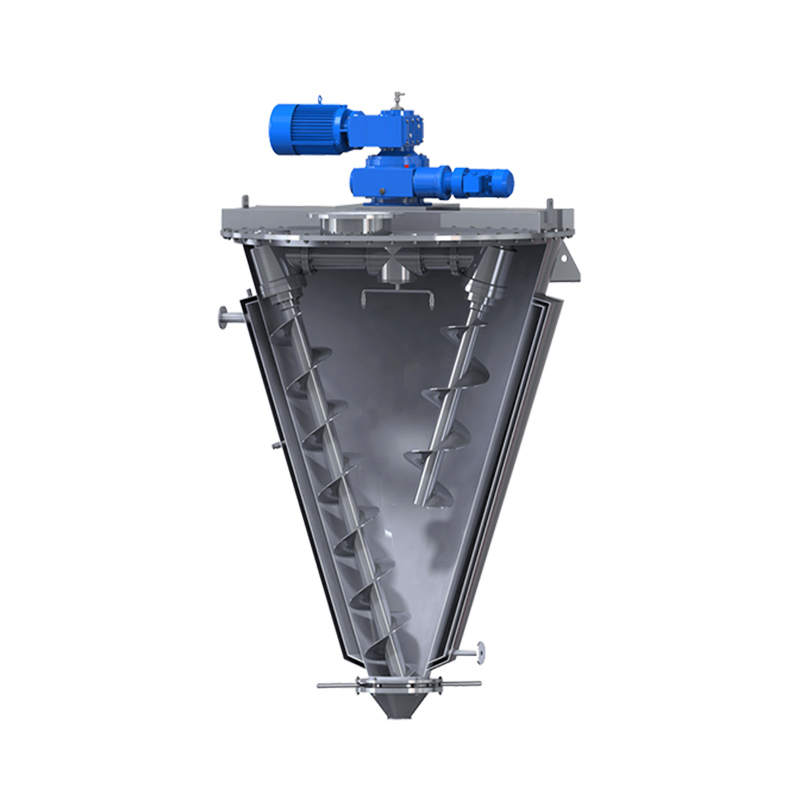 Conical Screw Mixer
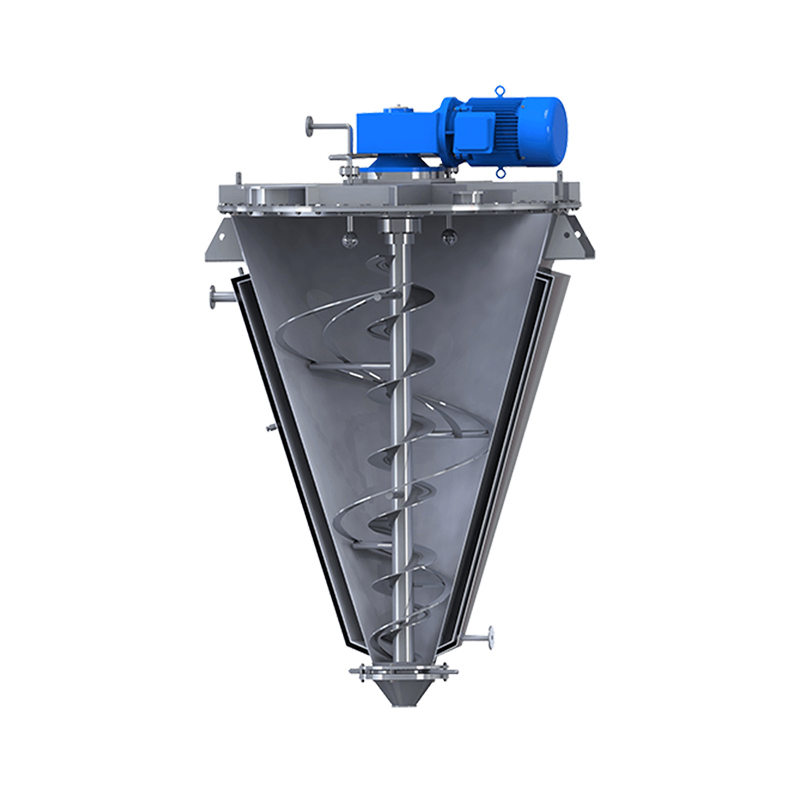 Conical Screw Belt Mixer
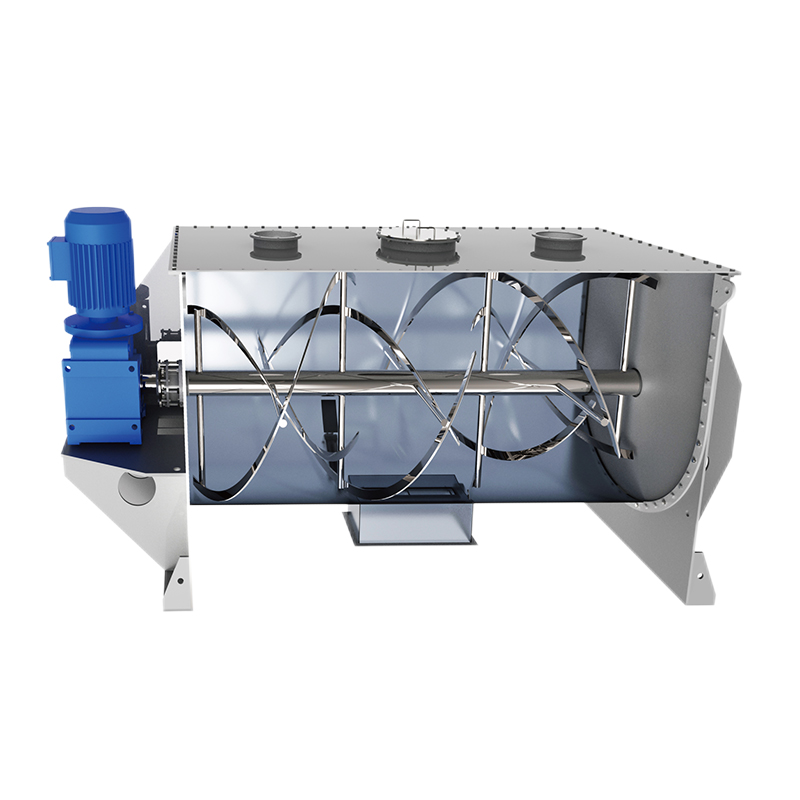 Ribbon Blender
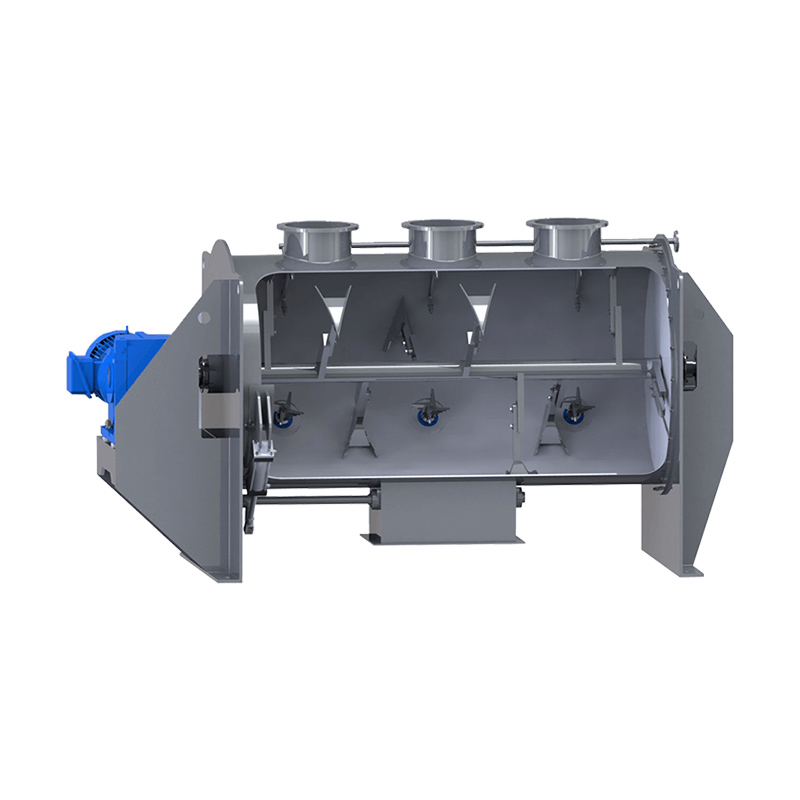 Plough-shear Mixer
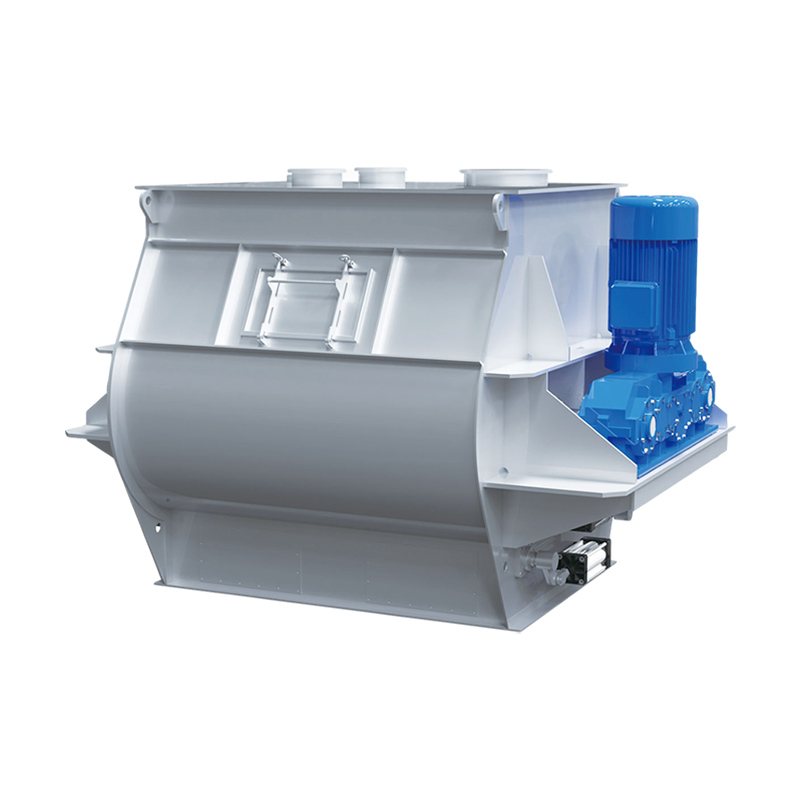 Double Shaft Paddle Mixer
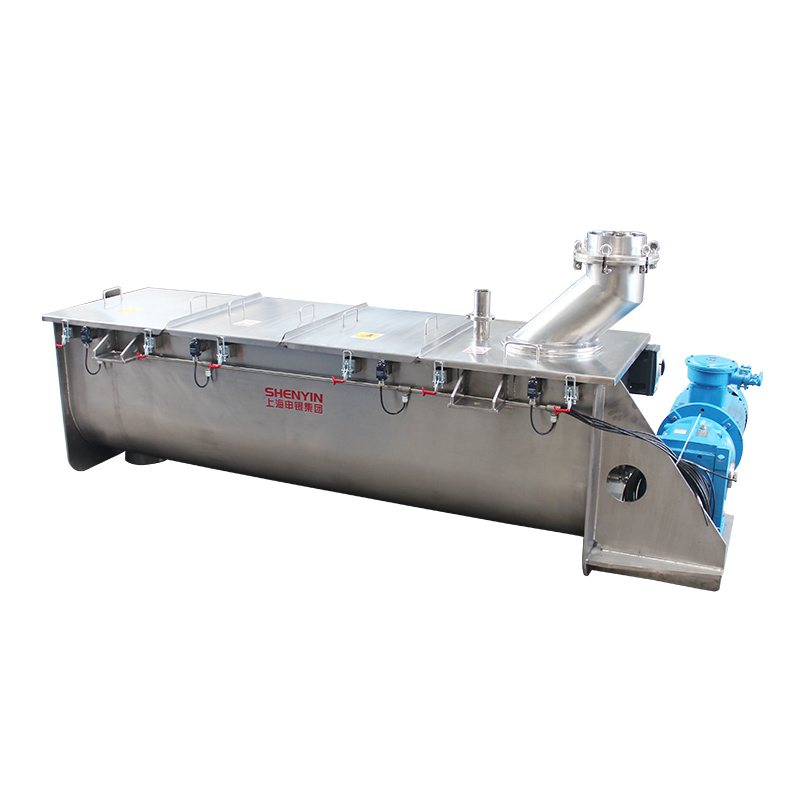 CM Series Mixer





