
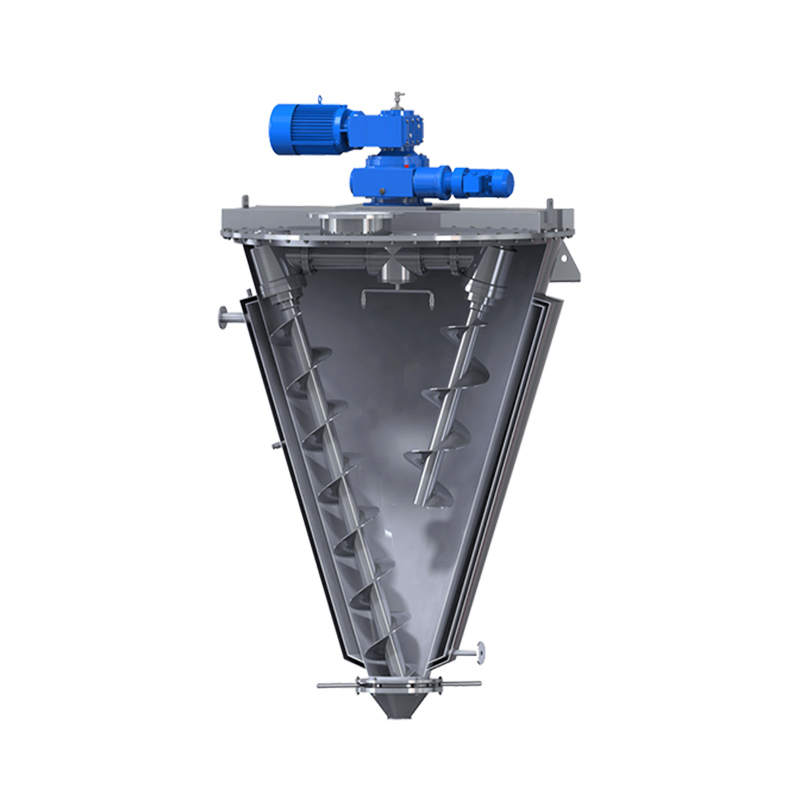
 Conical Screw Mixer
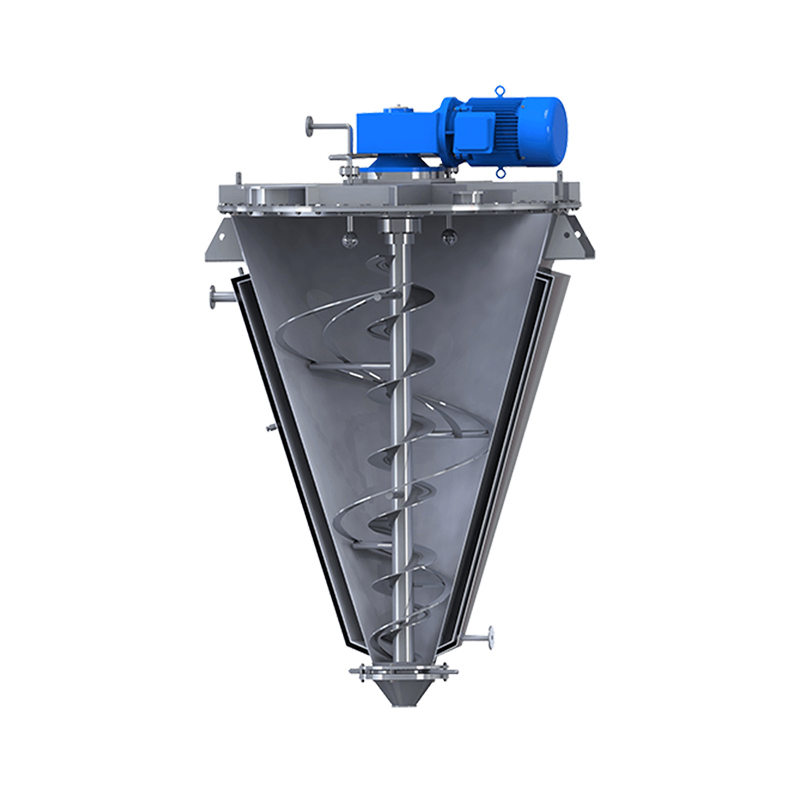 Conical Screw Belt Mixer
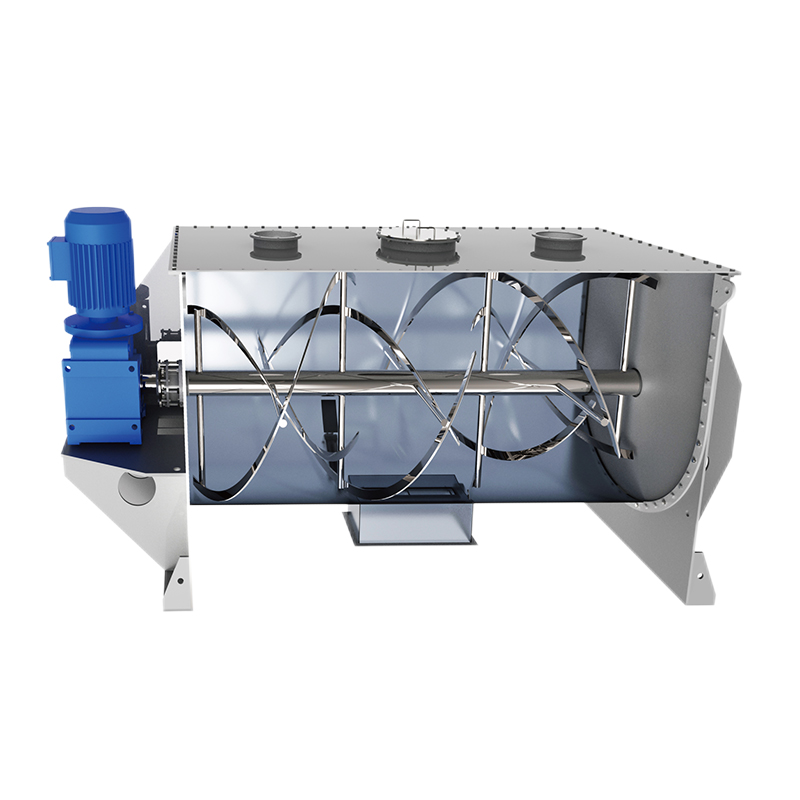 Ribbon Blender
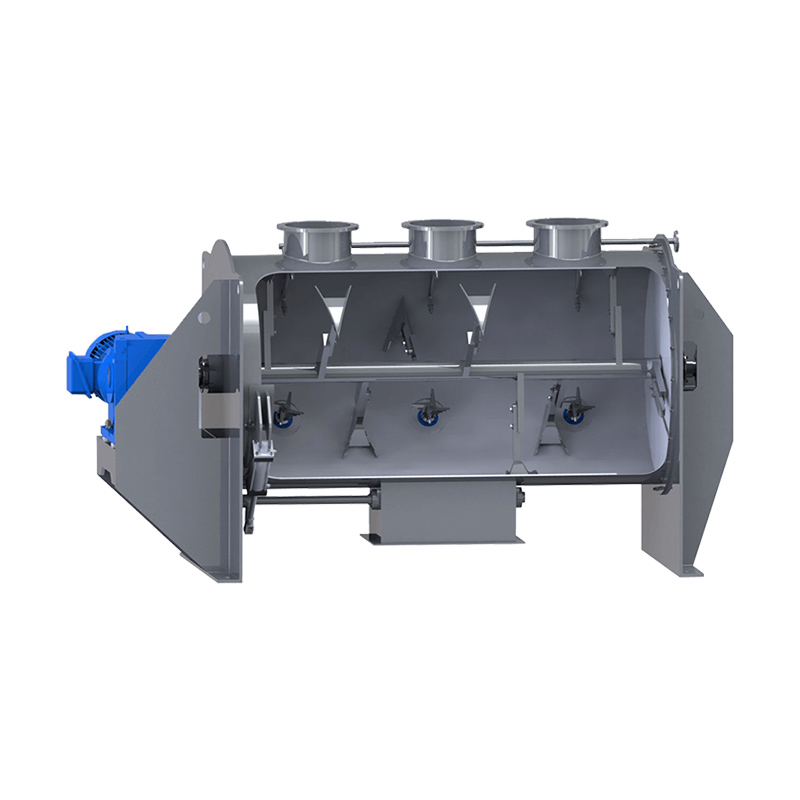 Plough-shear Mixer
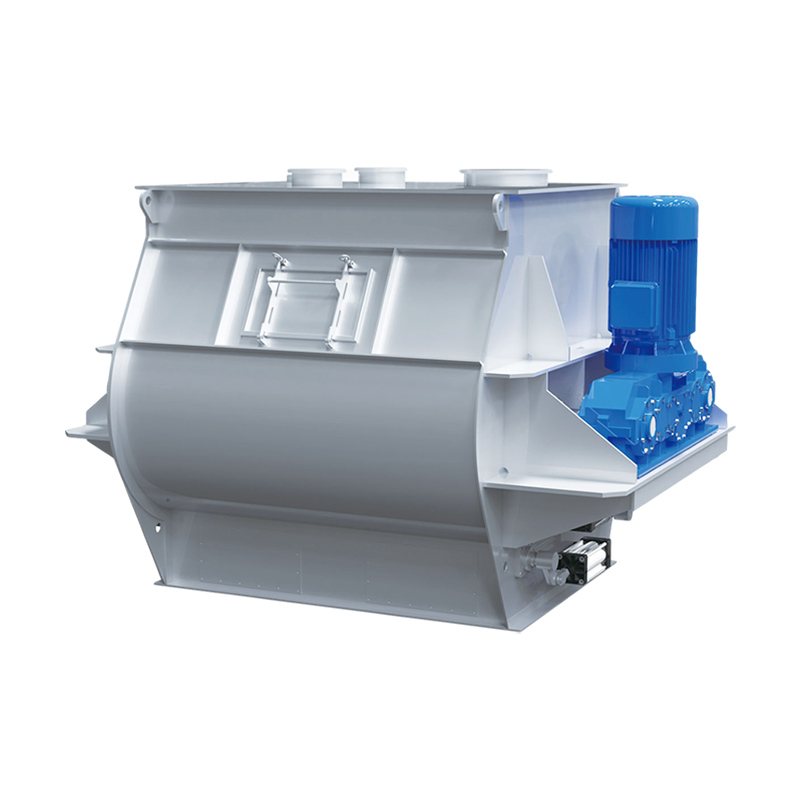 Double Shaft Paddle Mixer
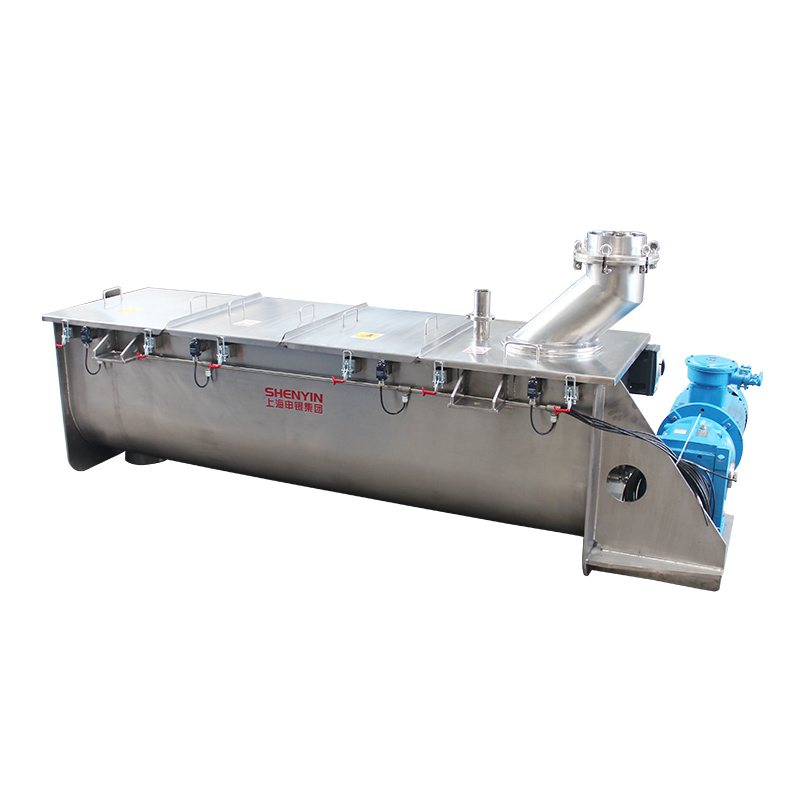 CM Series Mixer
 Leave Your Message
These days, with industries like chemicals, pharma, and food manufacturing moving so fast and evolving all the time, the way we mix things really makes a big difference when it comes to the quality of the final product and how efficiently things run. You know, Ribbon Blenders are pretty much the go-to equipment in these fields because they’re tough, reliable, and do a great job mixing. I’ve also seen a lot of reports, like one from Research and Markets, that says the global market for Industrial Mixers is about to grow a lot — mainly because businesses are really looking for ways to get better processing speed and more consistent products. AtShanghai Shenyin Machinery Group Co., Ltd., we’re super proud to be at the forefront of designing and building these mixers and blenders. Our team’s experience helps us improve how these machines work, which means our clients can save time and cut costs. With our cutting-edge tech and industry know-how, we’re all about helping companies boost their mixing efficiency and streamline their operations — making life a little easier and better for everyone involved.

Ribbon blenders
are pretty much a staple in a bunch of industries—think chemicals, pharma, food, and even construction materials. Getting to know the basics of these machines is actually super helpful if you wanna improve how well they mix things up. So, basically, a ribbon blender has a horizontal trough with a rotating ribbon-shaped auger inside. That design gives it a cool way of blending stuff together. Thanks to its continuous movement, it does a really good job at mixing powders and granules thoroughly, making sure the final product comes out nice and uniform.
A couple of quick tips if you wanna get the most out of your ribbon blender:
Whether you're working with stock feed, pigments, or other materials, picking the right ribbon blender can really boost your production. They're pretty versatile, handling a wide variety of substances, which makes them a must-have in today’s manufacturing world. Oh, and by the way, Shanghai Shenyin Machinery Group Co., Ltd. was actually the first company to start making these kinds of mixers and blenders, and they’re still dedicated to offering efficient, tailored solutions for different industry needs.
When it comes to selecting the right ribbon blender for your production needs, understanding the operational mechanics and benefits of different types is essential. The SYLW series mixer stands out due to its innovative design featuring two sets of opposite inner and outer double-layer spiral belts. This configuration not only accelerates the mixing process but also enhances the efficiency of material distribution. According to industry reports, such mixers can achieve a homogeneity of up to 95% in less than half the time compared to traditional mixing methods, making them a superior choice for high-volume production environments.
One of the unique advantages of the SYLW series is its ability to handle materials with poor fluidity. The inclusion of a patented scraper structure at both ends of the spindle addresses common dead zones present in traditional horizontal screw belt mixers. As the outer spiral belt pushes materials toward the cylinder's center, the scraper ensures that no material is left unprocessed. This dual action fosters a continuous circulating and alternating convection that optimizes the mixing process and minimizes waste. Recent studies indicate that blenders equipped with such refining mechanisms can reduce mixing time by up to 30%, significantly improving overall productivity.
Furthermore, the ease of clean discharge offered by the SYLW series mixer is a crucial feature for many manufacturers. By ensuring that materials are effectively pushed toward the center of the cylinder, this mixer guarantees minimal residue, thus reducing cleanup time and downtime between batches. In a competitive market where operational efficiency is key, investing in high-quality ribbon blenders like the SYLW series can provide businesses with a competitive edge in material processing.
: A ribbon blender is a machine that consists of a horizontal trough and a rotating ribbon auger, designed to blend materials like powders and granules through continuous movement, ensuring thorough mixing and uniformity in the final product.
Ribbon blenders are widely used in industries such as chemical, pharmaceutical, foodstuff, and construction materials for their efficient mixing capabilities.
To optimize performance, maintain proper load capacity, ensure uniform feeding of materials, calibrate equipment speed, and follow a regular maintenance schedule to prevent contamination and inefficiencies.
Best practices include calibrating speed and loading capacity accurately, conducting regular maintenance and cleaning, providing adequate training to operators, and integrating advanced technologies like data analytics for real-time monitoring.
Common challenges include inadequate mixing uniformity, prolonged processing times, and difficulty handling materials with varying densities.
Improving mixing uniformity and processing times can be achieved by adopting real-time monitoring, adjusting the blending cycle based on material properties, and implementing structured maintenance schedules.
Utilizing a dynamic blending strategy that allows adjustments based on material characteristics and experimenting with various blender configurations, such as changing blade design or speed, can help handle different materials effectively.
Operator training is crucial because it helps operators understand optimal settings for different materials and recognize signs of improper mixing, leading to better adjustments during the blending process.
Integrating advanced technologies like data analytics allows for real-time adjustments and monitoring of the blending process, ensuring consistent product quality while maximizing throughput and supporting sustainability initiatives.
Regular maintenance helps prevent unexpected downtimes, ensures optimal operation, and extends the lifespan of the equipment by reducing the risk of contamination and inefficiencies.
This article, called "The Ultimate Guide to Boosting Mixing Efficiency with Ribbon Blenders," gives you a pretty thorough look at what ribbon blenders are all about. It covers the basics — like how they work — and dives into the different ways they’re used across a bunch of industries. You’ll also find out what factors really impact how well they mix stuff together and some best practices to get the most out of your machine. Plus, it’s got the scoop on some of the latest tech designed to make ribbon blenders even more efficient, and it bravely tackles common issues people face during mixing and how to fix them.
As a company that specializes in making mixers and blenders, Shanghai Shenyin Machinery Group Co., Ltd. is really dedicated to helping improve how well these machines work. If you’re working in fields like chemicals, pharma, or food processing, using tips from this guide could really help you get better results. It’s all about making your mixing process smoother and more effective, ultimately leading to higher quality products.




 When it comes to mixing processes, ribbon blenders often face some pretty common hurdles that can slow things down or reduce efficiency. Getting a good handle on these issues is super important—especially in fast-paced industries like biopharma, where the competition’s stiff, and new startups are popping up all the time. For example, if the mixing isn’t uniform enough or if it takes forever to process, it can really put your product quality at risk. One way to fix this? Trying out some innovative strategies, like real-time monitoring and tweaking the blending cycle based on how the materials behave, can make a big difference in performance.