
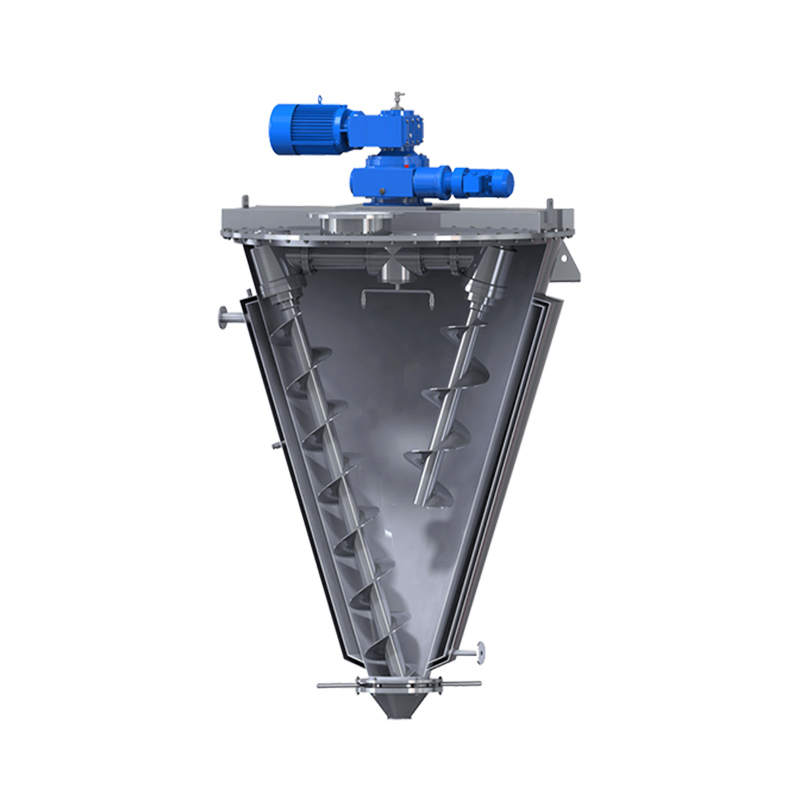
 Conical Screw Mixer
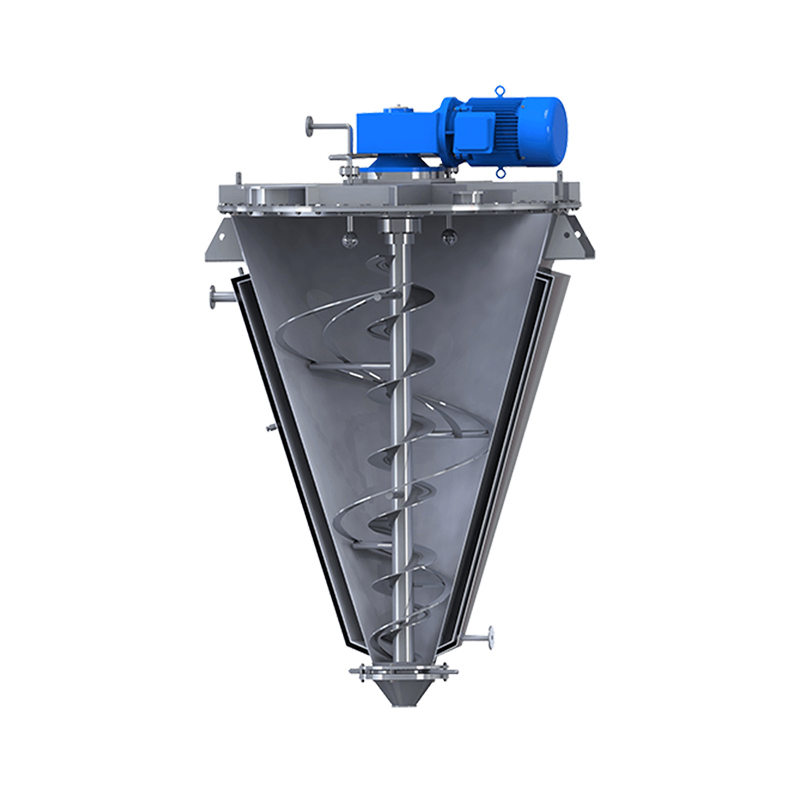 Conical Screw Belt Mixer
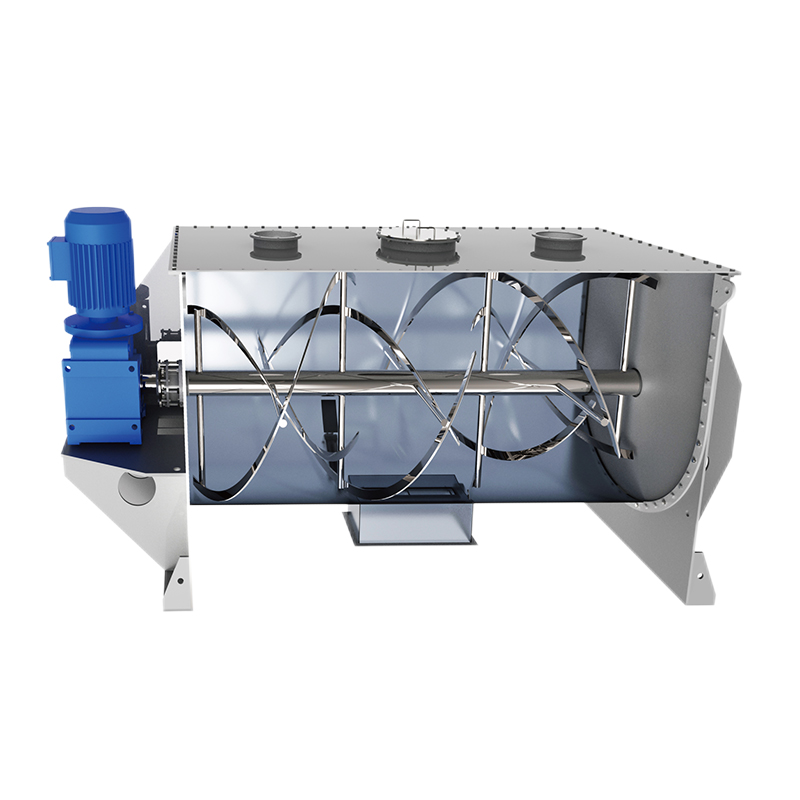 Ribbon Blender
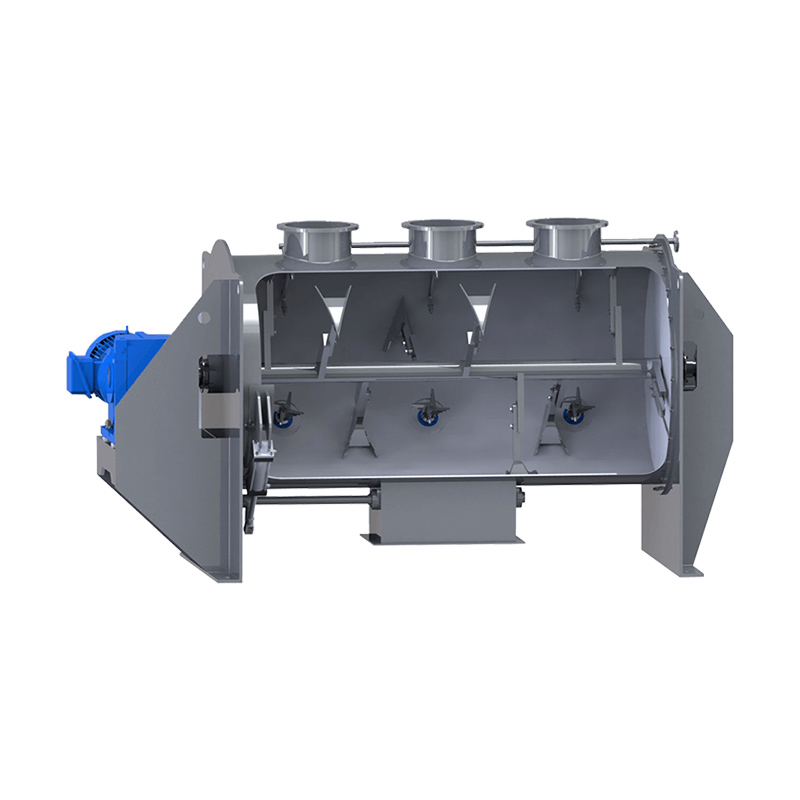 Plough-shear Mixer
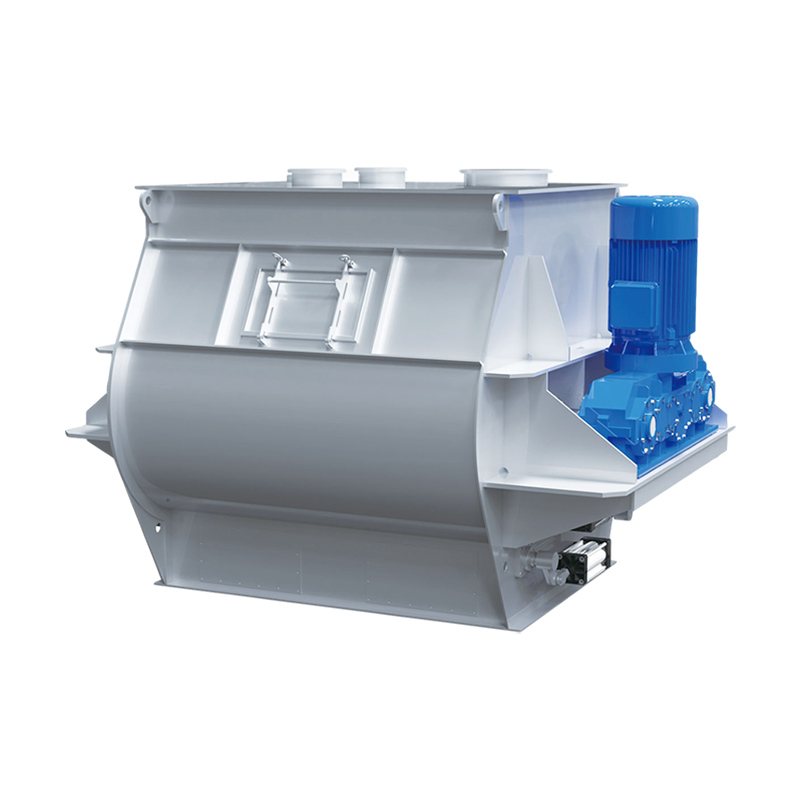 Double Shaft Paddle Mixer
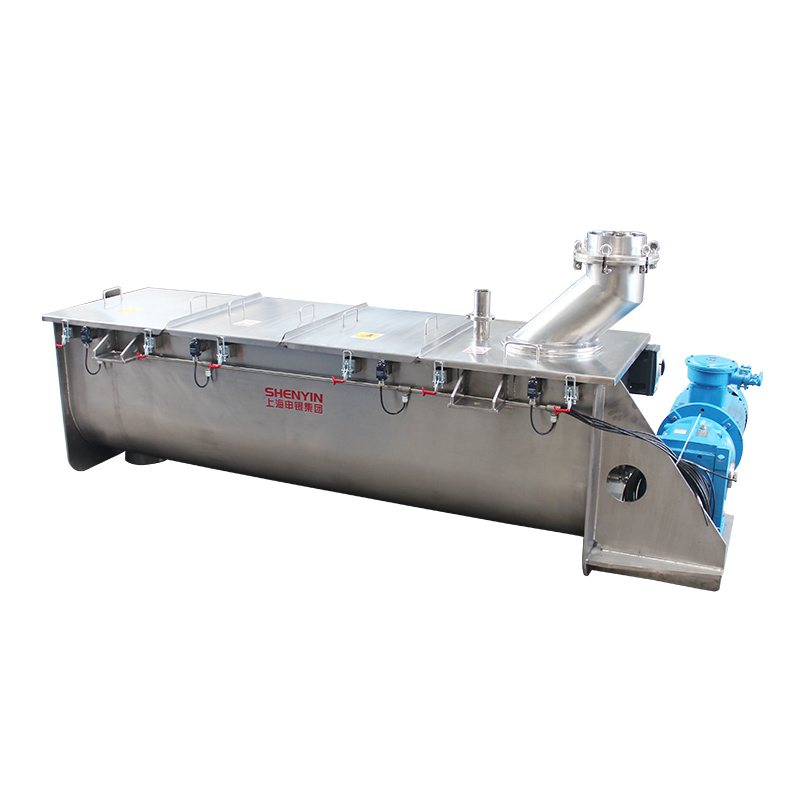 CM Series Mixer
 Leave Your Message
When it comes to industrial mixing, choosing the right equipment is a big deal — it can really make or break your production efficiency and the quality of your products. The Ribbon Type Mixer has become a go-to in many industries like food, pharma, and chemicals, mainly because it works so efficiently at blending. I recently came across a report by Grand View Researchthat says the Global Mixer market's gonna hit over$7 billion by 2025 — pretty impressive, right? That just shows how important it is to pick the right type of mixer for whatever you're making. With so many options out there, it’s really helpful to understand what makes Ribbon Mixers special and how they fit into your operations.

Expert opinions, like that of Dr. James Hartley from MixTech Solutions, really drive home this point. He’s a big name in mixing tech, and he’s often talking about how crucial it is to make smart choices here. He once said, 'Getting the right Ribbon Type Mixer can seriously boost your workflow, give you more consistent products, and even bump up your overall productivity.' As businesses try to stay competitive these days, keeping these insights in mind helps you make smarter decisions when investing in mixing equipment. Ultimately, it’s all about finding what really works best for your specific needs.
When selecting a ribbon type mixer, it's crucial to first assess your specific mixing needs and applications. According to a report by Industry Research Insights, nearly 47% of mixing equipment failures stem from mismatched equipment selections, which underscores the importance of understanding both the materials you intend to mix and the desired outcomes. For instance, if your application involves delicate powders, a gentle mixing action is essential to avoid particle degradation, whereas the need for homogeneity in paste-like mixtures might require a more vigorous approach.
Additionally, considerations such as batch size and production capacity play a vital role in your choice. A recent survey from the Mixing Equipment Manufacturer Association revealed that 63% of manufacturers prioritize batch size compatibility when investing in a ribbon mixer. For example, if you're operating in a food processing facility, a ribbon mixer designed for high efficiency and low shear forces would be beneficial to maintain the quality of ingredients while meeting compliance standards. Ultimately, understanding these factors not only aids in selecting the right ribbon mixer but also enhances operational efficiency and product quality.
| Tip No. | Tip | Description | Applications |
|---|---|---|---|
| 1 | Understand Your Materials | Know the viscosity and density of the materials you are mixing. | Powder, liquid, and paste mixing. |
| 2 | Select the Right Size | Choose a mixer size that suits your production volume needs. | Batch and continuous processing. |
| 3 | Consider Power and Speed | Identify the required motor power and mixing speed for effective blending. | High-viscosity materials, granulates. |
| 4 | Choose the Right Blade Design | Select blades designed for your specific mixing requirements. | Homogeneous mixing, emulsification. |
| 5 | Evaluate Durability and Material | Assess the build quality and material compatibility for longevity. | Heavy-duty mixing, corrosive materials. |
| 6 | Assess Cleaning and Maintenance Needs | Ensure easy disassembly and cleaning for maintenance. | Food, pharmaceutical industries. |
| 7 | Review Safety Features | Check for safety features such as emergency stops and guards. | Industrial mixing applications. |
| 8 | Consider Cost and Budget | Evaluate initial costs with long-term maintenance costs. | Budget-conscious operations. |
| 9 | Read User Reviews | Check customer feedback to gauge reliability and performance. | General insights, brand trust. |
| 10 | Seek Expert Advice | Consult with mixing specialists for tailored recommendations. | Custom applications, unique needs. |
In modern production facilities, maximizing efficiency and versatility is crucial to maintaining a competitive edge. The SYJW series double shaft paddle mixer, often referred to as a gravityless mixer, is designed to meet these demands by providing superior mixing capabilities for materials with widely varying physical properties. Its innovative design allows for the effective blending of substances with significant differences in specific gravity, fineness, and fluidity, making it an invaluable asset in industries like pharmaceuticals, food processing, and chemicals.
This double shaft paddle mixer operates with precision and consistency, ensuring homogeneous mixtures even when dealing with challenging materials. Its gravityless mixing approach minimizes segregation and allows for thorough blending of components, which is essential for achieving high-quality end products. Furthermore, the SYJW series is versatile enough to handle a range of applications, from granular substances to more complex formulations, making it a go-to solution for production facilities aiming for optimal performance. By integrating this advanced mixing technology, manufacturers can enhance their operational workflows, ultimately driving productivity and efficiency throughout the production process.
: Understanding your mixing needs is crucial because nearly 47% of mixing equipment failures result from mismatched equipment selections. It helps ensure the chosen mixer is suitable for the materials and desired outcomes.
Batch size plays a vital role in mixer selection, as 63% of manufacturers prioritize batch size compatibility. Selecting a mixer that aligns with your batch size ensures efficient operation and product quality.
When mixing delicate powders, it's essential to choose a mixer that provides a gentle mixing action to avoid particle degradation and preserve the integrity of the materials.
Notable brands include Schenck Process, Schütte, and Amix, known for their innovative designs and reliability in various industries including food, pharmaceuticals, and chemicals.
Schenck Process holds approximately 30% of the market share, attributed to its robust mixing technology and adaptability across multiple industries.
Schütte's ribbon mixers are distinguished by their high-capacity design, durability, and user-friendly interfaces, making them a preferred choice for manufacturers looking for longevity and ease of maintenance.
Manufacturers may choose Amix ribbon mixers for their specialized design suited for mixing fine powders and granules, especially in smaller-scale operations that demand precision.
Evaluating top brands based on performance metrics and specific applications allows manufacturers to make informed decisions that align with their unique processing needs, ultimately enhancing production efficiency.
Choosing the right Ribbon Type Mixer is crucial for optimizing your mixing processes across various industries, including chemical, pharmaceutical, and foodstuff. Understanding your specific mixing needs and applications is the first step, followed by evaluating the different types of ribbon mixers available, each with unique features and differences. Key factors such as performance, maintenance efficiency, and reducing downtime play a significant role in ensuring your mixer operates effectively.
Additionally, when budgeting for a Ribbon Type Mixer, it's vital to weigh cost against value to ensure a long-term investment in quality machinery. As 2025 approaches, comparing top brands in the market will also help identify the best fit for your requirements. Shanghai Shenyin Machinery Group Co., Ltd. offers a range of mixer and blender solutions, being a pioneer in the industry, thereby asserting the importance of selecting the right equipment for successful operations.




