When you're tackling resin projects, having the right tools can really make a huge difference. For instance, a good quality Resin Paddle Mixer can seriously boost how quickly and smoothly you get your epoxy or resin mixed. It helps ensure that everything comes out nice and even—no clumps or inconsistencies. Whether you're just messing around as a hobbyist or you're a seasoned pro, knowing how to pick the right mixer for what you need is pretty important.
In this guide, I’ll walk you through some key points to help you make smarter choices—things like the mixer’s power, paddle design, how durable it is, and how easy it is to operate. I’ll also toss in some handy tips about what features to look out for so you can get the most out of your resin mixing. By the time you finish reading, you'll have a better idea of what to look for in a resin paddle mixer, helping you take your projects to the next level.
Understanding the Different Types of Resin Paddle Mixers and Their Applications
When you're trying to pick out a resin paddle mixer, it’s pretty important to get a good handle on the different kinds out there and what each one’s best for. Usually, you’ll find two main types: electric and manual. Electric mixers are great if you’re dealing with big projects—they’re fast, efficient, and help you get the job done quickly with a consistent mix. On the flip side, manual mixers give you more control, which is awesome if you’re working on smaller jobs where precision really matters.
Here’s a little tip: think about the viscosity of your resin before you decide. For thicker, more stubborn resins, you’ll definitely want a heavy-duty paddle. Lighter, runnier mixtures, on the other hand, do fine with a finer paddle. And don’t forget to look for a mixer with adjustable speeds—it makes life a lot easier because you can tweak it depending on what your project needs.
Size is also something to keep in mind. For smaller batches, a compact, lighter mixer might do the trick, but if you’re planning on bigger projects, investing in a bigger one can actually save you a ton of time and hassle. Oh, and one more thing—make sure it’s easy to clean. Resin can be a pain to get out once it’s hardened, so a model that cleans up easily is definitely the way to go.
Key Factors to Consider When Selecting a Resin Paddle Mixer for Your Projects
When you're picking out a resin paddle mixer for your project, there are a few important things to keep in mind to make sure everything runs smoothly and the quality stays top-notch. First up, the size or capacity of the mixer is pretty crucial. Industry folks from the Mixing Technology Institute have shown that choosing a mixer with the right capacity can cut down your mixing time and help get a more even blend. If the mixer’s too small, or not designed properly for larger batches, you might end up with uneven mixes. Usually, these mixers come in sizes from about 5 to 50 gallons, depending on how big or small your project is.
Then there’s the paddle design and what it’s made of. Good quality paddle mixers are designed to optimize how the shear force and flow patterns work, which helps mix everything thoroughly. According to the American Society of Mechanical Engineers, different paddle shapes can really impact how quickly and well the mixture blends — a big deal when you’re aiming for those perfect resin properties. Plus, the material of the paddle matters since it affects how long it lasts and how well it resists chemical corrosion, especially if you’re working with different types of resin compounds. Spend some time understanding these factors, and you’ll not only get better performance out of your mixer but also make it last longer — ultimately giving you better results on your projects.
The Ultimate Guide to Choosing the Best Resin Paddle Mixer for Your Projects - Key Factors to Consider When Selecting a Resin Paddle Mixer for Your Projects
| Feature | Importance | Recommended Specification | Notes |
| Motor Power | High | 1 HP - 3 HP | Higher power for thicker resins. |
| Mixing Speed | Medium | 200 - 500 RPM | Adjustable speed for different materials. |
| Paddle Type | High | Dual or Triple Paddle | Improves mixing efficiency. |
| Tank Size | Medium | 5 - 20 Gallons | Choose based on project size. |
| Durability | High | Stainless Steel / High-Quality Plastics | Ensures longevity under heavy use. |
| Ease of Cleaning | Medium | Quick Disconnect Features | Saves time between batches. |
| Warranty | High | 1 - 5 Years | Indicates reliability of the product. |
Comparison of Popular Resin Paddle Mixer Brands and Their Performance Metrics
When you're trying to pick the best resin paddle mixer for your projects, it’s really worth doing a bit of research and comparing some popular brands. Honestly, each brand offers something a little different that might suit your specific needs. Take CRAFTSMAN, for example; their mixers are pretty solid—built tough and with high torque, making them great for heavy-duty stuff. Then there's DEWALT, which tends to focus on user-friendly designs and cool features that make it easier and more comfortable to use, especially if you're gonna be using it for a long time. And Makita? They're known for their lightweight models that pack a punch without being a pain to carry around.

When you're looking at these brands, it's also important to pay attention to things like mixing speed, torque, and how much material they can handle at once. For instance, DEWALT’s paddle mixers usually have variable-speed settings—perfect if you want more control over your mix. On the flip side, CRAFTSMAN’s models often pack higher torque, which is super handy when working with thicker resins. Getting a good handle on these performance details will help you pick the right mixer that not only fits your project but also makes your life a lot easier and more efficient.
Essential Features to Look for in a High-Quality Resin Paddle Mixer
When you're on the hunt for a high-quality resin paddle mixer, there are a few key features you definitely wanna pay attention to — they can make all the difference in how smoothly your project goes. First off, the mixing speed and power are pretty essential. From what I've read, mixers that spin faster—say, around 300 to 500 RPM—tend to blend things more evenly, giving you that smooth, consistent mix you need. This is super important, especially if you're working on things where precision matters a lot, like making composite materials or art pieces.
Another thing to consider is the paddle’s design and what it’s made of. According to some industry sources, stainless steel paddles are actually built to last longer—they hold up better over time and resist rust or corrosion. Plus, the shape of the paddle can really influence how well it mixes; spiral or helical shapes are often praised for their ability to circulate materials effectively, helping you save time trying to get everything mixed perfectly. And a good paddle mixer should have adjustable speed settings, too. That way, you can tweak it based on the viscosity of your resin, making it more versatile for different projects.
The Ultimate Guide to Choosing the Best Resin Paddle Mixer
This chart illustrates the essential features to consider when selecting a high-quality resin paddle mixer based on various projects and needs.
Maintenance Tips to Extend the Life of Your Resin Paddle Mixer
When you're using a resin paddle mixer, taking good care of it is super important if you want it to last and perform well. Regular cleaning is a must—after each use, make sure to wipe away any leftover resin and debris from the mixing blades and inside the tank. Sometimes, stubborn bits can be tricky, so using the right solvents can really help dissolve those and prevent any buildup, which might mess with how smoothly your mixer runs over time. Also, don’t forget to lubricate the moving parts now and then—that can really cut down on wear and tear, helping your mixer stay in top shape for years to come.

Another thing to keep an eye on is the condition of your mixer. Pay attention to any weird noises or vibrations while it's running—those could be signs something’s not quite right. It’s also a good idea to regularly check the electrical connections to make sure everything’s tight and secure. And if you’re using it professionally, scheduling routine inspections with a pro can save you a lot of headache down the line. Companies like Shanghai Shenyin Machinery Group offer solid solutions for heavy-duty mixing needs in industries like chemicals, pharmaceuticals, and construction materials.
By sticking to these simple maintenance tips, you’ll help extend the life of your resin paddle mixer and keep it working perfectly for all your projects.
Industry Trends: Innovations in Resin Paddle Mixing Technology and Their Impact
Lately, there's been some pretty exciting stuff happening with resin paddle mixing tech, and honestly, it's changing the game across a bunch of industries. These new advancements are all about making the whole mixing process smoother, better, and more reliable—thanks to smarter designs and better materials. You know, companies are really jumping on the bandwagon with automated systems that have smart tech built in, which can track everything in real-time. That way, they make sure the resin hits the right specs without wasting a bunch of resources.

Here in Shanghai, Shenyin Machinery Group is definitely leading the charge in this whole scene. We've been pioneers in creating mixers and blenders that work across sectors like chemical, pharma, and construction materials. Our paddle mixers use the latest tech, not only to mix more efficiently but also to meet super strict industry standards. As things keep evolving, we’re committed to staying innovative—because we want to help businesses boost their production and stay ahead in this fast-moving market. Basically, we're all about making sure our clients get the best out of their equipment and processes.
Innovative Applications and Benefits of Customizable Plough-Shear Mixers in Modern Manufacturing Processes
The SYLD series plough-shear mixer stands out as an innovative solution for modern manufacturing processes, offering versatility in handling a wide range of materials. Particularly adept at mixing materials that tend to agglomerate, such as fibers or moisture-sensitive powders, this horizontal mixer addresses common challenges in various industries. Its ability to effectively blend non-fluid and viscous materials, alongside its proficiency in mixing powders with liquids, highlights its exceptional adaptability in complex mixing scenarios.
Equipped with a powerful spindle mixer and auxiliary fly cutter, the SYLD mixer ensures a robust shear mixing effect, resulting in superior blending outcomes. This feature is particularly beneficial for applications across diverse sectors, including ceramics, recalcitrant materials, and food additives. Additionally, it proves invaluable in sludge treatment and composting technology, making it an essential asset in environmentally conscious manufacturing. By streamlining the mixing process, the SYLD series delivers enhanced efficiency and product quality, reinforcing its status as a key player in contemporary production environments.
FAQS
: Mixers with high RPM capabilities, around 300-500 RPM, are ideal for achieving better blending and a uniform consistency in resin mixtures.
The paddle design and material significantly impact durability and efficiency; stainless steel paddles are more durable than plastic ones, and spiral or helical designs enhance mixing action.
Yes, a quality paddle mixer should include adjustable speed settings to accommodate different viscosities of resin, providing versatility for various projects.
Regular cleaning after each use, lubricating moving parts, and monitoring for signs of wear can help extend the life of your resin paddle mixer.
If you notice unusual noises or vibrations, it could indicate potential issues; you should inspect the mixer and consider seeking professional maintenance.
It is essential to clean the mixer after each use to remove residual resin and debris, preventing buildup that could affect functionality.
Industries such as chemical, pharmaceutical, and construction material sectors benefit from high-quality resin paddle mixers for their mixing solutions.
Implementing a routine maintenance schedule that includes regular inspections by professionals can be beneficial, especially for industrial uses.
Using appropriate solvents helps dissolve stubborn remnants from the mixer, preventing buildup that could degrade its performance over time.
Signs of wear such as unusual noises, vibrations, or inspection of electrical components can indicate that your mixer may need maintenance.
Conclusion
So, I recently came across this article called "The Ultimate Guide to Choosing the Best Resin Paddle Mixer for Your Projects," and honestly, it's pretty helpful. It breaks down the different types of resin paddle mixers out there and what each one is best suited for. One thing I really liked is how it points out the main stuff to keep in mind when picking one—stuff like how well it performs, the reputation of the brand, and features that make using it easier and help it last longer. They also compare some of the popular brands, highlighting their performance stats, which is great if you’re trying to figure out which one fits your project the best.
On top of that, the guide gives some handy tips on maintaining your mixer to keep it in good shape for longer. It also dives into current trends and new innovations in mixing technology, which is pretty interesting to see how things are evolving for better efficiency and results. Oh, and just so you know, Shanghai Shenyin Machinery Group Co., Ltd. is a big player when it comes to making these mixers and blender machines. They’re really focused on delivering high-quality resin paddle mixers, especially for industries like chemicals, pharma, and construction materials. Overall, it’s quite a useful read if you’re into this kind of stuff.

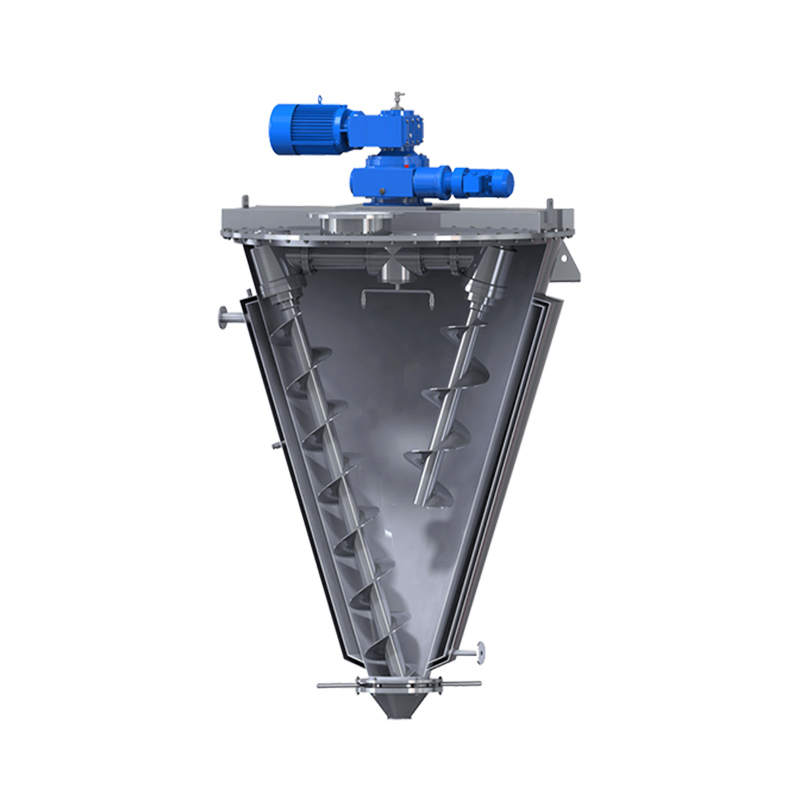 Conical Screw Mixer
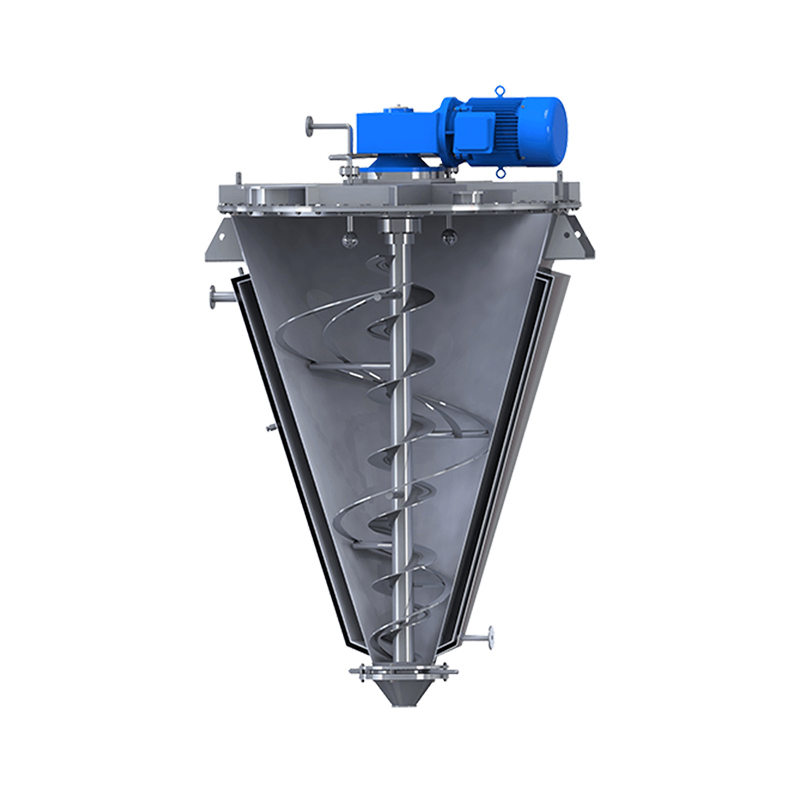 Conical Screw Belt Mixer
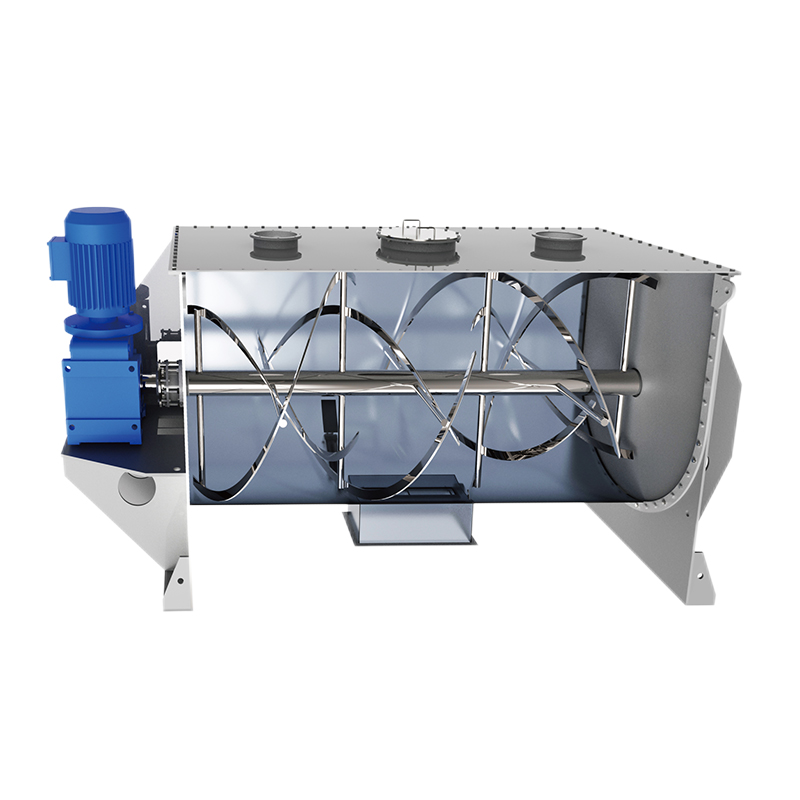 Ribbon Blender
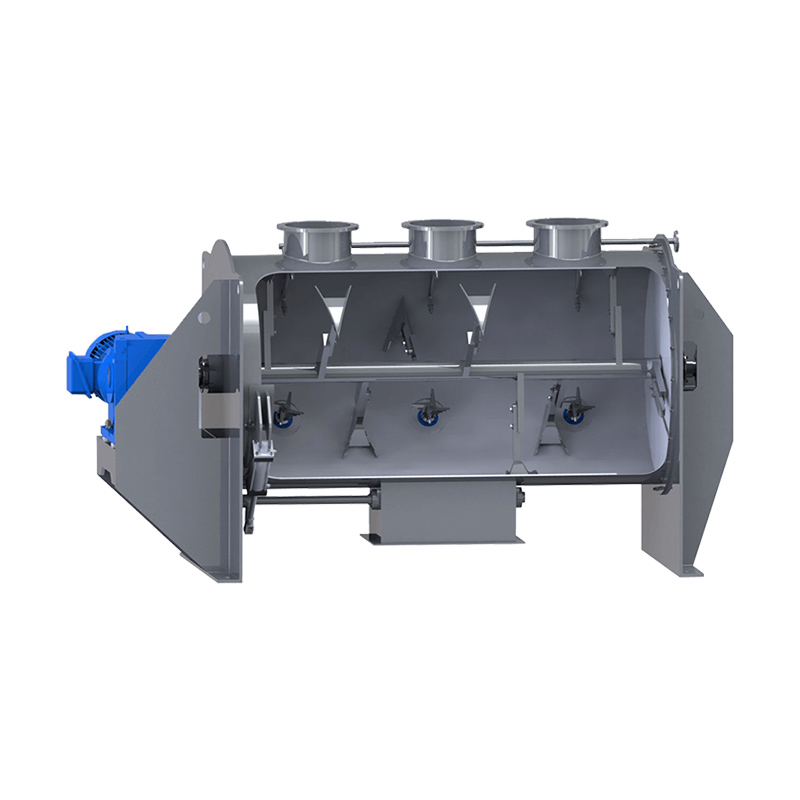 Plough-shear Mixer
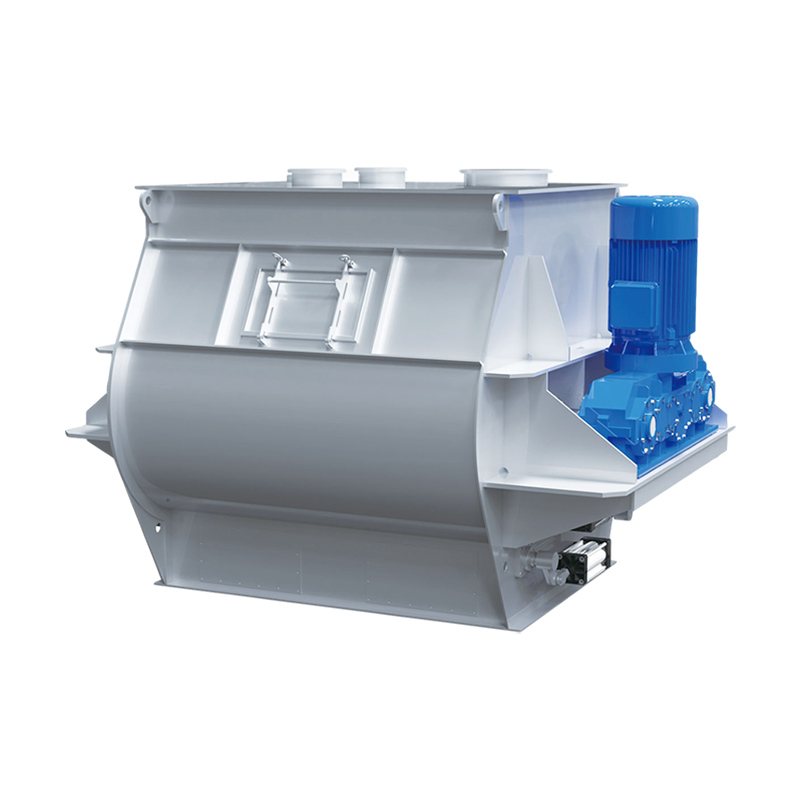 Double Shaft Paddle Mixer
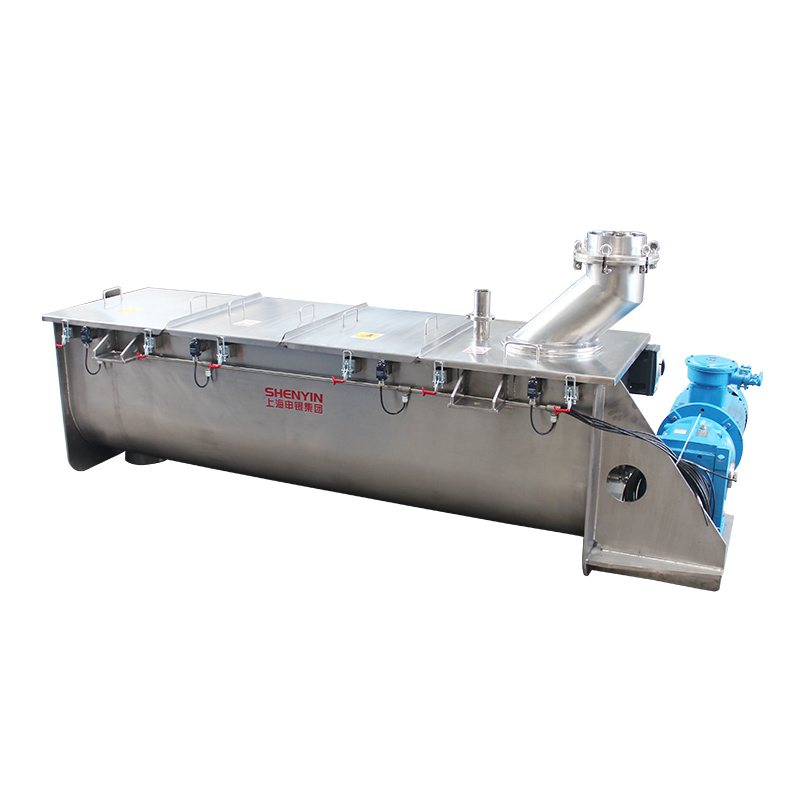 CM Series Mixer



