In the fast-changing world of small-scale manufacturing, staying efficient and precise is totally key to boosting productivity and maintaining a competitive edge. That’s where the Manual Paddle Mixer really makes a difference. It’s a game-changer, allowing manufacturers to get perfect mixes with way less effort.
Shanghai Shenyin Machinery Group Co., Ltd., a leader in this space, has been at the forefront, developing all sorts of mixers and blenders used in industries like chemicals, pharmaceuticals, pigments, mining, food, animal feed, and construction materials. What’s great about the Manual Paddle Mixer is that it simplifies the whole mixing process and actually improves the quality of the final product. It’s especially perfect for smaller operations that want to get the most out of their work without sacrificing performance. In this article, I’ll take a closer look at how this mixer is truly transforming small-scale manufacturing and changing the way people do things.
The Evolution of Mixing Technology in Small-Scale Manufacturing
Over time, the way small manufacturers mix their products has really changed—becoming way more efficient and innovative. Back in the day, traditional mixing methods just didn't cut it for the fast-paced, diverse needs of different industries. That’s when the manual paddle mixer started to become a real game-changer. It lets small businesses get a consistent mix without needing huge, pricey equipment. Not only does this make their production smoother and faster, but it also gives smaller players a real shot at competing in this fast-moving market.
At Shanghai Shenyin Machinery Group Co., Ltd., we’re proud to be part of this tech shift. As pioneers in making mixers and blenders, we’ve provided equipment that’s helped industries like chemicals, pharmaceuticals, and food processing grow and thrive. The manual paddle mixer truly reflects our dedication to pushing the envelope—offering a smart, practical solution that's perfect for smaller-scale production setups. By continually improving our mixing tech, we help our clients run more efficiently, produce higher-quality products, and succeed in a pretty competitive world.
Unlocking Efficiency: The Impact of Manual Paddle Mixers in Small-Scale Manufacturing
Key Benefits of Utilizing Manual Paddle Mixers in Production Processes
Manual paddle mixers have really become a game-changer for small-scale manufacturing, especially in industries like pet food and spice production. What’s great about these mixers is that they offer consistency, flexibility, and efficiency—pretty much what you need for quality work. Recently, industry reports have shown that companies using manual paddle mixers can boost their blending consistency by around 25% compared to the old-school methods. That kind of improvement really matters, especially when you're trying to hit strict quality standards while staying competitive out there.

One thing I’ve noticed is how versatile these mixers are. Small manufacturers love that they can tweak recipes easily—whether they’re working with different ingredients or batching different volumes—without sacrificing quality. For example, folks in the spice business have been saying that switching over to advanced paddle mixing has really sped things up—some have even cut down their production times by up to 30%. Pretty impressive, right?
A quick tip: when you’re choosing a manual paddle mixer, think about the size and capacity you'll actually need for your production. Also, don’t forget to check how easy it is to clean and maintain—it can save you a lot of hassle later on. And lastly, making sure your staff knows the right mixing techniques can make a big difference in how consistent and high-quality your products turn out. So, overall, it’s a pretty nifty solution for anyone looking to get more out of their blending processes.
Comparative Analysis: Manual Paddle Mixers vs. Automated Solutions
When it comes to small-scale manufacturing, choosing between manual paddle mixers and automated systems can really make a difference in how smoothly things run. Manual paddle mixers are often loved for their simplicity and lower price tag—they’re straightforward to set up and can still do a decent job keeping things mixed consistently. In fact, a report from Smith & Associates points out that small and mid-sized manufacturers using manual mixers tend to see about a 30% drop in startup costs compared to those going full-on with automated machines. So, if you're watching your budget, manual options might be the way to go.
Now, that said, automated mixers definitely have their perks—mainly speed and precision. For busy situations where you need things done quickly, they can be a real lifesaver. A study by TechMix Solutions found that automated systems can cut blending times by up to half, which means bigger batches get processed faster. But here’s the thing—if your production needs are more flexible or involve tweaking formulas on the fly, manual mixers are still pretty relevant. They really shine in niche applications where small batches and customization matter most. Bottom line: automation is great for volume, but manual paddle mixers offer that needed balance when it comes to versatility and small-scale projects.
Overall, both options have their place, and it really depends on what your specific needs are and what fits best within your budget.

Real-World Applications: Success Stories of Paddle Mixer Implementation
You know, the manual paddle mixer really has made a huge difference for small-scale manufacturing. It’s one of those tools that’s actually helped turn some small businesses into real success stories. I came across a report from The Mixing Forum, and it said that about 65% of small manufacturers are now using paddle mixers—they swear by how efficient and budget-friendly they are for mixing all sorts of materials. For example, there’s this little bakery out in the Midwest—an artisanal place—and after they started using a manual paddle mixer, their production ramped up by around 30%. It helped them simplify their mixing process, so they could really concentrate on the quality of their baked goods and keep that craftsmanship intact, all while saving on labor costs. Pretty cool, right?
And it’s not just in baking. In the construction world, a small concrete startup shared how things turned around for them after bringing in manual paddle mixers. The American Concrete Institute highlighted that these mixers actually improved the consistency of their mixes and cut down on waste—leading to about a 20% savings on materials. What’s nice about the manual aspect is it gives these smaller companies a bit more flexibility to adapt quickly to what the market needs, without compromising on quality. All this shows that manual paddle mixers aren’t just some tools—they’re a key part of helping small businesses grow, work smarter, and stay competitive in their industries.
Unlocking Efficiency: How the Manual Paddle Mixer Revolutionizes Small-Scale Manufacturing - Real-World Applications: Success Stories of Paddle Mixer Implementation
| Application Area | Key Benefits | Production Rate (units/hour) | Cost Savings (%) | User Feedback |
| Baking Industry | Improved mixing consistency | 200 | 15% | Highly satisfied |
| Cosmetic Production | Reduced ingredient waste | 150 | 20% | Efficient and user-friendly |
| Pharmaceuticals | Enhanced product uniformity | 100 | 10% | Robust and reliable |
| Food Processing | Faster batch preparation | 250 | 18% | Great mixing results |
| Building Materials | Consistent material quality | 80 | 12% | Impressive durability |
Cost-Effectiveness of Manual Paddle Mixers for Small Manufacturers
You know, when it comes to small-scale manufacturing, manual paddle mixers are really starting to prove their worth in terms of cost savings. I came across a report by Technavio that estimates manufacturers could save up to 30% on overhead costs just by switching from those high-energy electric mixers to manual ones. The best part? These savings mainly come from slashing electricity bills, which means small businesses can free up some cash to put into other areas of their operations. Plus, manual paddle mixers don’t break the bank upfront — they usually cost between $300 and $800, whereas electric models can rack up over $2,000.
But it’s not just about saving money. Manual mixers also help streamline operations. According to a study from the American Institute of Chemical Engineers, these mixers can consistently blend ingredients without needing a ton of maintenance — so you avoid those costly breakdowns and downtime. And the fact that you can mix small batches as needed? That’s a huge plus because it lets manufacturers respond quickly to market changes without tying up a lot of inventory. All in all, this combination of cost-effectiveness and flexibility makes manual paddle mixers a real game-changer for small businesses looking to boost their production without breaking the bank.
Best Practices for Optimizing Efficiency with Manual Paddle Mixers
You know, the manual paddle mixer is really starting to become a go-to tool for small-scale manufacturers. It’s pretty impressive how much it can boost efficiency. I recently read from the Mixing Equipment Association that using a manual mixer can cut down blending time by as much as 30% compared to those old-school methods. That’s a game-changer, especially for smaller producers trying to keep up with tight schedules without sacrificing quality. This kind of time-saving really matters a lot in industries like food processing and construction — where getting a consistent product is key to keeping customers happy.
To get the most out of your manual paddle mixer, there are a few best practices folks swear by. For example, sticking to consistent mixing techniques helps ensure each batch is uniform. I saw a study by the American Society of Mechanical Engineers that mentioned how even small variations in manual mixing can lead to about 15% more waste because of uneven blending. Also, choosing high-quality paddle designs suited for specific materials can make a big difference, as highlighted in research from the Journal of Manufacturing Science and Engineering. And don’t forget — regular training for operators on the best mixing practices can seriously boost productivity and help you get the most out of this really handy tool in smaller operations.
Navigating the Future of Mixing Technologies: Insights from the Latest Market Research on Customizable Plough-Shear Mixers
As industries continue to advance, the demand for versatile and efficient mixing technologies is becoming increasingly critical. The SYLD series plough-shear mixer stands at the forefront of this evolution, designed specifically for challenging materials that often present mixing obstacles. Its exceptional capabilities make it an ideal choice in sectors such as ceramics, food additives, and construction materials, where both homogeneity and processing speed are paramount. Recent market research emphasizes the growth potential of customizable mixing solutions, predicting a compound annual growth rate (CAGR) of over 5% in the next five years across various manufacturing segments.
The SYLD series is engineered to handle materials that are prone to agglomeration due to moisture or inherent viscosity, effectively addressing the challenges of mixing viscous substances and powder-liquid combinations. With the powerful shear mixing effect produced by its spindle mixer and auxiliary fly cutter, users can expect not only improved material consistency but also enhanced production efficiency. This technology is particularly advantageous for industries dealing with refractory materials, cemented carbide, and even sludge treatment, where precision mixing is crucial. A recent industry report indicates that the need for high-performance mixers like the SYLD series is being driven by increasing product quality expectations and the need for regulatory compliance, highlighting the importance of investing in advanced mixing technologies.
FAQS
: Approximately 65% of small manufacturers have adopted paddle mixers in their operations.
A small artisanal bakery reported a 30% increase in production efficiency after implementing a manual paddle mixer.
Manufacturers can save up to 30% on overhead costs by transitioning from high-energy consumption mixers to manual variants.
The initial investment for a manual paddle mixer generally ranges from $300 to $800.
Manual paddle mixers achieve consistent blend quality while requiring minimal maintenance, which helps avoid costly downtimes.
Best practices include maintaining consistent mixing techniques, investing in high-quality paddle designs, and providing regular training for operators.
Manual mixers can reduce blending time by up to 30% compared to traditional methods.
Industries like food processing and construction benefit particularly from the time-saving features, where consistency in product formulation is crucial.
Regular training for operators in best mixing practices can significantly improve productivity.
Variation in manual mixing could lead to a 15% increase in waste due to uneven blending.
Conclusion
So, I came across this article titled "Unlocking Efficiency: How the Manual Paddle Mixer is Changing the Game for Small-Scale Manufacturing," and I have to say, it really dives into how these manual mixers are making a big difference in production. It kind of takes you on a quick journey through the history of mixing tech, highlighting what makes manual paddle mixers stand out — things like giving you better control, being super versatile, and easy to handle, especially when you're dealing with smaller setups. And here’s the interesting part: it compares manual mixers with automated systems, showing why they’re still super relevant in industries like chemicals, pharma, and food production. It’s pretty compelling stuff. The article even shares some real-world success stories, which really drives home how cost-effective and efficient these mixers can be if you know how to use them right. For small manufacturers wanting to bump up productivity without sacrificing quality, this piece suggests that a manual paddle mixer might just be the way to go — and it’s worth noting that Shanghai Shenyin Machinery Group is pretty much leading the charge with their innovative mixer and blender tech.

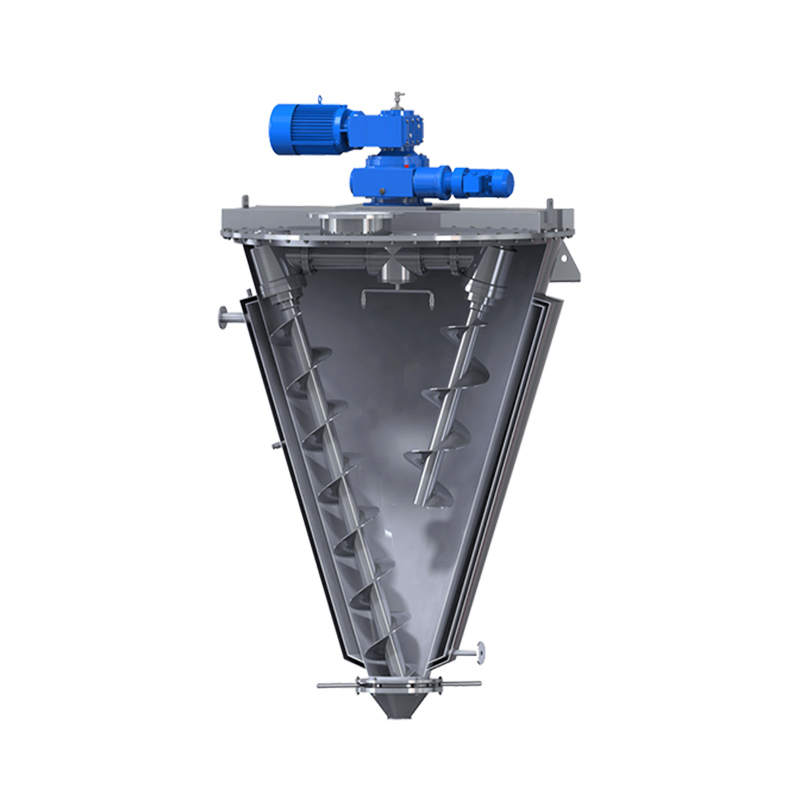 Conical Screw Mixer
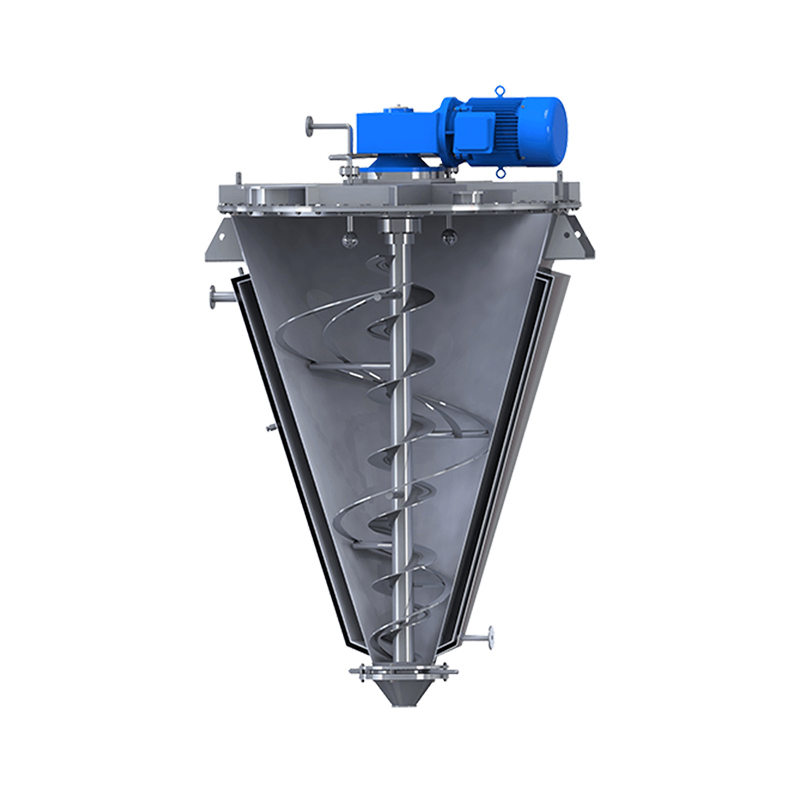 Conical Screw Belt Mixer
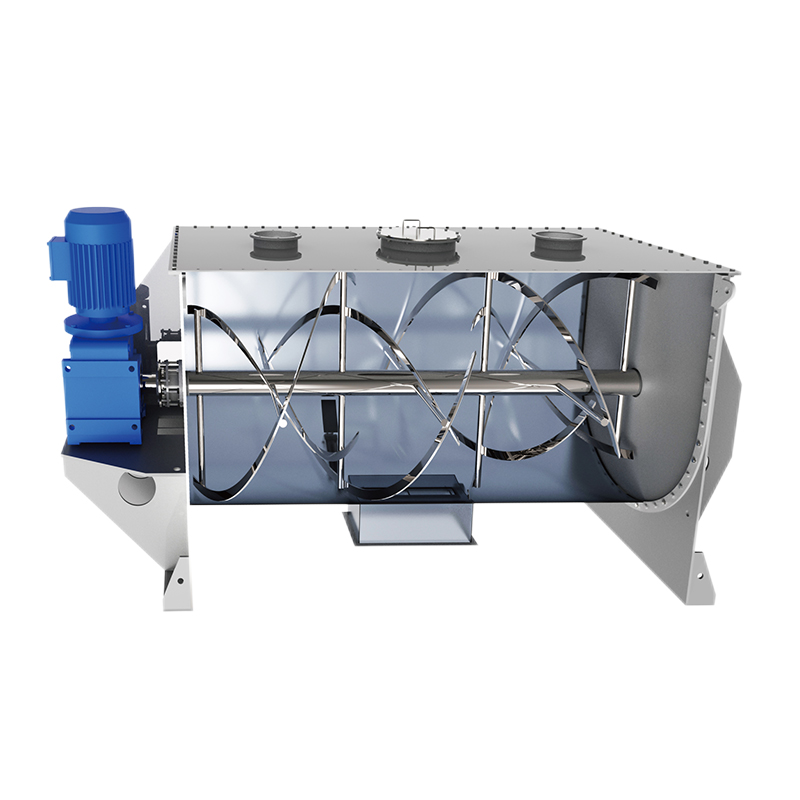 Ribbon Blender
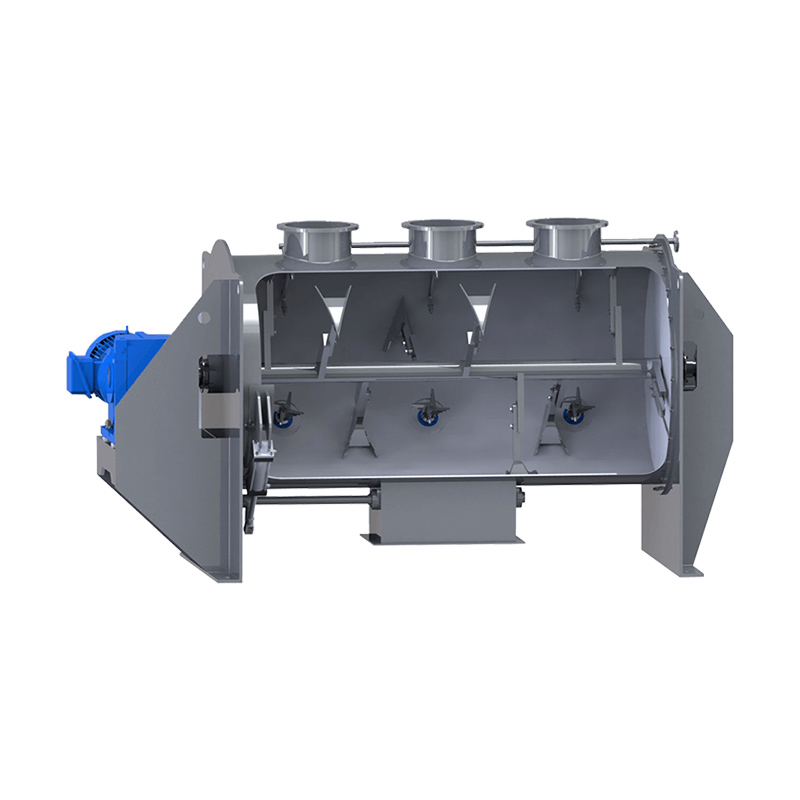 Plough-shear Mixer
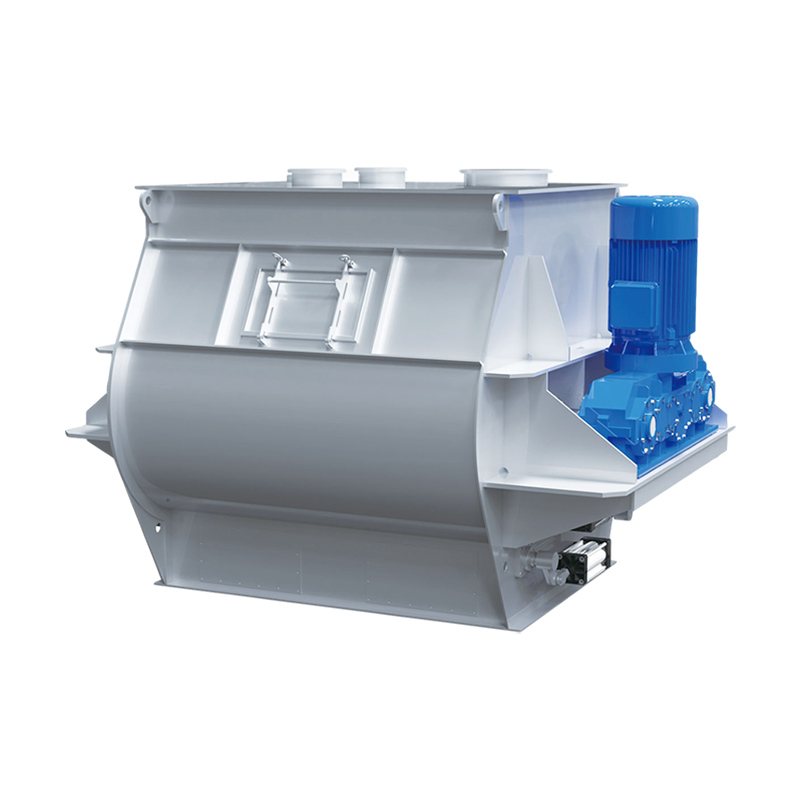 Double Shaft Paddle Mixer
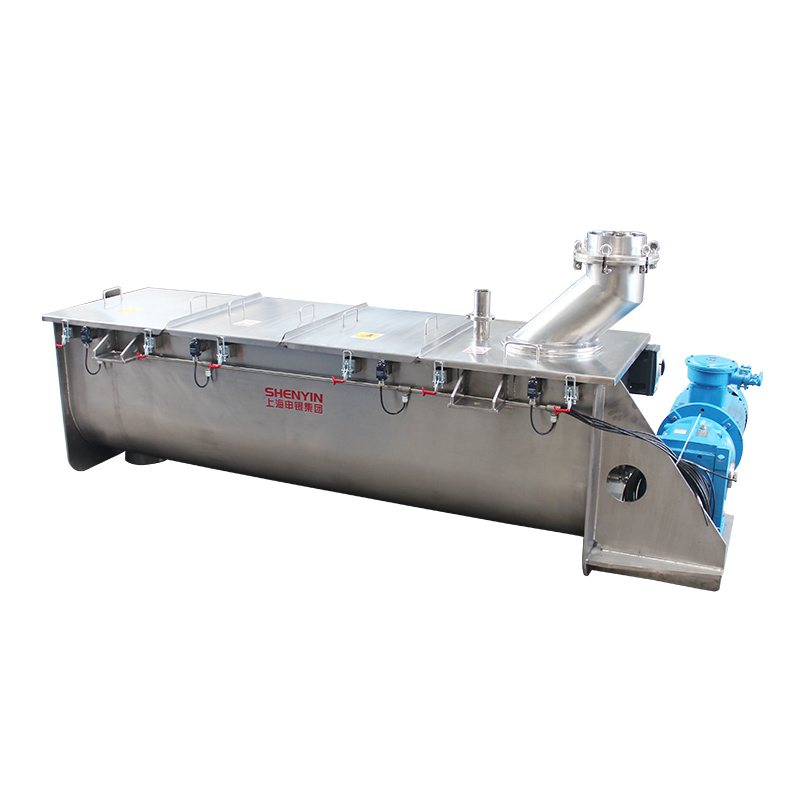 CM Series Mixer



