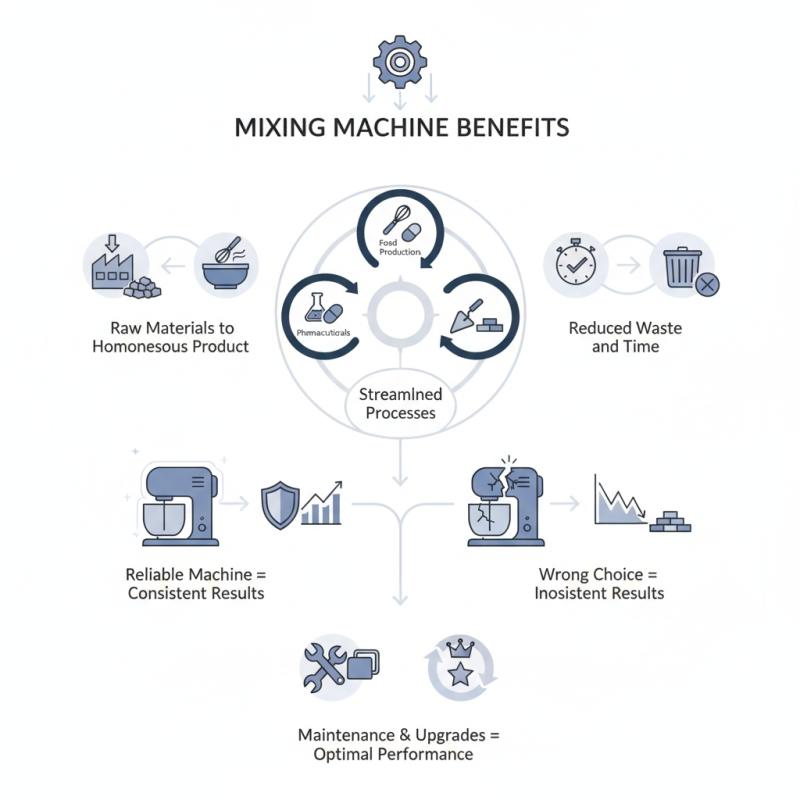
In today’s really fast-moving industrial world, having a good Mixing Machine is more important than ever. Experts like John Smith over at MixTech Industries often point out just how crucial these machines are. He’s like, “A solid Mixing Machine can turn raw ingredients into a smooth, uniform product pretty quickly.” Honestly, that really shows how vital these machines are across different industries.
Mixing Machines make life way easier in food production, pharma, construction—you name it. They’re designed to evenly blend all the components, which means less waste and faster processes. But, and here’s the kicker, not all machines are the same. You’ve gotta pick one that suits your specific needs. If you choose the wrong one, you might end up with inconsistent results, which can mess with your product quality.
Investing in a reliable Mixing Machine is definitely a smart move. But a lot of businesses tend to forget about regular maintenance or upgrading them over time, and that can really hurt efficiency. Taking the time to evaluate your setup and keeping things running smoothly is super important. After all, in a world where consistency is everything, having the right Mixing Machine can truly make or break your operations.
What Is a Mixing Machine? An Overview of Its Functions and Types
Mixing machines play a crucial role in various industries, including food, pharmaceuticals, and chemicals. These machines ensure uniformity in mixtures, which is essential for product quality. Mixing machines can be broadly categorized into types such as Batch Mixing And Continuous Mixing. Each type serves specific functions based on the industry’s needs.
In batch mixing, materials are combined in discrete quantities, allowing for tailored formulations. This method is ideal for producing small batches. Continuous mixing, on the other hand, provides efficiency for larger scale operations. Here, materials flow continuously through the machine, enhancing productivity. A report by the Mixing Equipment Manufacturers Association (MEMA) indicates that continuous mixing can increase throughput by up to 50%, significantly impacting operational efficiency.
**Tip:** Always consider your production volume when choosing between batch mixing and continuous mixing. A mismatch can lead to inefficiencies. Additionally, routine maintenance of your mixing machine can prevent downtime and improve output quality. Keep in mind that while mixing machines enhance productivity, they require careful monitoring to address any inconsistencies in the product. Balancing machine capabilities with the quality of the final mixture is vital for success.
Key Industries Utilizing Mixing Machines and Their Market Demand
Mixing machines play a crucial role across various industries. They ensure uniformity and quality in products. In food manufacturing, these machines blend ingredients seamlessly, improving texture and flavor. Consistency is essential here. Mixing machines help achieve that reliably.
Pharmaceutical companies also rely on mixing machines. They are used to create homogeneous mixtures of active ingredients. This is vital for effective medication. Accuracy in these mixtures can affect patient outcomes. Thus, the demand in this sector is growing.
Construction materials, such as concrete, benefit from mixing machines too. They enhance the properties of materials by ensuring even distribution of components. However, improper mixing can lead to weak structures. This highlights the need for skilled operators. Companies must invest in training to avoid these pitfalls.
Technical Specifications of Mixing Machines: Size, Power, and Capacity
Mixing machines play a critical role across various industries. The effectiveness of these machines hinges on their technical specifications. Size, power, and capacity are vital factors in determining their performance. For instance, larger machines can handle bigger volumes but may require more power. In contrast, smaller machines are more portable. According to industry reports, a mixing machine with adequate capacity can enhance production efficiency by up to 30%.
Power is another key element. Many mixing machines operate within a range of 500 to 2000 watts. This power influences how quickly materials are mixed and the homogeneity of the final product. A 1500-watt mixing machine often yields better-quality mixtures than a lower-powered counterpart. However, it’s crucial to note that too much power can lead to overheating. Thus, balancing power and size is essential for optimal operation.
Capacity affects not only the volume but also the type of materials that can be processed. Mixing machines for viscous materials require different specifications than those for dry powders. An industry report indicated that machines with a capacity of 100 liters can efficiently mix a variety of substances, but only if they are designed to handle specific operational demands. It’s essential to choose a mixture machine that aligns with your production needs to avoid inefficiencies.
Mixing Machine Power and Capacity Comparison
The Role of Mixing Machines in Improving Production Efficiency
Mixing machines play a crucial role in enhancing production efficiency across various industries. According to a report by MarketsandMarkets, the global market for mixing equipment is expected to grow at a CAGR of 4.5% through 2025. This growth reflects the increasing demand for efficient and high-quality mixing solutions. These machines allow for consistent and uniform blending of materials, significantly reducing the chances of production errors and waste.
Implementing a mixing machine can streamline processes significantly. Manual mixing can lead to inconsistencies. Using machines ensures that every batch meets the desired quality standards. Research shows that businesses utilizing automated mixing report a 20% reduction in operational costs. Moreover, integrating advanced technologies in Mixing Systems can improve turnaround times.
Tip: Regular maintenance of mixing machines can prevent costly downtime. Ensure your equipment is checked frequently for optimal performance. Also, consider upgrading your mixing technology as newer models offer enhanced efficiencies. A strategic investment in mixing machines may yield substantial returns in productivity and overall resource management.
Comparative Analysis: Mixing Machines vs. Manual Mixing Techniques
Mixing Machines represent an advanced approach to blending materials, especially when compared to traditional manual mixing techniques. According to the International Journal of Industrial Engineering and Management, automated mixing processes can reduce labor costs by 30% and significantly enhance productivity. This is crucial when dealing with large batches, where consistency and efficiency are paramount.
Manual mixing often leads to variability in the final product. Reports indicate that human error can introduce up to 15% inconsistencies in mixtures. On the other hand, a mixing machine ensures uniformity, producing exact formulations every time. This is vital in industries like food production, pharmaceuticals, and manufacturing, where precise measurements dictate quality and compliance.
Despite the clear advantages of mixing machines, they are not without flaws. Initial setup costs can be high, and operators may require training to utilize the technology effectively. There is always a learning curve when integrating new machinery. However, the transition often leads to superior results. Businesses must weigh these factors when considering a shift from manual methods to automated solutions.
Cost-Benefit Analysis: Investing in a Mixing Machine for Your Business
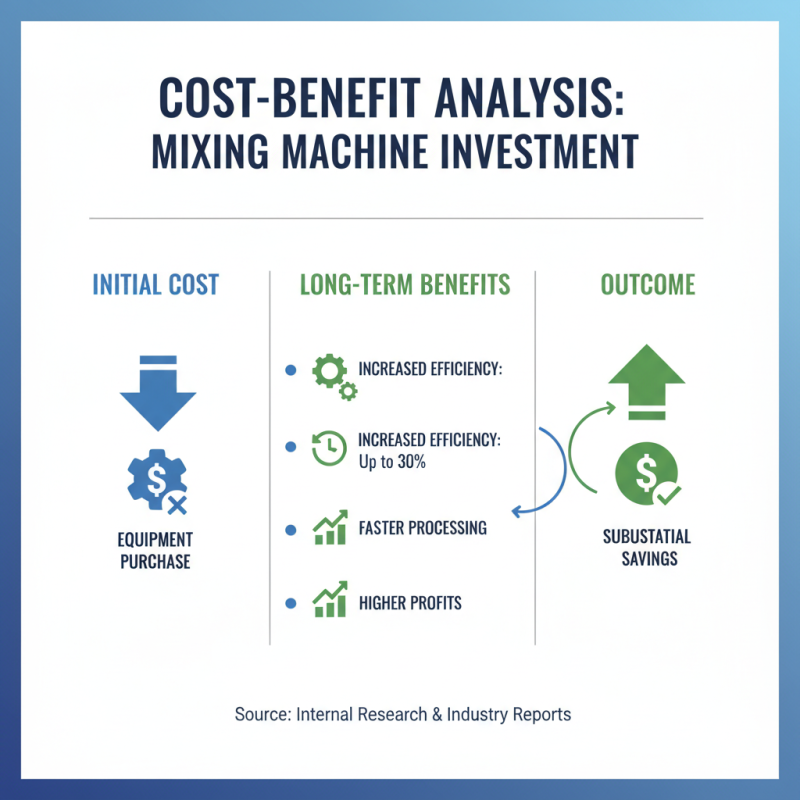
Investing in a mixing machine can significantly enhance your business operations. The initial investment may seem high. However, a careful cost-benefit analysis often reveals substantial long-term savings. For example, research indicates that businesses utilizing a Food Mixing Machine can increase production efficiency by up to 30%. This efficiency allows for faster processing times, which can lead to increased output and, ultimately, higher profits.
Another aspect to consider is labor costs. Automating mixing processes reduces the need for manual labor. According to industry reports, companies that shift to mixing machines see a reduction in labor costs by approximately 20%. This reduction frees up staff to focus on other vital tasks, leading to better resource allocation. However, the transition requires training and adaptation, which may pose initial challenges.
Moreover, consistency is crucial in food production. A food mixing machine delivers uniform results, ensuring quality control. Studies show that consistent product quality can boost customer satisfaction by as much as 25%. Yet, it's important to reflect on maintenance and potential downtime. An overlooked machine can lead to production halts, which can quickly offset any gains. Making informed decisions about mixing machines can pave the way for greater operational success.
Case Studies: Successful Implementation of Mixing Machines in Industry
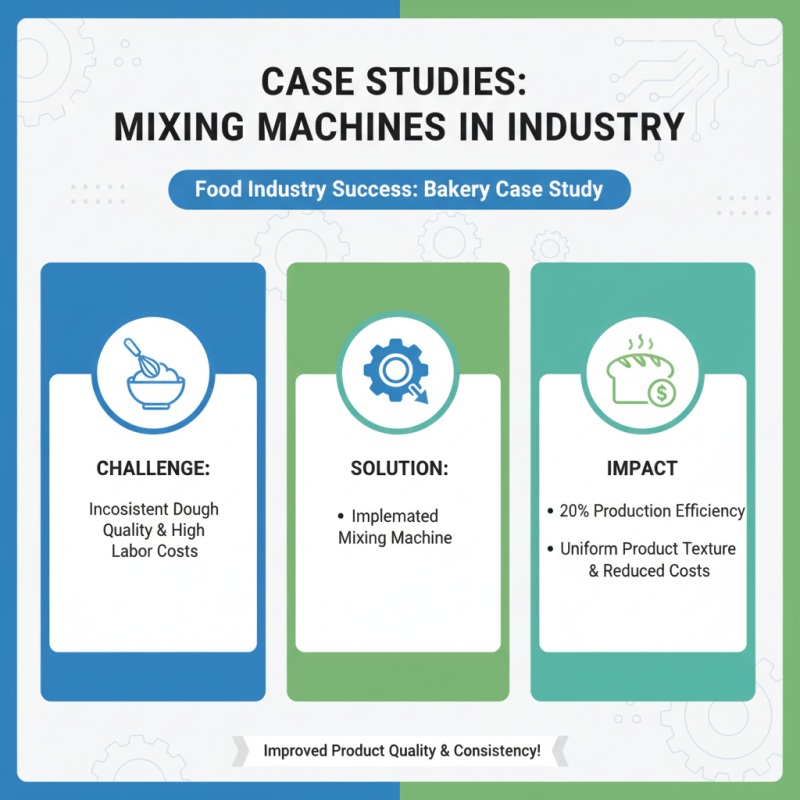
Mixing machines have revolutionized various industries by improving product quality and consistency. A case study in the food industry highlights the significant benefits of these machines. A bakery implemented a mixing machine that optimized dough consistency. This resulted in uniform product texture and reduced labor costs. The bakery noted a 20% increase in production efficiency within months.
In the pharmaceutical sector, a company adopted a mixing machine for precise ingredient blending. This ensured accurate dosages and enhanced product safety. As a result, the company reported fewer quality control issues and boosted consumer trust. These examples illustrate the effortless integration of technology that can lead to streamlined processes.
Tips for selecting a mixing machine include assessing your specific needs. Consider the materials you will be mixing. Ensure the machine supports those requirements. Training staff on new equipment is crucial for success. Frequent reviews of performance can also provide insights for optimization. Reflecting on experiences is vital. Did the implementation meet initial expectations? Understanding these aspects can guide future improvements.
Innovative Solutions for Efficient Processing: The HEP-SYLW Series Drying and Blending Machine Explained
The HEP-SYLW series drying and blending machine is a cutting-edge solution designed to tackle the common challenges faced in the processing industry, particularly regarding moisture retention and clumping in finished products. Drawing inspiration from advanced engineering principles and user feedback, this machine features a far-infrared ceramic heating jacket. This innovation ensures deep drying of moisture-laden materials during the final mixing phase, which is crucial for achieving optimal consistency in product texture and quality. Such technologies align with industry reports indicating that effective moisture management can enhance product shelf-life and performance, addressing one of the major pain points in manufacturing processes.
In the current market, the need for efficient blending machines has grown significantly, with an increasing demand for larger batch processing capabilities. Most conventional blending equipment on the market offers a maximum single batch processing capacity of 10-15 tons. However, the HEP-SYLW series stands out by providing a robust single batch capability of up to 40 tons. This increased capacity allows users to achieve more efficient mixing effects, ultimately leading to increased productivity and reduced operational downtime. Industry analyses reveal that equipment with enhanced capacity can substantially lower processing costs and improve overall throughput, which is particularly beneficial in a competitive marketplace.
Adopting the HEP-SYLW series can significantly enhance operational efficiency and product quality in the drying and blending sector, positioning manufacturers to better meet the rising demands of today's market while minimizing waste and ensuring consistency in their final outputs.
FAQS
: Mixing machines are essential for ensuring uniformity in various industries, like food and pharmaceuticals.
Mixing machines are mainly categorized into batch mixing and continuous mixing. Each serves different production needs.
Batch mixing combines materials in specific quantities. It's suitable for creating small, tailored batches of products.
Continuous mixing involves a constant flow of materials through the machine. This enhances efficiency for larger operations.
Regular maintenance prevents downtime and improves the quality of the final product. Neglect can cause inconsistencies.
Investing can lead to significant long-term savings and improved production efficiency. This enhances profit margins over time.
Automating mixing processes can reduce labor costs by about 20%. This allows staff to focus on other important tasks.
Consistent quality can increase customer satisfaction by up to 25%. This is vital for maintaining a loyal customer base.
The initial transition may require training and adaptation. These challenges need careful planning to avoid disruptions.
If the chosen method doesn’t match production volume, it can lead to inefficiencies. This might cause wasted resources.
Conclusion
A Mixing Machine is an essential equipment designed to blend various materials efficiently, playing a significant role across multiple industries, including food, pharmaceuticals, and construction. This article provides an overview of different types of mixing machines, highlighting their specific functions and the technical specifications that determine their performance, such as size, power, and capacity.
The demand for mixing machines is growing as businesses seek to enhance production efficiency and consistency in their processes. A comparative analysis of mixing machines versus manual mixing techniques reveals the advantages of automation, including time savings and reduced labor costs. Furthermore, a cost-benefit analysis underscores the long-term savings and improved productivity that can result from investing in a mixing machine. Through case studies, the article illustrates successful implementations in various industries, demonstrating how these machines can significantly impact operational success.

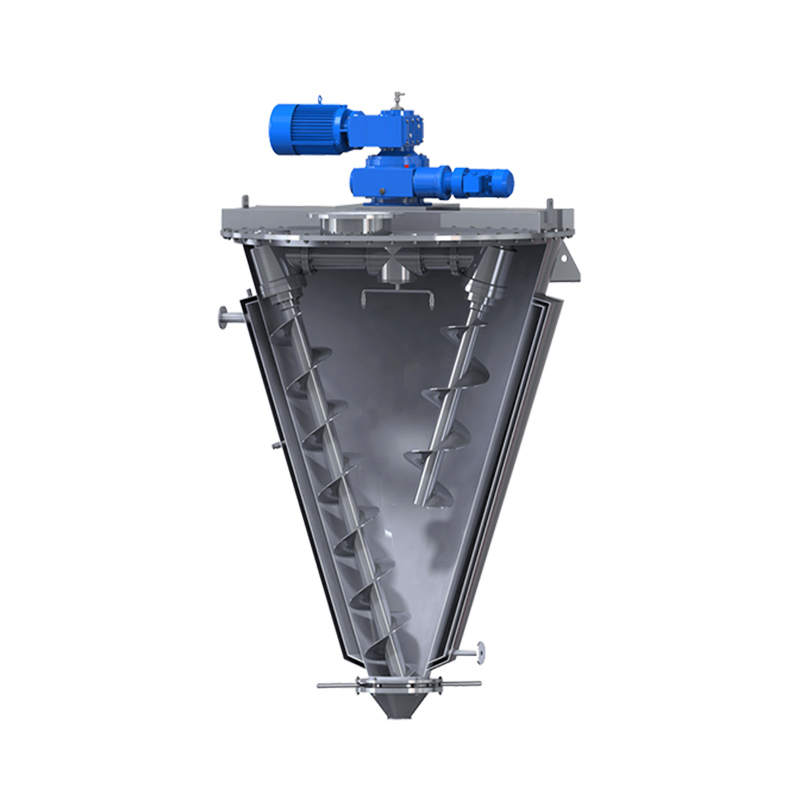 Conical Screw Mixer
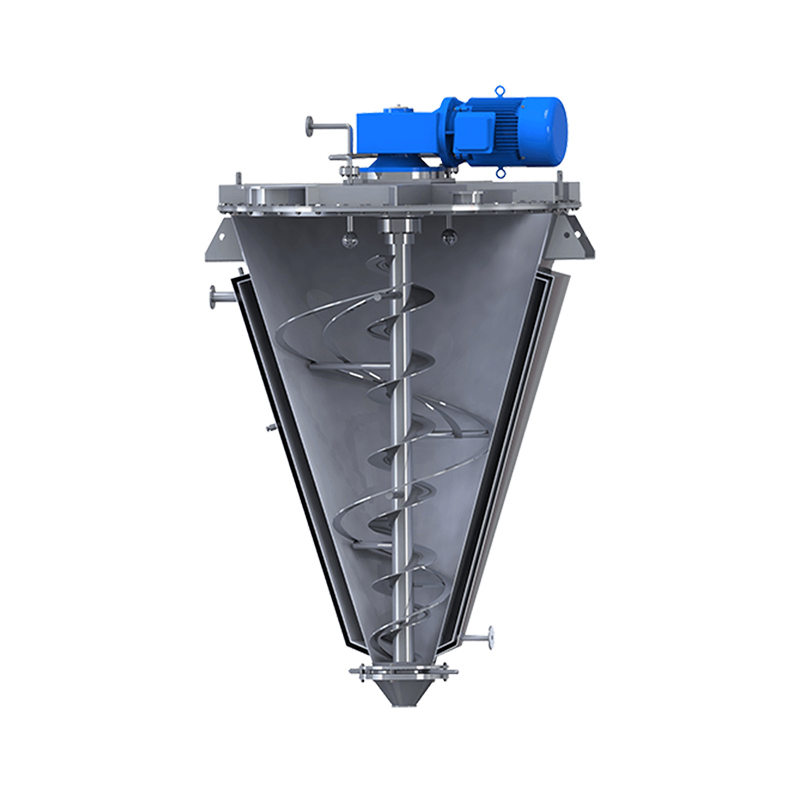 Conical Screw Belt Mixer
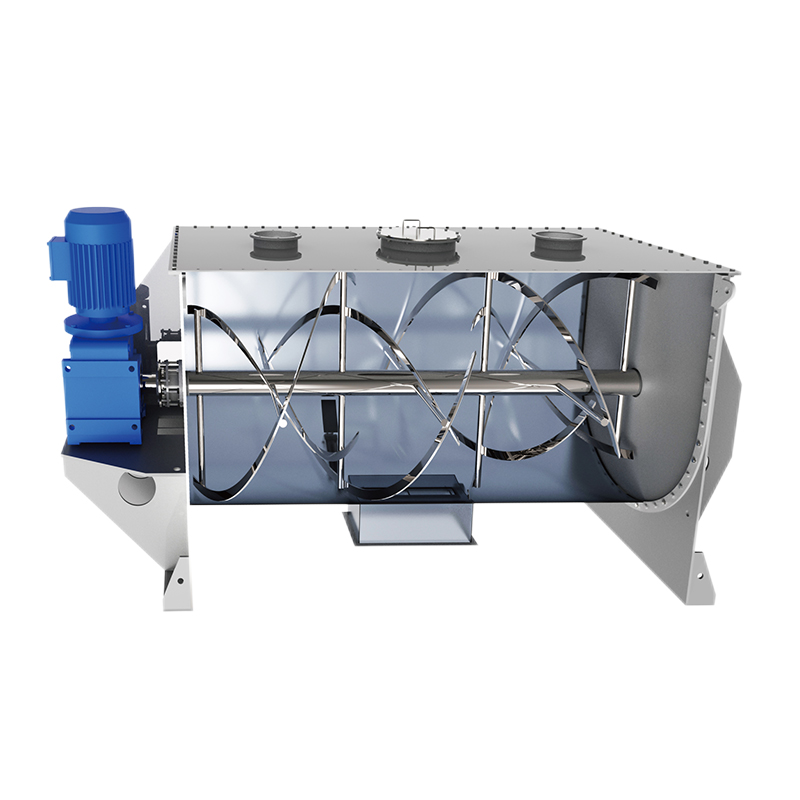 Ribbon Blender
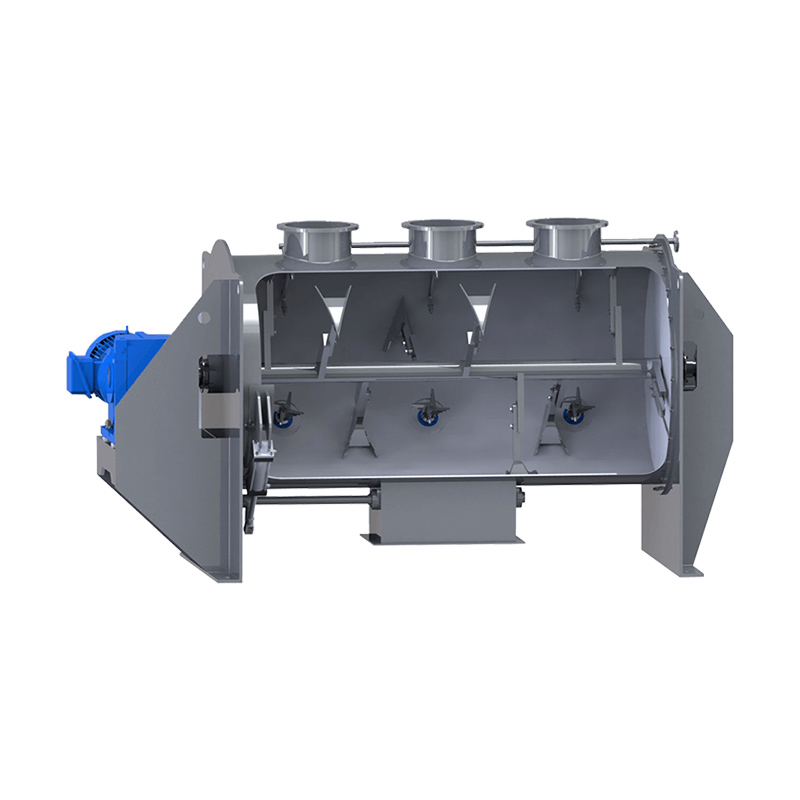 Plough-shear Mixer
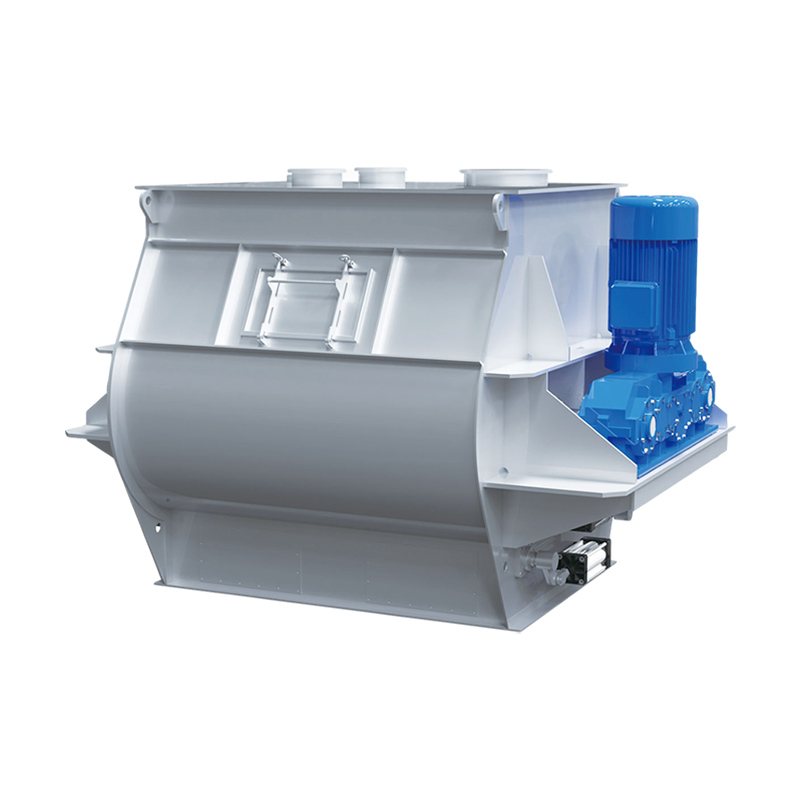 Double Shaft Paddle Mixer
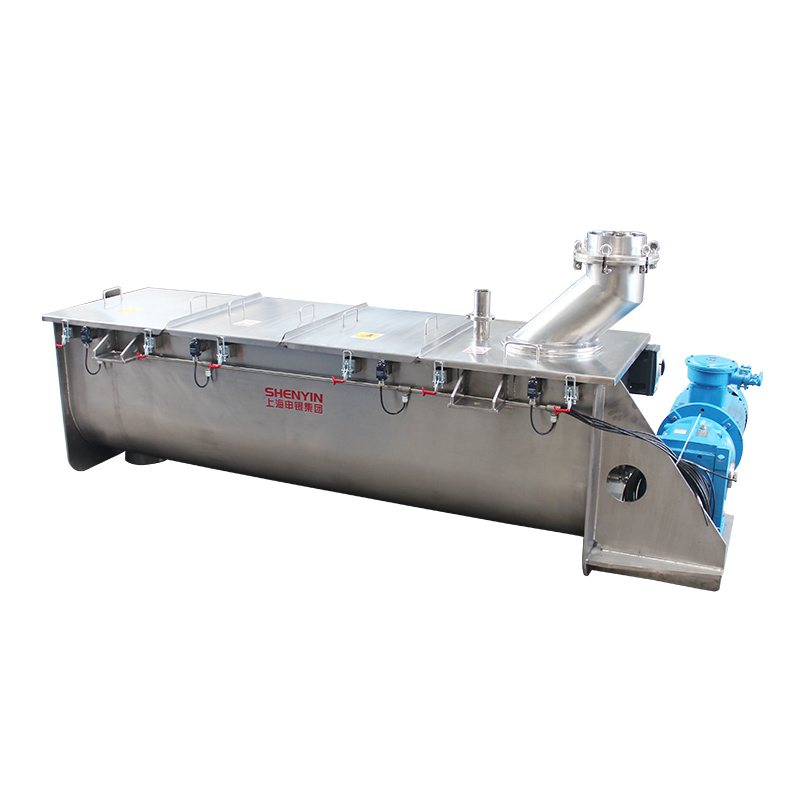 CM Series Mixer