Lately, there's been a real uptick in the demand for versatile and efficient Mixing Equipment across different industries. It's no surprise, really — innovation in mixing tech has been booming. I came across a report from MarketsandMarkets that predicts the global market for mixers and blenders will hit about $18.9 billion by 2026, growing at roughly 5.1% annually.
One of the standout developments in this space is the Manual Paddle Mixer — honestly, it's a real game-changer. It gives operators way more control and precision than most other options out there. Shanghai Shenyin Machinery Group Co., Ltd. is actually leading the charge on this front; they’re the first company to really mass-produce these kinds of mixers and blenders, and they’re used all over — in chemicals, pharma, even food industries.
With the ability to mix materials evenly every time, these manual paddle mixers don’t just boost productivity—they help ensure the quality and consistency that industries rely on. As everything keeps evolving, I think it’s really worth taking a closer look at the science behind these mixers to understand why they’re becoming so essential for modern-day mixing tasks.
The Evolution of Mixing Technology: From Traditional to Manual Paddle Mixers
Mixing technology has come a long way, and it's pretty fascinating to see how we've gone from old-school methods to the cool manual paddle mixers we use today. Back in the day, mixing was a real labor of love—or maybe just a lot of hard work—using basic tools like wooden spoons and metal whisks. Sure, they could do the job, but more often than not, the results were a bit inconsistent, and it took a ton of elbow grease to get things just right. That struggle definitely pushed folks to look for better, more efficient ways to get that perfect mix without all the hassle.
Then came the manual paddle mixers, which was a game changer. Designed to be comfortable and easy to handle, these gadgets use paddles that help you mix things evenly with way less effort. They’re pretty versatile too—whether you're baking at home or working on bigger industrial projects, they give you better control and a more precise finish. As cooking and baking practices keep evolving, these paddle mixers strike a really nice balance between tradition and innovation. They’ve made life easier for both amateur cooks and professional chefs, helping everyone up their game in the kitchen and beyond.
The Science Behind Manual Paddle Mixers: Revolutionizing Your Mixing Experience
| Feature | Traditional Mixers | Manual Paddle Mixers |
| Mixing Technique | Rotational | Paddling Action |
| Power Source | Electric | Manual |
| User Control | Limited | High |
| Mixing Speed | Fast | Variable |
| Consistency | Depends on Speed | Uniform Mixing |
| Eco-Friendliness | High Energy Use | Sustainable |
| Portability | Bulky | Lightweight |
Understanding the Mechanics: How Manual Paddle Mixers Work
Manual paddle mixers are designed to make mixing a whole lot easier and more straightforward. They work using basic mechanical principles, but what really makes them stand out is the paddle itself. It’s shaped in a way that boosts the mixing action — kind of like how a kitchen whirlpool forms when you stir. When you operate the mixer, the paddle moves through the ingredients, creating this swirling vortex that helps distribute everything evenly. That’s especially handy when you’re working with dense or tricky materials, because it ensures your final mix is smooth and consistent.
The magic behind these mixers is all about shear force. When you turn the paddle, it applies stress to the mixture—think of it like kneading dough but on a smaller scale—which breaks up clumps and encourages particles to interact better. This is especially useful in baking, construction, or any time you need your ingredients to blend really well.
Plus, since the design is pretty simple but super effective, you get a lot of control over how fast or intense you mix. Want a quick stir? Just crank it up. Need a gentle fold? Go slow. That hands-on control not only makes the job easier but also turns the mixing into a more engaging, versatile task. It’s like having a real feel for the process, rather than relying on an electric machine. Overall, these mixers give you a great balance of efficiency and a more personal touch to your mixing routine.
The Science Behind Manual Paddle Mixers: Mixing Efficiency
Key Benefits of Using Manual Paddle Mixers in Various Industries
Manual paddle mixers might not be the flashiest equipment out there, but they really do a lot of heavy lifting in various industries. Honestly, their versatility and ability to give you a nice, even mix make them pretty invaluable. If you’ve worked in sectors like chemicals, pharmaceuticals, or food production, you probably already know how much of a difference a good manual paddle mixer can make—especially when it comes to upping the quality of your products. The cool thing? Being able to tweak the mixing speed and intensity means you can customize the process to suit sensitive materials, helping keep them just right. According to the 'Industrial Mixer Market Research Report,' demand for these kinds of solutions has jumped by about 20% over the last five years—that’s a clear sign folks are really leaning into tech that boosts efficiency.
Now, if you’re thinking about picking one up, here’s a quick tip: pay attention to the thickness and viscosity of whatever you're mixing. It’s smart to choose a mixer with adjustable paddles, so you aren’t limited — different projects need different settings. Oh, and don’t forget—always do a small test batch first. It’s a simple step that can save you a lot of hassle and waste in the long run.
And it’s not just industries like chemicals or food—construction folks also love manual paddle mixers. They’re great for mixing concrete and other materials right on site, which can seriously speed things up. In fact, a recent study even showed that on-site mixing can cut delivery times by up to 30%. Pretty neat, right? Just a last little tip: keep your mixer well-maintained. A bit of TLC can make it last longer and perform reliably through countless mixing jobs.

Top Tips for Optimizing Your Mixing Technique with Paddle Mixers
Manual paddle mixers have really become must-haves in both professional kitchens and at home. Honestly, they make it so much easier to get your mixtures nice and even. If you ask me, dialing in your technique with these tools can seriously boost your cooking results.
One good trick is to make sure you're using the right paddle for whatever you're mixing. For thicker batters, a sturdier paddle works better—it can break up clumps more easily. On the other hand, if you’re dealing with lighter mixtures that need air, a whisk attachment is your best friend. This way, you’re not just mixing stuff together—you’re also aerating and blending those ingredients properly for that perfect texture.
Also, don’t forget about your speed and the angle of the paddle. Start out slow when combining dry ingredients—that helps prevent splattering and keeps things tidy. Then, as you go, boost the speed so everything gets combined thoroughly. A little tip: angle the paddle slightly against the side of the bowl to help scrape down the ingredients and make sure nothing’s stuck or untouched. Follow these simple pointers, and you’ll be amazed at how much more efficient and fun mixing can be. Trust me, it’ll take your baking or cooking to the next level!
Common Mistakes to Avoid When Using Manual Paddle Mixers
When you're using manual paddle mixers, it’s pretty important to watch out for a few common mistakes that can really make your mixing experience less smooth. One of the biggest issues I keep seeing is people not prepping their ingredients properly. Throwing in big chunks or uneven pieces can mess up the consistency of your mixture. So, take a little extra time to chop or measure everything pretty evenly — it helps everything mix better and faster. Plus, it just makes the final product look and taste a lot better!
And don’t forget about your technique. A lot of folks tend to hold the mixer too tightly or apply too much force, which can tire out your arm pretty quick and actually make mixing less effective. The trick is to keep a steady, controlled motion and let the paddle do its thing. If you’re mixing for a while, taking short breaks can save your wrist and keep you from getting too exhausted. If you keep these tips in mind, your experience with manual paddle mixers will definitely improve, and you’ll end up with a nicer, more consistent mix every time.
Selecting the Right Paddle Mixer for Your Specific Needs
When you're trying to pick out the right manual paddle mixer, it's really important to think about what your specific mixing needs are. I came across a report from Market Research Future—that’s a mouthful, but basically it says that the global market for mixers is set to grow quite a lot, mostly because industries like food processing and construction are demanding more of this kind of equipment. So, this just goes to show that choosing a paddle mixer isn’t just about the price—it's about finding one that actually fits what you’re working with.
There are all sorts of paddle mixers out there—different sizes, shapes, and designs. Some are built tough for thick, sticky pastes or really viscous stuff, while others are lightweight, perfect for mixing things that are more fluid. Funny thing is, if you pick the wrong one, it can really mess with your efficiency—some studies even say it can add up to 30% more time to your mixing. Getting it right means your mixes turn out better and more consistent, which is obviously key if you want to stay competitive. So, taking a good look at your batch size, how thick or runny your materials are, and what finish you're aiming for can help you find that perfect manual paddle mixer that suits your needs.

FAQS
: The primary function of a manual paddle mixer is to make the mixing process more efficient and user-friendly by utilizing a paddle that creates a vortex, allowing for even distribution of ingredients and a consistent texture in the final product.
A manual paddle mixer creates a vortex as the user operates the paddle, which moves through the mixture and promotes even blending, even in dense materials.
The mechanics of manual paddle mixers rely heavily on the concept of shear force, which applies shear stress to the mixture, breaking down clumps and encouraging interaction among individual particles.
Selecting the right manual paddle mixer is essential because improper selection can lead to increased mixing times and inefficiencies, negatively impacting performance and product consistency.
Factors to consider include the mixing volume, material viscosity, desired finish, and the specific requirements of your industry to ensure optimal performance.
Yes, paddle mixers come in various sizes and designs optimized for specific materials and conditions, allowing users to choose one that meets the requirements of their particular application, such as heavy-duty mixers for thick pastes.
Manual control over the mixing speed and intensity provides greater flexibility to adjust techniques based on the specific needs of the task, enhancing efficiency and engagement in the mixing experience.
The demand for manual paddle mixers is increasing in sectors such as food processing and construction, driven by the need for effective mixing equipment.
Improper mixer selection can lead to inefficiencies, increasing mixing times by up to 30%, which can affect overall productivity and competitive advantage.
Manual paddle mixers offer better control, enhanced engagement, and a straightforward design, making them versatile tools for a range of mixing applications.
Conclusion
So, I read this article called "The Science Behind Manual Paddle Mixers: Revolutionizing Your Mixing Experience," and honestly, it’s pretty fascinating. It takes you on this journey through how mixing technology has evolved — from the old-school methods to these super innovative manual paddle mixers. The article digs into how these machines work and why they’re such a game-changer in industries like chemicals, pharma, and food production.
What really stood out are the perks, like how they make your mixes more consistent and better in quality. Plus, it gives some handy tips on how to get the most out of your mixing techniques and what common mistakes to watch out for. Oh, and if you’re trying to pick the right mixer for your specific industry stuff, it offers some good guidance—stress on the importance of choosing the right equipment to get those perfect results.
Overall, this piece really drives home just how crucial manual paddle mixers are today, especially when it comes to boosting productivity and making sure everything mixes nicely. Definitely a must-read if you’re into industrial mixing tech!

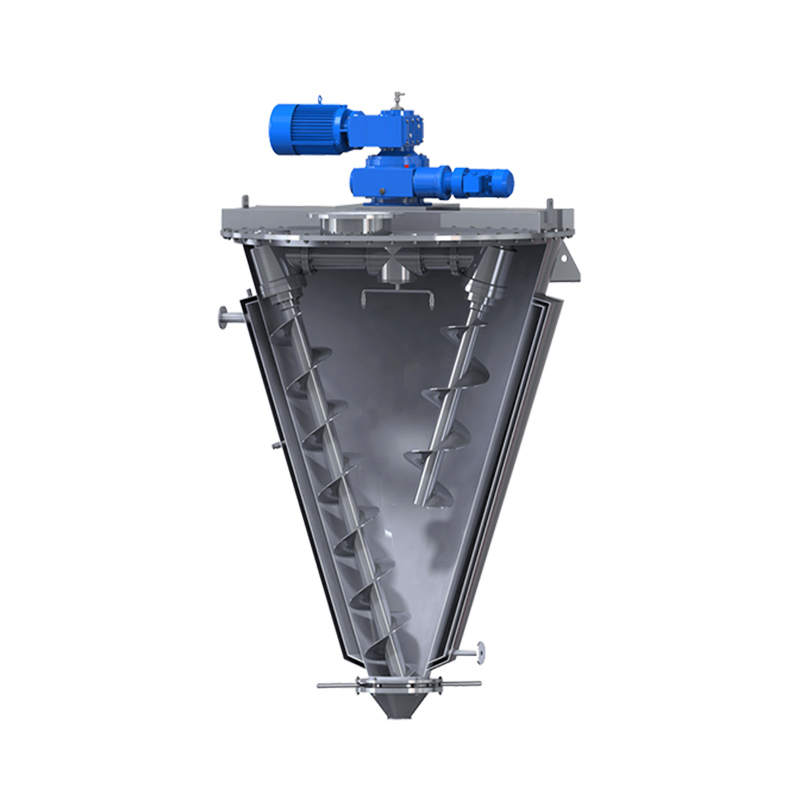 Conical Screw Mixer
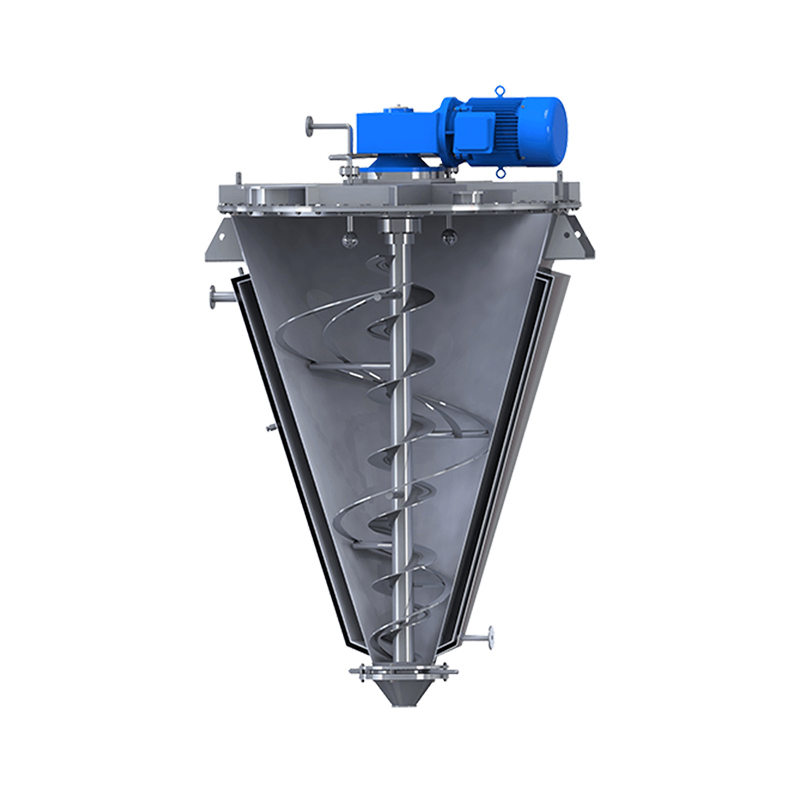 Conical Screw Belt Mixer
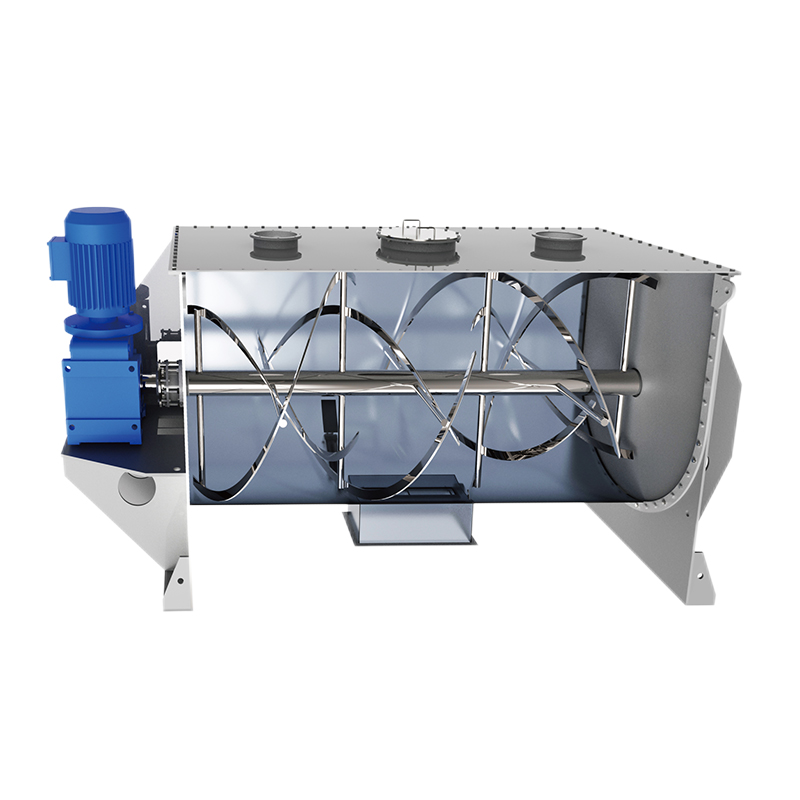 Ribbon Blender
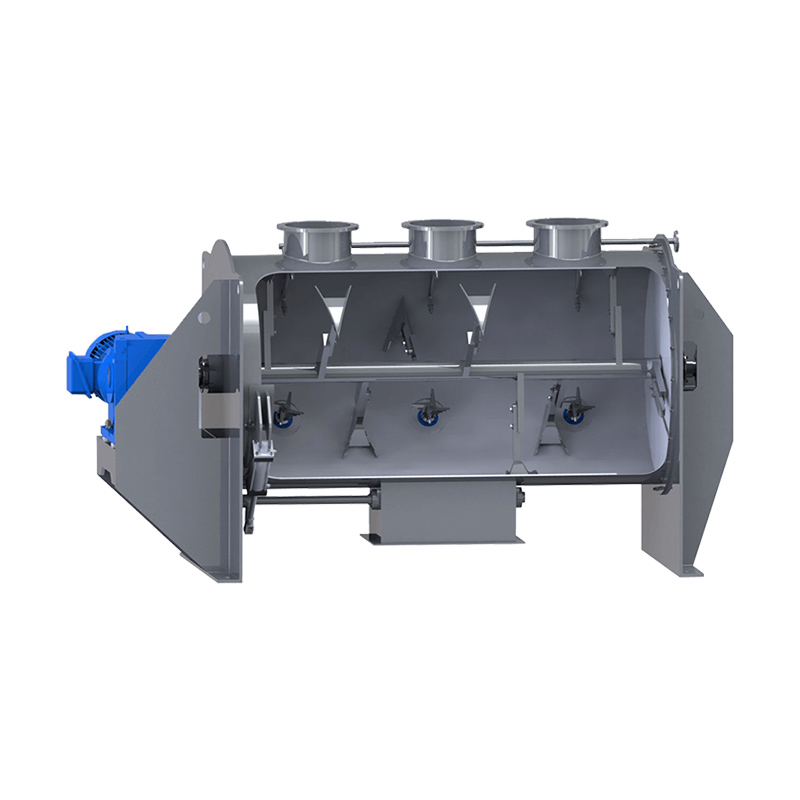 Plough-shear Mixer
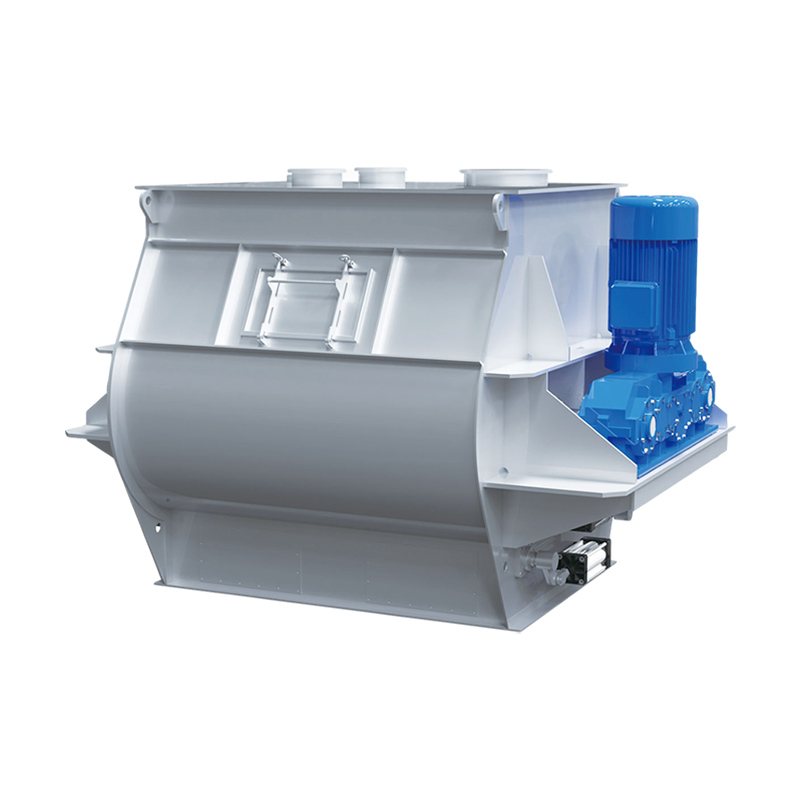 Double Shaft Paddle Mixer
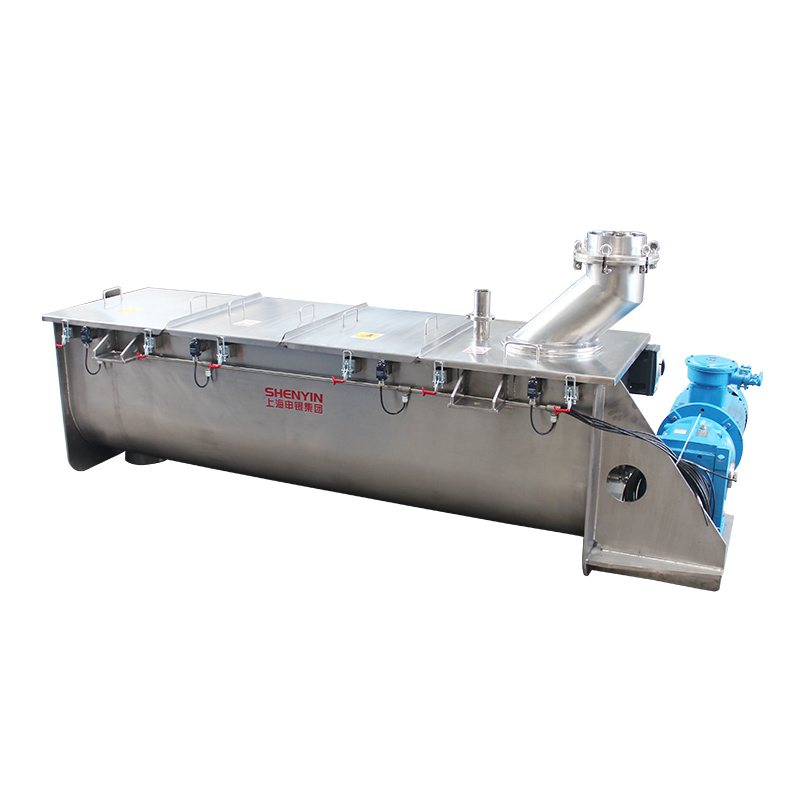 CM Series Mixer


