In today’s fast-changing world of industrial processing, it’s pretty clear that efficient blending is more important than ever—especially with how much Solid Mixers are in demand across different industries. If you’ve been keeping an eye on the market, you’ll notice it’s actually expected to grow quite a bit, thanks to advances in manufacturing tech and more investment in automation. And leading the charge in all of this is Shanghai Shenyin Machinery Group. They’re actually the first company to produce high-performance Mixers and Blenders tailored for sectors like Chemical, Pharmaceutical, Food, and Construction materials. By really diving into the science behind Solid Mixers, our goal is to make material blending smoother and more efficient—helping companies boost productivity while cutting down costs. As industries keep pushing for better efficiency, I think it’s safe to say that Solid Mixers are playing a crucial role in helping everyone get better results when it comes to processing materials.

Understanding the Fundamentals of Solid Mixers and Their Applications
 Solid mixers are pretty essential in a bunch of industries, especially when it comes to developing advanced materials like solid-state batteries (SSBs). Getting a good grasp on the basics of solid mixers can really shed light on how complex the process is when it comes to perfecting the blending of materials for better efficiency. Lately, there have been some exciting developments, particularly with high Shear Mixers. These guys are fantastic for tasks like dispersing nanoparticles or emulsifying ingredients—they're designed to crank up the shear forces, which means you end up with a more uniform product that's way better in terms of performance.
As the market for solid-state batteries keeps growing, the importance of having efficient mixing techniques becomes more and more obvious. Industry forecasts suggest that the global market for these batteries might hit several billion dollars by the end of this decade, mainly because folks are craving higher energy densities and longer-lasting batteries. In this scenario, staying on top of the latest mixing tech is a big deal. For manufacturers, it’s super important to focus on the best blending methods to make sure the active materials in SSBs reach their full potential.
A quick tip: when you're picking out a solid mixer for your project, make sure to consider the specific material traits and what you’re hoping to achieve. Also, keeping an eye on new tech trends can really give you a leg up in figuring out the most efficient mixing practices. Investing in high-quality mixers can seriously boost your production and help you stay competitive in this fast-moving market.
Key Factors Affecting Material Blending Efficiency in Solid Mixers
When it comes to solid mixing, getting the material blend just right is pretty much essential if you want things to run smoothly and efficiently. I came across a report from the International Society of Pharmaceutical Engineers (ISPE), and it really highlights how much the design of the mixer, the properties of the materials, and how you actually run the process can all make a big difference. For example, the shape of the mixer matters a lot—studies show that ribbon blenders, for instance, usually hit about 85-95% efficiency, but that can change depending on what you’re mixing and how the material flows.
And then there’s the stuff you're mixing—things like particle size, moisture level, and how dense the bulk is. According to the American Institute of Chemical Engineers (AIChE), if there's a big difference in particle size, you might end up with uneven mixing. In fact, variations in concentration of up to 25% aren’t unusual when bigger particles are involved. On top of that, tweaking operational settings like how long you mix and how fast can really boost performance. Industry folks often say that cutting down blending time by just about 20% can massively speed things up without messing with the quality. So, honestly, understanding these factors and fine-tuning them carefully is key to getting the most out of your solid mixers.
Comparing Different Types of Solid Mixers for Optimal Performance
When you're trying to optimize how you blend materials, picking the right solid mixer really makes a huge difference. There are different types—like ribbon blenders, paddle mixers, and fluidized bed mixers—and each comes with its own perks depending on what you're working with. For example, according to the International Journal of Chemical Engineering, ribbon blenders are great for getting powders and granular stuff mixed quickly and evenly. On the other hand, paddle mixers excel at handling sticky or dense materials, getting up to about 95% of a good mix in less than five minutes. Pretty impressive, right?
A few tips to keep in mind when choosing a mixer:
- Take a good look at your material—think about how it flows and its moisture level—before making a decision.
- It’s usually a smart move to do a quick pilot test. That way, you can see how well the mixer works and make adjustments if needed.
- Don’t forget to consider how easy the mixer is to clean and maintain, so it stays in tip-top shape and lasts longer.
Now, if you’re into pharmaceuticals or need better flow properties,
fluidized bed mixers are pretty awesome. They help with granulation and can boost flow characteristics. A study from the Journal of Manufacturing Processes found that using a fluidized bed mixer can improve mixing efficiency by up to
30% compared to traditional methods. So, yeah, choosing the right mixer doesn’t just impact how good your blend looks—it can seriously speed up your whole production process too.
Implementing Best Practices for Enhanced Mixing Efficiency
Getting the material mixing just right is super important if you want to boost efficiency across different industries. Lately, there have been some pretty exciting advances in mixing tech, and they really emphasize the need to follow best practices if you want consistent, reliable results. Like, recent studies have shown that using deformable baffles combined with pulsatile flow in microfluidic devices can actually make a big difference — it’s like they’ve cracked the code for better mixing! When manufacturers tweak how fluids flow around, they can get a nice, even blend, which is especially crucial for things like extruding multiple materials in 3D printing.
On top of that, researchers have found that tools like Computational Fluid Dynamics (CFD) and artificial neural networks are game-changers for improving how well things mix in multi-impeller tanks. These tech tricks help simulate and predict fluid movement more accurately, so you end up with a much more effective mixing process. Plus, studies on how hydrogen and natural gases mix using static mixers show that things like flow speed and blending ratios really matter if you want the best possible outcome.
**Some tips to get better mixing results:**
- Think about bringing in advanced control systems—things like active optimization with minijets and adjustable nozzles—to fine-tune your blending process.
- Don't forget to keep an eye on your static mixers’ performance, and maybe use machine learning algorithms to sniff out and fix any inefficiencies.
- And lastly, don’t be afraid to explore new design ideas, like adding rigid baffles or using pulsatile flow patterns — these can seriously up your game, whether you're working on tiny microfluidic setups or bigger-scale mixing projects.
Unveiling the Science Behind Solid Mixers: Optimizing Material Blending for Enhanced Efficiency
| Parameter | Value | Importance |
| Mixer Type | Tumble Mixer | Suitable for bulk solids. |
| Batch Size (kg) | 100 | Optimizes mixing time and efficiency. |
| Mixing Time (mins) | 20 | Ensures homogeneity. |
| Energy Consumption (kWh) | 1.5 | Cost-effective operation. |
| Final Product Uniformity (%) | 95 | High quality assurance. |
Troubleshooting Common Issues in Solid Mixer Operations
When it comes to solid mixers, making sure everything blends well is a pretty big deal—because it really affects how smoothly production runs. You’ve probably dealt with issues like inconsistent mixing, stuff separating out, or parts of the machine wearing down faster than they should. I read somewhere in the International Journal of Green Manufacturing and Technology that about 15-25% of downtime in various industries is actually due to problems with mixing. That just goes to show how important it is to have good troubleshooting skills and do regular maintenance to keep things running efficiently.
Here at Shanghai Shenyin Machinery Group Co., Ltd., we’re all about providing high-quality mixers and blenders for a bunch of industries—like chemicals, pharma, or food processing. We’ve been around long enough to understand some of the common snags, like not giving the mixer enough time or picking the wrong machine for the job. Interestingly, a report from the Mixing Equipment Manufacturers Association says that when mixers work at their best, product quality can improve by as much as 30%, and you can cut down on waste during production. Basically, fixing these issues can help companies get more output and stay ahead of the competition.

Future Trends in Solid Mixing Technologies and Innovations
The field of solid mixing tech is really shaking things up lately, especially as industries look for smarter, more efficient ways to blend materials. It’s pretty exciting because, with sectors like rocket fuels and solid-state batteries booming, getting the mixing just right has become a big deal. New innovations in solid mixers are making processes more efficient—something that’s crucial for everything from cutting-edge propulsion systems to next-gen energy storage.
Take the rocket fuel scene, for example. It’s expected to hit around $1.13 billion by 2024, and making sure the chemical components are perfectly blended is super important. Same goes for the solid-state battery industry, which is gaining a lot of buzz because of its game-changing potential and wide-ranging applications. As they scale up production, tweaking and optimizing the mixing processes will be key to boosting performance and reliability.
Looking ahead, I think we’ll see a lot more automation and digital tools coming into play. Real-time monitoring and adjustments during mixing could really level up the consistency and quality of the final products. That’s a big plus, especially for high-stakes fields like aerospace and energy. All in all, the future of solid mixing tech looks promising—more investment and innovation mean we’re just getting started, with some pretty exciting advancements on the horizon.
Exploring the Market Trends and Innovations in Reliable Conical Screw Mixer Supplies: A Comprehensive Industry Analysis
The conical screw mixer market has experienced significant growth over the years, driven by the increasing demand for efficient and reliable mixing solutions across various industries. As highlighted in recent industry reports, the global market for industrial mixers is projected to grow at a CAGR of approximately 5.2% from 2022 to 2028. This upward trend reflects the innovation and advancements in mixer technology, particularly with models such as the VSH Series-Conical Screw Mixer developed by Shenyin Group.
Since its launch in 1983, the VSH Series has been instrumental in catering to the needs of over 20,000 customers worldwide. This mixer stands out due to its integration of cutting-edge technology and user-centric design, which enhances mixing efficiency and consistency. Moreover, Shenyin Group has established a robust after-sales service system, ensuring that customers receive ongoing support that not only fosters operational excellence but also contributes to continuous improvements in production processes. Reports indicate that effective after-sales strategies can increase customer satisfaction by over 30%, making it a key competitive advantage.
As industries evolve, the focus is increasingly on sustainability and energy efficiency. The conical screw mixer’s design allows for lower energy consumption while maintaining high-performance standards. Innovations in materials and technology are paving the way for mixers that not only meet current operational demands but also respond to environmental considerations. The combination of reliability, efficiency, and ease of use positions conical screw mixers, particularly the VSH Series, at the forefront of the market, making them essential tools for manufacturers striving to enhance their production capabilities amidst shifting market trends.
FAQS
: Optimizing material blending is crucial for enhancing efficiency, ensuring uniform blending, and improving performance in various applications such as additive manufacturing and multi-material extrusion.
Recent advancements include the use of deformable baffles and pulsatile flow in microfluidic devices, which significantly improve mixing performance by altering flow dynamics.
These technologies enhance mixing efficiency in multi-impeller tanks by allowing better simulation and prediction of fluid flow, leading to more effective mixing processes.
Common issues include inconsistent mixing, segregation, and over-wear of machinery components, all of which can negatively impact production outcomes.
Companies can integrate advanced control systems, regularly assess mixer performance, implement machine learning algorithms, and explore new design strategies to enhance mixing efficiency.
Approximately 15-25% of production downtime in various industries is attributed to mixing inefficiencies, emphasizing the need for proper troubleshooting and maintenance.
Innovations are essential for optimizing blending processes in rapidly growing industries such as rocket fuel and solid-state batteries, impacting performance and reliability.
Future trends will likely focus on automation and digitalization, enabling real-time monitoring and adjustments during blending processes to enhance consistency and quality.
These techniques ensure precise blending of chemical components and optimize mixing processes, which are crucial for the performance of rocket fuel and the production of solid-state batteries.
Optimal mixer performance can boost product quality by up to 30% and reduce waste during production processes, giving companies a competitive edge.
Conclusion
When it comes to improving how we blend materials, really understanding the ins and outs of Solid Mixers is a game-changer. These mixers play a huge role in lots of industries—think chemicals, pharma, and food production—and knowing their basics can make a big difference in efficiency. The article dives into what makes Solid Mixers tick, highlighting their wide-ranging uses. We also look at the key factors that can influence how well the blending goes, and compare different types of mixers to see which ones perform best in various scenarios.
Plus, we cover some handy tips for boosting mixing efficiency and troubleshooting common problems that pop up during operation. As new technologies for solid mixing keep coming out, companies like Shanghai Shenyin Machinery Group are stayin' ahead of the curve. They're continually improving their products and leading the way in crafting mixers and blenders that meet the changing needs of industries around the globe.

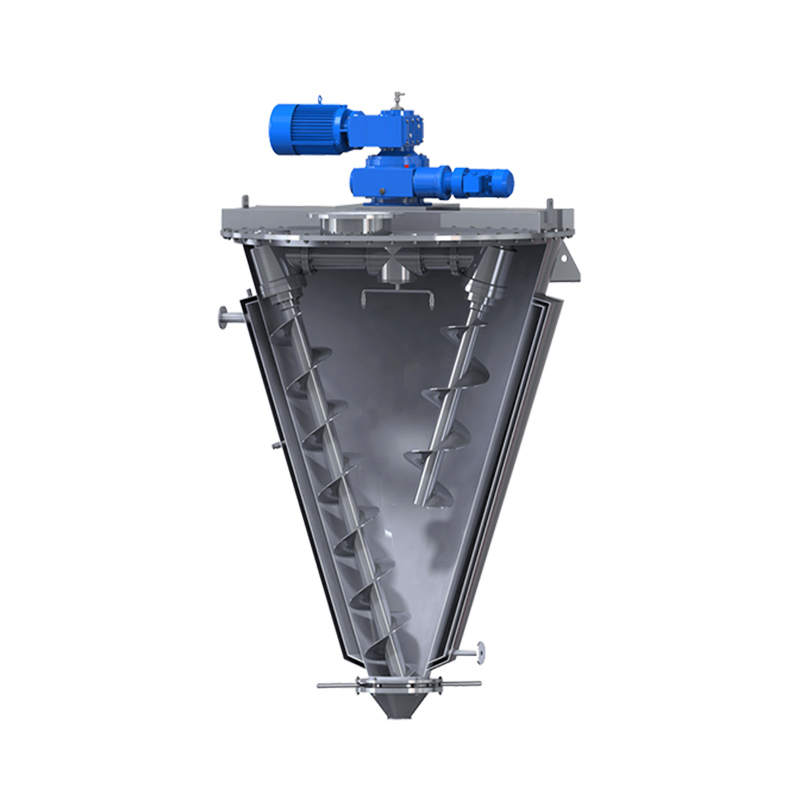 Conical Screw Mixer
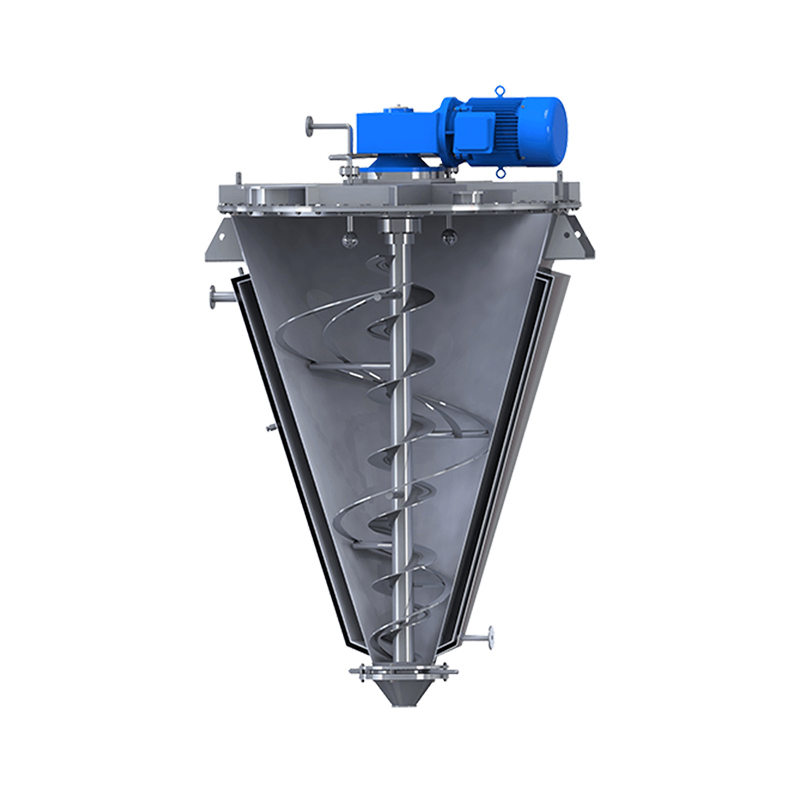 Conical Screw Belt Mixer
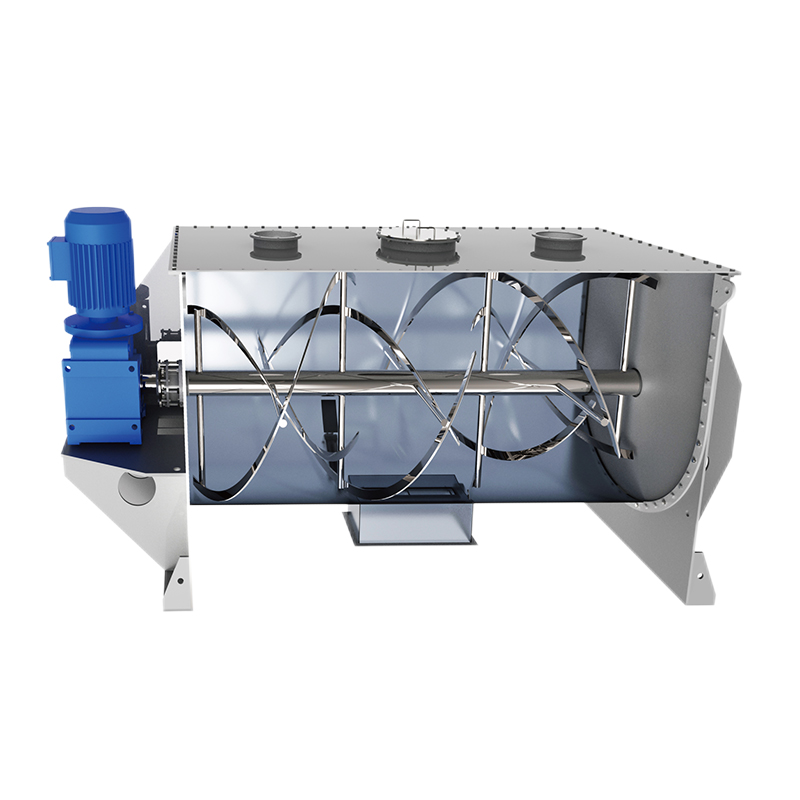 Ribbon Blender
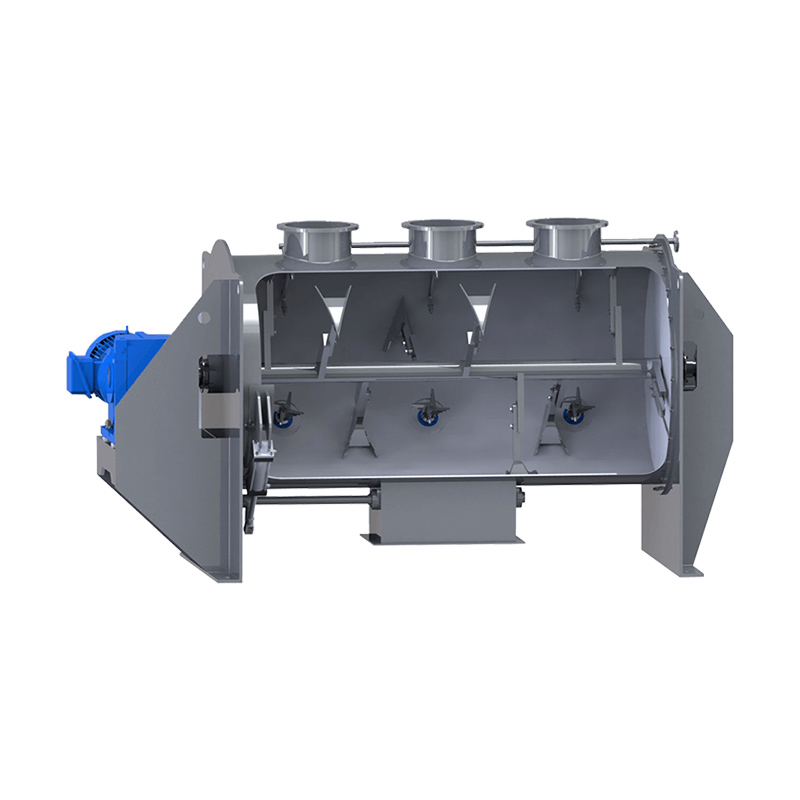 Plough-shear Mixer
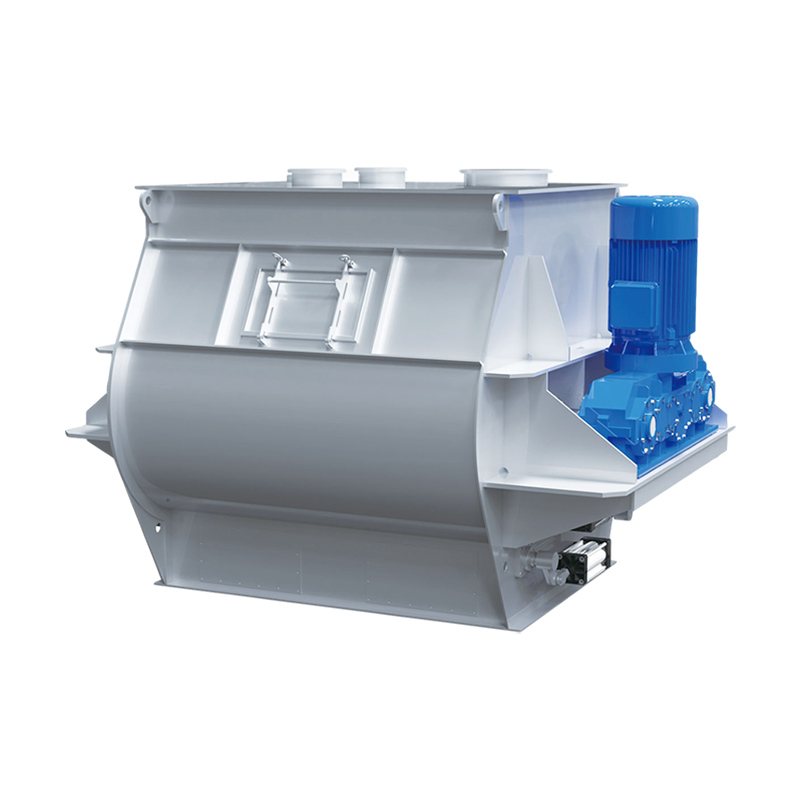 Double Shaft Paddle Mixer
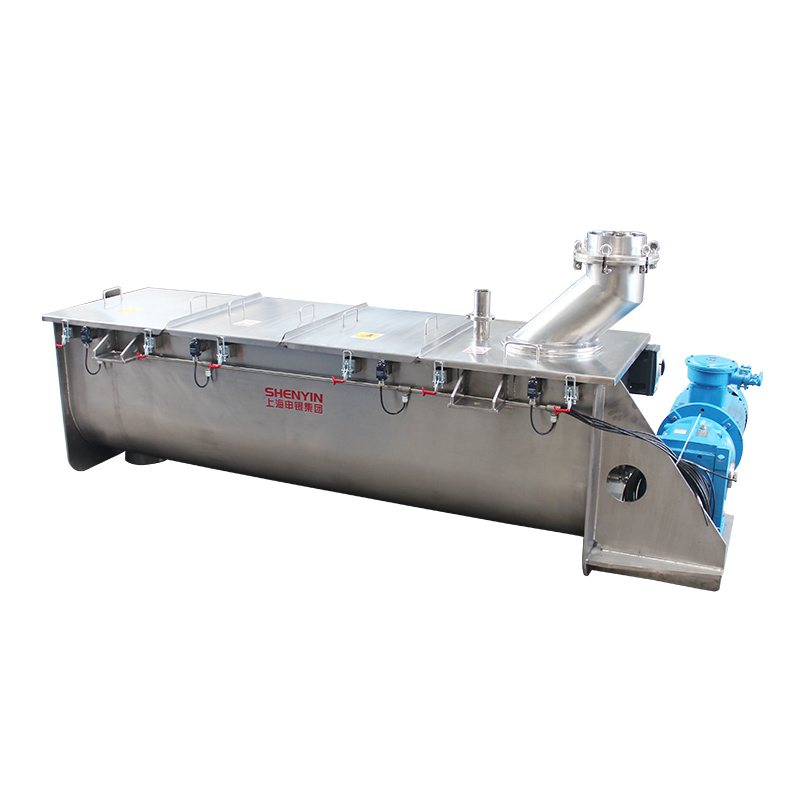 CM Series Mixer



