Picking the right Ribbon Blender Constructionis pretty important if you want your mixing to be efficient. A good, well-designed Ribbon Blender can really make a difference when it comes to product quality across a bunch of different industries. Companies like Schold Design and A&J Mixing are great at helping their clients find the best designs that fit exactly what they need.
Now, how well a ribbon blender works really boils down to its construction. Things like blade shape, the material it's made of, and its capacity all matter a lot for performance. Sometimes people assume that all Ribbon Mixers are basically the same, but that’s not true. Small differences can actually lead to big differences in how well they mix. So, it’s worth taking the time to really understand these details.
Of course, having a great piece of equipment is just part of the story. How you operate and maintain it is just as important if you want it to last. Things like cleaning routines and upkeep can really extend the lifespan. Also, noticing any flaws or imperfections in the design can give you helpful hints for future improvements. Getting that perfect mix isn’t just about choosing the right blender—it’s an ongoing process of learning, tweaking, and adapting along the way.
Understanding Ribbon Blender Design: An Overview
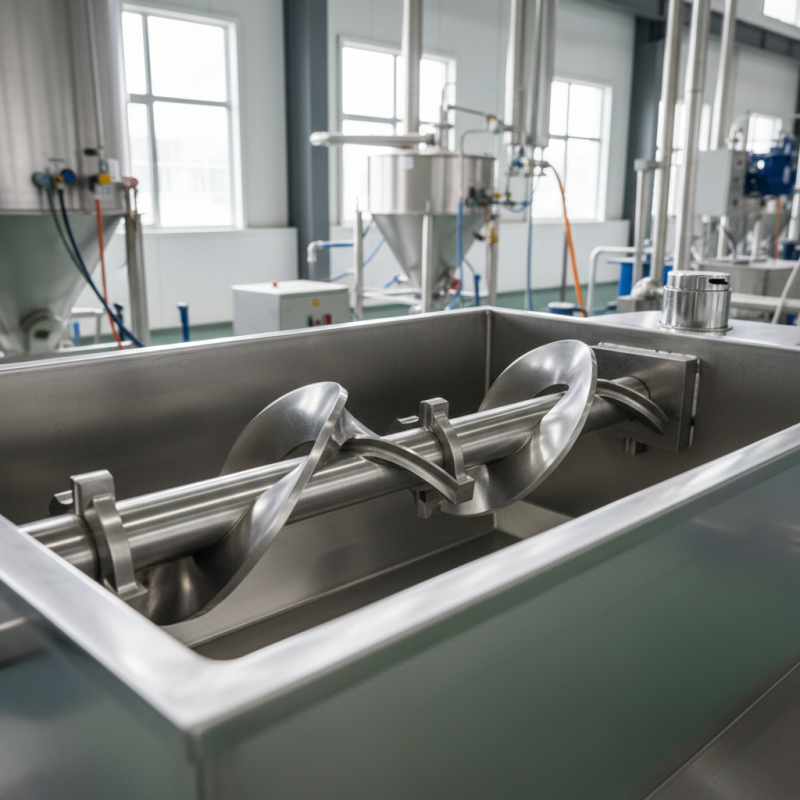
Understanding the design of Ribbon Blenders is crucial for effective mixing. The design typically features a helical ribbon that stirs material as it moves. This simple yet effective mechanism allows for uniform distribution of ingredients. The shape and size of the ribbon are vital. They ensure minimal dead zones, enhancing product consistency.
Tip: Evaluate the ribbon's pitch and diameter for your specific mixing needs. A tighter pitch can create more intense mixing while a broader one may optimize throughput.
Proper construction materials should be considered for durability and ease of cleaning. Stainless steel is often preferred, as it resists corrosion. However, the cost can be higher. Sometimes, composite materials may be used to balance cost and performance, although they may not last as long.
Tip: Always review your mixing volume expectations. An over-engineered machine can lead to unnecessary expenses.
It’s also essential to reflect on maintenance and serviceability. An efficient design should allow for quick access to components. Frequent checks can prevent potential issues down the line, saving time and resources. Even the best designs may have shortcomings and require iterative improvements.
Key Components of Ribbon Blenders for Efficient Mixing
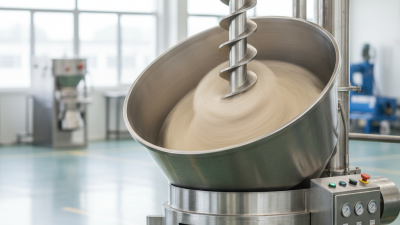
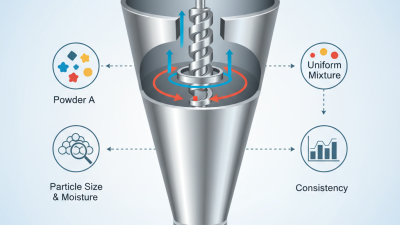
The Construction Of Ribbon Blenders plays a vital role in achieving efficient mixing. These machines typically feature a helical ribbon agitator, allowing for uniform blending of materials. This design ensures that particles move continuously along the outer wall while returning to the center. The blade's angle is critical. An optimal angle enhances the swirling action needed for homogeneous mixtures.
Another key component is the tank. A well-designed tank minimizes dead zones, where materials can accumulate. Its shape can either promote or hinder the mixing process. Some designs may create areas that are less dynamic, leading to uneven mixtures. These issues can be a point of contention for operators seeking perfection in mixing.
Additionally, the choice of material for both the ribbon and the tank itself can impact the overall performance and longevity. Adding features like adjustable speeds can significantly improve the flexibility of the ribbon blender. Operators can fine-tune the mixing process for different materials. However, it's worth noting that not every construction approach addresses all mixing challenges equally. Some configurations may lack the robustness required for heavy-duty use. Continuous improvement in the construction of ribbon blenders remains essential for achieving optimal results in various applications.
Material Selection for Durability and Performance in Ribbon Blenders
When selecting materials for ribbon blenders, durability and performance are paramount. Stainless steel is often preferred for its corrosion resistance and longevity. It prevents contamination, ensuring product purity. However, not all stainless steel grades are equal. The choice should depend on the specific application.
Plastic components can also play a role in reducing wear on blenders. High-density polyethylene (HDPE) is lightweight and can withstand various chemicals. Still, it may not hold up as well against high temperatures. This limitation makes HDPE suitable for specific applications but not for all.
Consideration of mixing efficiency is crucial, too. The shape and design of the blades impact how well materials incorporate. So while one material might be durable, blade efficiency can vary. It’s essential to balance these factors to achieve optimal results. Choosing the right materials requires a thorough understanding of the application and potential challenges.
The Importance of Ribbon Blade Configuration in Mixing Efficiency
The blade configuration of ribbon blenders plays a crucial role in achieving efficient mixing. When designing a ribbon blender, the shape and orientation of the ribbons influence material movement significantly. A well-designed ribbon blade allows for optimal mixing, ensuring that every particle achieves consistency in texture and composition.
Consider how the pitch of the blades affects mixing. A tighter pitch may provide a more thorough blend, but could also lead to increased energy consumption. Conversely, a wider pitch reduces energy use but may result in uneven mixing. It's essential to find a balance based on the specific materials being mixed.
Tips for optimal mixing:
- Test different configurations to determine their impact on your specific materials.
- Regularly inspect blades for wear to maintain mixing efficiency.
- Experiment with blending speeds to find an ideal rhythm for your processes.
Blenders with varying blade heights can also affect material flow. Different materials may require unique configurations to achieve the desired homogeneity. Recognizing that no single design fits all is key to successful mixing. Always be willing to adapt and refine your approach based on ongoing observations.
Optimizing Blender Size and Capacity for Different Applications
When selecting the right size and capacity for a Ribbon Blender, it is essential to consider application needs and material types. Research shows that a ribbon blender can effectively mix bulk materials in a variety of industries. For example, food manufacturers require blenders with precise capacities to ensure quality blends without overmixing or degrading sensitive ingredients. A common guideline suggests that a ribbon blender should have a capacity that is 50% greater than the expected batch size to optimize mixing efficiency.
Understanding the density and flow characteristics of materials is crucial. For instance, powdered foods or granular materials might require an entirely different approach compared to heavy-duty industrial applications. Data indicates that a ribbon blender with a larger diameter and length can achieve better results in mixing heterogeneous materials while minimizing dead zones. Additionally, users should reflect on energy usage versus blend quality, as larger blenders may lead to higher operational costs without significant efficiency improvements.
A well-constructed ribbon blender should allow flexibility in capacity while ensuring maximal effectiveness. Maintaining a balance between size, capacity, and energy consumption is often complex. Many operators find themselves questioning if their current capacity aligns with their production goals. Continuous evaluation and adjustment based on workload and outcomes can lead to improved performance and reliability in mixing processes.
Maintenance Tips for Prolonging Ribbon Blender Lifespan
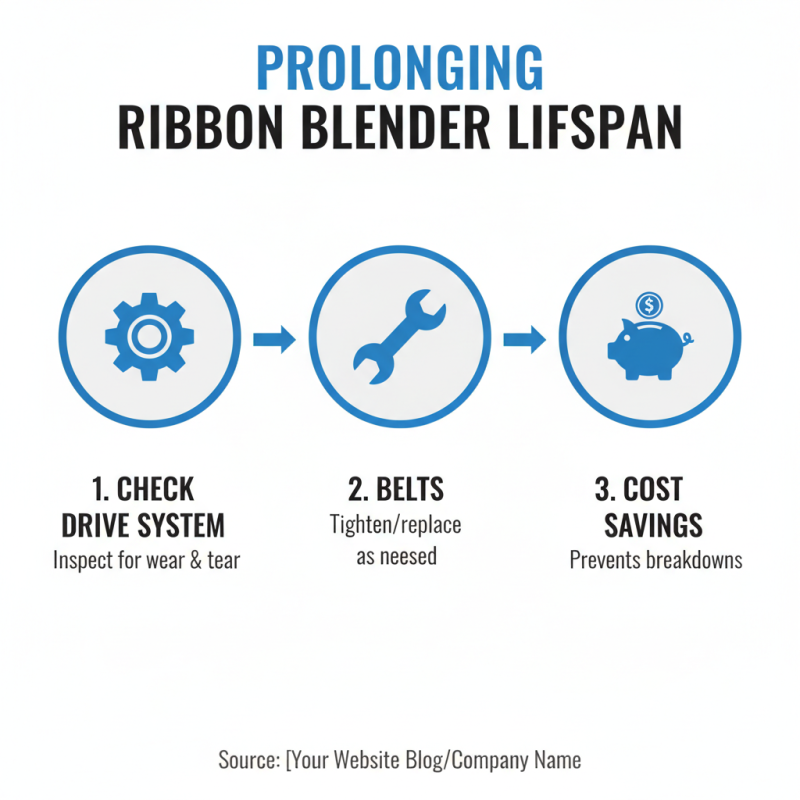
Maintaining a ribbon blender is crucial for ensuring efficient operations. Regular checks on the drive system can prevent unexpected breakdowns. The drive components should be inspected for wear and tear. Belts need to be tightened or replaced when necessary. This simple step can save costs later.
Cleaning is another critical maintenance aspect. Residue from previous batches can affect the quality of new mixes. It’s advisable to clean the mixer after every use. Use gentle detergents to avoid damaging the equipment. Thorough cleaning will also help in identifying potential issues early on.
Lastly, using a Ribbon Type Blender properly extends its lifespan. Ensure that the materials being mixed do not exceed the recommended capacity. Overloading can strain the motor and lead to premature failure. Keeping a close eye on operating conditions will make a significant difference. Taking these maintenance tips seriously is essential for reliable performance.
Safety Considerations in Ribbon Blender Construction and Operation
When considering the construction of a ribbon blender, safety takes precedence. An efficient ribbon blender mixer must have secure features to prevent accidents. Operators should prioritize working conditions, ensuring adequate ventilation in the mixing area. Dust can accumulate, posing inhalation risks. Regular cleaning protocols are essential to maintain safety and functionality.
In terms of design, a well-constructed ribbon blender mixer should include safety guards. These guards protect users from moving parts during operation. Additionally, incorporating emergency stop buttons is crucial. Operators need immediate ways to halt the machine in case of unexpected events.
Tips: Regular maintenance checks enhance safety. Inspect the ribbon blender mixer for wear and tear. Ensure all safety features are functional. Operators should wear appropriate personal protective equipment, like gloves and masks, when handling materials. Training staff on the safe use of the equipment is vital. Everyone should know emergency procedures.
FAQS
: Blade configuration affects material movement and mixing consistency. The shape and orientation of ribbons are crucial.
Tighter pitch offers thorough blending but can increase energy use. Wider pitch saves energy but may mix unevenly.
Test different blade configurations, inspect blades regularly, and experiment with blending speeds for the best results.
Different materials may require unique configurations for homogeneity. One design does not fit all mixing scenarios.
Safety guards, emergency stop buttons, and proper ventilation are necessary to ensure a safe mixing environment.
Regular maintenance checks are essential to identify wear and ensure all safety features remain functional.
Operators should wear gloves and masks when handling materials for safety during the mixing process.
Staff training on equipment use and emergency procedures is crucial for avoiding accidents and ensuring safety.
Regular cleaning is necessary to avoid dust accumulation and associated inhalation risks in the mixing area.
Continuously adapting and refining approaches based on observations helps achieve better mixing results with diverse materials.
Conclusion
The article "What is the Best Ribbon Blender Construction for Efficient Mixing?" delves into the essential elements of ribbon blender design to optimize mixing efficiency. It begins with an overview of the components that contribute to effective ribbon blender construction, highlighting the significance of selecting durable materials for long-term performance. Additionally, the ribbon blade configuration is examined, illustrating how it affects mixing dynamics and overall efficiency.
Further, the article emphasizes the importance of optimizing blender size and capacity tailored to specific applications, ensuring that operational needs are met. Maintenance tips are provided to prolong the lifespan of ribbon blenders, alongside safety considerations crucial for construction and operation. By focusing on these aspects, the article serves as a comprehensive guide for those seeking to enhance their understanding of ribbon blender construction and maximize their mixing processes.

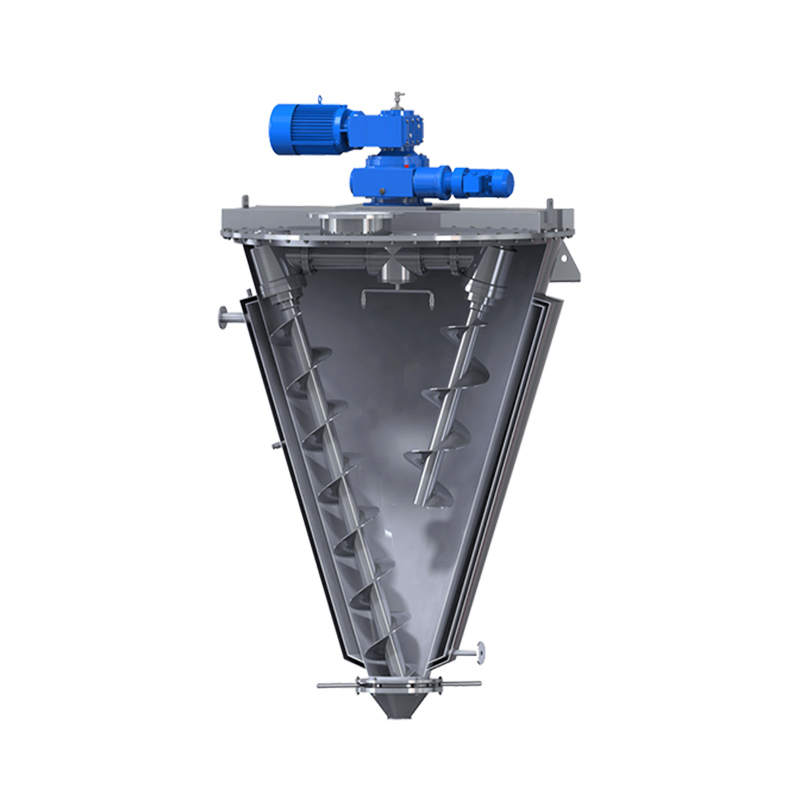 Conical Screw Mixer
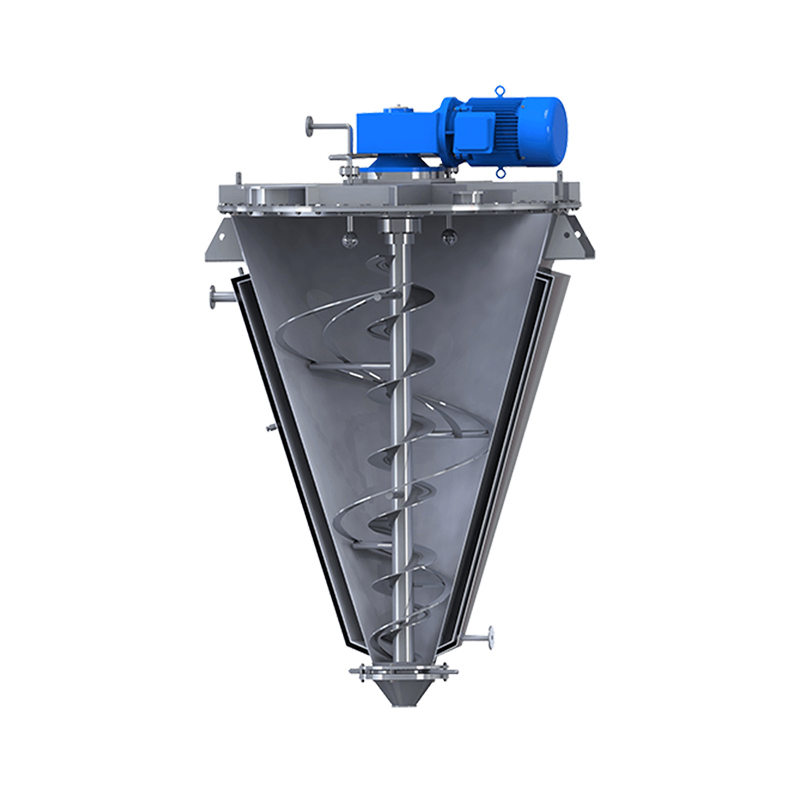 Conical Screw Belt Mixer
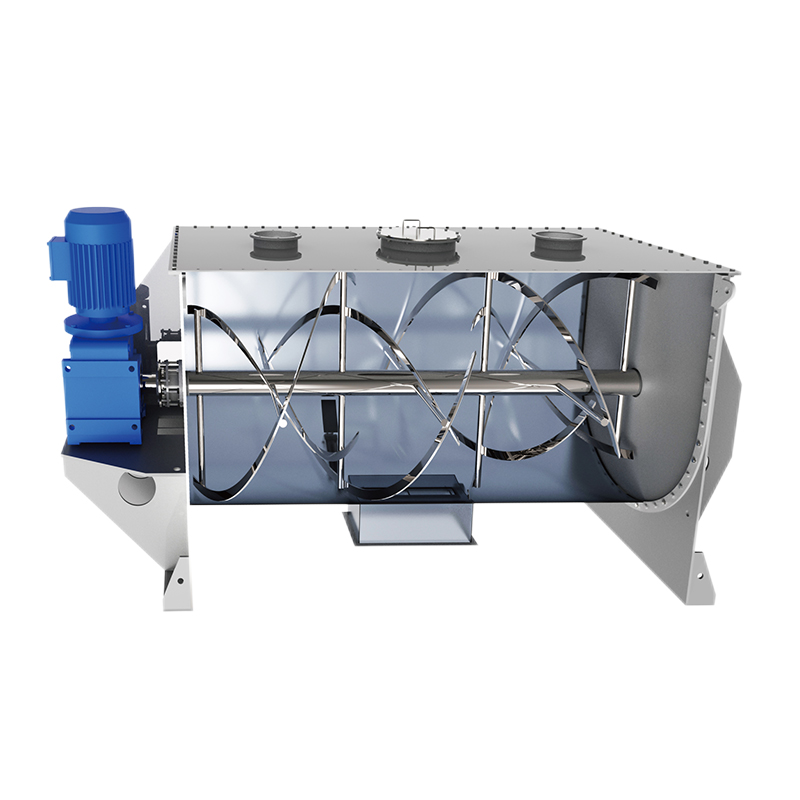 Ribbon Blender
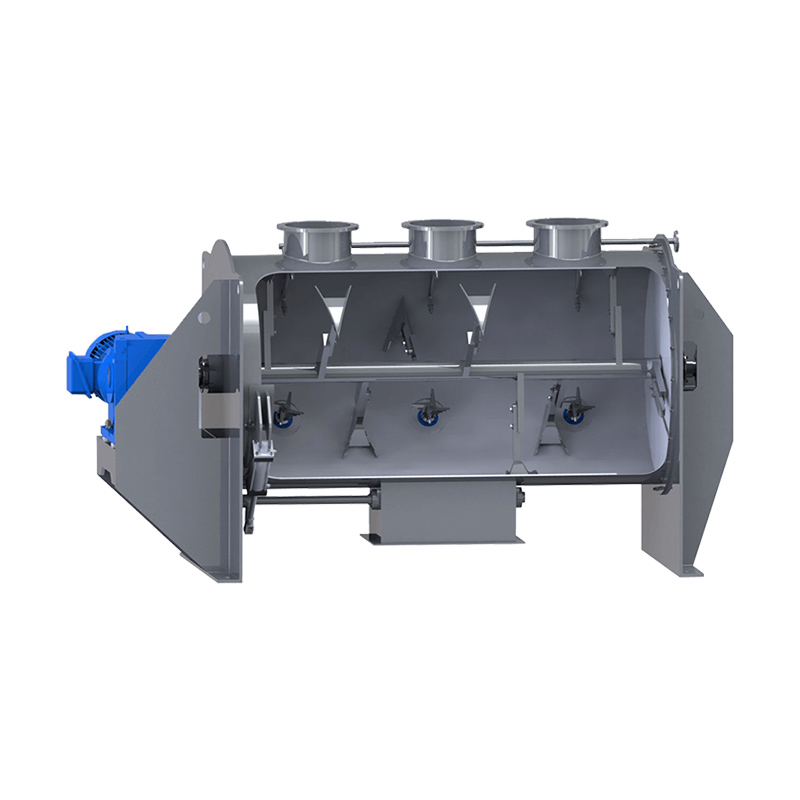 Plough-shear Mixer
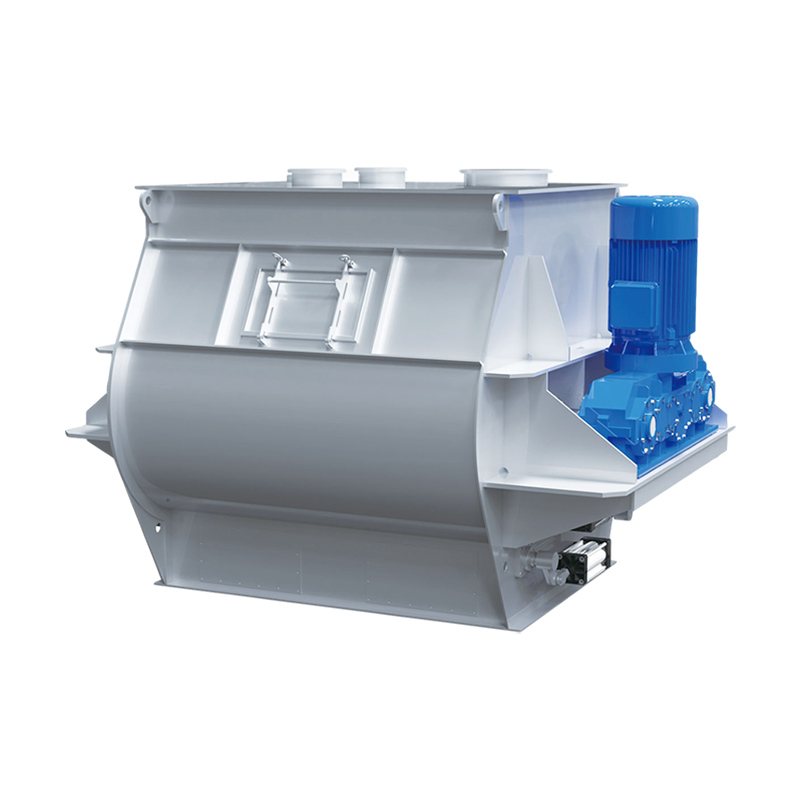 Double Shaft Paddle Mixer
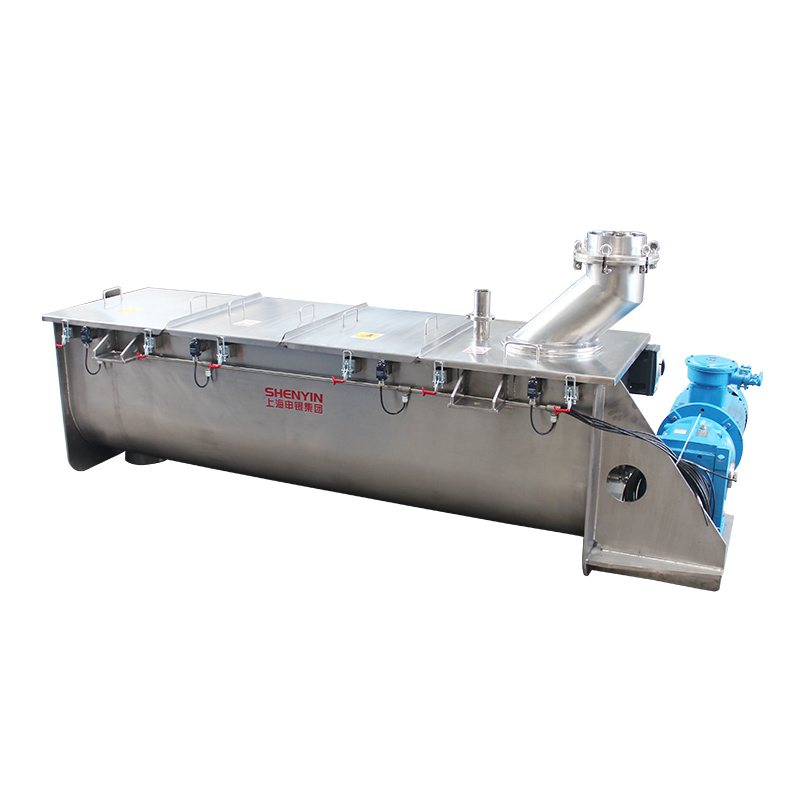 CM Series Mixer