Leave Your Message
0%

Choosing the right Slurry Mixersis pretty important if you want to boost production efficiency across different industries. I came across a report from the Global Mixer Market Analysis, and it looks like the market for mixers is heading for some serious growth—mainly because sectors like agriculture and mining are demanding more of them. This just goes to show how crucial it is to pick a mixer that'll actually fit your specific needs.

With so many types of Slurry Mixers out there, getting a grip on what each one can do really helps. Some mixers are built for particular slurry types—stuff used in wastewater treatment, food processing, you name it. When you're choosing, think about things like how fast it mixes, the shape of the tank, and whether the materials are compatible with what you’re working with. Skipping on this can mean inefficiencies or, worse, higher costs down the line.

And don’t forget, maintenance matters too. Regular upkeep keeps your equipment running smoothly and lasts longer, but if you're not careful with schedules, it can lead to unexpected downtime. It's a bit of a balancing act—considering the upfront cost versus how well it performs over time. All in all, doing some thorough homework and chatting with experts can really save you headaches later on.
How to Choose the Best Slurry Mixers for Your Needs?

Understanding Slurry Mixers and Their Applications

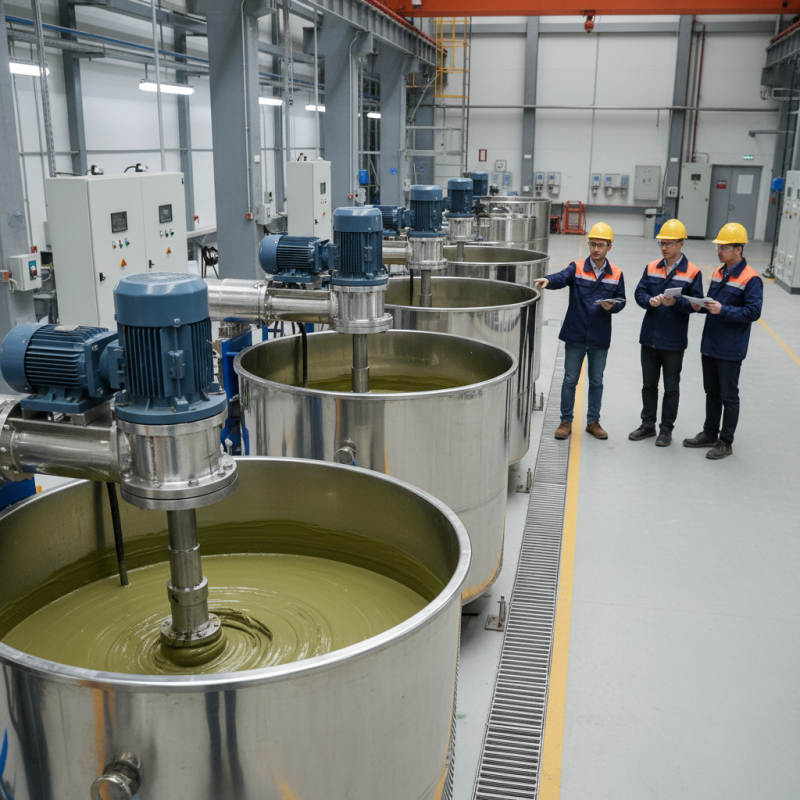
Slurry mixers are essential in various industries, such as construction, mining, and agriculture. They handle mixtures of solids and liquids, crucial for processes like concrete production or mineral processing. According to industry reports, the global slurry mixer market is expected to grow at a CAGR of 5.4% through 2026. This growth reflects an increasing demand for efficient mixing solutions.

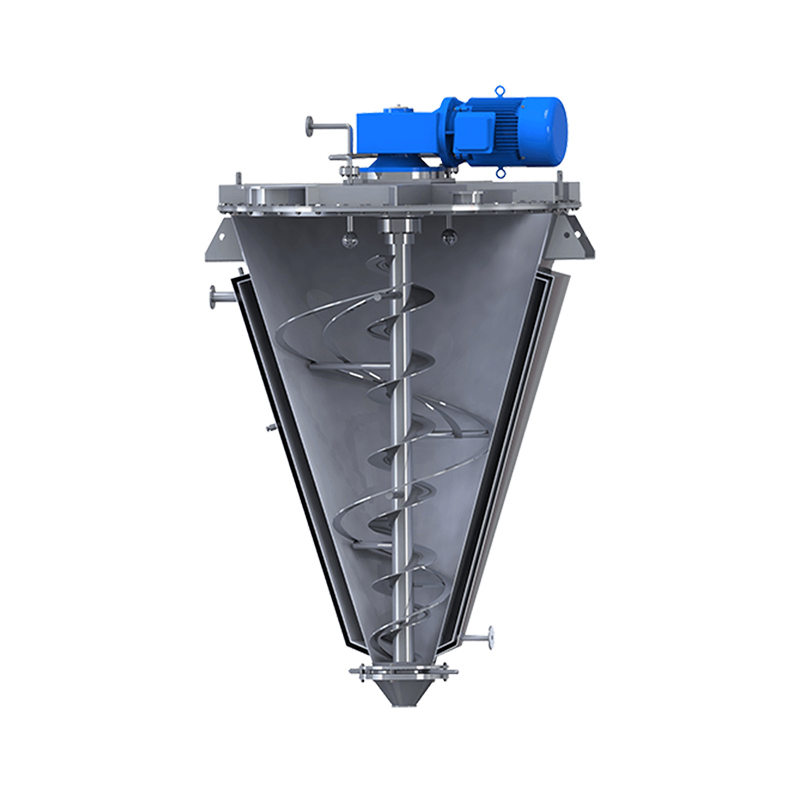
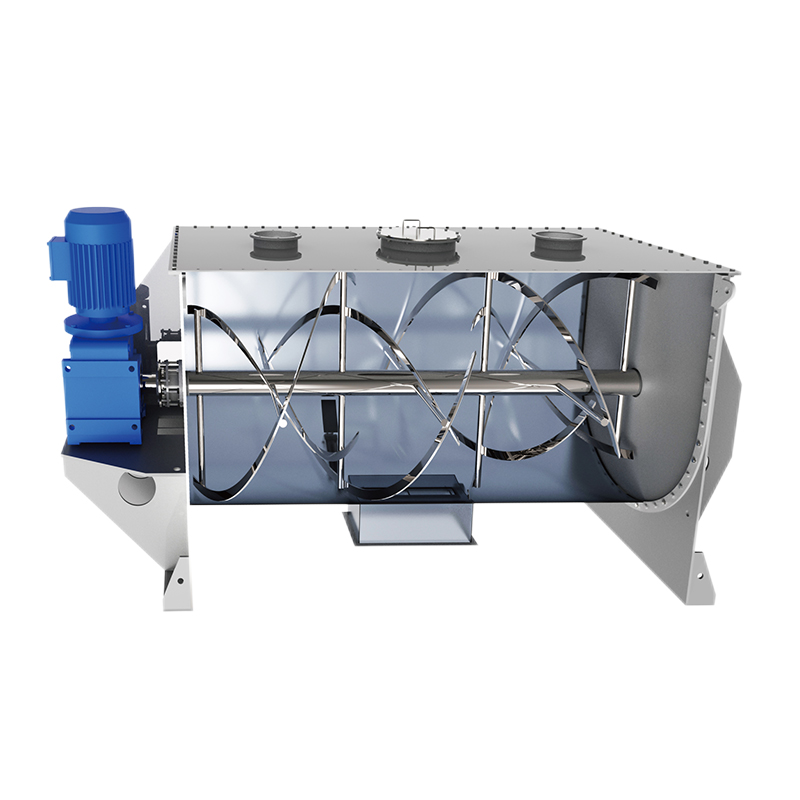
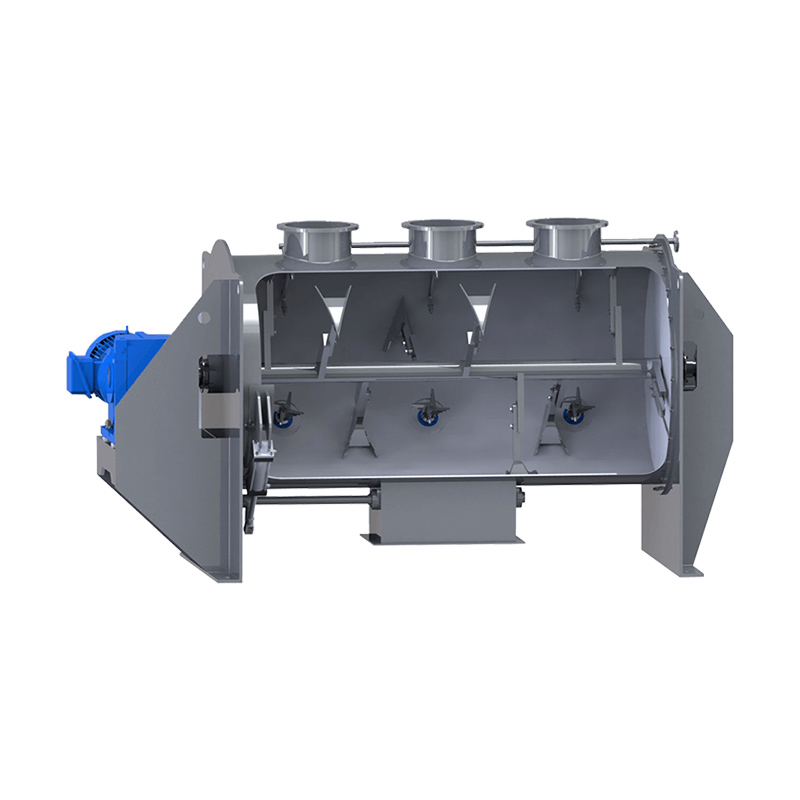
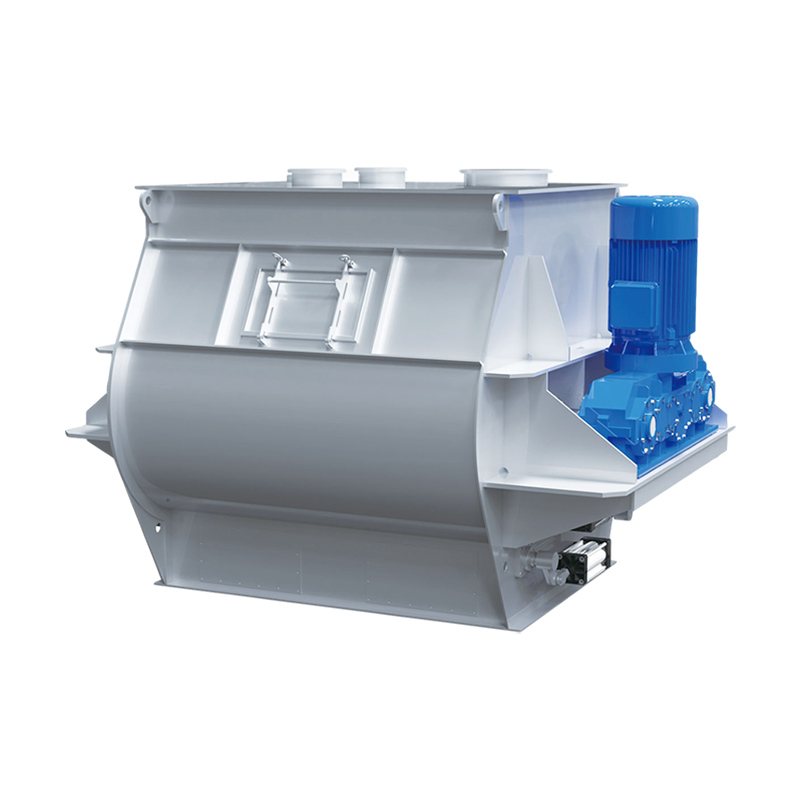
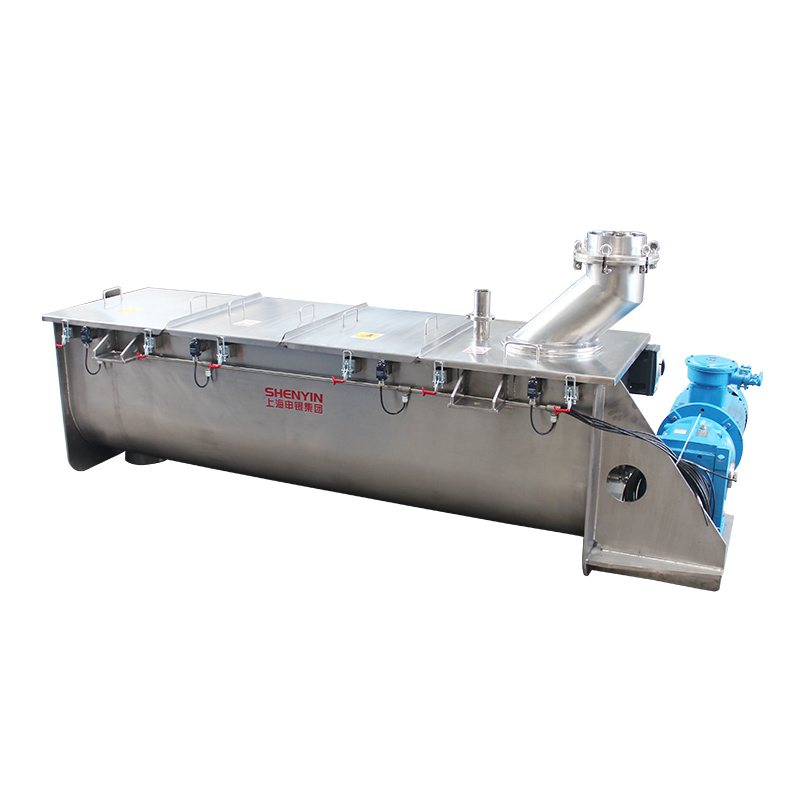
Understanding slurry mixers involves recognizing their applications. For example, in wastewater treatment, these mixers help break down solids and optimize chemical reactions. There are different types available, including paddle mixers and drum mixers, each tailored for specific needs. Custom Slurry Mixers can enhance efficiency and performance, meeting unique material requirements in industrial processes.

Selecting the right slurry mixer requires careful analysis. Factors like viscosity, particle size, and intended application play crucial roles. Users may find it challenging to determine the ideal specifications, pointing to a need for expert guidance. Poor selection can lead to operational inefficiencies and increased costs. Testing different mixers with actual materials is a recommended approach to ensure effectiveness and reliability.

Key Factors to Consider When Selecting a Slurry Mixer

Choosing the right slurry mixer involves several key considerations. First, assess the viscosity of your slurry. A high-viscosity slurry requires a more robust mixing solution. Think about the mixer’s design; some are better for homogeneous mixing, while others excel at dispersing solids.

Another important factor is the mixer’s capacity. Evaluate your production scale. A small operation may not need an industrial-sized mixer, while larger facilities often do. Appropriately match the mixer size to avoid inefficiency.

Lastly, consider the materials used in the mixer’s construction. Corrosion resistance is crucial for longevity. Mixing different substances might require specific materials to ensure no adverse reactions occur. This decision can impact both product quality and safety. Take your time to reflect on these factors. The right choice affects your outcomes significantly.

Types of Slurry Mixers: Advantages and Disadvantages

When choosing slurry mixers, understanding their types is crucial. Each type has advantages and disadvantages that can impact your operations. For instance, paddle mixers are common in various industries. They are effective for gentle mixing of viscous materials. However, they may not be suitable for highly abrasive slurries. A 2021 industry report noted that paddle mixers accounted for about 25% of the market share in slurry mixing systems.

In contrast, centrifugal mixers excel in efficiency. They can handle a broader range of materials, including liquids and solids. Yet, their operation can lead to high shear rates. This can sometimes cause damage to delicate materials. A study found that 40% of users reported wear issues related to centrifugal mixers when handling abrasive slurries. Such considerations are vital when selecting the right mixer to minimize operational costs and maintenance downtime.

Finally, high-speed dispersers are popular for reducing particle size in slurry applications. They offer rapid mixing and can improve product consistency. However, the high shearing forces may affect the slurry's stability. Reports indicated that up to 30% of users faced challenges with foam generation or settling in these mixers. This highlights the need for thorough testing before finalizing your choice. Each type presents trade-offs, making it essential to analyze your specific needs carefully.

Slurry Mixers Types Comparison

This chart compares different types of slurry mixers based on their advantages and disadvantages. The rating is on a scale from 1 to 10, where a higher score represents a greater advantage or lesser disadvantage.

Evaluating the Mixing Capacity and Efficiency of Slurry Mixers

When selecting a slurry mixer, evaluating its mixing capacity and efficiency is crucial. A primary factor is the mixer’s power. Look for models that effectively blend different types of materials. A strong motor ensures that even the thickest slurries are processed uniformly. The design of the mixing blades also plays a significant role. They should be engineered to create optimal flow patterns, ensuring that every component is mixed thoroughly.

Tips: Always consider the size of your operation. A small facility may not need the same mixing power as a larger one. Efficiency is not just about speed; it’s about achieving the desired consistency without wasting resources. Check user reports for insights into real-world performance. Sometimes, data from brochures can be misleading.

CE Certification Slurry Mixers can provide peace of mind regarding safety and performance. Yet, reliability can differ between models. Pay attention to maintenance requirements. A high-maintenance mixer may incur hidden costs. Assess whether the product aligns with your operational needs, even if it seems ideal on the surface. Forming a solid understanding of your specific requirements will guide you in making the best choice.

Material Compatibility and Durability in Slurry Mixer Selection

Choosing the right Slurry Mixer requires a deep understanding of material compatibility. Different materials interact distinctly, impacting the mixer’s performance. For example, abrasive materials may wear down mixers quickly. A durable slurry mixer should resist such wear while maintaining efficiency. Assess the materials your slurry consists of before making a selection.

Durability is another crucial consideration. A slurry mixer must withstand harsh conditions and continuous operation. Look for mixers made from high-quality alloys or reinforced composites. These materials will enhance longevity. However, performance issues may arise if the mixer is not regularly maintained. Corrosion can occur over time, especially in chemical applications.

Keep in mind that every slurry mixer may not suit your specific needs. You might find that what works for one application fails in another. Experimentation and adjustment are often necessary. Each material's unique properties can present challenges. Careful analysis will help ensure you select a reliable and effective slurry mixer that meets your requirements.

Cost Analysis: Budgeting for Your Slurry Mixer Needs

How to Choose the Best Slurry Mixers for Your Needs?

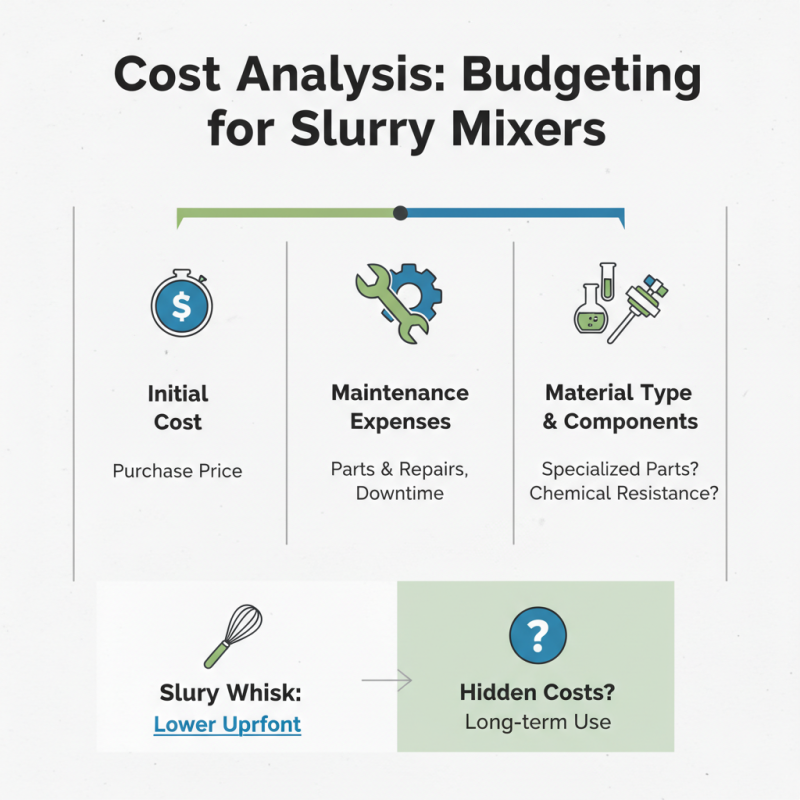
When budgeting for a slurry mixer, consider several key factors. The initial cost is crucial, but maintenance expenses can add up. Think about the type of materials you will use. Some mixers require specialized components that can be costly. A Slurry Whisk might be more affordable upfront, but hidden costs could arise with usage over time.

Evaluate the efficiency of different models. An efficient slurry mixer can save you money on energy bills. However, high efficiency often comes with a higher purchase price. Assess your long-term needs versus short-term expenses. A more expensive mixer may be a worthwhile investment if it meets your demands.

Don’t overlook the potential for downtime. If your mixer breaks down, repairs can be costly. Factor in spare parts availability while choosing. Sometimes, cheaper options lead to more frequent repairs. Reflect on your experience with mixers. What worked well? What didn’t? Your insights are valuable in making informed decisions for your slurry mixer needs.

Maintenance and Support: Ensuring Longevity of Your Mixer

Proper maintenance of slurry mixers is crucial for optimal performance. A recent industry report highlights that up to 30% of mixer failures are attributed to lack of regular upkeep. This statistic emphasizes the need for routine inspections and timely repairs. It's essential to establish a maintenance schedule tailored to your specific operational demands. Factors like usage frequency and mix type can heavily influence wear and tear.

Frequent checks on mechanical components can prevent unexpected downtime. Lubrication, sealing, and motor assessments are key areas. According to experts, addressing minor issues promptly can save upwards of 20% in repair costs in the long term. Many operators overlook the wear of blades, which can drastically affect mixing efficiency. Regular replacement of worn-out parts can ensure a consistent and reliable mixing process.

Additionally, training staff on proper operation techniques is valuable. Misuse often leads to unnecessary strain on mixers. A well-trained team can recognize early signs of trouble, enhancing the longevity of your equipment. The investment in quality maintenance and proper training yields long-term benefits, ensuring that your slurry mixer remains a reliable asset.

How to Choose the Best Slurry Mixers for Your Needs? - Maintenance and Support: Ensuring Longevity of Your Mixer

Mixer Type Capacity (Gallons) Power (HP) Material Compatibility Maintenance Frequency Average Lifespan (Years)
Horizontal Mixer 50 5 Cement, Slurries Monthly 10
Vertical Mixer 25 3 Food Products, Chemicals Bi-weekly 7
Batch Mixer 15 2 Slurries, Powders Weekly 5
Continuous Mixer 100 10 Mortars, Chemicals Monthly 12

FAQS

: What are the types of slurry mixers available?

: There are paddle mixers, centrifugal mixers, and high-speed dispersers.

What is a major advantage of paddle mixers?

Paddle mixers effectively mix viscous materials gently and are quite common.

Are there any disadvantages to using centrifugal mixers?

Yes, they can create high shear rates, potentially damaging delicate materials.

How can material compatibility affect slurry mixers?

Different materials interact differently, impacting the mixer’s performance significantly.

Why is durability important in slurry mixers?

Durable mixers resist wear and can withstand harsh conditions for continuous operation.

How often should slurry mixers be maintained?

Regular maintenance is crucial and should follow a tailored schedule based on usage.

What common mistake do operators make regarding mixers?

Many overlook blade wear, which can severely affect mixing efficiency.

How can staff training benefit slurry mixer longevity?

Proper training helps staff recognize issues early, reducing misuse and strain on equipment.

What key components should be inspected regularly?

Lubrication, sealing, and motor checks are vital for preventing unexpected downtime.

What percentage of mixer failures are due to maintenance neglect?

Up to 30% of mixer failures are attributed to a lack of regular upkeep.

Conclusion

When selecting the best slurry mixers for your needs, it is essential to understand their applications and evaluate key factors such as mixing capacity, efficiency, and material compatibility. Slurry mixers play a crucial role in various industries, and choosing the right type involves weighing the advantages and disadvantages of each option available.

Additionally, conducting a thorough cost analysis helps in budgeting for your slurry mixer investment, ensuring that it aligns with your financial plans. Maintenance and support are also critical aspects to consider, as they influence the longevity and performance of the mixer. By addressing these factors, you can make informed decisions that optimize the effectiveness of your slurry mixing processes.

Sophia

Sophia

Sophia is a dedicated marketing professional at Shanghai Shenyin Machinery (Group) Co., Ltd., where she excels in showcasing the company’s innovative products and services. With a strong background in mechanical engineering and marketing, she possesses a deep understanding of the machinery......
Previous Top Mixing Apparatus for Global Buyers How to Choose?