Leave Your Message
0%

Choosing the right Ribbon Blendercan really make a difference when it comes to how smoothly your production runs. Industry pro John Smith from MixTech Equipment puts it simply: "A good Ribbon Blender boosts both the consistency and quality of your mix." With so many options out there, it’s important to think about what your specific needs are.

This isn’t one of those all-in-one solutions that fit everyone – different industries require different models. Whether you're working with powders, granules, or pastes, understanding what your materials need is key. Don’t forget to keep an eye on mixing times, because either under-mixing or over-mixing can mess with your product’s quality.

Your investment in a Ribbon Blender really should match what your operations require. Things like how durable it is and how easy it is to clean are super important — especially for keeping things hygienic. Unfortunately, many companies overlook these details, only to face costly downtime later. Making an informed choice now can help boost your productivity and deliver better, more consistent results — which can really set your business apart.

How to Choose the Best Ribbon Blender for Your Business?

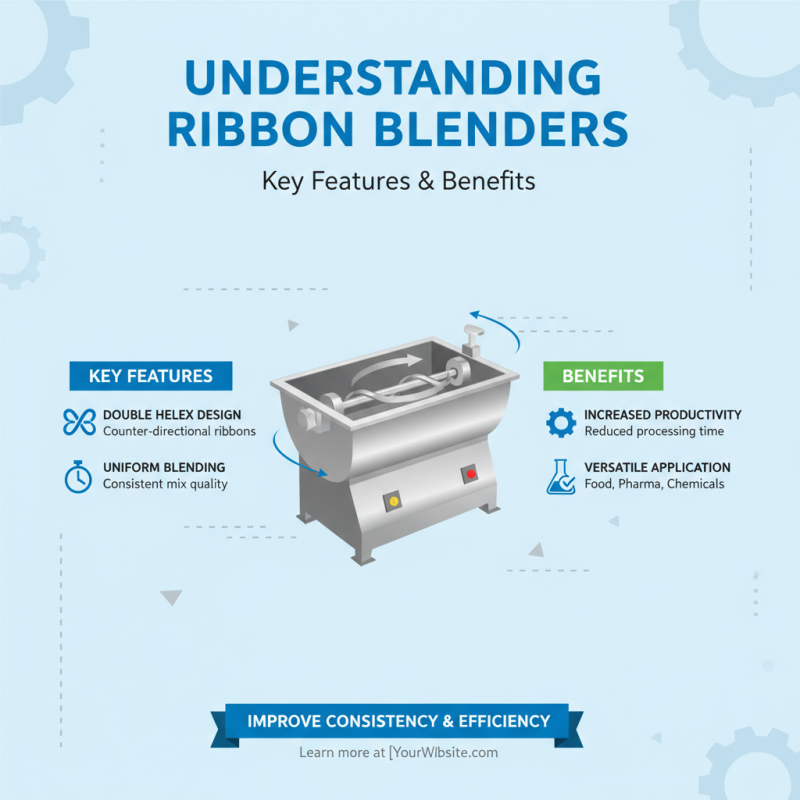
Understanding Ribbon Blenders: Key Features and Benefits

How to Choose the Best Ribbon Blender for Your Business?

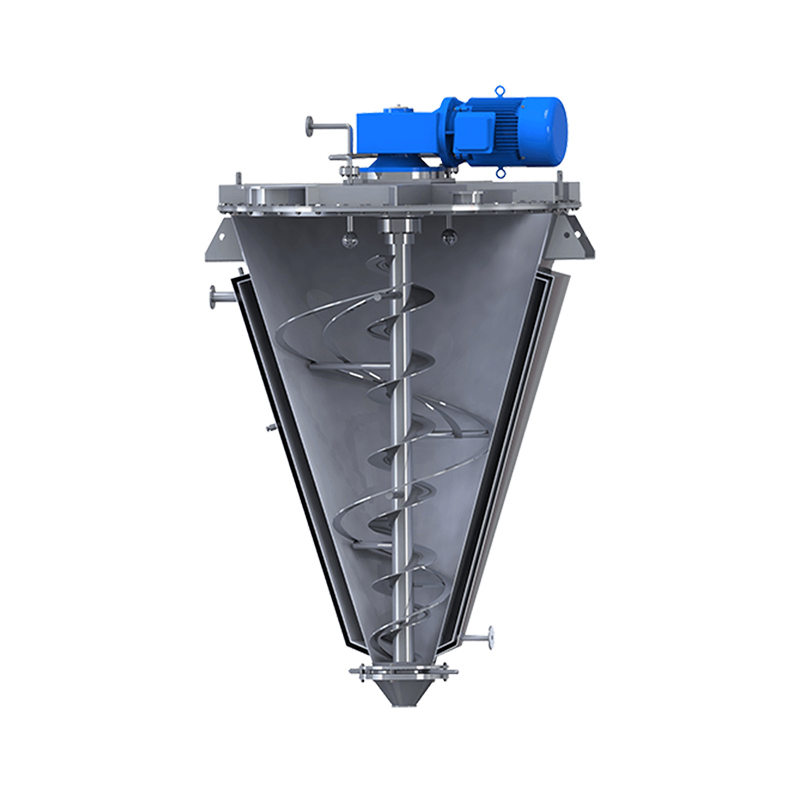
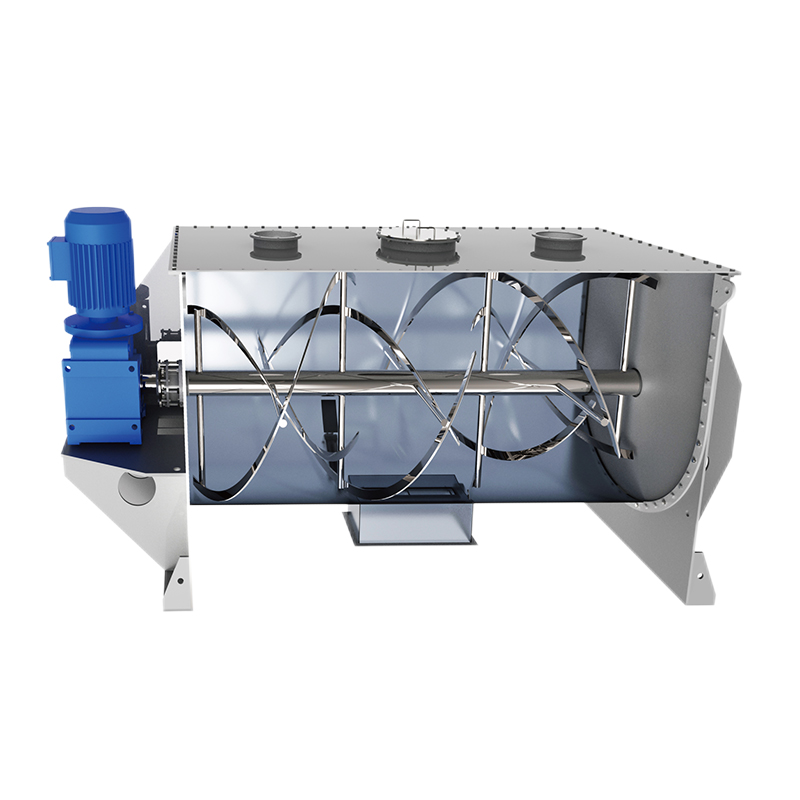
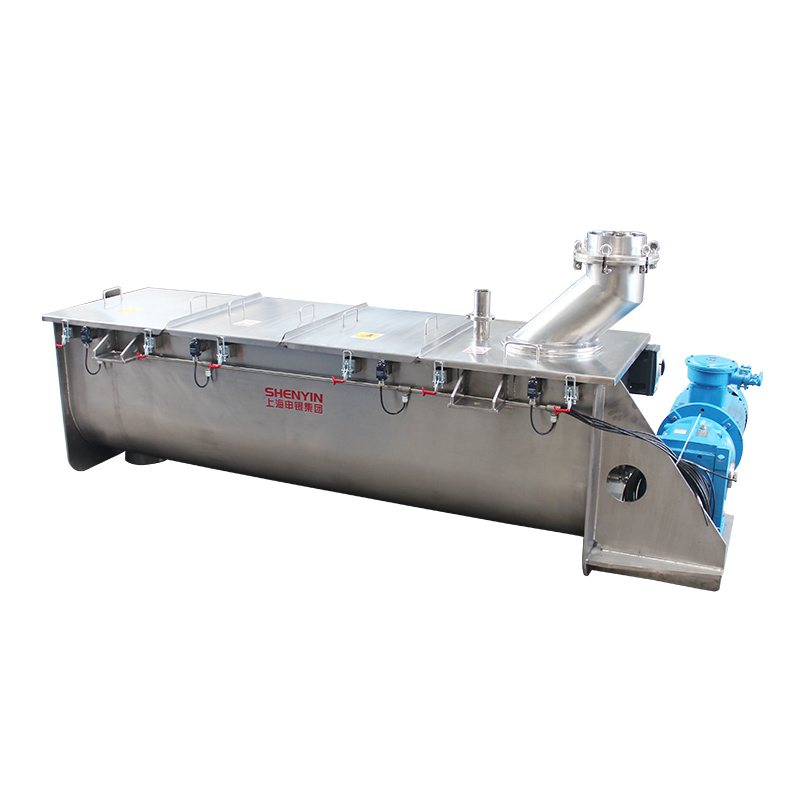
Ribbon Blenders are essential for many industries, from food processing to pharmaceuticals. They offer a versatile solution for mixing various materials. Key features include the double helix design, which ensures uniform blending. This design improves product consistency and reduces processing time.

Operational efficiency is another benefit. Studies show that ribbon blenders can achieve mixing times 30% faster than traditional mixers. Their ability to handle different material densities and viscosities adds to their appeal. However, businesses must consider their specific needs when choosing a model. Not all ribbon blenders perform equally under different conditions.

**Tip:** Assess the blending capacity required for your operations. Undersized blenders may lead to inefficiencies.

Durability is crucial too. Quality construction materials prolong the machine's lifespan, enhancing return on investment. However, businesses often overlook maintenance costs, which can affect long-term viability. It might be tempting to opt for lower-cost options, but this could compromise performance and longevity.

**Tip:** Regular maintenance can prevent unexpected downtime, ensuring continuous production flow.

Assessing Your Business Needs for a Ribbon Blender

How to Choose the Best Ribbon Blender for Your Business?

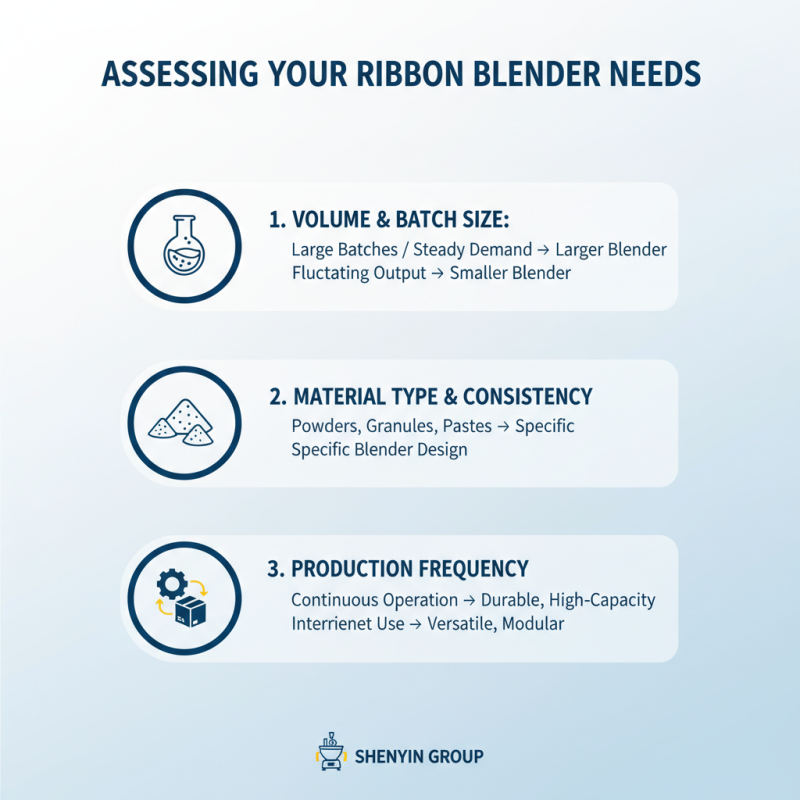
When selecting a ribbon blender for your business, it’s crucial to assess specific needs. Understand the volume of materials you will be mixing. A steady demand for large batches may mean investing in a larger capacity Ribbon Type Blender. Conversely, if your output fluctuates, a smaller unit could suffice. Evaluate the consistency of your product. Are you mixing powders, granules, or something else? Different ribbon blenders cater to diverse materials.

Consider the mixing time as well. Some operations require quick blends while others may benefit from longer mixing to achieve the desired texture. Think about the ease of cleaning too. A blender that is tough to maintain might slow down your production. Select a Ribbon Type Blender designed for versatility and ease of use.

Don't overlook the available space in your facility. A large blender may be ineffective if it doesn't fit. Reflect on your budget. Quality blenders can be an investment, but savings on replacements and repairs can be significant. Engaging with industry experts can aid in making informed decisions. Their experience can guide you through the complex landscape of ribbon blenders.

Types of Ribbon Blenders: Which One Suits Your Industry?

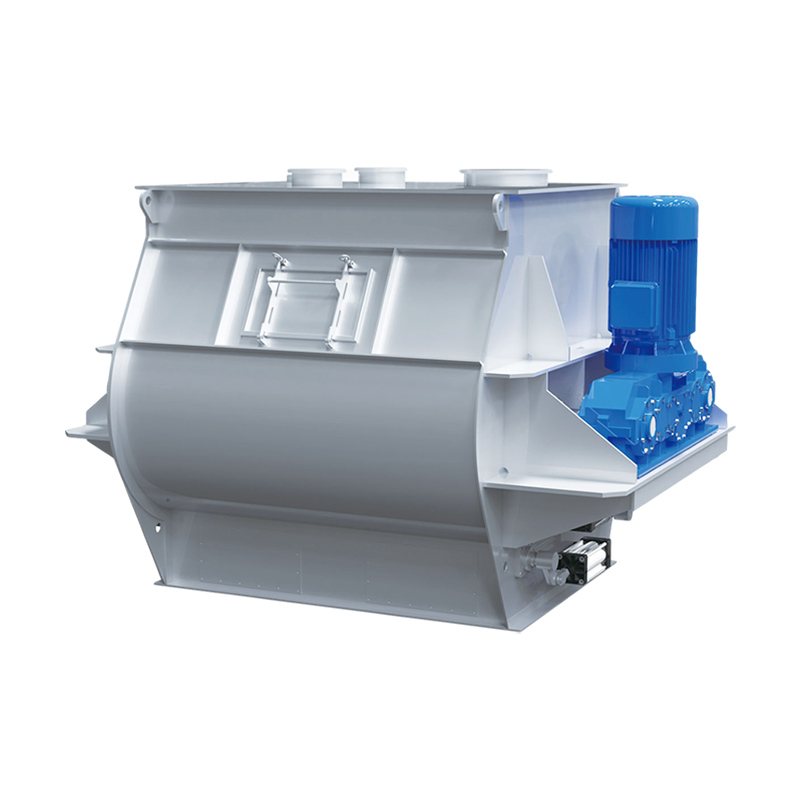
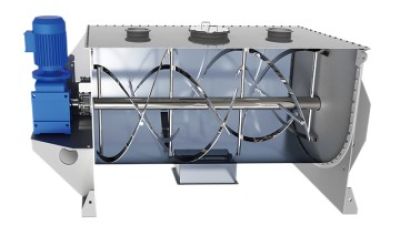
Choosing the right ribbon blender is crucial for optimizing your operations. Each industry has different needs. Understanding the specific types of ribbon blenders can help you decide. For dry mixing applications, a standard Ribbon Blender Mixer often suffices. It features a horizontal design with two ribbons rotating in opposite directions. This design ensures thorough mixing for powders and granules.

In food processing, a sanitary ribbon blender is essential. These blenders come with features that prevent contamination. They are usually made of stainless steel and have smooth surfaces. In contrast, the chemical industry may require specially lined blenders. These ribbons can handle corrosive substances and maintain product integrity. Each type serves a unique purpose, so it's vital to assess your industry’s requirements.

We're all tempted to rush decisions. The perfect blender might not exist for your process. Keep in mind the capacity, blend time, and maintenance needs. Reflect on your specific blending challenges. A Ribbon Blender Mixer could significantly enhance efficiency if you choose wisely.

How to Choose the Best Ribbon Blender for Your Business? - Types of Ribbon Blenders: Which One Suits Your Industry?

Type of Ribbon Blender Best Suited For Capacity (Liters) Mixing Time (Minutes) Typical Applications
Standard Ribbon Blender Food and Chemical Industries 500 - 5000 5 - 10 Dry powders, granules
Vertical Ribbon Blender Bulk Materials 1000 - 10000 3 - 7 Viscous, Paste-like products
Double Ribbon Blender Pharmaceutical and Cosmetic 300 - 6000 4 - 8 High shear, homogenous mixing
Horizontal Ribbon Blender Construction and Building Materials 200 - 8000 5 - 12 Mortars, dry mixes
Batch Ribbon Blender Small Scale Production 100 - 1500 2 - 5 Small batches, custom formulations

Evaluating Blender Capacity and Size for Your Production Scale

When choosing a ribbon blender, capacity and size are crucial aspects. Understanding the production scale of your business can greatly influence the type of blender needed. A report by the Bulk Handling Systems Association indicates that optimal capacity should match production needs. For example, a facility producing 5,000 pounds per hour may require a blender with a minimum capacity of 500 to 1,000 cubic feet.

Additionally, consider the physical dimensions. A standard ribbon blender can range from 30 to 100 inches in diameter. The height and width must suit your space while allowing for equipment maintenance. A poorly sized blender can lead to operational inefficiencies. According to an industry analysis, about 20% of companies report difficulties due to improper equipment sizing.

Furthermore, it’s essential to evaluate blending time. A larger blender may take longer to mix if not well matched to the product's density. A study from the American Society of Mechanical Engineers highlights that blending time increases with larger batch sizes. However, a blender must still fit seamlessly into your workflow. Ultimately, the right ribbon blender can enhance productivity and reduce operational setbacks, ensuring smooth production.

Ribbon Blender Capacity Evaluation

Material Considerations for Ribbon Blender Durability and Safety

When selecting a ribbon blender, materials play a crucial role in ensuring durability and safety. The type of material affects not only the lifespan of the equipment but also the quality of the blends. Stainless steel is a popular choice due to its resistance to corrosion and easy cleaning. On the other hand, mild steel may be more affordable but can rust over time with exposure to moisture. Each option comes with its own set of pros and cons.

Tips: Consider the environment where the blender will operate. If it’s humid, stainless steel may be necessary to prevent wear. For dry and controlled spaces, mild steel could suffice at a lower cost.

Another important factor is the type of food or material being mixed. For example, if handling abrasive substances, a hardier material is vital. A Small Ribbon Blender may need different specifications compared to a larger model. This variability affects the choice of components, including the ribbon arrangement and blend speed.

Tips: Look for features like easy disassembly for cleaning. Ensure that gaps are minimized to prevent product build-up, which could lead to cross-contamination. Regular maintenance checks are crucial for safety and efficiency. Choosing the right material ensures your investment lasts longer while delivering quality results.

Cost Analysis: Budgeting for Your Ribbon Blender Investment

When investing in a Ribbon Mixer Blender, cost analysis is crucial for your business. Understand the initial costs, including purchase price and installation. Consider the maintenance expenses too. These can add up over time, affecting your overall budget. A detailed assessment of operational costs will help you deploy resources efficiently.

Factor in production output as well. A high-quality Ribbon Mixer Blender might seem expensive upfront, but it can lead to better mixing quality and efficiency. Investing in a reliable machine can reduce labor costs and enhance product consistency. Reflect on your current production needs and future growth. Are you prepared for increased demand?

Don't overlook hidden costs. Training your team on new equipment is essential. Unforeseen repairs can also drain finances. Make sure to allocate a budget for these areas. Balancing quality with affordability requires careful thought. A thorough cost analysis will inform your decision and help you navigate potential pitfalls.

Maintenance and Support: Ensuring Longevity of Your Blender

Maintaining a ribbon blender is crucial for its longevity and performance. Regular cleaning is essential. According to industry reports, neglecting maintenance can decrease efficiency by up to 25%. Dirt and residue buildup can lead to uneven mixing. Schedule routine maintenance checks to ensure optimal operation.

Tip: Clean your blender immediately after each use. This practice helps prevent stubborn residue buildup. Use warm soapy water for effective cleaning.

Parts wear out over time. Monitoring the condition of your blades and motor is vital. Research indicates that timely replacement of worn parts can increase the machine's lifespan significantly. A proactive approach helps avoid costly breakdowns.

Tip: Keep a log of any maintenance activities. This record can help identify patterns or recurring issues. It can guide future repair decisions. Stay aware of your blender's performance to address problems early.

Maximizing Production Efficiency: Insights from Recent Industry Reports on High-Quality Ribbon Blenders for Sale

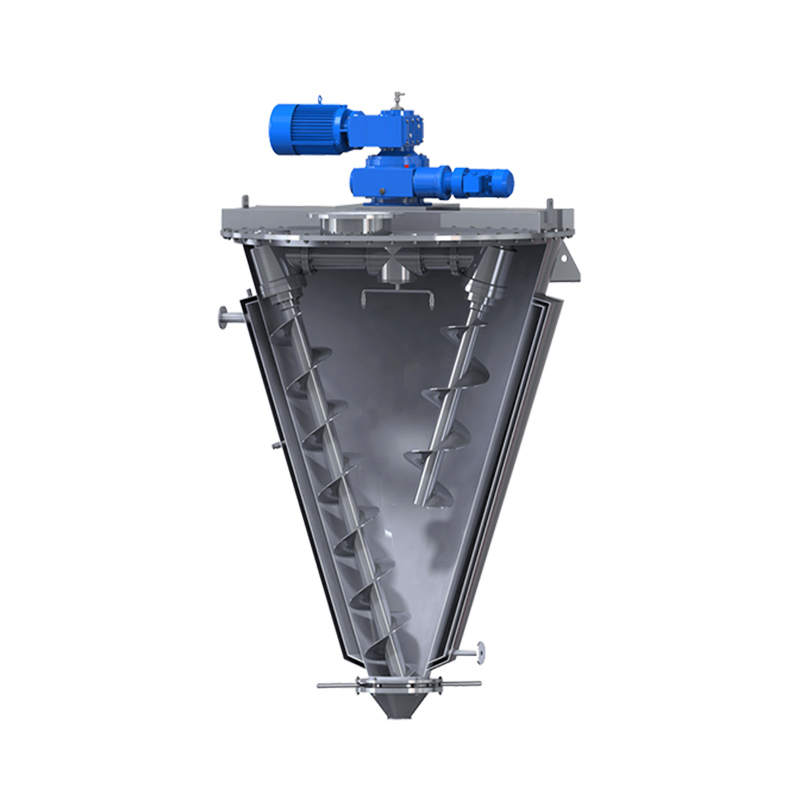
The recent industry reports highlight the significance of high-quality ribbon blenders in maximizing production efficiency across various sectors. As companies strive to improve their operational workflows, the SYLW series mixer stands out due to its innovative dual-layer double spiral belt design. This setup allows for rapid and effective mixing of materials, ensuring that the outer spiral belt pushes the contents toward the center of the cylinder while the inner belt facilitates a reverse push. This dual-action not only enhances mixing quality but also promotes a thorough and homogenous blend that is essential for maintaining product consistency.

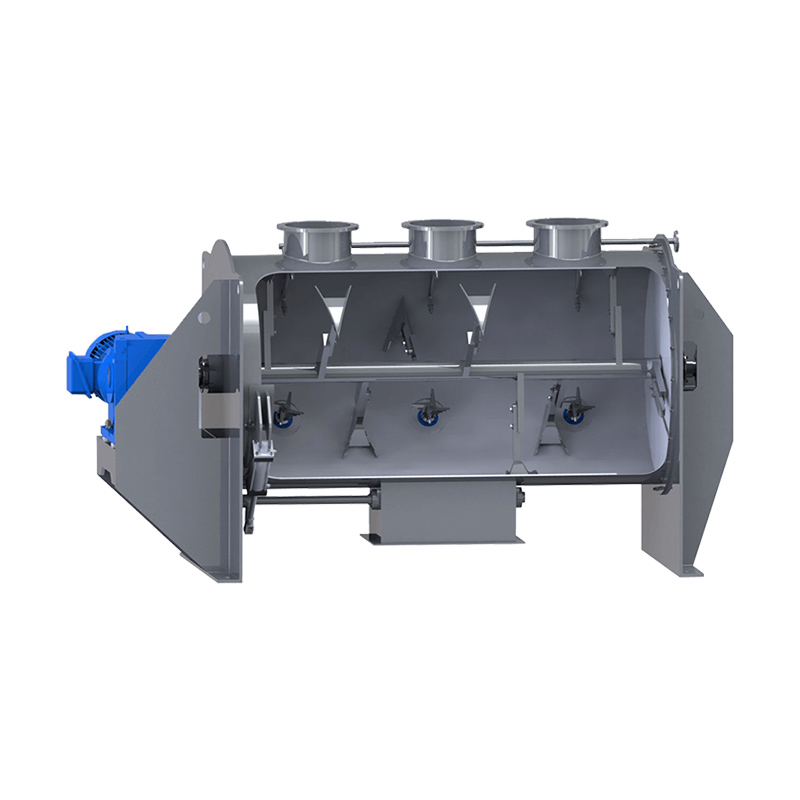
Moreover, efficiency is further optimized for materials with poor fluidity through the inclusion of a patented scraper structure at both ends of the spindle. This design effectively addresses the issue of dead corners often found in traditional horizontal screw mixers. Such advancements are crucial as they enable a continuous flow of materials towards the center of the mixer, significantly reducing waste and improving the overall discharge process. According to recent data, facilities employing advanced ribbon blenders can increase their processing efficiency by up to 30%, thereby reducing operational costs and enhancing product quality.

As the demand for high-performance mixing equipment continues to rise, the insights provided by industry reports underscore the importance of investing in technologically advanced ribbon blenders. By integrating such innovative solutions, manufacturers can not only boost their production capabilities but also adapt to the evolving market needs, ensuring sustainable growth and competitive advantage in the industry.

FAQS

: What is the purpose of a ribbon blender?

: A ribbon blender is designed for efficient mixing of powders and granules in various industries.

How does a standard ribbon blender work?

It features a horizontal design with two ribbons that rotate in opposite directions for thorough mixing.

Why is the material choice important for ribbon blenders?

Material affects durability and safety. Stainless steel resists corrosion, while mild steel is cheaper but rusts easily.

What should I consider when choosing a ribbon blender?

Assess your industry needs, blend time, capacity, and maintenance requirements before making a decision.

How can I ensure the longevity of my ribbon blender?

Regular cleaning and maintenance checks are crucial for optimal performance and lifespan.

What are some tips for cleaning a ribbon blender?

Clean immediately after use with warm soapy water to prevent residue buildup.

How does the material impact the choice of blender?

For abrasive substances, a sturdy material is necessary, affecting specifications like ribbon arrangement and blend speed.

What maintenance practices should I adopt?

Monitor the condition of blades and motors. Regular checks can prevent costly breakdowns.

Why is maintaining a maintenance log useful?

A log helps identify recurring issues and informs future repair decisions to enhance efficiency.

Can neglecting maintenance affect blender performance?

Yes, neglect can decrease efficiency by up to 25% due to dirt and residue buildup, leading to uneven mixing.

Conclusion

When selecting the best Ribbon Blender for your business, it is essential to understand its key features and benefits, as these factors will directly impact your production efficiency. Assessing your specific business needs can guide you in choosing the right type of Ribbon Blender that suits your industry. Depending on your production scale, evaluating the blender's capacity and size will ensure that it meets your output requirements.

Additionally, considering material durability and safety is crucial for the longevity of your Ribbon Blender. A thorough cost analysis will help in budgeting for this investment, allowing you to balance quality with affordability. Lastly, emphasizing proper maintenance and support can significantly enhance the lifespan and performance of your Ribbon Blender, making it a valuable asset in your manufacturing process.

Sophia

Sophia

Sophia is a dedicated marketing professional at Shanghai Shenyin Machinery (Group) Co., Ltd., where she excels in showcasing the company’s innovative products and services. With a strong background in mechanical engineering and marketing, she possesses a deep understanding of the machinery......
Previous Top Industrial Mixers for Efficient Manufacturing Processes?