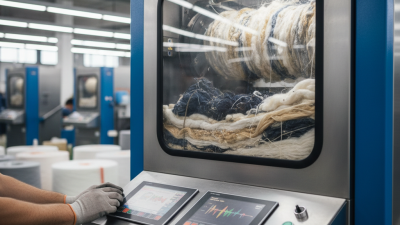
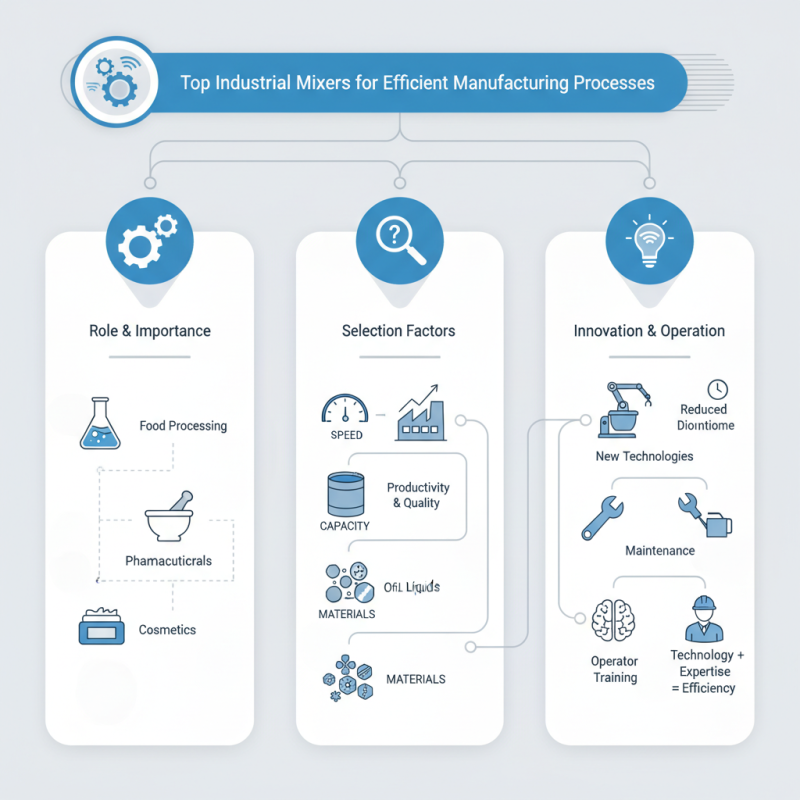
In today's manufacturing world, getting things done quickly and efficiently is a huge deal. Have you ever heard of Industrial Mixers? They're pretty much the unsung heroes when it comes to making sure everything runs smoothly. You’ll find these machines everywhere—think food processing plants, pharma companies, even cosmetics factories. The way they mix stuff evenly makes a real difference in how good the final product turns out, keeping stuff consistent and high-quality.
Now, picking out the right Industrial Mixer isn’t exactly a walk in the park. There are so many options out there, all tailored for different needs. Speed, capacity, the types of materials you're working with—you’ve gotta think about all that. It’s not just about grabbing the first thing you see; it's about finding something that actually boosts productivity and keeps your quality up. It’s kinda like finding the perfect tool for the job.
And let’s not forget—technology keeps moving forward. Newer mixers are faster, smarter, and less prone to hiccups. That said, being on top of maintenance and making sure your team knows how to handle these machines is just as important. Even the coolest, most high-tech equipment needs a little TLC now and then. Striking the right balance between cutting-edge tech and good old human know-how is what really makes everything run smoothly and efficiently.
Types of Industrial Mixers and Their Applications
Industrial Mixers play a crucial role in various manufacturing sectors. Different types of mixers are designed to meet specific needs. For instance, Ribbon Mixers are known for their efficiency in blending dry powders. They are commonly used in the food and pharmaceutical industries. These mixers ensure uniform distribution of ingredients, which is vital for product consistency.
Another prominent type is the planetary mixer. It is effective for mixing thicker materials, such as dough. The unique design allows for thorough mixing without compromising integrity. This makes it popular in bakeries and confectioneries. While these mixers offer great benefits, users must select the appropriate model for their needs. Improper selection can lead to inefficiencies and increased costs.
Moreover, manufacturers often overlook maintenance. Regular checks are essential for optimal performance. Neglected equipment can lead to production delays. Additionally, training staff on correct usage prevents mishaps. Balancing production goals with maintenance needs remains a challenge. Recognizing these factors can lead to improved manufacturing outcomes.
Key Features to Look for in Industrial Mixers
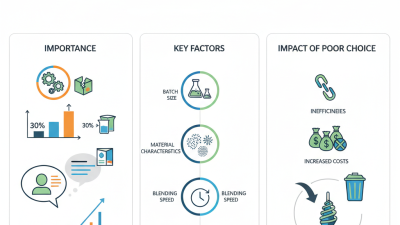
When selecting an industrial mixer, it's vital to focus on key features that enhance efficiency. Industrial Batch Mixers are integral in various manufacturing sectors, requiring careful consideration to meet specific needs. One critical feature is the mixer type. Whether you need a ribbon, paddle, or planetary mixer can influence blend quality and speed. Research indicates that the right mixer can improve mixing uniformity by up to 30%, significantly impacting productivity.
Another essential aspect is the mixer’s capacity. Understand your production scale to choose a suitable volume. Oversized mixers may lead to inefficiencies, while smaller ones can result in bottlenecks. It’s common to see a production line fail to meet demand due to an inadequate mixing capacity. Always consider the material's properties as well. Viscosity and density play a crucial role in achieving optimal mixing.
Tips: Regular maintenance is crucial for sustaining mixer performance. Schedule inspections to avoid unexpected breakdowns, which can cause costly downtime. Additionally, training operators on proper usage can enhance the mixing process, leading to better outcomes. Remember, there is often a trade-off between capacity and efficiency; reflect on your unique manufacturing requirements before making a decision.
Top Industrial Mixers for Efficient Manufacturing Processes
| Mixer Type | Capacity (Liters) | Power (kW) | Mixing Speed (RPM) | Mixing Method | Key Features |
| Inline Mixer | 500 | 15 | 1000 | Continuous | High shear, compact design, easy cleaning |
| Planetary Mixer | 300 | 5 | 150 | Batch | Variable speed, versatile mixing, ergonomic design |
| Drum Mixer | 1000 | 10 | 200 | Batch | High capacity, gentle mixing, portable |
| Vertical Mixer | 400 | 7.5 | 300 | Batch | Space-saving, easy maintenance, homogeneous mixing |
| Ribbon Blender | 600 | 12 | 50 | Batch | Low shear, efficient mixing, robust construction |
Benefits of Using High-Efficiency Mixers in Manufacturing
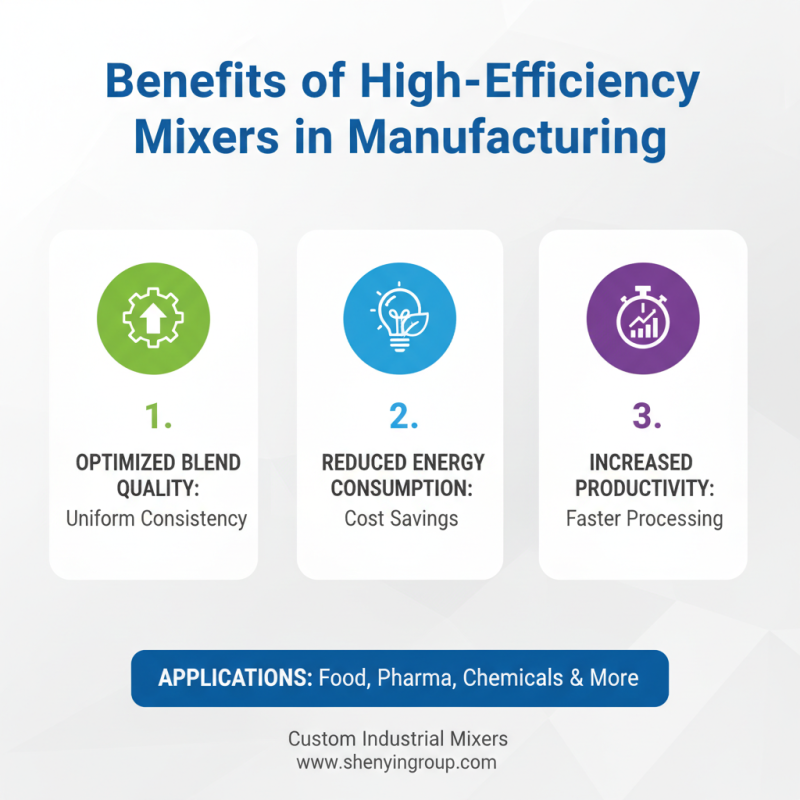
High-efficiency mixers play a pivotal role in modern manufacturing. Their design focuses on optimizing blend quality while reducing energy consumption. This efficiency directly influences productivity. In various sectors, from food production to pharmaceuticals, Custom Industrial Mixers have shown significant benefits. They ensure uniform consistency by accommodating different materials and processes.
Using high-efficiency mixers streamlines workflows. Manufacturers experience less downtime due to faster mixing times. Improved mixtures lead to better product quality. However, not all mixers meet every need. Some setups may require adjustments or additional training. Challenges can arise when integrating new technology, necessitating a careful evaluation of existing systems.
The sustainability aspect also deserves attention. High-efficiency mixers often consume less energy, reducing operational costs. However, manufacturers should weigh initial investment costs against long-term savings. The transition to more efficient mixers can be complex, requiring time and resources. Addressing these issues will foster improvement and innovation in manufacturing processes.
Comparative Analysis of Popular Industrial Mixer Brands
When evaluating industrial mixers, it's crucial to compare different brands. Each brand has unique features that can impact operational efficiency. Many mixers are designed for specific tasks, such as blending, emulsifying, or dispersing materials. This specificity can influence production speed and product quality.
One major factor to consider is the mixer’s construction. Durable materials often reflect better performance and longer life. Some models may come with advanced technology for better consistency, while others focus on straightforward, reliable operation. Understanding these differences is vital for making an informed choice.
Additionally, maintenance needs can vary significantly. Some mixers are easy to clean and maintain, while others may require more effort. A less maintenance-friendly mixer could lead to unnecessary downtime. Consider how this fits into your overall manufacturing process. Ultimately, the best choice depends on your specific needs and production goals.
Maintenance Practices for Longevity of Industrial Mixers
Maintaining industrial mixers is crucial for ensuring their longevity and efficiency. Regular inspection helps identify wear and tear early on. Components like bearings and seals should be checked frequently. A slight misalignment might lead to significant issues over time. Operators must be trained to recognize abnormal sounds or vibrations. Ignoring these can result in costly breakdowns.
Cleaning procedures should be consistent and thorough. Accumulated residue can affect mixing performance and lead to contamination. Use appropriate cleaning agents to avoid damaging materials. It's a good practice to outline a maintenance schedule. This should include routine lubrication of moving parts. Proper lubrication reduces friction and extends the lifespan of mixers.
Operators often overlook minor maintenance details. This negligence can heavily impact production efficiency. Documenting maintenance activities can help track issues and solutions. Analyzing this data can provide insights into better practices. Investing time in maintenance pays off in the long run, promoting a smoother manufacturing process.
Emerging Technologies in Mixer Design and Efficiency
Emerging technologies are reshaping the design and efficiency of industrial mixers. With manufacturers facing increasing pressure to lower costs, innovative mixing solutions are essential. Recent reports indicate that advanced mixer designs can enhance operational efficiency by 25%. This transformation is based on incorporating sensors and automation.
Smart mixers now feature real-time monitoring of viscosity and temperature. This allows for precision and consistency in production. For instance, predictive maintenance can reduce downtime by up to 30%. Yet, many manufacturers still rely on outdated systems, missing out on these efficiencies.
Data highlights that CE Certification Industrial Mixers are gaining traction in various industries. These mixers comply with strict safety and quality standards. However, not all companies are making the switch promptly. Balancing cost and efficiency remains a significant challenge. Embracing new technology may seem daunting, but the benefits are substantial and well-documented.
Case Studies: Successful Implementation of Industrial Mixers in Industry
In the realm of manufacturing, efficient mixing processes can significantly impact product quality. A recent case study highlights the use of Custom Industrial Batch Mixers in the food industry. One factory reported a notable improvement in texture and flavor consistency after implementing these mixers. Their versatile designs allowed for better ingredient integration. However, the transition didn't come without challenges. Employees needed extensive training to adapt to the new technology.
Another example from the pharmaceuticals sector shows how mixers enhance scalability. A company geared up for higher production volumes by utilizing batch mixers that accommodate complex formulations. Yet, they faced initial setbacks with batch sizes. Adjusting recipes took time and trial and error. The benefits were clear, but the learning curve was steep. These experiences underscore the importance of expertise and adaptability in operational success.
Such implementation of custom industrial batch mixers demonstrates the need for tailored solutions. Each sector has its unique challenges and solutions. Companies must carefully assess their specific needs. Learning from both successes and setbacks is vital for refining processes. This reflection can lead to continuous improvement and operational excellence.
Conclusion
The article explores the vital role of industrial mixers in optimizing manufacturing processes across various industries. It delves into the different types of industrial mixers and their specific applications, highlighting key features to consider when selecting a mixer to ensure operational efficiency. The benefits of utilizing high-efficiency mixers are discussed, underlining their impact on productivity and resource management.
Furthermore, the article presents a comparative analysis of various industrial mixer brands, providing insights into their performance and reliability. It emphasizes the importance of regular maintenance practices to extend the lifespan of these machines. Additionally, emerging technologies in mixer design are examined, showcasing advancements that enhance efficiency and effectiveness. Finally, case studies illustrate successful implementations of industrial mixers in real-world scenarios, demonstrating their significance in achieving manufacturing excellence.

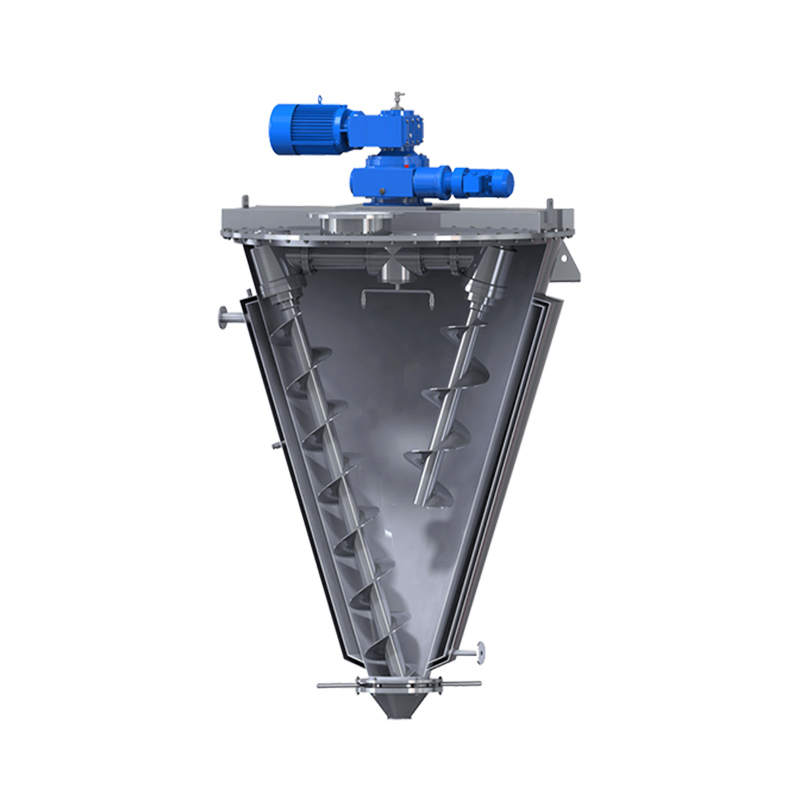 Conical Screw Mixer
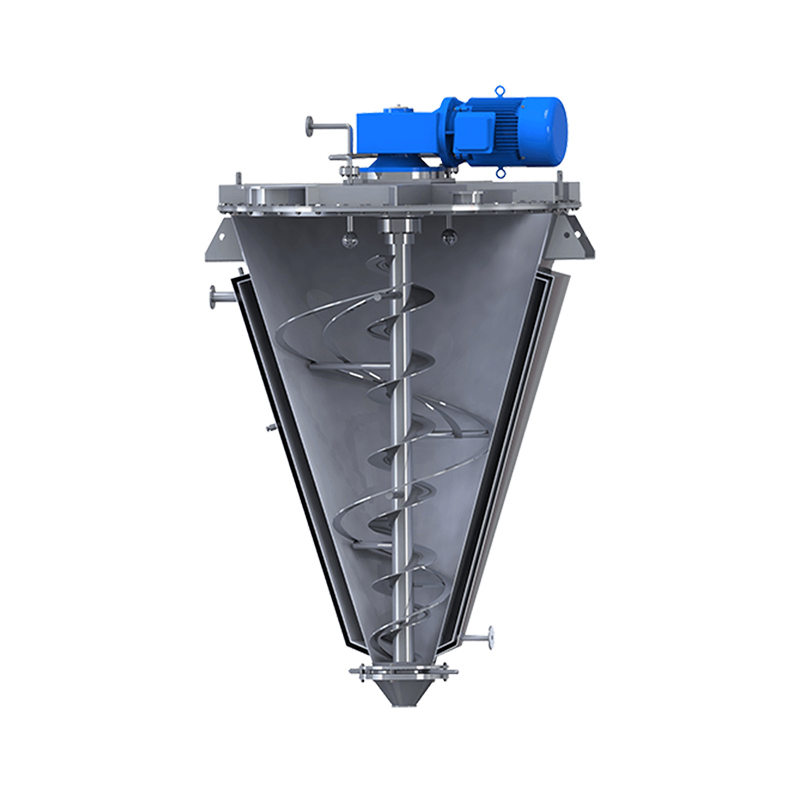 Conical Screw Belt Mixer
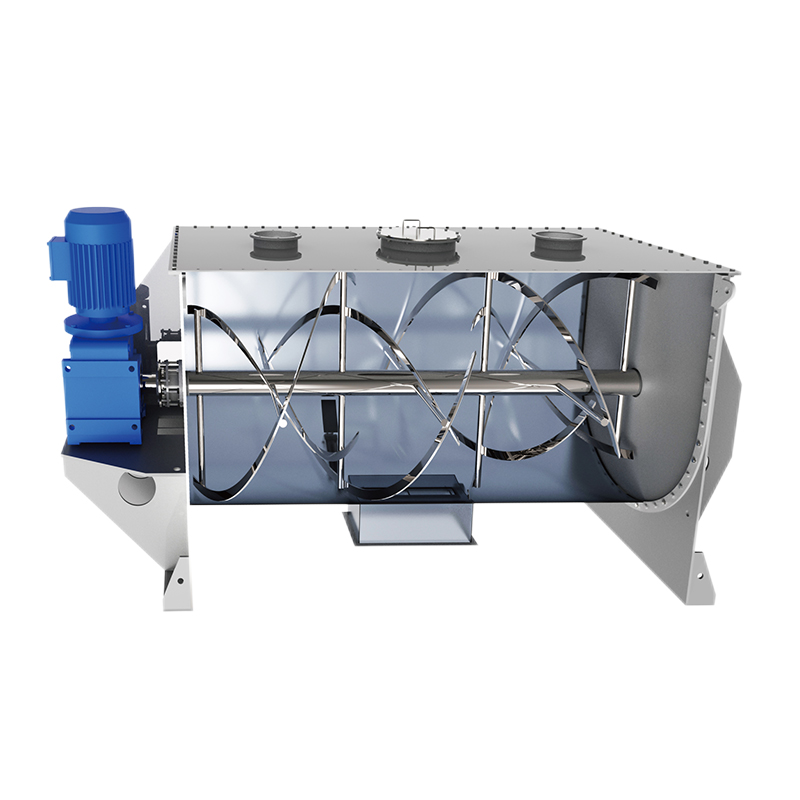 Ribbon Blender
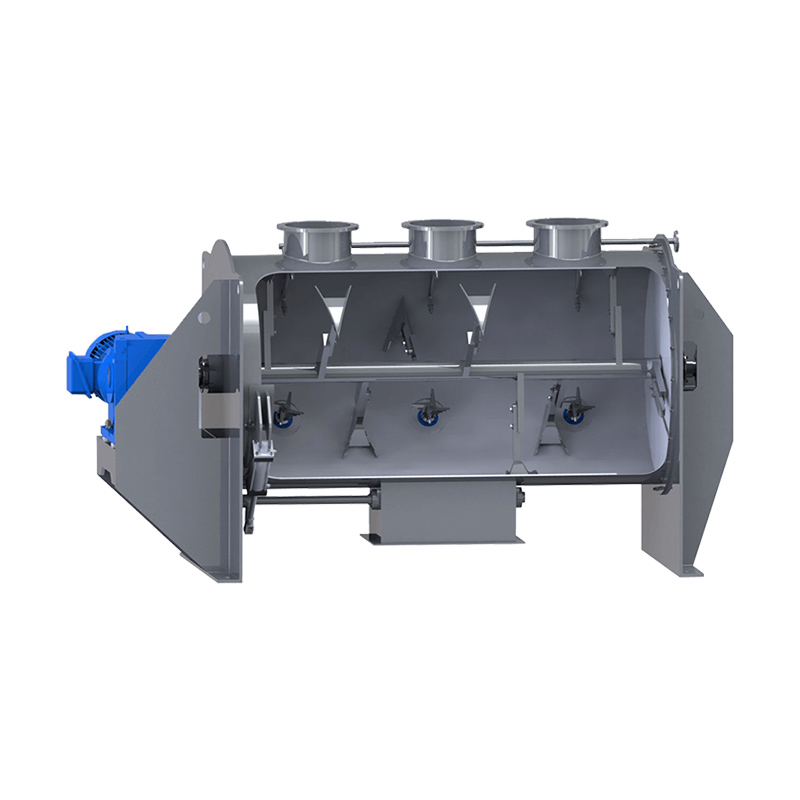 Plough-shear Mixer
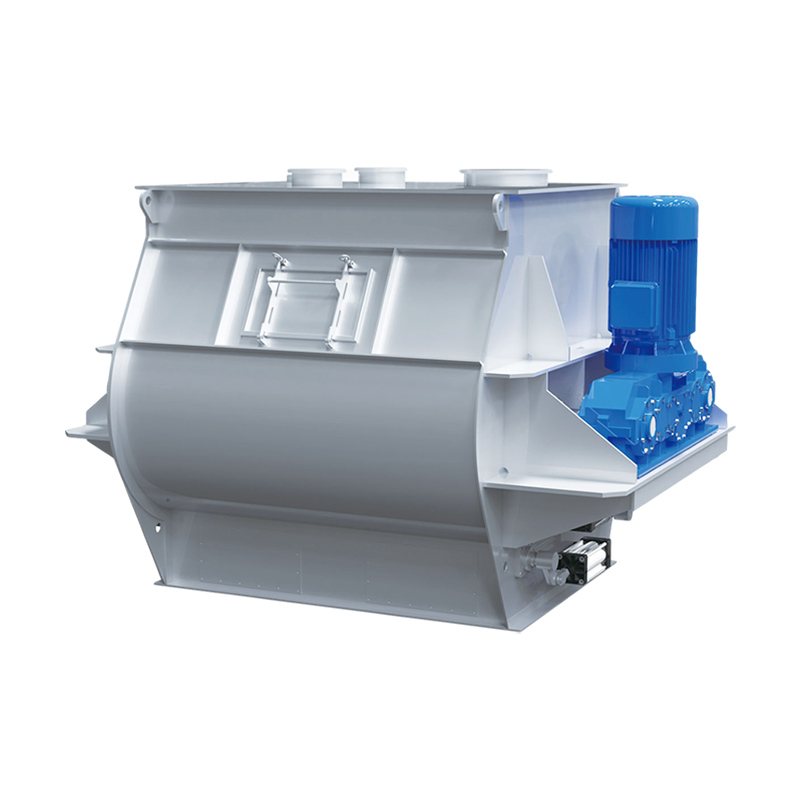 Double Shaft Paddle Mixer
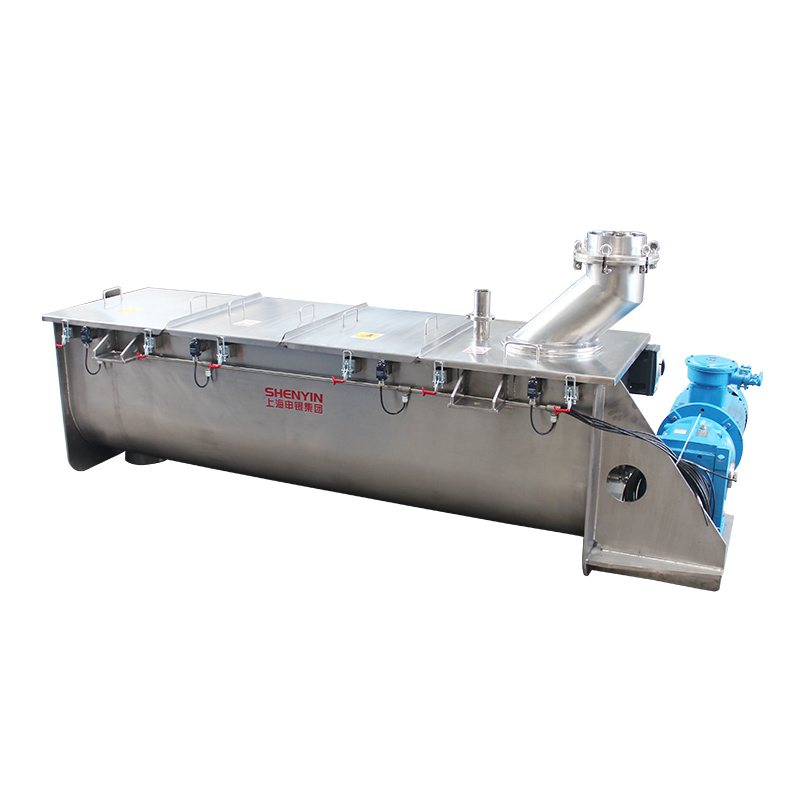 CM Series Mixer