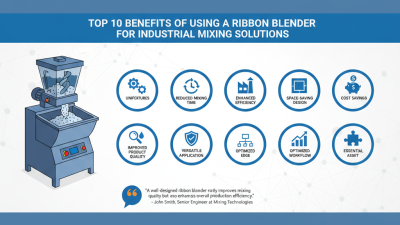
In today’s manufacturing world, having reliable mixing solutions is more important than ever. One standout piece of tech is the Single Shaft Paddle Mixer. It’s known for Mixing Materials evenly, and because of that, it’s become a go-to choice for lots of industries. Honestly, companies really count on it to keep their product quality consistent.
A lot of manufacturers have seen real improvements in their workflows since switching to the Single Shaft Paddle Mixer. Its straightforward design means it’s pretty easy to clean and maintain, which just helps keep things running smoothly. That said, not every mixer is perfect for every task. Choosing the right one really depends on understanding your specific needs and the challenges you’re facing.
That said, even though it works well, there can be some hidden limitations. Things like batch size and the type of materials you’re working with can make a big difference. So, don’t just grab the first thing you see—do your homework and explore different mixing options. Taking the time to research ensures you find the best fit for your particular operation and can save you headaches down the road.
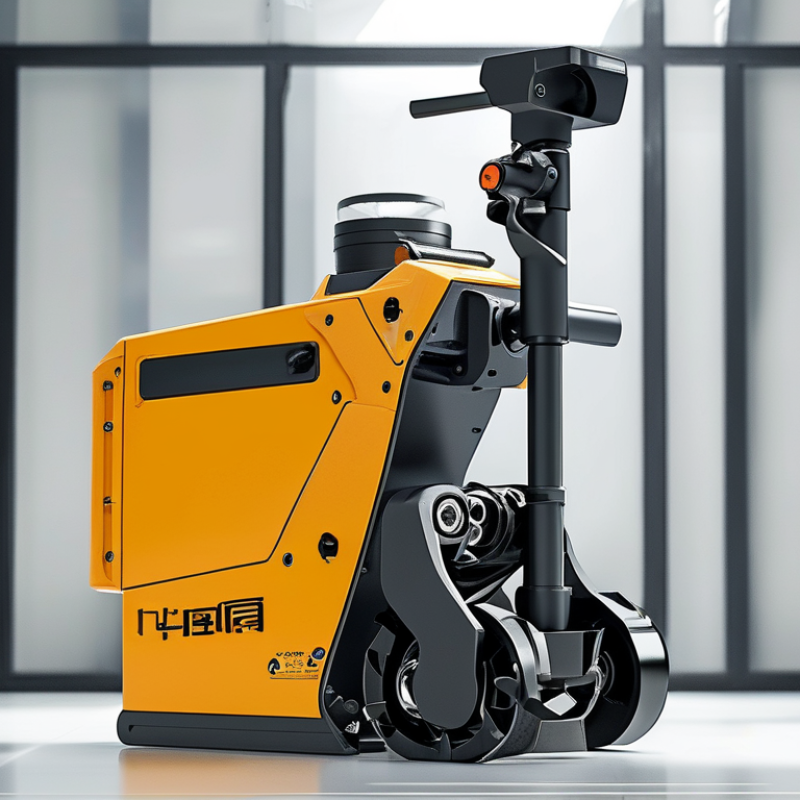
China's Leading Single Shaft Paddle Mixer: An Overview
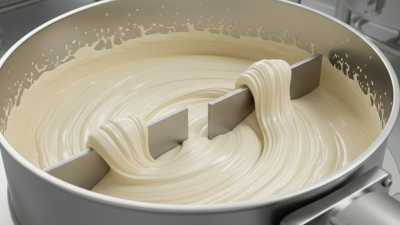
China's single shaft paddle mixers have gained popularity in various industries. These mixers offer efficient mixing solutions for diverse applications, especially in the food, chemical, and construction sectors. Their design allows for uniform Mixing Of Materials with different densities and viscosities. The paddle structure facilitates effective shear and dispersing, ensuring that all components blend seamlessly.
While the technology is impressive, some users have faced challenges. For instance, the complexity of operation can sometimes lead to inconsistencies in the mix. Training personnel to use these mixers effectively is crucial to achieving optimal results. Users have noted the need for regular maintenance to prevent wear and tear. Neglecting this can cause downtime and affect production efficiency.
The advantages are evident, yet the reliance on this technology doesn't come without its drawbacks. Proper calibration is necessary to ensure the mixer operates at peak performance. Additionally, understanding material characteristics is vital for the best mixing outcomes. Overall, China’s single shaft paddle mixers represent a significant advancement in mixing technology, yet there remains room for improvement in user experience and operational guidelines.
Key Features of Single Shaft Paddle Mixers in the Industry
Single shaft paddle mixers are vital in many industries for their efficiency and reliability. They are designed to handle a variety of materials, ensuring uniform mixing. These mixers excel in achieving consistent results, which is crucial for quality control. Their robust construction allows them to operate in demanding environments. However, users must consider material compatibility. Not all materials mix well. The right choice of paddle design can influence the mixing efficiency significantly.
One key feature of a single shaft paddle mixer is its adjustable speed settings. This allows operators to fine-tune the mixing process based on the products involved. Some materials may require gentle mixing, while others need more aggressive action. Additionally, the design allows for easy cleaning and maintenance, which can sometimes be overlooked in other mixer types. However, ensuring thorough cleaning after each use is essential to avoid cross-contamination.
Custom Single Shaft Paddle Mixers often include specialized features. These may involve enhanced paddles or even integrated heating systems. Investing in such features can lead to improved performance. There are challenges, though. Cost and specific technical requirements can complicate decision-making. Selecting the optimal configuration is crucial to achieving desired outcomes. Exploring various options can lead to better insights into what truly enhances efficiency.
Performance Metrics: Efficiency of China's Paddle Mixers
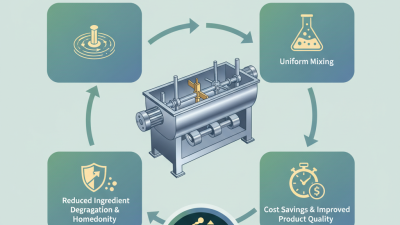
When considering the efficiency of mixing solutions, China's single shaft paddle mixers stand out significantly. Recent data indicates that these mixers achieve a homogeneity level of over 90% in just five minutes. This impressive efficiency is crucial in sectors like food processing and pharmaceuticals, where uniform mixing is essential. Additionally, these mixers often consume up to 20% less energy compared to traditional mixers. Such performance metrics underscore the evolving technology behind these machines.
Material quality and design play a vital role in mixing efficiency. Advanced paddle designs allow for optimal flow and minimize dead zones. This ensures that all materials are incorporated evenly. However, not every design reaches its potential. Some mixers may struggle with specific viscosities, leading to insufficient mixing. Flexibility in design is key. Reports suggest that certain manufacturers are exploring customizable options to address specific industry needs.
Furthermore, operating conditions can impact performance. For instance, high temperatures can influence the mixing process and efficiency. Industry experts highlight the need for proper maintenance and regular inspections to maintain optimum performance levels. Potential users should consider certifications like the CE Certification Single Shaft Paddle Mixer to ensure they are investing in reliable and compliant machinery that meets international standards.
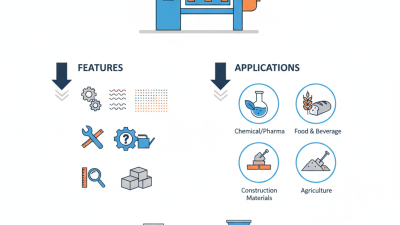
Applications of Single Shaft Paddle Mixers Across Various Sectors
Single shaft paddle mixers have gained momentum across various industries due to their efficiency in processing materials. These mixers are specially designed to handle different types of bulk solids, slurries, and fluids. In the food industry, for example, they are instrumental in mixing dry ingredients efficiently. According to a recent report, this sector has seen a 30% increase in demand for advanced mixing solutions.
In the construction sector, single shaft paddle mixers play a crucial role in blending cement with additives. Their capacity to mix large quantities uniformly can significantly improve product quality. Industry insights reveal that effective mixing can enhance the strength and durability of concrete, resulting in longer-lasting structures. These mixers have shown to improve production efficiency by 20% or more, allowing manufacturers to meet rising market demands.
Despite their advantages, some challenges remain. The design of paddle mixers can lead to material buildup in certain configurations. This can affect the mixing process and lead to inconsistencies. Operators must regularly assess the setup to ensure optimal performance. Regular maintenance and monitoring are essential for maximizing efficiency and minimizing downtime.
Comparative Analysis: Paddle Mixers vs. Other Mixing Technologies
Paddle mixers have gained popularity for a reason. They provide a consistent and efficient way to blend various materials. Their design helps in achieving uniform mixing. However, it’s essential to compare their effectiveness against other mixing technologies. A deeper understanding can guide users in making informed decisions.
Single Shaft Mixer is particularly stand out in industries that require bulk mixing. They deliver quick results, allowing for high throughput. Unlike some other technologies, their maintenance is generally straightforward. However, there are scenarios where they may fall short. For instance, in cases requiring gentle handling of delicate materials, alternative mixing solutions might be more suitable.
The choice of mixer often boils down to specific needs. While paddle mixers excel in speed and efficiency, the risk of over-mixing exists. This can lead to undesirable alterations in the product quality. Reliability is key in any mixing operation. Users must weigh the pros and cons of each mixing technology. A comprehensive analysis leads to better business outcomes.
Market Trends: Demand and Growth of Paddle Mixers in China
The demand for paddle mixers in China has seen remarkable growth in recent years. A report by ResearchAndMarkets estimates that the market for these mixing solutions will expand by over 7% annually until 2026. Industries such as food processing, chemicals, and pharmaceuticals drive this demand. The efficiency and versatility of single shaft paddle mixers make them a preferred choice.
Manufacturers are responding to the need for advanced mixing solutions. Additionally, the Single Mixer Machine offers consistent and thorough mixing, which enhances product quality. An industry analysis indicates that paddle mixers help reduce mixing time by up to 30% compared to traditional methods. However, challenges remain. Many manufacturers struggle with maintaining energy efficiency and minimizing operational costs.
Moreover, the rigid compliance to safety and quality standards often complicates the adoption of these machines. As the market evolves, staying updated with technology and user feedback becomes crucial. This approach can lead to innovative designs and improved functionality. Overall, in a competitive landscape, attention to detail and adaptability will determine success.
Case Studies: Successful Implementation of Paddle Mixers in Industries
Efficient mixing solutions are vital in various industries. Paddle mixers stand out for their effectiveness in blending different materials. A notable case is in the agricultural sector, where these mixers enhance the uniformity of feed products. Farmers reported consistent quality in animal feed. However, achieving this uniformity requires ongoing monitoring and adjustments, as each batch may have varying characteristics.
In the construction industry, paddle mixers have improved the consistency of concrete mixtures. Successful implementations demonstrated that mixing time and speed are crucial in achieving the desired texture. One construction site faced challenges when mixtures were inconsistent. After careful analysis, they adjusted the mixing duration to achieve better results. This adjustment led to a reduction in material waste and improved structural integrity.
Food processing also benefits from paddle mixers. A factory experienced challenges when scaling up production. Initially, the mixing was inadequate, leading to uneven flavor distribution. After upgrading their equipment and examining their mixing times, they achieved a balanced product. This process taught them the importance of adaptability in production methods. Through these cases, we see the real impact and limitations of paddle mixers in enhancing efficiency and quality.
Optimizing Industrial Processes with the High-Performance Conical Screw Belt Mixer
The optimization of industrial processes is crucial for enhancing efficiency and productivity, and one of the key components in this endeavor is the effective mixing of materials. The High-Performance Conical Screw Belt Mixer stands out as an innovative solution that achieves superb mixing results. With its unique structure combining both screw and belt technologies, it allows for precise control over the mixing process, ensuring uniformity and consistency in the end product.
This advanced mixing system is designed with high-performance capabilities, integrating features inspired by leading mixer manufacturers from Europe and the United States. The conical screw design promotes effective turbulence and shear, which are essential for breaking up clumps and facilitating even distribution of ingredients. The belt mechanism supports continuous operation, accommodating a wide range of materials and mixtures, which is particularly beneficial in large-scale industrial settings.
By utilizing this state-of-the-art mixer, companies can not only streamline their manufacturing processes but also achieve significant improvements in product quality. The combination of efficiency and versatility makes the High-Performance Conical Screw Belt Mixer a vital asset for industries aiming to optimize their operations and meet the demands of a competitive market.
FAQS
: They are popular in food, chemical, and construction industries. They provide efficient mixing solutions for various materials.
Some users encounter operational complexities leading to inconsistent mixes. Effective training is necessary to mitigate this.
Regular maintenance is crucial. Neglect can cause downtime and affect overall production efficiency significantly.
Proper calibration ensures the mixer operates effectively. This step is vital to achieve the best mixing results.
Farmers noticed improved uniformity in animal feed. However, they needed to monitor and adjust the process constantly.
They enhance consistency in concrete blends. Adjusting mixing time can significantly improve texture and reduce waste.
They realized scaling up production requires careful monitoring of mixing times. Adaptability improves flavor distribution in products.
While they offer advantages, their effectiveness can vary. User experience and equipment adjustments play a critical role.
It's essential for achieving optimal mixing outcomes. Each material has unique properties that need consideration for best results.
Users should consider potential inconsistencies and necessary adjustments. Continuous evaluation can enhance mixing quality and process reliability.
Conclusion
The article provides an in-depth overview of China's leading Single Shaft Paddle Mixer, highlighting its key features and advantages within various industries. It emphasizes the efficiency metrics of these mixers, showcasing how they outperform traditional mixing technologies in terms of performance and energy consumption. The versatility of Single Shaft Paddle Mixers is evident as they find applications across multiple sectors, including food processing, construction, and chemical production.
Additionally, the article discusses market trends indicating a growing demand for Single Shaft Paddle Mixers in China, driven by the need for efficient and cost-effective mixing solutions. Through case studies, it illustrates successful implementations of these mixers, underscoring their role in enhancing operational efficiency and product quality in diverse industrial applications. This comprehensive analysis positions the Single Shaft Paddle Mixer as a vital tool for industries aiming to optimize their mixing processes.

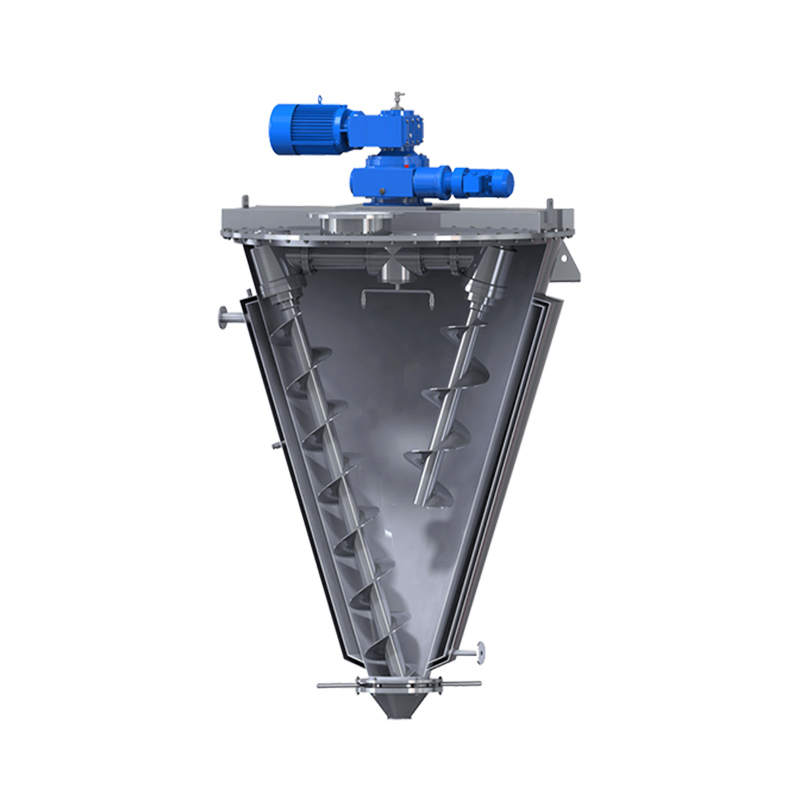 Conical Screw Mixer
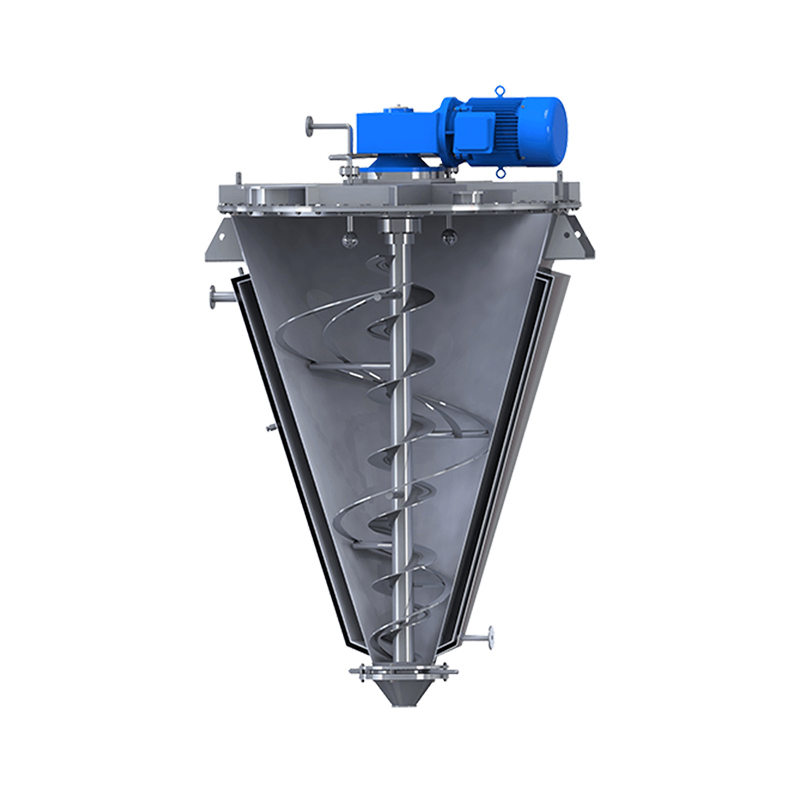 Conical Screw Belt Mixer
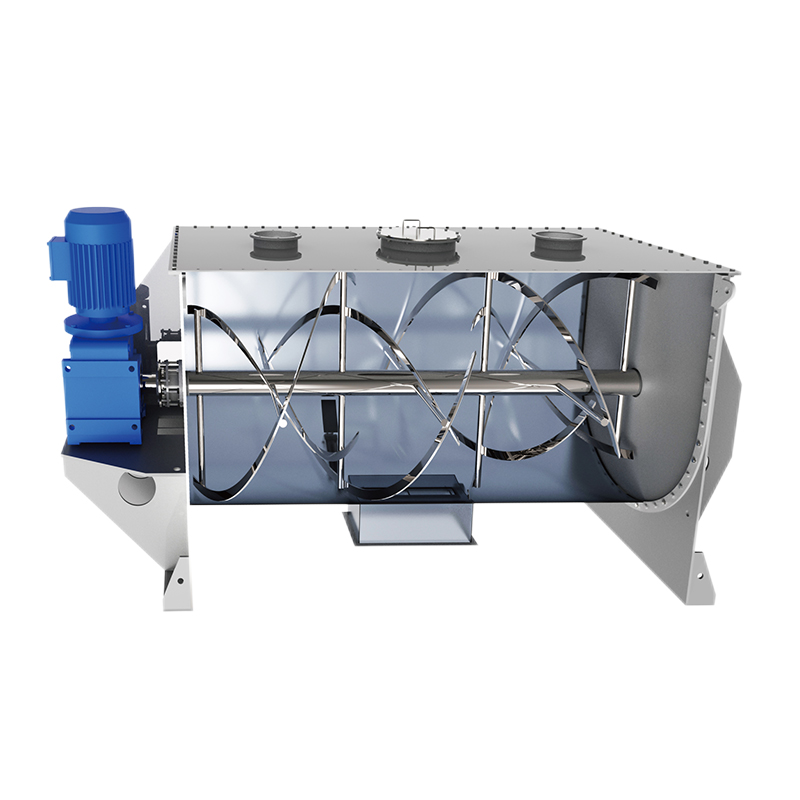 Ribbon Blender
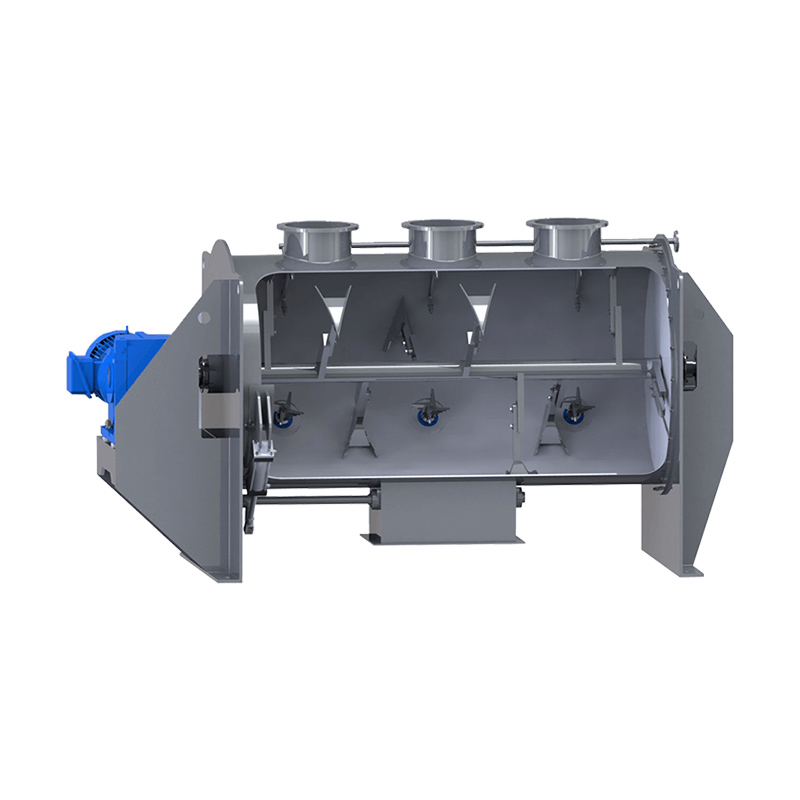 Plough-shear Mixer
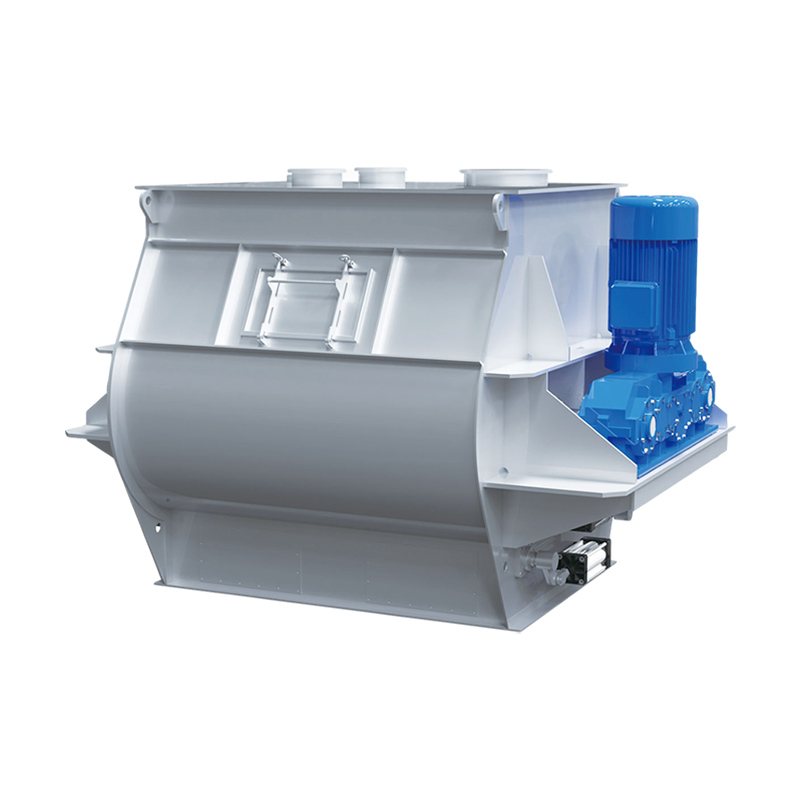 Double Shaft Paddle Mixer
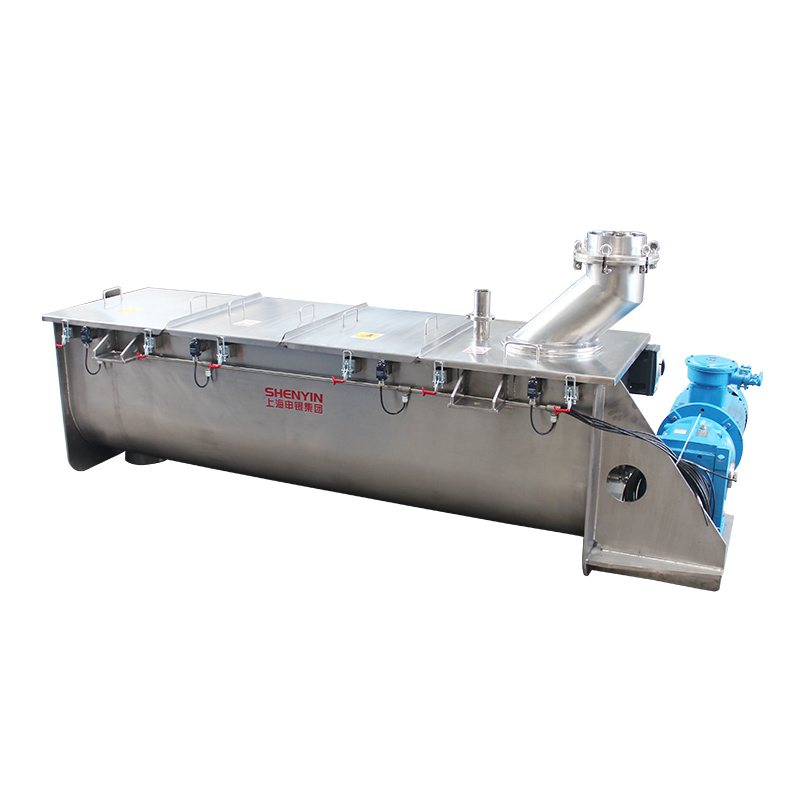 CM Series Mixer