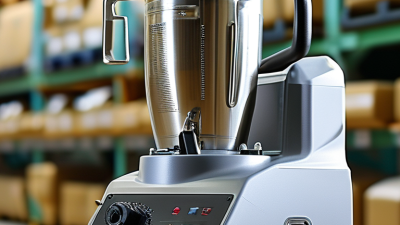
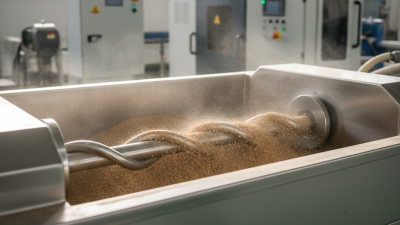
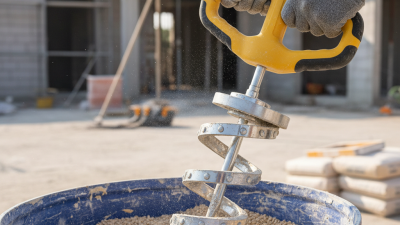
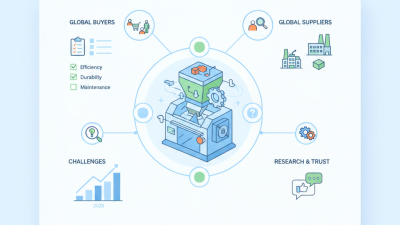
Picking out the right Mixing Machine can actually be trickier than it looks. The market’s full of all sorts of options, each built for different things, you know? So, it’s super important to really know what you need before you jump in. These machines are pretty much a must-have across a bunch of industries—think food, cosmetics, you name it. They help make sure everything’s mixed evenly and that the quality stays consistent.
When you’re choosing one, pay attention to what materials you’ll be working with. Some machines handle solids, others are better for liquids or powders—so it’s a good idea to check out the specs. Speed’s important, sure, but don’t forget about precision either. Sometimes, it’s a trade-off, and you gotta figure out what’s more important for your work.
A lot of folks overlook the practical stuff, like how easy it is to maintain or operate. Sure, a fancy, high-tech machine looks cool, but if it’s a pain to keep running, it’s probably not worth it in the long run. Also, think about your crew’s skill set. If your team isn’t super tech-savvy, a straightforward, user-friendly machine might actually save you headaches. Basically, finding that sweet spot between performance and practicality is what really helps keep things running smoothly and efficiently.
What is a Mixing Machine?
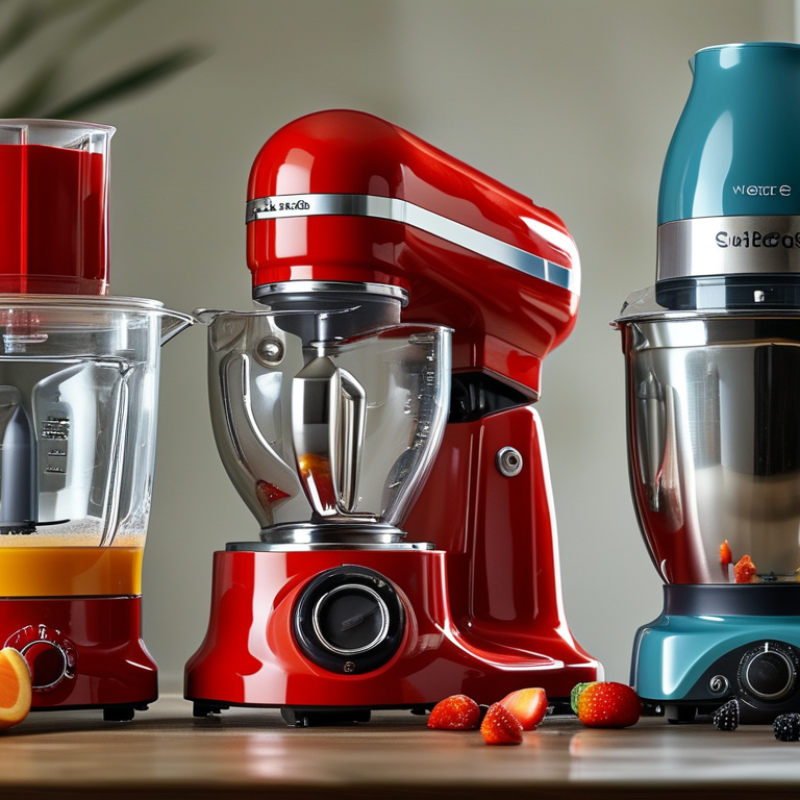
A mixing machine is essential in many industries. It combines various materials to create a homogeneous product. These machines can mix powders, liquids, and granules effectively. They come in different types and sizes, each designed for specific applications. This diversity can make choosing the right one a challenge.
Mixing machines generally fall into two categories: Batch Mixing And Continuous Mixing. Batch mixing involves processing a set amount of materials at a time. It allows for flexibility in formulations but can be time-consuming. Continuous mixing, on the other hand, feeds materials continuously, producing a steady output. This method is efficient for large-scale operations.
When selecting a mixing machine, consider the type of materials you'll be using. Some machines work better with dense powders, while others excel with liquids. Speed, capacity, and maintenance requirements also play critical roles. An unsuitable choice may lead to inefficiencies, increasing costs and delivery times. Reflect on your production needs and choose wisely.
Types of Mixing Machines Available in the Market
Mixing machines come in various types, each designed for specific applications. Common types include ribbon blenders, paddle mixers, and drum mixers. Ribbon blenders are often used for dry ingredients. They excel in achieving a homogeneous mix, making them popular in the food, chemical, and pharmaceutical industries. Paddle mixers, on the other hand, are suited for both wet and dry mixing. Their design allows for Gentle Mixing, which is ideal for delicate ingredients, as noted by the American Institute of Chemical Engineers.
According to a recent market report, the global mixing equipment market is expected to grow at a CAGR of 4.5% from 2022 to 2027. This growth is fueled by advancements in automation technology and increasing demand in industries like food and beverages. Drum mixers serve another niche, efficiently mixing liquids and viscous materials. Their straightforward design allows for easy cleanup, a feature often overlooked.
Selecting the right mixing machine requires careful consideration. It's essential to match the mixer type to your specific material properties and production volume. For instance, a high-viscosity blend may not fare well in a ribbon blender but could perform beautifully in a paddle mixer. Users need to be aware of the potential for uneven mixing if the equipment is not suited for the specific application. It's a common misstep that can lead to product inconsistency.
Key Features to Consider When Choosing a Mixing Machine
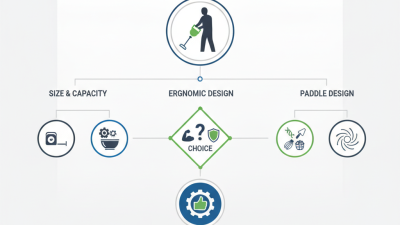
When selecting a mixing machine, understanding key features is crucial. A powerful motor enhances performance, ensuring thorough blending of various materials. Look for adjustable speed settings, which allow customization based on the mixture's thickness. Controlling the speed can prevent over-mixing or under-mixing, which can affect the final product's quality.
Another important factor is the mixing capacity. Determine the volume you need to process and choose a machine that meets these requirements. Too small a capacity could lead to batch delays. Ease of cleaning is also vital. Machines with removable parts simplify maintenance, ensuring hygiene and readiness for the next use.
Consider the design and durability of the mixing machine. Sturdy construction can withstand regular use, while an ergonomic design aids in operation. However, some machines may appear robust but could be difficult to operate. It's essential to weigh these aspects carefully. Additionally, always reflect on the specific needs of your project. A well-suited Mixture Machine can dramatically enhance efficiency and consistency.
Applications of Mixing Machines Across Various Industries
Mixing Machines are essential in various industries, playing a vital role in manufacturing processes. The food and beverage sector relies heavily on these machines for blending ingredients. For example, they mix dough for bread production or combine spices for sauces. In pharmaceuticals, mixing machines ensure that powdered ingredients are evenly distributed, which is crucial for dosage accuracy. This meticulous blending improves product quality and consistency.
In the construction industry, mixing machines are used to combine cement, sand, and other materials for concrete production. The accuracy of these mixtures affects the strength and durability of the final product. Additionally, in the cosmetic industry, mixing machines blend oils, fragrances, and other components to create creams and lotions. The right blending technique is critical, as improper mixing can lead to inconsistencies that affect both texture and performance.
Choosing the right mixing machine involves understanding specific industry needs. Different applications require various types of mixers, from high-shear machines for emulsions to paddle mixers for bulk solids. Each machine has its own strengths and weaknesses. Companies often overlook machine maintenance, which can lead to inefficiencies. Regular checks are necessary to maintain equipment performance. Mixing machines play a crucial role but selecting one requires careful consideration of industry dynamics.
Factors That Affect the Performance of Mixing Machines
When choosing a mixing machine, several factors can significantly impact performance. One critical element is the type of materials being mixed. Various materials have different densities and viscosities, which influence mixing efficiency. A report by the International Society of Automation (ISA) suggests that improper mixing can lead to product inconsistencies, costing businesses up to 30% in wasted raw materials.
The machine's design also plays a vital role. For instance, paddle mixers are ideal for bulk materials, but they may not perform well with liquids. Conversely, high-shear mixers can effectively blend liquids but might not handle solids efficiently. According to a study from the American Society of Mechanical Engineers (ASME), selecting the right mixer type can increase productivity by 25%.
Consider the operational speed. High-speed mixers can offer quick results but may generate heat, affecting sensitive ingredients. It’s essential to balance speed with the product's stability. Some designs allow for adjustable speeds, providing flexibility for various applications.
Mixing machines must also be easy to clean. Caked-on residue can alter the product. Regular maintenance helps, yet it can be a challenge. Many facilities struggle with downtime during cleaning processes.
Selecting the right mixing machine reflects a deep understanding of your needs. Doing thorough research can prevent costly mistakes. Always involve your technical team in the decision-making process. They can provide insights that influence performance greatly.
Maintenance Tips for Ensuring Longevity of Mixing Machines
Mixing machines play a crucial role in various industries, from food production to pharmaceuticals. To ensure their longevity, regular maintenance is essential. According to industry reports, up to 70% of mixing machine failures stem from inadequate upkeep. Simple steps can prevent costly breakdowns.
Regular inspections are vital. Check for wear and tear on blades and seals. Lubrication of moving parts reduces friction and prolongs lifespan. In a survey, 40% of industry professionals acknowledged neglecting routine check-ups. This oversight can lead to decreased efficiency and higher energy costs.
Software updates for automated mixing machines are also essential. Outdated software can affect performance and safety. Ensure your team is trained to recognize signs of malfunction. Awareness can prevent severe disruptions. Industry stats reveal that proactive maintenance can increase equipment lifespan by 30%. Monitoring vital metrics helps in identifying issues early, saving both time and costs. Proper servicing enhances productivity and ensures consistent product quality.
What is a Mixing Machine and How to Choose the Right One? - Maintenance Tips for Ensuring Longevity of Mixing Machines
| Feature | Description | Maintenance Tips |
| Type of Mixing Machine | Different machines are designed for specific mixing tasks, such as paddle mixers, ribbon mixers, or colloid mills. | Regularly clean the machine after use to prevent cross-contamination and buildup. |
| Capacity | Machines come in various capacities, typically ranging from small-scale units (5-10 kg) to large industrial machines (over 1000 kg). | Choose a machine capacity suitable for your production scale to avoid overloading. |
| Power Source | Mixing machines can operate on electric, pneumatic, or hydraulic power sources. | Ensure regular inspection of the power source components to maintain functionality. |
| Material Construction | Common materials include stainless steel for its durability and resistance to corrosion. | Check for wear and tear on parts, particularly if working with abrasive materials. |
| Speed Control | The ability to adjust the mixing speed can affect texture and consistency. | Calibrate speed settings regularly to match the required mixing process. |
Cost Considerations and Budgeting for a Mixing Machine
When considering a Food Mixing Machine, budgeting becomes essential. The initial cost often grabs attention. However, don’t overlook ongoing expenses. Maintenance and energy costs can add up. It’s crucial to factor these into your budget from the start. A cheaper machine may seem appealing, but can lead to higher long-term costs if not durable.
Assessing productivity is equally important. How often will you use your Food Mixing Machine? High-volume operations might require a more robust model. This could result in higher upfront costs, but it may be worth the investment. Reflect on your production needs to avoid overpaying or under-investing.
Don’t forget to consider features. Some machines come with advanced capabilities. These could enhance efficiency but increase cost. Balance your needs and budget. It’s wise to seek expert advice. Trying to save money is common, but compromising quality can be a costly mistake. Always question if a lower price is truly a better deal.
Cost Comparison of Different Types of Mixing Machines
FAQS
: Key features include motor power, adjustable speeds, and mixing capacity. Think about what fits your needs best.
Adjustable speed prevents over-mixing or under-mixing. This control affects the final product’s quality significantly.
Capacity matters a lot. A too-small machine leads to batch delays and inefficient processing.
Regular inspections, lubrication of parts, and software updates are crucial for longevity and performance.
Many neglect routine checks. This can result in poor efficiency and increased energy costs in the long run.
Consider initial costs along with ongoing maintenance and energy expenses. A cheaper machine could lead to higher future costs.
Assess how often you will use the machine. This helps avoid overpaying or under-investing based on your needs.
Advanced features can boost efficiency but may raise costs. Balance your operational needs with your budget carefully.
Proactive maintenance can enhance productivity by 30%. Early problem identification saves time and costs.
Yes, expert advice can help balance needs and budget. Compromising quality for savings often leads to costly mistakes.
Conclusion
A Mixing Machine is a versatile piece of equipment used in various industries to combine materials efficiently. These machines come in several types, including paddle mixers, drum mixers, and ribbon blenders, each serving distinct purposes based on the materials being processed. When selecting a Mixing Machine, it's essential to consider key features such as capacity, mixing speed, and ease of maintenance, as these can significantly affect performance. Additionally, understanding the specific applications of mixing machines across sectors like food, pharmaceuticals, and construction can guide users to choose the right model for their needs.
To ensure the longevity and efficiency of Mixing Machines, regular maintenance is crucial. Factors like the quality of components and the operational environment can influence a machine's effectiveness and lifespan. Therefore, planning for these aspects, alongside budgeting for acquisition and upkeep costs, is vital for maximizing the return on investment.

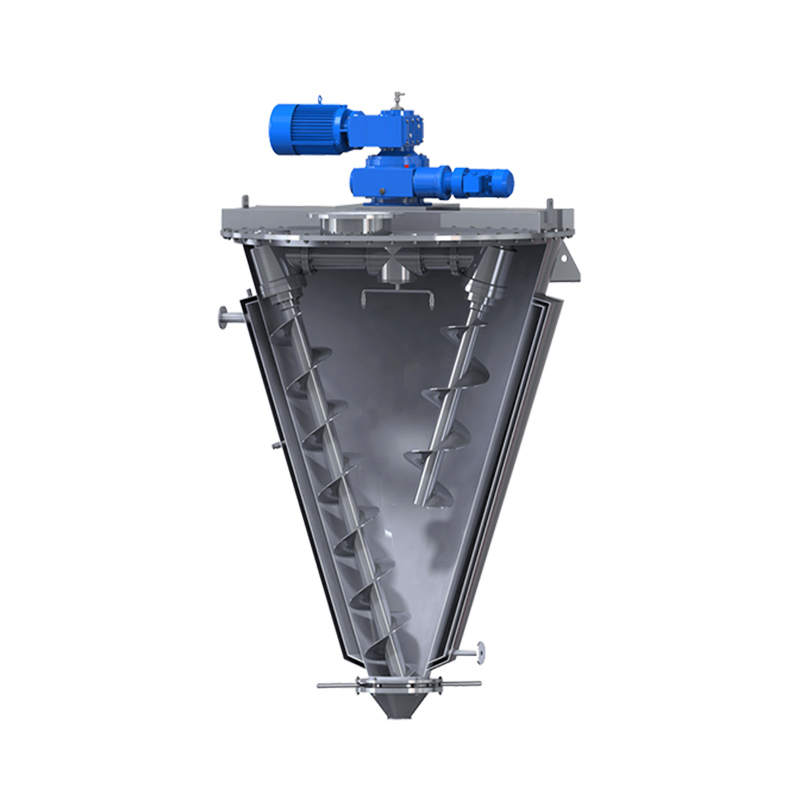 Conical Screw Mixer
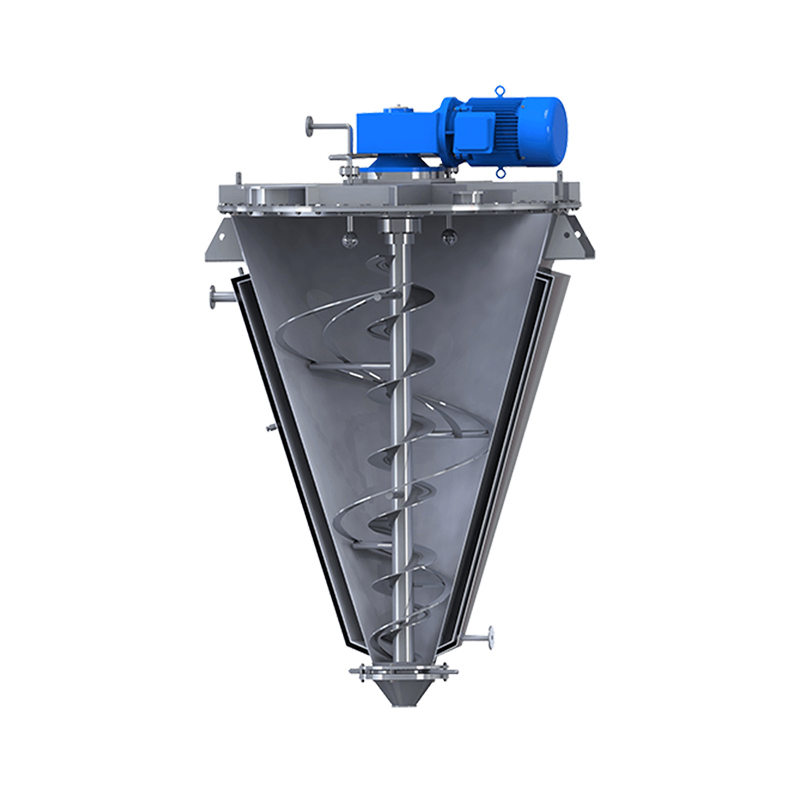 Conical Screw Belt Mixer
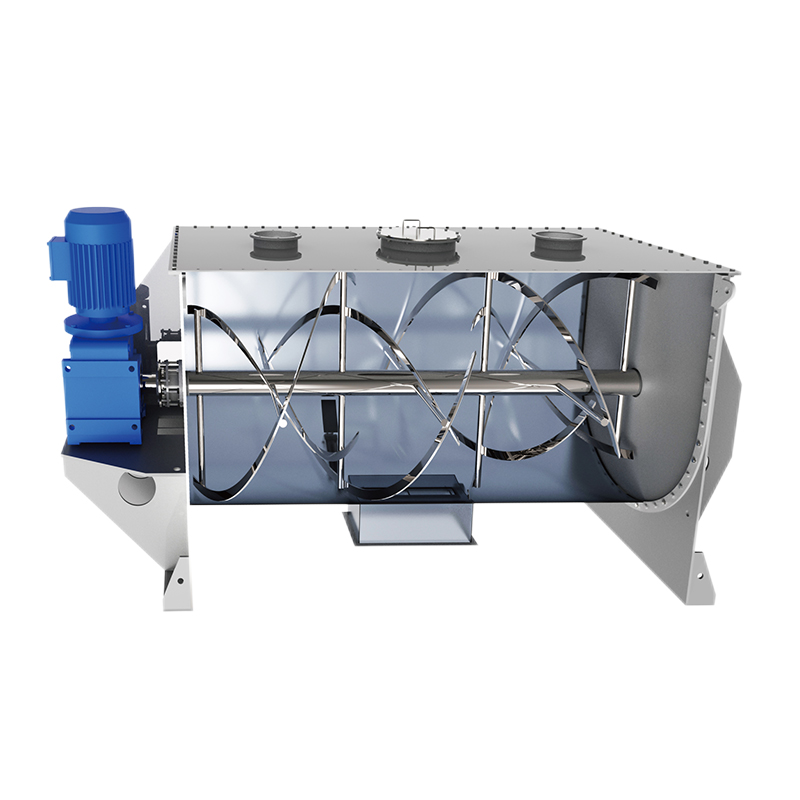 Ribbon Blender
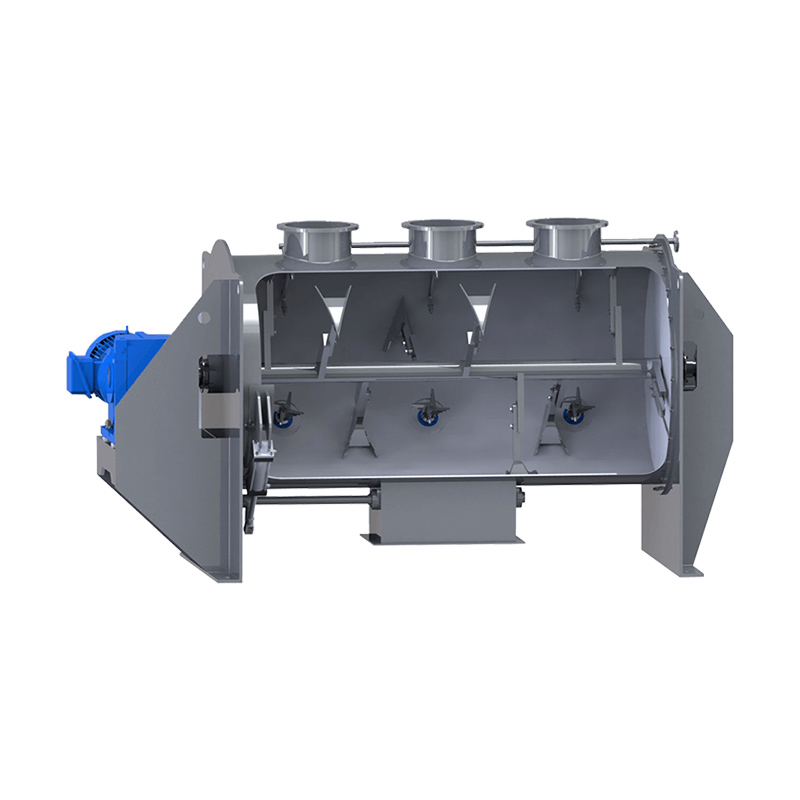 Plough-shear Mixer
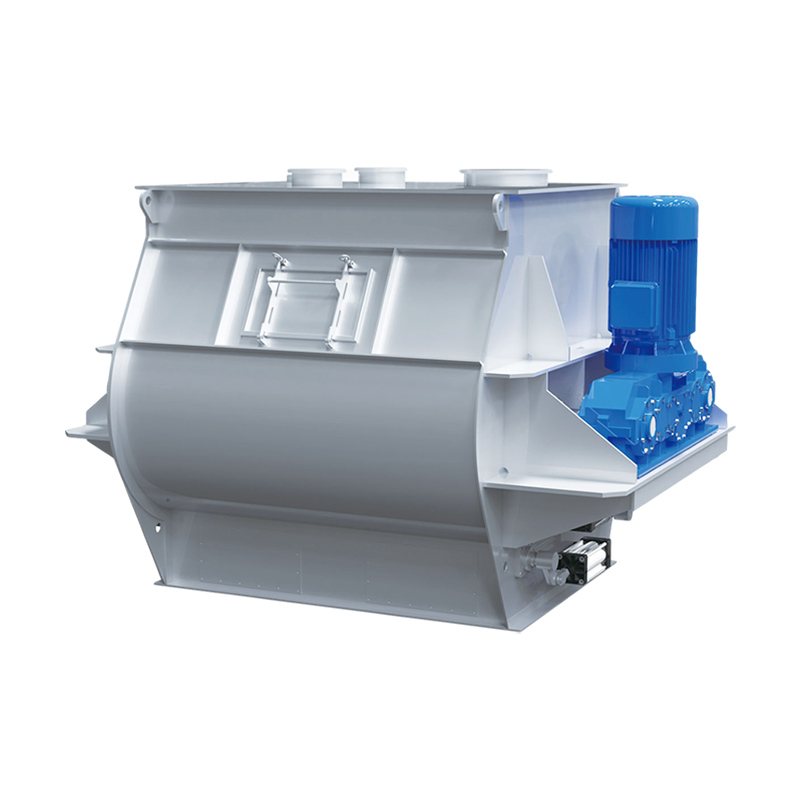 Double Shaft Paddle Mixer
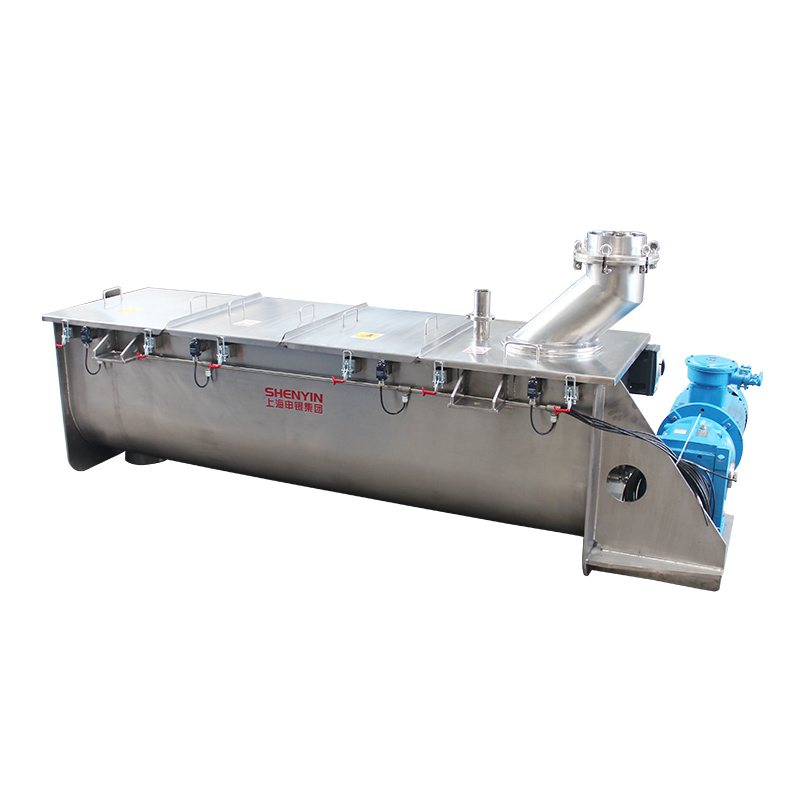 CM Series Mixer