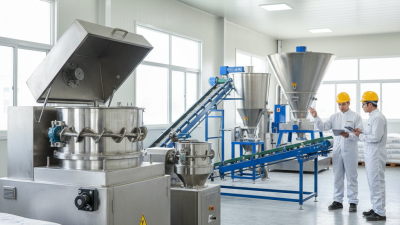
In today’s really fast-moving market, picking out the right Powder Mixer Machineis more important than ever for businesses around the globe. As industries keep changing and growing, the need for efficient, dependable Mixing Equipment just keeps getting bigger. So, staying up-to-date with the latest tech and innovations is kinda essential for anyone in the game.
That said, wading through all those options out there can be pretty overwhelming. Not all Powder Mixer Machines are created equal — some might seem great on paper but falter under heavy use or over time. It’s crucial to look at things like capacity, how fast they mix, and how easy they are to operate. After all, a machine might look efficient, but if it can’t handle the workload, it’s not worth it.
Brands like Schold, Paderno, and Vortex are often seen as top-tier because of their innovative designs and good quality. But even the big names aren’t perfect. It's a smart move to do your homework — read reviews, ask around, or think back on past experiences to guide your choice. Remember, investing in the right Powder Mixer Machine isn’t just about saving a few bucks; it’s about laying a solid foundation for your business’s success.
Overview of Powder Mixer Machines: Types and Technologies
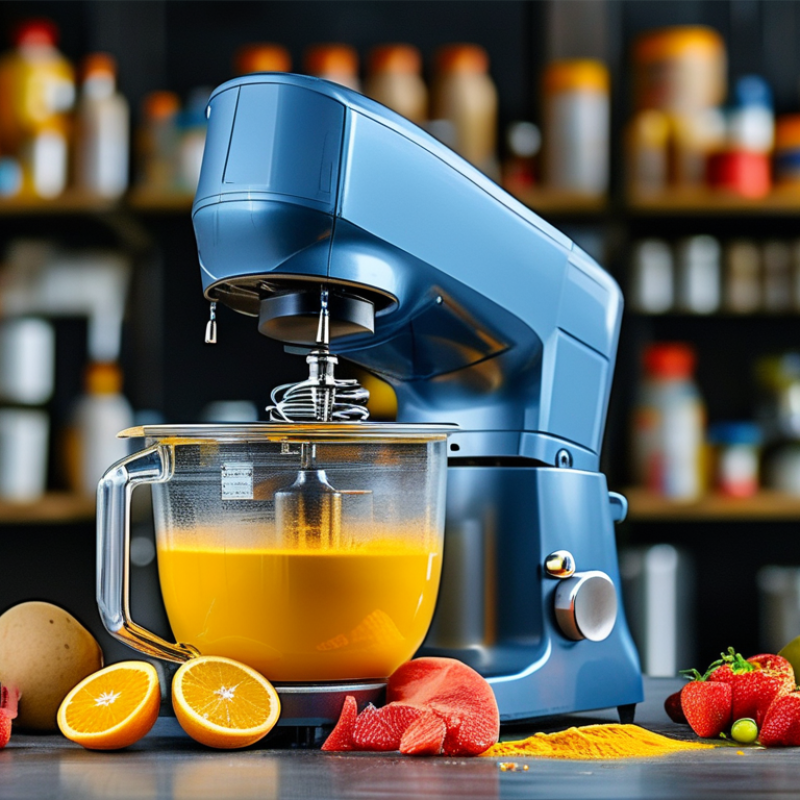
In the world of powder mixing, various types of machines cater to diverse needs. Basic categories include ribbon blenders, viscous mixers, and high-shear mixers. Ribbon blenders are widely used for solid-solid mixing. They are efficient and cost-effective. Meanwhile, high-shear mixers excel in combining powders with liquids. This versatile technology ensures a homogenous mixture, vital in industries like pharmaceuticals and food.
Recent industry reports indicate significant market growth. The global powder mixer market is projected to reach $1.2 billion by 2026. Factors driving this growth include increasing demand for fine powders and innovations in processing technologies. However, there are challenges. Not all machines perform well with varying powder characteristics. Users must consider bulk density and particle size to avoid mixing inefficiencies.
Technological advancements add another layer of complexity. Automated systems offer precise control over mixing parameters. Yet, the integration of such technology requires adequate training. Misuse can lead to subpar results. Industry professionals emphasize the importance of understanding not just the machines, but also the materials being processed. Awareness of these issues can significantly enhance the mixing process's reliability and efficiency.
Best Powder Mixer Machines for Global Buyers in 2026
Key Features to Look for in a Powder Mixer Machine
When choosing a powder mixer machine, several key features demand attention. First, consider the mixing capacity. A suitable mixer should handle your specific volume without compromising efficiency. Look for machines that offer a range of batch sizes. This flexibility allows adaptation to various projects and reduces downtime.
Another critical aspect is the mixing speed. A machine that can adjust speeds enhances the uniformity of the mix. Some materials require gentle mixing, while others benefit from aggressive agitation. Also, pay attention to the design features. A well-designed mixer will include a discharge system that prevents clogs and ensures a smooth flow of the final product.
Additionally, ease of cleaning cannot be overlooked. A mixer with a removable design simplifies maintenance. Complex machines may lead to residue buildup, affecting performance. Finally, consider safety features such as emergency stops and overload protection. These elements enhance reliability and protect both the machine and its operators. Remember, investing in a high-quality mixer pays off in consistent results and operational efficiency.
Best Powder Mixer Machine for Global Buyers in 2026? - Key Features to Look for in a Powder Mixer Machine
| Feature | Importance | Value Range | Typical Applications |
| Mixing Speed Control | Allows customization for different materials | Variable (e.g., 40-100 RPM) | Pharmaceuticals, Food Processing |
| Material Construction | Affects durability and material compatibility | Stainless Steel, Food Grade Materials | Cosmetics, Chemicals |
| Capacity | Determines production scale | 10 to 1000 liters | Batch Production, Bulk Mixing |
| Mixing Technology | Impact on mixing efficiency | Planetary, Ribbon, V-Blender | Powder Coatings, Detergents |
| Ease of Cleaning | Essential for food and pharma industries | Automatic Cleaning System | Food, Pharmaceuticals |
Top Manufacturers of Powder Mixer Machines in 2026
The global powder mixer machine market in 2026 promises exciting innovations and reliable options. Companies are expected to focus on enhancing efficiency and user-friendliness. This will benefit industries like food processing, pharmaceuticals, and cosmetics, where consistent product quality is essential. A well-designed Milk Powder Mixer Machine plays a crucial role in achieving uniform mixtures. This uniformity ensures that the final product meets product specifications.
Different manufacturers will showcase unique designs and technologies. Potential buyers should carefully assess each model's features. Consider factors like mixing speed, capacity, and ease of cleaning. Some machines may look sleek but could lack efficiency. Understanding the true performance metrics is vital for making an informed decision.
When selecting a machine, examine the manufacturer's reputation. Previous user experiences can provide valuable insight. Always check for certifications and industry standards, as this reflects the company’s commitment to quality. Investing time in research will pay off significantly. A cost-effective Milk Powder Mixer Machine can elevate production quality without exceeding budget constraints. Each choice can impact overall production efficacy. Be mindful of the long-term benefits versus upfront costs.
Comparative Analysis: Performance and Efficiency of Leading Models
When selecting a powder mixer machine, performance and efficiency are key considerations. Leading models vary significantly in their mixing capabilities. A high-quality machine can blend fine powders evenly, ensuring a consistent product. In contrast, some models struggle with homogeneous mixing. These machines often require more time and adjustment. Users may find that investing in a reliable model saves time in the long run.
The efficiency of the Small Powder Mixer Machine is worth examining. Some machines operate at higher speeds, potentially increasing productivity. However, high speed isn't always better. Over-mixing can damage certain powders. Additionally, energy consumption varies widely. Machines that consume less energy while maintaining performance can be more effective. Also, maintenance needs differ between models. Some require regular servicing, while others are designed for durability.
User reviews often highlight these differences. Some buyers appreciate the compact design of the Small Powder Mixer Machine. Others feel that larger models offer better performance for industrial use. It's crucial to assess your specific needs. Balancing cost and effectiveness can also be challenging. Many users reflect on their experiences before making decisions, indicating a growing awareness of these factors in the industry.
Market Trends Influencing Powder Mixer Machine Purchases
The powder mixer machine market is evolving rapidly, driven by several key trends. Growing food safety standards and the demand for consistent product quality compel manufacturers to invest in modern mixers. As consumers become more health-conscious, the need for efficient blending of ingredients has escalated. Buyers are now looking for machines that can handle diverse powder types while ensuring uniformity.
Increased automation is another notable trend. Companies are seeking equipment that minimizes human error and reduces production time. This shift toward automation also elevates the need for machines that require minimal maintenance. Many operations prefer equipment that integrates seamlessly into existing setups.
Buyers should consider performance metrics like mixing efficacy when choosing a Detergent Powder Mixer Machine. A thorough assessment could save time and costs in the long run. Experimenting with different mixers in small batches might reveal unexpected insights. Prioritizing machines with reliable after-sales support can further enhance operational efficiency.
Buying Guide for Global Buyers: Considerations and Recommendations
When considering a powder mixer machine, it's vital to understand the specific requirements of your mixing process. Evaluate the materials you need to mix. Different powders have varied properties. A machine that performs well with one powder may not be suitable for another. Make a detailed list of the materials used in your production. This step is crucial.
Safety features are essential. The machine should have guards and emergency shut-offs. Your team’s safety must be a priority. Look for machines with user-friendly interfaces. Complicated controls can lead to errors, impacting production. You want a machine that offers reliability without a steep learning curve.
Think about the maintenance needs of the Mixer Machine For Detergent Powder. Some machines require specialized servicing. Others are easier to maintain. Cost matters too. Initially low prices may lead to higher long-term costs due to repairs. Research user reviews to gauge reliability. Engage with professionals in the industry for insights. Their experiences can highlight potential pitfalls, helping you avoid future regrets. Your investment in a mixing machine is significant; make sure it's justified by thorough research.
Future Innovations and Developments in Powder Mixing Technology
In 2026, the powder mixing technology sector is set to witness groundbreaking innovations. Advances in automation and smart sensors will enhance mixing precision and efficiency. Automation reduces human error, ensuring uniformity across batches. Smart sensors will monitor parameters like humidity and temperature, optimizing the mixing process in real time.
Maintaining a focus on sustainability is essential. Energy-efficient machines will dominate the market, appealing to eco-conscious buyers. Materials will increasingly prioritize recyclability and minimal waste. However, transitioning to sustainable practices may prove challenging for some manufacturers. Balancing innovation with cost-effectiveness remains a vital consideration.
When selecting a powder mixer, consider the capacity needs. Assess your production volume to avoid investing in undersized machines. Regular equipment maintenance is crucial for optimal performance and longevity. Finally, keep an open line of communication with suppliers about emerging technologies. Observing industry trends will help refine your processes and maintain competitiveness.
Innovative Mixing Solutions: Analyzing the Benefits of High-Performance VJ Series Conical Screw Belt Mixers in Industry Applications
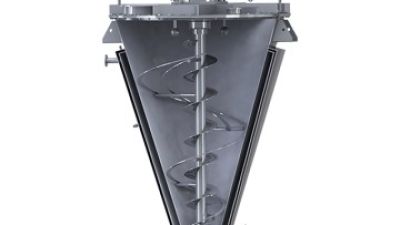
In the realm of industrial mixing, the VJ series conical screw belt mixer stands out for its innovative design and exceptional performance. Developed through collaboration with top engineers from renowned mixer manufacturers, this equipment utilizes a unique screw and screw belt structure that greatly enhances mixing efficiency. This state-of-the-art technology allows for uniform mixing of materials, ensuring consistency and quality in production processes across various industries.
The advantages of the VJ series mixer are particularly evident in its adaptability to different applications. Whether in the food processing, pharmaceuticals, or chemical manufacturing sectors, this mixer can cater to diverse material characteristics and mixing requirements. Its high-performance capabilities not only reduce processing times but also optimize resource utilization, making it a valuable asset for businesses aiming to improve productivity and reduce operational costs. By prioritizing quality and innovation, the VJ series mixer exemplifies the future of efficient mixing solutions in industrial applications.
FAQS
: Common types include ribbon blenders, viscous mixers, and high-shear mixers.
They are efficient and cost-effective for solid-solid mixing processes.
They effectively combine powders with liquids to create a homogenous mixture.
The market is projected to reach $1.2 billion by 2026 due to rising demand for fine powders.
Not all machines handle different powder characteristics well, leading to mixing inefficiencies.
Misusing machines can lead to inferior mixing results; knowing materials aids in better processing.
They offer precise control, but require training to avoid mistakes that compromise results.
Examine features like mixing speed, capacity, and ease of cleaning before making a decision.
Insights from previous users reveal machine performance, guiding choices for quality.
Understanding long-term benefits versus costs plays a crucial role in achieving production goals.
Conclusion
In 2026, the landscape of powder mixer machines is set to evolve with various advancements and trends influencing the market. This overview highlights the types and technologies of powder mixer machines, emphasizing key features that buyers should consider, such as mixing efficiency, capacity, and ease of maintenance. Leading manufacturers are developing innovative models that enhance performance and efficiency, making it crucial for global buyers to conduct a comparative analysis of available options.
Furthermore, market trends indicate a growing demand for versatile and energy-efficient machines, driven by industries seeking to optimize production processes. A comprehensive buying guide offers essential recommendations, helping buyers navigate considerations like budget, application, and technological compatibility. As we look to the future, ongoing innovations in powder mixing technology promise to further enhance the functionality and effectiveness of powder mixer machines, positioning them as vital assets for various sectors.

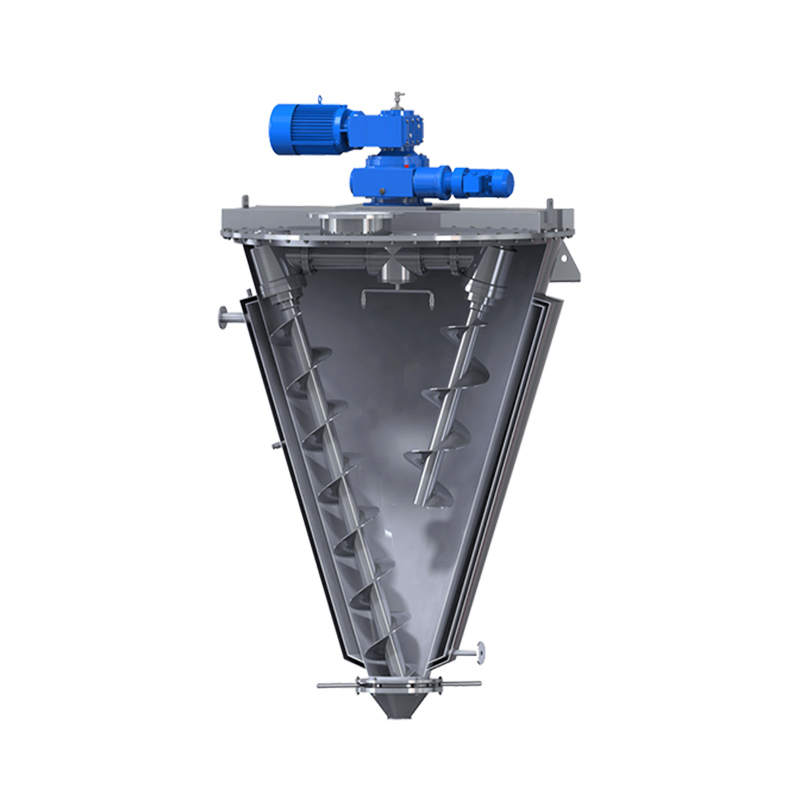 Conical Screw Mixer
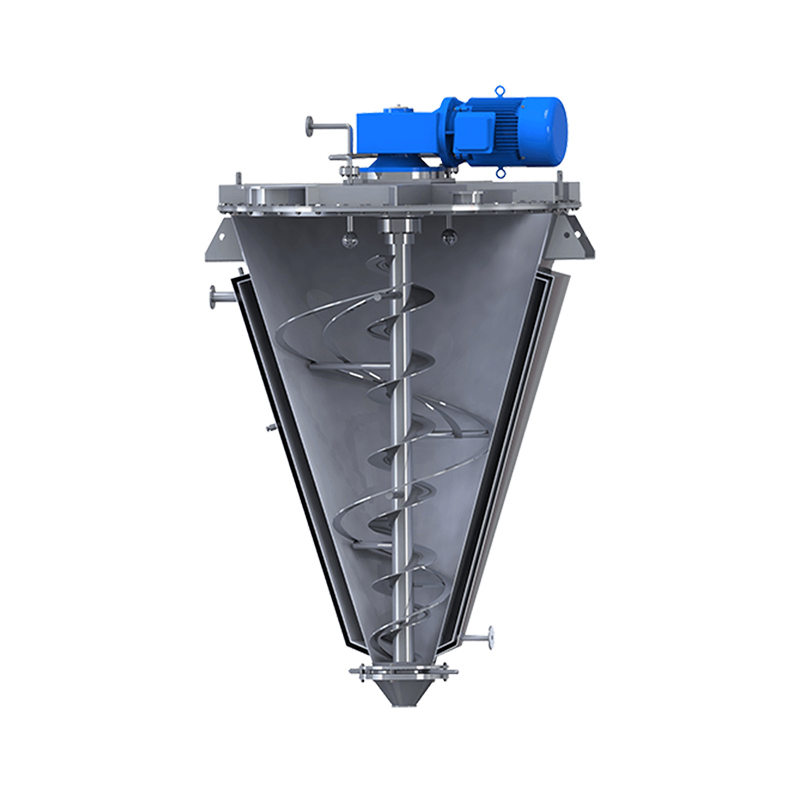 Conical Screw Belt Mixer
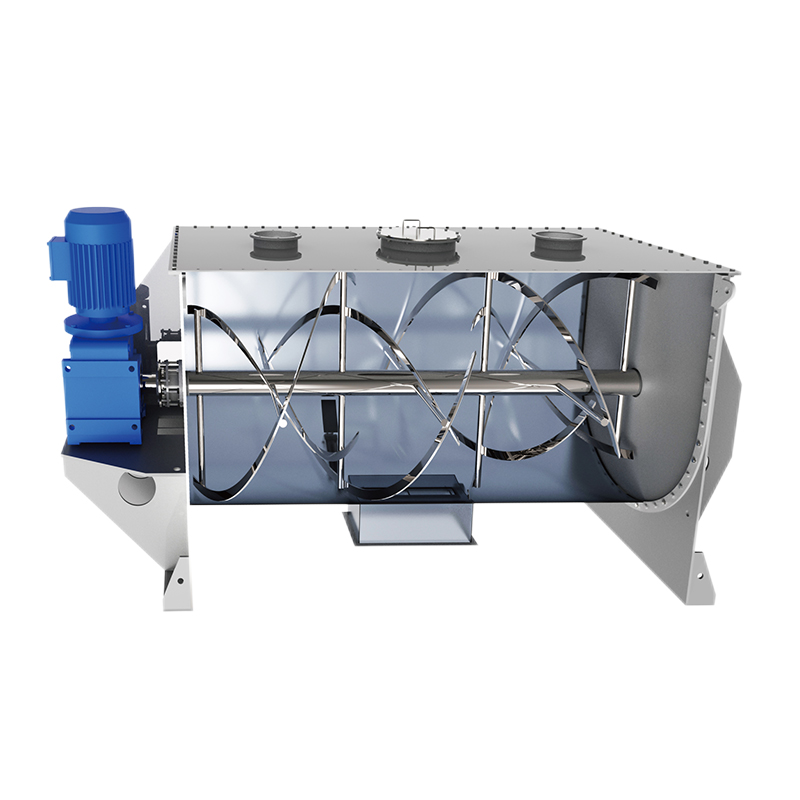 Ribbon Blender
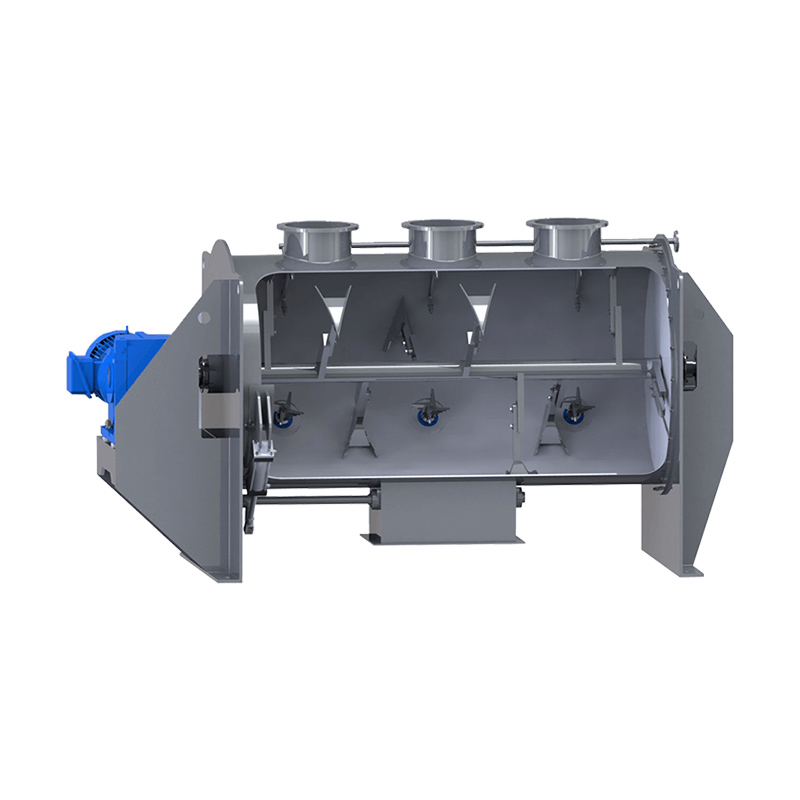 Plough-shear Mixer
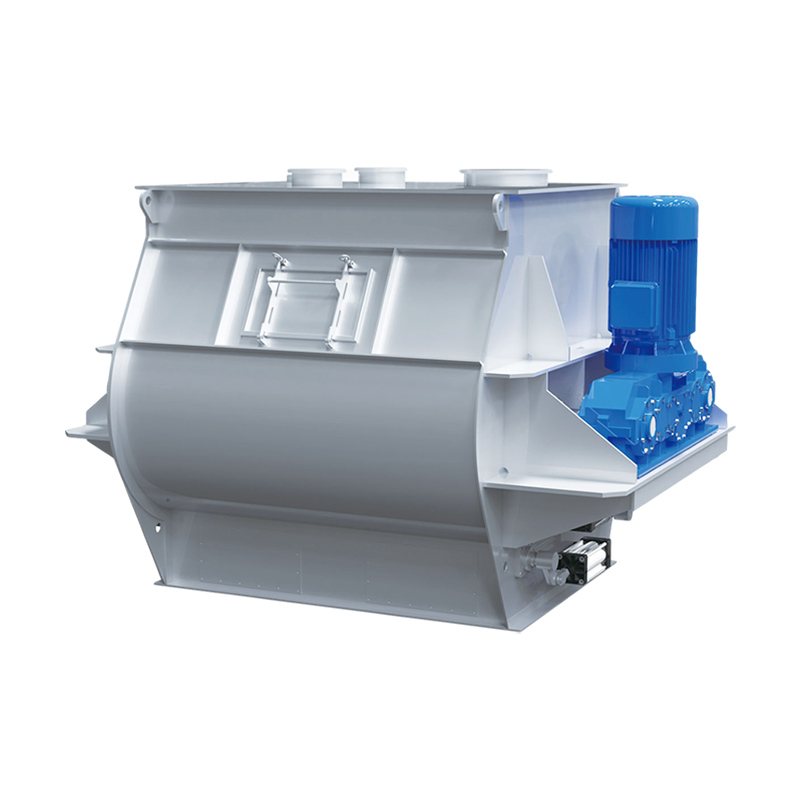 Double Shaft Paddle Mixer
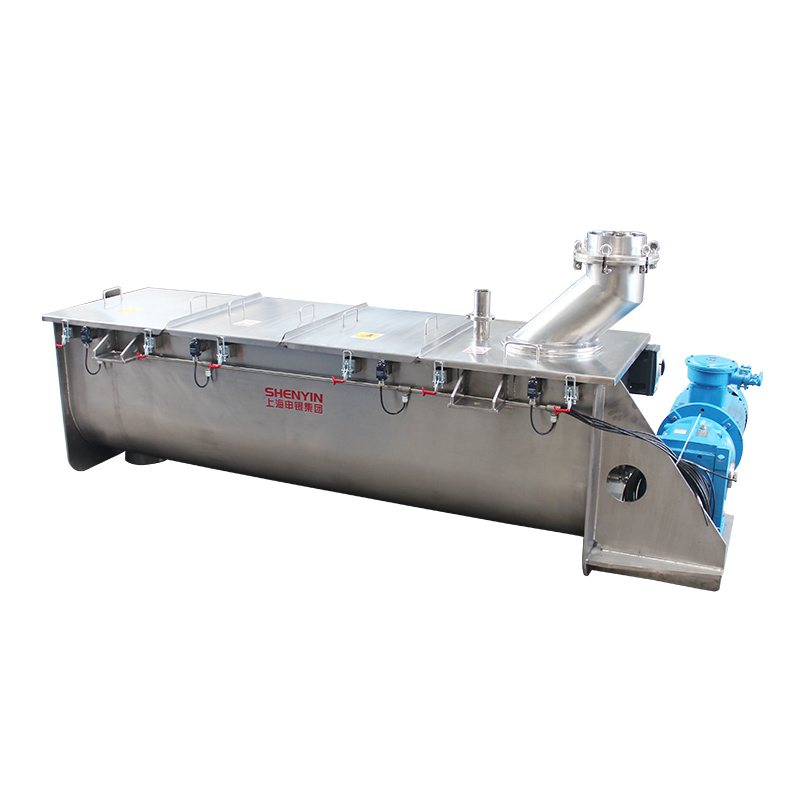 CM Series Mixer