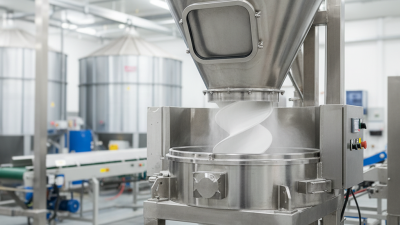
Picking the right Powder Mixer Machine is super important when you're setting up or running a production. A good mixer can really boost your efficiency and help you get those high-quality blends you're after. But honestly, not every machine is gonna fit the bill for every job. Things like how much you're mixing at once, what kind of materials you're working with, and what kind of results you need all make a big difference.
There are tons of manufacturers out there offering different powder mixer options, but they aren’t all the same. Some are built for specific tasks, while others are pretty versatile. For example, a Ribbon Mixer might work great for granular stuff, but it might not be the best choice if you're dealing with powders that need a gentler touch. So, it’s really worth taking the time to think about these details.
Choosing a powder mixer isn’t just about matching specs on paper. It’s also helpful to look at what other users are saying, and see if the manufacturer offers good support. Chatting with industry pros or experts can also help clear up any questions you have. At the end of the day, understanding what exactly you need is key to making a smart decision and finding a machine that works best for you.
Understanding Different Types of Powder Mixer Machines Available Today
When selecting a powder mixer machine, it’s crucial to understand the different types available. Each type serves specific functions and caters to various industries. For example, ribbon mixers are popular due to their efficient blending capabilities. They use a ribbon-shaped agitator to ensure uniform mixing of dry powders. This is beneficial when consistent quality is essential.
In contrast, Paddle Mixers offer a different approach. Their design includes paddles that gently mix powders, preventing damage to fragile materials. This makes them ideal for companies that handle delicate substances. Another option is the bin blender, which operates on gravity to mix powders within a stationary container. This method is often favored for its simplicity and effectiveness.
Quality and reliability are essential when choosing a powder mixer. Look for machines that meet industry standards and have positive feedback from users. A well-built machine can last years, but cheaper models may only lead to frustration. Always consider your specific needs, material characteristics, and desired mixing outcomes. Investing time into research and evaluation can save significant costs later. In the end, the right choice will enhance your production process while maintaining quality.
How to Choose the Best Powder Mixer Machine for Your Needs?
| Type of Mixer | Capacity (Liters) | Mixing Speed (RPM) | Power Consumption (kW) | Ideal For |
| V Blender | 100 | 30 | 2.5 | Pharmaceuticals |
| Tilted Drum Mixer | 200 | 20 | 1.5 | Food Products |
| Paddle Mixer | 150 | 25 | 3.0 | Construction Materials |
| Continuous Mixer | 300 | 40 | 5.0 | Chemicals |
| Ribbon Blender | 250 | 35 | 4.0 | Cosmetics |
Assessing the Importance of Mixing Efficiency for Your Application Needs
Mixing efficiency is crucial for various applications in industries like food, pharmaceuticals, and chemicals. A reliable powder mixer machine can significantly impact the final product's quality. An efficient mixer ensures uniform distribution of ingredients, reducing inconsistencies. When mixing powders, factors such as particle size, density, and moisture content play a vital role. These aspects can affect how well the powders blend together.
Selecting a mixer involves assessing these needs. Think about your specific requirements. How much volume do you need to mix? What types of materials are involved? Each application might need a different approach to achieve optimal efficiency. A machine may excel in one area but struggle in another. It's essential to test the mixer with your materials to gauge its performance.
Moreover, while efficiency is key, it’s essential to consider the machine's maintenance needs and durability. Regular upkeep can significantly affect operational efficiency over time. Investments in more robust machines may save costs in the long run but evaluating these needs requires thoughtful consideration. Reflect on both immediate and future mixing demands. Balance efficiency with long-term reliability to make an informed choice.
Evaluating Mixer Capacity: How Much Material Do You Need to Process?
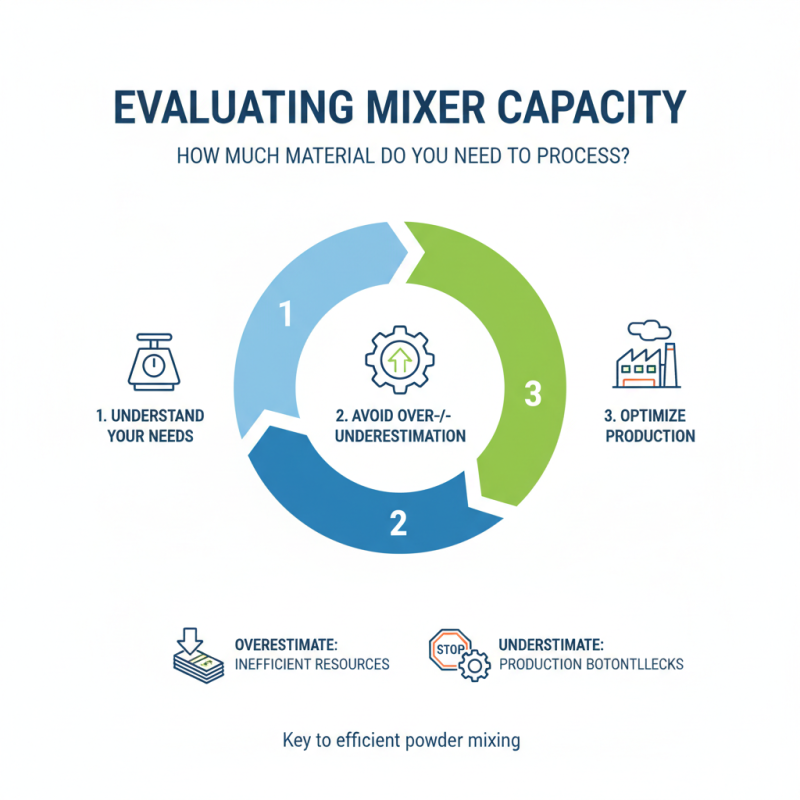
When selecting a powder mixer machine, evaluating mixer capacity is crucial. Understanding how much material you need to process is the first step. Overestimating your needs may lead to inefficient use of resources. Alternatively, underestimating can cause bottlenecks in production.
Consider the volume of material required daily. If your needs fluctuate, you might consider a machine that can handle varying loads. For example, a Milk Powder Mixer Machine might have a capacity of 100 liters, making it suitable for medium-sized operations. However, if your output increases unexpectedly, this could create challenges.
Look at the power of the machine as well. The mixing speed plays a role too. Slow mixing can result in uneven blends, while too fast might generate heat and change the material's properties. A balance is vital. Some users may find that even the best mixer cannot meet all their needs. In such instances, investing in a model with adjustable settings could be beneficial.
Material Compatibility: Choosing a Mixer That Handles Your Specific Powders
When choosing a powder mixer machine, material compatibility is crucial. Different powders have unique characteristics, such as density and flowability. These factors significantly impact mixing performance. A well-suited mixer will enhance efficiency and product quality. For instance, a Small Powder Mixer Machine may be ideal for lighter materials, but it might struggle with dense powders. Identifying the right machine for your specific materials is essential.
Consider the properties of your powders. Are they hygroscopic? Do they require gentle handling? These variables affect your mixer choice. Evaluating the materials helps ensure effective mixing. A Small Powder Mixer Machine could work well for homogenizing light powders, yet it may not provide the desired results for coarser substances. It’s important to reflect on the outcomes and assess if adjustments are needed. Selecting the appropriate mixer involves both trial and error and informed decision-making to achieve optimal results.
Analyzing the Role of Mixing Speed and Time in Powder Homogeneity
When selecting a powder mixer, understanding mixing speed and time is crucial. These factors directly impact powder homogeneity. An effective Detergent Powder Mixer Machine should offer adjustable speeds. Higher speeds often lead to faster mixing but can also result in clumping. It’s vital to find a balance that works for your specific formula.
Mixing time is another key element. If you mix too short, the powders may not blend well. But over-mixing can damage sensitive ingredients. Conducting tests to identify the ideal mixing duration saves time and resources. Analyzing the consistency of the mixture at different time intervals provides essential insights.
In the quest for uniformity, consider various powder characteristics. For example, different particle sizes and densities interact differently during mixing. A reliable machine is necessary, but also be ready to adjust your strategy based on the results. It's an ongoing process of trial and error, and reflecting on each batch can lead to continuous improvement in the mixing process.
Examining Maintenance Requirements for Long-term Operational Efficiency
Choosing the right powder mixer machine involves understanding long-term maintenance needs. Regular upkeep can significantly enhance operational efficiency. According to industry reports, companies face a 30% increase in downtime due to inadequate maintenance. Properly maintained machines not only perform better but also last longer.
When it comes to maintenance, ensure you track operating hours. Frequent inspections can help identify issues early. This proactive approach prevents costly repairs. Additionally, replace worn-out components regularly. Data indicates that machines with consistent part replacements have a 50% higher performance rate.
Tips:
- Schedule maintenance intervals based on usage.
- Create a checklist for daily inspections.
- Keep a log of maintenance activities.
Assessing wear patterns can offer valuable insights for future decisions. Some machines might show signs of wear earlier than expected, emphasizing the need for adaptable maintenance strategies.
Budget Considerations: Finding a High-Quality Mixer Within Your Price Range
When selecting a powder mixer machine, budget considerations play a crucial role. Research shows that high-quality mixers can range significantly in price. The average cost of an industrial mixer can be between $5,000 to $50,000. This disparity often reflects the mixer’s capacity, material quality, and features. It’s essential to evaluate your production needs carefully. Investing in a system that meets your specific requirements can save you money in the long run.
For instance, if you're focused on smaller batches, a less expensive model may suffice. However, if your business demands efficiency and scalability, opting for a more robust Mixer Machine For Detergent Powder could make sense. Experts recommend considering initial costs against operational efficiency. A cheaper machine might incur higher energy expenses or maintenance costs later.
Always ensure you’re factoring in these potential long-term expenses when making a decision.
Additionally, consulting industry reports can illuminate common pitfalls. According to a survey by IndustryWeek, about 30% of manufacturers regret their machinery choices due to inadequate research. Many find themselves facing long downtimes and repair costs. Balancing quality and cost is vital. Don't rush; carefully analyze all options and make informed choices that align with your budget.
Exploring the Market Dynamics: Insights from 2023 Global Powder Mixing Equipment Report on Reliable Conical Screw Mixer Suppliers
The Global Powder Mixing Equipment Report for 2023 provides valuable insights into the dynamics of the mixing equipment market, particularly highlighting the importance of reliable conical screw mixer suppliers. As the demand for efficient and technologically advanced mixing solutions grows, manufacturers are increasingly looking towards specialized equipment that offers superior performance and reliability. Among these, conical screw mixers have gained traction due to their ability to handle a wide variety of materials with consistency and precision.
One of the standout models in the market is the conical screw mixer, which has made a significant impact since its introduction in the early 1980s. With over 20,000 units served globally, this advanced mixing technology is celebrated for its robust design and effective mixing capabilities. The user-friendly features and efficient mixing processes not only cater to diverse industrial needs but also enhance productivity across various applications.
Moreover, a crucial aspect of maintaining high operational standards is the implementation of a comprehensive after-sales service system. This includes regular monitoring of factory equipment and proactive customer engagement, allowing manufacturers to gather essential data. Such insights facilitate ongoing technological innovations in production processes, ensuring that the evolution of mixing equipment continues to meet the dynamic needs of the market. As the industry advances, the reliability and performance of conical screw mixers remain pivotal to achieving operational excellence.
FAQS
: Mixing efficiency ensures uniform distribution of ingredients, affecting product quality. It’s vital for food, pharmaceuticals, and chemicals.
Particle size, density, and moisture content impact how well powders blend, affecting overall mixing performance.
Assess your specific mixing needs like volume and material types. Different applications require tailored approaches.
Yes, testing with your materials helps gauge a mixer’s performance and reveals any potential shortcomings.
Regular inspections and tracking operating hours are essential. Replace worn-out components to maintain efficiency.
Proper maintenance prevents costly repairs and enhances long-term operational efficiency, reducing downtime significantly.
Early identification of issues is key. It helps avoid breakdowns and improves machine longevity.
Maintenance should align with usage patterns. Regular intervals based on operating hours can prevent failures.
Keep a record of inspections, parts replaced, and any patterns of wear. This information aids future decisions.
Yes, some machines may wear out sooner than expected. Adapting maintenance strategies can address these variations effectively.
Conclusion
When choosing the best Powder Mixer Machine for your specific needs, it is essential to understand the different types available today, as they vary in design and functionality. Key factors to consider include mixing efficiency, which affects the effectiveness of your application, and the mixer capacity, which determines how much material you need to process at once. Compatibility with the powders you intend to mix is crucial to ensure optimal performance.
Additionally, analyzing mixing speed and time is important for achieving homogeneity in your product. Maintenance requirements should also be taken into account to ensure long-term operational efficiency. Finally, budget considerations are vital, as finding a high-quality Powder Mixer Machine that fits within your financial constraints will provide you with the best value for your investment.

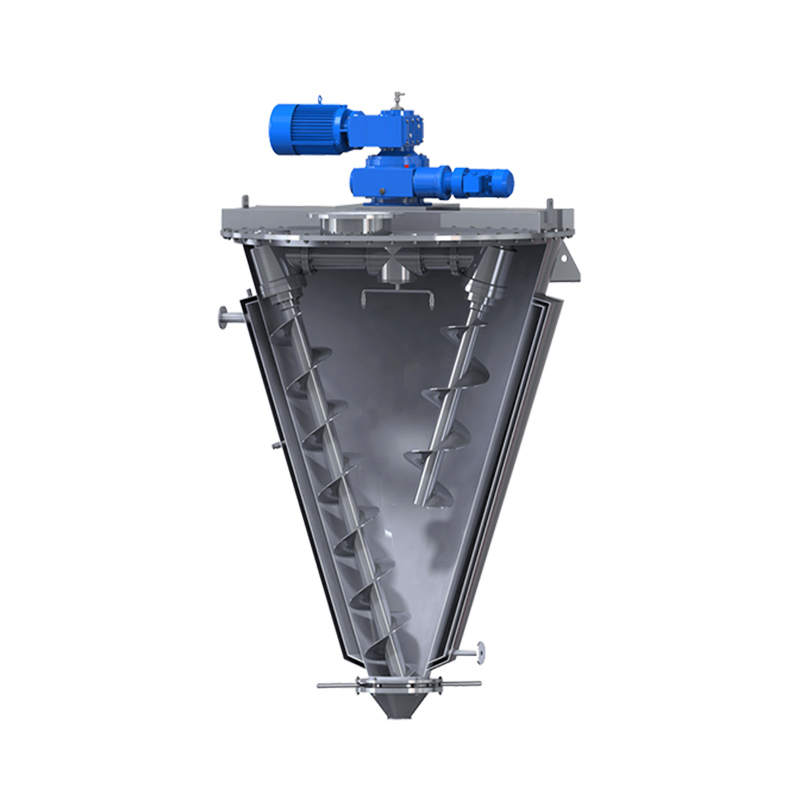 Conical Screw Mixer
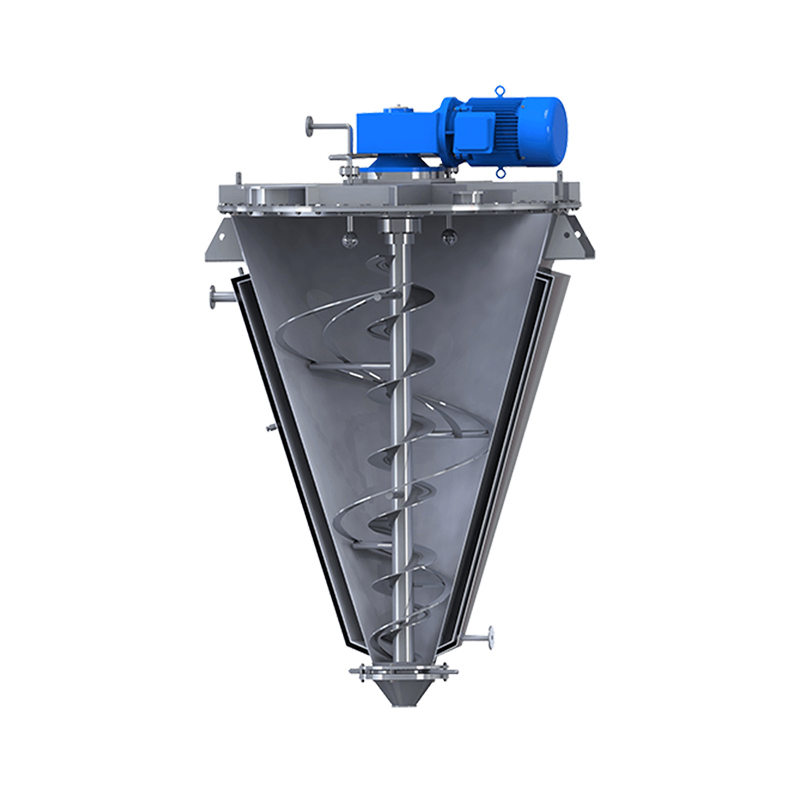 Conical Screw Belt Mixer
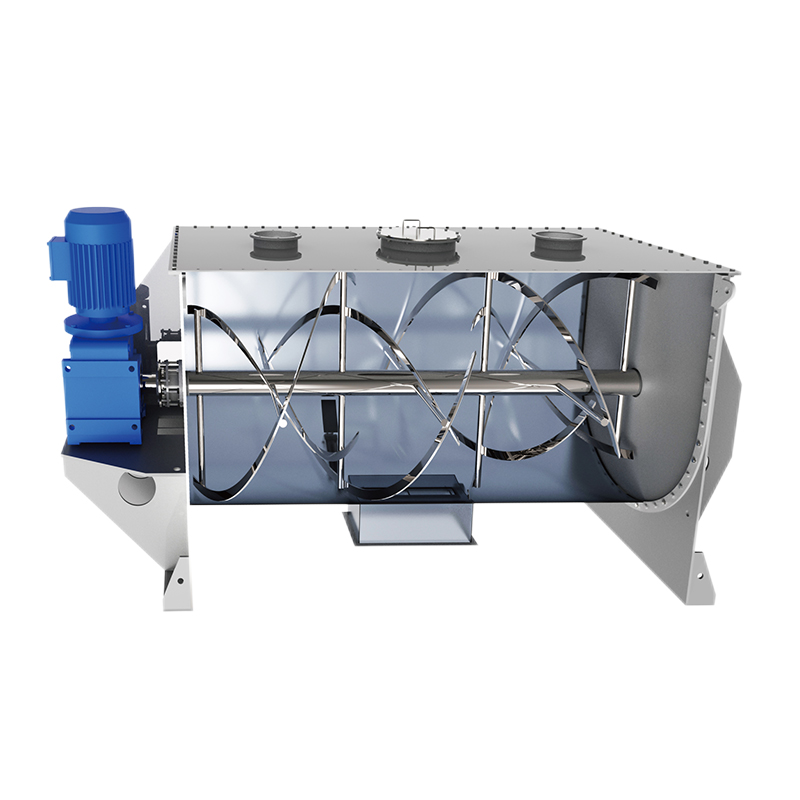 Ribbon Blender
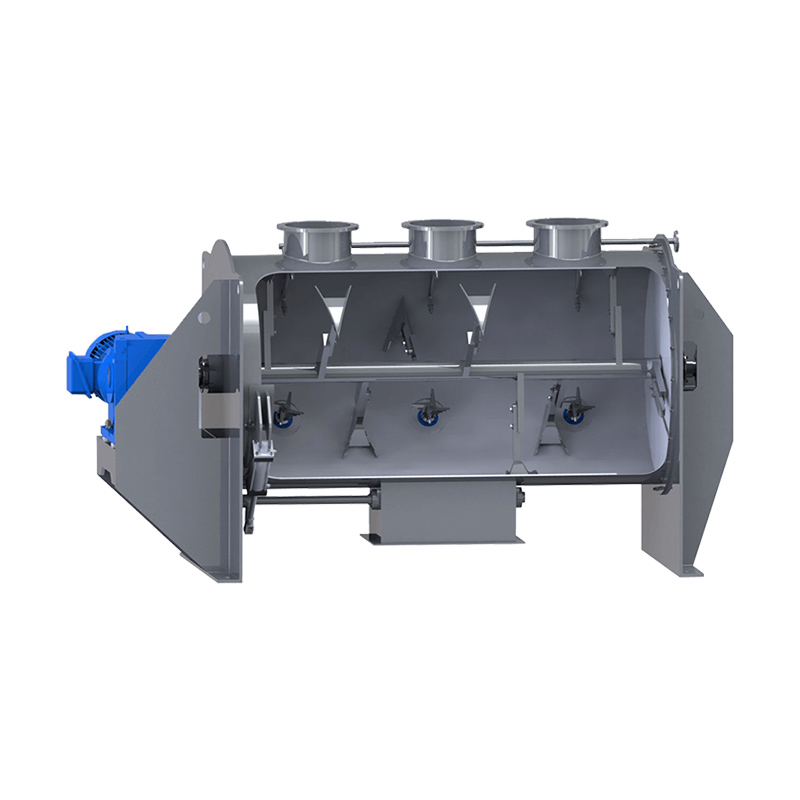 Plough-shear Mixer
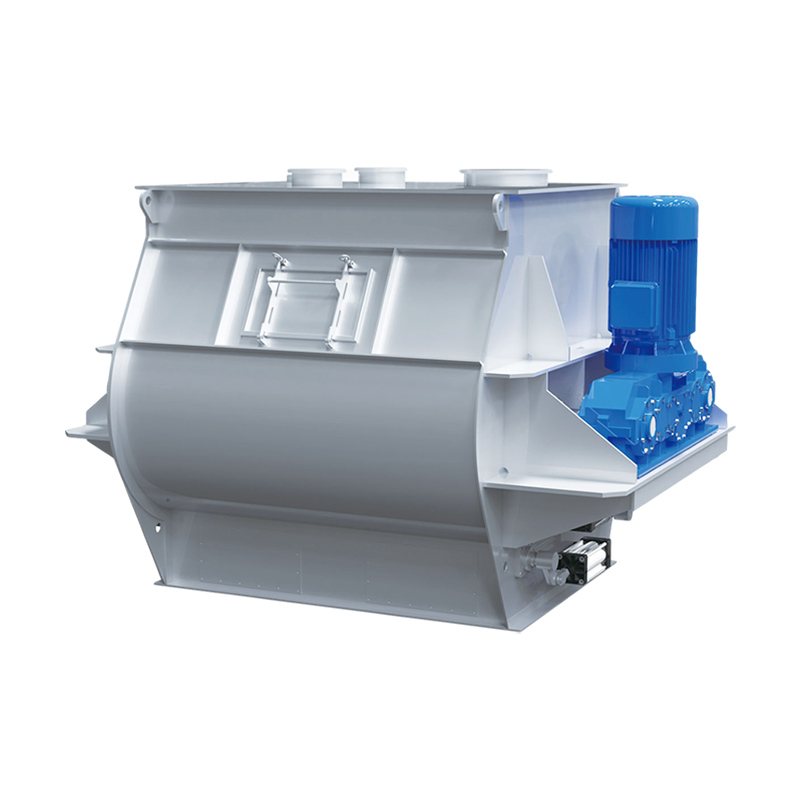 Double Shaft Paddle Mixer
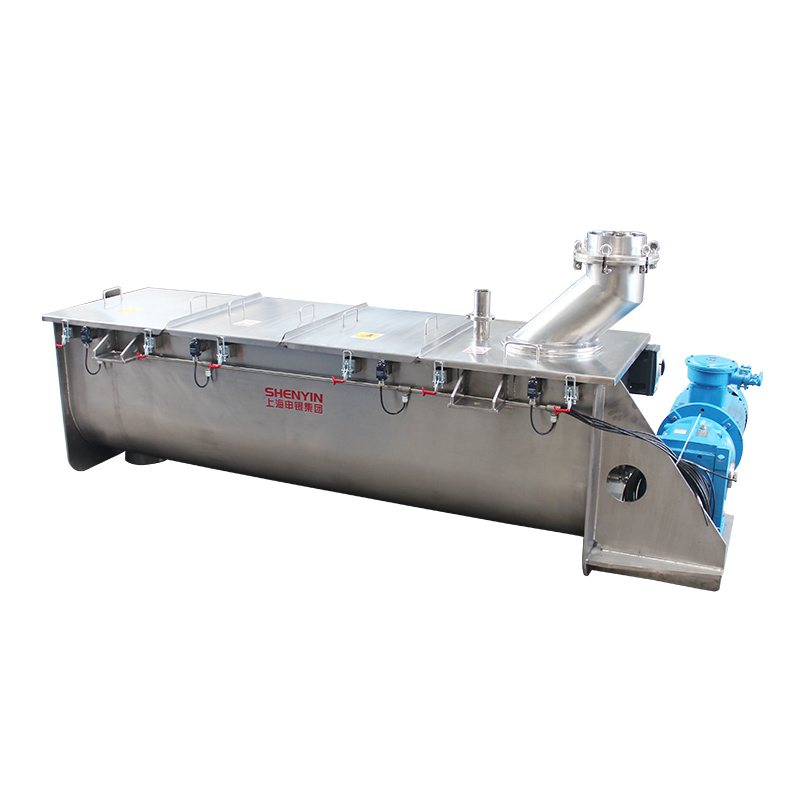 CM Series Mixer