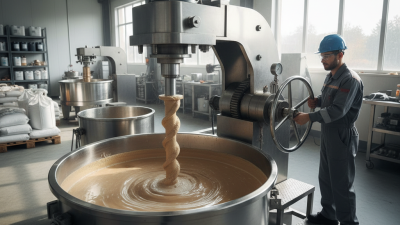
Picking the right Mixing Machine for your needs isn’t something to take lightly. With so many options out there, it can feel pretty overwhelming. Every industry has its own unique requirements, so understanding exactly what you need is key — it really influences the whole decision-making process.
Sure, quality matters a lot, but it’s not the only thing to think about. Things like capacity, speed, and versatility are just as important. A good, reliable mixer should also be durable enough to stand the test of time. Do some research and read reviews from trusted sources — they can give you a real sense of how different models perform. And don’t forget to check out what actual users are saying; their feedback often highlights stuff you won’t find in specs or promo materials.
At the end of the day, choosing a mixing machine means weighing your options carefully. Are you more about efficiency, or is sticking to a budget more important? Sometimes, going for the cheapest option can end up costing you more in the long run. Think about what truly matters for your business. Making an informed choice now can save you headaches down the road and help ensure your mixing process runs smoothly — that’s what really counts.
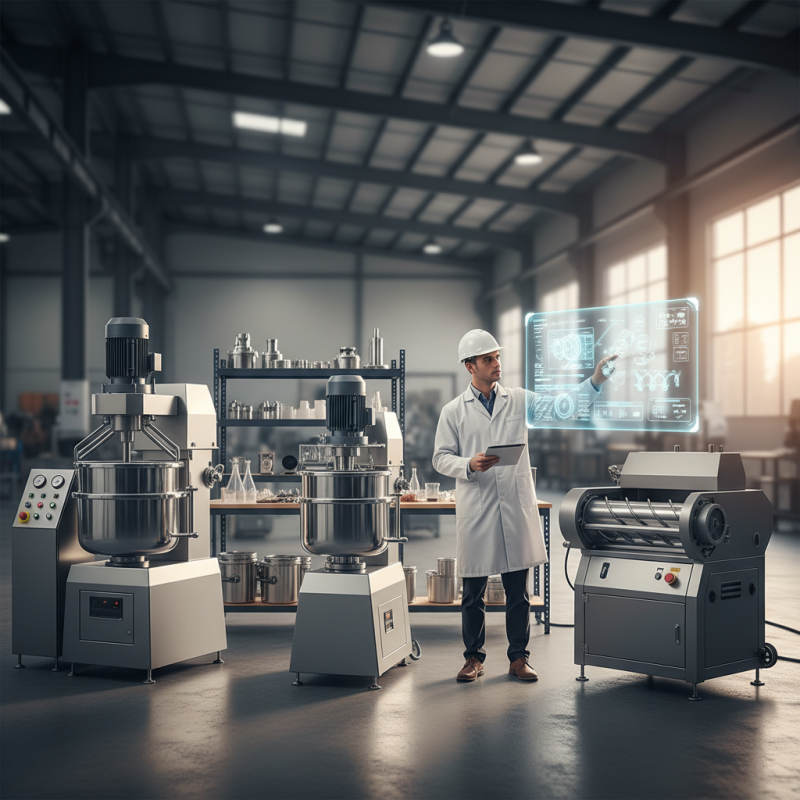
Understanding Different Types of Mixing Machines Available in the Market
When selecting a mixing machine, it's essential to explore the various types available. Mixing machines are often classified into two primary categories: Batch Mixers and continuous mixers. Batch mixing involves processing materials in groups or batches. This method is ideal for products requiring precise mixing and consistency. On the other hand, continuous mixing offers a streamlined, uninterrupted process. It is suitable for large-scale production but may require more complex equipment.
According to industry reports, the market for mixing machines is growing steadily. In recent years, the batch mixing segment represented about 60% of the market share. This dominance indicates a strong preference for machines that can deliver high precision in smaller quantities. However, continuous mixing is gaining attention due to its efficiency and scalability. Analysts predict a 5% annual growth for continuous mixers, highlighting the industry's shift towards automation.
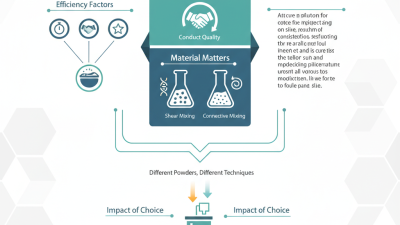
Choosing the right machine also involves understanding material properties. Some materials are sensitive to shear forces, which can lead to degradation. For example, delicate powders may require gentler mixing processes. Additionally, the design of the mixing chamber can impact performance. A poorly designed chamber may cause inconsistent mixing and increased maintenance costs. Reflecting on these factors can help ensure optimal operations in your production line.
Assessing the Key Factors That Influence Mixing Machine Performance
When selecting a mixing machine, several key factors influence its performance. Understanding these factors can greatly improve your results. The type of materials being mixed plays a crucial role. Different materials may require varying speeds and mixing techniques. Consider the viscosity of the substances. High-viscosity materials often need machines with specific capabilities to achieve a proper blend.
Another factor to assess is the machine's capacity. A small mixer may suffice for light tasks, but larger projects demand robust equipment. Size isn’t just about volume; it also relates to the design. Some mixers are optimized for batch processing while others excel in continuous mixing. Additionally, consider the energy efficiency of the mixer. It can significantly impact operational costs in the long run.
Lastly, reflect on the maintenance requirements. Some mixers may require frequent parts replacement or servicing. This can affect productivity and overall costs. A well-maintained machine may have a longer lifespan, resulting in a better return on your investment. Understanding these aspects can help you choose a mixing machine that meets your distinct needs, ultimately leading to more consistent and reliable results.
How to Choose the Best Mixing Machine for Your Needs?
| Feature | Importance Level | Recommended Specifications | Notes |
| Mixing Capacity | High | 20 to 100 liters | Select based on batch size requirements. |
| Mixing Speed | Medium | 100 to 300 RPM | Speed affects consistency; choose appropriately. |
| Power Requirements | Medium | 1 to 5 HP | Ensure compatible with facility electrical systems. |
| Material Quality | High | Stainless Steel | Choose materials to avoid contamination. |
| Ease of Cleaning | High | Quick-release components | Facilitates maintenance and hygiene. |
| Noise Level | Medium | Below 85 dB | Consider acoustic control measures. |
Evaluating Energy Efficiency Ratings of Mixing Machines for Cost Savings
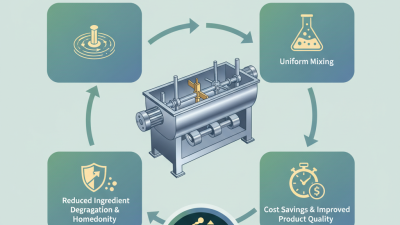
When selecting a mixing machine, energy efficiency is often a primary consideration. Evaluating the energy efficiency ratings can lead to significant cost savings for your operation. According to industry data, energy-efficient mixing machines can reduce energy consumption by up to 30%. This reduction directly translates to lower utility bills, impacting your overall budget positively.
Assessing the energy performance of mixing machines requires a close look at their specifications. Machines using advanced technologies often have better efficiency ratings. For example, some models achieve a power factor of over 95%, meaning they convert nearly all the energy consumed into effective work. However, not all models may meet these benchmarks, leading to potentially higher operational costs in the long run. Companies should thoroughly evaluate energy use over time, considering how efficiency affects both production capacity and sustainability goals.
It is also crucial to remember that investing in energy-efficient machinery often comes with a higher initial cost. However, the payback period can be relatively short. Some users find they recover the extra expense in less than three years due to decreased energy bills. It's essential to analyze your specific needs while striking the right balance between upfront costs and long-term savings. Focusing on the energy ratings while selecting a "Mixture Machine Mixture Machine Mixture Machine" is a step toward a more sustainable and cost-effective operation.
Energy Efficiency Ratings of Mixing Machines
Analyzing Capacity and Size Requirements for Specific Mixing Applications
When selecting a mixing machine, understanding capacity and size is crucial. Each application has unique demands. For instance, food processing often requires high-capacity mixers for large batches, while pharmaceuticals may need smaller, more precise machines. Industry reports indicate that a miscalculation in size can lead to inefficiencies, such as increased mixing times or incomplete blending.
Capacity isn't just about volume. It includes the material's density and viscosity. For example, a mixer suitable for dust-like powders differs significantly from one intended for thick pastes. According to a recent survey, roughly 30%of companies reported challenges in scaling up production due to improper Mixer Sizing. This highlights the importance ofcalculating your specific requirements accurately.
Additionally, different industries have varying standards. The chemical industry often mandates mixers that can handle hazardous materials. In such cases, safety and efficiency are non-negotiable. A properly sized machine can avoid potential regulatory issues and enhance workflow. Therefore, investing time in understanding your application's needs ensures better outcomes and reduces the risk of costly mistakes.
Comparing Features and Technologies in Advanced Mixing Machines
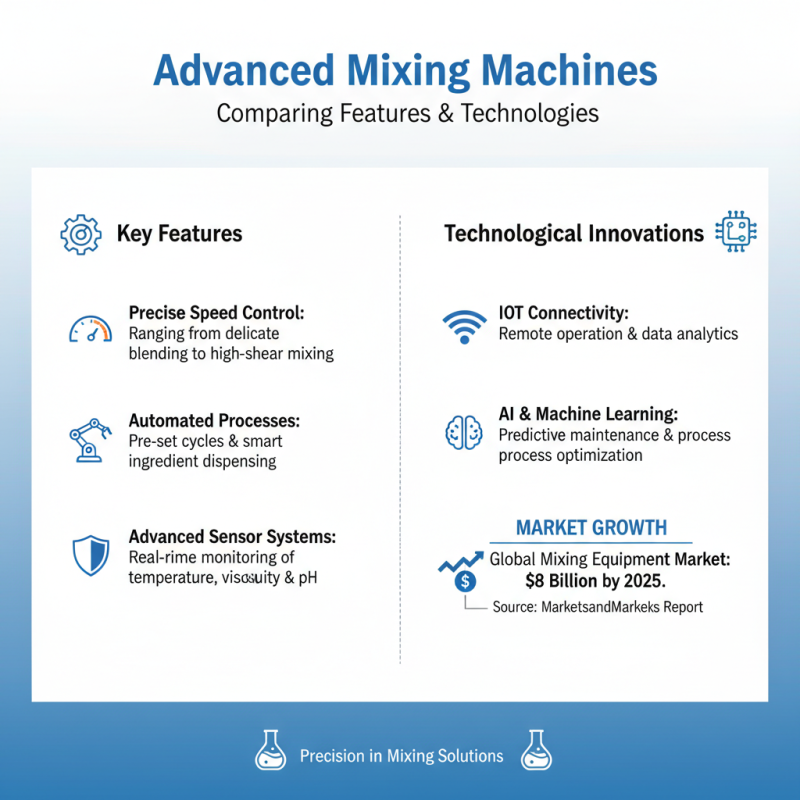
When selecting a mixing machine, understanding its features and technologies is crucial. Advanced mixing machines often come with various capabilities, such as precise speed control and automated processes. According to a report by MarketsandMarkets, the global mixing equipment market is projected to reach $8 billion by 2025, highlighting the growing demand for precision in mixing solutions.
Consider the mixing technologies available today. For example, high shear mixers are effective in emulsifying and homogenizing liquids. They are ideal for industries like food and pharmaceuticals. Alternatively, paddle mixers excel in handling bulk materials. Statistics show that paddle mixers can improve batch uniformity by up to 30%.
While these features are impressive, potential buyers should be mindful of their production needs and potential limitations. Some machines may require frequent maintenance or have a steep learning curve. Being aware of these factors can help avoid costly mistakes and ensure you choose the right machine for your applications.
Researching Leading Brands and Manufacturers in the Mixing Machine Industry
When looking for a Mixing Machine, research is essential. Start by exploring various brands and manufacturers within the industry. Prioritize those with a solid track record. Evaluate their history, customer feedback, and innovations. Reliable brands often showcase their expertise through case studies and testimonials.
Pay close attention to the features that matter most for your needs. Different mixing machines offer varied capabilities, like speed settings and load capacities. Some machines excel in specialized tasks while others are versatile across many applications. Gather information on how a machine performs under different conditions. Real-world performance can vary from lab results.
Don't forget to consider the support and warranty options. A reputable manufacturer should offer reliable customer service. This offers peace of mind if issues arise. Industry standards change, so ongoing support can reflect a brand's commitment to quality. Evaluate how each brand adapts to new challenges in the mixing machine market. Each interaction with a brand matters, impacting your decision.
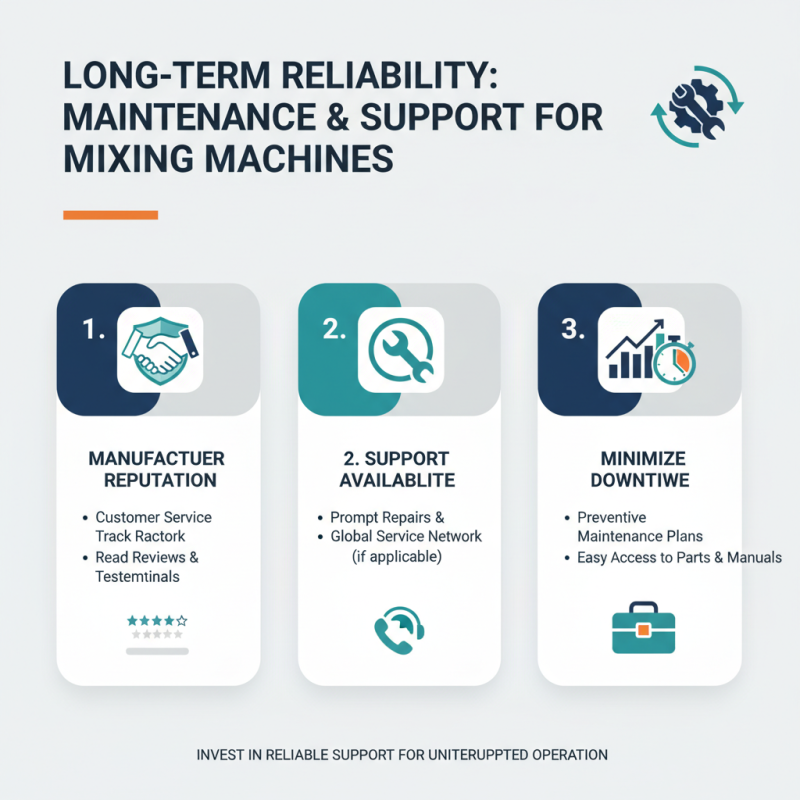
Considering Maintenance and Support Services for Long-Term Reliability
When selecting a mixing machine, maintenance and support services are crucial. A reliable machine is only as good as the support behind it. Evaluate the manufacturer's reputation for customer service. Check their availability for repairs and maintenance. Machines that require less downtime are generally more favorable.
Tips: Look for companies that offer comprehensive support packages. Regular maintenance checks can prevent costly breakdowns. This ensures that your Food Mixing Machine operates optimally over time.
Consider how easily spare parts can be sourced. The unavailability of parts can lead to prolonged disruptions. A well-supported machine will often have a dedicated service team. They understand the specific needs of your mixing equipment.
Investing in a machine with long-term service in mind can pay dividends. It's tempting to choose based on initial cost alone. However, the long-term reliability of the Food Mixing Machine often hinges on effective maintenance services. Reflect on your past experiences with equipment support. This awareness will guide you to make a more informed decision.
Enhancing Efficiency in Material Processing: Insights from the Latest Industry Reports on the HEP-SYLW Series Drying and Blending Machine
In the competitive landscape of material processing, enhancing efficiency is paramount. The latest industry reports highlight the pressing need for advanced technology that addresses common challenges faced by manufacturers, particularly in achieving consistent product quality through effective drying and blending processes. The HEP-SYLW series drying and blending machine has emerged as a leading solution, engineered specifically to combat issues like moisture retention and clumping that can hinder production efficiency.
Equipped with a state-of-the-art far-infrared ceramic heating jacket, this machine ensures thorough drying of materials during the final blending stage. This innovative technology not only facilitates deep drying of moisture-absorbing materials but also maintains a uniform mixing process, thereby ensuring that the final output meets stringent quality standards. Current market analyses reveal that while conventional blending equipment typically handles batches of 10-15 tons, advancements in machinery, exemplified by this series, support batch sizes of up to 40 tons, significantly boosting throughput and operational efficiency.
Industry reports further indicate that efficient material processing machinery can lead to a marked reduction in production costs and time, directly impacting the bottom line. By investing in advanced solutions like the HEP-SYLW series, manufacturers are poised to enhance their competitiveness in the market, ultimately delivering higher quality products to meet the evolving demands of consumers. As the sector continues to innovate, the integration of such high-capacity equipment will be instrumental in shaping the future of material processing.
FAQS
: The primary types are batch mixers and continuous mixers. Batch mixers process materials in groups, while continuous mixers operate smoothly for large outputs.
Batch mixers ensure precise mixing and consistency. They are preferred for smaller quantities where accuracy is essential.
Continuous mixers enable streamlined production. They are gaining popularity due to their efficiency and ability to scale with production needs.
Some materials react poorly to shear forces. Gentle mixing is necessary for delicate powders to avoid degradation.
A well-designed chamber improves mixing consistency. Poor designs can lead to uneven mixes and higher maintenance costs.
Reliable support services can prevent costly breakdowns. Regular maintenance ensures optimal machine performance over time.
Check the manufacturer's reputation and response times. Fast repairs minimize downtime and maintain productivity.
Easily sourced spare parts are essential. Delays in obtaining parts can disrupt operations, leading to increased costs.
No, long-term reliability often depends on maintenance support. Reflecting on past experiences can help in making better decisions.
Focusing only on cost tends to ignore the importance of long-term support and maintenance needs, which can be detrimental.
Conclusion
Choosing the best mixing machine for your needs involves a comprehensive understanding of the various types available in the market. It's crucial to assess key factors that influence performance, such as mixing speed, consistency, and the specific application requirements. Energy efficiency is another vital consideration, contributing to long-term cost savings while ensuring optimal operation.
Evaluating capacity and size is essential to meet the demands of specific mixing tasks. Furthermore, advancements in technology have introduced features that enhance functionality and efficiency, making it important to compare different models. Finally, researching the support and maintenance services offered can provide peace of mind, ensuring long-term reliability for your mixing machine investment.

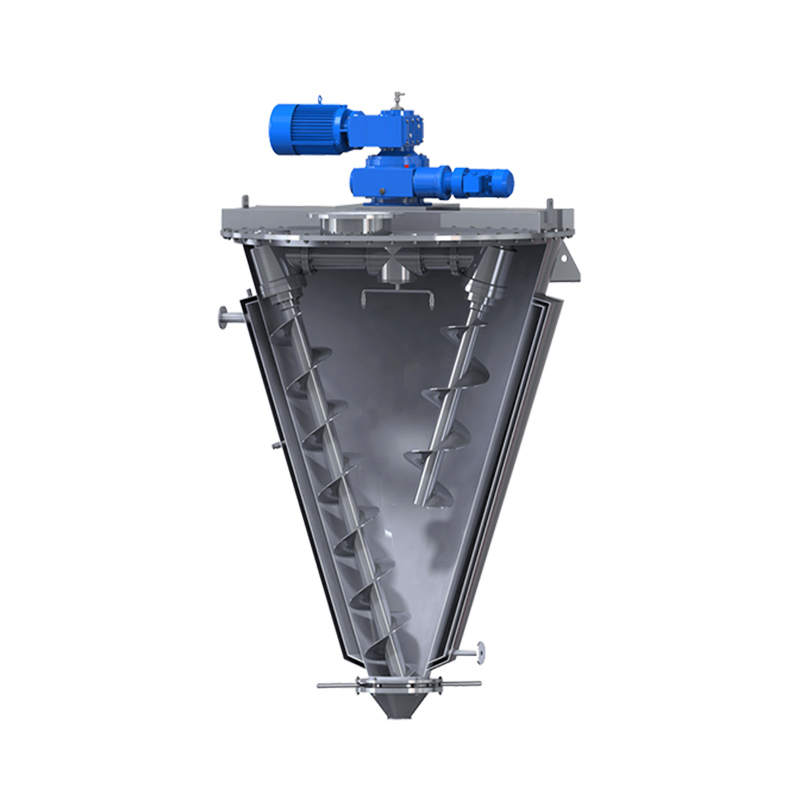 Conical Screw Mixer
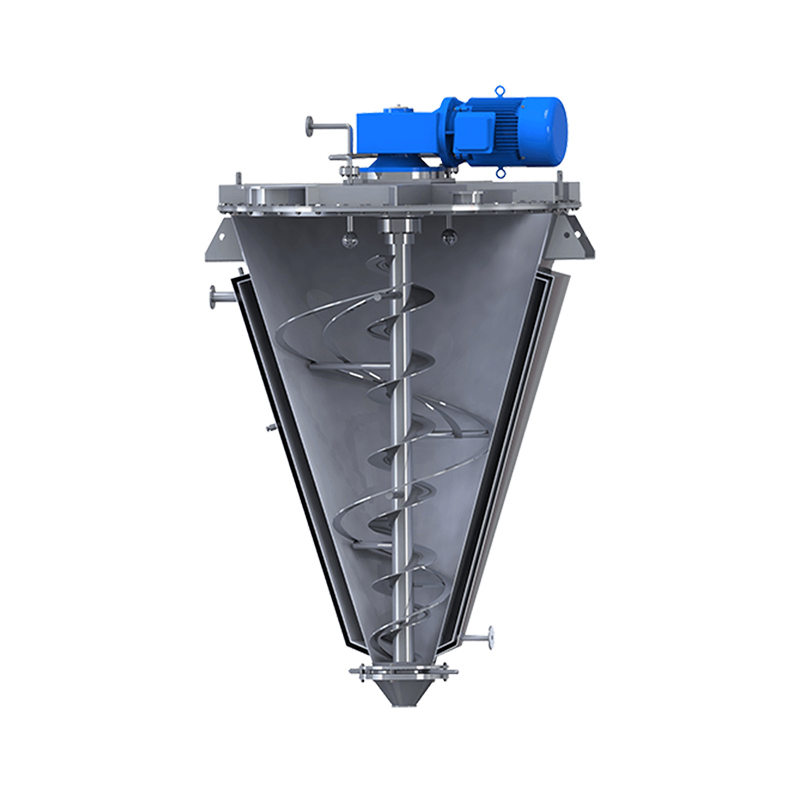 Conical Screw Belt Mixer
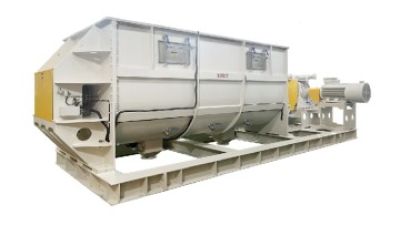
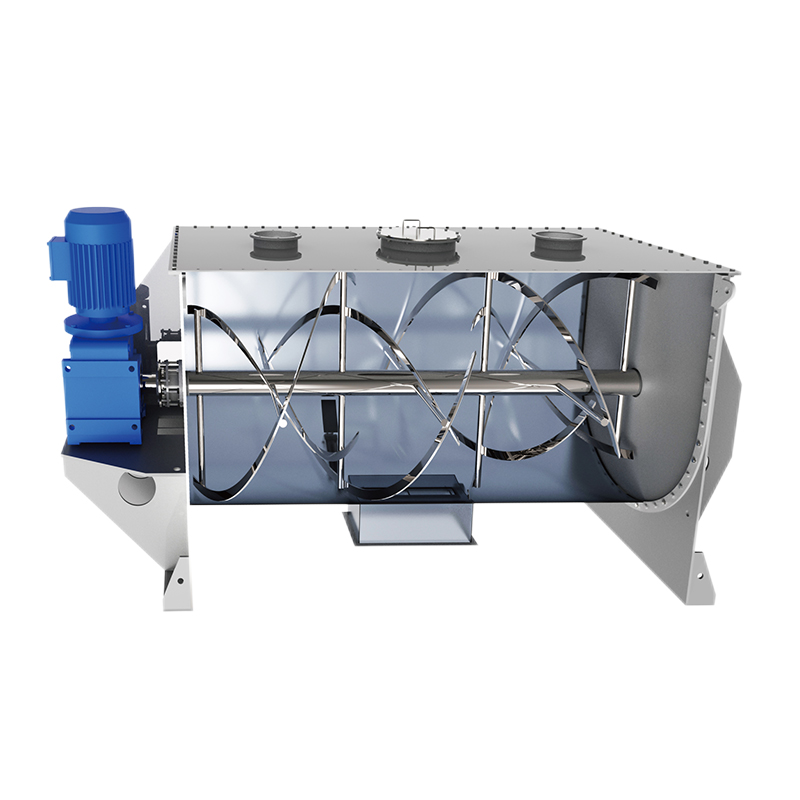 Ribbon Blender
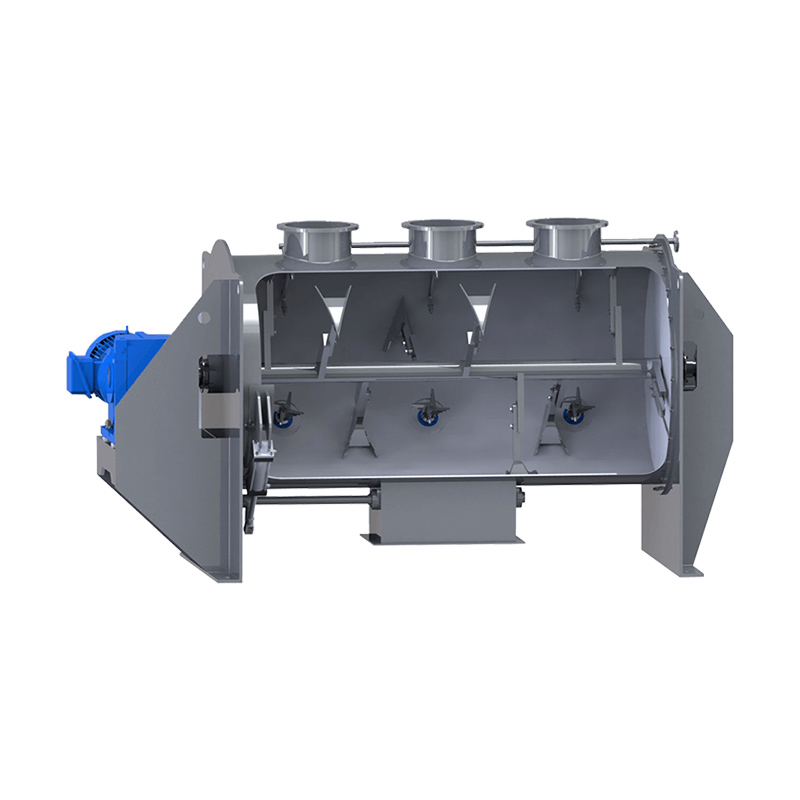 Plough-shear Mixer
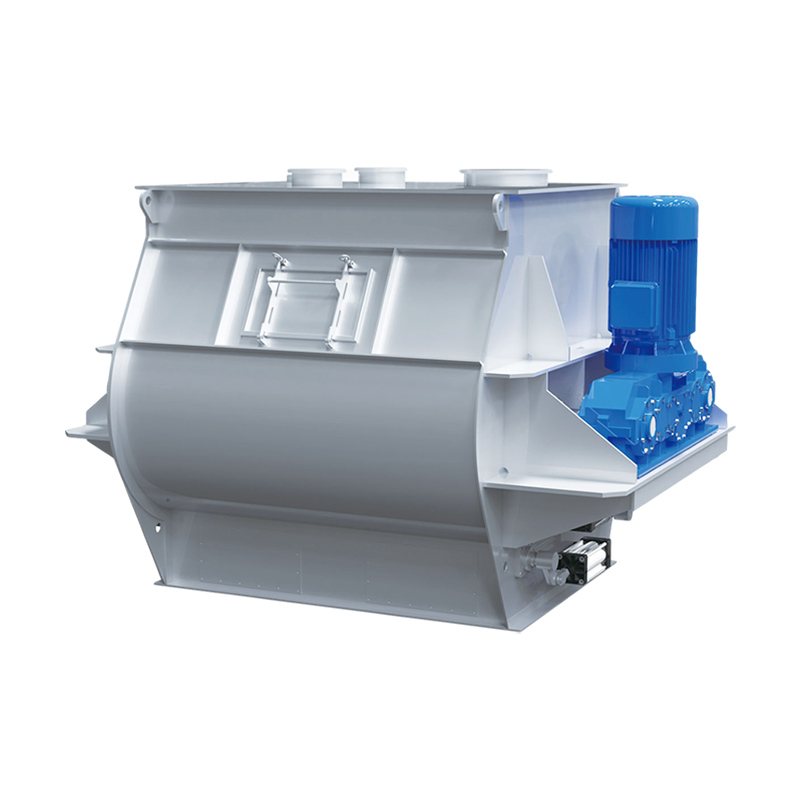 Double Shaft Paddle Mixer
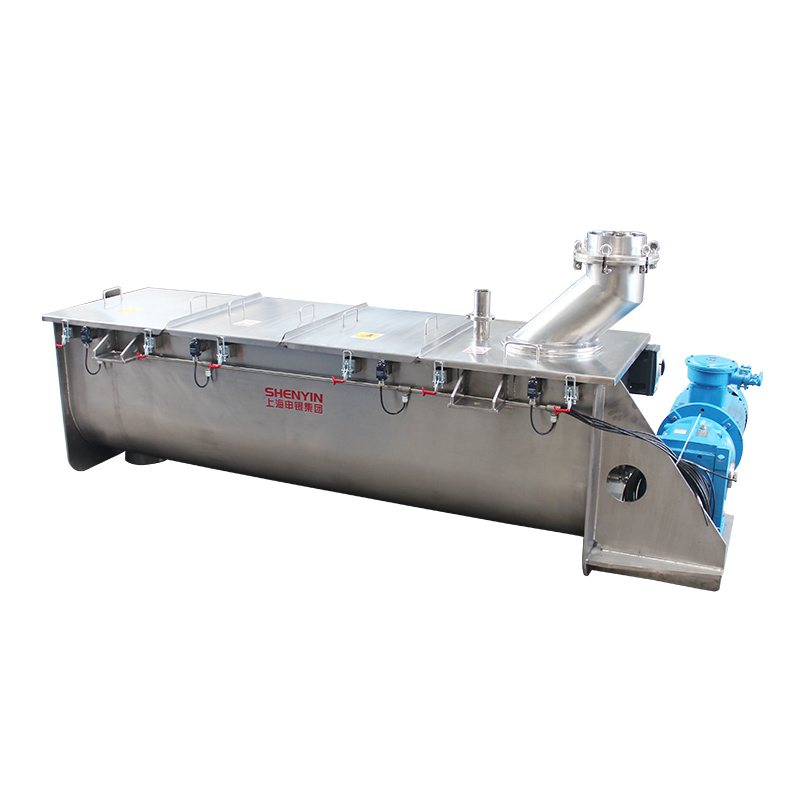 CM Series Mixer