You know, in the fast-changing world of industrial manufacturing, staying efficient is everything. That’s why Rapid Mixers have really become a game-changer across a bunch of different sectors. I recently came across a market report from MarketsandMarkets that says the global market for industrial mixers is expected to hit around USD 6.4 billion by 2025 — pretty impressive, right? This growth is mainly driven by the increasing need for high-quality blended products, especially in industries like Chemical, Pharmaceutical, and Food. Shanghai Shenyin Machinery Group Co., Ltd. is actually leading the charge here, being one of the first to develop advanced Mixer and Blender Machines for a wide range of uses. These Rapid Mixers not only boost efficiency by making the mixing process smoother but also help keep the product consistent and top-notch in quality — super important if a business wants to stay competitive, especially when everyone’s pushing for more efficiency. As companies keep focusing on making the best use of their resources, it’s clear that Rapid Mixers are playing a crucial role in making production faster and more streamlined. Honestly, it’s pretty exciting to see how much these machines are changing the game.

Understanding the Basics of Rapid Mixers in Industrial Applications
Rapid mixers are pretty much essential tools in a bunch of industries these days. They're designed to blend materials quickly and smoothly, which is a real game-changer. How do they do it? Well, they spin at super high speeds, mixing everything together in no time — a huge plus in fields like food production, pharma, and chemicals. Did you know? A report from Industry Research back in 2023 showed that the global market for these mixers is expected to grow at around 6.5% annually. That just shows how much people are craving more efficient mixing solutions these days.

In industries where accuracy and consistency really matter, rapid mixers help speed things up a lot. In fact, some studies say that using one can cut mixing times in half compared to the old-school methods. So, not only does it get products out the door faster, but it also helps keep the quality top-notch. Plus, with tech improving all the time, newer models are now more eco-friendly, consuming less energy and supporting more sustainable manufacturing practices. As companies keep pushing for higher productivity but also want to cut costs, it’s no surprise that rapid mixers are becoming a common sight across various industries.
Key Components of Rapid Mixers That Drive Efficiency
You know, rapid mixers are pretty much essential gear in a bunch of different industries. They're designed to whip up materials quickly and efficiently, saving a lot of time. A big part of what makes them so effective are their key components. For example, the high-speed mixing blades—they're built to generate intense turbulence. When they spin fast, they make sure everything gets mixed evenly, and at the same time, they cut down on the overall mixing time. That means higher productivity, which is a win for any operation.
Plus, these days, modern rapid mixers come with pretty handy control systems. These controls let operators tweak things like speed, how long everything blends, or how much material is fed in. Basically, you can customize the process on the fly to suit whatever product you're working on. No need to buy new equipment each time! That kind of flexibility not only saves money but also helps things run smoothly and efficiently. Oh, and let’s not forget about the materials used in building these mixers. They’re usually resistant to wear and corrosion, which means less downtime for maintenance and more time producing. Overall, these features really help keep things ticking along without a hitch.
The Role of Rapid Mixers in Enhancing Process Consistency
Quick mixers really are a game-changer when it comes to keeping things consistent in different industrial setups. They’re super handy for blending stuff fast and thoroughly, making sure everything mixes evenly — which is key to keeping the quality just right. The way they’re built allows for really intense mixing, so powders, liquids, or slurries all come together smoothly. This kind of reliable blending helps prevent any weird gaps or inconsistencies in the final product, which could totally mess with how well it works.
Plus, using rapid mixers can seriously boost manufacturing efficiency. Since they cut down on mixing times, companies can crank out more products without sacrificing quality. That’s a big plus, especially when you’re dealing with high-volume production where every second really counts. They’re also pretty flexible – you can scale them up or down depending on what you need, which makes these mixers super versatile. And with the tech improvements being integrated, they’re staying ahead of the curve for all sorts of industries — from pharma to food and drink. Overall, rapid mixers really help keep things running smoothly and efficiently, no matter what they're mixing or where.”
What Are Rapid Mixers and How Do They Enhance Industrial Efficiency? - The Role of Rapid Mixers in Enhancing Process Consistency
| Dimension | Description | Impact on Efficiency |
| Mixing Speed | The rate at which materials are mixed. | Higher speeds reduce mixing time and enhance throughput. |
| Energy Consumption | The amount of energy used per mixing cycle. | Optimized mixers reduce energy costs and improve sustainability. |
| Material Uniformity | Consistency and evenness of mixed materials. | Improved uniformity leads to better product quality and fewer defects. |
| Operational Flexibility | Ability to handle different types of materials. | Versatile mixers can quickly adapt to various production requirements. |
| Maintenance Requirements | Frequency and complexity of upkeep needed. | Low maintenance increases uptime and reduces operational costs. |
Comparative Analysis: Rapid Mixers vs. Traditional Mixing Methods
Rapid mixers have really become a game-changer when it comes to boosting efficiency in the industry, especially compared to the old-school mixing methods we've been using for ages. You see, traditional techniques usually depend on gravity and slow stirring, which often lead to uneven products and take forever—sometimes dragging out the process more than you'd like. But with rapid mixers? They crank things up with high-speed agitation, mixing everything evenly in no time. In fact, a 2022 market report from Industry Research Group pointed out that these bad boys cut mixing times by up to half. That’s a huge time saver, and it also means you’re using less energy, making them a pretty environmentally friendly option too.
On the financial side of things, rapid mixers often turn out to be more budget-friendly because they’re super effective. A survey by Manufacturing Insights showed that companies using these mixers saw about a 30% drop in material waste—pretty impressive, right? Plus, since they don’t need as much cleaning, the machines stay up and running longer, which means more efficiency all around.
If you’re thinking about upgrading to a rapid mixer, my advice? Take a good look at your specific mixing needs and the kinds of products you’re dealing with. Make sure the mixer you choose can handle the viscosity and will react well with your formulas. And don’t forget to run a quick cost-benefit analysis—it might show you some serious savings in both time and resources compared to sticking with the traditional methods.
Best Practices for Implementing Rapid Mixers in Manufacturing
If you're looking to make the most out of rapid mixers in your manufacturing process, there are a few key best practices you’ll want to keep in mind. First off, it's really important to understand exactly what your production line needs in terms of mixing—this helps you pick the right type of rapid mixer. You also want to check that it plays nicely with your existing equipment and materials, so everything works smoothly together. Don’t forget to run some thorough tests, trying out different speeds and mixing times, to figure out what gives you the best balance between efficiency and product quality.
Another thing—training your team properly on how to operate and maintain the mixers is a game-changer. When staff know what they're doing, they can troubleshoot issues on the fly and keep things running smoothly, which means less downtime. Regular maintenance is just as important; it helps prolong your equipment’s life and keeps your output consistent.
Oh, and keeping a close eye on the process through continuous monitoring is super helpful. Using data analytics to track performance can spot inefficiencies early on and let you tweak things in real time, especially when production demands change quickly. Follow these tips, and you’ll really unlock the full potential of your rapid mixers—leading to better efficiency and smoother operations all around.

Future Trends: Innovations in Rapid Mixer Technology and Efficiency
Rapid mixers are really important when it comes to boosting efficiency in industries. They offer advanced blending solutions that meet a whole bunch of manufacturing needs. Lately, there’s been a lot of focus on making these mixers faster and more consistent—things like that really help streamline production across different sectors, whether it’s food and beverages, pharma, or chemicals. As companies aim for higher quality and want to cut down on production times, smart mixers with sensors and automation are becoming a hot trend. These techy upgrades let manufacturers control mixing with precision and keep an eye on the process in real-time, which means better product quality and less waste.
Take yogurt production, for example—getting the fermentation just right is super important, and rapid mixers are turning out to be more and more essential there. Especially with the rising demand for tasty, high-quality dairy in places like China, producers are turning to state-of-the-art mixer tech to speed things up. Plus, there’s a growing push for eco-friendly materials and energy-efficient designs in these mixers. Moving in this direction isn’t just good for the planet; it also helps industries stay competitive and minimizes their environmental footprint. It’s clear that the future of rapid mixing is leaning towards smarter, cleaner solutions—that’s exciting for everyone involved.
Efficiency Comparison of Rapid Mixers in Industrial Applications
FAQS
: Rapid mixers are used to facilitate swift and efficient blending of materials across various industries, including food processing, pharmaceuticals, and chemical manufacturing.
Rapid mixers improve operational efficiency by significantly reducing mixing times, often by up to 50% compared to traditional methods, which enhances production speed and product quality.
The global rapid mixer market is projected to grow at a CAGR of 6.5% according to a 2023 report by Industry Research.
Advancements in technology have led to the development of eco-friendly rapid mixers that minimize energy consumption, promoting sustainable manufacturing practices.
Process consistency is crucial because it ensures uniformity in mixtures, which is essential for maintaining quality standards and product performance.
Yes, rapid mixers can scale up or down depending on production needs, making them versatile tools for different industrial applications.
Rapid mixers are designed to blend a variety of components, including powders, liquids, and slurries, promoting thorough integration.
Rapid mixers offer advantages such as reduced mixing times and increased throughput, which are essential for maintaining efficiency in high-volume production environments.
By providing fast and efficient blending, rapid mixers help achieve uniformity in mixtures, minimizing deviations in product formulation that could affect performance and reliability.
The integration of advanced technologies in rapid mixers helps them meet the evolving needs of various sectors and enhances their effectiveness in mixing processes.
Conclusion
Rapid mixers are real game-changers when it comes to ramping up efficiency in various industries. You've probably seen how they speed up the mixing process in places like chemical plants, pharma labs, or food factories. Basically, understanding the basics of these mixers — like their high-speed impellers and powerful motors — really helps explain why they deliver consistent, top-notch results. Compared to old-school methods, these mixers do a much better job, which is why so many industries are choosing them now.
As the market keeps changing, it’s super important for companies to follow best practices when it comes to integrating rapid mixers into their workflow. Companies like Shanghai Shenyin Machinery Group Co., Ltd. are leading the charge, offering cutting-edge mixer and blender solutions tailored to a bunch of industries. And honestly, with new tech constantly being developed, we can expect these mixers to become even more efficient — helping to shape the future of industrial processes in a pretty exciting way.

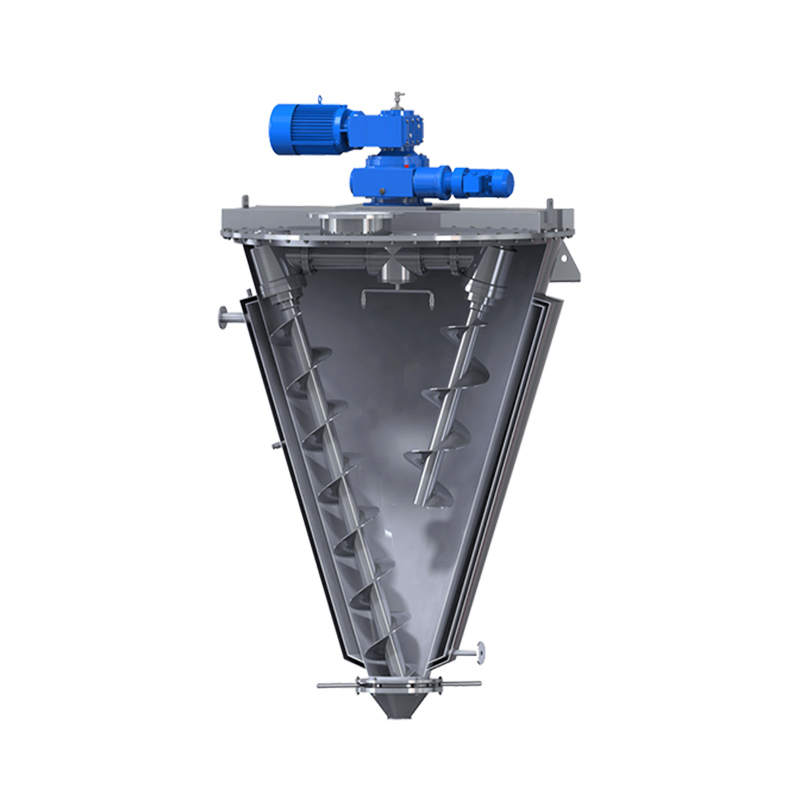 Conical Screw Mixer
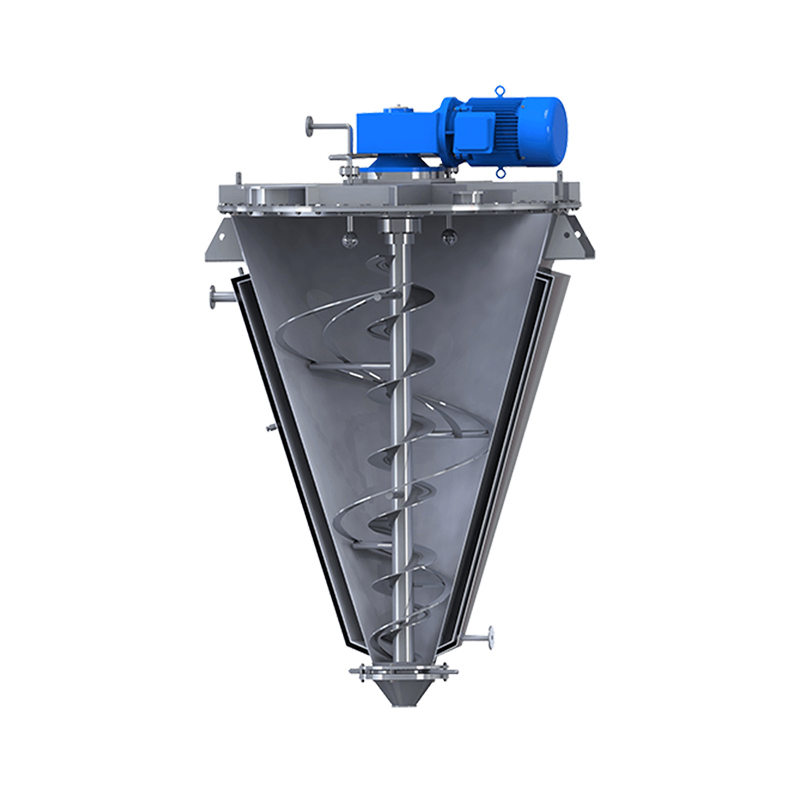 Conical Screw Belt Mixer
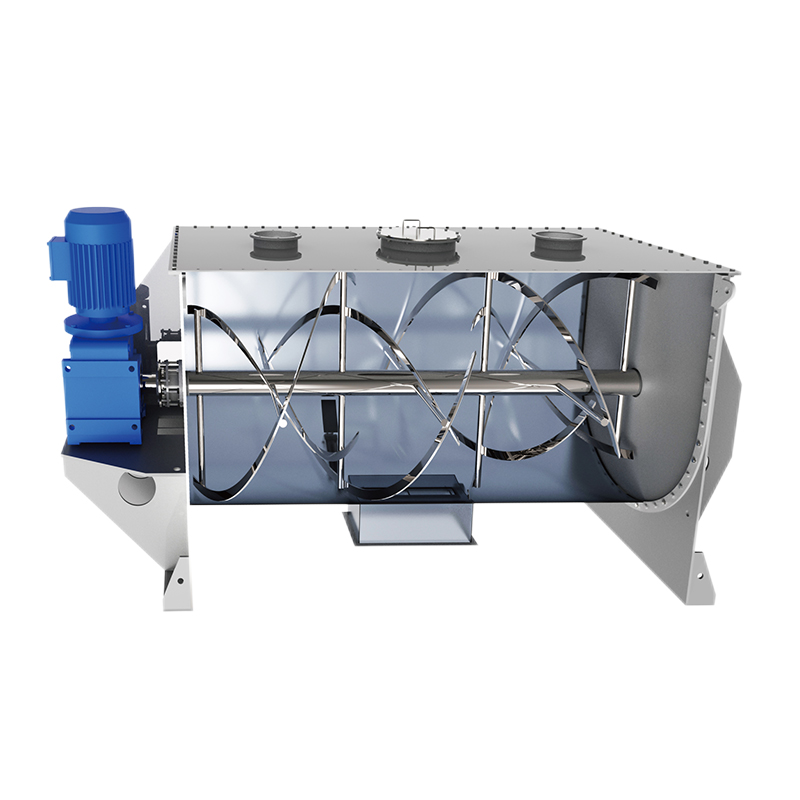 Ribbon Blender
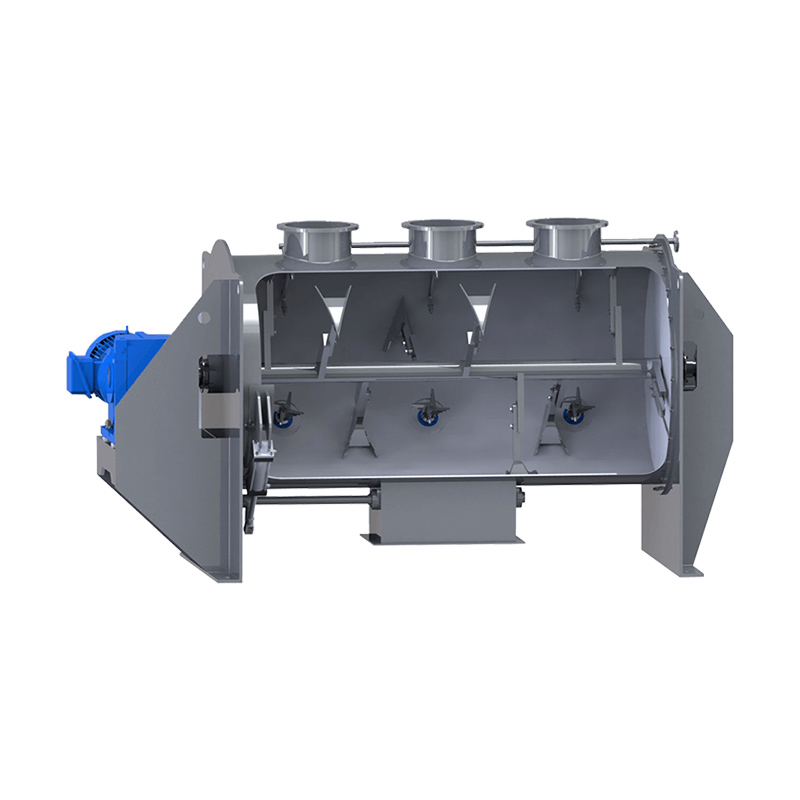 Plough-shear Mixer
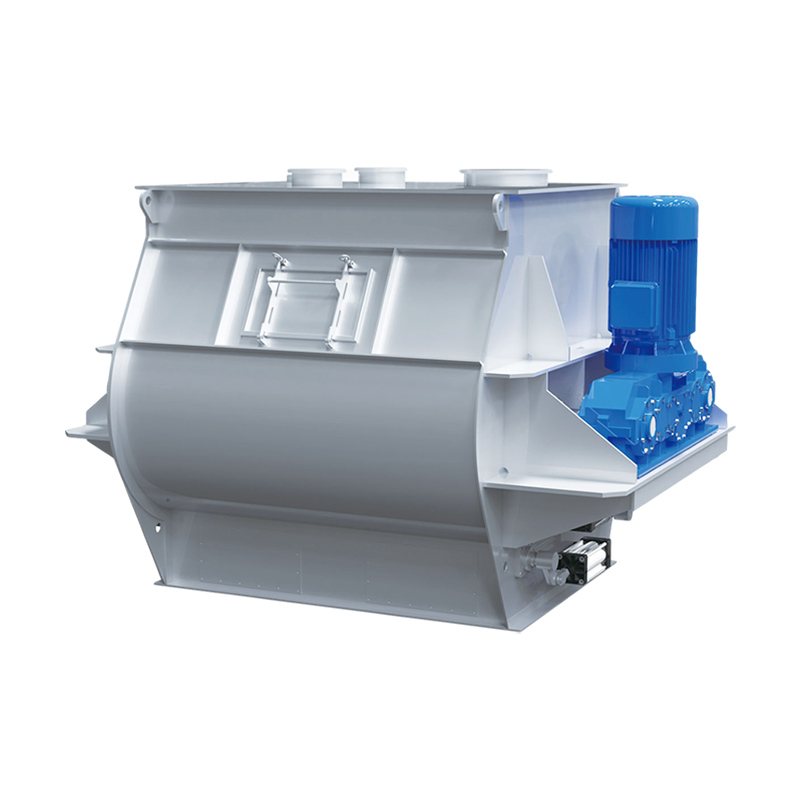 Double Shaft Paddle Mixer
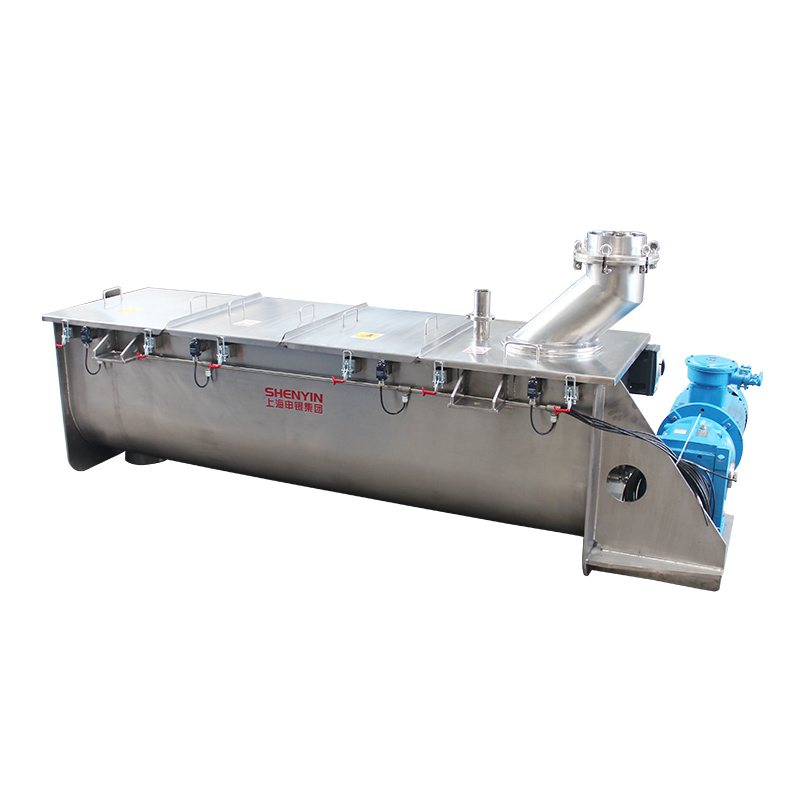 CM Series Mixer


