Leave Your Message
0%

Global manufacturing is making equipment reliability a lot harder to ignore, honestly. Grand View Research estimates the global Industrial Agitators market hit roughly USD 2.1 billion in 2023, and its report sees continued growth through 2030, helped along by chemical, food, pharmaceutical, and water-treatment production.

That kind of growth only increases the demand for dependable Mixing Machine Parts. A worn shaft? It can create vibration. A damaged seal? Well, that can contaminate an entire batch. Pick the wrong impeller, and you may waste energy while still leaving dry pockets inside a stainless-steel vessel. It's funny how small components often end up controlling large operating costs.

Edward L. Paul, a recognized authority and co-editor of Handbook of Industrial Mixing, once described mixing as 'one of the most common and least understood unit operations.' That observation still holds up. Supplier claims alone can't prove performance, right? Buyers should dig into material certificates, dimensional tolerances, surface finishes, pressure ratings, testing records, and replacement lead times.

This guide compares leading Mixing Machine Parts suppliers worldwide. It looks at engineering depth, manufacturing consistency, customization, after-sales support, and documented quality systems. MarketsandMarkets also flags industrial mixing as a growing equipment segment, driven by automation and stricter process requirements.

That said, the ranking isn't absolute. Applications differ. A pharmaceutical seal may need hygienic validation, while a mining agitator may care more about abrasion resistance. Regional service networks can also change a supplier's practical value. Some vendors offer impressive catalogs but pretty limited field support. And that weakness deserves attention.

The best supplier is rarely the cheapest. It's the partner that actually matches metallurgy, geometry, process conditions, and maintenance realities. Mistakes can still happen, even with careful evaluation. Which is why transparent evidence matters more than polished promises.
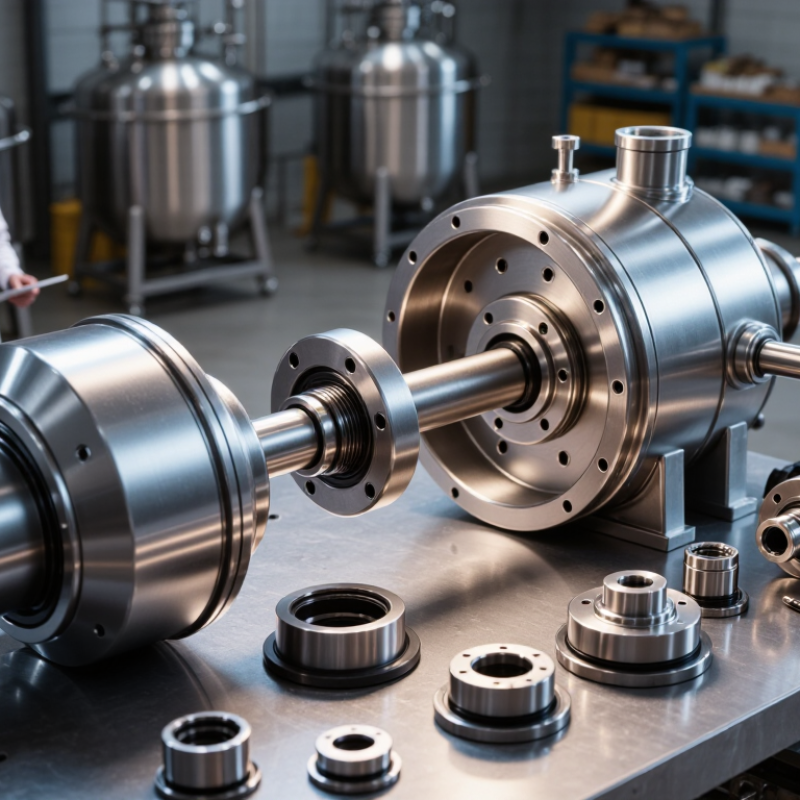
Top Mixing Machine Parts Suppliers Worldwide

What Mixing Machine Parts Suppliers Provide

Mixing machine parts suppliers provide more than replacement components. They help processors keep equipment stable, safe, and productive. Common items include mixing blades, shafts, couplings, bearings, seals, gearboxes, and drive motors. Some suppliers also provide scrapers, support brackets, inspection covers, and temperature sensors. Small parts matter.

Experienced suppliers review the machine’s model, shaft diameter, operating speed, material, and working temperature before recommending a part. They may request photographs, technical drawings, or worn components for comparison. This prevents a common mistake: choosing a part that fits physically but performs poorly under load. Reliable suppliers provide material certificates, dimensional reports, installation instructions, and traceable quality records.

Many suppliers offer custom machining for unusual vessels or older equipment. They can modify blade profiles, reproduce damaged shafts, or produce food-grade sealing components when required. Maintenance kits are also useful. A kit may contain seals, gaskets, bearings, fasteners, and lubrication guidance for one service interval. Delivery support can include stock checks, protective packaging, and technical assistance during installation.

However, no supplier gets every detail right. Measurements can be incomplete, and field conditions may differ from drawings. Buyers should verify tolerances, compatibility, and maintenance access before ordering. A practical supplier welcomes those questions rather than rushing the sale.

Key Types of Mixing Machine Parts

Mixing machine parts determine how reliably a mixer handles powders, liquids, pastes, and viscous materials. In field inspections, the most frequently replaced components are impellers, blades, shafts, seals, bearings, couplings, and gearboxes. Each part affects a different operating condition. Blade shape controls circulation and shear. Shaft diameter influences torque resistance. Mechanical seals protect the drive area from leaks. Bearings support smooth rotation under continuous loads.

Impellers come in several types, including paddle, turbine, anchor, and helical designs. Paddle parts suit gentle blending, while turbine blades create stronger turbulence. Anchor scrapers work well with thick materials near vessel walls. Wear-resistant blades may extend service life, but they can increase equipment weight. That trade-off is easy to overlook. Custom Mixing Machine Parts help match dimensions, materials, mounting holes, and operating temperatures more accurately.

Reliable suppliers should provide material certificates, dimensional drawings, hardness data, and clear tolerance records. Stainless steel parts resist corrosion, while hardened alloys handle abrasive mixtures. Food, chemical, and pharmaceutical applications may require smoother surfaces and controlled sealing materials. During replacement, technicians should check shaft runout, keyway wear, and coupling alignment. A new bearing cannot correct a bent shaft.

Small errors matter. One installation I reviewed used the correct seal size but the wrong elastomer. The mixer operated briefly, then softened the seal during cleaning. This experience shows why suppliers need practical application knowledge, not only catalog measurements. Packaging also matters; unprotected machined surfaces can arrive scratched or contaminated.

Top Mixing Machine Parts Suppliers Worldwide - Key Types of Mixing Machine Parts

This chart presents the common part categories found in a typical single-shaft industrial mixer assembly. Bearings are shown as two units because most shaft arrangements use a bearing at each support point, while the other categories generally represent one primary component per assembly. Actual quantities vary by mixer design, capacity, and application.

How to Evaluate Supplier Quality and Reliability

When sourcing mixing machine parts, supplier quality must be tested beyond a polished catalogue. The ISO Survey 2023 recorded more than 1.26 million ISO 9001 certificates worldwide. However, certification alone does not prove consistent tolerances, material strength, or delivery reliability. Request the current certificate, audit scope, and manufacturing location. Then compare them with the supplied parts.

A dependable supplier should provide dimensional inspection reports, material certificates, batch numbers, and corrective-action records. For CE Certification Mixing Machine Parts, verify the applicable conformity documents and technical file evidence. CE marking is not a universal quality certificate. It confirms relevant regulatory conformity, not long-term wear resistance. Ask for sample reports from shafts, seals, blades, and couplings. Check critical dimensions with your own gauges.

Delivery data matters too. Review at least six months of on-time performance, response time, replacement rates, and unresolved complaints. The 2024 MHI Annual Industry Report found that 91% of respondents expected supply-chain transformation investment. That pressure can encourage faster sourcing, but speed may hide weak inspection controls. A supplier answering quickly is not always reliable. In practical evaluations, I would audit one production batch before approving repeated orders. My own assessment can still be incomplete. Factory visits may show excellent housekeeping while subcontracted heat treatment remains unclear. Ask who performs each process, how records are retained, and what happens when a batch fails.

Global Regions Leading the Mixing Parts Market

Asia Pacific leads the global mixing parts market, supported by expanding food, chemical, pharmaceutical, and construction production. Grand View Research reports that Asia Pacific held the largest industrial mixer market share in 2023. The region also benefits from dense manufacturing networks and shorter component delivery routes.

China, India, Japan, and Southeast Asian economies generate strong demand for Parts Of Mixer Machine, including shafts, blades, seals, bearings, and gear assemblies. MarketsandMarkets projects steady growth for industrial mixing equipment through the decade, driven by process automation and stricter production consistency requirements. In practical terms, a worn seal can stop a stainless-steel vessel, delay a batch, and increase cleaning costs.

Europe remains important because of advanced engineering standards and high demand for hygienic processing equipment. Research and Markets identifies food, chemical, and pharmaceutical production as major demand areas across the region. German, Italian, and Nordic manufacturers often prioritize corrosion resistance, traceability, and precision balancing. These details matter.

North America continues to support premium replacement-part demand through food processing, specialty chemicals, and industrial maintenance. According to the U.S. Department of Energy, motor-driven systems account for a significant share of industrial electricity use, making efficient mixer components commercially relevant. However, market reports use different definitions and base years. Data needs caution. Some suppliers still overstate regional growth while underreporting maintenance failures and long lead times.

Custom Manufacturing and Technical Support Options

Reliable mixing machine parts suppliers worldwide now offer more than standard replacement components. Custom manufacturing supports shafts, impellers, blades, seals, couplings, and vessel fittings for demanding production environments. Experienced engineers review material choice, operating speed, temperature, viscosity, and cleaning conditions before production begins. A stainless steel shaft may need different treatment from a high-wear impeller. Small details matter.

A useful supplier should work from accurate drawings, samples, or measured components. They can adjust shaft diameter, keyway position, blade angle, and surface finish to match existing equipment. Clear dimensional tolerances reduce installation delays. Material certificates and inspection reports add dependable evidence. Trial parts also reveal problems that drawings may miss. A first design is rarely perfect.

Technical support should continue after delivery. Specialists can guide installation, alignment, torque settings, seal replacement, and vibration checks. They may also help identify uneven mixing, unusual noise, or premature wear. Practical advice often comes from field measurements, not assumptions. Photos, operating data, and maintenance records improve diagnosis. However, remote support has limits. Some recommendations may need correction after an on-site inspection. Suppliers that document revisions, test results, and service feedback create a more reliable working process for custom parts.

How to Choose the Right Supplier for Your Equipment

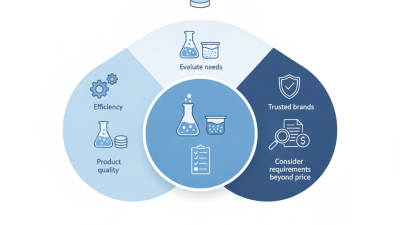
Choosing the right mixer-parts supplier starts with process knowledge, not a large catalog. Check material compatibility, temperature limits, shaft loads, seal design, and cleaning requirements. A supplier should request your product viscosity, batch size, operating speed, and maintenance history. Generic parts may fit physically but fail under real production conditions.

Grand View Research projects steady growth in the industrial mixing equipment market through 2030, with automation and process efficiency driving demand. This trend makes technical support increasingly important. Ask for dimensional drawings, material certificates, inspection records, and documented tolerance ranges. ISO’s 2023 Survey reported more than 1.2 million ISO 9001 certificates worldwide, yet certification alone does not prove practical expertise. Request evidence from comparable applications. Speak with the engineer, not only the salesperson.

Lead time deserves close attention. A low price means little if one worn impeller stops a production line for two weeks. Confirm stock levels, emergency machining capacity, packaging methods, and delivery terms. For Custom Parts Of Mixer Machine, provide a measured sample or accurate CAD file. Include photos of wear marks. Small details matter. I have seen suppliers blame installation when the real issue was an incorrect alloy selection. That experience taught me to test assumptions, even when the drawing looks perfect. A trial order, inspection checklist, and clear warranty terms can expose weaknesses before a full replacement program begins.

Top Mixing Machine Parts Suppliers Worldwide - How to Choose the Right Supplier for Your Equipment

Part Category Typical Materials Key Technical Requirements Common Applicable Standards Critical Supplier Capabilities Recommended Verification Documents Selection Priority
Mixing Shafts 304 or 316 stainless steel; nickel alloys for highly corrosive service Correct diameter, torsional strength, concentricity, balance, corrosion resistance and compatibility with the impeller connection ASTM material specifications; ISO 21940 for balancing where applicable; hygienic designs may follow ASME BPE practices Precision machining, heat-treatment control, dynamic balancing and documented material traceability Material certificates, dimensional inspection report, balance report and surface-finish record High
Impellers and Agitator Blades Stainless steel, coated carbon steel, duplex stainless steel or nickel-based alloys Blade diameter, pumping direction, flow pattern, power demand, tip speed and resistance to erosion or corrosion ASME Section VIII may apply to pressure-containing assemblies; ASTM standards define many material grades Hydrodynamic design support, weld-quality control, surface finishing and application-specific testing Engineering drawings, weld procedures, dimensional report, material certificates and performance data High
Mechanical Seals Carbon, silicon carbide, tungsten carbide, ceramic, EPDM, FKM or PTFE Pressure, temperature, shaft speed, fluid compatibility, leakage control, face loading and elastomer compatibility EN 12756 for mechanical seal dimensions and designation; FDA 21 CFR requirements may apply to food or pharmaceutical service Seal selection expertise, controlled face lapping, leak testing and availability of replacement sets Seal data sheet, pressure-temperature limits, elastomer certificate and leak-test report High
Gearboxes and Drive Units Cast iron, ductile iron, aluminum alloys and hardened alloy-steel gears Required torque, service factor, output speed, duty cycle, mounting arrangement, lubrication and thermal capacity ISO 9001 quality systems; ISO 6336 is commonly used for calculation of cylindrical gear load capacity Accurate torque sizing, noise and vibration control, lubrication guidance and global spare-parts support Torque calculation, gear-ratio data, factory test report, lubrication instructions and warranty terms High
Electric Motors Aluminum or cast-iron housings with copper windings and insulated electrical components Power rating, voltage, frequency, enclosure rating, efficiency class, hazardous-area requirements and mounting dimensions IEC 60034 series; IEC 60072 for mounting dimensions; IP ratings are defined by IEC 60529 Correct electrical configuration, regional certification support, efficient motor selection and replacement compatibility Motor nameplate data, efficiency certificate, test report, IP rating and hazardous-area certificate when required High
Couplings Alloy steel, stainless steel, elastomeric elements or flexible metallic components Rated torque, maximum speed, allowable misalignment, bore dimensions, torsional stiffness and guard compatibility ISO 14691 may be relevant to flexible couplings in petroleum, petrochemical and natural-gas applications Accurate bore and keyway machining, balancing, alignment guidance and compatible replacement availability Torque rating, dimensional drawing, balance report, material certificate and installation instructions Medium
Bearings and Bearing Housings Chrome bearing steel, stainless steel, polymer seals and cast or machined housings Radial and axial load capacity, speed rating, lubrication method, operating temperature and contamination protection ISO 281 for bearing load ratings and life calculation; ISO 15243 for bearing damage classification Correct load calculations, sealing expertise, lubrication recommendations and reliable dimensional interchangeability Bearing specification, load-life calculation, grease compatibility data and inspection report High
Vessels, Covers and Nozzles 304 or 316 stainless steel, carbon steel with protective lining, duplex steel or nickel alloys Design pressure, vacuum resistance, working temperature, wall thickness, nozzle arrangement and corrosion allowance ASME Section VIII for applicable pressure vessels; EN 13445 for unfired pressure vessels; local regulations may also apply Certified pressure-vessel design, qualified welding, non-destructive testing and code documentation Design calculations, welding records, pressure-test certificate, NDT reports and material certificates High
Baffles and Internal Supports Stainless steel, carbon steel, duplex steel or corrosion-resistant lined materials Correct width and clearance, structural rigidity, weld integrity, cleanability and resistance to vibration Applicable vessel-construction codes; ASME BPE practices may apply to hygienic process equipment Accurate fabrication, smooth weld finishing, hygienic design awareness and dimensional inspection Internal-layout drawing, weld inspection report, surface-finish record and material certificates Medium
Spray Balls and Cleaning Components 316 or 316L stainless steel; PTFE or other approved polymers for selected seals Cleaning coverage, flow rate, pressure drop, drainability, surface finish and resistance to cleaning chemicals ASME BPE; EHEDG design principles; FDA 21 CFR requirements may apply to product-contact materials Hygienic design expertise, coverage testing, electropolishing options and documented product-contact materials Coverage-test report, surface-finish certificate, material declaration and cleanability documentation High
Gaskets and O-Rings EPDM, FKM, PTFE, silicone, graphite or aramid-reinforced materials Temperature range, chemical compatibility, compression set, pressure rating and food or pharmaceutical suitability FDA 21 CFR provisions may apply to food-contact elastomers; USP Class VI may be requested for pharmaceutical applications Compound traceability, correct hardness selection, dimensional consistency and batch-level quality control Certificate of conformity, batch traceability, chemical-compatibility data and hardness certificate High
Instrumentation and Sensors 316L stainless steel wetted parts, ceramic sensors, industrial polymers and shielded wiring Measurement range, accuracy, response time, process connection, ingress protection and signal compatibility IEC 60751 for industrial platinum resistance thermometers; IEC 60529 for ingress protection; hazardous-area standards may apply Calibration capability, process-instrumentation knowledge, compatible communication interfaces and replacement support Calibration certificate, accuracy specification, wiring diagram, process-connection drawing and conformity declaration Medium
Control Panels and Variable-Frequency Drives Powder-coated steel, stainless steel enclosures, copper conductors and industrial electronic modules Motor-control compatibility, overload protection, enclosure rating, electromagnetic compatibility and regional voltage standards IEC 60204-1 for machinery electrical equipment; IEC 61800 series for adjustable-speed electrical power-drive systems Electrical engineering, parameter configuration, panel testing, cybersecurity awareness and after-sales troubleshooting Electrical schematics, factory acceptance test, parameter list, conformity declaration and enclosure rating High
Wear Liners and Protective Coatings UHMW-PE, PTFE, ceramic, rubber, glass flake or alloy overlays Abrasion resistance, temperature limit, chemical compatibility, adhesion, thickness and repairability Coating-specific ASTM or ISO test methods; food-contact applications require applicable regulatory compliance Surface-preparation control, coating-thickness inspection, documented cure conditions and service-life guidance Coating data sheet, thickness report, adhesion test, cure record and chemical-resistance information Medium
Supplier Evaluation Criteria Not applicable; assess the supplier’s engineering, manufacturing and support resources Equipment compatibility, lead time, total cost of ownership, quality consistency, customization and spare-parts availability ISO 9001; ISO 14001 or ISO 45001 may be relevant to environmental and occupational-health programs Auditable quality system, international logistics, technical support, clear warranty terms and documented change control Quality certificate, customer references, inspection plan, delivery schedule, warranty policy and after-sales service plan High

Note: Standards and certifications should be matched to the equipment’s pressure, temperature, process fluid, industry, installation location and applicable local regulations. Always confirm the latest edition and scope with the supplier and the responsible engineering authority.

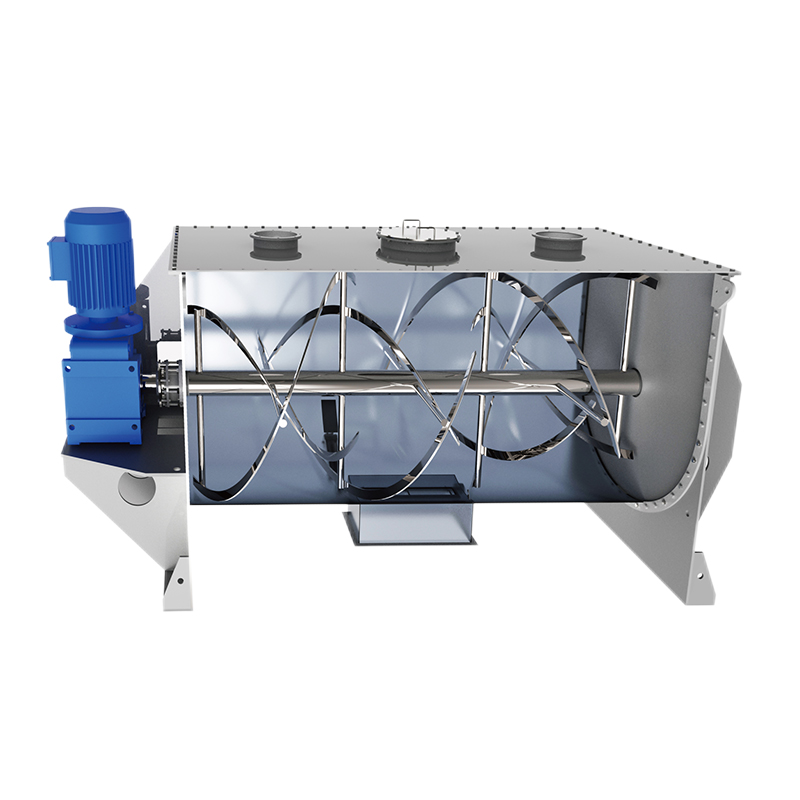
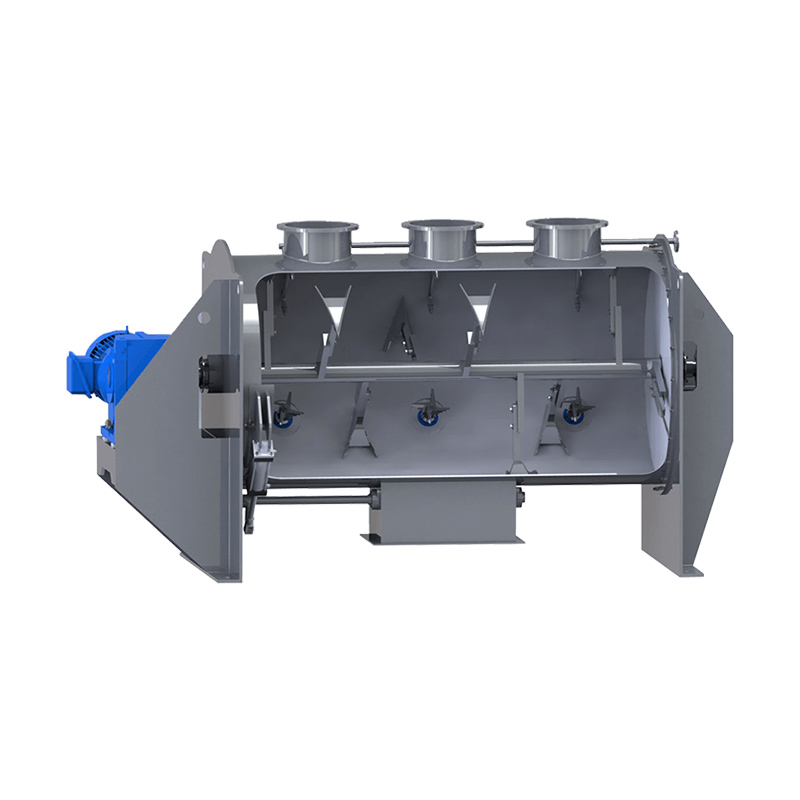
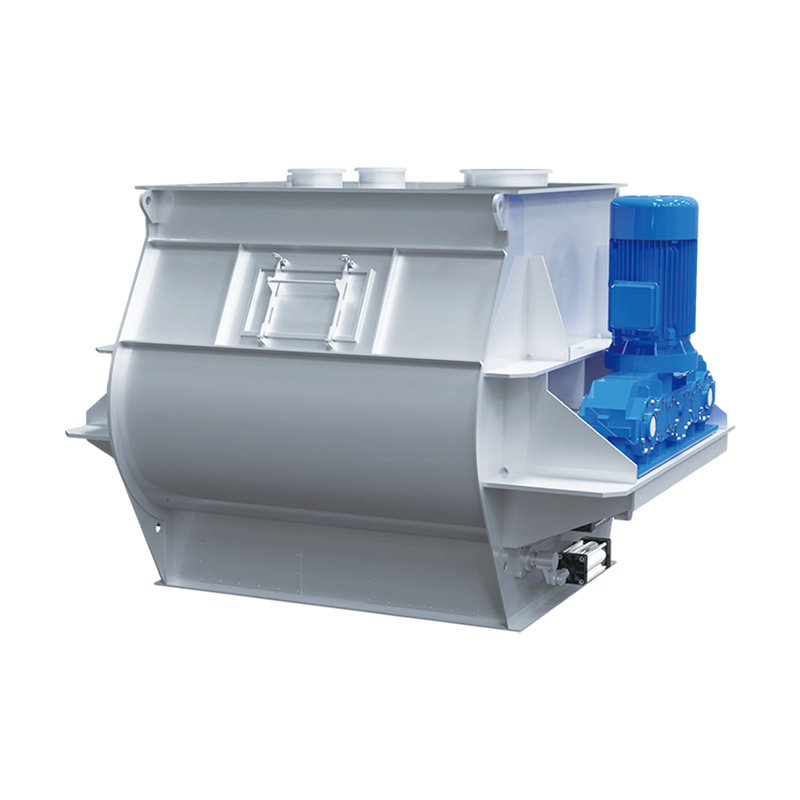
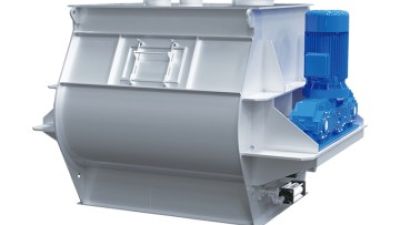
China SYJW Series Industrial Double Shaft Paddle Mixer: Efficient Mixing Solutions from Premium Factory Suppliers

The SYJW series industrial double shaft paddle mixer is engineered for applications where conventional mixing may struggle with differences in particle size, density, fineness, or flowability. Its counter-rotating paddle shafts promote rapid, uniform dispersion while reducing dead zones and material buildup. This gravityless mixing principle is suitable for powders, granules, fibers, and carefully controlled liquid additions across food, chemical, construction-material, agricultural, and other process industries. A 2024 outlook from Grand View Research projects continued growth in the global industrial mixer market through 2030, driven by automation, process consistency, and demand for higher production efficiency.

As an experienced China-based factory supplier, the manufacturer combines advanced fabrication technology, skilled engineering, and structured quality control to deliver dependable equipment for varied production conditions. The double-shaft configuration supports high filling rates and efficient heat or moisture distribution, while customized discharge designs, materials of construction, and control options can be selected according to process requirements. The 2023 FAO food-loss report highlights the importance of better handling and processing efficiency throughout supply chains, reinforcing the value of reliable mixing systems that help maintain product uniformity and minimize avoidable waste. For premium industrial mixing solutions, the SYJW series offers a practical balance of throughput, adaptability, and long-term operating reliability.

FAQS

Which mixing machine parts usually need replacement?

Common replacements include impellers, blades, shafts, seals, bearings, couplings, and gearboxes. Each part affects a different operating condition. Inspect them regularly.

How do impeller designs affect mixing performance?

Paddle impellers support gentle blending. Turbine blades create stronger turbulence. Anchor scrapers move thick material near vessel walls. Helical designs support viscous circulation.

What should be checked before ordering replacement parts?

Confirm dimensions, materials, mounting holes, temperature limits, shaft loads, and cleaning conditions. A part may fit physically but fail during production.

Which materials suit different mixing environments?

Stainless steel resists corrosion. Hardened alloys handle abrasive mixtures. Smoother surfaces may suit food, chemical, or pharmaceutical processing. Material choice is easy to underestimate.

What documents should a reliable supplier provide?

Request material certificates, dimensional drawings, hardness data, batch numbers, inspection reports, and tolerance records. Clear corrective-action records are useful too.

Does certification prove a supplier is reliable?

No. Certification shows a defined management system or regulatory conformity. It does not prove wear resistance, accurate tolerances, or consistent delivery performance.

How can delivery reliability be evaluated?

Review at least six months of delivery records, response times, replacement rates, and unresolved complaints. Ask about emergency machining and current stock. Fast replies can mislead.

What installation checks help prevent early failure?

Check shaft runout, keyway wear, seal material, bearing fit, and coupling alignment. A new bearing cannot repair a bent shaft. Small errors matter.

Why are application details important when choosing custom parts?

Provide viscosity, batch size, operating speed, temperature, cleaning method, and maintenance history. Add wear photos or an accurate drawing. My assessment may still be incomplete.

Should a trial order be used before larger purchases?

Yes. Inspect one production batch before repeated orders. Use a checklist and clear warranty terms. Packaging matters; scratched surfaces can create problems.

Conclusion

Top Mixing Machine Parts Suppliers Worldwide support manufacturers by providing essential replacement components, wear parts, drive elements, seals, blades, shafts, bearings, and control-related accessories for various industrial mixing systems. Reliable suppliers typically offer standard and customized parts, material options suited to different processing conditions, dimensional accuracy, and technical guidance for installation and maintenance. Understanding the key types of Mixing Machine Parts helps buyers identify critical components and reduce equipment downtime.

When evaluating suppliers, customers should consider product quality, manufacturing consistency, inspection procedures, delivery capability, communication, and after-sales support. Leading regions in the global mixing parts market often combine advanced machining expertise, strong industrial infrastructure, and efficient supply networks. Custom manufacturing and engineering consultation can be valuable when equipment has unique specifications or operates under demanding conditions. Ultimately, the right supplier should match the equipment model, operating environment, required materials, budget, lead time, and long-term service expectations while providing dependable documentation and responsive technical assistance.

Jackson

Jackson

Jackson is a dedicated marketing professional at Shanghai Shenyin Machinery (Group) Co., Ltd., where he leverages his extensive expertise in the machinery industry to promote the company’s innovative products. With a deep understanding of the market dynamics and customer needs, Jackson plays a......
Previous What Is the Best Small Mixture Machine?