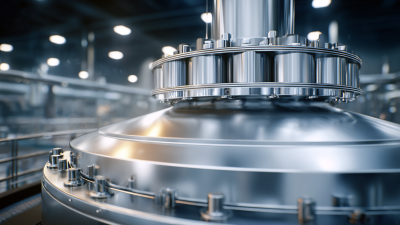
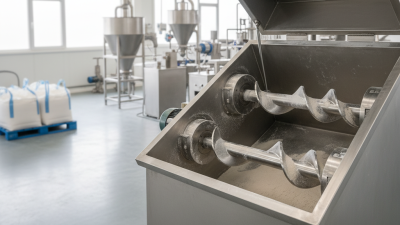
In manufacturing these days, especially with how fast everything moves, efficiency really isn't optional — it's everything. One tool that's been gaining a lot of attention lately is the Rapid Mixers. You've probably seen how essential they’ve become in different industries, really helping to speed up production and make things run smoother. Companies like Schaeffler and Alfa Laval are actually using these mixers to boost their output while keeping quality on point.
What’s cool about Rapid Mixers is how quickly they blend materials — it means shorter production times and, honestly, less money spent on operation costs too. But, here’s the thing — not every mixer is a perfect fit for every job. Picking the right one and taking good care of it is super important. After all, not all Rapid Mixers are built the same, and each industry has its own quirks and needs.
Of course, the benefits are pretty clear, but it’s also good to keep an eye out for any potential downsides. Relying too heavily on the tech can sometimes lead to missing out on quality checks. That’s why finding a good balance between automation and human oversight is key. If you’re thinking about jumping on the Rapid Mixer bandwagon, it could really change your production game — just make sure to do your homework and plan carefully to get it right.
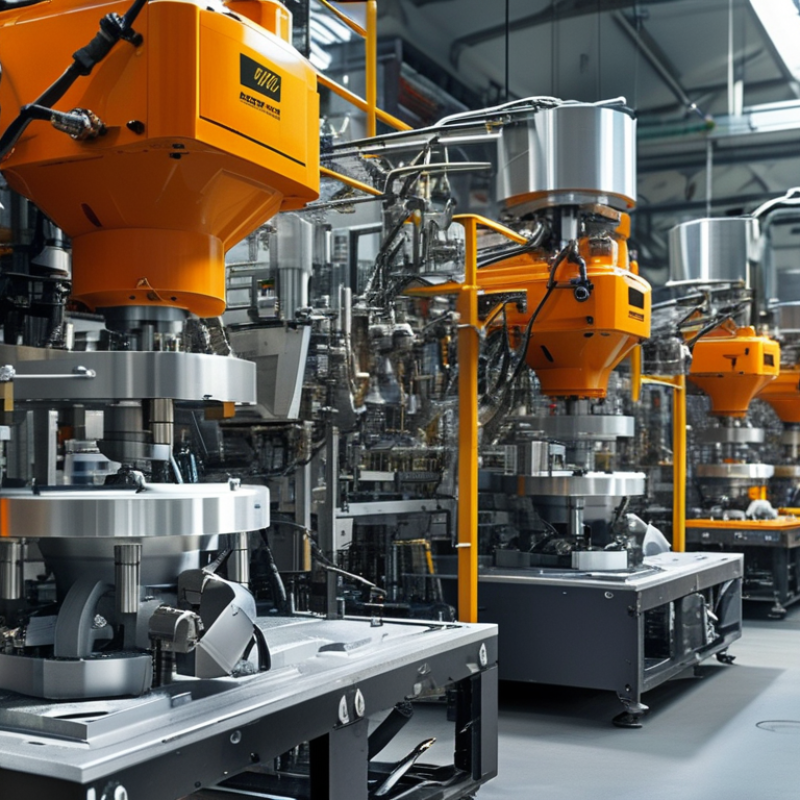
Overview of Rapid Mixers in Manufacturing Industries
Rapid mixers play a crucial role in modern manufacturing industries. They are essential for achieving optimal blending and uniformity in various processes. According to a recent industry report, over 40% of manufacturers utilize rapid mixers to produce consistent product quality. This statistic highlights the growing reliance on efficient mixing solutions for competitive production.
In sectors like pharmaceuticals and food processing, precision in mixing is vital. Custom Rapid Mixers can be tailored to specific requirements, ensuring that formulations meet stringent quality standards. A study found that manufacturers using custom solutions saw a 25% increase in production efficiency. This improvement leads to faster turnaround times, a critical factor in today’s fast-paced market.
However, not all mixing solutions are flawless. Some manufacturers have reported challenges with maintaining consistency across batches. This inconsistency can result from equipment wear or improper calibration. Evaluating the performance of rapid mixers is essential to optimize operations and enhance product quality. Continuous assessment of these systems will lead to better practices and innovation in manufacturing processes.
Top Rapid Mixers Usage in Manufacturing Industries
Key Features of Efficient Rapid Mixers
Efficient rapid mixers are essential in various manufacturing processes. These machines ensure consistent mixtures, meeting the demands of industries such as food, pharmaceuticals, and chemicals. A key feature is their mixing efficiency. Fast and uniform mixing helps reduce production time while maintaining product quality.
Another crucial aspect is ease of cleaning. Rapid mixers should allow for quick disassembly and cleaning to prevent cross-contamination. This feature is vital in industries requiring high hygiene standards. Additional considerations include durability and energy efficiency. A robust design extends the mixer’s lifespan, while energy-efficient models can significantly reduce operational costs.
Mixing speed also varies. Some applications may require slower speeds for delicate ingredients, while others benefit from high speeds. Not all mixers cater to every need. Reflection on specific requirements is essential for selecting the right mixer. Testing various options can help identify the best fit for unique manufacturing needs. Keep in mind that not every choice might lead to flawless results. A thorough evaluation process is necessary to ensure optimal efficiency.
Types of Rapid Mixers and Their Applications
Rapid mixers play a crucial role in various manufacturing settings. Their applications range from food production to pharmaceuticals. Understanding the types of rapid mixers is key to enhancing efficiency.
There are several types of rapid mixers. The most common are high-Shear Mixers. They excel in blending solid and liquid components. These mixers produce a homogeneous mixture swiftly. Batch mixers are another option. They are effective for small-scale operations. However, they can be time-consuming. Continuous mixers offer a fast and uninterrupted blending process. They suit large-scale manufacturing needs.
Each mixer has its strengths and weaknesses. It’s essential to assess the specific requirements of your production process. Some industries may require unique features. Others might prioritize speed over consistency. Reflecting on the right choice can lead to improved output and reduced waste.
Advantages of Using Rapid Mixers in Manufacturing
Rapid mixers play a pivotal role in modern manufacturing processes. By enhancing mixing efficiency, these machines streamline production workflows. Their ability to create uniform mixtures quickly can significantly reduce lead times, which is crucial for meeting tight deadlines. This not only helps in maintaining a smooth production line but also elevates overall product quality.
Using rapid mixers can yield substantial cost savings. The accelerated mixing process shortens batch times, allowing for increased production rates. Operators can also reduce energy consumption, which contributes to lower operational costs. Moreover, accurate mixing ratios prevent material wastage, enhancing sustainability efforts in manufacturing.
Tips for maximizing the benefits of rapid mixers include:
- Regular maintenance checks
- Appropriate calibration
Ensuring machines are in top shape avoids delays and enhances reliability.
Beyond efficiency, rapid mixers also boost flexibility. They can easily adapt to various materials and formulations. This versatility is essential in a market where consumer demands are ever-changing. However, it's vital to remember that not every rapid mixer might meet your specific needs. Thorough research and understanding of the CE Certification Rapid Mixers can guide effective selections. Also, training staff is essential to utilize these machines fully.
Maintenance and Care for Optimal Mixer Performance
Regular maintenance is critical for ensuring the optimal performance of your Rapid Mixer . Over time, components can wear down. A thorough inspection helps identify potential issues early. Check for signs of wear on blades and seals. Regularly lubricate moving parts to prevent friction. These small steps can improve longevity and efficiency.
Cleaning plays a significant role in maintenance. Residue buildup can affect mixer performance. Use appropriate cleaning agents to keep surfaces free from contaminants. Pay attention to hard-to-reach areas. Failing to clean regularly can lead to unexpected downtime. It is crucial to develop a routine cleaning schedule.
Running your Rapid Mixer beyond its capacity can lead to problems. Understand the manufacturer's guidelines for load limits. Ignoring these recommendations can result in overheating and mechanical failures. Operating within limits helps maintain performance and extends the life of your equipment. Regular training for staff on proper usage enhances safety and efficiency as well. Adaptations over time may require revisiting operational procedures.
Emerging Technologies in Rapid Mixing Solutions
Emerging technologies in rapid mixing solutions have transformed the manufacturing landscape. Companies are now adopting innovative equipment to enhance efficiency. Advanced sensors and smart controls are crucial in this evolution. They provide real-time feedback on mixing conditions, ensuring optimal performance. This integration has led to more precise formulations and reduced waste.
Custom Rapid Mixers have gained traction, catering to specific production needs. Modular designs allow manufacturers to tailor mixers to their processes. This flexibility enhances productivity while maintaining high-quality standards.
However, the implementation of these technologies requires careful consideration. Training staff on new equipment and troubleshooting potential issues is essential. Not every solution fits every industry. Each manufacturer must assess their unique challenges and needs.
The ongoing shift towards automation raises questions about workforce impact. While technology boosts efficiency, it can also disrupt traditional roles. Manufacturers must balance innovation with workforce stability. The ideal path is one that considers both technological advancement and human expertise. Encouraging collaboration between machines and operators is key to successful implementation.
Case Studies of Successful Rapid Mixer Implementations
Rapid mixers have transformed many manufacturing processes. In various industries, effective mixing can significantly reduce production times. A case study from a pharmaceutical company demonstrates this impact. By implementing a rapid mixer, they reduced their mixing time by 40%. This allowed them to increase their output and meet growing demand swiftly.
Another example comes from the food processing sector. A company faced inconsistent product quality due to traditional mixing methods. After transitioning to a rapid mixer, they achieved uniformity in their ingredients. This change not only enhanced product quality but also minimized waste. Observing these real scenarios highlights the importance of choosing the right mixing technology.
However, adopting rapid mixers isn’t without challenges. Some companies experienced a learning curve. Staff needed training to optimize the new equipment. Additionally, initial costs can be high. Evaluating these factors is crucial for long-term success. Balancing efficiency with quality remains a key focus in these implementations.
FAQS
: The main types are high-shear mixers, batch mixers, and continuous mixers. Each type serves different production needs.
Rapid mixers create uniform mixtures quickly. This reduces lead times and helps maintain a smooth production workflow.
They can decrease batch times and energy consumption. This leads to lower operational costs and less material waste.
Yes, they offer great flexibility. This adaptability is important for meeting changing consumer demands in the market.
Companies may face a learning curve. Staff training is vital to optimize the use of new equipment.
Regular maintenance and appropriate calibration are key. Keeping machines in top shape avoids delays and enhances reliability.
Each mixer has unique strengths and weaknesses. Assessing needs allows for better decisions, impacting output and waste.
They can enhance quality by creating consistent mixtures. Inconsistent methods can lead to product variations and waste.
Yes, initial investment can be high. Evaluating long-term benefits versus costs is crucial for success.
Proper training helps staff maximize mixer capabilities. This can lead to improved efficiency and product quality in the long run.
Conclusion
Rapid mixers play a crucial role in enhancing efficiency within manufacturing industries by providing consistent and uniform blending of materials. The article explores essential features that make rapid mixers effective, including high speed, energy efficiency, and ease of operation. Various types of rapid mixers are discussed along with their specific applications across different sectors, illustrating their versatility and effectiveness.
In addition to highlighting the advantages of implementing rapid mixers—such as improved product quality and reduced processing time—the article emphasizes the importance of regular maintenance for optimal performance. Emerging technologies, including automation and smart monitoring systems, are reshaping the landscape of rapid mixing solutions. Through case studies, the article showcases successful implementations of rapid mixers, demonstrating their significant impact on manufacturing efficiency and productivity.

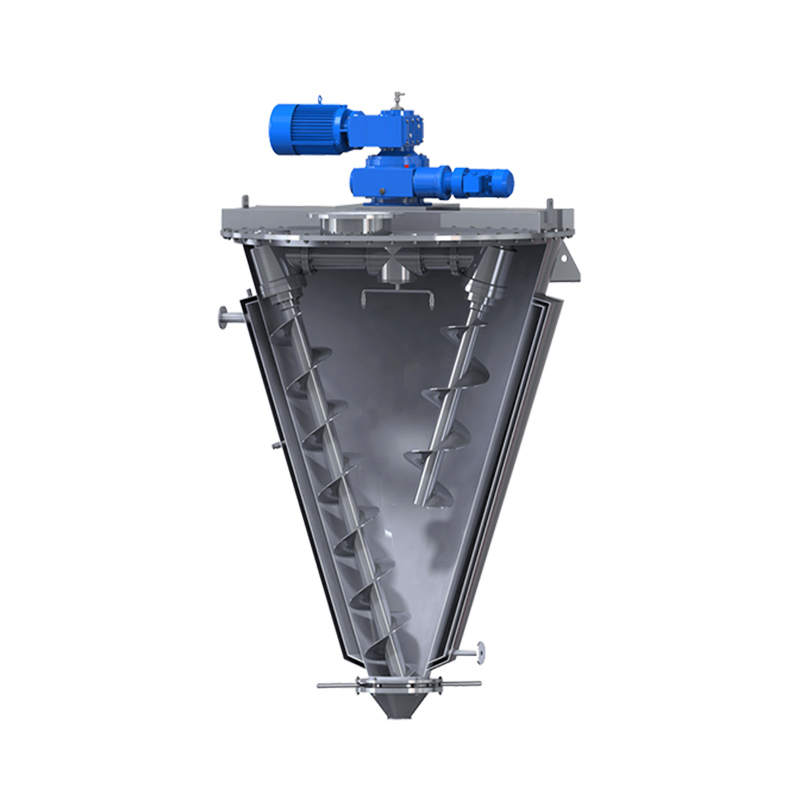 Conical Screw Mixer
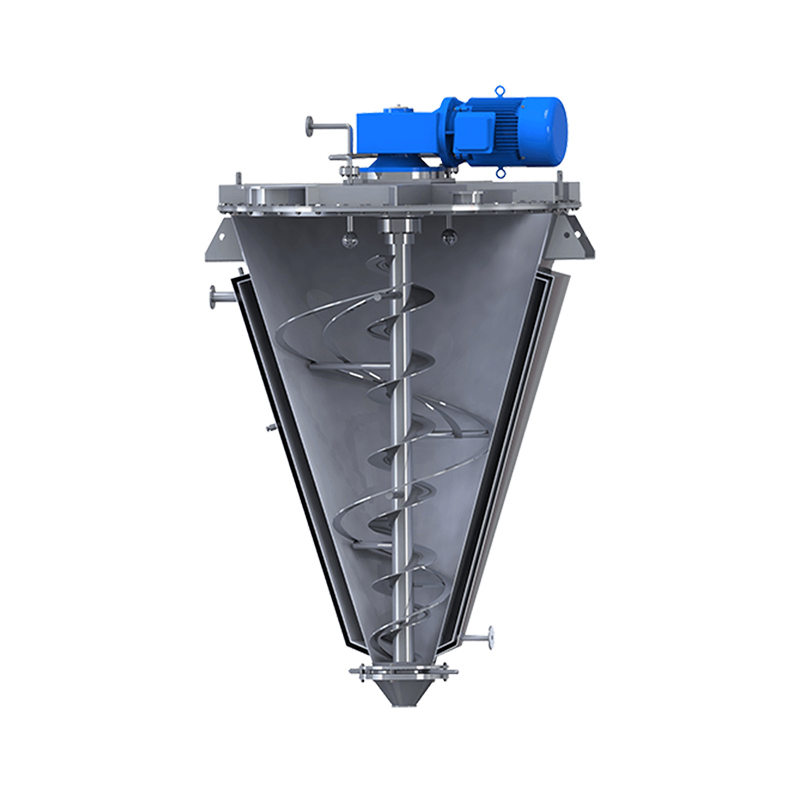 Conical Screw Belt Mixer
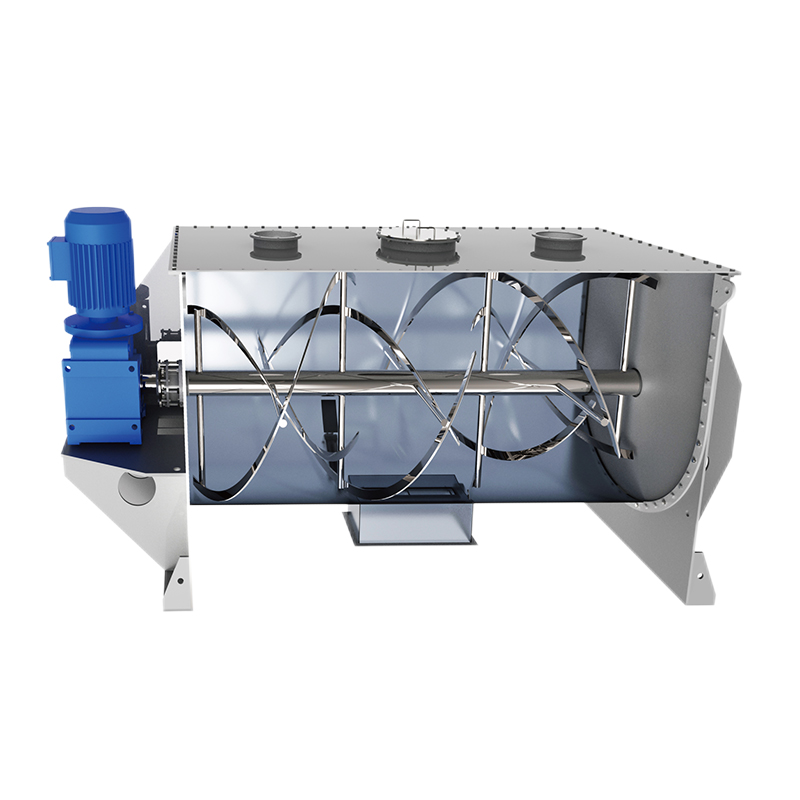 Ribbon Blender
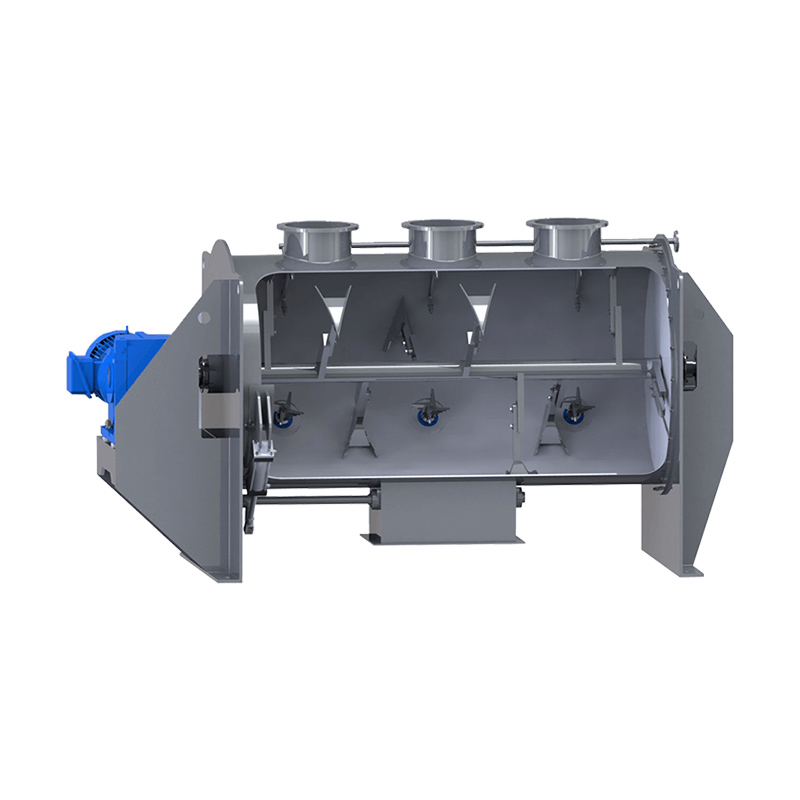 Plough-shear Mixer
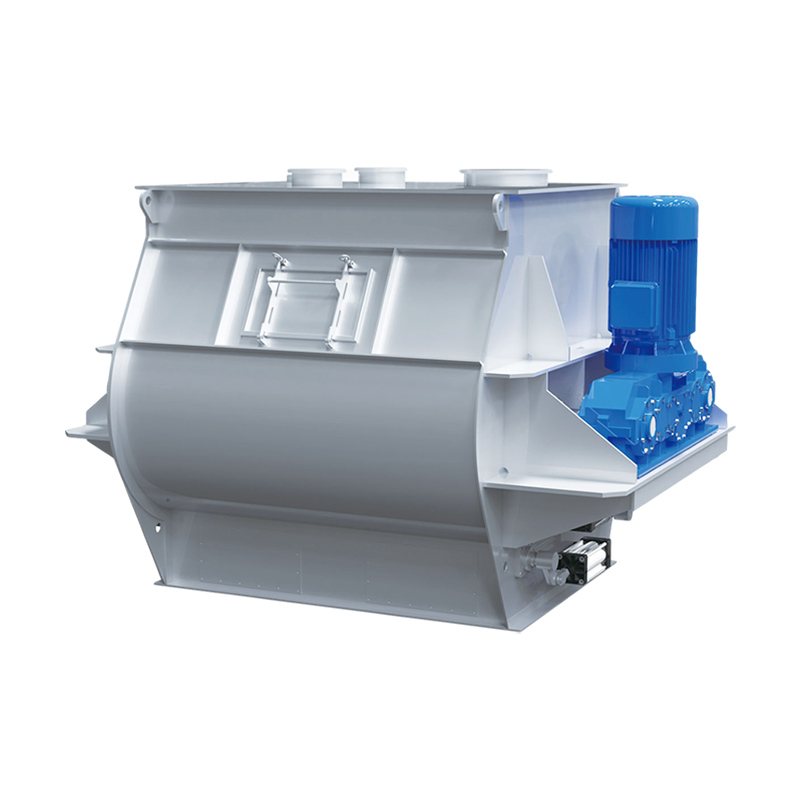 Double Shaft Paddle Mixer
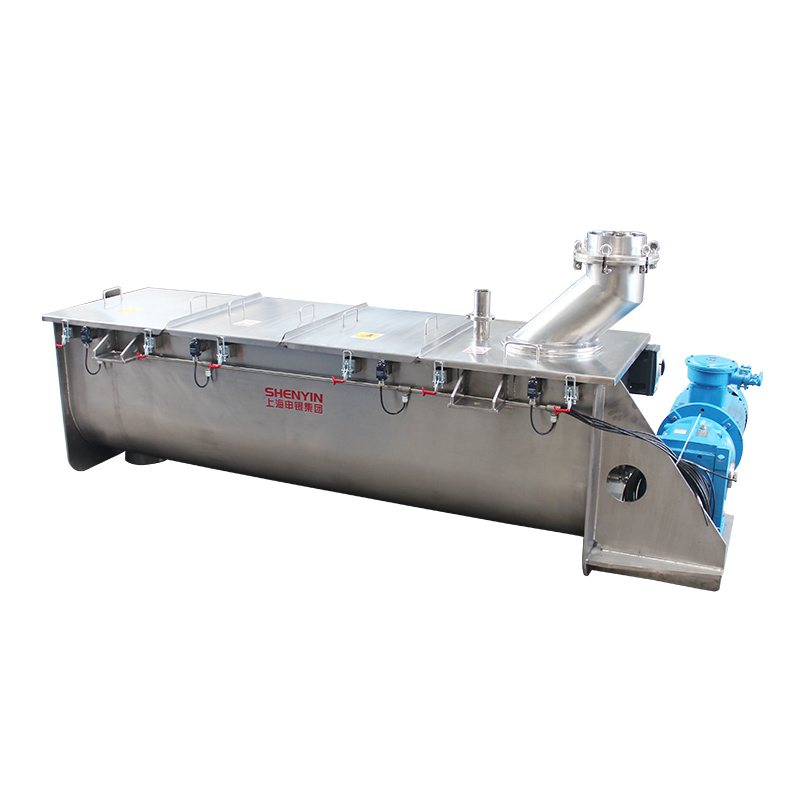 CM Series Mixer