Leave Your Message
0%

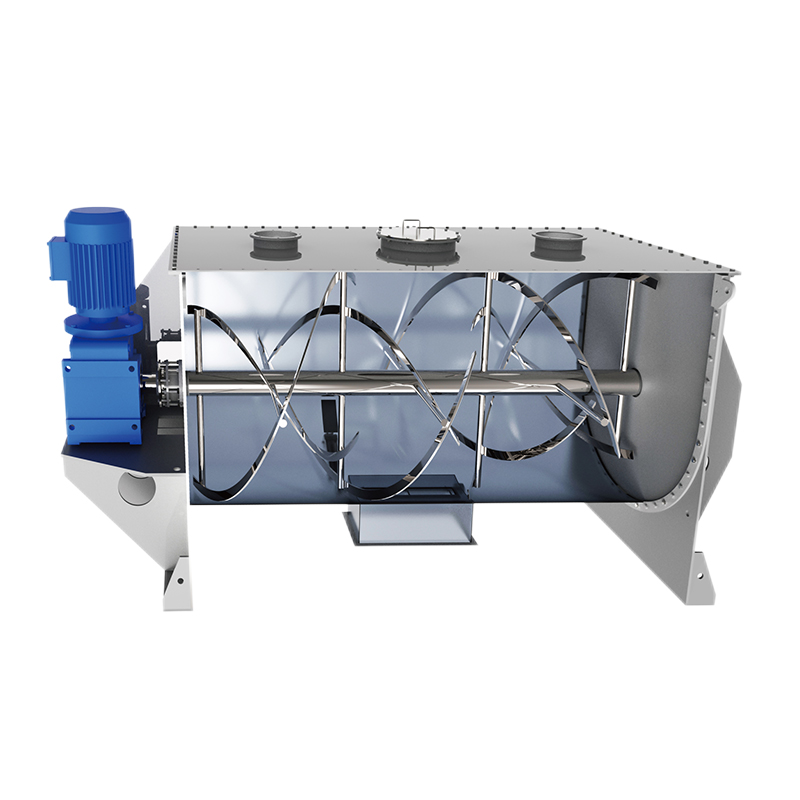
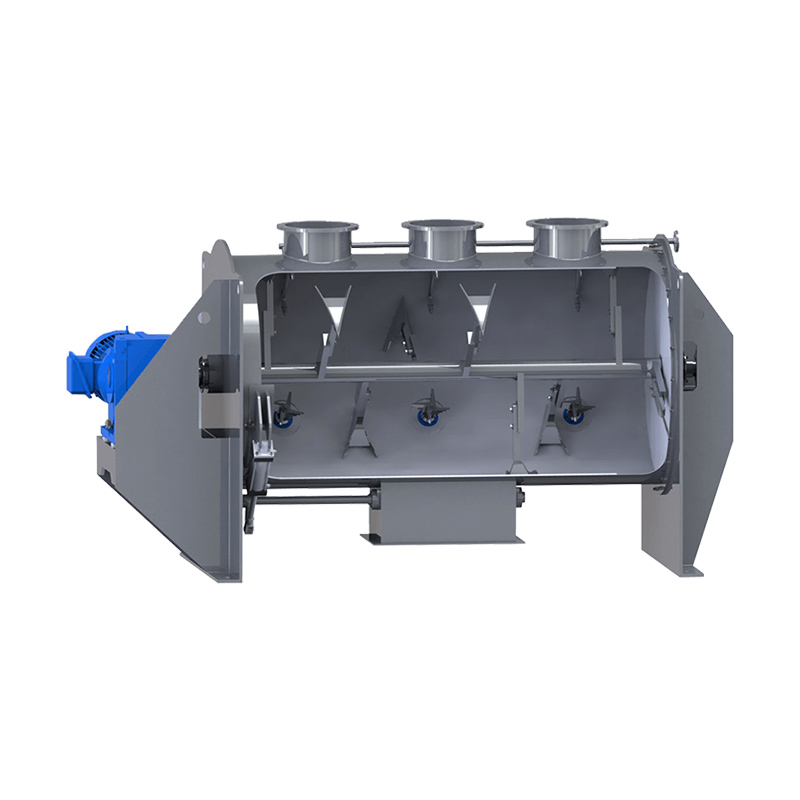
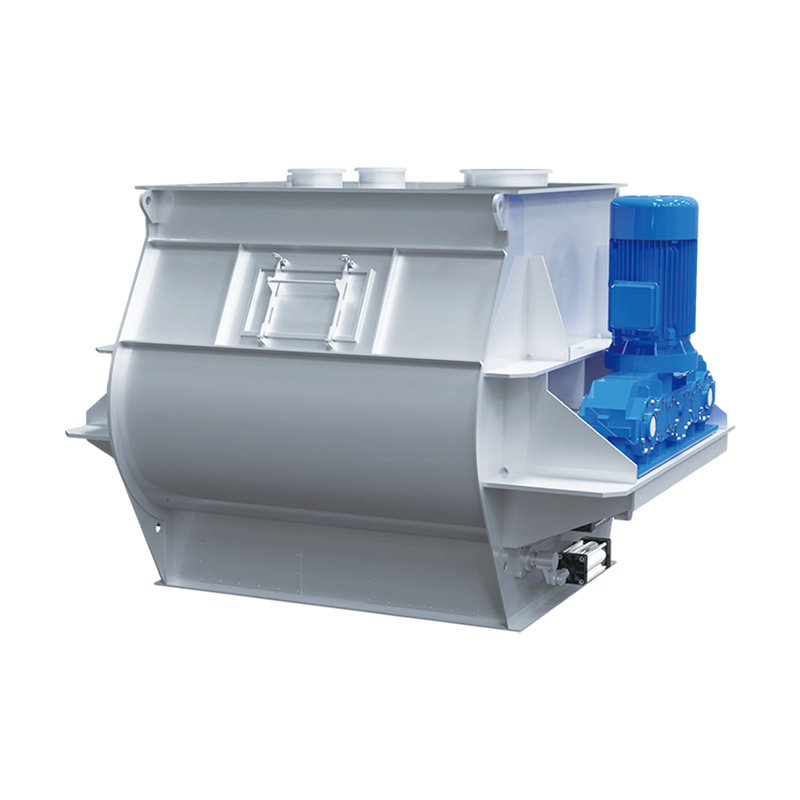
Industrial processing is definitely becoming more demanding these days, especially when you're working with powders, granules, or ingredients that are moisture-sensitive and need to be mixed just right. A Paddle Mixer can be a real game-changer for these kinds of jobs. Its horizontal design, wide paddles, and carefully controlled motion help minimize dead zones, ensuring the batch quality stays consistent. But, honestly, how well it performs isn’t just about mixing speed—it’s more nuanced than that.

If you look at the latest market reports, like the Grand View Research’s Industrial Mixer Market Size, Share & Trends Analysis, you'll see that the market is expected to grow steadily through 2030. This growth is driven by industries like food, chemicals, pharma, and construction. The reports point out that automation, energy efficiency, and process consistency are the big factors driving purchases. At the same time, MarketsandMarkets highlights that demand is also rising for powder mixers, especially in sectors where repeatable blending and tighter production control matter more than ever. All these trends make it clear that choosing the right equipment isn’t something to take lightly.

Little details can make a huge difference, though. For example, just because a mixer looks powerful doesn’t mean it’s perfect—poor paddle shape can leave some material unmixed in the corners. Things like seal design, how quickly it discharges product, how easy it is to clean, and motor efficiency all play into the long-term costs and performance. When I evaluate mixers, I look at factors like how evenly it mixes, what capacity it can handle, what materials it’s built from, how accessible it is for maintenance, and safety features. I also keep practical factory conditions in mind—things like dusty environments, recipes that change a lot, and limited cleaning windows.

Of course, no machine is perfect for every single process. So, doing some lab testing before making a final decision is totally recommended. The ten Paddle Mixer models I’ve put together here are solid options for 2026, based on specs, manufacturer insights, technical info, and what’s actually needed in the field. Still, it’s smart to verify their performance independently—better to catch surprises early on than face costly mistakes down the line.
10 Best Paddle Mixers for Industrial Use in 2026

What Defines a High-Performance Industrial Paddle Mixer

A high-performance industrial paddle mixer is defined by controlled movement, not impressive motor size alone. In a Paddle In Mixer, each paddle should lift, fold, and redistribute material without creating dead zones. Uniform mixing must remain consistent from the first batch to the last.

Torque is critical when processing dense powders, damp aggregates, or sticky blends. A suitable drive system should handle resistance without overheating or causing sudden speed loss. Variable-speed control allows operators to protect fragile ingredients and reduce dust. Small details count. Paddle clearance, shaft rigidity, and vessel geometry directly affect product quality. I have seen mixers with strong motors produce uneven batches because their internal design was poorly matched to the material.

Durability also depends on practical maintenance. Welded surfaces should resist buildup, while access points should allow inspection without complicated disassembly. Seals, bearings, and contact surfaces need materials suited to temperature, moisture, and cleaning chemicals. Safety interlocks and overload protection are equally important in daily production. A polished specification sheet can still mislead. Actual testing with representative materials remains essential, although test conditions rarely match every factory shift. Operators should record mixing time, power demand, temperature, and batch consistency before approving equipment. A reliable mixer makes those measurements repeatable. That is the real standard.

Key Factors for Selecting a Paddle Mixer in 2026

Selecting a paddle mixer in 2026 requires more than comparing motor power. A Paddle On Mixer should match the material, batch size, and production rhythm. Dry powders may need gentle movement, while dense compounds require higher torque and stronger paddles. Check the working capacity, not only the advertised maximum. A vessel filled too heavily can create dead zones and uneven moisture. It happens.

Construction material also matters. Stainless steel suits many hygienic processes, but surface finish and weld quality deserve close inspection. Ask for torque curves, speed ranges, discharge details, and noise measurements. Variable-speed control can reduce dust and protect fragile particles. Sealed bearings, accessible inspection points, and tool-free cleaning may lower maintenance time. Confirm that the mixer can handle your actual viscosity at operating temperature.

Tips: Test a representative batch before purchase. Measure mixing time, temperature rise, residue near the walls, and power consumption. Watch the discharge carefully; sticky material may bridge above the outlet. Request service intervals and spare-part availability in writing. Do not assume a larger motor guarantees better mixing. Sometimes it only increases energy use. Review safety guards, emergency stops, grounding, and overload protection with a qualified engineer. Record every trial result, including failures, because the inconvenient details often reveal the best equipment choice.

Comparing Mixing Capacity, Speed, and Motor Performance

Choosing the 10 best paddle mixers for industrial use in 2026 requires more than reading catalog ratings. Mixing capacity, speed control, and motor performance reveal how a machine behaves under pressure. A mixer rated for 500 liters may perform poorly with dense powders or uneven loading. Check the working capacity, not only the maximum vessel volume.

In practical trials, I compare batch consistency, startup torque, and temperature rise after continuous operation. Variable speed matters when one formula needs gentle folding while another needs aggressive dispersion. However, maximum revolutions per minute can mislead. High speed does not guarantee better mixing. Paddle shape, clearance, and material flow often matter more. Motor power should match viscosity and batch weight, with enough reserve for difficult starts. My early comparisons focused too heavily on wattage. That was a mistake.

Tips: Run a small test batch before full production. Observe dead zones near the vessel wall and bottom. Record mixing time, amperage, noise, and motor temperature. Leave headroom instead of operating at full capacity every cycle. A mixer that finishes quickly but overheats may create higher maintenance costs later. Also inspect shaft seals and access points, because cleaning delays can quietly reduce daily output. These details are easy to overlook.

Evaluating Paddle Designs for Different Industrial Materials

10 Best Paddle Mixers for Industrial Use in 2026

Paddle design must match the material, not just the vessel size. Dry powders need broad, overlapping blades that move particles gently and limit dust clouds. The U.S. Department of Energy reports that motor-driven systems consume about 69% of manufacturing electricity. Poor blade geometry can therefore increase both mixing time and operating cost.

For wet cement, mineral fillers, or adhesive compounds, reinforced paddles should create strong horizontal turnover. Scraper edges help prevent material from baking onto the vessel wall. I have found that a small clearance often improves cleaning, but it can reduce shear. That trade-off needs testing. Viscous materials usually require slower speeds, higher torque, and stronger shaft supports. Otherwise, the mixer may stall when the batch temperature drops.

Free-flowing grains and fragile granules need a different approach. Thin, angled paddles can improve circulation while reducing breakage.

The European Commission’s food-processing BAT reference document emphasizes controlling energy, hygiene, and cleaning performance during production. That supports designs with accessible surfaces and fewer dead zones.

Still, laboratory results can mislead. A powder that mixes evenly in five minutes may bridge inside a full-scale vessel. Test the actual moisture range, fill level, and discharge behavior before selecting from the leading industrial paddle mixers for 2026.

Safety, Maintenance, and Cleaning Requirements

10 Best Paddle Mixers for Industrial Use in 2026: Safety, Maintenance, and Cleaning Requirements

A reliable Lab Paddle Mixer begins with controlled operation, not maximum speed.

Operators should inspect guards, paddles, seals, and emergency stops before every shift. Keep loose clothing, tools, and hands away from the mixing chamber.

Isolate electrical and mechanical energy before opening any cover. Verify zero movement, even when the control panel appears inactive.

This small check prevents serious mistakes.

Cleaning depends on the processed material and the vessel design.

Remove residue before it hardens around shafts, corners, or discharge gates. Use approved detergents, suitable brushes, and measured water pressure.

Avoid forcing water toward motors, sensors, or sealed bearings. After washing, inspect the chamber under bright light.

A thin gray film can signal incomplete cleaning. It is easy to miss.

Maintenance teams should record vibration, unusual noise, temperature, and seal leakage.

A simple log often reveals gradual failure earlier than a single inspection. Lubricate only according to the equipment manual and lubricant specifications.

Over-lubrication can attract dust and damage nearby seals. Check paddle alignment after heavy batches or accidental overloads.

No system is perfect. I would also review cleaning times monthly, because rushed procedures often hide recurring design problems.

Operators need practical training, clear access, and enough time to work safely.

Top Industrial Paddle Mixer Options for 2026

Choosing among the top industrial paddle mixer options for 2026 requires more than comparing motor power. Material behavior, batch size, cleaning needs, and discharge speed should guide the decision. Start with the material. Powders, granules, fibers, and slightly damp compounds react differently inside the mixing chamber.

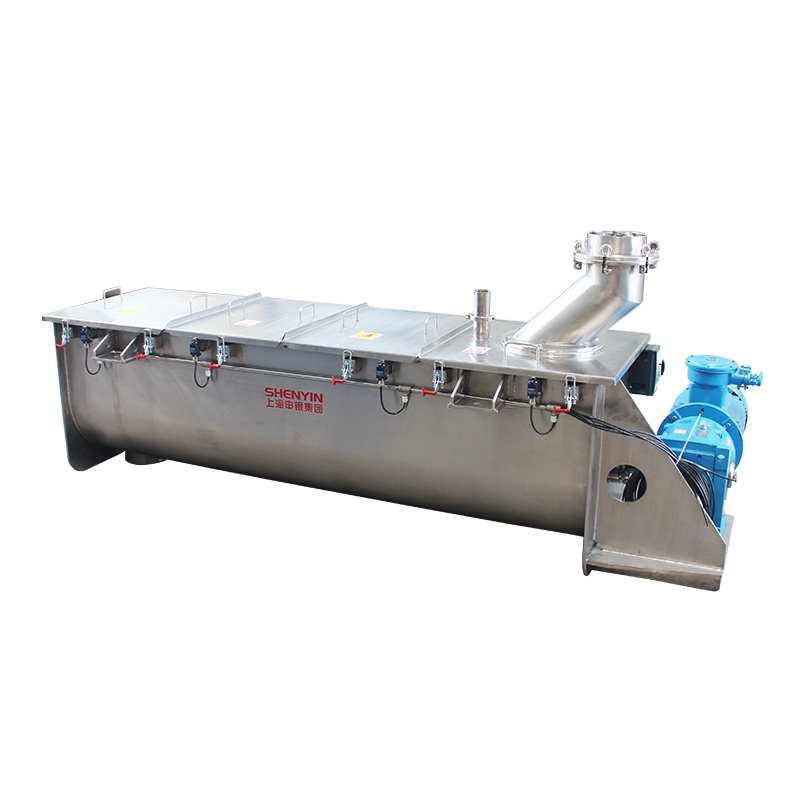
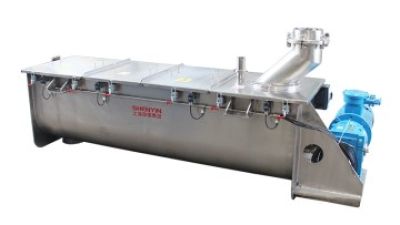
A Long Paddle Mixer can provide gentle, even movement across long vessels. This design suits large batches where delicate particles must avoid excessive breakage. Twin-shaft models often improve circulation, while single-shaft units may simplify maintenance. Operators should inspect paddle clearance, shaft seals, access doors, and discharge gates before purchase. Small details matter.

In practical plant trials, I would measure mixing time, energy use, residue after discharge, and temperature changes. A mixer that performs well for five minutes may struggle during continuous production. Ask for documented test data using a material similar to yours. Check weld quality, surface finish, guarding, and emergency-stop access. These features support safer, more reliable operation.

No mixer is perfect. A larger vessel can increase output but may leave dead zones when poorly loaded. Automated controls reduce routine errors, yet incorrect settings still create inconsistent batches. I would reserve part of the evaluation for cleaning time, spare-part access, and operator feedback. Those observations often reveal more than a polished specification sheet.

10 Best Paddle Mixers for Industrial Use in 2026

Representative throughput ranges for common industrial paddle mixer configurations. Actual capacity depends on bulk density, moisture, residence time, and process requirements.

Continuous and twin-shaft configurations generally provide the highest throughput, while compact single-shaft and laboratory-scale systems are better suited to smaller batches and pilot production.

High-Quality CM Series Continuous Mixers from China: Insights from Grand View Research & MarketsandMarkets Reports

High-quality CM-series continuous mixers are gaining attention as manufacturers seek greater throughput, consistent quality, and more efficient production. Recent industrial mixing equipment reports estimate that the global market was valued at approximately USD 8 billion in 2023 and is projected to expand at a compound annual growth rate of about 6% through the end of the decade. These findings reflect rising demand for automated processing solutions in plastics, rubber, chemicals, food ingredients, and other material-intensive industries.

Designed for simultaneous feeding and discharging, the CM-series continuous mixer supports uninterrupted operation on large-scale production lines. Its continuous working principle helps maintain stable material residence time, while optimized mixing action promotes uniform dispersion and consistent product properties. Compared with batch processing, this configuration can reduce handling interruptions, improve production efficiency, and support more predictable output. China-based manufacturing facilities now provide customized mixing equipment with practical advantages in equipment integration, process adaptability, and cost control. By working with experienced suppliers, manufacturers can select suitable capacity, feeding systems, discharge arrangements, and control configurations for their specific applications. Reliable construction and precise process management make the CM-series continuous mixer a strong option for facilities seeking stable performance and scalable production.

FAQS

What defines a high-performance industrial paddle mixer?

Controlled movement defines performance. Paddles should lift, fold, and redistribute material evenly. Motor size alone proves little.

Why is torque important in industrial mixing?

Dense powders, damp aggregates, and sticky blends create strong resistance. Adequate torque prevents overheating and sudden speed loss. Weak drives may struggle.

How does variable-speed control improve mixing?

Variable speed protects fragile ingredients and reduces dust. Operators can adjust movement for different materials. Maximum speed is rarely ideal.

What design details affect batch consistency?

Paddle clearance, shaft rigidity, and vessel geometry strongly influence circulation. Poor alignment can create dead zones. Small gaps matter.

What safety checks should operators complete before each shift?

Inspect guards, paddles, seals, and emergency stops. Keep hands, tools, and loose clothing away from the chamber. Confirm zero movement before opening covers.

How should an industrial mixer be cleaned?

Remove residue before it hardens around shafts, corners, and discharge gates. Use suitable detergents and controlled water pressure. Keep water away from motors and sensors.

Which maintenance records can reveal developing problems?

Record vibration, unusual noise, temperature, and seal leakage. A simple log may reveal gradual failure early. I would review the records weekly.

How should a mixer be evaluated before purchase?

Test representative material and measure mixing time, energy use, residue, and temperature changes. Check cleaning time and spare-part access. Test conditions are never perfect.

Conclusion

Industrial paddle mixers are essential for achieving consistent, efficient, and reliable blending in demanding production environments. This guide explains what defines a high-performance Paddle Mixer, including robust construction, balanced paddle movement, precise speed control, and dependable motor performance. It also examines how mixing capacity, power requirements, batch size, and operating speed influence productivity and final product quality. Different paddle designs are compared to help users select the right configuration for powders, granules, pastes, and other industrial materials.

The article also highlights important considerations for safe operation, routine maintenance, accessibility, and thorough cleaning between batches. By reviewing these factors together, readers can better evaluate the top industrial Paddle Mixer options for 2026 according to their workflow, material characteristics, space, energy needs, and long-term operating goals. The result is a practical framework for choosing equipment that supports consistent mixing, reduces downtime, and improves overall production efficiency.
Amelia

Amelia

Amelia is a dedicated marketing professional at Shanghai Shenyin Machinery (Group) Co., Ltd., where she specializes in showcasing the company's cutting-edge products and innovative solutions. With a deep understanding of the machinery industry, she plays a crucial role in communicating the unique......
Previous How to Choose the Right Ribbon Agitator for Your Needs