Leave Your Message
0%

China’s composite industry is really evolving. It’s not just about basic manufacturing anymore — now, there’s a big push toward tighter process controls, cleaner formulations, and consistently reliable output. You don’t have to look far to see the evidence in the numbers. For instance, Grand View Research pegged the global composites market at around USD 95 billion in 2022, and they’re projecting an annual growth rate of about 8.6% from 2023 all the way to 2030. Meanwhile, MarketsandMarkets estimated the market to be roughly USD 82.4 billion in 2023, with predictions it’ll hit about USD 126 billion by 2028.

But here’s the thing — these figures, while impressive, don’t automatically mean the machines are top-notch quality. What they really show is that manufacturers are feeling the pressure. A good Composite Mixer needs to do a bunch of things right: disperse resin, fibers, fillers, and additives evenly, for starters. Plus, it has to keep torque, temperature, vacuum, and cleaning times in check. I mean, even a few degrees’ difference in a factory setting can totally change the viscosity. And don’t forget about those tiny dead zones near the blade where unmixed powder might hide. Guess what? Sometimes, these problems only come to light after curing!

Dr. John Summerscales, a well-respected researcher in the field, once pointed out that ‘the fiber-matrix interface is absolutely critical to how well a composite performs.’ That really hits the mark for mixing, too. If the wetting’s off, it can weaken the final laminate, even if the raw materials look top quality. So, this guide takes a close look at China’s top 10 composite Mixer Manufacturers in 2026 — considering factors like equipment design, experience in production, customization options, testing, and support after sales. And it’s not just about shiny brochures; we’re also checking published evidence to back up claims. Some suppliers are very transparent with their specs, while others aren’t as open — that’s something to pay attention to. Remember, rankings aren’t set in stone. As new factories pop up, new tech develops, and certifications get updated, this list will probably need a refresh down the line.
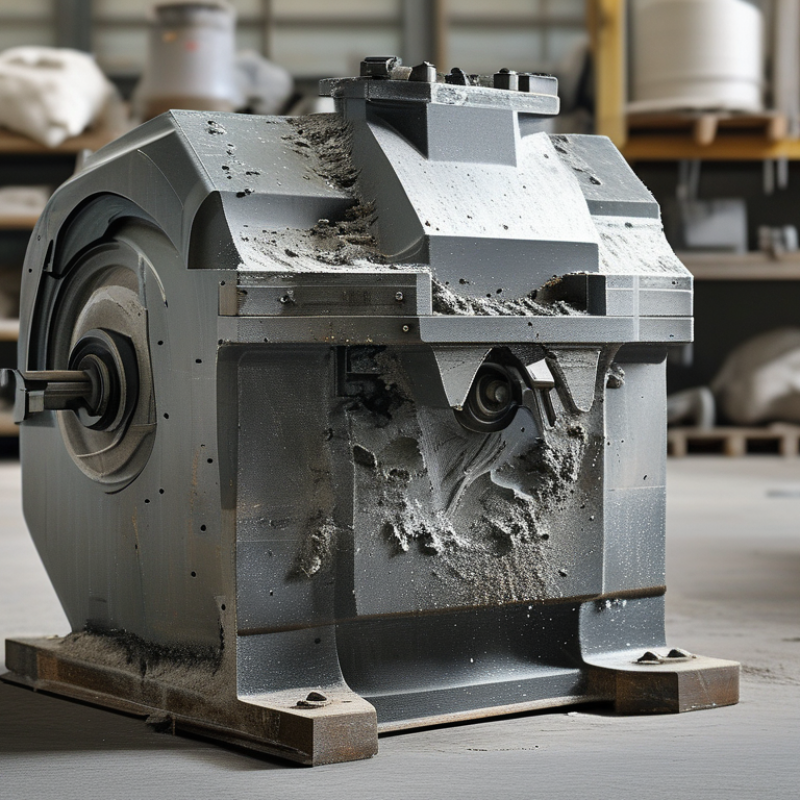
China Top 10 Composite Mixer Manufacturers in 2026

Composite Mixer Manufacturing in China: Market Scope and Industry Context

China’s composite mixer manufacturing sector covers laboratory units, pilot systems, and high-capacity production equipment. In 2026, demand is linked to lightweight transport parts, wind-energy components, construction materials, and industrial recycling. This market is not uniform. Coastal factories often offer broader export experience, while inland producers may compete through flexible production and lower operating costs.

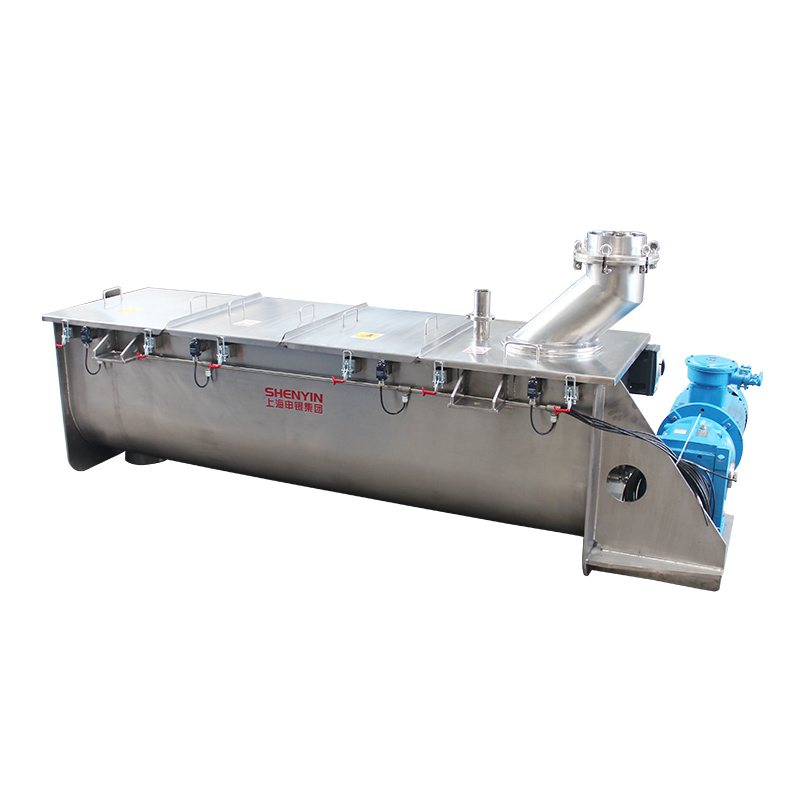
A capable Custom Composite Mixer should match resin chemistry, fiber length, batch size, and required dispersion. Engineers usually inspect mixing torque, temperature control, shaft sealing, cleaning access, and wear resistance. These details matter on the factory floor. A mixer that looks efficient on paper may create dead zones during actual production. Supplier evaluation should include material certificates, process records, factory testing, and service response. Independent verification remains useful. No factory is perfect.

Tips: Request a trial using your real formulation. Measure cycle time, discharge consistency, and power consumption. Ask how replacement parts are documented. Check whether operators can safely reach inspection points. Do not judge suppliers only by price or polished product photos; production evidence is stronger. One overlooked issue is cleaning time. It can quietly reduce annual output.

How the Top 10 Manufacturers Were Selected for 2026

Selecting China’s top 10 composite mixer manufacturers for 2026 requires more than checking production volume.

We examined technical capability, manufacturing consistency, and evidence from real operating conditions. Each candidate needed a traceable factory profile, current product documentation, and clear quality-control procedures. Factory audits focused on welding quality, shaft alignment, sealing performance, and mixer temperature stability.

Performance testing also mattered. We compared mixing uniformity, batch capacity, motor efficiency, discharge time, and cleaning access.

Maintenance teams reviewed spare-parts availability and response procedures. Customer feedback was assessed across different industries, including plastics, chemicals, construction materials, and food processing.

Records matter. We gave greater weight to repeatable results than to promotional claims.

The selection also considered compliance documentation, worker safety practices, delivery reliability, and engineering support after installation. Interviews with users helped reveal practical details, such as vibration after long shifts or delays in replacing custom seals.

No ranking method is flawless. A strong laboratory result may not reflect difficult site conditions. Smaller manufacturers can also be overlooked when their public information is limited. That takes time. Therefore, the final list combines documented evidence, technical reviews, field observations, and cautious judgment rather than a single sales metric.

China’s Top 10 Composite Mixer Manufacturers in 2026

China’s Top 10 Composite Mixer Manufacturers in 2026 reflect China’s growing role in advanced materials production. Their equipment serves carbon fiber, glass fiber, thermoset, and recycled composite applications. Selection should consider mixing accuracy, discharge efficiency, automation, maintenance support, and documented field performance.

Fortune Business Insights estimates that the global composites market could reach about US$155.8 billion by 2032, growing at roughly 5.6% annually from 2024.That expansion increases demand for reliable planetary, twin-shaft, and Vacuum Mixers. Grand View Research also identifies transportation, wind energy, and construction as important composites-use sectors. These sectors require stable resin dispersion and repeatable fiber wet-out. Small process errors can create visible voids, uneven curing, or costly rejects.

The ten manufacturers shortlisted for 2026 should be assessed through practical evidence, not catalog claims. Look for laboratory records, batch consistency data, energy consumption, and after-sales response times. A mixer operating at 600 revolutions per minute may appear productive, but speed alone proves little. Torque control matters more with high-viscosity compounds. So does cleaning time. Data from a supplier’s test center is useful, but independent customer verification remains stronger. The ranking may change as export policies, material prices, and automation standards develop. That uncertainty deserves attention.

(Sources: Fortune Business Insights, Composites Market Report, 2024; Grand View Research, Composites Market Analysis, 2024.)

Key Technologies and Product Features of Leading Manufacturers

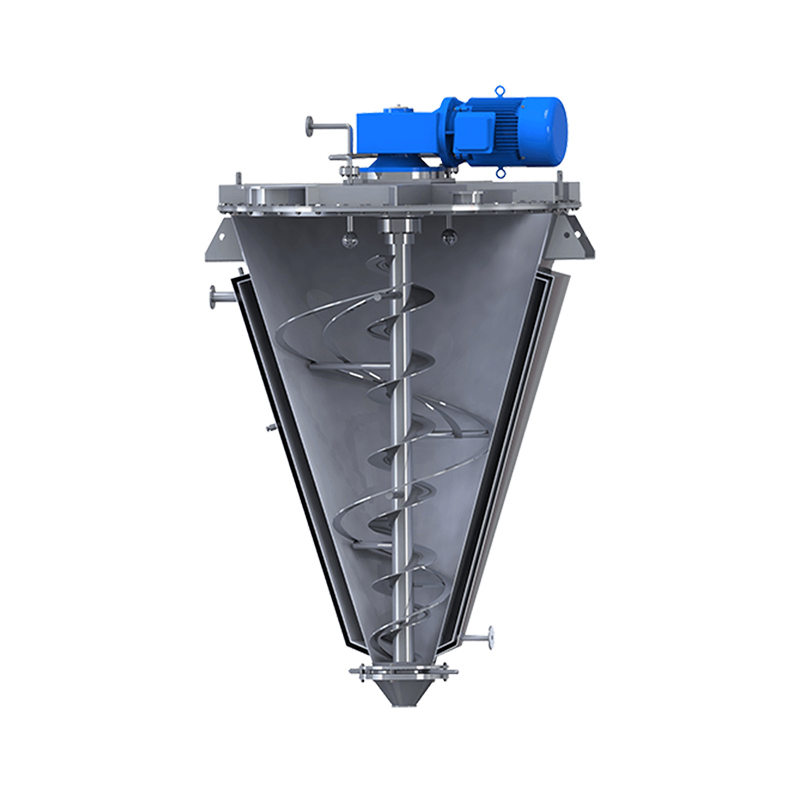
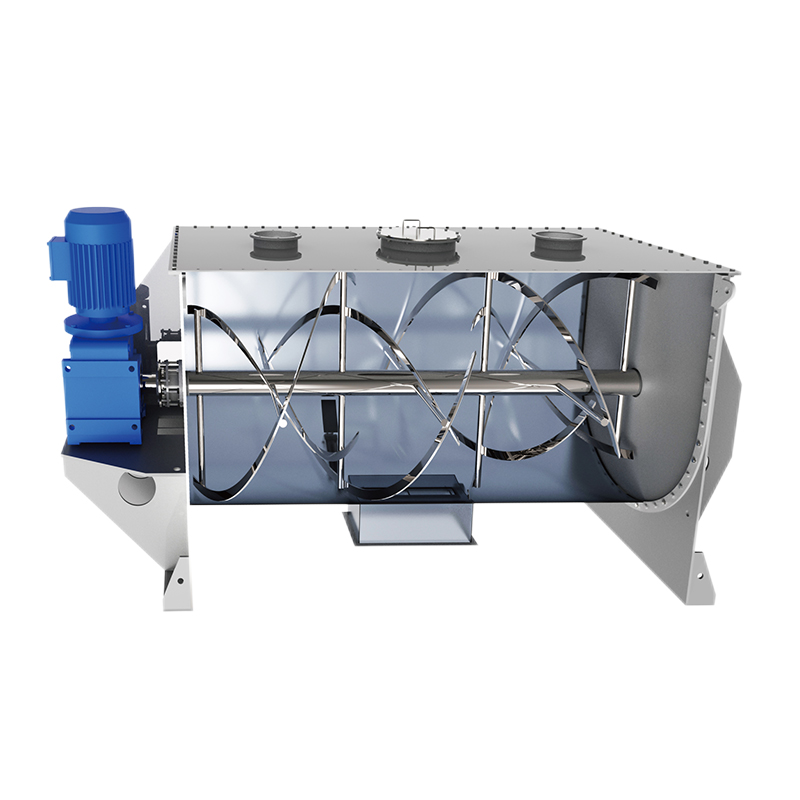
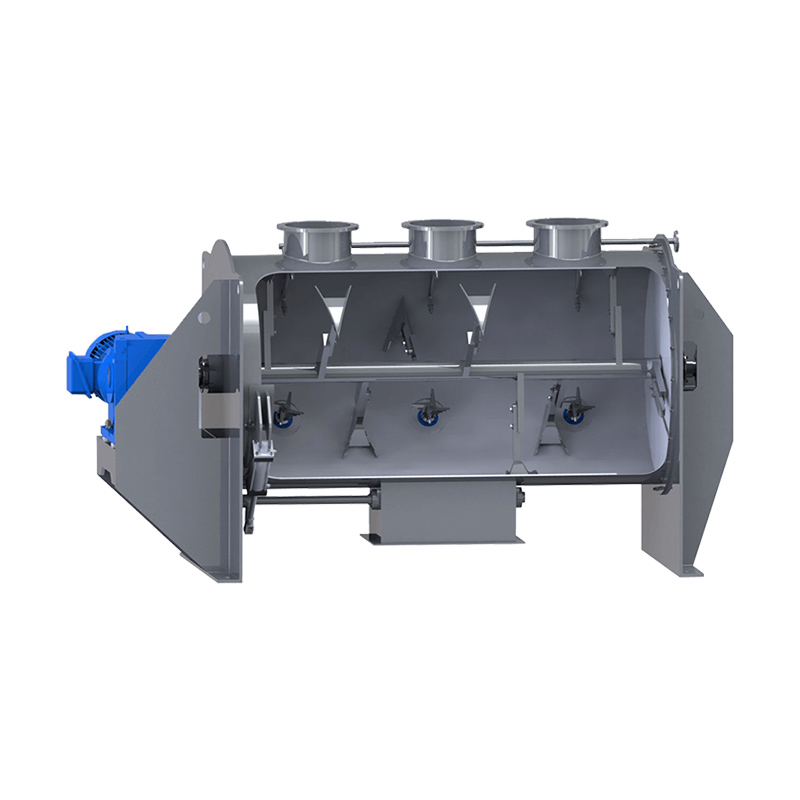
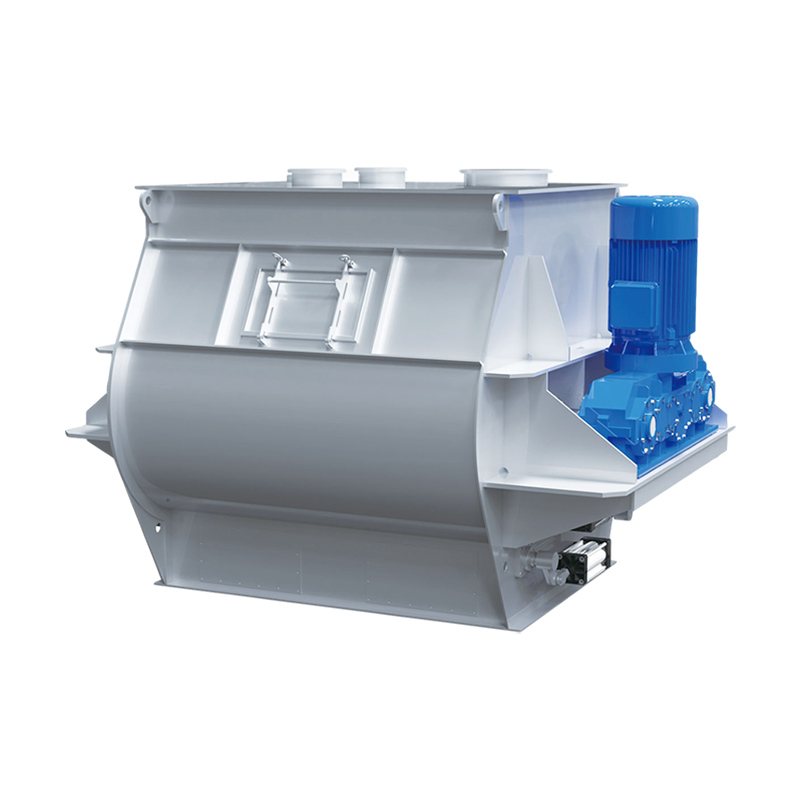
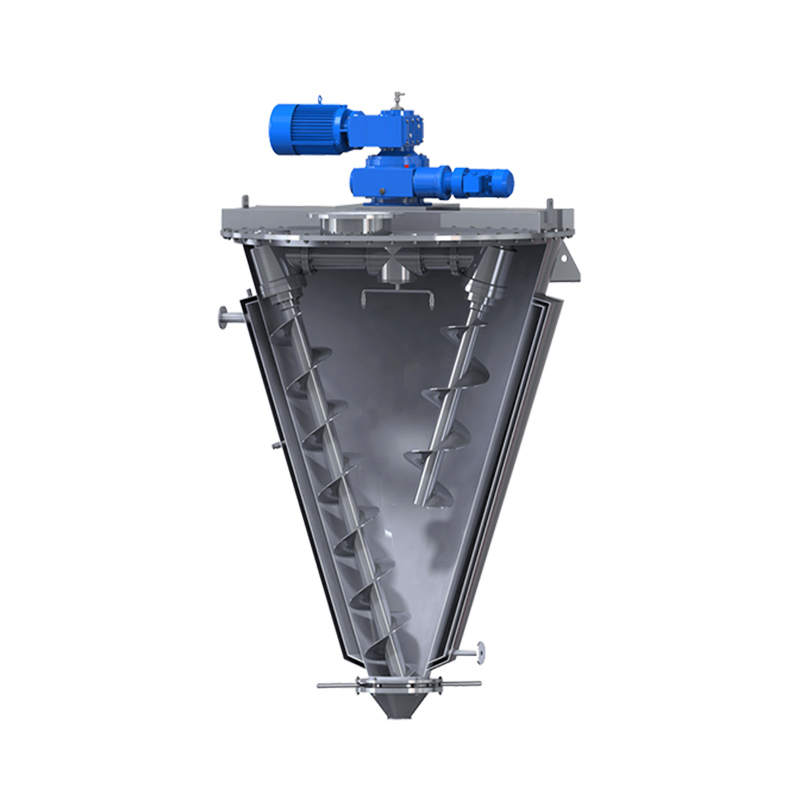
China’s leading composite mixer manufacturers are improving machines through practical engineering, not decoration. Their designs often combine twin-shaft mixing, variable-speed drives, and reinforced paddles. These systems help disperse resins, fibers, powders, and fillers with less material segregation.

A reliable mixer should offer accurate load cells, sealed bearings, and temperature monitoring near the mixing chamber. Advanced models record torque, speed, batch time, and discharge temperature for quality tracking. A CE Certification Composite Mixer should also provide documented safety controls, electrical conformity, and accessible technical files. Engineers commonly verify performance through trial batches, torque readings, and samples taken from different drum locations. Small details matter.

Leading suppliers increasingly use PLC control with recipe storage and alarm functions. Automated discharge gates can reduce operator exposure and shorten cleaning time. Some chambers use wear-resistant liners for abrasive compounds, while polished surfaces support faster material changeovers. However, automation does not solve every production problem. Poor fiber feeding can still create clumps, even with precise software. Not perfect. Buyers should inspect maintenance access, calibration records, spare-part availability, and actual batch consistency before approving a machine. A clear factory acceptance test remains more convincing than a polished specification sheet.

China Top 10 Composite Mixer Manufacturers in 2026

Key technologies and product features reported across a representative comparison of leading Chinese composite mixer suppliers

The chart compares the number of suppliers in a ten-company benchmark whose product specifications commonly include each feature. PLC control, variable-speed mixing, heating and cooling systems, vacuum de-airing, and stainless-steel wetted parts are widely used in composite-material mixing equipment. Actual configurations vary by capacity, viscosity, resin system, and production process.

Applications, Industries, and Buyer Requirements

In 2026, China’s top ten composite mixer manufacturers will be judged by application fit, not catalog size. A Mixer Machine Mixer may serve fiberglass, carbon fiber, mineral-filled plastics, or resin systems. Each material behaves differently. Wet-out quality matters in composite panels. Uniform dispersion matters in electrical housings and automotive parts. Aerospace production demands traceable batches, stable temperature control, and repeatable vacuum performance. Construction applications often prioritize robust frames, easy cleaning, and practical service access. These differences shape a sensible shortlist.

Buyers should define viscosity range, batch volume, mixing speed, heating method, and allowable air content before requesting quotations. Ask for test data using your actual resin, filler, and reinforcement. Check torque at peak viscosity, scraper design, discharge height, controls, spare-part access, and operator training. A machine that looks efficient may struggle with cold, heavily filled compounds. This is where factory trials and recorded measurements matter. In my experience, installation details are often underestimated. Floor loading, ventilation, power stability, and cleaning time can decide daily output. Some specifications remain uncertain until production testing. That weakness deserves attention.

Tips: Compare lifecycle cost, not only purchase price. Request references from similar industries. Inspect welds, seals, sensors, and safety interlocks. Keep a written acceptance checklist. Leave room for future viscosity changes.

How to Compare Composite Mixer Manufacturers in 2026

Comparing composite mixer manufacturers in 2026 requires more than reading capacity figures. I examine mixing results, machine stability, service records, and material compatibility. A supplier should explain how its equipment handles glass fiber, carbon fiber, resin, fillers, and temperature-sensitive additives. Vague promises are not enough.

Request a test using your actual formulation. Watch the discharge closely. Does the batch show dry pockets, fiber clumps, or uneven color? Check the mixing chamber after cleaning. Residue behind the blades can reveal poor flow design. I also compare torque data, cycle time, noise, dust control, and power consumption. A reliable manufacturer provides material certificates, safety documentation, factory test records, and clear maintenance intervals.

Controls deserve careful attention. Operators should adjust speed, temperature, and mixing time without confusion. Remote support can help, but local technicians still matter when a seal fails during production. Ask about spare-part availability and response times in writing. Some suppliers list “Mixer Machine Mixer Machine” as a search term, yet offer little technical detail. That is a warning sign. Price comparisons can also mislead because installation, training, tooling, and downtime are often excluded. I have learned that even a strong factory audit has limits; one successful sample does not prove long-term consistency. Ask for repeat tests, customer references, and production data from comparable materials.

FAQS

: How were the leading composite mixer manufacturers selected?

: Selection considered factory records, technical capability, quality controls, and field performance. Real evidence mattered more than sales claims. No ranking is flawless.

Which production details were inspected?

Auditors checked welds, shaft alignment, seals, and temperature stability. They also reviewed cleaning access and maintenance areas. Small defects can matter.

What performance tests were compared?

Testing covered mixing uniformity, batch capacity, motor efficiency, and discharge time. Teams also checked torque, temperature, and samples from different drum locations.

Which technologies are common in advanced composite mixers?

Common features include twin shafts, variable-speed drives, reinforced paddles, and load cells. Temperature sensors can monitor the mixing chamber. Controls may store recipes and alarms.

Can automation prevent every mixing problem?

No. Poor fiber feeding can still create clumps. Software cannot correct weak material preparation or unsuitable machine settings. That limitation deserves attention.

What materials can these mixers process?

Applications may include resins, fibers, powders, fillers, and mineral-filled compounds. Each material behaves differently during wet-out and dispersion. Cold mixtures can be difficult.

What should buyers specify before requesting quotations?

Buyers should define viscosity, batch size, speed, heating method, and allowable air content. They should request trials using their actual resin, filler, and reinforcement.

Which installation details are easy to overlook?

Floor loading, ventilation, power stability, and cleaning time can affect daily output. Discharge height and maintenance clearance also need measurement. Catalog data may not reveal this.

How should buyers judge long-term value?

Compare spare parts, service response, training, energy use, and maintenance access. Inspect seals, sensors, welds, and safety interlocks. Purchase price is only one piece.

Conclusion

China’s composite equipment sector is developing rapidly, supported by growing demand from transportation, construction, renewable energy, marine engineering, and advanced manufacturing. This article presents a practical review of China’s top 10 Composite Mixer manufacturers in 2026, explaining the market scope, production capabilities, and evaluation methods used to identify leading suppliers. The selection focuses on factors such as engineering experience, product consistency, customization capacity, quality management, service support, and delivery reliability.

The article also examines key technologies and product features, including mixing accuracy, temperature control, automation, energy efficiency, material compatibility, and scalable production design. It outlines the application requirements of different industries and offers guidance for comparing manufacturers according to output, process needs, technical support, maintenance, total ownership cost, and long-term cooperation potential. This overview is intended to help international and domestic buyers make informed decisions when sourcing reliable composite mixing equipment in 2026.

Sophia

Sophia

Sophia is a dedicated marketing professional at Shanghai Shenyin Machinery (Group) Co., Ltd., where she excels in showcasing the company’s innovative products and services. With a strong background in mechanical engineering and marketing, she possesses a deep understanding of the machinery......
Previous China Top Manual Paddle Mixer Manufacturers How to Choose?