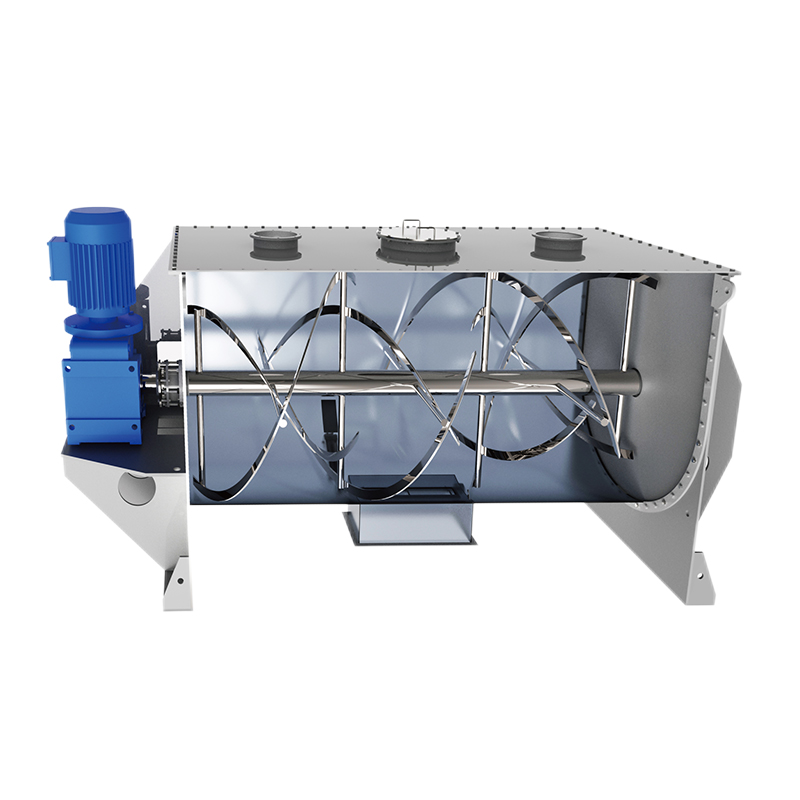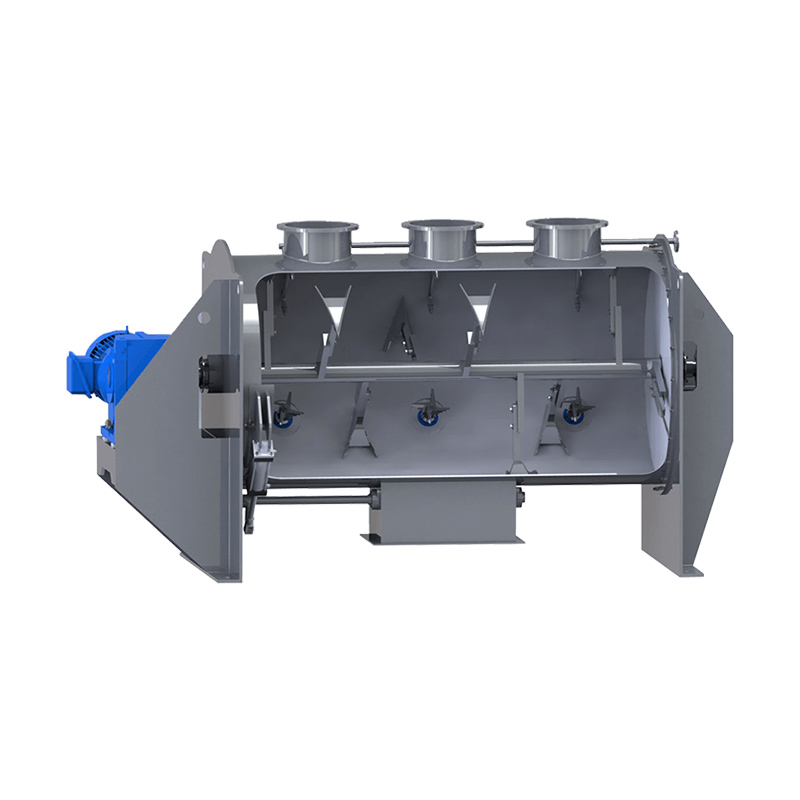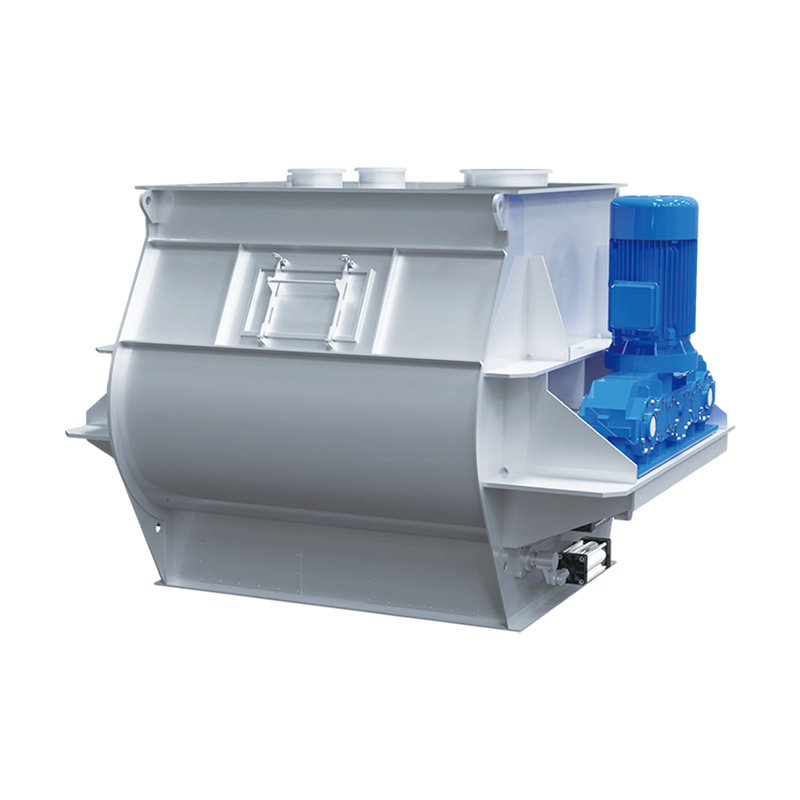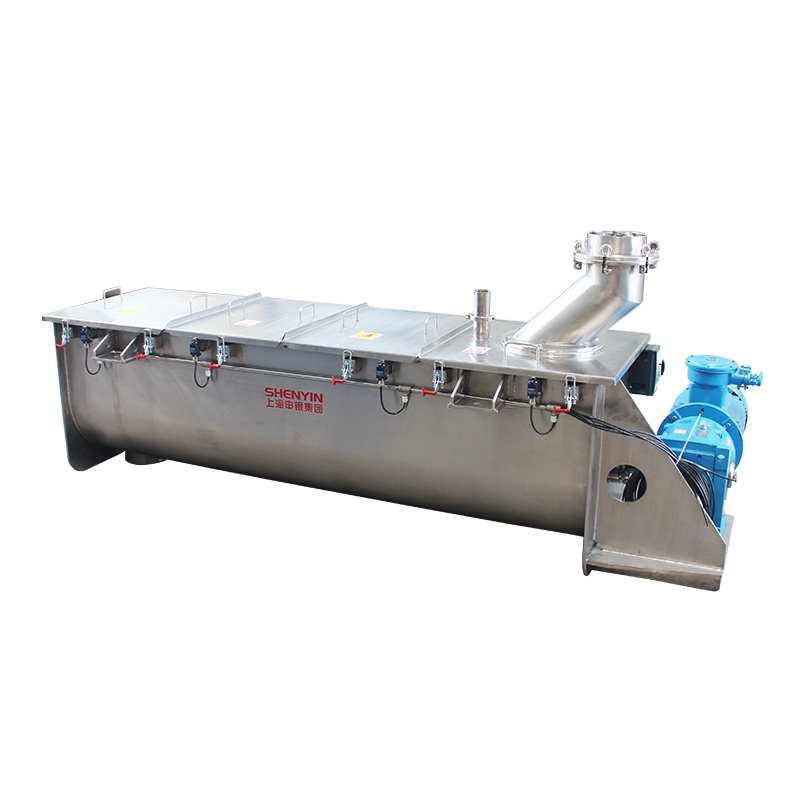
When you're choosing the right Conical Ribbon Mixer, it's really not just about comparing photos, prices, or whatever capacity the ads say. You need to look at the stuff that actually matters—how well it mixes, the discharge design, whether the materials fit your product, how easy it is to clean, and the support you'll get after the sale. And honestly, a polished website can look impressive, but it won't always show you the practical limitations.
If you're looking for conical ribbon Mixer Manufacturers and suppliers—whether it's for food, pharma, chemicals, agriculture, or general industrial use—this guide can help. We'll look at names like Marion Process Solutions, WAMGROUP, and PerMix, though keep in mind that product names and setups can differ from one market to another. And before you pick a supplier, it's worth checking their specs, seeing whether they've handled applications like yours, and confirming what kind of customer support they actually offer.
Details really do matter. A mixer might work great with dry powders, but toss in something sticky—or delicate particles—and it can start to struggle. So operators should keep an eye on things like ribbon geometry, shaft sealing, motor choice, filling ratio, and how consistent the discharge is. And when you're dealing with heat-sensitive ingredients, strict hygiene rules, or lots of batch changes, test results become especially useful.
At the end of the day, performance comes first.
Good, reliable suppliers? They’ll normally give you drawings, test reports, installation guidance, and maintenance recommendations. They should also walk you through how their equipment actually fits your production conditions. That said, what’s published isn’t always the full story, and comparing suppliers is rarely an apples-to-apples thing. Some manufacturers even use the same kind of wording for very different mixer designs. So yeah—that’s something worth looking at closely.
So this overview isn't really about ranking one option above another. Instead, it's meant to help you look at the practical side of choosing: what the engineering data says, what it'll cost over time, how customizable it is, and whether service is actually available in your region. Honestly, the right pick comes down to things like your material, batch size, what you're trying to achieve in the process, and where it'll be running. Take the time to assess all that, and you can cut down on downtime and get more consistent mixing results.
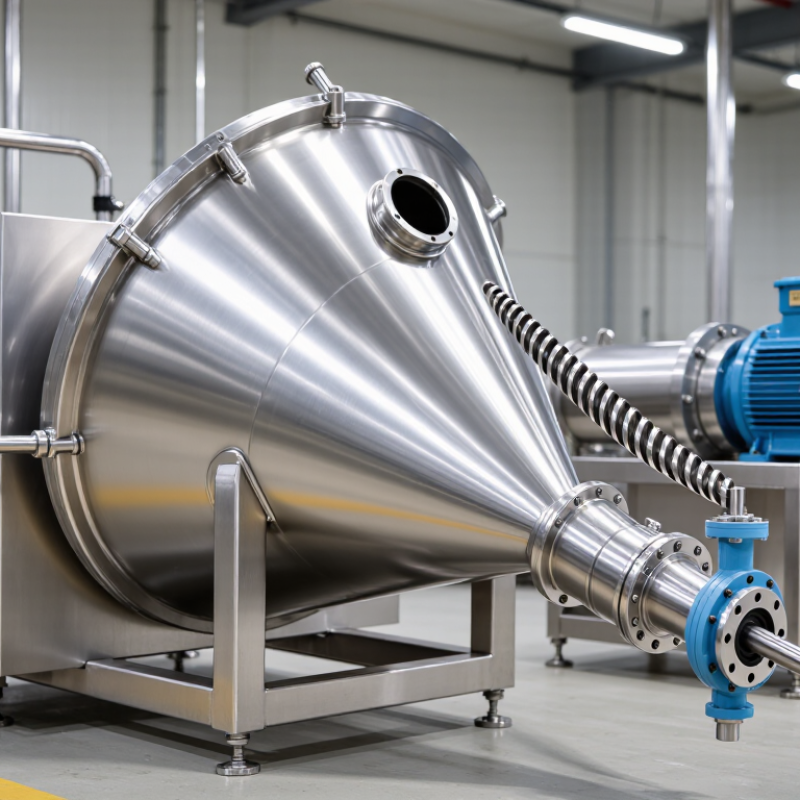
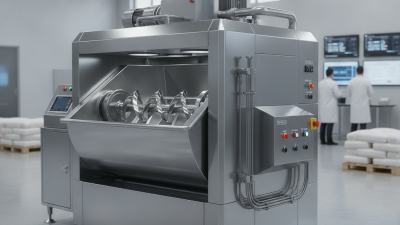
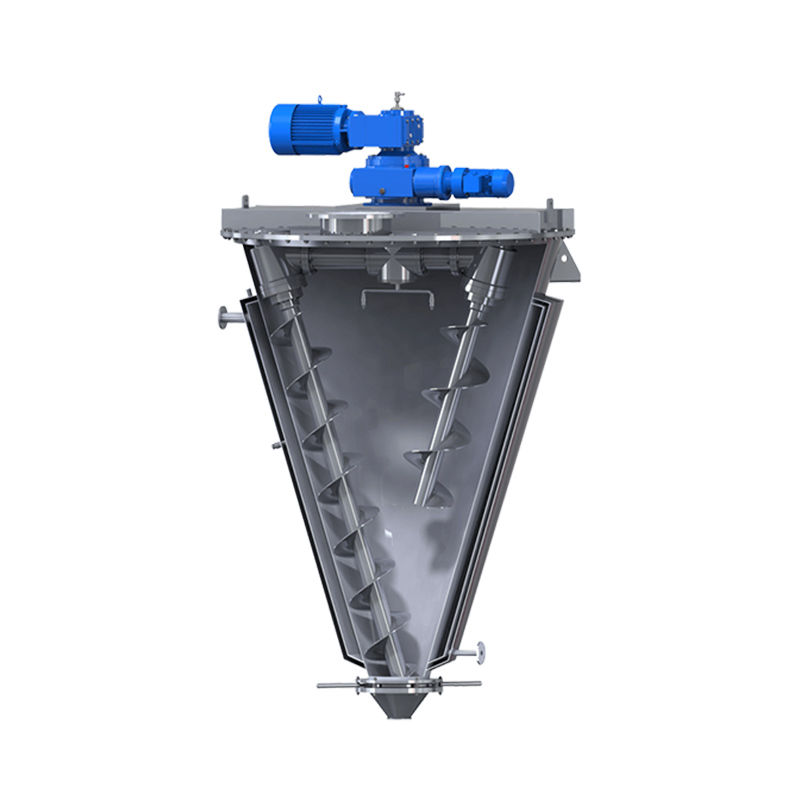
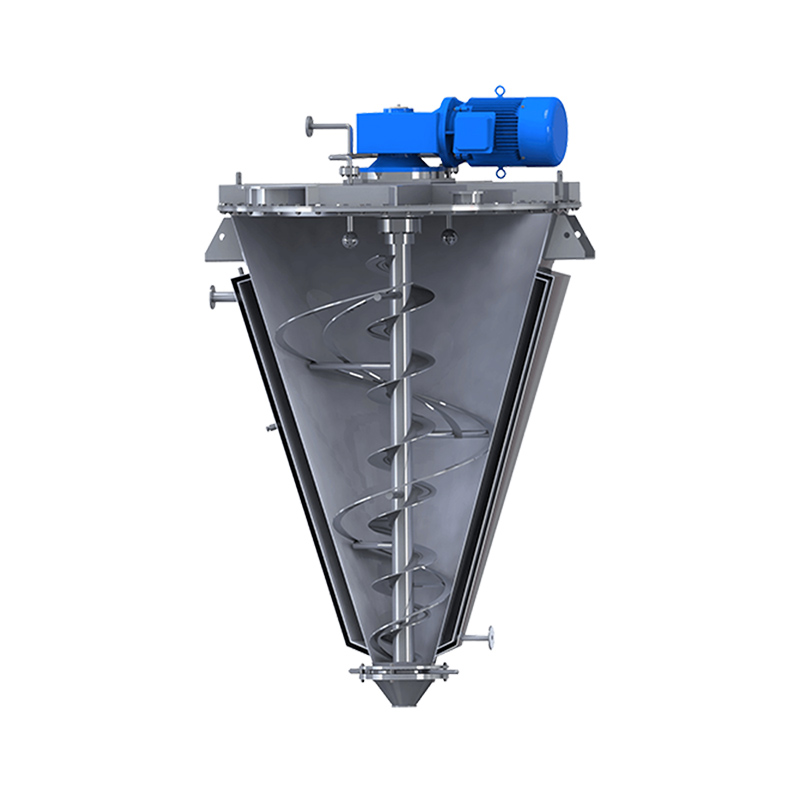
A Conical Ribbon Mixer is a vertical vessel shaped like a tapered cone. Inside, a helical ribbon moves powders upward, downward, and across the vessel wall. This creates controlled circulation with relatively gentle handling. It suits dry powders, granules, premixes, and some moisture-sensitive formulations.
The conical design supports efficient discharge through a bottom outlet. It can also reduce dead zones when the ribbon reaches the lower cone area. According to a 2024 MarketsandMarkets report, food, chemical, and pharmaceutical processing remain major demand sectors for industrial mixing equipment. Grand View Research also reports continued growth in powder-processing machinery, driven by automation and consistent batch quality. These figures matter when comparing manufacturers and suppliers. A Custom Conical Ribbon Mixer may require changes in volume, ribbon geometry, surface finish, or discharge design.
Tips: Ask suppliers for blend-uniformity data, not only motor power. Check whether the stated capacity means working volume or total volume. Review the cleaning method, inspection access, and seal arrangement. A practical trial with your actual powder can reveal bridging, dust release, or uneven color distribution. Do not assume a larger mixer always performs better. Some powders compact under their own weight. That detail is easy to miss. Operators should also examine torque trends, batch time, and residual material after discharge. Industry reports provide useful market direction, but real material behavior still deserves testing.
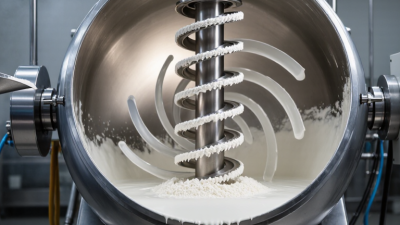
A conical ribbon mixer combines gentle movement with efficient three-dimensional blending. Inside its cone-shaped vessel, a helical ribbon lifts material from the bottom and pushes it along the wall. A counterflow develops near the center. This circulation helps powders, granules, and small additives mix evenly.
The mixer works well with fragile ingredients because it uses limited shear. Operators often load dry food powders, mineral blends, agricultural nutrients, and pharmaceutical excipients. Moisture and density still matter. A heavy powder may settle before the cycle ends. Sampling at different vessel levels can reveal this problem.
Manufacturers and suppliers should explain ribbon speed, working volume, discharge design, and cleaning access. Buyers should request material-contact certificates and test mixing with their own ingredients. A CE Certification Conical Ribbon Mixer may support equipment compliance, but the certificate details require careful verification. Stainless steel surfaces help resist corrosion and simplify washing. Yet polished metal does not solve every hygiene issue. Seals, dead zones, and discharge valves deserve equal attention.
In practice, a supplier’s trial report can be more useful than a glossy specification sheet. Watch the mixer operate. Check dust control around the charging port. Listen for unusual vibration. Small oversights can become expensive maintenance problems. Some applications may need a jacket for heating or cooling, while others require vacuum operation. The correct design depends on particle behavior, batch size, and cleaning expectations.
When comparing a Conical Ribbon Mixer Supplier, examine more than vessel size and quoted price. Ask how the mixer handles your actual powder, granule, or fiber blend. A controlled trial can reveal dead zones, clumping, heat buildup, and uneven discharge. Request test records, not only polished sales claims.
Construction details often separate reliable machines from basic copies. Compare stainless steel grades, weld finishing, ribbon clearance, shaft support, and seal design. A smooth internal surface reduces residue around corners. Variable-speed drives help operators adjust mixing energy for fragile or dense materials. Check whether the outlet opens cleanly without leaving a compacted layer.
Look closely at serviceability. Can workers inspect the gearbox without removing half the machine? Are seals, bearings, and sensors easy to replace? Ask about factory testing, load trials, documentation, and response times for technical support. Controls should show mixing speed, batch time, and fault conditions clearly. Small details matter.
Do not assume a larger motor means better mixing. It may increase energy use or damage sensitive ingredients. A supplier should explain its selection logic with measurements and practical examples. Still, no design is perfect. Cleaning time, moisture retention, or difficult powders may expose weaknesses during routine production. Compare these limits honestly before signing a purchase agreement.
Leading Conical Ribbon Mixer Manufacturers and Suppliers
Leading Conical Ribbon Mixer Manufacturers and Suppliers support industries that need uniform blending, gentle handling, and repeatable production. A reliable Conical Ribbon Mixer Manufacturer studies powder behavior before recommending equipment. Particle size, moisture, density, and flowability affect the final design. These details matter.
Experienced suppliers usually offer different working volumes, ribbon profiles, drive systems, and discharge options. They should explain how the mixer handles fragile powders, sticky materials, or uneven bulk densities. Technical drawings, material certificates, test reports, and clear maintenance instructions also show professional reliability. Ask about shaft sealing, inspection ports, cleaning access, and gearbox protection. Small design choices can reduce downtime.
Tips: Request a material trial before purchasing. Observe mixing time, residue on the vessel wall, and discharge consistency. Check whether the supplier records test conditions. Do not rely only on catalog capacity. A mixer may hold the stated volume but perform poorly when filled incorrectly. I have found that practical testing often reveals problems that attractive specifications hide. Suppliers should also discuss installation space, operator access, spare parts, and after-sales response times. Good communication helps, but written details protect both sides.
The chart shows representative working-volume bands commonly used when evaluating conical ribbon mixer equipment: laboratory, pilot-scale, and production applications. Actual capacity depends on material bulk density, fill level, mixing behavior, and process requirements.
Choosing a conical ribbon mixer requires more than comparing prices. Quality begins with material selection, weld precision, and reliable shaft alignment. Ask for stainless steel certificates, surface-finish records, and factory acceptance testing results. Inspect the mixing chamber closely. Smooth internal welds reduce product buildup and simplify cleaning. Small gaps can become costly problems.
Customization should match the process, not merely the equipment brochure. Discuss batch size, powder density, moisture, heat sensitivity, and discharge behavior with the supplier’s engineers. Useful options may include variable-speed drives, jacketed chambers, spray nozzles, vacuum connections, or specialized seals. Request mixing trials using representative materials. A machine that performs well with dry flour may struggle with cohesive minerals.
Technical support often reveals a supplier’s real reliability. Confirm response times, spare-parts availability, installation guidance, and operator training. Ask whether drawings, manuals, and maintenance schedules are supplied in clear language. References from similar applications are valuable, but they are not perfect proof. Site conditions differ. A polished presentation can still hide weak after-sales support. During evaluation, leave room for doubt and verify every important claim through records, testing, and direct technical conversations.
Top Conical Ribbon Mixer Manufacturers and Suppliers?
Price should be judged against the complete supply scope, not the mixer alone. A 500-liter conical ribbon mixer may require stainless steel contact parts, a geared motor, controls, discharge valves, and safety interlocks. Ask for an itemized quotation. It should identify material grades, surface finish, testing, packaging, and installation support. In procurement reviews, hidden costs often appear in electrical upgrades or special seals. A low quote can look attractive. It may exclude important items.
Delivery depends on customization and factory capacity. Confirm the production schedule in writing, including drawing approval, fabrication, testing, and shipment. Request a realistic date, not an optimistic promise. For overseas delivery, check crate dimensions, loading restrictions, export documents, and spare-parts availability. A factory acceptance test can verify rotation, discharge operation, and noise levels before shipment. Delays still happen. Build a small schedule buffer.
Tips: Compare at least three detailed offers. Ask for references using similar powders or batch sizes. Confirm warranty length, response times, remote troubleshooting, and technician availability. Request operating manuals, maintenance drawings, and a recommended spare-parts list. Clarify who pays for on-site service. After-sales support is easy to overlook until the first seal leaks. A reliable supplier should communicate clearly, even when the answer is inconvenient.
| Supplier Profile | Typical Applications | Common Working Volume | Typical Construction | Indicative Price Range | Typical Lead Time | Discharge and Options | Warranty Benchmark | After-Sales Service |
|---|---|---|---|---|---|---|---|---|
| Standard Industrial OEM | Dry powders, minerals, chemicals, construction materials, and general industrial blending | 100–5,000 L | Carbon steel or 304 stainless steel; ribbon agitator; fixed-speed drive | US$8,000–35,000 | 6–12 weeks | Bottom butterfly valve or slide gate; optional spray bar, platform, and dust cover | 12 months for manufacturing defects | Remote troubleshooting, spare-parts supply, and operation manuals |
| Custom Process-System Supplier | Complex recipes requiring controlled feeding, multiple ingredients, or automated batching | 500–10,000 L | 304 or 316 stainless steel; variable-frequency drive; engineered support frame | US$25,000–90,000 | 10–20 weeks | Load cells, loss-in-weight feeders, PLC control, pneumatic discharge, and level sensors | 12–18 months | Application engineering, commissioning support, drawings, and process documentation |
| Food-Grade Hygienic Supplier | Food ingredients, bakery premixes, nutraceutical powders, flavors, and dry beverage blends | 100–3,000 L | 316L stainless steel product-contact surfaces; polished interior; sanitary seals | US$20,000–75,000 | 12–24 weeks | Hygienic butterfly valve, CIP-ready design, dust extraction connection, and inspection ports | 12 months | Cleaning validation guidance, spare seals, technical files, and remote service |
| Pharmaceutical-Grade Supplier | Excipients, active pharmaceutical ingredients, supplements, and high-value formulation powders | 50–1,500 L | 316L stainless steel; high internal finish; GMP-oriented design; sanitary instrumentation | US$45,000–180,000 | 20–36 weeks | Contained discharge, nitrogen connection, validated sensors, wash-in-place options, and documentation package | 12–24 months | Factory acceptance testing, validation documents, training, and priority technical support |
| Heavy-Duty Bulk-Handling Supplier | Fertilizers, pigments, refractory materials, aggregates, and abrasive industrial powders | 1,000–20,000 L | Reinforced carbon steel or abrasion-resistant steel; high-torque gearbox; heavy-duty bearings | US$30,000–150,000 | 16–30 weeks | Large bottom outlet, wear liners, pneumatic actuators, access doors, and explosion-protection options | 12 months | On-site installation options, maintenance training, wear-part replacement, and field support |
| Explosion-Protection Specialist | Flammable powders, solvents-related dry blends, carbon materials, and dust-explosion risk processes | 100–5,000 L | Stainless or carbon steel; bonded and grounded construction; certified electrical components | US$35,000–140,000 | 18–32 weeks | ATEX- or equivalent-rated components, vent panels, grounding system, inert-gas preparation, and monitoring | 12 months | Hazard review, compliance documentation, safety training, and periodic inspection support |
It is a vertical vessel with a tapered cone shape. A helical ribbon moves powders upward, downward, and across the wall. This creates controlled, three-dimensional circulation.
It commonly handles dry powders, granules, premixes, and some moisture-sensitive formulations. Food powders, mineral blends, nutrients, and excipients are typical examples. Material behavior still matters.
The ribbon lifts material from the lower cone and moves it along the vessel wall. A counterflow develops near the center. This circulation reduces concentration differences between ingredients.
Often, yes. It usually applies limited shear, which can reduce damage to delicate particles. However, speed and loading conditions still require testing. Gentle does not mean risk-free.
Ask for blend-uniformity data, working volume, ribbon speed, and discharge details. Inspect cleaning access, seals, surface finish, and inspection openings. Motor power alone proves little.
Total vessel volume is not the same as usable batch volume. Overfilling can restrict circulation and extend mixing time. Underfilling may reduce contact with the ribbon.
Yes. Heavy particles may settle before the cycle ends. Operators should sample material from different vessel levels. The result might reveal uneven distribution.
A practical trial should use your actual powder and target batch size. Check mixing time, torque trends, dust release, bridging, and residual material. A trial report helps, but it is not perfect.
They are critical. A bottom outlet can support efficient discharge and reduce leftover material. Seals, valves, and hidden corners still need careful inspection. Polished metal solves only part of the problem.
A Conical Ribbon Mixer is a specialized industrial blending machine designed to achieve consistent mixing of powders, granules, and other dry materials. Its conical vessel and ribbon-shaped agitator help move materials through different zones, promoting efficient top-to-bottom and side-to-side circulation while reducing dead spots. These mixers are commonly used in food processing, chemicals, pharmaceuticals, agriculture, minerals, and other industries where uniform blending is essential.
When comparing manufacturers and suppliers, buyers should evaluate construction materials, mixing efficiency, capacity, discharge design, sealing, automation, cleaning requirements, and options for customized configurations. Quality should be supported by reliable testing, clear technical documentation, responsive engineering assistance, and practical installation guidance. Pricing should be considered alongside production capacity, delivery schedules, warranty coverage, spare-part availability, maintenance support, and after-sales service. A dependable supplier should provide a complete solution that balances performance, durability, safety, customization, and long-term operating value.