Leave Your Message
0%

Picking the right Paddle Mixer can really make a difference in how consistent your product turns out, how long cleaning takes, energy costs, and just the overall running expenses in the long run. People around the world usually look at things like capacity, mixing speed, how the discharge is designed, and what materials the mixer can handle. But honestly, these specs don’t tell the whole story. A mixer that's great for dry powders might act totally different if moisture, heat, or delicate particles come into play – so keep that in mind.

In this guide, I’ll go over some of the well-known manufacturers like WAMGROUP, Munson Machinery, Scott Equipment, PerMix, and amixon. Each one brings its own set of experience, engineering strength, and regional support networks. Their equipment can be used in the food industry, chemicals, pharma, minerals, you name it. Still, it’s super important to verify everything—look at detailed technical drawings, ask for factory tests, check out reference projects, and get clear info on their service and support terms. Photos can be helpful, but don’t rely on them alone.

Details matter quite a bit, so don’t overlook them. Ask how easily the paddles can be removed, whether the seals can handle continuous operation, and what the actual working volume is—remember, that’s different from the total capacity. Make sure to review options for dust control, how easy it is to access for inspections, and whether spare parts are readily available in your area. A good supplier should be upfront about any limitations and should be open to testing with your specific materials. No one has a perfect list of options; some manufacturers may have top-notch machinery but weaker local support, while others are quick to help but might not customize their equipment much. This comparison is just a starting point—your final choice should really depend on process trials, maintenance needs, compliance, and total ownership costs. And be cautious, especially if a proposal sounds way too simple—honestly, real mixing projects are rarely that straightforward.
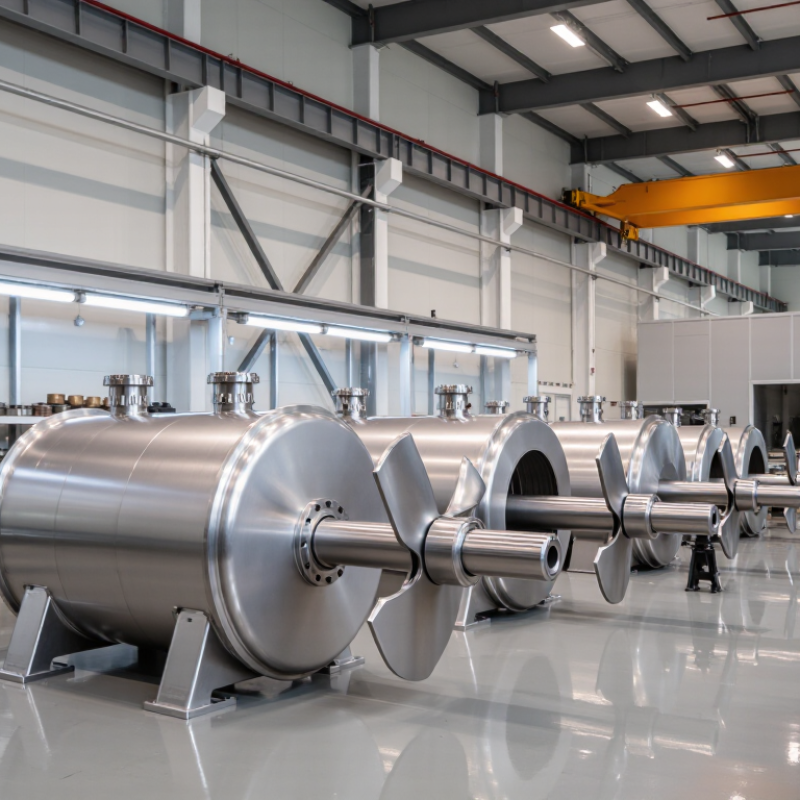
Top Paddle Mixer Manufacturers for Global Buyers

Paddle Mixer Basics and Industrial Applications

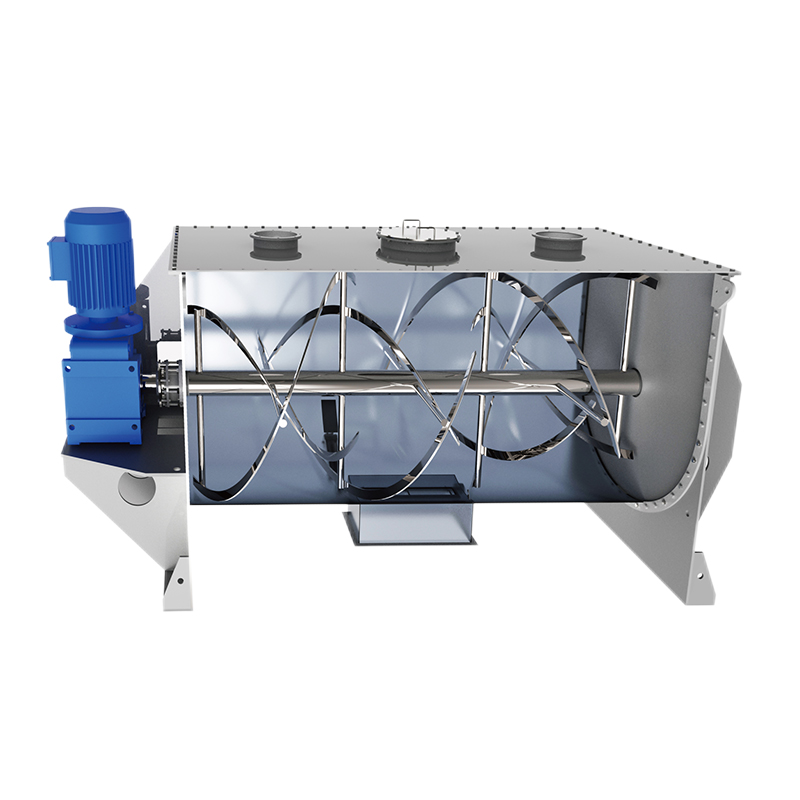
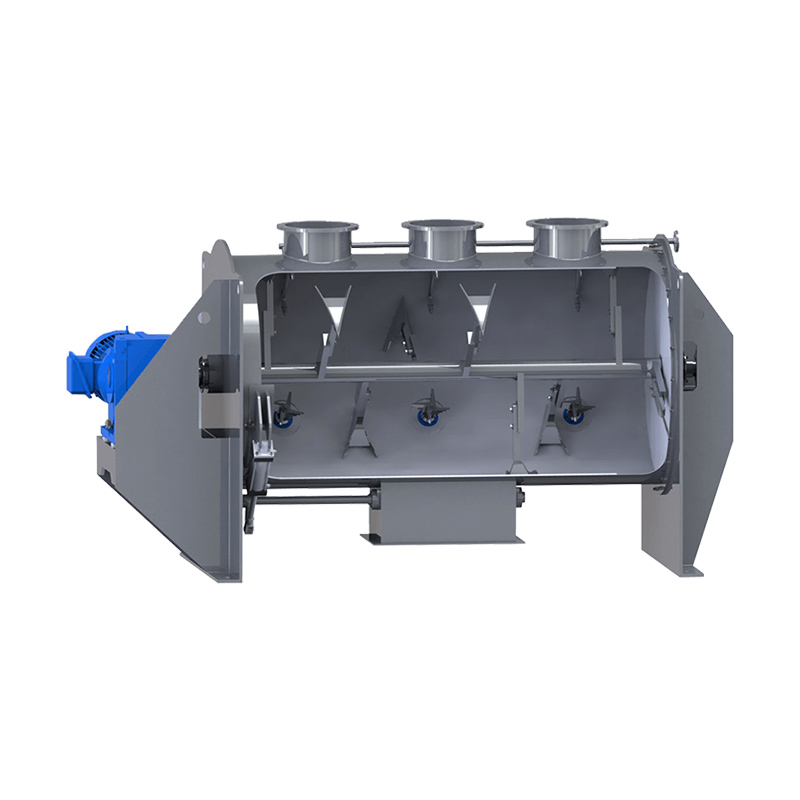
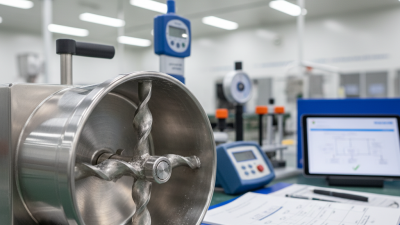
Paddle mixers use horizontal shafts fitted with broad blades. These blades move powders, granules, and damp solids through a trough. The mixing action combines lifting, folding, and gentle tumbling. Unlike high-speed machines, Paddle Mixers usually limit heat and product damage. This matters for food ingredients, mineral blends, animal feed, and chemical powders.

In industrial plants, operators select mixers by density, moisture, particle size, and batch volume. A feed facility may blend grains with vitamins in several minutes. A construction-material plant may combine cement, sand, and controlled moisture. In food production, polished contact surfaces support easier cleaning between recipes. Sealed bearings and dust-controlled covers also protect workers and reduce maintenance risks. Small details matter here.

Global buyers should examine paddle geometry, discharge design, motor capacity, and material certification. A reliable manufacturer should provide test data, realistic production rates, and clear service procedures. Ask whether the mixer performs with your actual material, not only with laboratory samples. During commissioning, technicians should check fill level, mixing time, current load, and residue after discharge. No mixer performs perfectly with every formulation. Sticky powders can cling to corners, while fragile granules may break under excessive speed. I have found that simple trials often reveal more than impressive brochures. This part deserves patience.

Key Factors for Comparing Global Paddle Mixer Manufacturers

Global buyers should compare paddle Mixer Manufacturers beyond catalog photos and stated capacity. A reliable supplier explains how the machine handles moisture, density, temperature, and batch size. Ask for test records using material similar to yours. Steel powder and damp fertilizer do not behave alike. Watch the discharge cycle. Does the mixer empty cleanly, or does material remain behind? Small residues can change the next batch. In plant audits, this detail often matters more than polished brochures.

When evaluating a Paddle In Mixer, inspect the paddle shape, shaft support, seals, and access doors. These parts influence mixing uniformity and maintenance time. Request measurable data, such as coefficient of variation, cycle duration, motor load, and working volume. The figures should include test conditions. Otherwise, comparisons become guesswork. Confirm the control system, spare-part availability, installation guidance, and response time. A lower purchase price may become expensive when one seal waits weeks for replacement. Ask for references from facilities with comparable output, not merely large factories.

Manufacturing quality also appears in weld finishing, protective coating, guarding, and documentation. Check whether drawings, manuals, and inspection reports are clear enough for your operators. They should be. Still, supplier claims deserve verification. Independent inspection or a witnessed factory test can reveal noise, vibration, or uneven discharge. I would not ignore local service capacity, either. That assumption is easy to regret. Compare warranty terms carefully, including exclusions and commissioning responsibilities. A serious manufacturer discusses limitations openly and adapts the design when your process data changes.

Top Paddle Mixer Manufacturers for Global Buyers - Key Factors for Comparing Global Paddle Mixer Manufacturers

Evaluation Dimension Factual Comparison Point What Global Buyers Should Verify Importance Good Practice
Mixer Configuration Paddle mixers are generally horizontal Batch Mixers designed to combine powders, granules, fibers, and selected pastes through the movement of paddles mounted on a shaft. Confirm whether the proposed configuration matches the material form, required batch process, filling method, discharge arrangement, and available installation space. High ✓
Working Volume Gross vessel volume and usable working volume are different specifications. The usable volume depends on the product, mixing mechanism, and required free space. Request both gross and recommended working volumes, expressed in litres or cubic metres, together with the supplier’s filling assumptions. High ✓
Material Compatibility Carbon steel, stainless steel 304, and stainless steel 316 or 316L are commonly considered according to corrosion, hygiene, temperature, and product-contact requirements. Check all product-contact parts, shaft, paddles, vessel, seals, fasteners, and surface-finish requirements instead of reviewing the vessel material alone. High ✓
Mixing Performance Mixing quality depends on paddle geometry, shaft speed, fill level, ingredient characteristics, loading sequence, and mixing time; a single motor rating does not prove uniformity. Ask for application-specific test results, sampling locations, acceptable variation, mixing time, and the test method used to assess homogeneity. High ✓
Fragile-Product Handling Paddle mixers can be suitable for products that require relatively gentle movement, but product damage is affected by speed, paddle clearance, residence time, and particle properties. Use representative samples to evaluate breakage, dust generation, segregation, temperature rise, and transfer performance during a complete cycle. High ✓
Discharge Design Bottom discharge arrangements may include hinged, sliding, rotary, or other engineered gates. Discharge performance is influenced by particle size, moisture, cohesion, and outlet geometry. Verify residual material after discharge, outlet dimensions, actuator type, discharge time, cleanability, and compatibility with downstream equipment. High ✓
Cleaning and Hygienic Design Hygienic applications require attention to product-contact surfaces, crevices, weld quality, seals, dead zones, drainage, and access for inspection or cleaning. Request internal photographs or drawings, surface-finish specifications, cleaning procedures, gasket details, and any applicable hygienic-design documentation. High ✓
Drive and Speed Control Motor power and shaft speed should be selected according to bulk density, moisture, particle size, batch load, starting torque, and operating duty rather than capacity alone. Compare motor efficiency, gearbox service factor, variable-frequency-drive compatibility, overload protection, rated duty, and local electrical requirements. High ✓
Dust and Explosion Protection Combustible dust can create fire or explosion hazards. Protection requirements depend on the material’s dust characteristics, process conditions, area classification, and destination-market rules. Obtain a dust-hazard assessment and confirm grounding, bonding, venting, isolation, certified electrical components, and applicable ATEX or equivalent requirements where relevant. High ✓
Structural and Mechanical Reliability Reliability is influenced by shaft deflection, bearing arrangement, weld quality, paddle attachment, gearbox selection, sealing, and fatigue design. Review engineering drawings, load calculations where appropriate, bearing and gearbox specifications, inspection records, and the preventive-maintenance schedule. High ✓
Automation and Instrumentation A paddle mixer may be supplied with local controls or integrated into a plant control system using sensors, programmable logic controllers, interlocks, and recipe management. Confirm control voltage, communication protocols, emergency-stop logic, access controls, batch records, alarm functions, and integration responsibility. Medium ✓
Factory Acceptance Testing A factory acceptance test can verify dimensions, rotation, controls, safety functions, leakage, empty running, and application-related performance before shipment. Agree on test procedures, acceptance criteria, sample materials, documentation, witness arrangements, and the process for correcting nonconformities. High ✓
Documentation Package A complete equipment file normally includes operating instructions, maintenance information, spare-parts lists, electrical drawings, certificates, and safety documentation. Specify the required language, document format, revision control, drawings, material certificates, inspection reports, and conformity documents before purchase. Medium ✓
Export and Installation Support International supply may involve export packaging, container loading, customs documentation, local electrical standards, installation supervision, and commissioning support. Compare packaging method, shipping dimensions, lifting points, installation drawings, remote support, field-service availability, and spare-parts delivery arrangements. Medium ✓
Total Cost of Ownership Purchase price is only one cost component. Energy consumption, wear parts, cleaning time, downtime, maintenance access, and expected service life affect long-term value. Request a lifecycle-cost estimate covering power demand, routine parts, seal replacement, lubrication, maintenance labour, warranty terms, and recommended critical spares. High ✓

Leading Paddle Mixer Manufacturers by Product Capability

Leading Paddle Mixer Manufacturers by Product Capability

Leading paddle mixer manufacturers distinguish themselves through practical product capability, not impressive brochures. They design systems for dry powders, damp granules, fibers, and fragile solids. A Paddle On Mixer should provide consistent movement without crushing sensitive particles. Its paddles, shaft speed, and discharge design require careful matching.

Experienced manufacturers usually offer batch and continuous configurations. They may add heating jackets, cooling surfaces, spray bars, or dust-controlled covers. Abrasive materials need replaceable wear parts and stronger internal protection. Food and pharmaceutical applications demand cleanable surfaces, controlled finishes, and traceable materials. These details affect maintenance time.

Technical reliability depends on evidence. Ask for test results using similar moisture levels, bulk densities, and filling ratios. Review torque data, residence time, mixing uniformity, and cleaning procedures. Factory trials can expose problems before installation. Small details matter. A difficult discharge point can delay an entire production shift.

No manufacturer gets every project right. That is worth admitting. A credible supplier explains design limits instead of promising universal performance. Check engineering drawings, inspection records, spare-part availability, and commissioning support. References from comparable facilities provide useful experience, although they should not replace your own material testing.

Manufacturing Standards, Materials, and Quality Control

Top Paddle Mixer Manufacturers for Global Buyers

Manufacturing Standards, Materials, and Quality Control

Choosing a paddle mixer manufacturer requires more than comparing prices. Global buyers should examine documented production standards, material certificates, and inspection records. A dependable supplier can explain how each machine meets applicable safety and performance requirements. ISO 9001-based procedures can improve consistency, but certification alone does not prove excellent workmanship.

Material selection affects service life. Stainless steel 304 suits many general processing environments. Stainless steel 316 offers stronger resistance to salts and aggressive cleaning agents. Contact surfaces should have controlled welds, smooth corners, and no visible crevices. Ask for mill certificates and batch traceability. A Lab Paddle Mixer may require smaller tolerances and more careful surface finishing than a larger production unit.

Quality control should continue from cutting to final testing. Inspectors can check shaft alignment, paddle clearance, gearbox noise, and discharge performance. Factory acceptance testing should include an empty run and, when practical, a representative material test. Photos help, but they cannot replace measurement records. No inspection plan is perfect. Even experienced teams may overlook a rough weld beneath a cover. Independent inspection can expose such gaps before shipment. Buyers should also review spare-part availability, cleaning access, electrical documentation, and the supplier’s response to past defects. Clear records build trust.

Customization, Technical Support, and After-Sales Services

Top Paddle Mixer Manufacturers for Global Buyers

A dependable paddle mixer manufacturer should adapt equipment to your process, not force your process into a standard model. Experienced suppliers review material density, moisture, particle size, batch volume, and discharge conditions before proposing a design. Customization may include paddle geometry, vessel capacity, contact materials, heating jackets, seals, and control systems. Ask for drawings and documented performance data.

Technical support matters long after the quotation. Engineers should explain installation, operating limits, cleaning procedures, and routine inspection points. Clear manuals help operators avoid overloading the mixer or running unsuitable materials. Remote troubleshooting is useful, but local service partners can reduce downtime when a seal, bearing, or sensor needs attention. No supplier gets everything right. Their response to a design concern reveals more than polished sales language.

Tips: Request a sample test with representative materials. Confirm testing methods, warranty coverage, spare-part availability, and response times in writing. Check whether the manufacturer can provide training in your working language. Also ask how modifications affect delivery schedules and maintenance access. A low purchase price may hide difficult cleaning or expensive replacement parts. Even experienced buyers can overlook this. Choose a manufacturer that documents assumptions, admits limitations, and supports the mixer throughout its operating life.

Top Paddle Mixer Manufacturers for Global Buyers

Global buyers typically evaluate paddle mixer suppliers by product customization, process expertise, technical support, delivery capability, spare-parts availability, and after-sales service. The benchmark scores below use a 10-point procurement evaluation scale and do not represent any specific company or brand.

Pricing, Delivery, and Supplier Selection for International Buyers

For global buyers, a Long Paddle Mixer should be priced by total delivered cost, not the factory quote alone. Request separate figures for the mixer, motor, control panel, export packing, spare parts, testing, and inland transport. Compare EXW, FOB, and CIF terms carefully. A lower EXW price may hide expensive freight and customs handling. Published market studies often report different mixer price ranges, so capacity, material grade, paddle design, and automation must be specified. Stainless steel contact parts can raise costs, but they may reduce cleaning problems in demanding applications.

Delivery needs practical planning. UNCTAD’s Review of Maritime Transport reports that over 80% of global merchandise trade moves by sea. Port delays can therefore affect even well-prepared orders. The World Bank Logistics Performance Index 2023 covers 139 economies and highlights major differences in shipment reliability. Ask suppliers for production lead time, port of loading, packing dimensions, and a realistic buffer. A clear factory acceptance test is valuable. It should check rotation, vibration, discharge, and motor performance using agreed parameters.

Supplier selection requires evidence, not polished photographs. Request material certificates, weld records, inspection reports, and references for similar batch sizes. Video calls can reveal workshop conditions, but they are not enough. I would also request a sample mixing trial with your actual powder or granules. That step costs time. It can prevent an expensive mismatch. Some suppliers promise delivery before checking component availability; this is a warning sign. I have seen buyers focus too heavily on price and overlook after-sales response, replacement seals, and documentation quality. That choice usually becomes costly.

FAQS

What should buyers compare beyond a mixer’s advertised capacity?

Compare moisture handling, material density, temperature, and batch size. Ask for test records using similar powder or granules. Capacity alone can mislead.

How can buyers evaluate mixing performance fairly?

Request the coefficient of variation, cycle duration, motor load, and working volume. Each figure should include test conditions. Otherwise, comparison becomes guesswork.

Why does discharge performance matter?

Watch whether the mixer empties cleanly after each cycle. Small residues can alter the next batch. This detail is easy to overlook.

Which machine parts deserve close inspection?

Inspect paddle shape, shaft support, seals, and access doors. These parts affect uniformity and maintenance time. Poor seals can create long delays.

How should buyers verify manufacturing quality?

Check weld finishing, protective coating, guarding, drawings, manuals, and inspection reports. A witnessed factory test can reveal vibration, noise, or uneven discharge. Photos are not enough.

What costs should be included in an international price comparison?

Request separate costs for the mixer, motor, controls, packing, spare parts, testing, and inland transport. Compare EXW, FOB, and CIF terms carefully. The cheapest quote may not be cheapest delivered.

How can buyers reduce delivery risks?

Ask for production time, loading port, packing dimensions, and a realistic schedule buffer. Confirm component availability before accepting promised dates. Delays happen.

What should a factory acceptance test include?

Agree on checks for rotation, vibration, discharge, and motor performance. Use written parameters and similar materials. A vague test proves little.

How should after-sales support be assessed?

Confirm spare-part availability, seal replacement times, installation guidance, warranty exclusions, and response times. Check whether local service is realistic. I would not assume it is.

What evidence should buyers request before selecting a supplier?

Request material certificates, weld records, inspection reports, and references from comparable facilities. A sample trial with your actual material is valuable. It costs time, but may prevent an expensive mismatch.

Conclusion

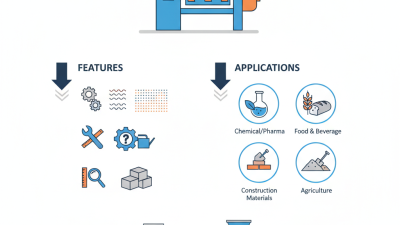
This article provides a practical overview of Paddle Mixer equipment and its role in industries such as food processing, chemicals, pharmaceuticals, agriculture, construction materials, and waste treatment. It explains how paddle mixers work, the advantages of different configurations, and the key factors global buyers should consider when comparing manufacturers, including mixing performance, production capacity, energy efficiency, equipment durability, and application suitability.

The guide also examines product capabilities, manufacturing standards, material selection, welding quality, testing procedures, and quality control systems. In addition, it highlights the importance of customization, installation guidance, operator training, spare parts availability, maintenance support, and after-sales service. Buyers will also find useful advice on evaluating pricing, lead times, shipping arrangements, documentation, warranty terms, and supplier reliability. By considering these factors together, international customers can select a suitable Paddle Mixer supplier that offers consistent quality, technical confidence, and long-term value.
Sophia

Sophia

Sophia is a dedicated marketing professional at Shanghai Shenyin Machinery (Group) Co., Ltd., where she excels in showcasing the company’s innovative products and services. With a strong background in mechanical engineering and marketing, she possesses a deep understanding of the machinery......
Previous 10 Best Paddle Mixers for Industrial Use in 2026