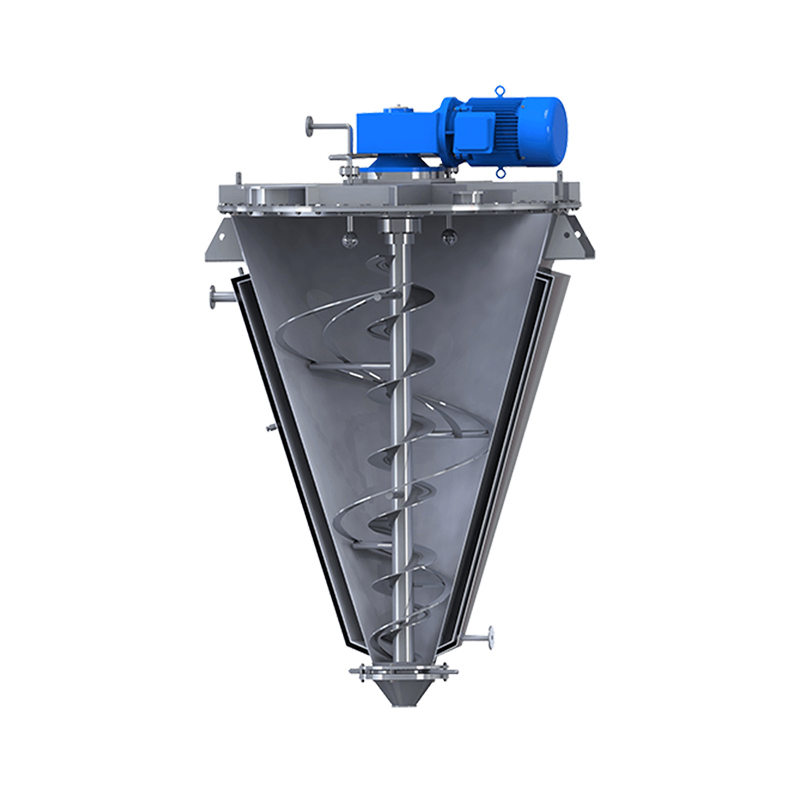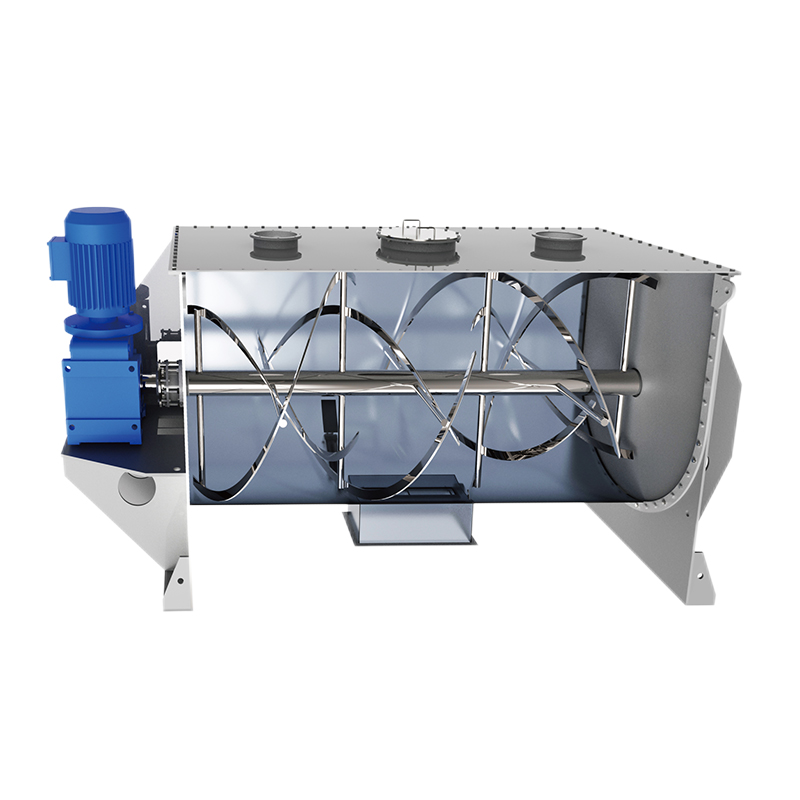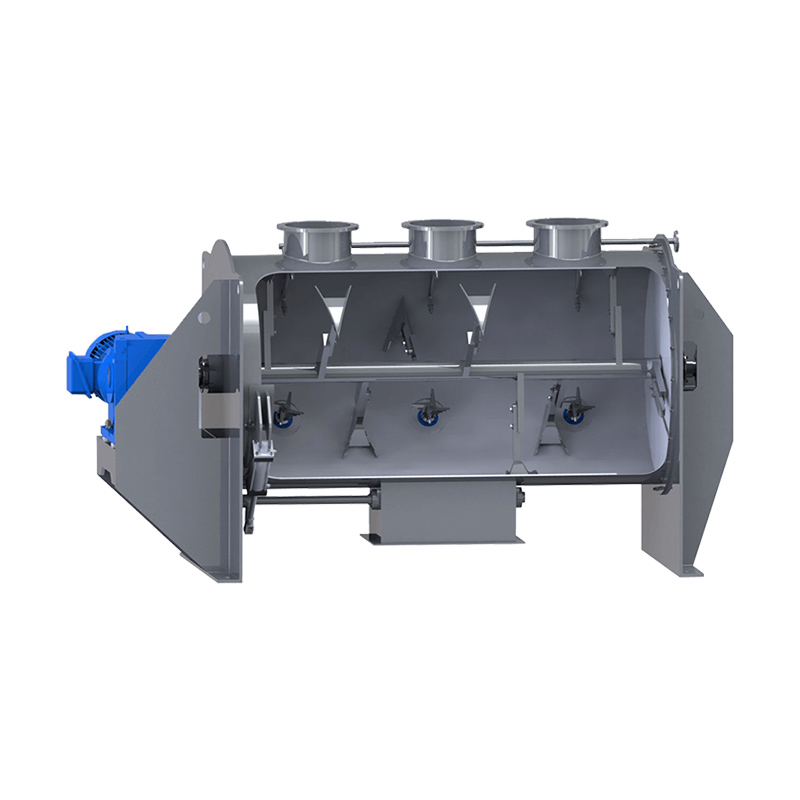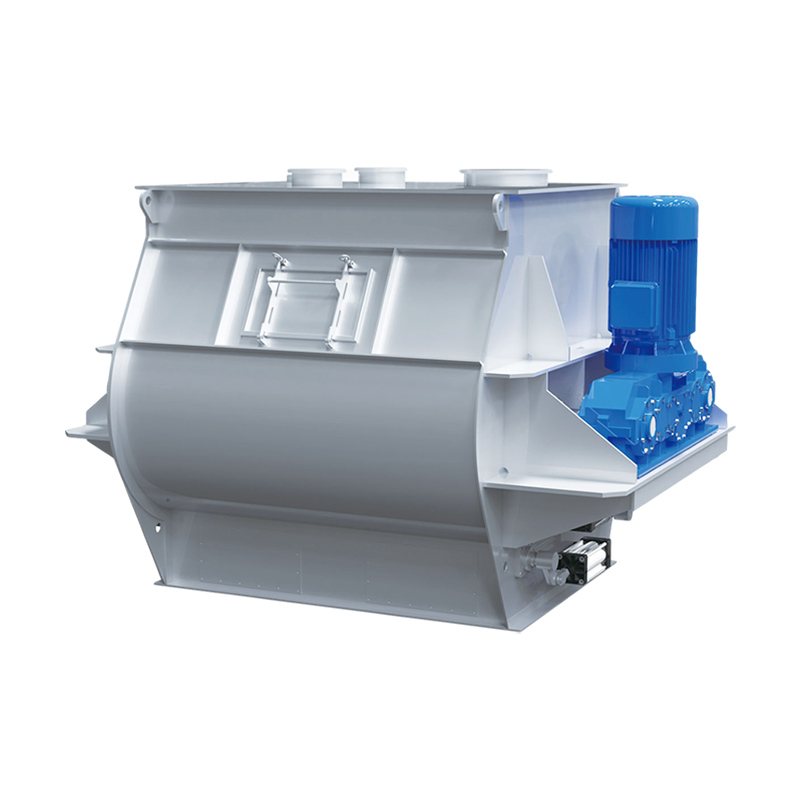
In today’s competitive world of manufacturing, being efficient and precise is more important than ever. Lots of producers are on the lookout for reliable tools that can really boost their performance. One standout option is the Conical Screw Mixer. It’s a game-changer for many industries because of its unique design that promotes great mixing, especially for powders and granular materials.
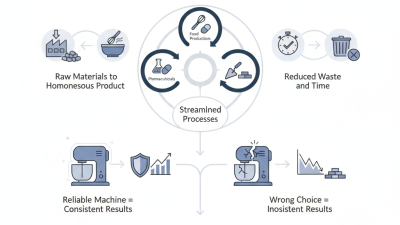
Manufacturers often run into issues with uneven mixtures, which can end up affecting the quality of the final product. Thankfully, this mixer tackles that problem by making sure everything stays uniform throughout the process. Not only does it help speed things up, but it also cuts down on waste — which is a big deal when you’re trying to keep costs down.
That said, it’s good to keep in mind that this mixer isn’t perfect. Some users mention there’s a bit of a learning curve when it comes to using it, and maintaining it properly is key to keeping it running smoothly and lasting a long time. Picking a Conical Screw Mixer is more than just a technical choice — it’s a strategic move that deserves some careful thought.

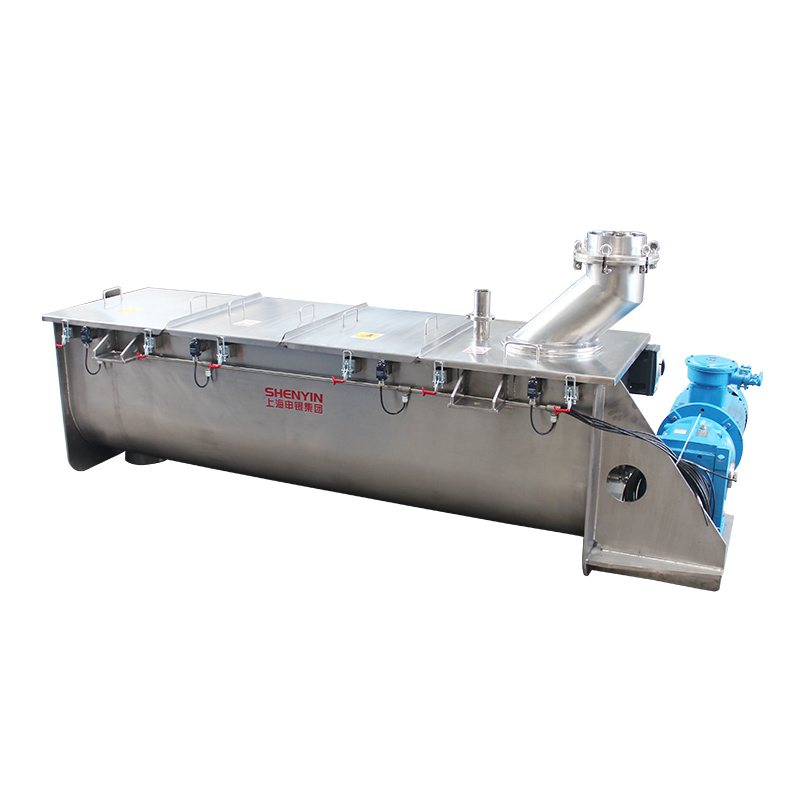
A conical screw mixer is an excellent choice for various production needs. It offers unique blending capabilities that enhance efficiency in manufacturing processes. Its conical shape allows for gentle yet effective mixing, reducing the risk of damage to sensitive materials. Furthermore, this mixer can accommodate both dry and wet ingredients, making it versatile across multiple industries.
When integrating a Conical Screw Mixer With Heating Jacket into your production, consider the material requirements. Ensure that the mixer’s configuration matches your materials' properties to avoid issues. Mixing different particle sizes or densities can lead to inconsistent results.
Two tips for optimal use involve monitoring temperature closely. Variations can affect the final product's quality. Regular maintenance is also crucial. A well-maintained mixer reduces downtime and ensures consistent performance. Be aware that while conical screw mixers are efficient, they require careful calibration for maximum effectiveness. This attention to detail can help prevent manufacturing errors.
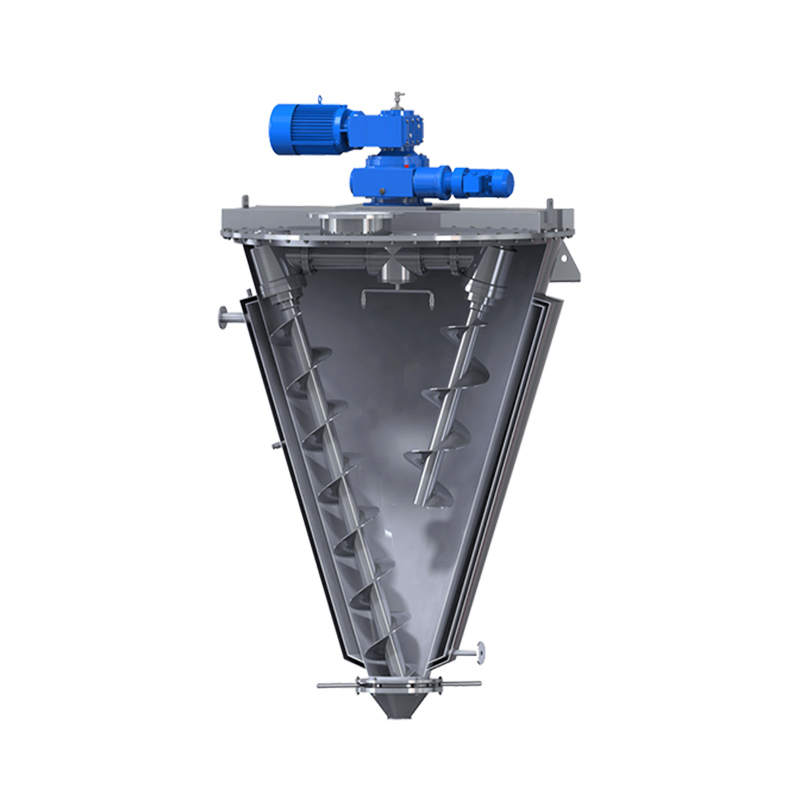
A conical screw mixer operates using a unique mechanism that ensures thorough blending of materials. Its conical shape allows for both rotation and axial movement, enabling efficient mixing. The design minimizes dead zones, where materials can remain unmixed. This feature is particularly useful for achieving uniformity in various production processes, enhancing the overall quality of the final product.
The addition of a cooling jacket in the conical screw mixer allows for temperature control during the mixing process. This is crucial for sensitive materials that can be adversely affected by heat. Additionally, the mixing motion helps maintain a consistent temperature, which is often a challenge with other Mixer Types. However, controlling the cooling and mixing simultaneously can be complex. Operators must carefully monitor both factors to avoid overheating or improper mixing.
Overall, while the conical screw mixer presents several advantages, it is not without its challenges. Proper training and understanding of the equipment are vital for achieving optimal results. Effectively managing the mixer’s capabilities, such as understanding its cooling system, requires experience and expertise. This ensures reliability and efficiency in production needs, making it a valuable asset for manufacturers.
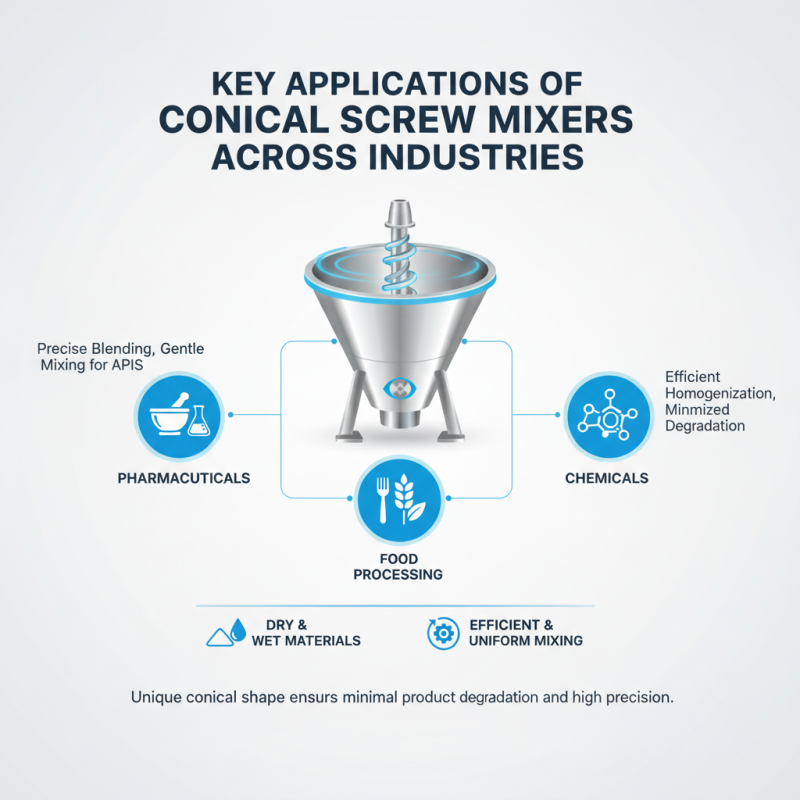
Conical screw mixers are essential in many sectors. They are widely used in pharmaceuticals, food processing, and chemicals. These mixers provide efficient blending and are ideal for both dry and wet materials. The unique conical shape promotes uniform mixing and minimizes product degradation. This is particularly valuable in industries where precision is key.
Pharmaceutical companies often rely on these mixers for gentle handling of active ingredients. For example, in the production of tablets, a uniform mixture ensures consistent dosage and efficacy. In food processing, the ability to mix powders evenly is crucial for product quality. With the increasing demand for specialty food items, conical screw mixers also help in creating unique blends that cater to consumer preferences.
Conical screw mixers also serve the chemicals industry. They can blend viscous and shear-sensitive products without compromising their integrity. However, operators need to be mindful of potential overmixing, which can alter product properties. Addressing these challenges requires robust training and understanding of the equipment. Mixing technology is evolving, and continual improvements are necessary to meet industry needs.
The choice of a conical screw mixer over traditional mixers can significantly impact production efficiency. Conical screw mixers offer a unique design, utilizing a rotating screw to move materials along the cone's interior surface. This results in gentle mixing and minimal shear forces. A report by the International Society for Pharmaceutical Engineering states that these mixers can enhance product quality by 20% when handling sensitive ingredients.
In contrast, paddle mixers often lead to uneven blend quality due to rapid mixing speeds. A study published in the Journal of Food Engineering indicates that conical mixers achieve a homogeneity level of 95% or higher, which is essential for industries requiring precise formulation, such as pharmaceuticals and food manufacturing. Furthermore, conical screw mixers can process a wide range of materials, accommodating everything from powders to granules.
Tips: Regular maintenance on your mixing equipment is vital. Overlooking small issues can lead to significant downtime. Spend time understanding the materials you work with; different substances may interact differently within the mixer. Miscalculations here can hinder your process. Thorough training for operators can prevent costly errors.
When selecting a conical screw mixer for production, several critical factors come into play. One key consideration is the mixer’s capacity. The size should meet your production demands without causing delays. Too small a capacity can bottleneck your process, while an oversized unit may lead to excessive energy costs. Think about your current and future needs. A well-sized Custom Conical Screw Mixer can adjust to capacity changes with ease.
Another important aspect is the material and design of the mixer. Different materials may influence durability and maintenance. Stainless steel, for example, offers corrosion resistance, while other options may not. Also, examine the mixing action. A poorly designed mixer may result in uneven blending. This inconsistency can impact the final product quality. Make sure to analyze the mixer’s features and how they align with your specific requirements.
Lastly, consider the ease of cleaning and maintenance. Regular upkeep is essential for optimal performance. Complex designs may complicate this process. A straightforward design in a Custom Conical Screw Mixer can save valuable time and resources. Balancing these factors ensures that you make an informed decision tailored to your production needs. This can lead to improved efficiency and better end products.
Proper maintenance is crucial for the longevity of a conical screw mixer. Regular checks can prevent unexpected breakdowns. Keep an eye on the mixer’s components, such as the blades and motor. These parts often wear out due to constant use. Use a maintenance schedule to coincide with production cycles. This ensures that your mixer has minimal downtime.
Cleaning is equally vital. Residue build-up can affect the mixer’s efficiency. After each production run, thoroughly clean the mixer. Use appropriate solvents to remove any sticky materials. Consider a deep clean weekly or bi-weekly, depending on usage. Inspect seals and gaskets for wear. Replace them when necessary to maintain optimal performance.
Investing in a CE Certification Conical Screw Mixer is a step towards quality assurance. It indicates adherence to safety and efficiency standards. However, owning such equipment brings responsibility. Regular maintenance is not just about avoiding faults; it’s about fostering a safe work environment. A well-maintained mixer can improve product quality and reduce costs. Reflect on the maintenance processes in place. Continuous evaluation of these practices helps in achieving better operational standards.
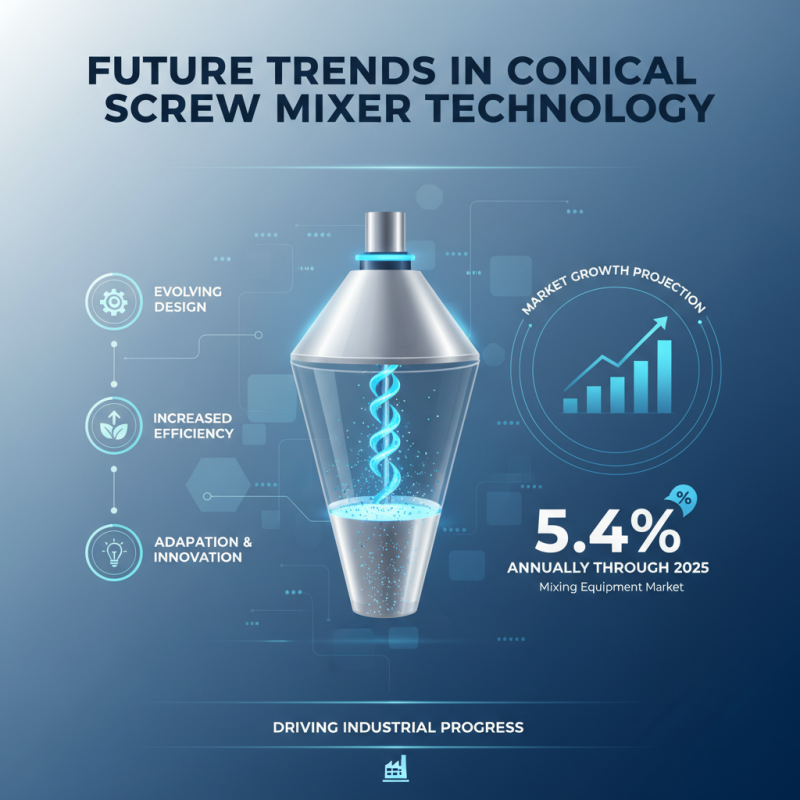
The conical screw mixer is evolving. As industries demand more efficiency, manufacturers are adapting. Recent studies show that the market for mixing equipment is projected to grow by 5.4% annually through 2025. This trend highlights the importance of innovative mixing solutions.
Future advancements in conical screw mixer technology focus on automation and precision. Smart sensors allow for real-time monitoring of ingredient consistency. This capability reduces batch variability, ultimately increasing product quality. Moreover, data analytics are gaining traction. They can predict potential issues before they escalate, minimizing downtime.
However, challenges remain. Not all designs incorporate the latest technology. Some older models are still widely used, leading to inefficiencies. Users often express frustration over maintenance and operational complexities. Addressing these flaws will be critical for future development. As the industry progresses, the integration of AI and machine learning seems promising. This could revolutionize production processes and set new standards for reliability.
: You need to consider the mixer’s capacity to meet production demands. A poorly sized unit can cause delays or increased costs.
The material influences durability and maintenance. Stainless steel resists corrosion but may be different from other materials.
Uneven blending can affect product quality. Assess the mixer’s design to ensure it meets your mixing needs effectively.
Regular maintenance keeps the mixer performing well. Complex designs can complicate maintenance, wasting time and resources.
The technology is focusing on automation and precision. Innovative solutions are enhancing efficiency across various industries.
Smart sensors enable real-time monitoring, reducing variability and increasing product quality. They are becoming increasingly important in production.
Yes, older models often lack modern technology, leading to inefficiencies. Users may face frustration with maintenance and operations.
Data analytics can predict issues before they occur, minimizing downtime and boosting efficiency. This trend is on the rise.
The integration of AI and machine learning is promising. These advancements could redefine production processes and improve reliability.
Yes, some companies may struggle with transitioning to new systems. Reflecting on these challenges is crucial for long-term success.
The article "Why Choose a Conical Screw Mixer for Your Production Needs?" explores the numerous advantages of utilizing a Conical Screw Mixer in various production processes. It highlights how this innovative mixer operates, showcasing its efficient mixing mechanism which is ideal for achieving homogenous blends. Furthermore, the article delves into key applications across diverse industries, emphasizing the versatility of the Conical Screw Mixer compared to other mixing equipment.
Additionally, it addresses critical factors to consider when selecting a Conical Screw Mixer, ensuring the right fit for specific production needs. Maintenance and care tips are included to extend the lifespan and performance of these mixers. Finally, the article anticipates future trends in Conical Screw Mixer technology, pointing towards ongoing advancements that promise to enhance mixing efficiency and versatility in industrial applications.