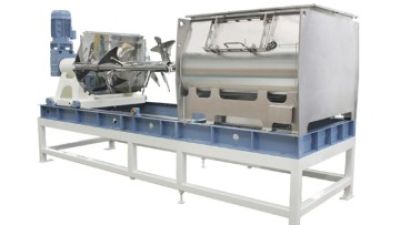
When you're on the hunt for the right equipment for your production line, you can't overlook the importance of a Double Ribbon Mixer. Honestly, this piece of gear is super versatile and really good at blending both dry and wet ingredients efficiently. I came across what industry expert John Smith from Mixing Solutions Inc. once said—he mentioned, “A good Double Ribbon Mixer can achieve uniformity even in the trickiest conditions.” That really hits home, showing just how important it is to pick equipment that suits your specific needs.
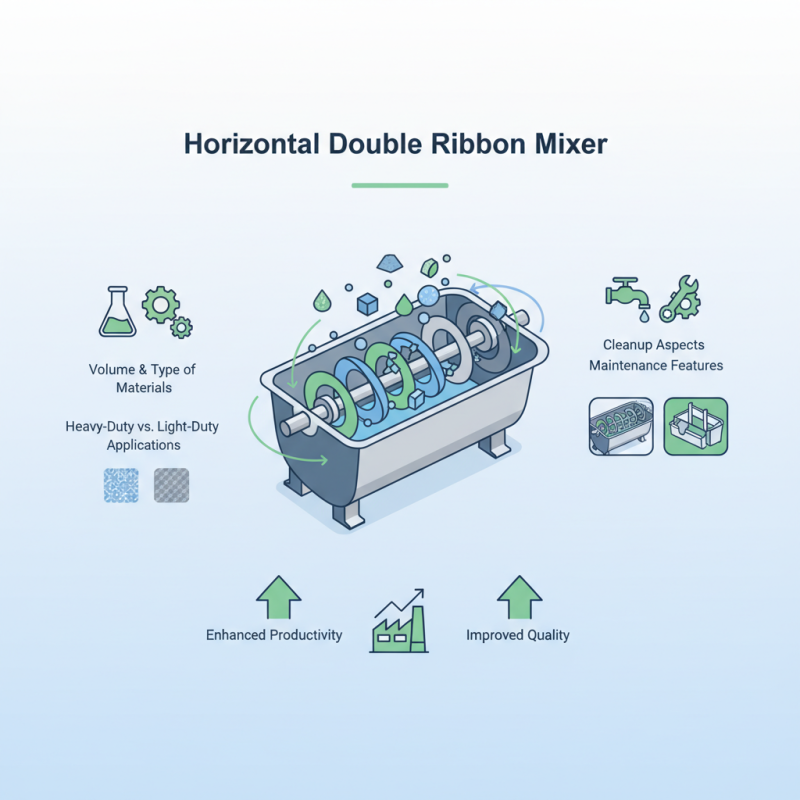
Now, in the big world of mixing tech, not all Double Ribbon Mixers are the same, not even close. There are so many factors to think about before making a choice. For starters, consider how much material you’ll be working with and what kind—it makes a difference. Some mixers are built tough for heavy-duty stuff, while others are better suited for lighter loads. Getting a handle on these details is key to making your process smoother and more efficient.
And don’t forget about cleaning and maintenance. Some mixers are designed with features that make cleanup a breeze—saving you precious time and cutting down on downtime. But not all of them do, so it’s worth checking. Spending a little extra time reflecting on your production goals and carefully weighing your options will definitely pay off. The right Double Ribbon Mixer isn’t just an expense—it’s an upgrade to your productivity and the quality of your end product.
Understanding the Functionality of Double Ribbon Mixers
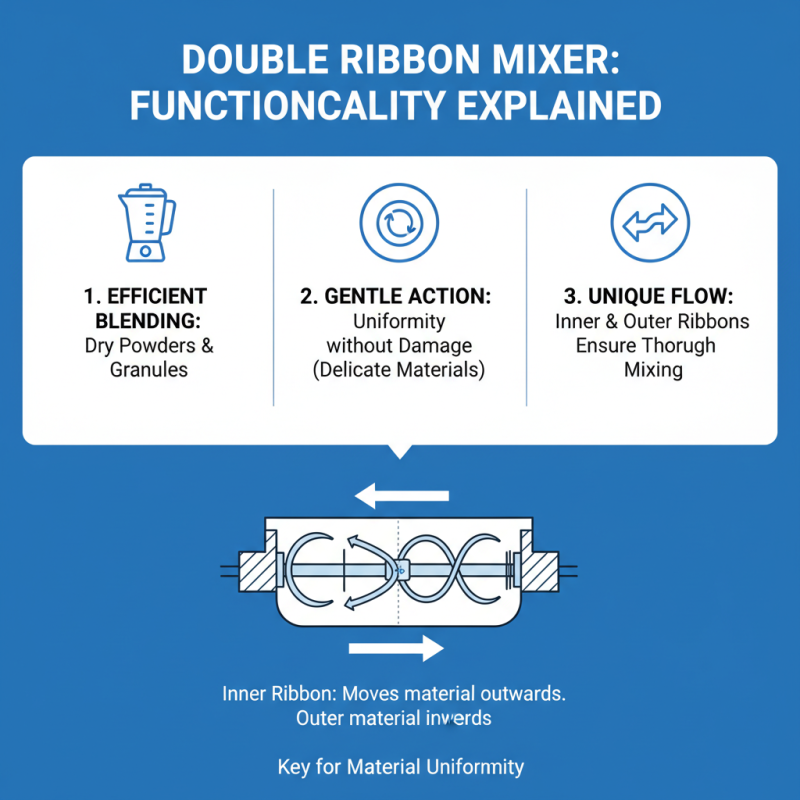
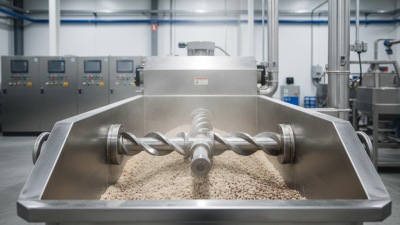
Understanding the functionality of double ribbon mixers is crucial when selecting the right one for your needs. These mixers are designed to efficiently blend dry powders and granules. The ribbon shape promotes a Gentle Mixing action, achieving uniformity without damaging delicate materials. The inner and outer ribbons create a unique flow pattern, ensuring all ingredients are thoroughly combined.
When evaluating a double ribbon mixer, consider your materials' characteristics. Are they light or heavy? This impacts mixing speed and energy consumption. Pay attention to the mixer’s capacity and design. Some models are better suited for larger batches, while others excel in smaller quantities.
**Tips:** Always check for easy access points for cleaning. Regular maintenance reduces downtime and ensures longevity. Be cautious of excessive mixing speeds, which can lead to product degradation. Flexibility and adaptability in your mixer’s design can address varying batch sizes and product types, enhancing overall efficiency. Consider your operational needs carefully. Reflect on how each feature aligns with your production processes.
Key Factors to Consider When Choosing a Double Ribbon Mixer
When selecting a double ribbon mixer, several key factors play a crucial role. The size of the mixer is essential. It should match your production capacity. A small mixer may not meet demand. Conversely, an oversized mixer could waste energy and space. Consider the volume of materials you frequently work with to determine the optimal size.
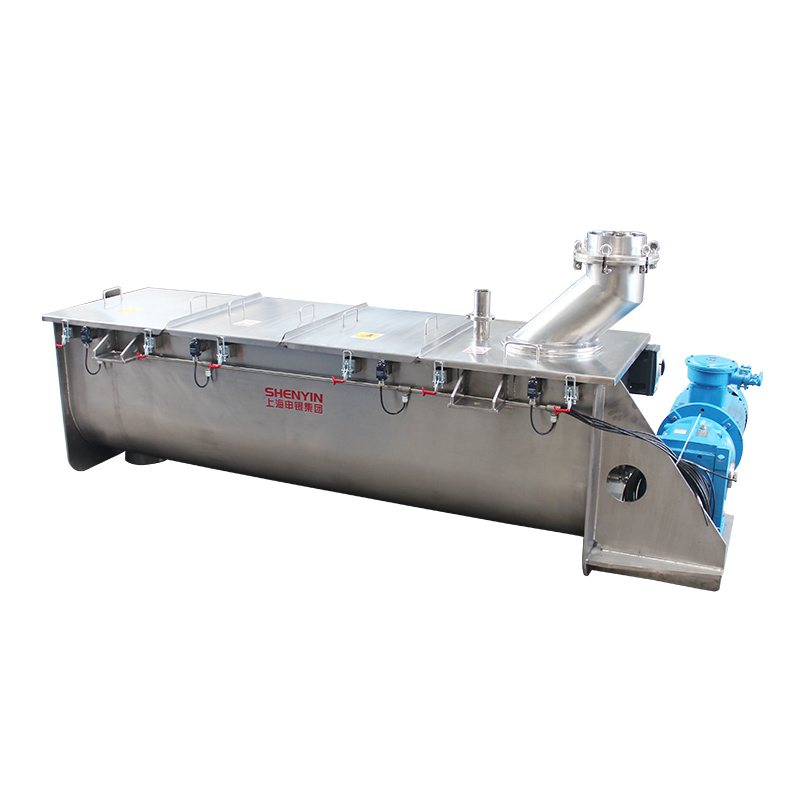
Another critical aspect is the material construction. Stainless steel is a common choice due to its durability and ease of cleaning. If you're mixing abrasive materials, look for reinforced options. Additionally, the design of the ribbons matters. The configuration will influence the mixing efficiency. Ensuring an even blend can be challenging with improper designs. Always ask about the technical specifications to avoid future issues.
Finally, understand the maintenance requirements. Some mixers require regular checks and replacements for parts. Knowing this can help you budget for ongoing costs. A mixer that seems economical at purchase might have hidden expenses. Regular maintenance can prevent unexpected downtime. Make sure to weigh these factors carefully to make an informed decision.
Evaluating the Size and Capacity Requirements for Your Application
When evaluating size and capacity requirements for a double ribbon mixer, consider the volume of materials you need to process. According to industry analysis, about 70% of mixers are used for batch processes, which often require specific size configurations. Understanding your material properties, like density and flow characteristics, is crucial. A mixer that is too small can lead to inefficiencies and inconsistent mixing.
Specific capacities vary widely. A standard double ribbon mixer ranges from 100 to 10,000 liters. For heavier materials, larger mixers are necessary to achieve targeted results. Based on field reports, many operators find that Custom Double Ribbon Mixers can enhance efficiency in larger operations. They can be tailored to accommodate various capacities and material types to maximize performance.
It's important to gather real-world data from your operations. Mistakes can occur if assumptions are made without concrete measurements. Manufacturers often see a significant return on investment when they correctly analyze their mixing needs. Pay attention to any gaps in performance or feedback from operators. These insights can guide you toward the ideal size and capacity for your application.
Material Selection: Choosing the Right Construction for Your Mixer
When selecting a double ribbon mixer, material choice is crucial. The mixer’s construction impacts its durability and performance. Stainless steel is a common choice due to its resistance to corrosion and ease of cleaning. It is ideal for industries that prioritize hygiene, such as food and pharmaceuticals. However, not all stainless steels provide the same level of protection. Evaluate the grade carefully.
Tips: Look for mixers with a smooth finish. This reduces the risk of particle buildup. Ensure that the design allows for easy disassembly. This will help during maintenance.
Another option is carbon steel, often more affordable but less resistant to corrosion. If you choose this, consider a protective coating. This can enhance the mixer’s lifespan. However, coatings may peel over time. Regular inspections are necessary to maintain effectiveness.
Remember to check for CE Certification on the double ribbon mixer. This ensures the product meets safety and performance standards. Choosing the right materials and ensuring quality certifications are key to long-term success in your mixing processes.
Comparing Different Drive Systems for Double Ribbon Mixers
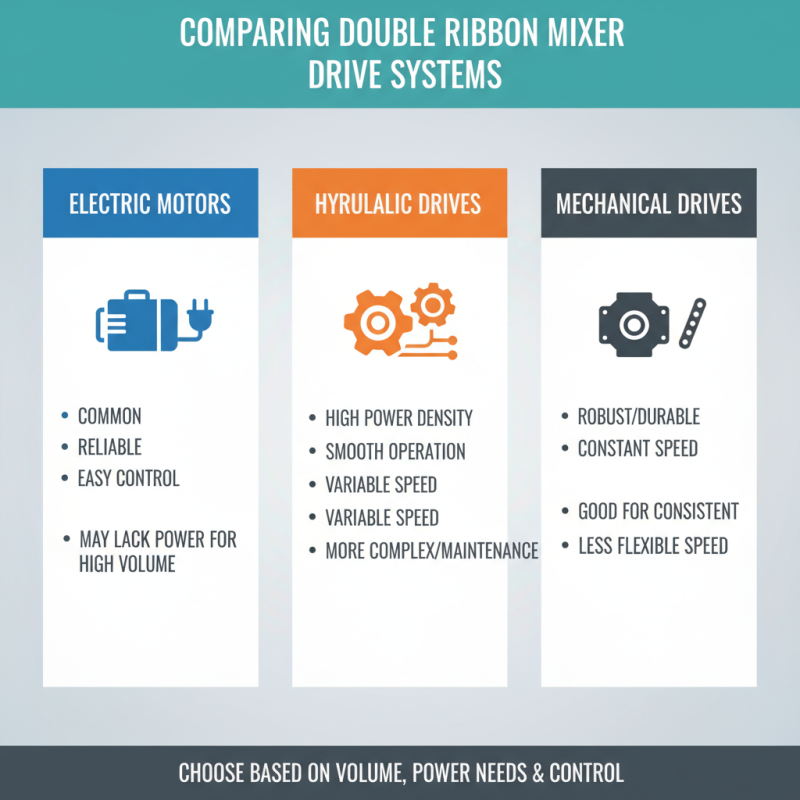
When selecting a double ribbon mixer, the drive system significantly impacts efficiency and performance. Several types of drive systems exist, each with unique advantages and potential drawbacks. For example, electric motors are commonly used due to their reliability and ease of control. However, they may not always provide sufficient power in high-volume applications.
Pneumatic systems offer an alternative, providing flexibility in varying production environments. According to a report by the American Society of Mechanical Engineers, pneumatic drives can handle heavier loads without overheating. This is crucial for consistent mixing and maintaining product quality. Nevertheless, pneumatic systems can be more complex, requiring regular maintenance.
Hydraulic drives are also an option. They can deliver high torque and speed. However, they often come with increased costs and potential leakage issues. Understanding these aspects is vital in choosing the right drive system for your Double Ribbon Blender. Each system has its pros and cons. Finding the right balance depends on your specific needs and the scale of operations.
Assessing Maintenance and Cleaning Features for Optimal Use
When choosing a double ribbon mixer, maintenance and cleaning features play a crucial role. A well-designed mixer simplifies these tasks, promoting optimal use over time. Regular cleaning prevents cross-contamination and product residue buildup. It's vital to assess how easily you can disassemble the mixer for thorough cleaning. Some models offer quick-release hatches or removable ribbons, making it easier to maintain hygiene standards.
The material used for the mixer can also affect maintenance. Stainless steel is a popular choice because it resists corrosion and is easier to sanitize. Additionally, look for mixers with smooth surfaces. They minimize residue sticking and facilitate cleaning. A customizable design can enhance usability, ensuring the Custom Double Ribbon Blender meets specific needs while prioritizing ease of cleaning.
Consideration of maintenance aspects can lead to long-term efficiency. A well-maintained mixer performs better, reducing the risk of unexpected breakdowns. However, if the cleaning process is cumbersome, it may deter regular maintenance. Finding a balance between functionality and ease of cleaning is essential. Reflect on your needs carefully to choose the best double ribbon mixer for your applications.
Cost vs. Quality: Finding the Best Value in Double Ribbon Mixers
When selecting a double ribbon mixer, striking the right balance between cost and quality is crucial. Many options exist, but not all mixers deliver the same results. A high-quality mixer often proves to be more durable and efficient in the long run. Investing a little more upfront can save on maintenance and replacement costs later. However, budgetary constraints can make this decision tricky.
Look for mixers that offer strong construction and reliable performance. Pay attention to the material used in the mixer. Stainless steel, for instance, is often more durable compared to plastic. It’s vital to compare specifications and examine customer reviews. Sometimes, cheaper models may lack necessary features, compromising on mixing efficiency.
Additionally, consider your specific mixing needs. Some mixers may excel at blending powders, while others work better for thicker pastes. This understanding can prevent an impulsive purchase that could lead to inefficiency in your operations. Beware of flashy marketing claims; the effectiveness of a mixer isn’t always visible at first glance. Ultimately, a thorough evaluation of both cost and quality will lead to a more informed decision.
Innovative Mixing Solutions: Exploring the GP-SYJW Series Pull-Type Gravity-Free Mixer and Its Applications
The GP-SYJW series pull-type gravity-free mixer is designed to meet the high standards required in the food industry, especially when dealing with food seasonings and prepared vegetable blends. This innovative equipment offers unparalleled hygiene levels, making it an essential tool for processes that demand long-term comprehensive cleaning. Traditional mixing methods can often compromise cleanliness and efficiency, but this gravity-free design circumvents these issues, ensuring that every blend is not only consistent but also safe for consumption.
This cutting-edge mixer is perfect for various users, from professional chefs to home cooking enthusiasts and food business operators. Its unique pull-type mechanism facilitates smooth and effortless mixing of ingredients, significantly reducing the time and effort spent on preparation. Whether you're looking to create a flavorful seasoning blend or enhance the textures of your dishes, this mixer offers a game-changing solution that simplifies the blending process while elevating the quality of your culinary creations. Embrace the future of mixing with this state-of-the-art equipment that prioritizes both hygiene and efficiency.
FAQS
: Electric motors, pneumatic systems, and hydraulic drives are common options. Each has unique benefits and challenges.
Electric motors are reliable and easy to control. However, they may lack power in high-volume applications.
Pneumatic systems handle heavier loads without overheating. They offer flexibility but need regular maintenance.
Hydraulic drives can deliver high torque but often come with increased costs and potential leakage issues.
Maintenance is crucial. Regular cleaning prevents cross-contamination and ensures consistent mixing quality.
Quick-release hatches and removable ribbons enhance cleaning. Smooth surfaces prevent residue buildup.
Stainless steel resists corrosion and is easier to sanitize. Material choice impacts long-term efficiency.
A high-quality mixer can save on maintenance costs. Cheaper options may lack essential features affecting efficiency.
Different mixers excel in specific tasks, like blending powders versus thick pastes. Know your requirements well.
No, effectiveness isn't always visible initially. A thorough evaluation is necessary for a well-informed decision.
Conclusion
When selecting the best Double Ribbon Mixer for your specific needs, it's essential to understand its functionality and the key factors that influence your choice. Evaluating the size and capacity requirements based on your application is crucial, as it ensures that the mixer can handle the volume and characteristics of the materials you intend to process. Additionally, selecting the right materials for construction can impact durability and performance, while comparing various drive systems will help you determine the most efficient operation.
Maintenance and cleaning features are also significant considerations, promoting optimal use and longevity of the mixer. Lastly, striking a balance between cost and quality is vital in finding the best value in Double Ribbon Mixers, ensuring that you invest in a product that meets your operational needs without compromising on performance. By carefully assessing these aspects, you can make an informed decision that aligns with your mixing requirements.

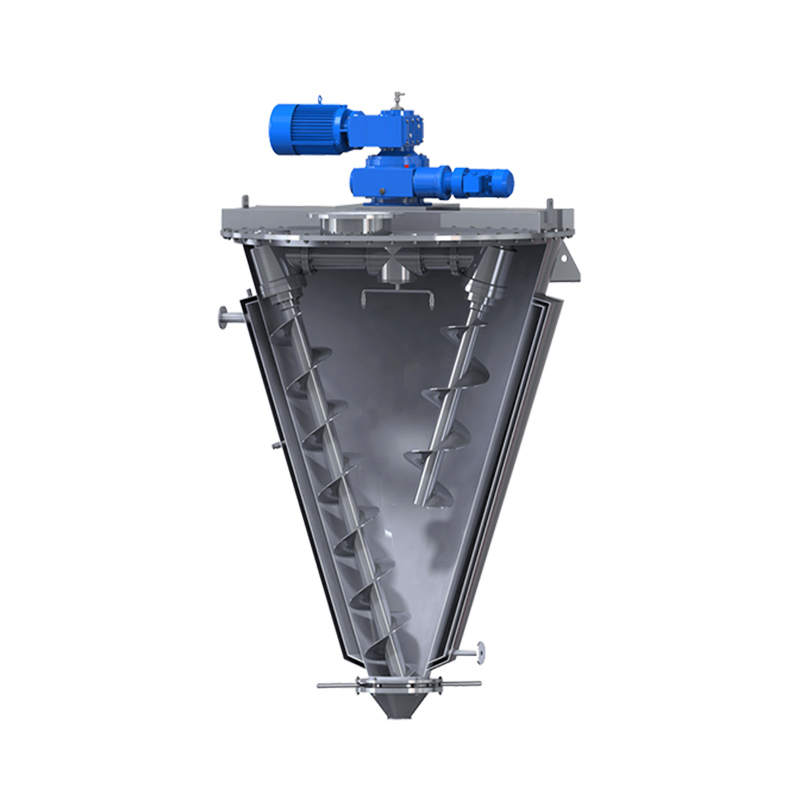 Conical Screw Mixer
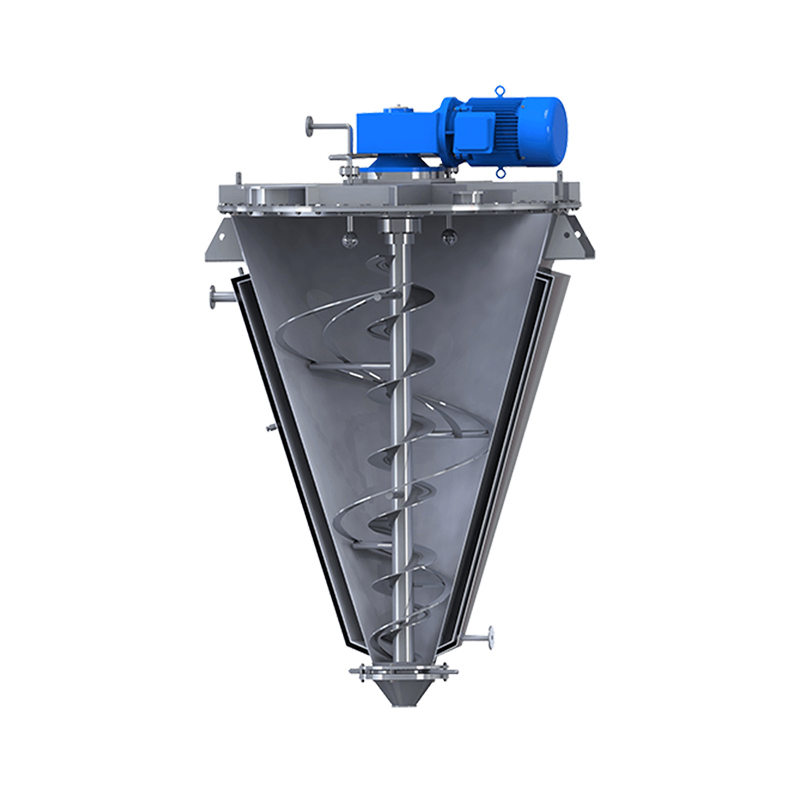 Conical Screw Belt Mixer
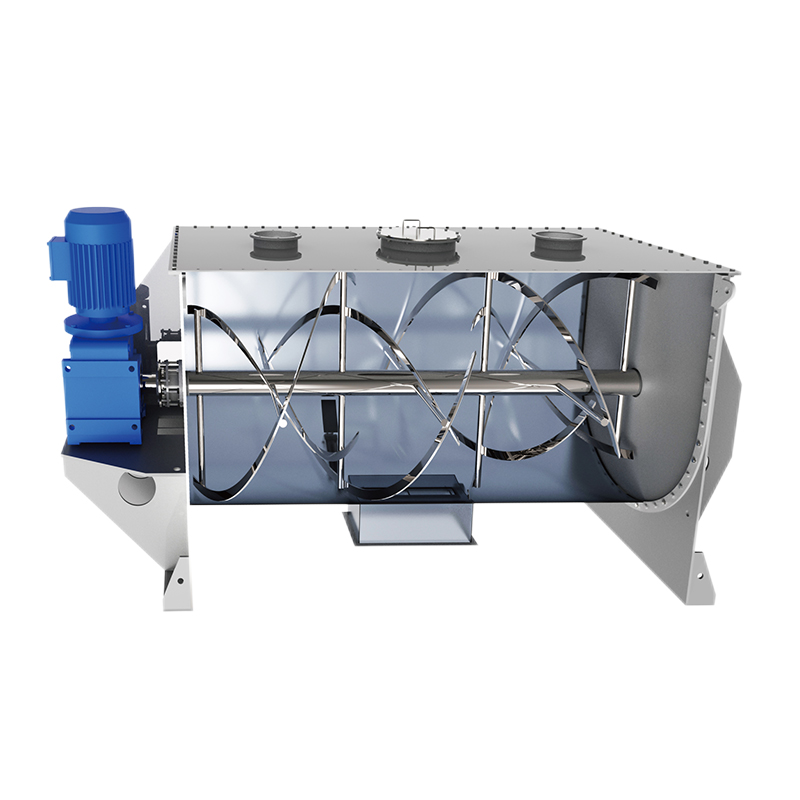 Ribbon Blender
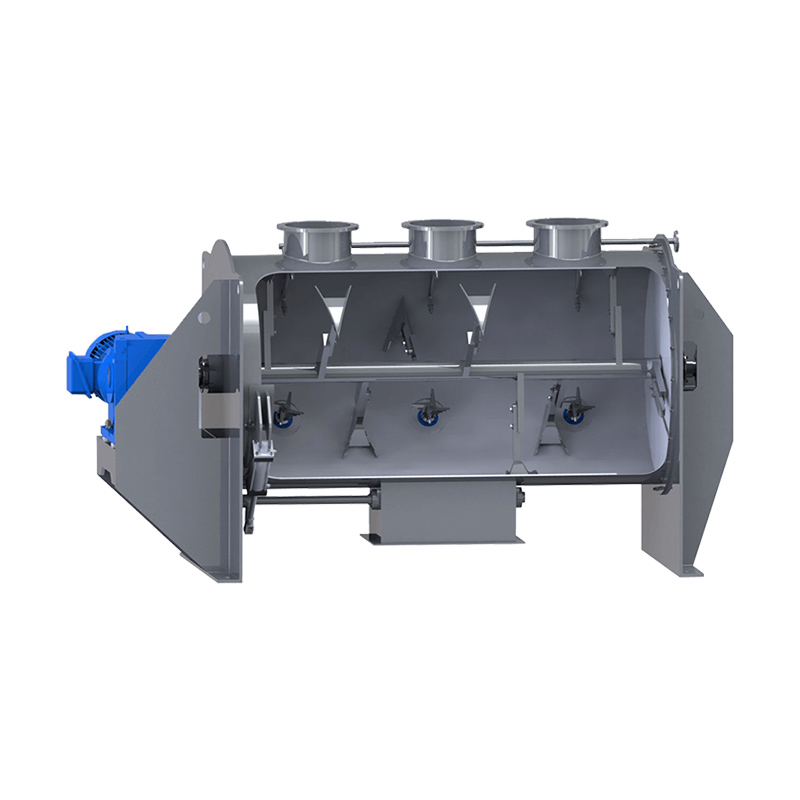 Plough-shear Mixer
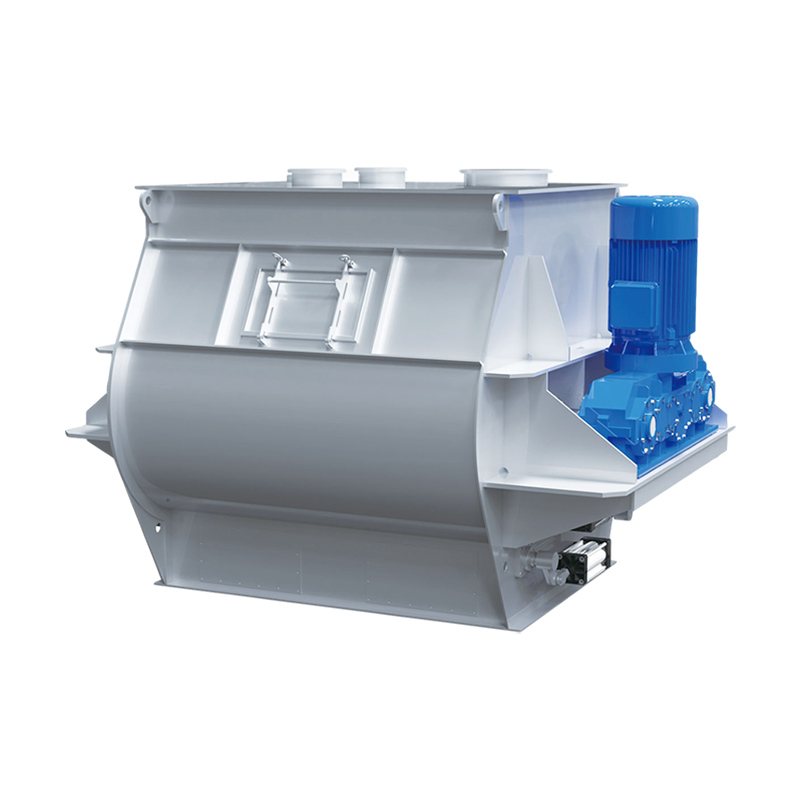 Double Shaft Paddle Mixer
 CM Series Mixer