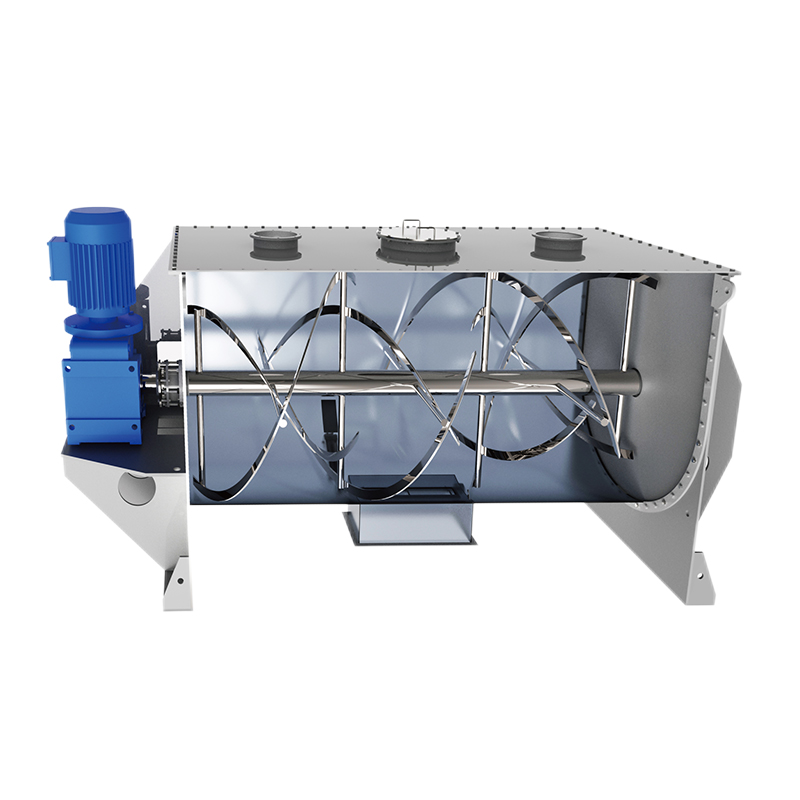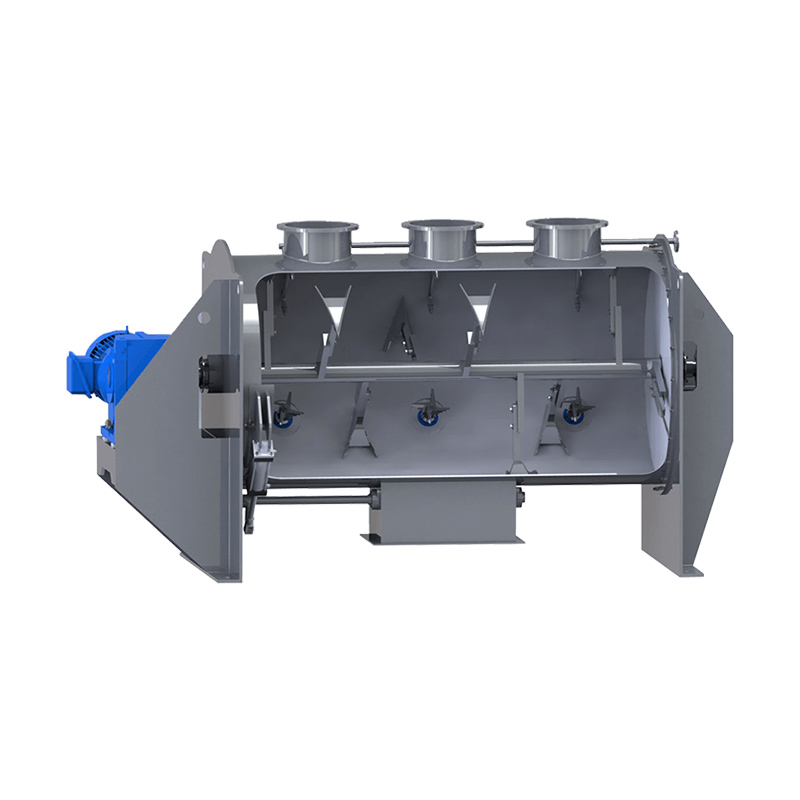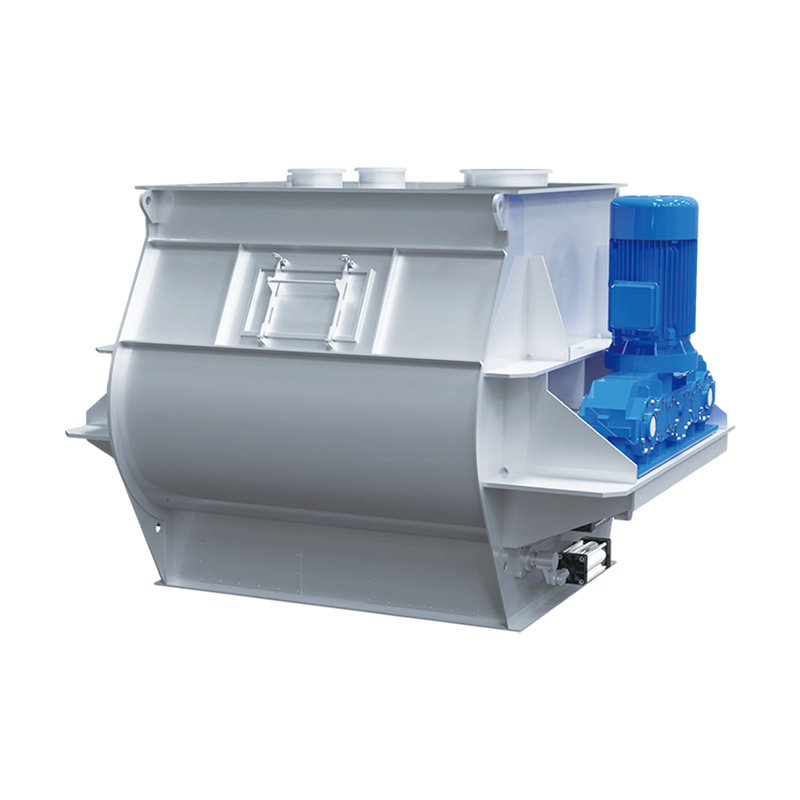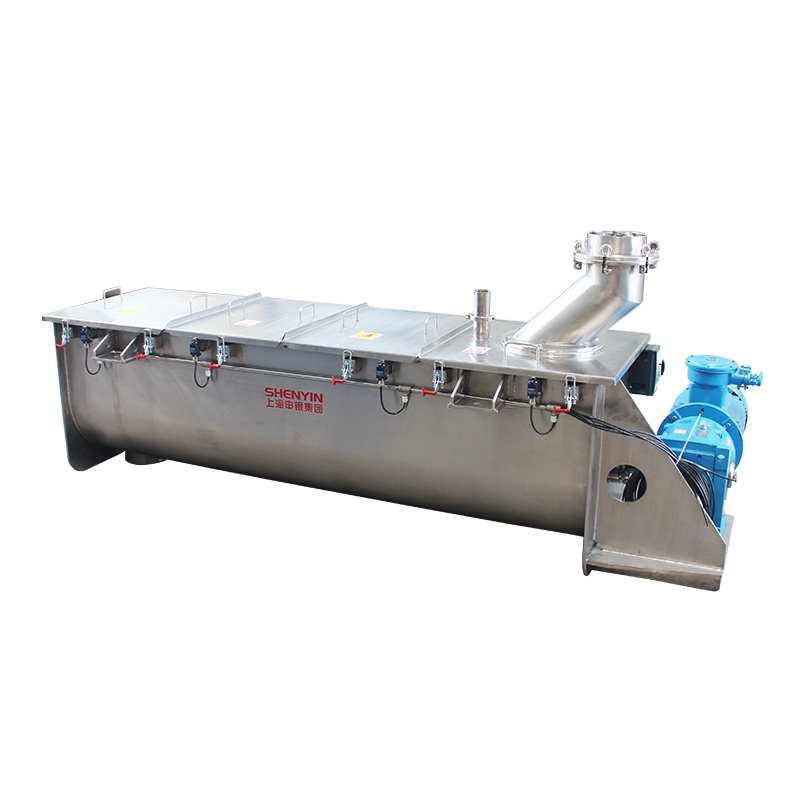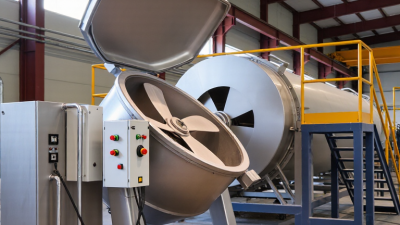
So, choosing the right Paddle Mixer really starts with the material you're working with—not just comparing motor sizes. Powders, granules, pastes, and fragile blends all react to mixing in their own ways. A dry seasoning might flow like nothing, while a damp fertilizer blend? That can turn into heavy lumps wrapped around the paddles. And those differences matter: torque, residence time, how it discharges, even how hard it is to clean.
When you're evaluating things in a real plant, look at batch volume, bulk density, moisture, temperature, and the uniformity you actually need. Small lab tests can expose dead zones that brochures almost never mention. Watch the discharge closely, too. Does material leave evenly, or does some residue sit under the shaft? Paddle angle, shaft speed, vessel shape, and fill level can all shift performance more than you'd expect. Bigger motor doesn't automatically mean better.
Safety and maintainability? They deserve just as much attention. Check guarding, access doors, seals, inspection points, and emergency controls before you sign off on a design. Stainless steel can be great for hygienic production, but material compatibility still needs a careful look. And cleaning time—yeah, it can quietly eat into production capacity. Easy to miss.
This guide walks through how to compare Paddle Mixer designs using measurable operating needs and realistic process trials. It also looks at installation space, future capacity, energy use, and what operators will deal with day to day. A tidy spec sheet can still lead you astray. Sometimes the best choice only becomes obvious after you question your assumptions, test the actual materials, and accept that your first pick might need rethinking.
Start with the material. Record bulk density, particle size, moisture, cohesion, abrasiveness, and heat sensitivity. A dry powder may need gentle folding, while a sticky compound may require stronger torque and wider clearances. Small details matter.
Then define the process. Decide whether the mixer will run in batches or continuously. Measure required capacity, mixing time, fill level, discharge speed, and cleaning frequency. The U.S. Department of Energy reports that motor-driven systems can represent about 70% of industrial electricity use. Therefore, motor size alone is not enough. Compare torque, operating speed, load patterns, and expected energy per batch. A slower paddle may reduce heat and power demand, but it may also extend residence time.
Set measurable mixing objectives. You might need uniform moisture, color, temperature, density, or ingredient distribution. The Food and Agriculture Organization reported that food systems generated about 31% of human-caused greenhouse gas emissions in 2015. Energy efficiency and waste reduction deserve attention during equipment selection. Ask for test data using your actual material. Pilot trials expose problems that brochures often hide. I would not trust a perfect-looking blend sample without checking discharge segregation, dead zones, and scale-up behavior. A paddle mixer can meet the specification, yet still fail operationally if cleaning access or maintenance space was underestimated.
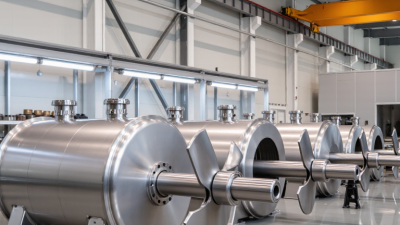
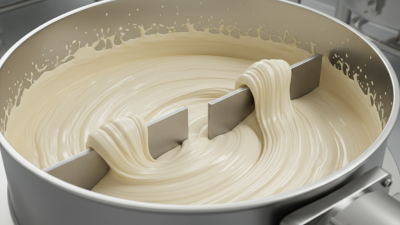
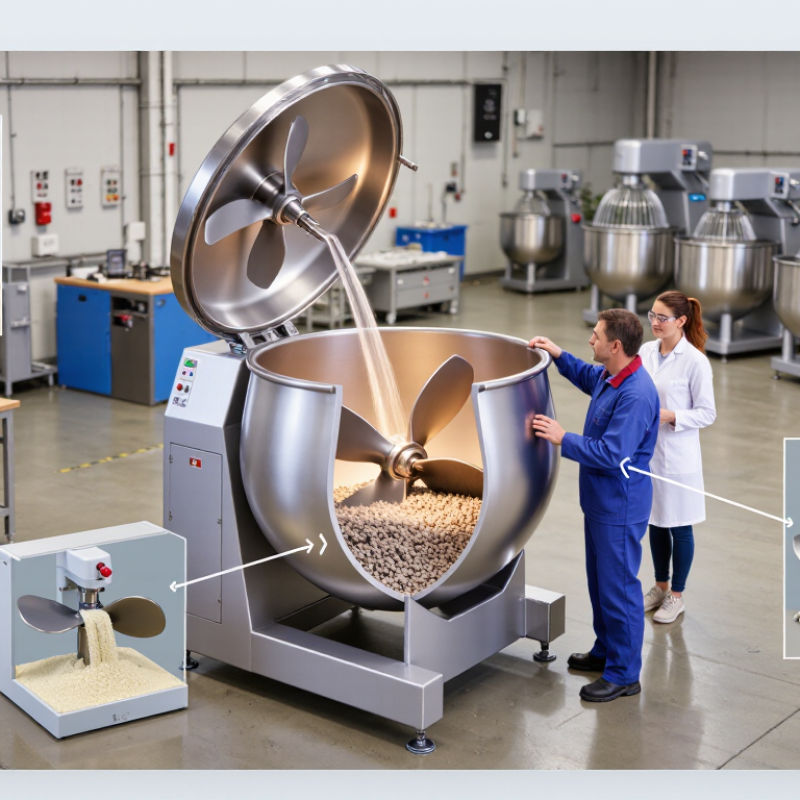
A paddle mixer combines materials by lifting, folding, and gently dropping them through a mixing chamber. Its action differs from that of a high-speed blade mixer. The lower shear can protect fragile particles, while the broad paddles handle powders, granules, and damp solids effectively. A horizontal single-shaft design suits many batch processes. It offers a clear mixing path and relatively simple maintenance. Twin-shaft models create stronger cross-flow movement. They can shorten mixing time when the material is cohesive or unevenly distributed.
Paddle shape and rotation direction also influence performance.Overlapping paddles may produce rapid circulation across the chamber. Wider gaps can reduce clogging when sticky material is present. Some designs operate continuously, feeding material at one end and discharging it at the other. Batch Mixers provide better control over loading, liquid addition, and discharge timing. I have found that fill level matters more than many selection guides suggest. An overloaded chamber may leave dry pockets near the walls. An underfilled chamber can waste energy.
Check torque requirements, cleaning access, and residence time before choosing a design. Test samples when possible. Material behavior changes with moisture, temperature, and particle size. A mixer that performs well with dry powder may struggle after liquid is added. That detail is easy to miss. Operators should also inspect seals, paddle wear, and discharge gates regularly. No design wins every time. The best choice depends on the material, production rate, cleaning routine, and the consistency the process must maintain.
How to Choose the Right Paddle Mixer for Your Needs?
Matching mixer capacity to batch size and production volume is essential for stable processing. An oversized Paddle In Mixer may leave powders unevenly distributed near the blades. An undersized unit can create long cycles, high torque, and repeated loading.
Start with the real batch weight, not the container’s advertised volume. Measure bulk density, moisture, and material flow before choosing capacity. A practical working fill often leaves space for expansion and paddle movement. For example, a 500-liter vessel may not handle a 500-liter batch efficiently. A 300-liter working load could provide safer mixing and better uniformity.
Production volume also changes the decision. If your line needs ten batches per shift, compare mixing time, discharge time, cleaning, and loading delays. A mixer that handles one large batch may seem efficient, but it can cause serious downtime during maintenance or material changes. Smaller batches may offer better control, although they increase handling demands. The numbers rarely behave perfectly.
Check the motor load during a trial run. Watch for rising torque, dead zones, and material buildup on the paddles. Recording cycle time at different fill levels gives more reliable data than relying on a specification sheet alone. Some operations need a larger mixer for future growth, but buying extra capacity too early can waste floor space and energy. Reassess your forecast honestly.
Choosing a Paddle On Mixer starts with the material, not the machine’s advertised capacity. Dry powders, damp granules, and fragile blends need different paddle shapes. Flat paddles create steady movement and suit many general-purpose batches. Angled paddles lift material more aggressively. They can reduce dead zones near the vessel walls.
Speed controls mixing intensity. Low speed protects delicate particles and limits dust formation. Higher speed improves dispersion but may generate heat, shear, or unwanted breakage. Watch the material during a trial batch. A smooth folding motion usually indicates balanced movement. Violent splashing or a motionless center suggests adjustment. Small changes matter.
Paddle clearance also affects performance. Too much space can leave unmixed pockets below the shaft. Too little space increases friction and cleaning difficulty. In practical testing, I would compare several speeds with the same load, moisture level, and mixing time. Record motor load and visual consistency. Do not trust appearance alone. A batch can look uniform while hiding dense pockets.
One imperfect assumption is that faster mixing always saves time. It often does not. Excessive speed may force longer cooling or rework. Start conservatively, then increase intensity in measured steps. Consider how the mixer will be cleaned between batches. A technically suitable paddle may still be impractical if material clings to its edges.
Material selection starts with the product, not the mixer’s price. A dry powder with salt, moisture, or acids can attack ordinary steel. For many hygienic applications, 304 stainless steel offers a practical baseline. More aggressive chlorides may justify 316L stainless steel. Carbon steel can suit non-corrosive materials, but it needs controlled humidity and protective treatment. I would confirm chemical compatibility at operating temperature, because small assumptions become expensive repairs.
A Lab Paddle Mixer also needs a finish that matches cleaning demands. Smooth internal surfaces reduce powder retention around paddles, shafts, and vessel corners. Ground welds matter. Rough seams can trap residue and complicate inspection. For routine dry blending, a moderate sanitary finish may be enough. Wet, sticky, or high-purity products may require finer polishing or electropolishing. Ask for a measured surface roughness value, such as Ra, rather than accepting “smooth” as a vague promise.
Coatings deserve caution. They can improve release or wear resistance, yet scratches may expose the substrate. Check abrasion, temperature, and chemical limits before approval. Inspect seals and dissimilar-metal joints too. They often fail before the main shell does. A sample trial is valuable: run the actual powder, open the mixer, and examine hidden contact points. Test it carefully. I would not choose the brightest finish automatically. It may look impressive, but cleanability, durability, and repair access matter more. Reconsider the specification after testing; real material behavior can challenge the first design.
Choosing a Long Paddle Mixer requires more than checking capacity and motor power. Cleaning access matters every day. Look for removable paddles, rounded internal corners, drainable surfaces, and inspection ports large enough for a gloved hand. EHEDG hygienic design guidance emphasizes cleanable surfaces and avoiding dead zones where residue can collect. In practice, I inspect the discharge area first. Powder often hides there. Poor access creates longer cleaning cycles and uncertain hygiene results.
Maintenance features deserve equal attention. Tool-free access, visible wear indicators, sealed bearings, and replaceable wear parts can reduce unnecessary downtime. A 2023 Deloitte manufacturing survey found that unplanned downtime remains a major operational concern, with many manufacturers reporting substantial annual losses. The exact cost varies, but the lesson is practical: service access should be designed before installation. I have seen equipment selected for price, then delayed because technicians could not reach one fastener. That decision needs reconsideration.
Safety and control systems should be clear, not decorative. Interlocked covers, emergency stops, overload protection, and guarded drive components help control foreseeable risks. The U.S. Bureau of Labor Statistics recorded about 2.6 million nonfatal workplace injuries in private industry during 2023. A mixer cannot remove every hazard. It can reduce exposure through sensible design. Choose controls with status lights, fault history, speed adjustment, and recipe permissions. Keep the interface simple. Operators make mistakes under pressure. Trial cleaning, maintenance, and restart procedures with real users before purchase; a checklist can miss what the production floor reveals.
Use this illustrative weighted evaluation model to compare paddle mixers. Cleaning and maintenance receive the highest priority where hygiene, uptime, and service access are critical. Safety and control features should then be matched to the process risk, automation level, and operator requirements.
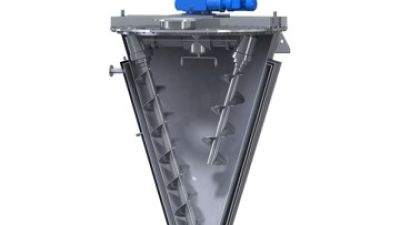
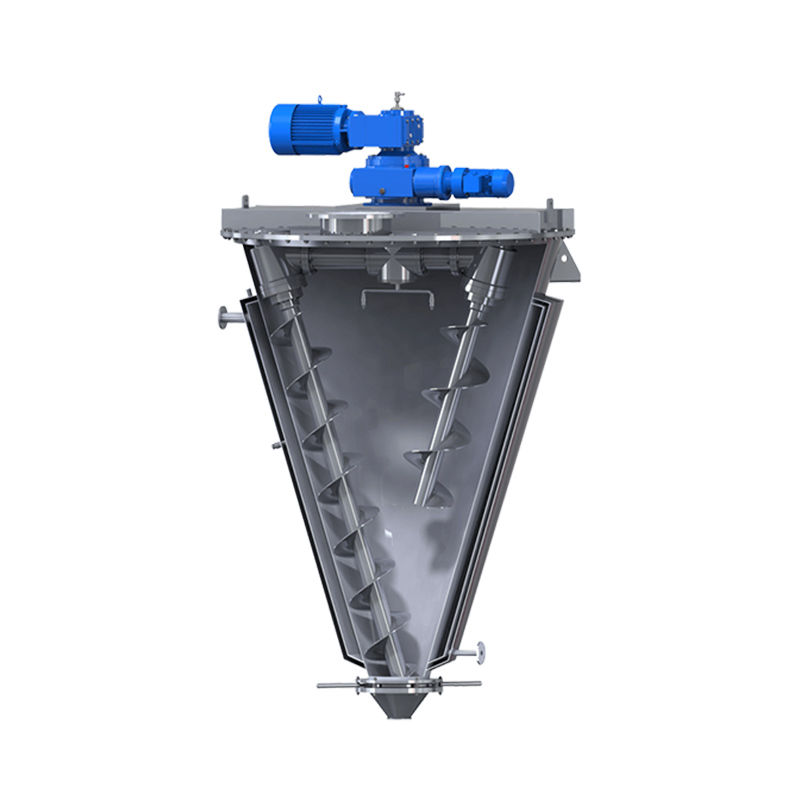
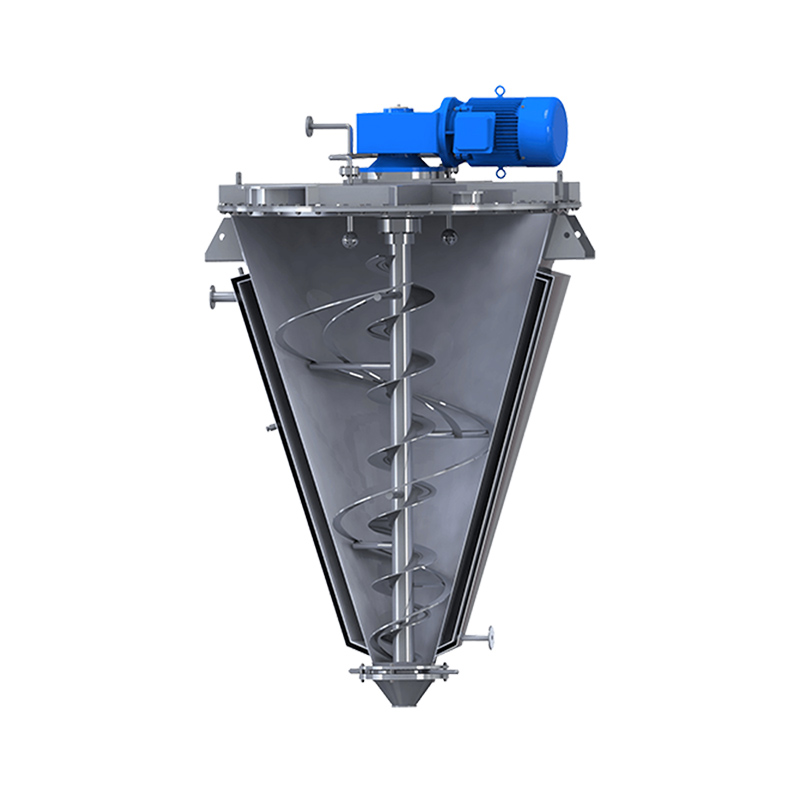
Reliable China cone Screw Mixer suppliers are increasingly important as manufacturers seek consistent blending, efficient powder handling, and dependable equipment support. According to Mordor Intelligence’s *Industrial Mixers Market Report 2025–2030*, the global market is projected to grow from approximately USD 2.68 billion in 2025 to USD 3.31 billion by 2030, reflecting continued investment in automated and high-performance mixing systems. In this environment, the VSH Series Cone Screw Mixer offers a practical solution for pharmaceutical, chemical, food, and advanced material applications.
Developed through international technical cooperation and introduced to the China market in 1983, the VSH Series has served more than 20,000 customers worldwide. Its conical vessel and screw agitator support gentle, uniform mixing while helping reduce product damage and material segregation. For buyers comparing China cone screw mixer suppliers, factory capability should include strict equipment monitoring, responsive after-sales service, and documented process improvement. A comprehensive service system also creates valuable operating data, supporting future design upgrades and more efficient production. Choosing the VSH Series from an experienced factory provides reliable performance, technical continuity, and quality-focused manufacturing for demanding industrial operations.
Record bulk density, particle size, moisture, cohesion, abrasiveness, and heat sensitivity. Small details matter. Dry powders may need gentle folding, while sticky compounds can require stronger torque and wider clearances.
Use the real batch weight, not the vessel’s advertised volume. A 500-liter vessel may work better with a 300-liter load. Extra space supports paddle movement, expansion, and more even distribution.
Material may remain unevenly distributed near the paddles. Large capacity is not automatically better. Check mixing quality at realistic fill levels before purchasing.
An undersized unit may cause long cycles, high torque, and repeated loading. These delays can reduce production output. The numbers rarely behave perfectly.
Compare batch or continuous operation, capacity, mixing time, fill level, discharge speed, and cleaning frequency. Include loading and unloading delays. A short mixing cycle may still produce a slow process overall.
Check torque, operating speed, load patterns, and energy per batch. Motor size alone is not enough. A slower paddle may reduce heat and power demand, but residence time can increase.
Set measurable targets for moisture, color, temperature, density, or ingredient distribution. Ask for test data using your actual material. A perfect sample can mislead.
Watch for rising torque, dead zones, material buildup, discharge segregation, and scale-up problems. Also inspect cleaning access and maintenance space. I would reconsider any purchase based only on a brochure.
Choosing the right Paddle Mixer begins with a clear understanding of your material, processing conditions, and mixing goals. Consider whether the application requires gentle blending, intensive dispersion, moisture control, or uniform coating. Compare different mixer designs and operating principles, then select a capacity that suits both your batch size and expected production volume. Oversized equipment may waste energy, while insufficient capacity can reduce efficiency and consistency.
Pay close attention to paddle shape, rotation speed, and mixing intensity, as these factors influence product quality and processing time. Construction materials and surface finishes should match the characteristics of the materials being handled and the required hygiene standards. Finally, evaluate practical features such as cleaning access, maintenance requirements, safety protections, and control systems. A well-selected Paddle Mixer should provide reliable performance, consistent results, efficient operation, and convenient long-term maintenance.