
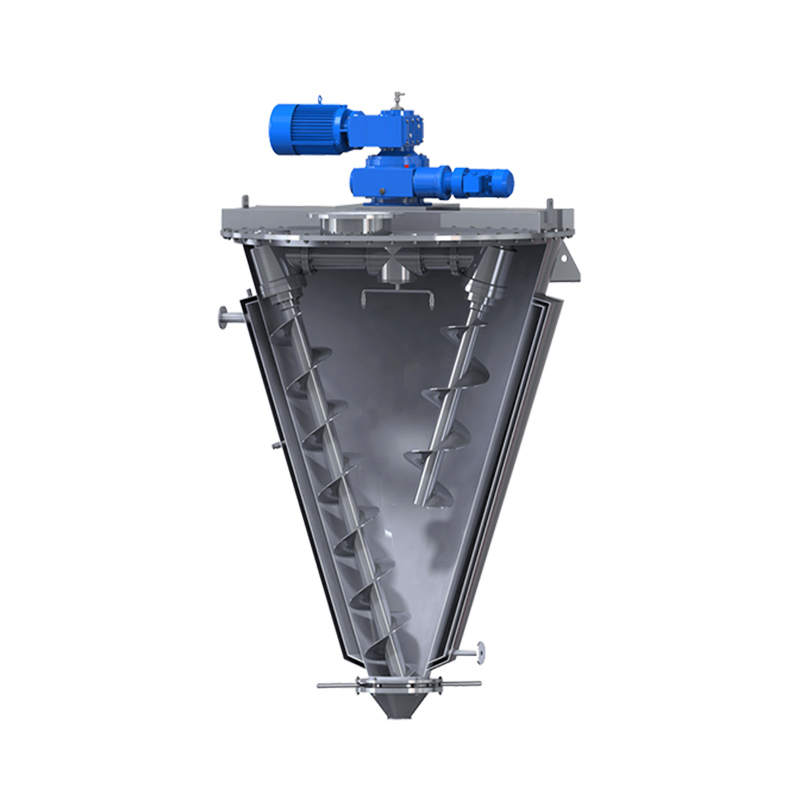
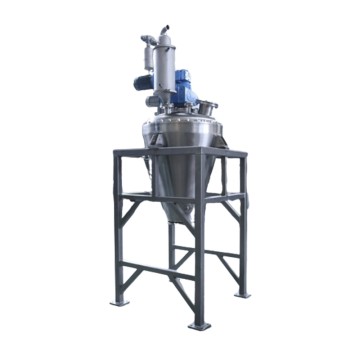
 Conical Screw Mixer
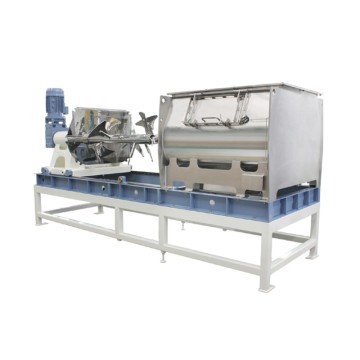
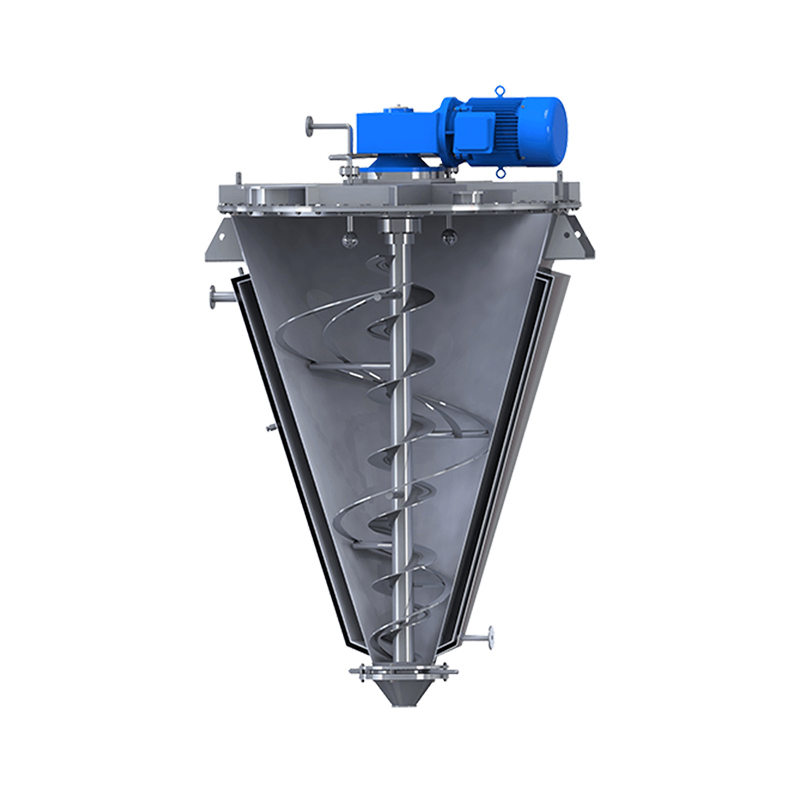 Conical Screw Belt Mixer
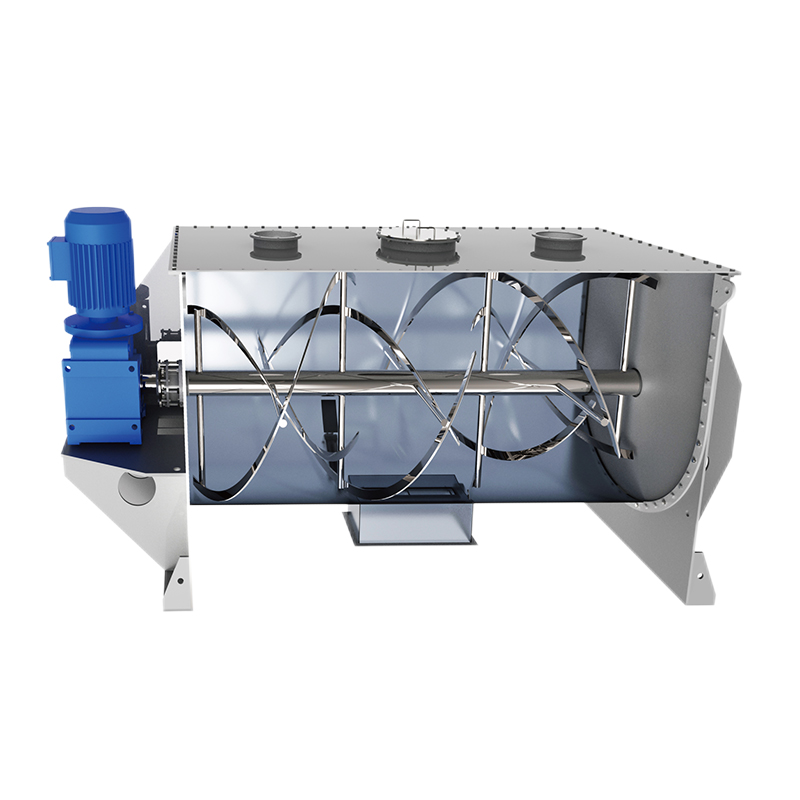 Ribbon Blender
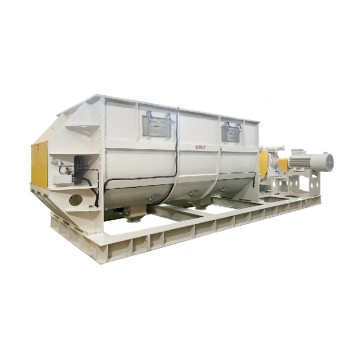
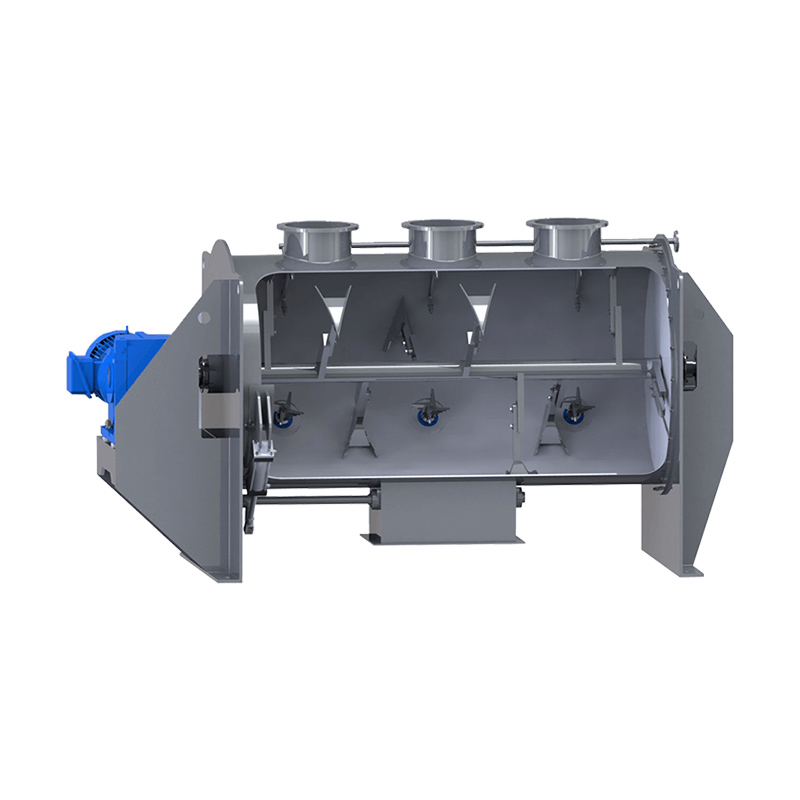 Plough-shear Mixer
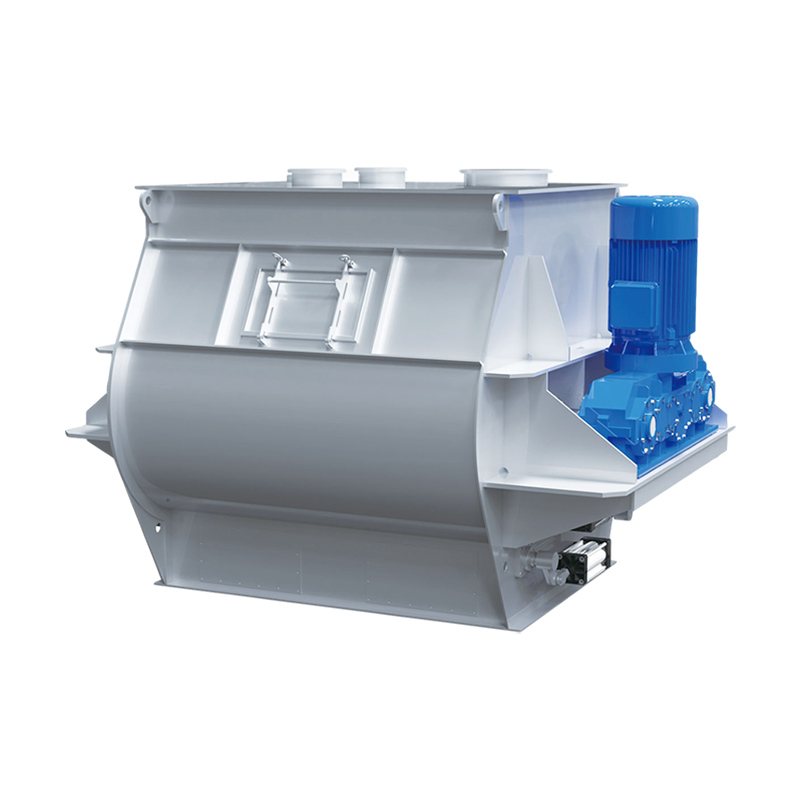 Double Shaft Paddle Mixer



Hot Products
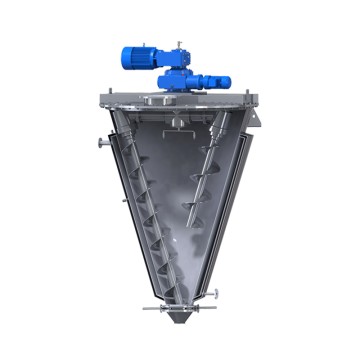
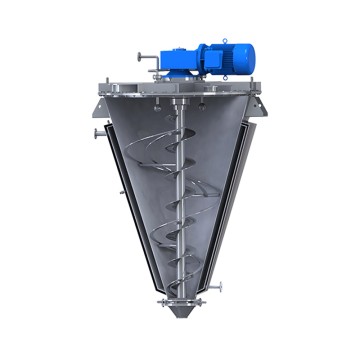
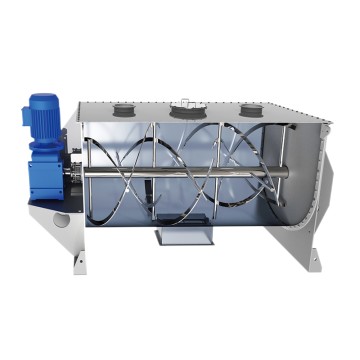
01
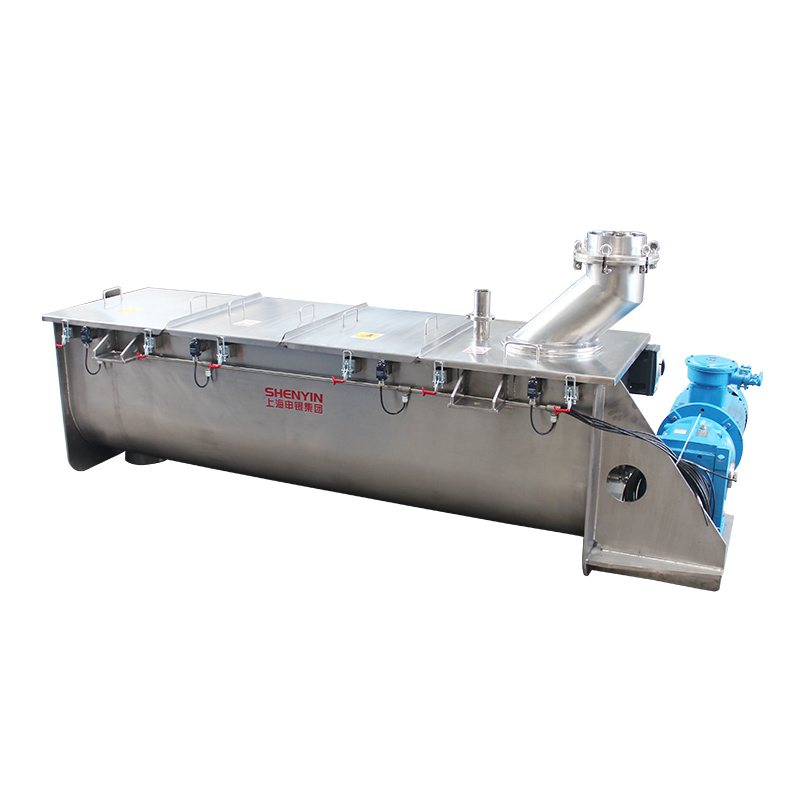
High Quality Customizable CM Series Mixer from China Suppliers - Reliable Factory for Continuous Mixing Solutions
Equipment Specifications
| Total volume | 0.3-30cbm |
| Capacity per hour | 5-200cbm |
| Motor power | 3kw-200kw |
| Material | 316L, 304, mild steel |
Description
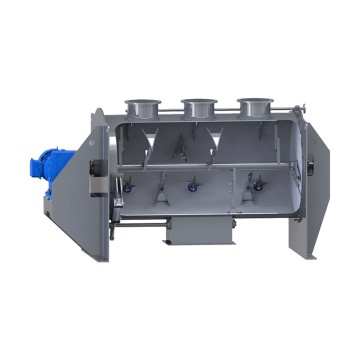
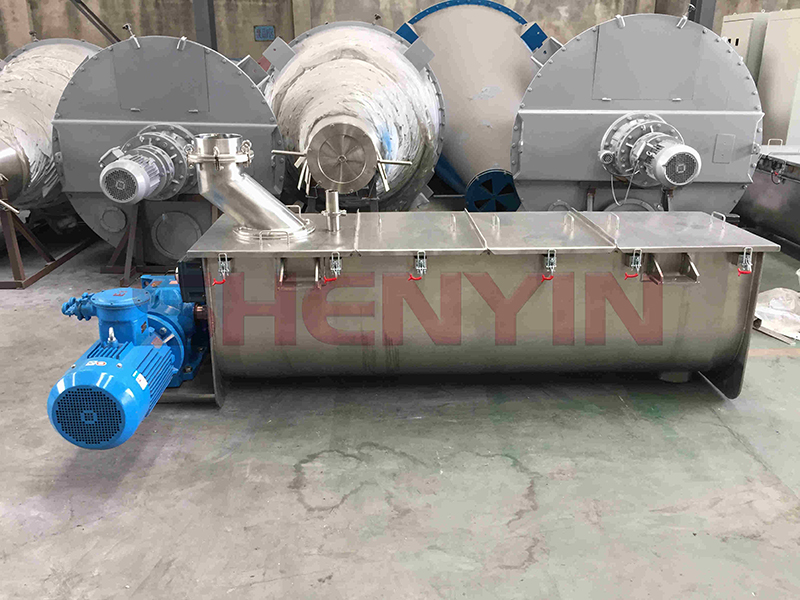
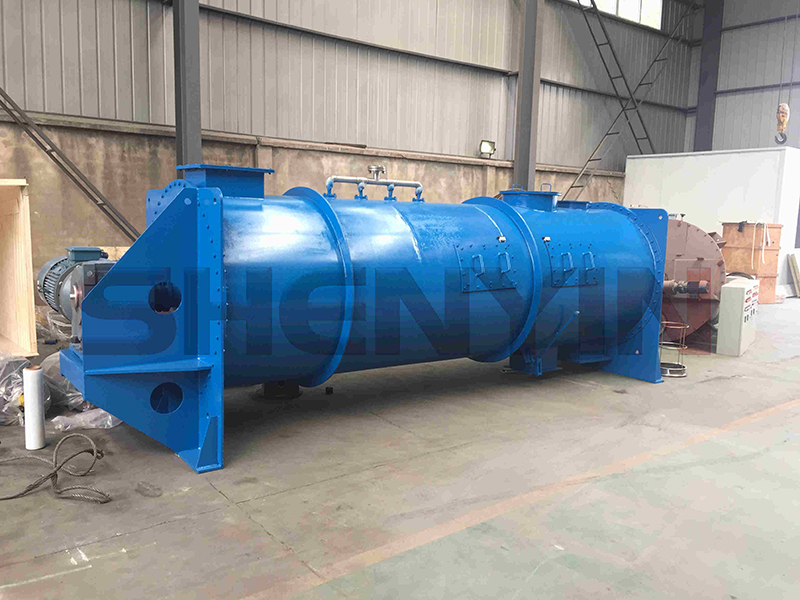
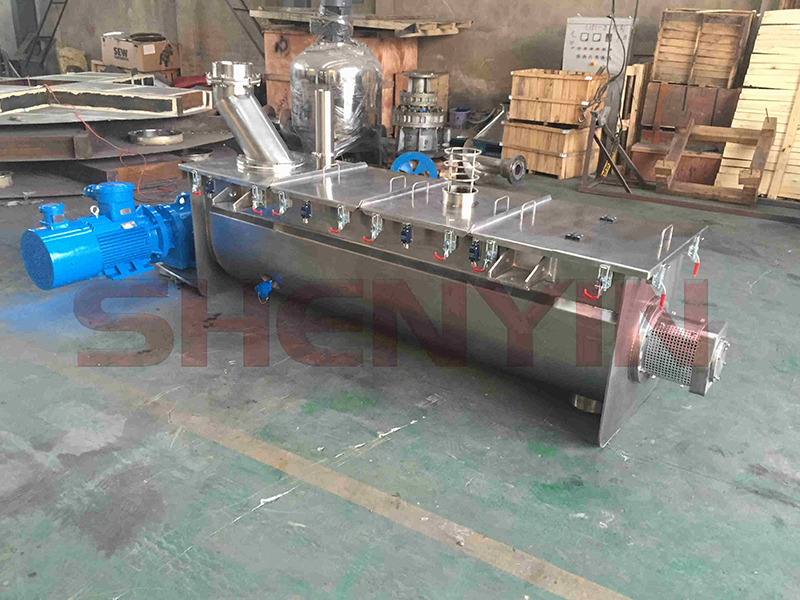
The CMS (Continuous single shaft plough mixer), focus on mixing, it can also be used as conveyor. With the special inner structure, it can adapt to a certain range of the feeding speed to achieve relevant productivity. With the uniform speed feeding equipment, it can mix material in a wide range, and make sure the consistency and stability of all the product.
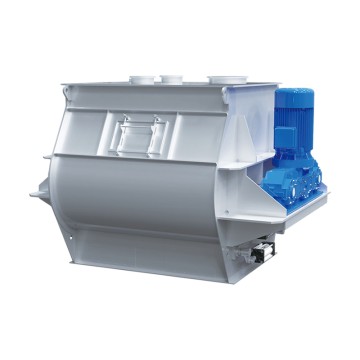
CMD ( continuous double shaft paddle mixer) is characterized by maximizing the productivity. Materials are scattered during the vigorous mixing process, diffused and nobbed between the meshing space of the twin shafts. It can be applied to mix fiber and granules.
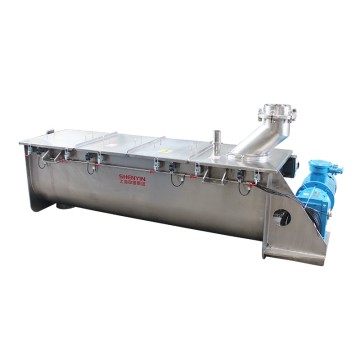
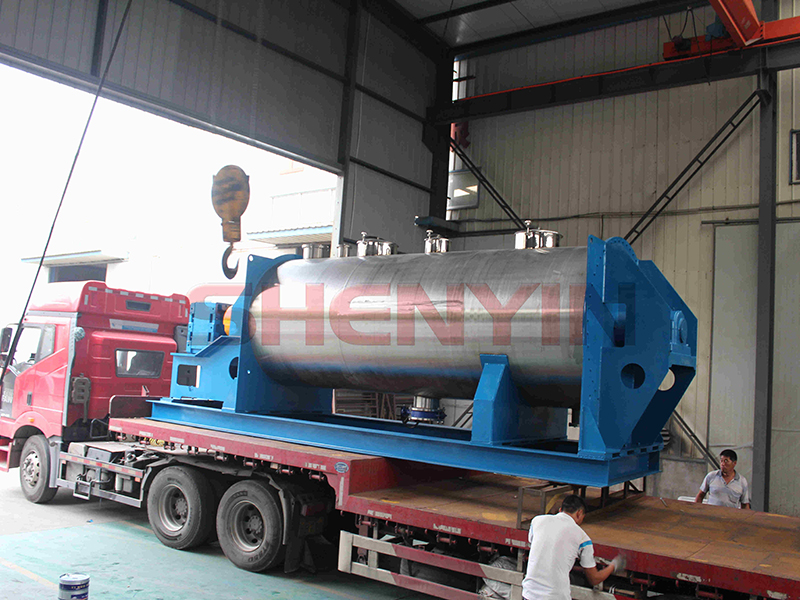
The SYCM series continuous mixer continuously inputs different materials into the equipment according to the set ratio, and adjusts the speed of the conveying equipment, the rotation speed of the mixer and the discharge speed to control the residence time of the materials in the cylinder, truly It realizes the continuous mixing production operation of feeding and discharging materials at the same time, and can be matched with large-scale production lines. It can ensure the consistency and stability of the output material products while mixing evenly, and can configure different sizes of equipment to meet the overall production line output. Widely used in food, building materials, mining, chemical and other industries.
The SYCM series has four options to choose from: plow type, ribbon type, paddle type, and double-shaft paddle type. In addition, flying knives can be added for materials that are easy to agglomerate and agglomerate. According to the different characteristics of the materials And choose different options to meet the needs of different industries.
Notice for continuous mixer
- 1. Make sure the stable and continuous feeding.
- 2. Make correct feeding speed ratio in accordance to the material formula.
- 3. Equipment under the discharging should handle the material in time and make sure no blockage of the material when discharging.
- 4. Small additives less than 5%, should be premixed before loading to continuous mixer.
- 5. Mixer productivity is determined by the speed of feeding system. Mixer model and size are determined by productivity, homogeneity and material property.
Frequently Asked Questions
What is the difference between CMS and CMD continuous mixers?
CMS is a continuous single shaft plough mixer designed for both mixing and conveying applications. CMD is a continuous double shaft paddle mixer designed to maximize productivity by dispersing, diffusing, and nobbing materials between the meshing space of the twin shafts, making it ideal for fibers and granules.
What options are available in the SYCM continuous mixer series?
The SYCM series offers four configurations: plow type, ribbon type, paddle type, and double-shaft paddle type. High-speed flying knives can also be added to break up materials that are prone to agglomeration.
Why is stable and continuous feeding critical for these mixers?
Continuous mixers rely on simultaneous feeding and discharging. A stable feeding speed and the correct formula ratio are essential to ensure the consistency, stability, and uniformity of the final output product.
How should small additives (less than 5%) be handled?
For micro-ingredients and small additives that make up less than 5% of the total formula, it is highly recommended to premix them with main materials before feeding them into the continuous mixer to ensure homogeneous distribution.
What materials of construction are available for the equipment?
The equipment can be manufactured using high-quality materials including 316L stainless steel, 304 stainless steel, and mild steel, depending on your specific application and industry requirements.
How do I determine the right mixer size and model for my production line?
The required mixer model and physical size are determined by your target productivity (cbm/hour), the required homogeneity, and the specific physical properties of the materials being processed.