
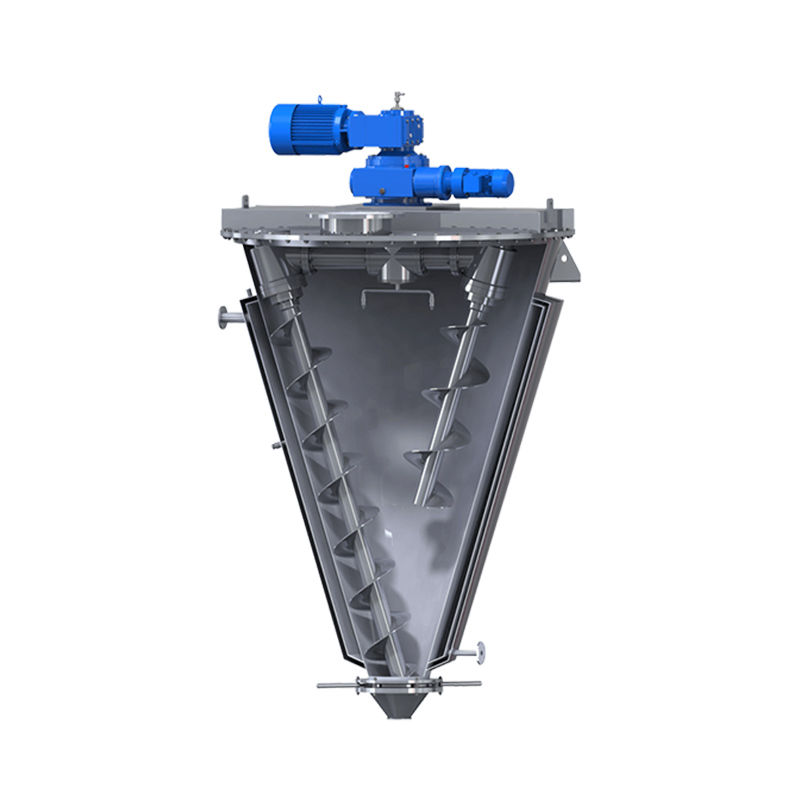
 Conical Screw Mixer
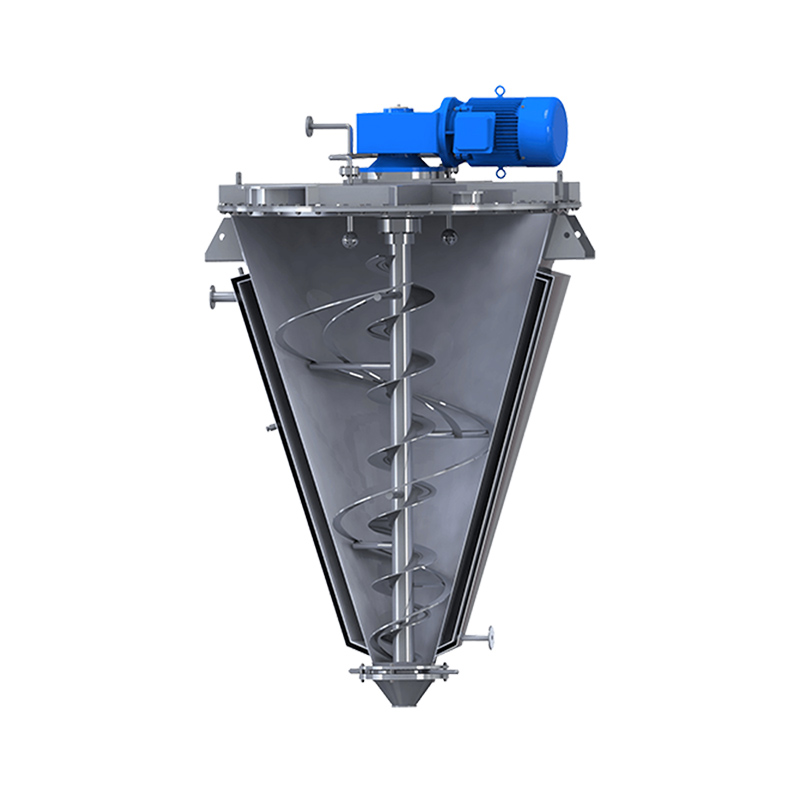 Conical Screw Belt Mixer
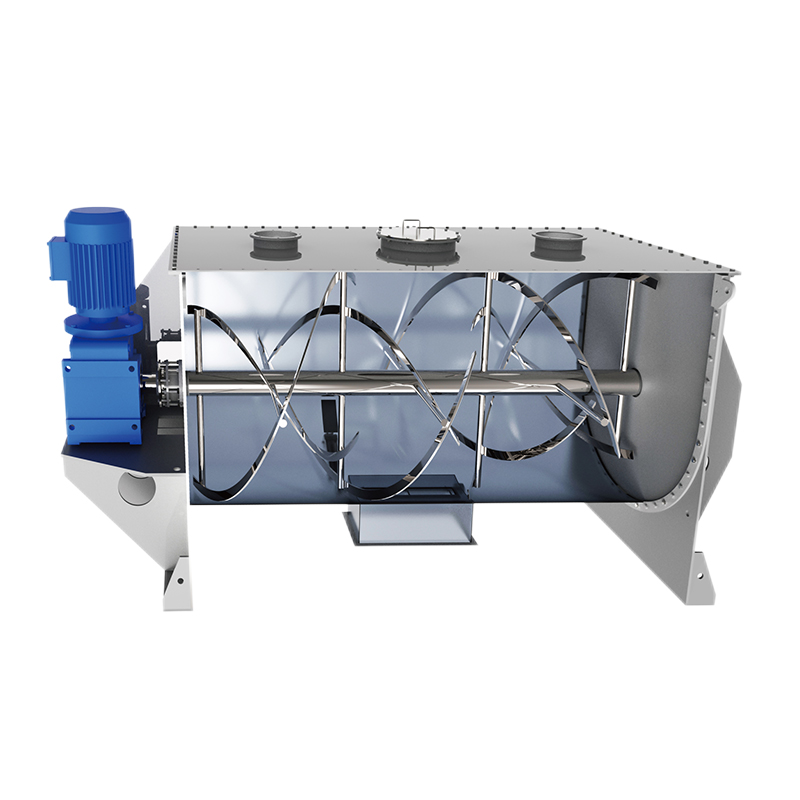 Ribbon Blender
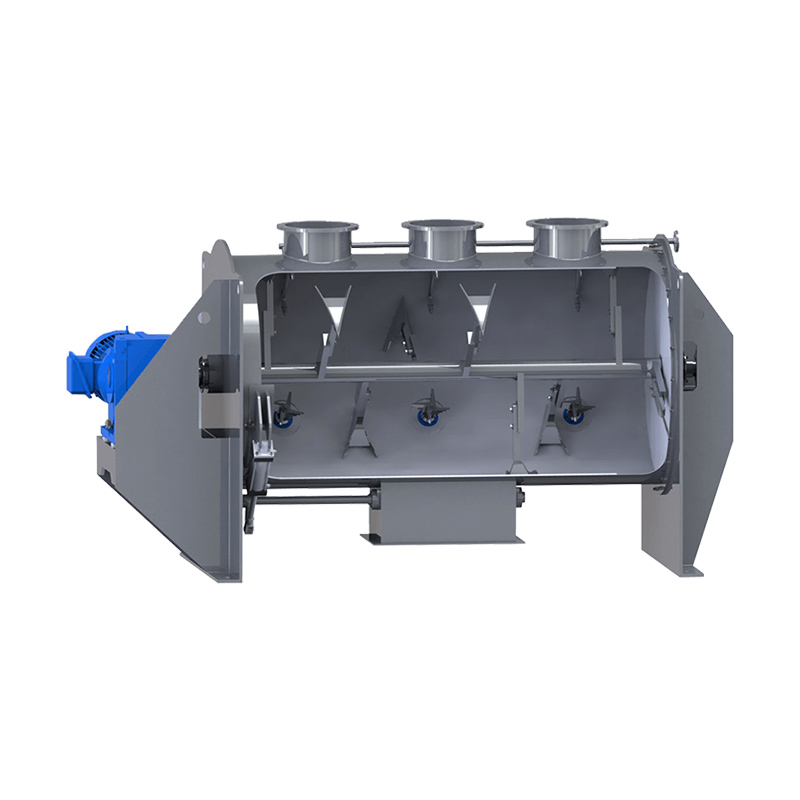 Plough-shear Mixer
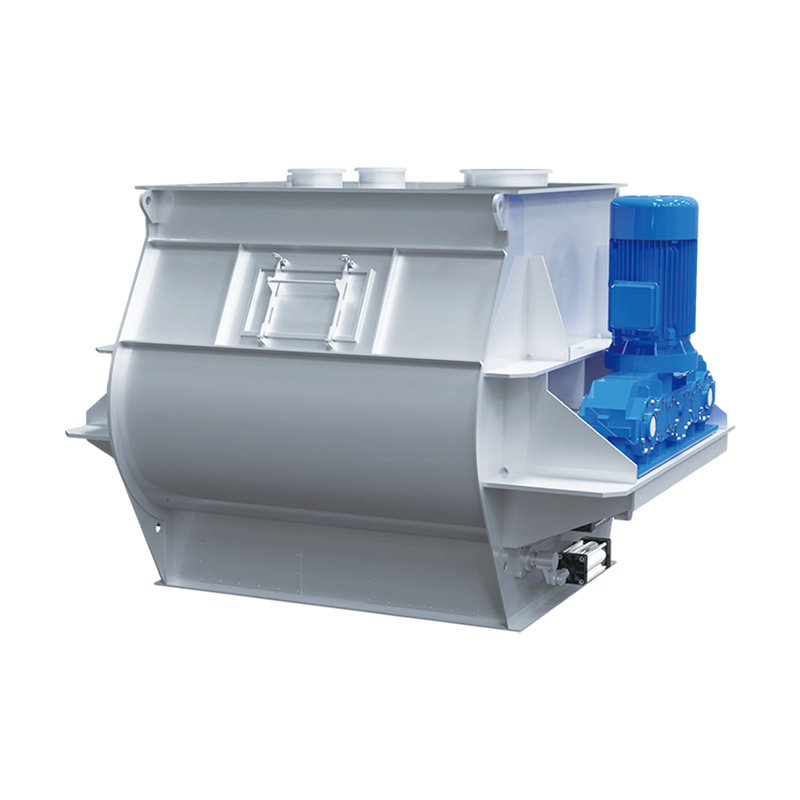 Double Shaft Paddle Mixer
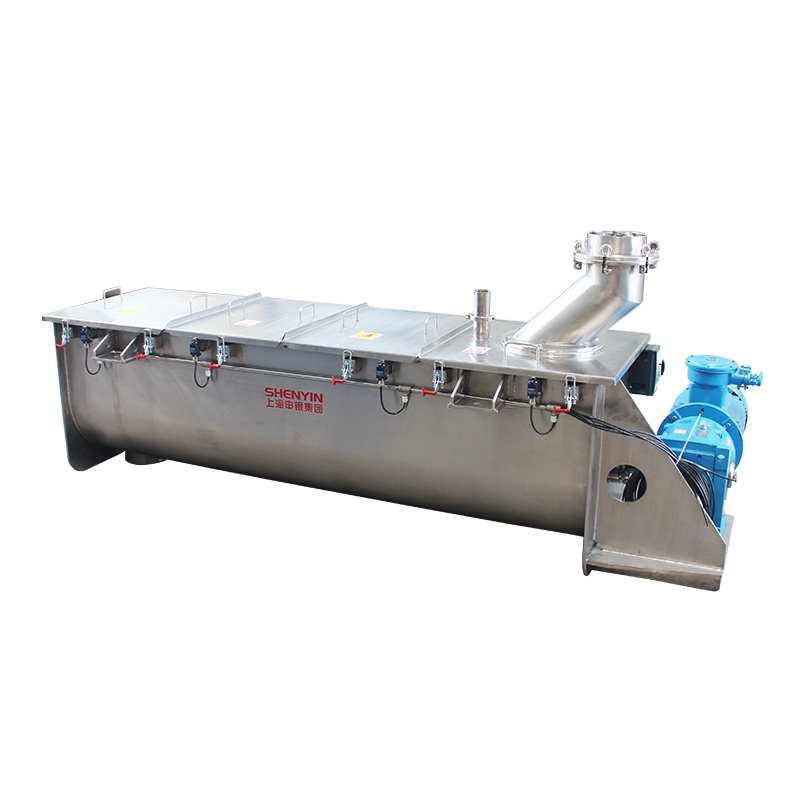 CM Series Mixer



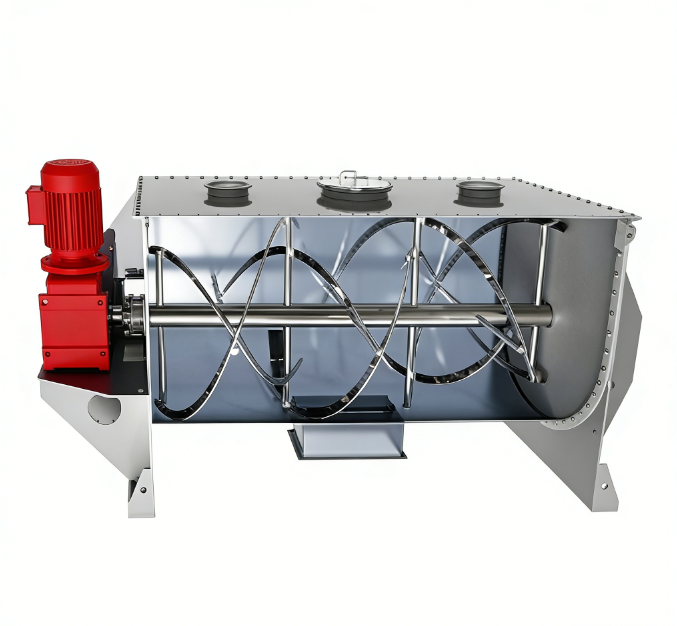
How Much Does a Quality Double Shaft Paddle Mixer Cost When Importing From Chinese Manufacturers?
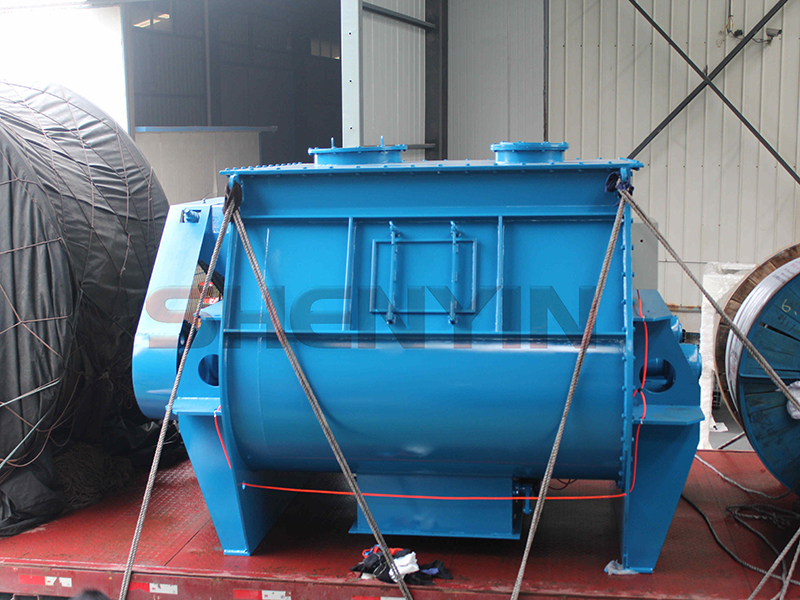
Quick Answer
A quality double shaft Paddle Mixer imported from a Chinese manufacturer typically costs between$5,000 and $12,000 for small-to-mid capacity units (300L–2,000L) in standard 304 stainless steel construction. Larger industrial models (3,000L–10,000L) with 316L contact parts and customized configurations range from $15,000 to $45,000+. The total landed cost adds 25–40% to the FOB price when factoring in ocean freight, U.S. Section 301 tariffs (25%), and customs clearance. Material grade (carbon steel vs. 304 vs. 316L), motor power, surface finish, and auxiliary features (liquid spray, lump breaker, explosion-proof motors) are the primary cost drivers—not the base machine size alone.
Key Takeaways
-
Base machine cost varies 4–6× depending on capacity and material: a 300L carbon steel unit may start near $5,000, while a 3,000L 316L pharmaceutical-grade unit exceeds $30,000.
-
Material specification is the largest controllable cost lever: 304 stainless steel adds 20–35% over carbon steel; 316L adds another 15–25% over 304.
-
U.S. importers face a 25% Section 301 tariffon HS code 8479.82.00 (Mixing Machines from China), making the effective duty rate 25% on top of the 0% MFN base rate.
-
Ocean freight for a single mixer (typically shipped LCL or in a 20ft container) from Shanghai to Los Angeles ranges from $800–$1,100 per CBM for LCL or $4,000–$4,700 for a 20ft FCL as of late 2026.
-
Total landed cost for a mid-range 1,000L 304 stainless unit often lands between $9,000 and $14,000 after freight and duties.
The Real Cost Structure: What You Are Actually Paying For
A double shaft paddle mixer quotation from a Chinese manufacturer is not a single price—it is a sum of specification decisions. Understanding these components allows procurement teams to compare quotes on equal terms and identify where suppliers are cutting corners.
Material Grade: The Dominant Cost Variable
The stainless steel grade used for product-contact surfaces is the single largest driver of price variation between apparently similar machines. A Chinese manufacturer may quote a “stainless steel” mixer at a price that seems competitive, but the specification may reveal carbon steel contact parts or 304 in place of 316L.
| Material Configuration | Contact Parts | Non-Contact Parts | Relative Cost Impact | Suitable Applications |
|---|---|---|---|---|
| Carbon steel (painted) | Mild steel | Mild steel | Baseline (lowest) | Dry mortar, fertilizers, non-corrosive minerals |
| 304 stainless steel | SUS304 | Carbon steel or 304 | +20–35% over carbon steel | Food, feed, general chemicals |
| 316L stainless steel | SUS316L | 304 or carbon steel | +15–25% over 304 | Pharmaceuticals, corrosive chemicals, high-hygiene |
| Mixed (316L contact + 304 frame) | 316L | 304 | +10–15% over all-304 | Balanced cost for pharma/food |
Chinese suppliers commonly offer carbon steel, SUS304, SUS316L, and SUS321 as contact material options, with the ability to combine different grades for contact and non-contact components. A buyer who specifies only “stainless steel” without naming the grade invites substitution.
Surface finish adds another layer: sandblasting, wire drawing, polishing, and mirror polishing carry different labor costs and are specified separately from the alloy grade.
Capacity and Motor Power: Scaling the Drive System
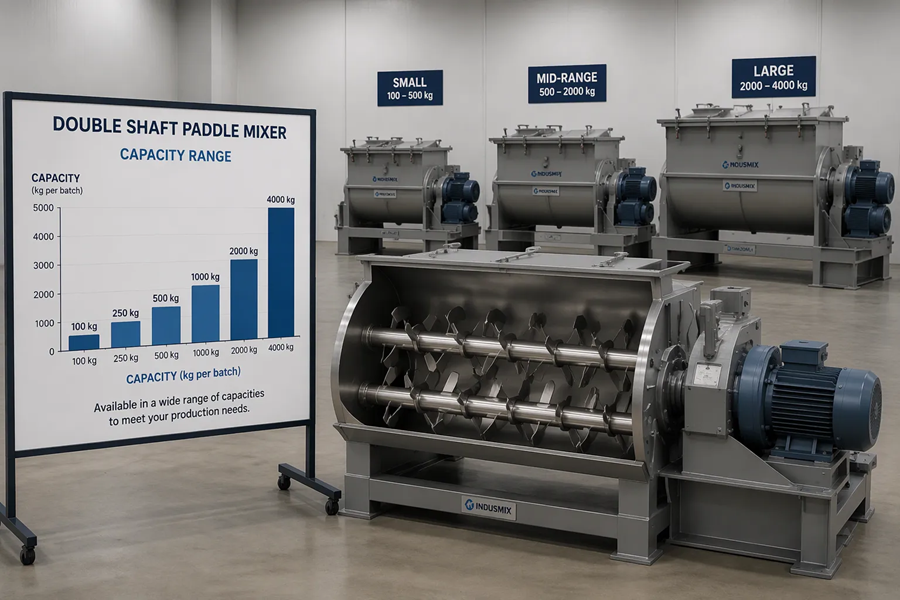
The SYJW series specification table from the target manufacturer illustrates the relationship between working volume and drive requirements:
| Model | Working Volume | Spindle Speed (RPM) | Motor Power (kW) | Equipment Weight (kg) |
|---|---|---|---|---|
| SYJW-0.5 | 100–300L | 51 | 5.5/7.5 | 850 |
| SYJW-2 | 600–1,200L | 38 | 18.5 | 2,250 |
| SYJW-5 | 1,000–3,000L | 30 | 37 | 5,000 |
| SYJW-10 | 2,000–6,000L | 30 | 55 | 8,000 |
| SYJW-15 | 3,000–9,000L | 26 | 90 | 10,500 |
Motor power scales from 5.5 kW at the smallest model to 90 kW at the largest—a 16× increase in drive cost. For applications requiring explosion-proof motors or variable frequency drives, add 15–30% to the base power component.
Auxiliary Features: The Hidden Line Items
Standard configurations rarely include everything a production line needs. Common add-ons that affect final price:
-
Lump breaker / high-speed chopper: For de-agglomeration during mixing; adds $1,500–$4,000 depending on size and motor
-
Liquid spray system: For small-volume liquid addition; adds $800–$2,500
-
Heating or cooling jacket: For temperature-sensitive materials; adds $2,000–$6,000
-
Explosion-proof configuration: Motors, controls, and grounding; adds 20–35% to base machine cost
-
Vacuum feeding or pneumatic conveying integration: Often quoted as a separate system
The target manufacturer confirms that non-standard customization is available, including heating, dehumidification, dust removal, and automatic feeding modules—each of which is priced separately.
Landed Cost: The Numbers Beyond the FOB Quote
Tariffs and Duties for U.S. Importers
Double shaft paddle mixers classify under HS code 8479.82.00 (mixing, kneading, crushing, grinding machines). For U.S. imports from China:
A mixer with a $10,000 FOB price incurs **$2,500 in Section 301 tariffs** at the U.S. border. This is not a negotiable or avoidable cost for compliant importers. Factoring tariffs into the landed cost calculation is essential—a $10,000 mixer is effectively a $12,500 asset before freight.
Ocean Freight: LCL vs. FCL
A single double shaft paddle mixer, even a large model, typically ships as LCL (Less than Container Load) unless combined with other equipment. For a SYJW-5 model with overall dimensions of approximately 3,160 × 2,200 × 2,780 mm, the crated volume is substantial—likely 8–15 CBM.
For a single 1,000L mixer crated at approximately 6–8 CBM, LCL freight runs $500–$900 to the U.S. West Coast. Adding destination charges, customs brokerage, and inland delivery, budget $1,500–$2,500 for total logistics on a single-unit import.
Payment Terms and Their Cost Implications
Chinese manufacturers commonly quote 30% T/T deposit with 70% balance before shipment for standard models, though terms vary. The target manufacturer’s quotation validity is 30 days, and tiered discounts are available for bulk orders. Letters of credit add bank fees (typically 0.5–1.5% of order value) but provide payment security for first-time transactions.
Comparing Quotes: A Procurement Checklist
When evaluating competing quotations for a double shaft paddle mixer, the lowest FOB price is rarely the lowest total cost. Use this checklist to normalize quotes:
Material Specification
- □
Contact surface alloy grade stated explicitly (316L, 304, carbon steel)?
- □
Mill Test Certificates available for the stainless steel?
- □
Surface finish specified (Ra value for internal surfaces)?
- □
Non-metallic components (seals, gaskets) have FDA or equivalent compliance documentation?
Mechanical Configuration
- □
Motor power (kW) and brand specified?
- □
Reducer/gearbox brand and type?
- □
Discharge valve type (pneumatic flap, manual, etc.) and size?
- □
Bearing brand and sealing arrangement?
Documentation and Certification
- □
ISO 9001 certificate for the manufacturing facility?
- □
CE certification (if applicable) with test reports?
- □
Warranty terms in writing (duration, coverage, exclusions)?
Commercial Terms
- □
Incoterm and named place clearly stated (FOB Shanghai, CIF Los Angeles, etc.)?
- □
Lead time confirmed in writing (standard: 45–60 days; customized: 60–80 days)?
- □
Spare parts list with pricing available?
- □
Installation and commissioning support scope defined?
The target manufacturer offers remote video guidance for installation and commissioning and a one-year warranty with lifetime after-sales service. For buyers without prior experience importing industrial equipment, confirming these support terms in the purchase contract is as important as the machine specification itself.
Why the Cheapest Quote Often Costs More
A quotation 30% below competing offers for the same nominal capacity usually reflects one or more of the following compromises:
-
Carbon steel contact parts substituted for stainless: The machine looks similar but corrodes and contaminates product. Detection requires MTCs or XRF verification.
-
Thinner plate gauge: Reduced wall thickness and paddle dimensions lower material cost but shorten service life and increase deflection under load.
-
Off-brand motors and reducers: Lower initial cost, but higher failure rates and difficult spare parts sourcing in destination markets.
-
Excluded auxiliary components: A “base machine” quote that omits the discharge valve, control panel, or safety guards is not comparable to a complete offer.
For a production asset expected to operate for 10–15 years, a 20% price premium for verified material grade and component quality is typically recovered within the first year of operation through reduced downtime and maintenance.
FAQ
What is the typical FOB price for a 1,000L double shaft paddle mixer in 304 stainless steel?
A 1,000L working capacity unit with 304 stainless steel contact parts, standard motor, and pneumatic discharge typically quotes in the $8,000–$13,000 FOB China range. The spread reflects motor brand, reducer quality, surface finish specification, and whether auxiliary features are included.
How much does the U.S. Section 301 tariff add to the total cost?
At the current 25% rate for HS 8479.82.00 from China, a $10,000 mixer incurs $2,500 in additional duty. This is calculated on the customs value (typically the FOB price) and is paid at import clearance.
Is carbon steel ever acceptable for a double shaft paddle mixer?
Yes, for non-corrosive, non-hygienic applications such as dry mortar, mineral powders, or fertilizers. Carbon steel is the baseline material and significantly lowers cost. However, for food, pharmaceutical, or chemical applications where product purity or corrosion resistance matters, 304 or 316L is required.
What lead time should I expect from a Chinese manufacturer?
Standard models typically ship in 45–60 days after deposit. Customized or complex configurations may require 60–80 days. The target manufacturer confirms these timeframes. Add 25–40 days for ocean freight to the U.S. West Coast.
Can I visit the factory before placing an order?
Factory visits are encouraged for orders above a threshold value. For smaller orders, request a live video walkthrough of the production line showing the specific machine in fabrication, not a generic promotional video. This verifies the supplier is a manufacturer rather than a trading company.
What payment terms are standard for first-time orders?
The most common arrangement is 30% T/T deposit with 70% balance before shipment. For larger orders, a letter of credit may be negotiated. Avoid paying the full amount in advance to a new supplier. The target manufacturer states a 30-day quotation validity period.
What warranty and after-sales support is typical?
Standard warranty is 12 months from delivery, covering non-wear parts. Wear parts (bearings, seals) are typically excluded or covered for a shorter period. Remote technical support via video is standard. On-site installation is usually not included in the base price for Chinese suppliers; the target manufacturer provides remote guidance and user manuals for buyer-conducted installation.