
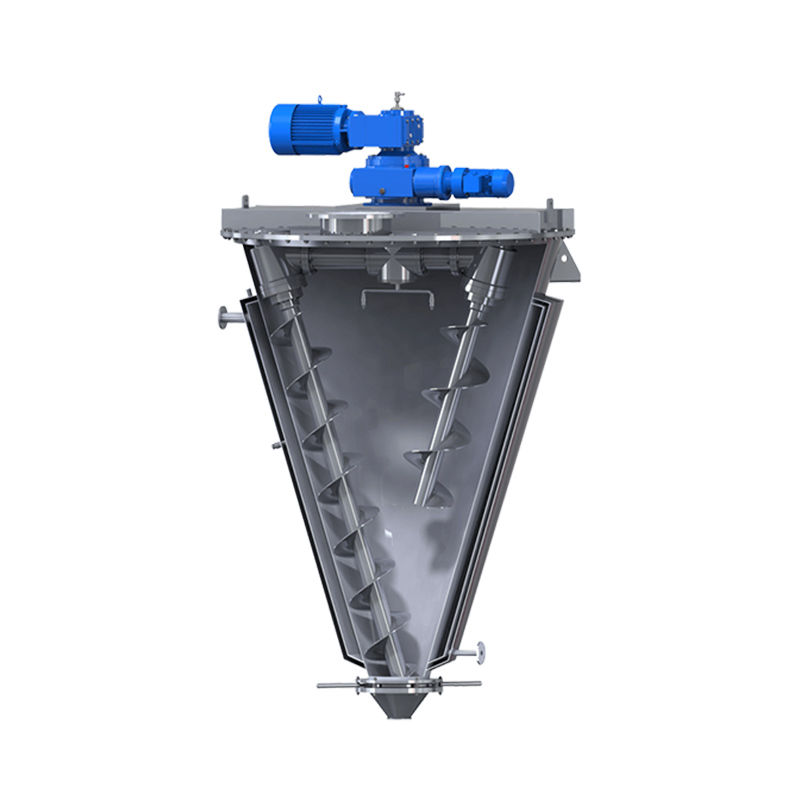
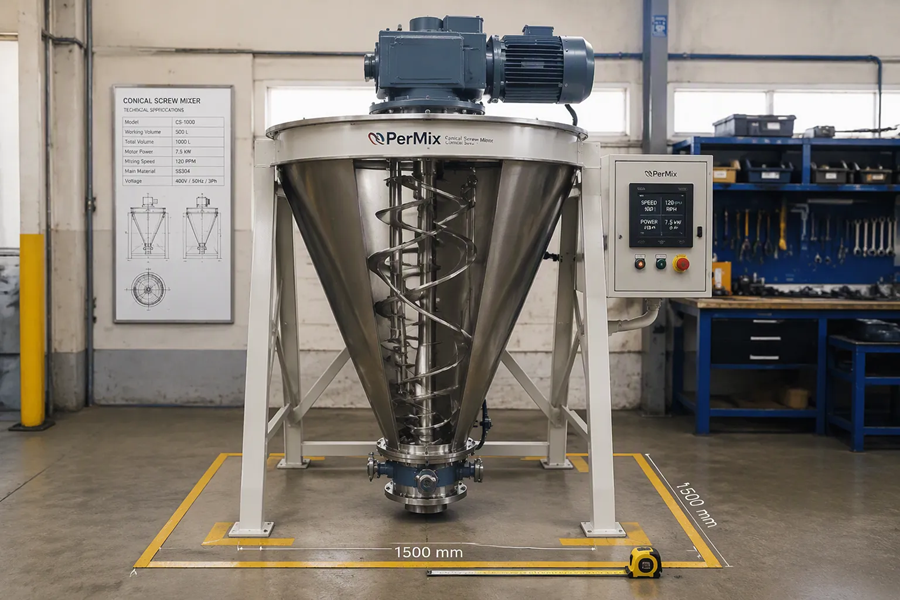
 Conical Screw Mixer
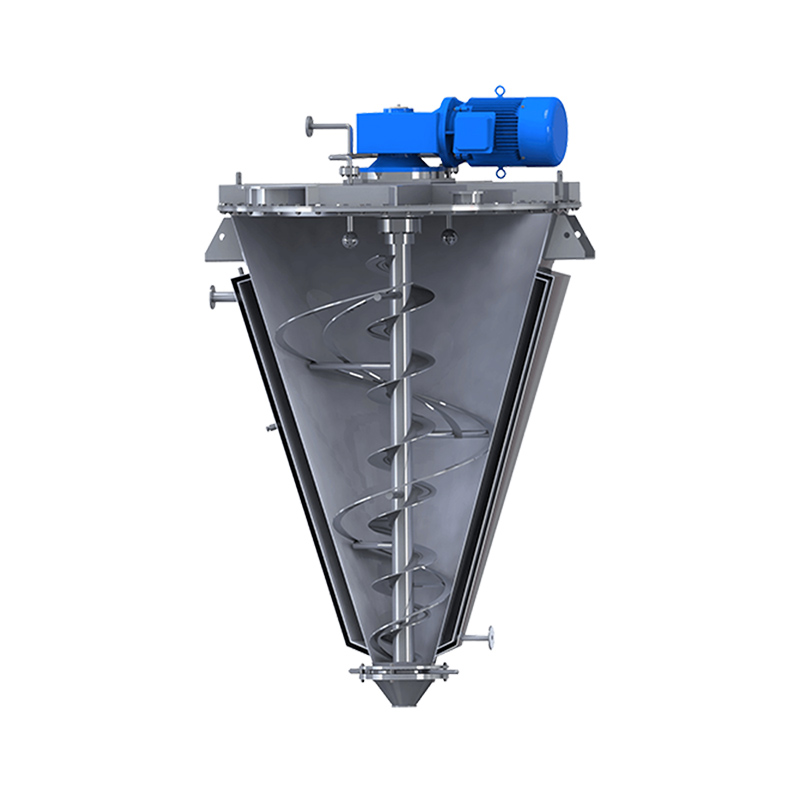 Conical Screw Belt Mixer
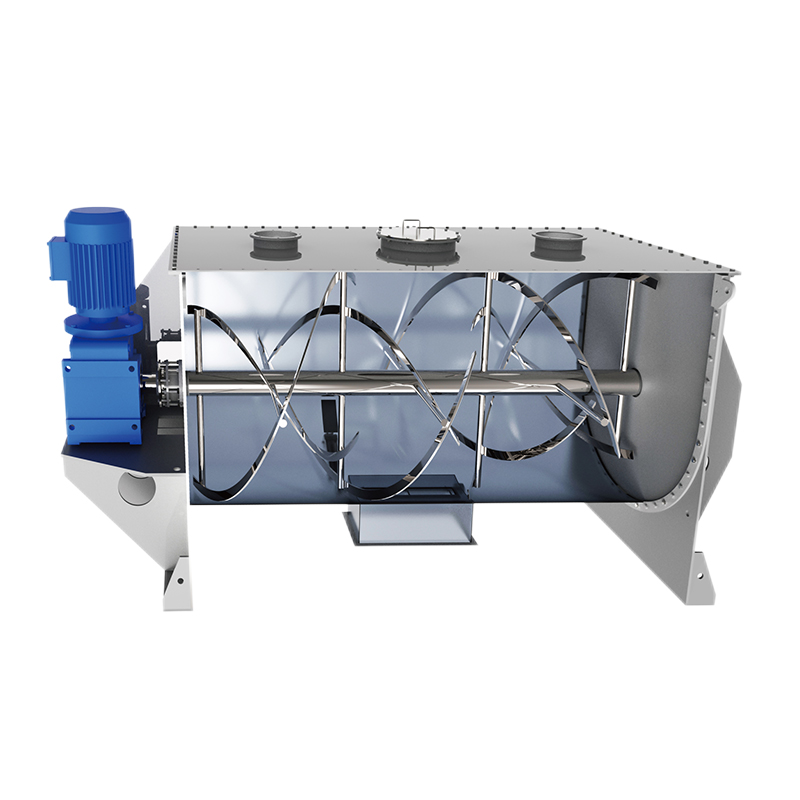 Ribbon Blender
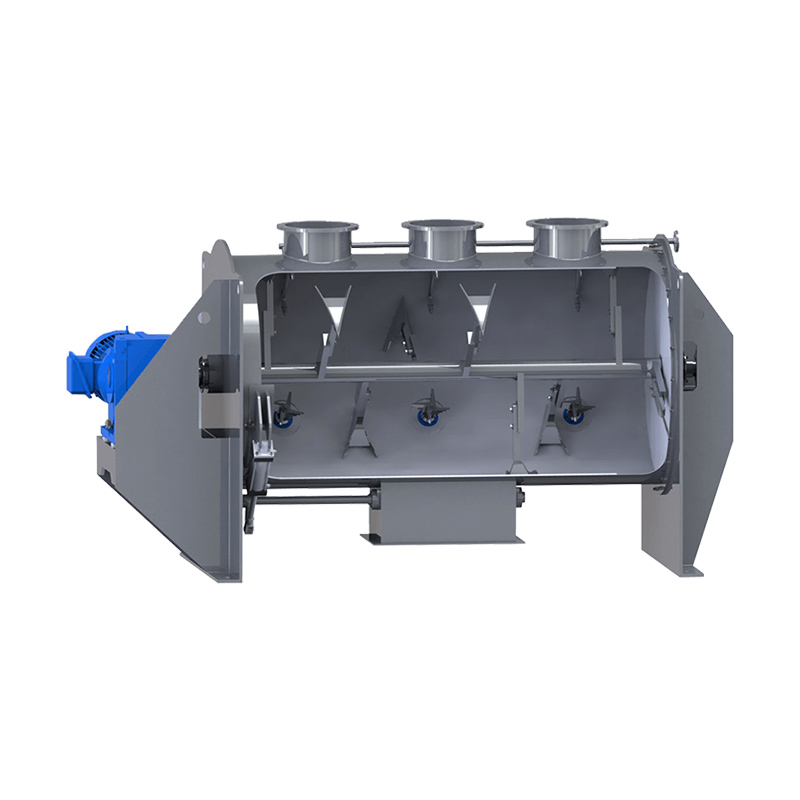 Plough-shear Mixer
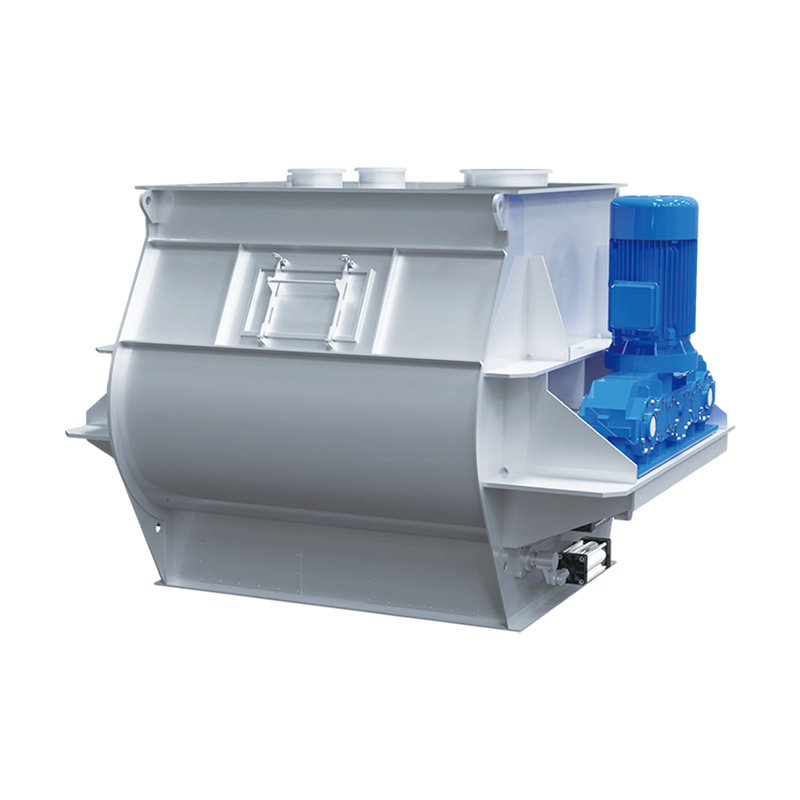 Double Shaft Paddle Mixer
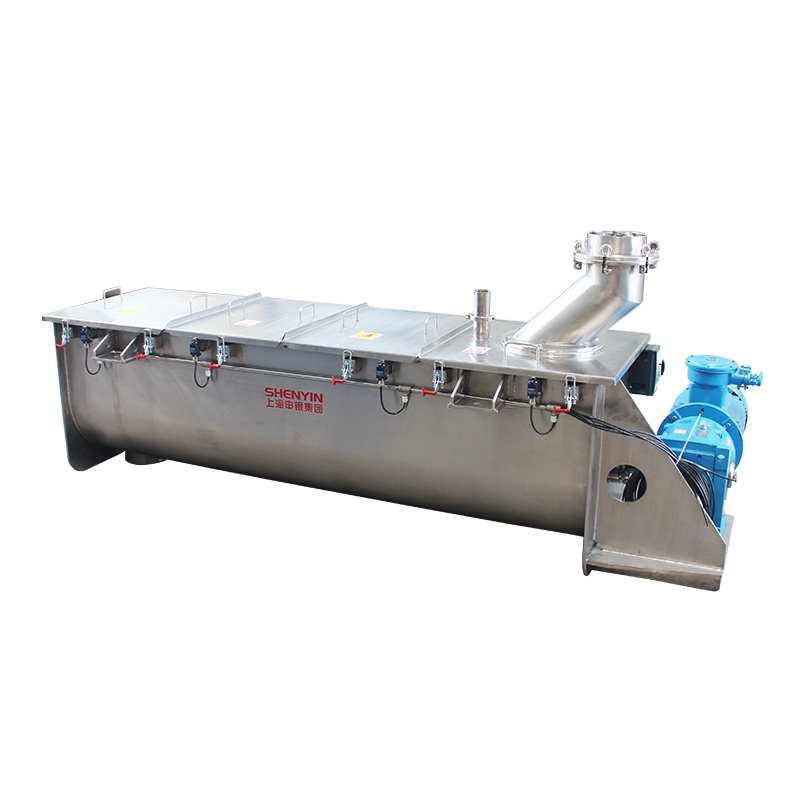 CM Series Mixer



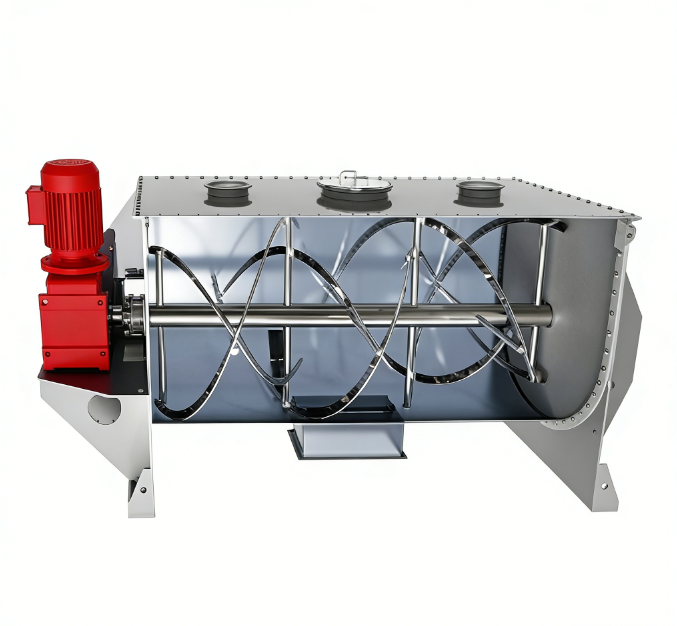

What Factory Qualifications and Certifications to Confirm Before Placing Your Ribbon Blender Order?
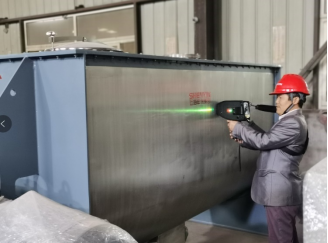
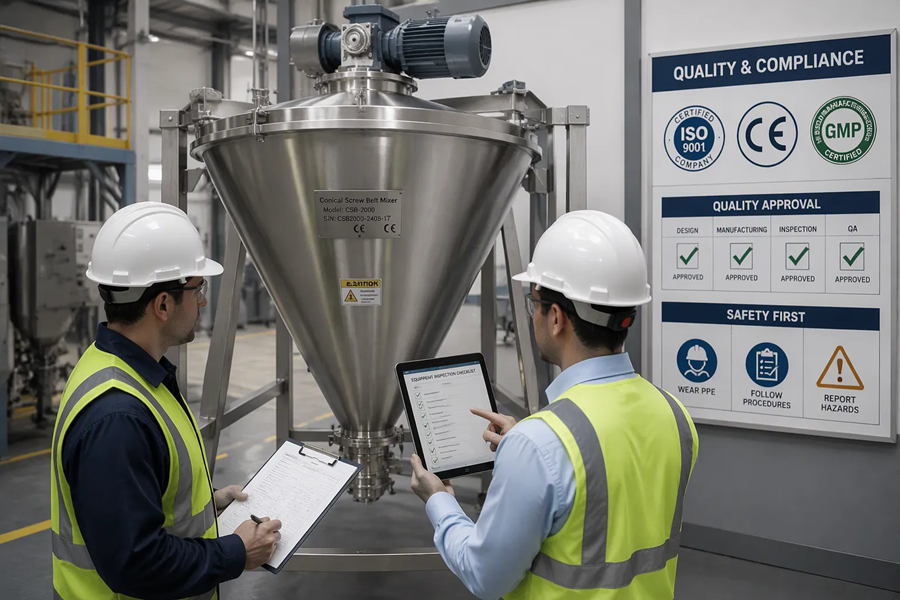
Quick Answer:Before placing a Ribbon Blender order, confirm four categories of factory credentials: a valid ISO 9001 quality management certificate issued by an accredited certification body, a CE Declaration of Conformity (not merely a CE logo on a brochure) if the machine will operate in the European Economic Area, a Special Equipment Manufacturing License (TS) if the blender includes pressure-bearing components such as jacketed vessels, and material traceability certificates (EN 10204 3.1) for product-contact stainless steel. The supplier should also provide a business license matching the contracting entity and factory audit documentation. A 2026 Austrian trade authority checklist warns that “the presence of a CE mark alone is not proof that all European requirements are fulfilled”—the legally operative document is the signed EU Declaration of Conformity. Missing or mismatched credentials create compliance liability that surfaces during customs clearance, customer audits, or installation qualification.
Key Takeaways:
-
ISO 9001 certification is the baseline, but verify the certification body is accredited under IAF Multilateral Recognition Arrangement; a non-accredited certificate may not be recognized by your quality auditors .
-
CE marking requires a Declaration of Conformity naming the specific model, not a generic certificate PDF; the manufacturer bears responsibility for conformity, and voluntary “certificates” are not legally valid CE evidence .
-
TS (Special Equipment) license applies only if the blender includes pressure vessels; a standard atmospheric ribbon blender does not require it, but a jacketed vacuum or pressure model may .
-
Material certificates trace the actual steel heat used, not just the grade stated in the quotation; request EN 10204 3.1 certificates for the trough, ribbons, and discharge valve.
-
Factory identity verification prevents contracting with a trading company that cannot provide after-sales technical support or spare parts traceability.
Why Factory Qualifications Matter Before You Sign the Purchase Order
Factory qualifications determine whether the ribbon blender you receive will meet your quality system’s supplier approval requirements and whether the machine can legally operate in your jurisdiction. A purchase order issued to an unqualified supplier creates a supplier nonconformity that your own quality unit must resolve during the next audit.
In regulated industries—pharmaceutical, food, and chemical—the equipment supplier is part of the quality chain. ISO 9001 certification demonstrates that the manufacturer operates a documented quality management system with process controls, calibration traceability, and nonconforming output handling . Without this, the buyer has no independent evidence that the machine was built to a controlled specification rather than assembled from whatever components were available.
The verification burden falls on the buyer because certificates are easy to display and harder to validate. A PDF certificate can be altered, expired, or issued by a body without international recognition. The practical approach is to verify each credential against the issuing authority’s database and cross-check the certificate scope against the specific product being ordered.
ISO 9001: What the Certificate Actually Demonstrates
ISO 9001 certification confirms that the manufacturer has implemented a quality management system covering design, production, inspection, and corrective action—but only if the certificate is issued by an accredited body and the scope covers industrial Mixing Equipment. As of the most recent ISO Survey data through December 2024, over 1.47 million valid ISO 9001 certificates exist worldwide, making it the most widely adopted management system standard . The prevalence means buyers must look beyond the existence of a certificate to its credibility.
Three verification steps matter. First, confirm the certification body is accredited by a national accreditation authority that is a signatory to the IAF Multilateral Recognition Arrangement—such as UKAS (UK), ANAB (US), DAkkS (Germany), or CNAS (China) . A certificate from a non-IAF-accredited body may not be accepted by your customer’s auditors or by regulatory inspectors. Second, check that the certificate scope includes “mixing equipment” or “Industrial Machinery” rather than a vague “manufacturing” description. Third, verify the certificate’s validity date; ISO 9001 certificates are valid for three years with annual surveillance audits, and an expired certificate is no certificate.
Shenyin’s product documentation states that the company holds ISO 9001 quality system certification, CE certification, 3C certification, and a special equipment manufacturing license, with certificates and test reports available for customs clearance, inspection, and bidding. Buyers should request the actual certificate numbers and issuing bodies rather than accepting the summary statement.
CE Marking: The Declaration of Conformity Is the Document That Matters
CE marking is not a certificate issued by an authority—it is a manufacturer’s self-declaration that the product meets applicable EU directives, supported by a technical file and a signed EU Declaration of Conformity. The Italian Ministry of Enterprises and Made in Italy states explicitly that “there is no central body or authority responsible for issuing a permit or certificate authorizing the use of the CE marking” . The manufacturer performs the conformity assessment, compiles technical documentation, and signs the Declaration of Conformity.
This distinction matters for procurement because suppliers sometimes present third-party “CE certificates” from testing laboratories as evidence of compliance. These voluntary certificates are not legally valid CE marking evidence. The European Commission guidance warns that “some organizations offer voluntary certificates that are not valid for CE marking and are not legally recognized” . The legally operative document is the EU Declaration of Conformity, which must:
-
Name the manufacturer and their authorized representative in the EU (if applicable)
-
Identify the product by model and serial number range
-
List the applicable EU directives (typically Machinery Directive 2006/42/EC for a ribbon blender)
-
Reference the harmonized standards applied
-
Bear a signature, name, and position of the authorized person
-
State the date of issue
For a ribbon blender, the applicable directive is almost always the Machinery Directive. If the blender includes electrical components, the Low Voltage Directive and EMC Directive may also apply. The Declaration must list all applicable directives, not just one.
Verification step: Request the Declaration of Conformity at the quotation stage. Cross-check the model designation on the Declaration against the model on the technical proposal, the nameplate photo, and the operating manual. A Declaration that references a different model or a discontinued series is a red flag.
Special Equipment License (TS): When It Applies and When It Does Not
The Special Equipment Manufacturing License (TS认证) is a Chinese regulatory requirement for manufacturers of pressure vessels and pressure-bearing components, and it applies to ribbon blenders only when the machine includes a jacketed vessel designed for steam, cooling water, or vacuum/pressure operation. A standard atmospheric ribbon blender with no jacket does not fall under the TS framework.
The distinction is practical. A ribbon blender with a heating or cooling jacket operates as a pressure vessel if the jacket design pressure exceeds 0.1 MPa. Vacuum-rated blenders for drying applications may also fall under pressure vessel regulations depending on the vacuum level and vessel design. In these configurations, the manufacturer must hold a valid TS license issued by the State Administration for Market Regulation (SAMR), and the finished vessel must undergo inspection and stamping by a authorized inspection body .
If your process requires a jacketed or vacuum-rated ribbon blender, request the TS license number and verify it against the SAMR public database. If the supplier cannot provide a valid license for a pressure-bearing design, the vessel may not pass installation qualification or may fail a regulatory inspection at your site.
Material Certificates and Traceability: What the Steel Certificate Must Show
Material certificates (EN 10204 3.1) link the finished blender’s product-contact components to the original steel mill heat, confirming that the grade specified in the purchase order was actually used. A quotation stating “304 stainless steel” is a contractual specification, not evidence that 304 was used in fabrication.
The EN 10204 3.1 certificate is issued by the steel mill or its authorized representative and includes the heat number, chemical composition, and mechanical properties of the specific batch of steel. The fabricator’s inspection department then records which heat numbers were used for which components. For a ribbon blender, the critical components are the trough (shell), the ribbon agitator, the shaft, and the discharge valve body. These are the surfaces that contact the product and determine corrosion resistance and cleanability.
Practical limitation: The fabricator may purchase steel from a distributor and not retain heat-level traceability for every component. In that case, the buyer should request at minimum a certificate of conformity for the grade and a statement of the mill source. For pharmaceutical or food applications where cleanability and corrosion resistance are critical, heat-level traceability is the appropriate standard.
Factory Identity Verification: Trading Company or Manufacturer?
The entity that signs the contract, issues the invoice, and provides the warranty must be the entity that actually manufactures the ribbon blender or has direct contractual control over the manufacturing process. A trading company intermediary adds a layer of distance between the buyer and the production floor, which becomes a liability when technical support, spare parts, or warranty claims are needed.
Verification steps include:
-
Request the business license (营业执照) and confirm the registered scope includes “manufacturing of mixing equipment” or similar, not just “sales.”
-
Request factory photos or a video walkthrough showing the fabrication area, welding stations, assembly bays, and inspection equipment.
-
Cross-check the address on the business license against the address shown in factory photos and shipping documents.
-
If a site visit is possible, confirm that the production floor matches the claimed capability—a factory that outsources fabrication will not have welding and assembly operations on site.
Shenyin’s documentation describes the company as a manufacturer with a self-owned factory and direct sales, which supports the identity verification requirement. Buyers should confirm this through the business license and, where feasible, a factory audit.
Qualification Verification Checklist
FAQ
Is ISO 9001 certification mandatory for buying a ribbon blender from China?
ISO 9001 is not a legal requirement for export, but it is the baseline evidence that the manufacturer operates a controlled quality system. Most regulated-industry buyers require it during supplier approval. Verify that the certificate is issued by an IAF-accredited body and that the scope covers mixing equipment .
What is the difference between a CE certificate and a CE Declaration of Conformity?
A CE “certificate” from a testing laboratory is a voluntary document. The legally valid evidence of CE compliance is the manufacturer’s signed EU Declaration of Conformity, supported by a technical file. The Declaration names the specific product and applicable directives. A CE mark without a matching Declaration is not proof of conformity .
Does a ribbon blender need a TS (Special Equipment) license?
Only if the blender includes pressure-bearing components, such as a jacketed vessel for heating/cooling or a vacuum-rated chamber for drying. A standard atmospheric ribbon blender does not require TS certification. Confirm the design pressure and whether the jacket or vessel falls under pressure vessel regulations .
What material certificate should I request for product-contact surfaces?
Request EN 10204 3.1 mill certificates for the trough, ribbon agitator, shaft, and discharge valve. These certificates trace the steel to the original heat and confirm the chemical composition and mechanical properties. A certificate of conformity without heat-level traceability is a minimum fallback if 3.1 certificates are unavailable.
How can I tell if the supplier is a manufacturer or a trading company?
Request the business license and check whether the registered scope includes manufacturing. Ask for factory photos or a video showing fabrication and assembly operations. Cross-check the factory address against the business license address. A trading company may supply a good machine, but after-sales support and spare parts traceability are weaker.
Should the CE Declaration of Conformity be issued before or after shipment?
The Declaration should be available at the quotation stage for review. The signed Declaration must accompany the machine’s documentation package at shipment. A supplier who cannot provide a model-specific Declaration before the order is placed is a compliance risk.
What if the supplier holds ISO 9001 but the certificate scope does not cover ribbon blenders?
A certificate with a narrow scope may not cover the specific product you are purchasing. Request the certificate scope statement and confirm it includes “mixing equipment,” “industrial machinery,” or a similar category. If the scope is ambiguous, ask the supplier to explain how the ribbon blender falls within the certified scope.
For specifications on Shenyin’s ribbon blender configurations, including the SYLW series with working volumes from 30 liters to 21 cubic meters and material options including 304 and 316L stainless steel, visit the high-quality ribbon blender product page. Related equipment includes the CE-certified ribbon mixer and the small ribbon mixer for laboratory and small-batch production.