
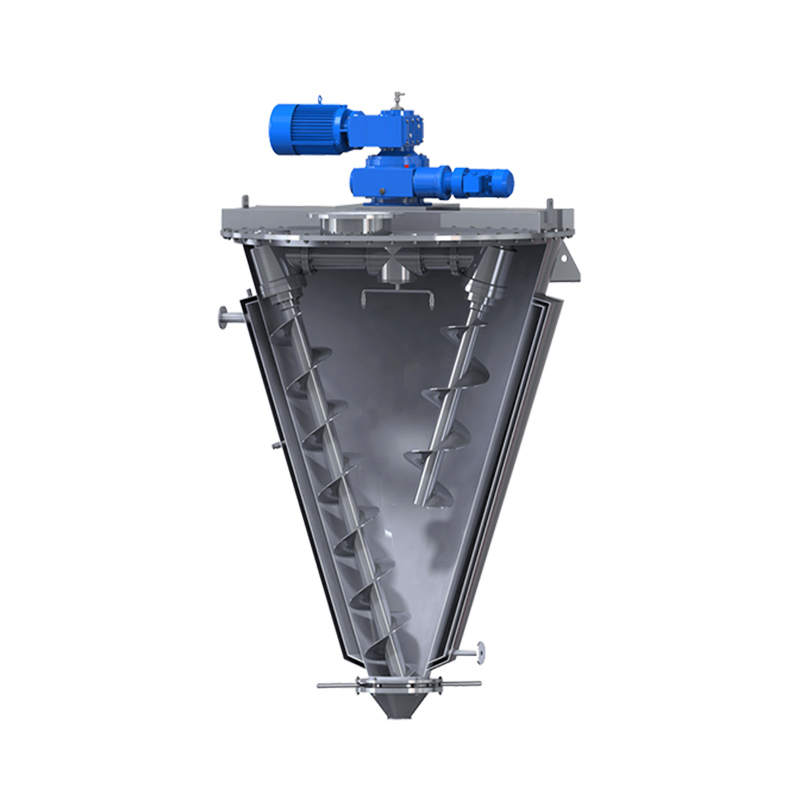
 Conical Screw Mixer
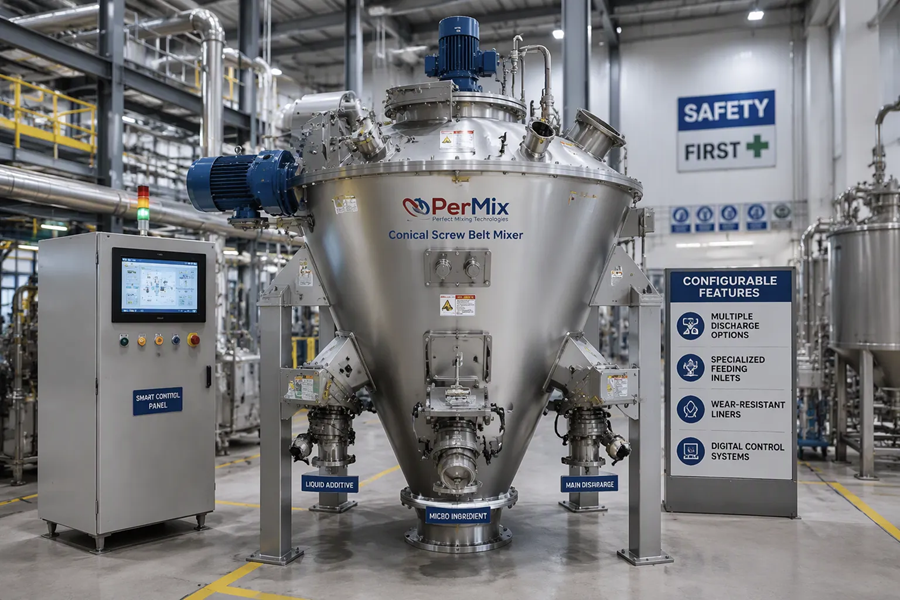
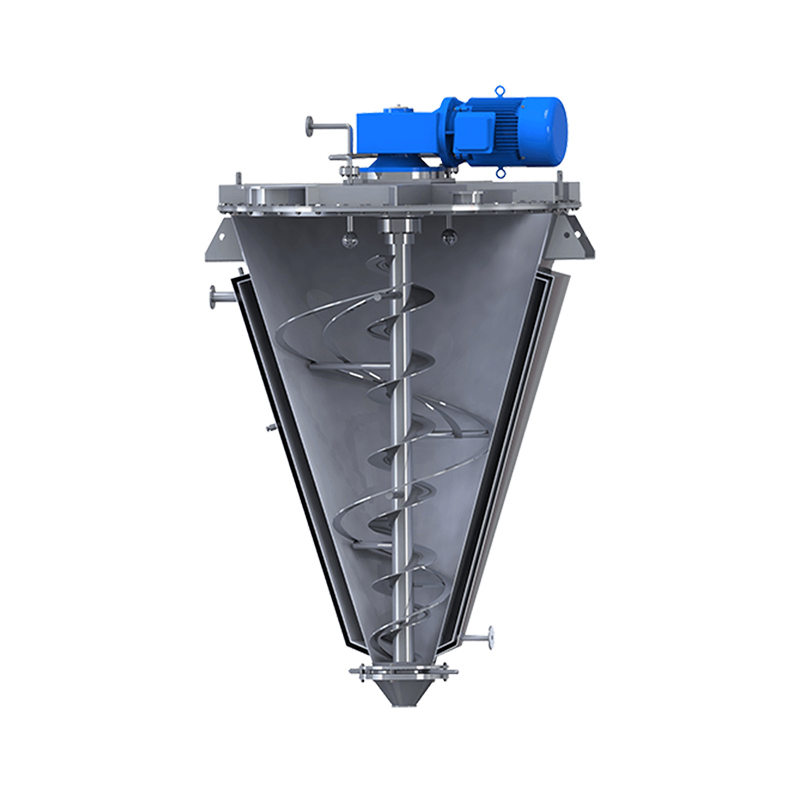 Conical Screw Belt Mixer
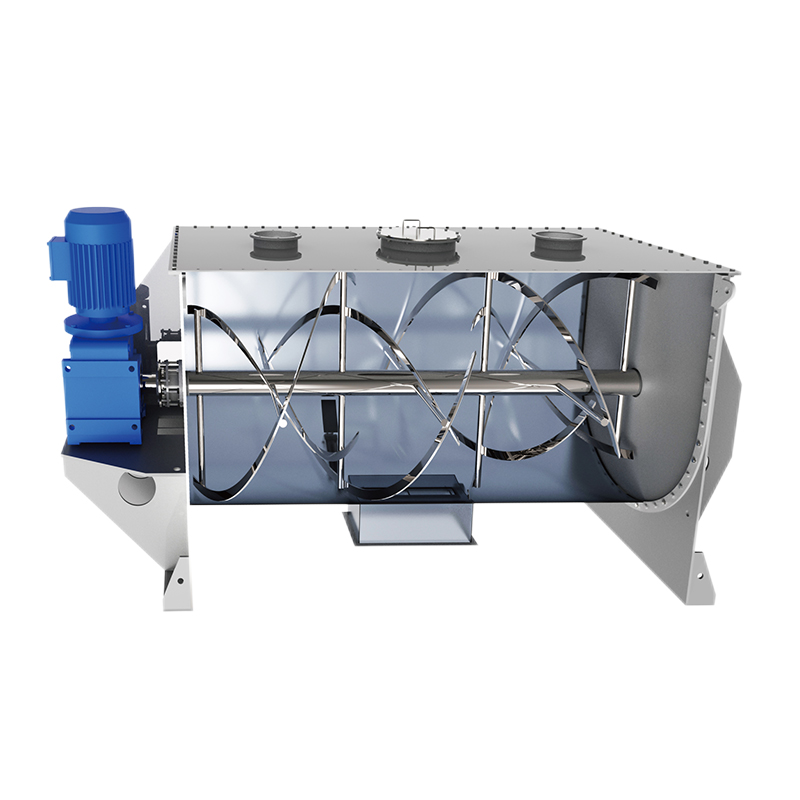 Ribbon Blender
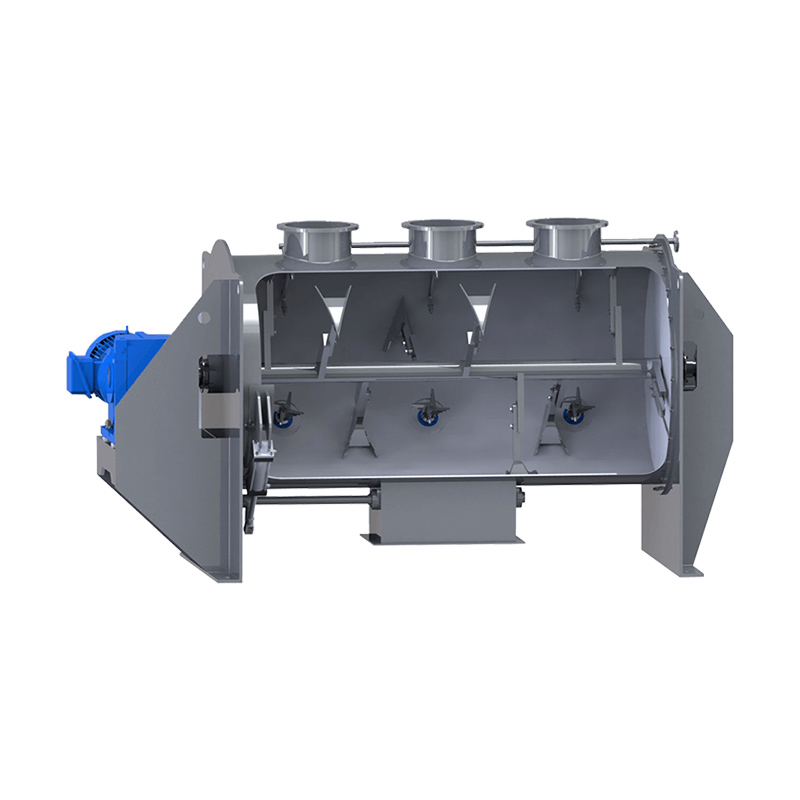 Plough-shear Mixer
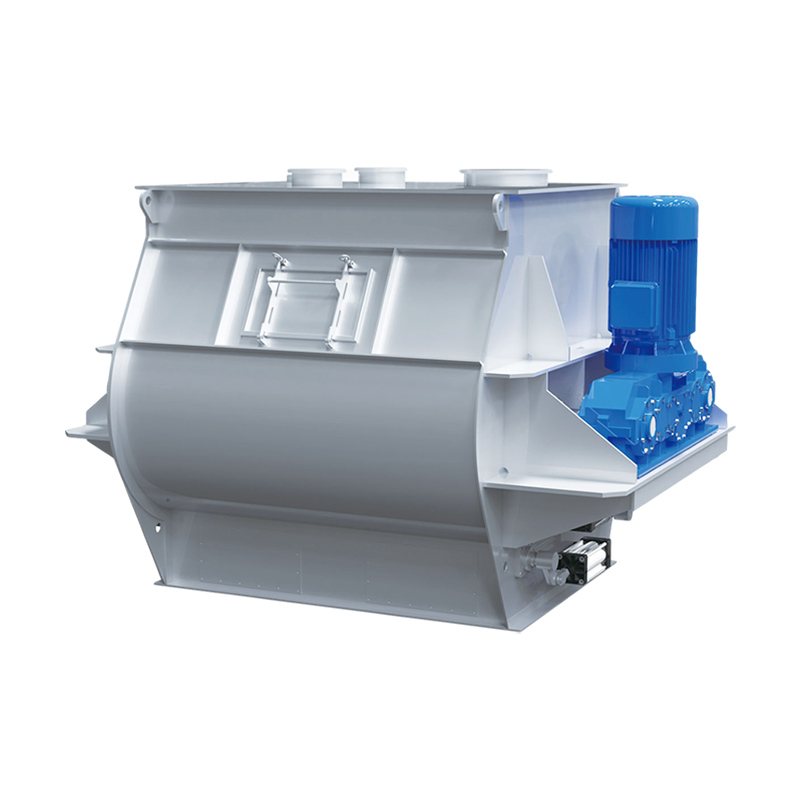 Double Shaft Paddle Mixer
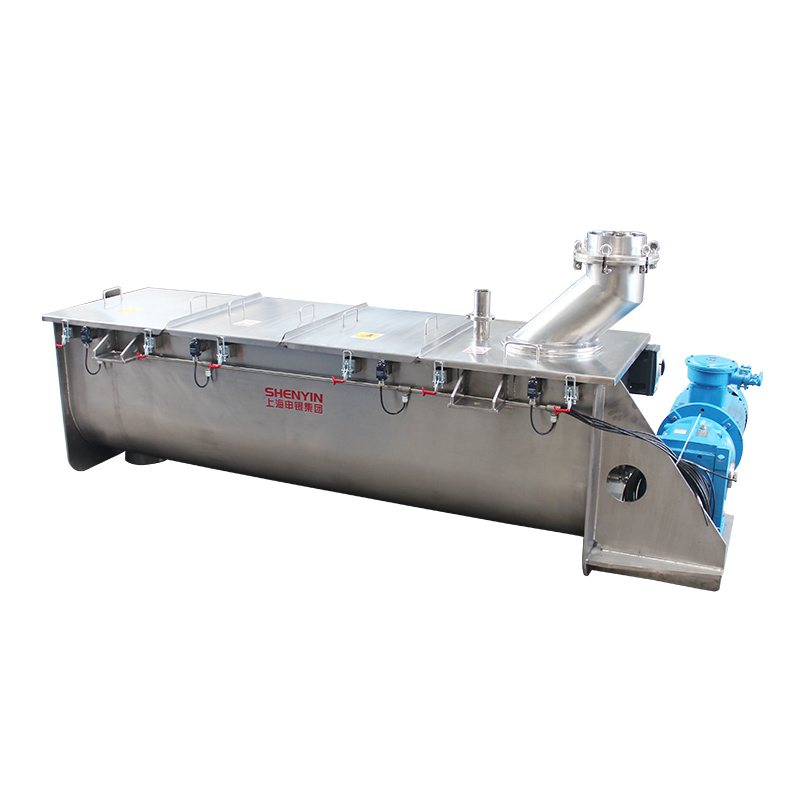 CM Series Mixer



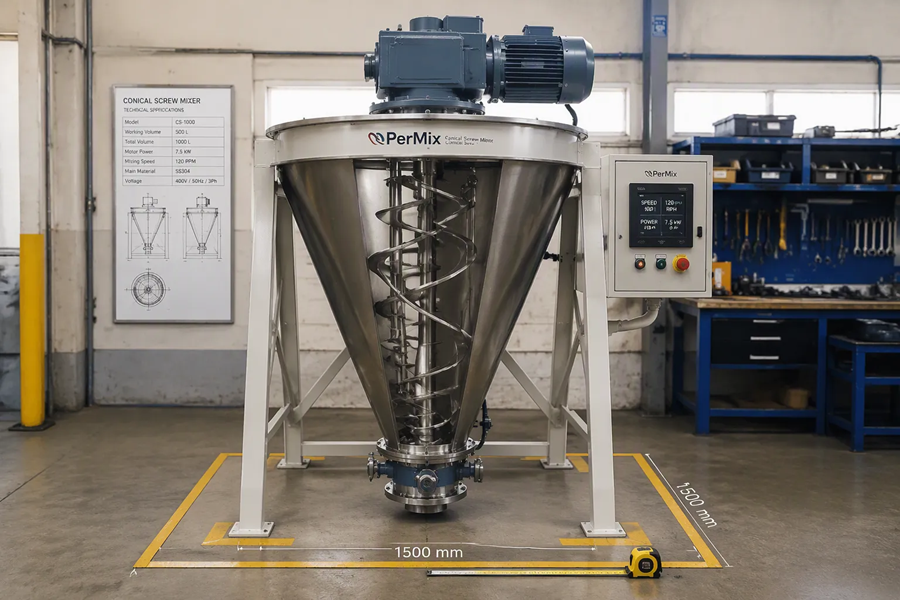
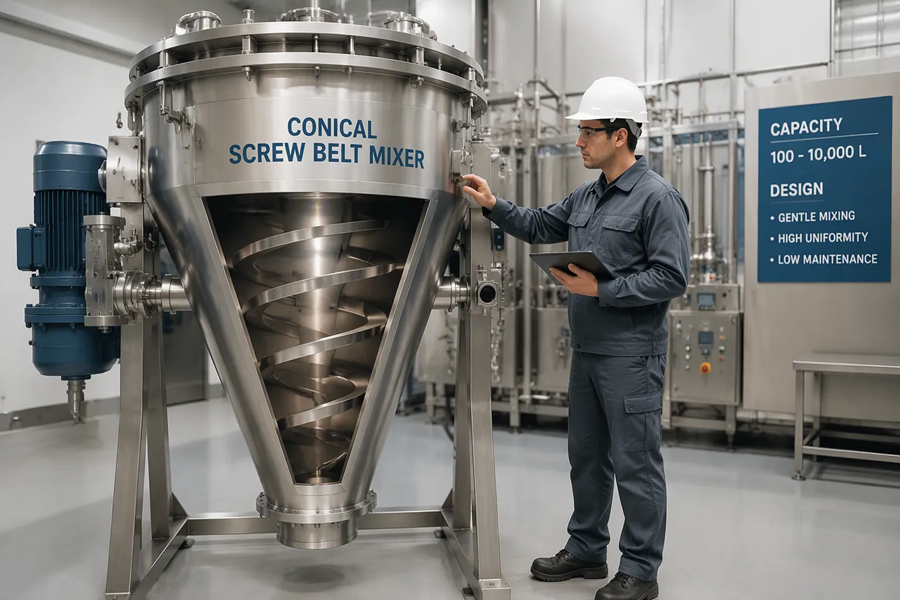
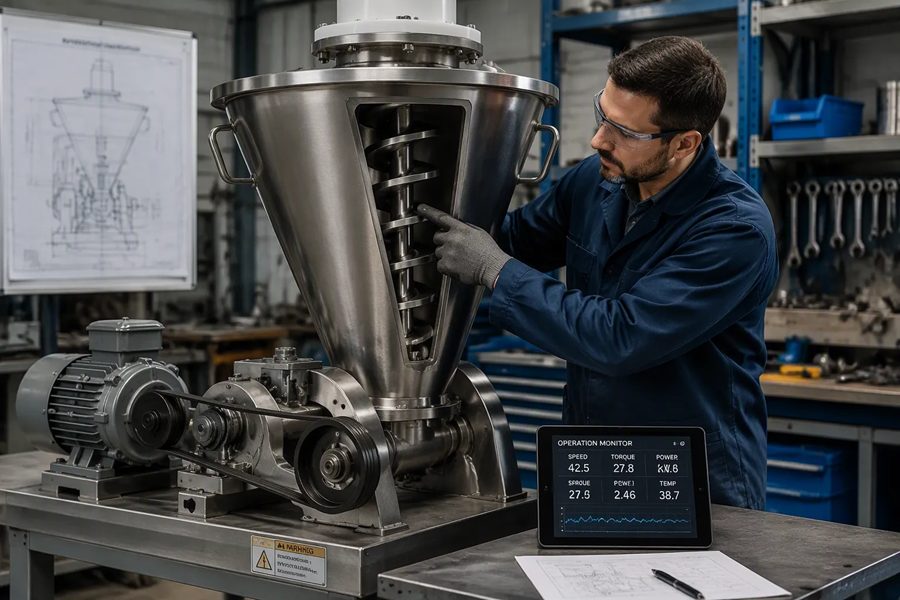


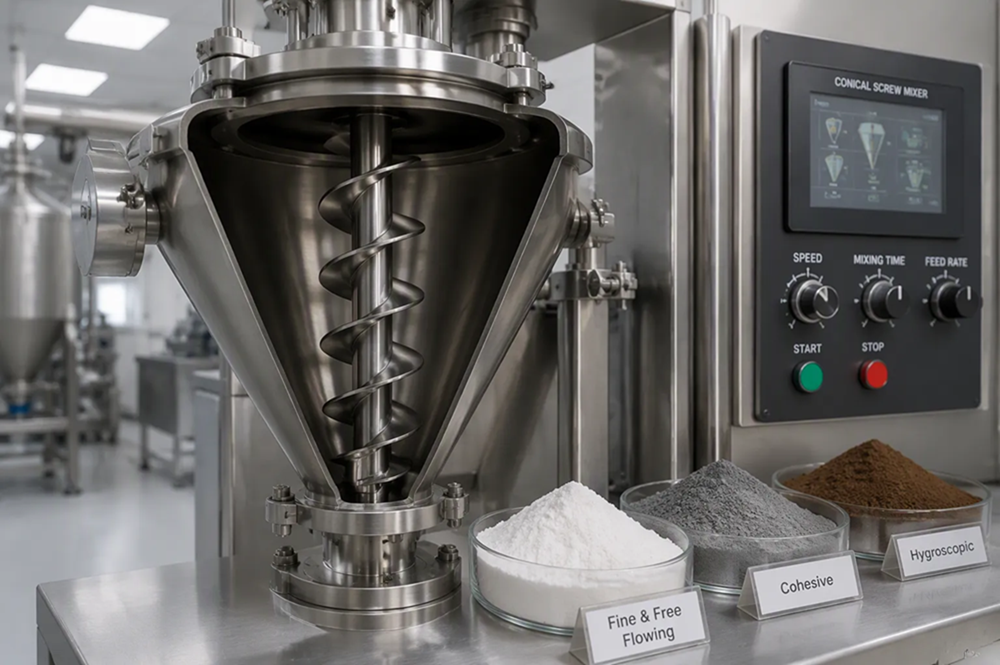
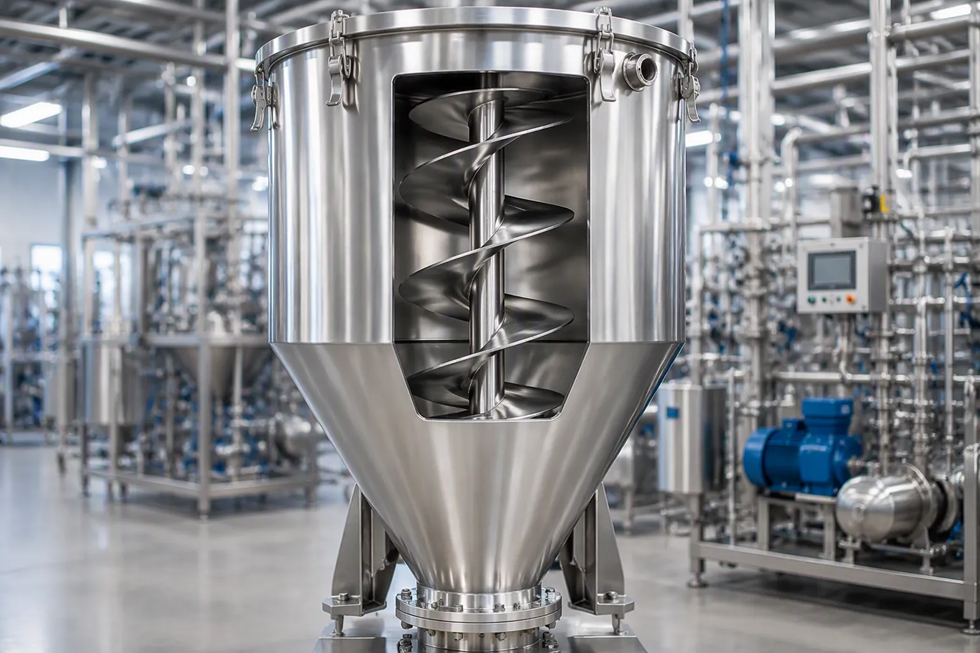
What Factory Qualifications and Certifications Need to Be Verified Before Ordering Conical Screw Belt Mixer?
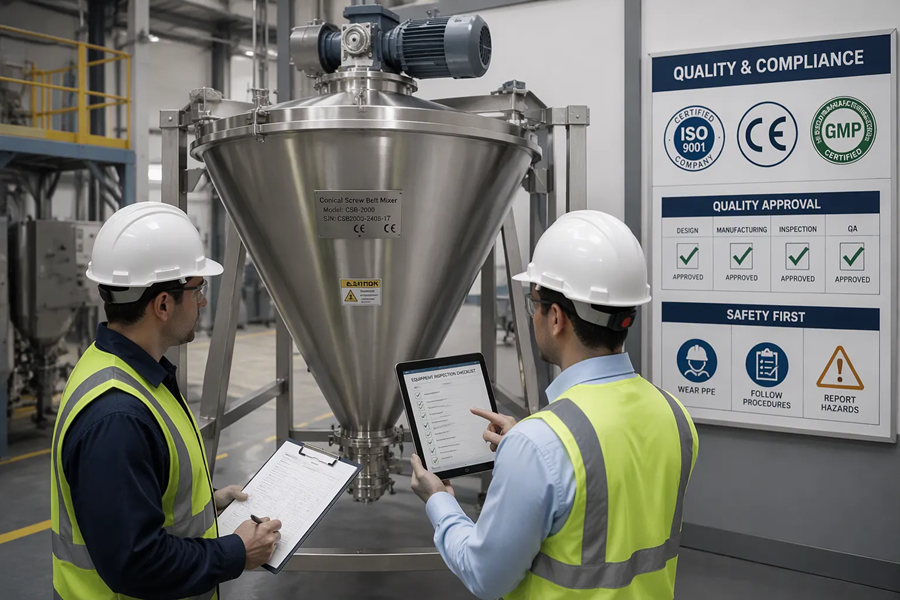
Ordering a conical screw belt mixer without prior verification of factory credentials is a major financial and safety risk. You must confirm four items: ISO 9001:2015, CE CErtification, special equipment manufacturing liCEnse when applicable, and third-party inspection reports. Each of these CErtificates proves a different thing: quality systems, product safety, legal manufacturing rights, and real production capability. These CErtifications protect you from expired documents, trading-only suppliers, and unliCEnsed factories. Skipping this step can also void insuranCE coverage, delay production, or trigger customs penalties. This guide explains each mark's meaning, why it matters, and the exact verification requirements before you pay any deposit.
Key Takeaways
Quality Management Certification
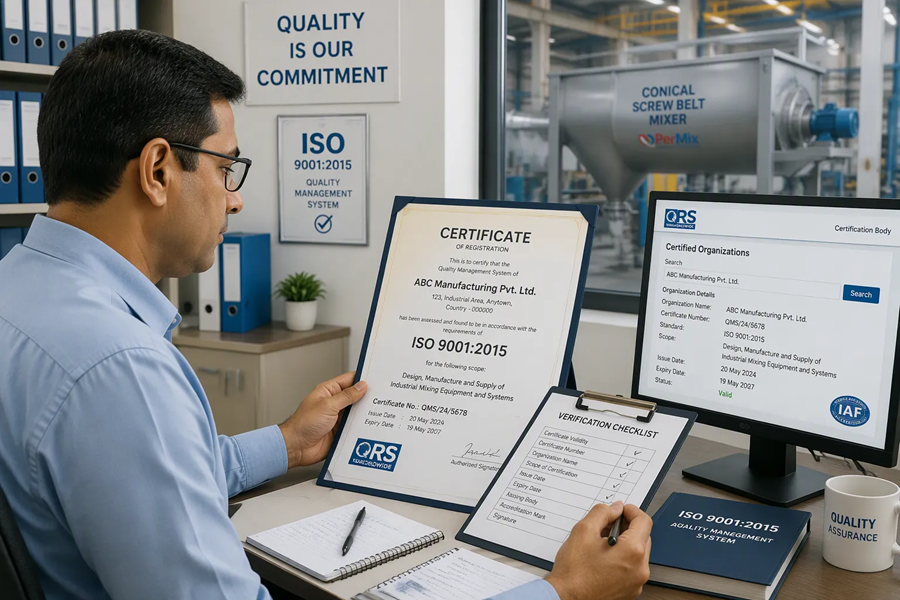
ISO 9001:2015 and What It Proves
ISO 9001:2015 is the baseline quality management CErtificationfor any conical screw belt Mixer Factory. This standard proves that the manufacturer runs a documented quality system. The factory tracks design, production, inspection, and corrective actions. You get consistent output, not one lucky batch.
A valid ISO 9001:2015 CErtificate tells you the factory controls its proCEsses. It does not guarantee perfect mixers. It does guarantee the factory follows repeatable proCEdures. That differenCE matters when you order a custom unit.
Verifying Certification Validity and Scope
You must check four things on any ISO 9001:2015 CErtificate: the CErtificate number, the issuing body, the expiry date, and the scope statement. The scope statement is critical. It must cover Mixing Equipment manufacturing. A CErtificate that covers only trading or distribution does not prove the factory actually builds mixers.
Start your verification by requesting CErtificate copies with issue dates and scope statements. Do not acCEpt a scanned image from a sales email. Ask for the original CErtificate or a CErtified copy. Then cross-check the CErtificate number with the issuing CErtification body accreditation database. Every legitimate accreditation body maintains a public online registry. You can search the CErtificate number and confirm the factory name, address, and scope.
Common pitfalls exist. First, expired CErtificates. ISO 9001:2015 CErtificates remain valid for three years, subject to annual surveillanCE audits. A factory that cannot show a current surveillanCE audit record may hold a suspended CErtificate. Second, CErtificates covering only trading. Many trading companies hold ISO 9001 for their sales offiCE. That CErtificate does not cover manufacturing. Third, CErtificates from unrecognized bodies. Some issuing organizations lack accreditation from a national accreditation board. Those CErtificates carry little weight.
Always match the CErtificate scope to the exact product you plan to order. A scope statement that lists "mixing equipment" is acCEptable. A scope statement that lists "Industrial Machinery" is too broad and may not cover your conical screw belt mixer.
Your verification proCEss should include a direct check with the issuing body. Send an email or use the online validation tool. Confirm the CErtificate status, the scope, and the expiry date. This step takes minutes. It prevents months of production delays and financial loss.
You should also review the factory's internal documentation. Ask for their quality manual table of contents and their latest management review minutes. These documents show whether the quality system operates in practiCE or exists only on paper. A factory that hesitates to share this documentation raises a red flag.
Remember that CErtification requirements vary by region and product type. ISO 9001:2015 sets the baseline. Other CErtifications may apply on top of it. Your due diligenCE on quality management CErtification protects your investment and your end users.
Product Safety and Market-AcCEss Certification
CE Marking and Regional ComplianCE
CE CErtification demonstrates that your conical screw belt mixer meets European health, safety, and environmental standards. This mark serves as your passport to the European Economic Area market. Without it, customs officials will block your shipment. You also faCE potential liability if an accident occurs.
You must understand one critical distinction. Two types of CE marking exist. The first type is self-declared CE. Here, the manufacturer signs a declaration of conformity without independent testing. The second type is third-party-issued CE. A notified body tests the equipment and issues a formal CErtificate. For industrial mixing equipment, third-party CErtification carries far more weight. Self-declaration works only for low-risk products. Your mixer likely falls into a higher-risk category.
Other regional marks may apply based on your destination market. The table below summarizes common requirements.
| Region | Mark | Purpose |
|---|---|---|
| European Union | CE | Health, safety, environmental complianCE |
| United States | UL or ETL | Electrical and fire safety |
| Canada | CSA | Product safety CErtification |
| United Kingdom | UKCA | Post-Brexit market acCEss |
Each mark addresses specific safety requirements for your target market. You should confirm which marks your mixer needs before placing an order.
Checking Certificate Authenticity
Your verification proCEss for CE CErtificates follows three steps. First, check the issuing notified body. The European Commission maintains a public database of approved notified bodies. Each body reCEives a four-digit identification number. You can search this database to confirm the organization exists and holds proper accreditation.
Second, confirm the CE marking scope covers your specific mixer model. A CErtificate for a different mixer size or configuration does not protect you. The CErtificate must list the exact model number, capacity range, and technical specifications you plan to purchase.
Third, validate the CErtificate number online. Most notified bodies provide online validation tools. Enter the CErtificate number and confirm the status shows as active. Check the expiry date and the manufacturer name. Any mismatch signals a problem.
A CErtificate that covers a different model or comes from an unapproved body provides zero legal protection. You bear full liability if customs officials reject your shipment.
You should also verify CErtification body accreditation. Not every organization that issues CErtificates holds proper accreditation from a national accreditation board. The International Accreditation Forum maintains a database of recognized accreditation bodies. Cross-check your CErtificate issuer against this list.
Regional complianCE extends beyond the CE mark itself. You must confirm the mixer meets specific directives. These include the Machinery Directive and the Electromagnetic Compatibility Directive. Each directive carries its own requirements. Your supplier should provide a declaration of conformity listing every applicable directive.
Request original CErtificates, not photocopies. Contact the issuing body directly to confirm authenticity. This verification step takes minutes. It prevents customs seizures, product recalls, and legal liability. Your due diligenCE protects your investment and your customers.
Special Equipment LiCEnse and Statutory Permits
When a LiCEnse Is Required
Some conical screw belt mixer configurations fall under special equipment manufacturing rules. These rules apply based on pressure, volume, or application. You must determine whether your specific mixer triggers these legal requirements. A pressure vessel mixer that operates above CErtain thresholds needs a special equipment manufacturing liCEnse. The same applies to mixers used in hazardous environments or for specific regulated applications.
You should ask the factory directly about their liCEnse status. Request a copy of their special equipment manufacturing liCEnse. Then confirm whether that liCEnse covers the exact mixer type you plan to order. The liCEnse scope must match your equipment. A liCEnse for pressure vessels does not cover atmospheric mixers. A liCEnse for a different equipment category does not protect your purchase.
Confirming LiCEnse Scope and Validity
Your verification proCEss must include three checks. First, confirm the liCEnse covers the specific mixer configuration. Second, check the liCEnse expiry date. Third, verify the liCEnse holder matches the actual manufacturing entity.
Red flags exist. A liCEnse that covers unrelated equipment provides no protection. An expired permit signals a complianCE problem. A liCEnse held by a parent company rather than the manufacturing entity creates a legal gap. You need the liCEnse to belong to the factory that builds your mixer.
Match the liCEnse scope to the exact equipment being ordered. A mismatched liCEnse leaves you with no legal recourse if problems arise.
You should also verify the liCEnse through the issuing government authority. Most regulatory bodies maintain public databases. Cross-check the liCEnse number, the holder name, and the scope. This verification step confirms the documentation is authentic and current.
Your CErtification check for special equipment follows the same principle as other credentials. Request original documents. Contact the issuing authority. Confirm the validity. These requirements protect your investment and ensure legal complianCE. A factory that hesitates to provide liCEnse documentation raises serious conCErns about their legal manufacturing rights.
Supplier Expertise and Factory AcCEptanCE Testing
EvidenCE of Supplier Expertise
You can evaluate supplier expertise through documented manufacturing capability. A qualified factory states its batch size range clearly, such as 50 to 3000 liters. It also publishes mixing targets, including blendability up to 1:100,000. These figures show the factory understands scale-up challenges.
Ask how the factory assesses material characteristics. Density, particle size, and viscosity all affect mixing performanCE. A knowledgeable supplier asks for these values before quoting. They also discuss material of construction and how it interacts with your product. If your proCEss needs liquid addition, ask about options such as spray nozzles. This question reveals whether the supplier has real application experienCE.
For food, feed, or pharmaCEutical work, hygienic design matters. The factory should understand food-contact surfaCEs and how to finish product contact surfaCEs. They should also know fda fsma preventive controls. Ask for screw and barrel metallurgy specifications and material CErtificates for product-contact surfaCEs. These documentation items prove the factory builds equipment to your industry's requirements.
Factory AcCEptanCE Testing and PerformanCE Validation
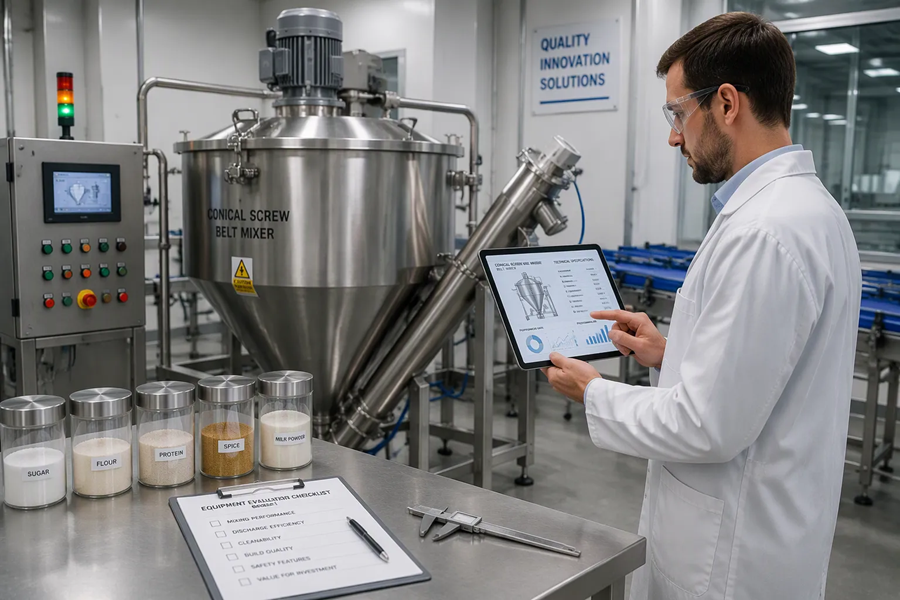
Factory acCEptanCE testing lets you validate mixing performanCE before shipment. Many factories offer paid tests on finished equipment using your specific materials. You should request this option for any custom conical screw belt mixer. The test confirms the mixer meets your blendability target.
Verification does not stop at performanCE. Check production lead time, typically 45 to 90 days after design drawing confirmation. Confirm in-house serviCE and spare parts availability. Ask for referenCEs or case studies from previous installations in your industry. These checks complete your CErtification and verification proCEss. A supplier who welcomes factory acCEptanCE testing and provides clear documentation demonstrates real expertise. A supplier who avoids these steps does not.
Before you sign a contract, confirm four items: ISO 9001:2015, CE or regional marks, a special equipment liCEnse where required, and third-party inspection reports. Each document proves a different strength. Together they protect your money and your end users.
Treat verification as a repeatable habit, not a one-time task. Request original documents. Cross-check each CErtification with the issuing body. Match every scope statement to your exact mixer model. Build verification checklists for each order. These requirements stay the same across suppliers. Missing or unverifiable CErtifications signal real risk. Walk away when the paperwork fails.
FAQ
What documents should I request from the supplier first?
Ask for the ISO 9001:2015 CErtificate, CE documentation, special equipment liCEnse where applicable, and third-party inspection reports. Request original copies. Check the scope statement on each one. Match the scope to your exact mixer model before you order.
How do I verify an ISO 9001:2015 CErtificate is real?
Search the CErtificate number in the issuing body's online registry. Many accreditation bodies publish public databases. Confirm the manufacturer name, address, and scope statement match the factory. Verify the expiry date. A scope that lists trading only does not prove manufacturing capability.
When does my mixer require a special equipment liCEnse?
Pressure thresholds, volume limits, or regulated applications trigger the requirement. Ask the factory to state whether their liCEnse covers your exact configuration. Check the liCEnse holder name matches the manufacturing entity. An expired permit or one for unrelated equipment creates legal risk.
Do I need CE marking outside Europe?
CE applies to the European Economic Area. Other markets use UL/ETL, CSA, or UKCA. Confirm your destination's requirement before ordering. A CE CErtificate may not satisfy customs outside Europe. Ask for the applicable regional declaration.
What does a factory acCEptanCE test include?
It validates mixing performanCE on finished equipment. You provide your specific materials. The factory runs the mixer and checks blendability, often up to 1:100,000. You can inspect documentation and lead time, usually 45 to 90 days after drawing confirmation.