
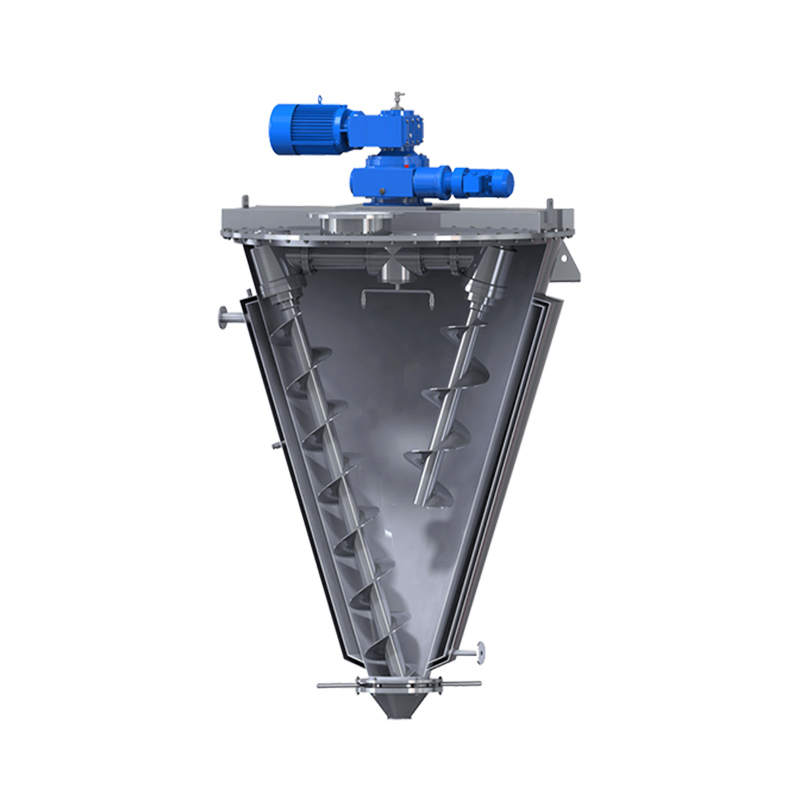
 Conical Screw Mixer
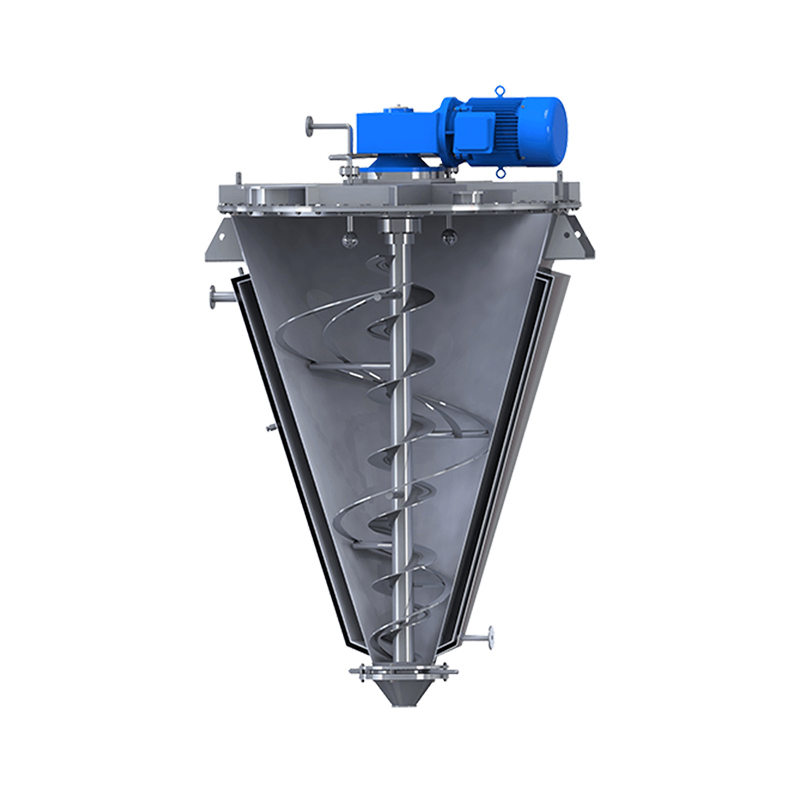 Conical Screw Belt Mixer
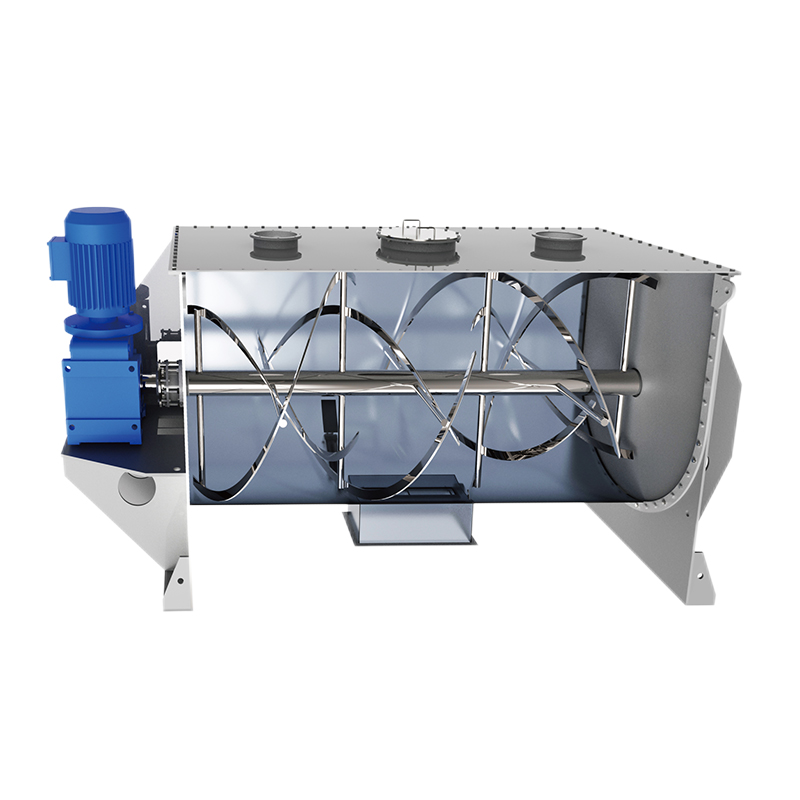 Ribbon Blender
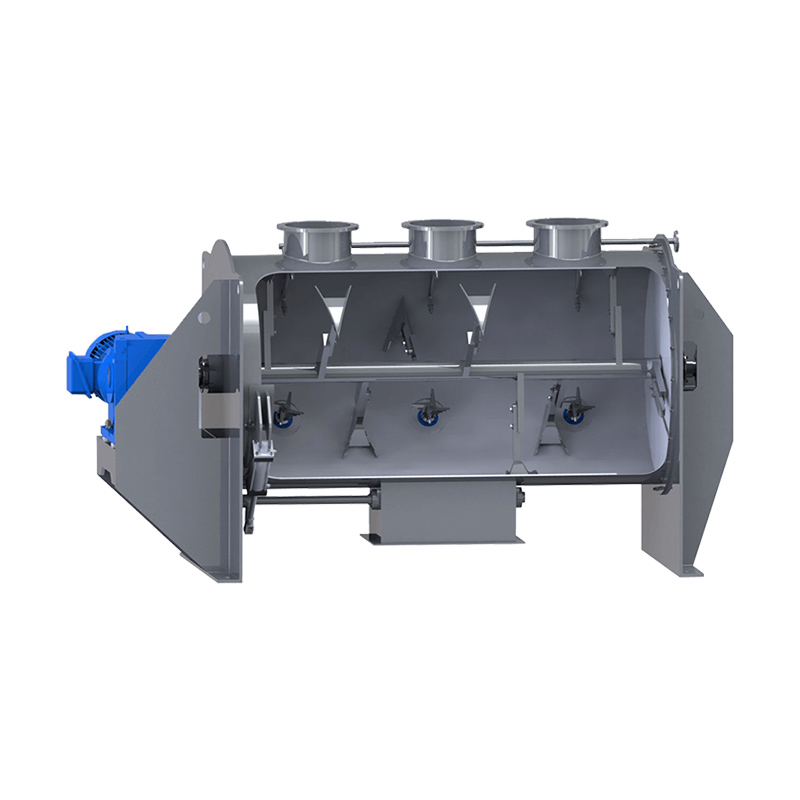 Plough-shear Mixer
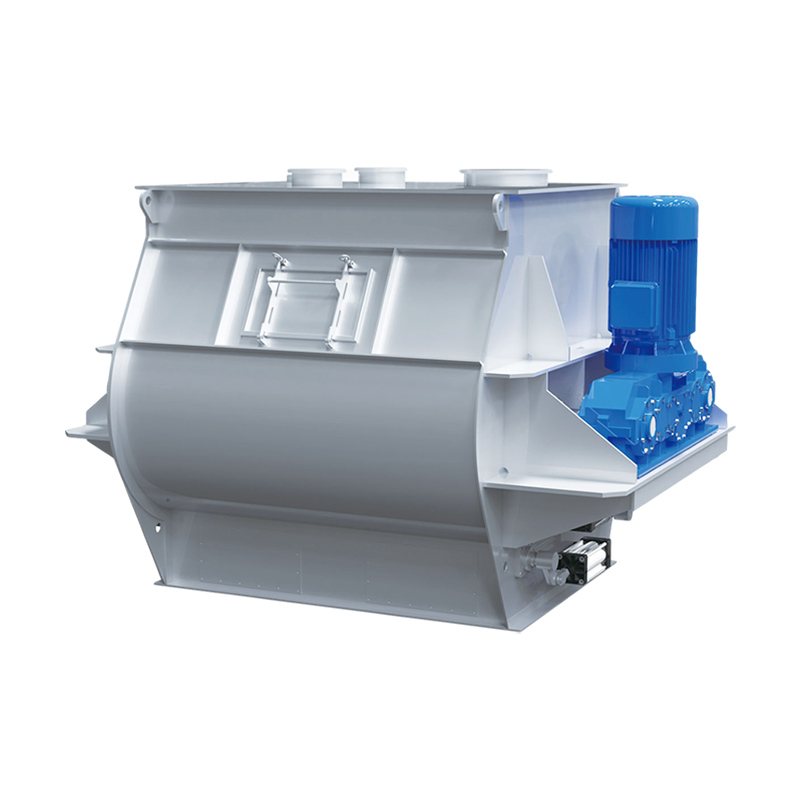 Double Shaft Paddle Mixer
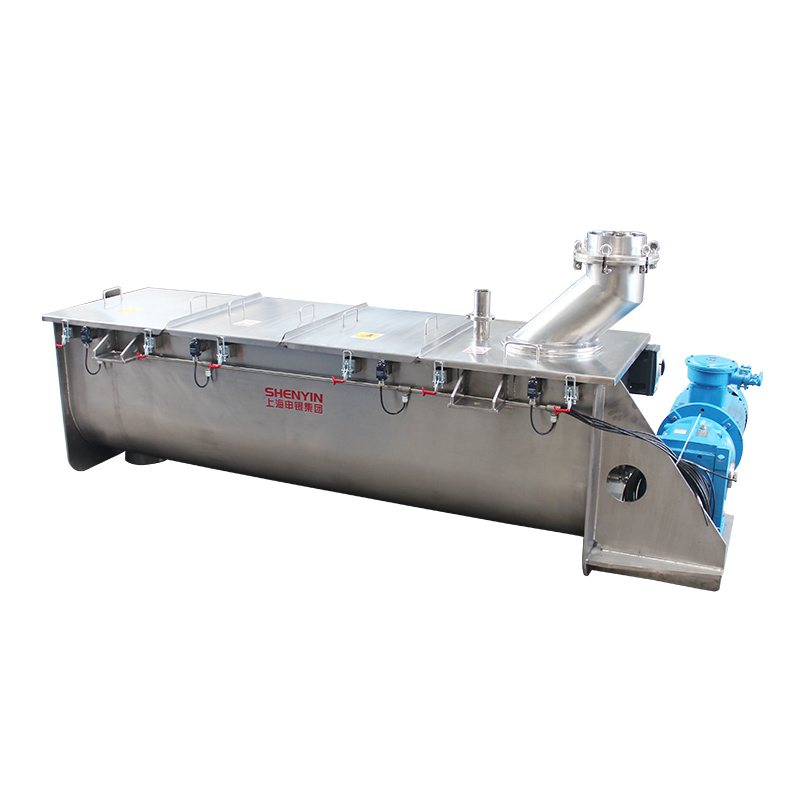 CM Series Mixer



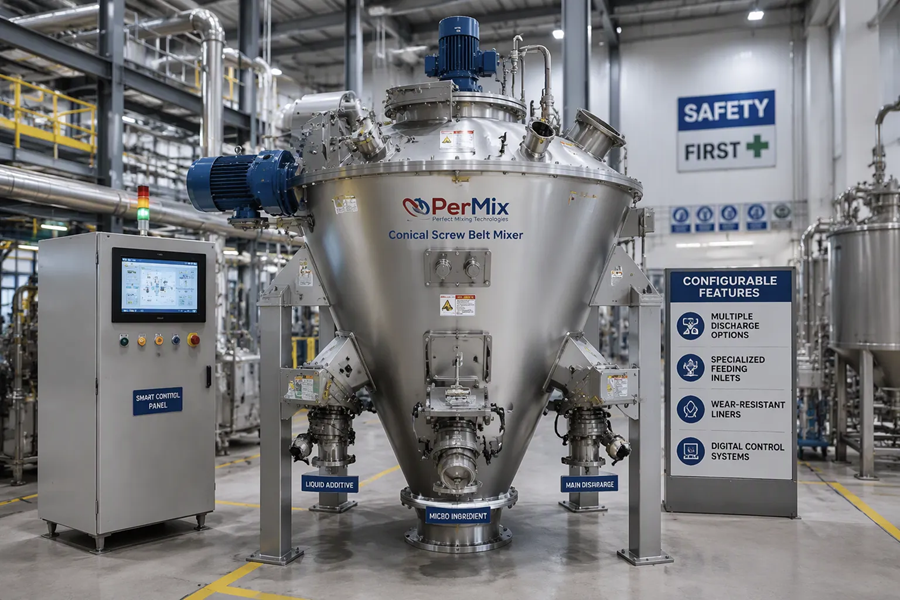

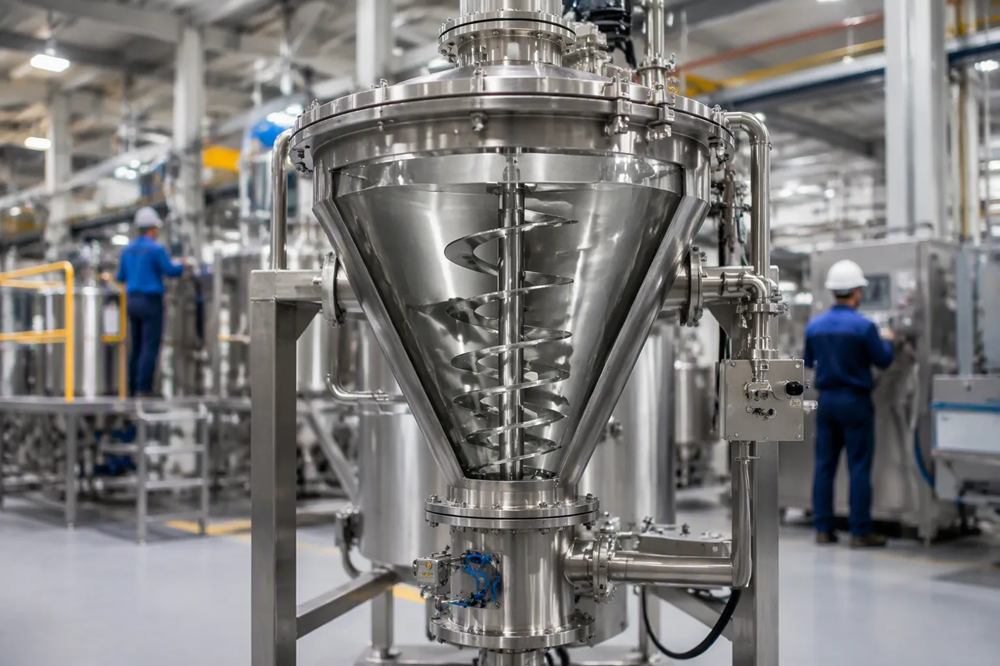
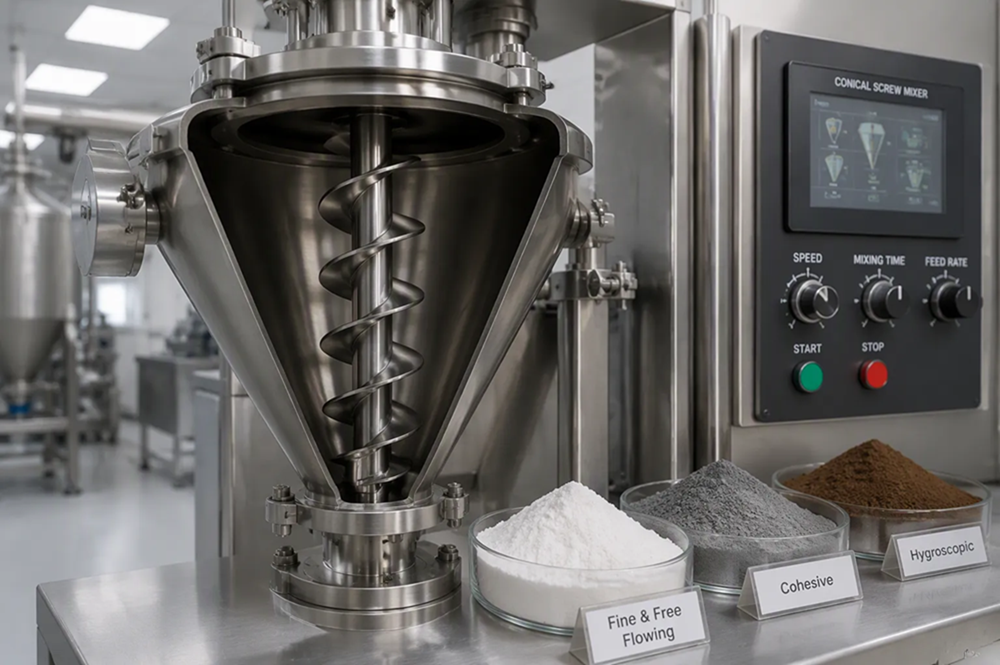
How to Choose the Right Volume Model of Conical Screw Mixer According to Your Batch Output?
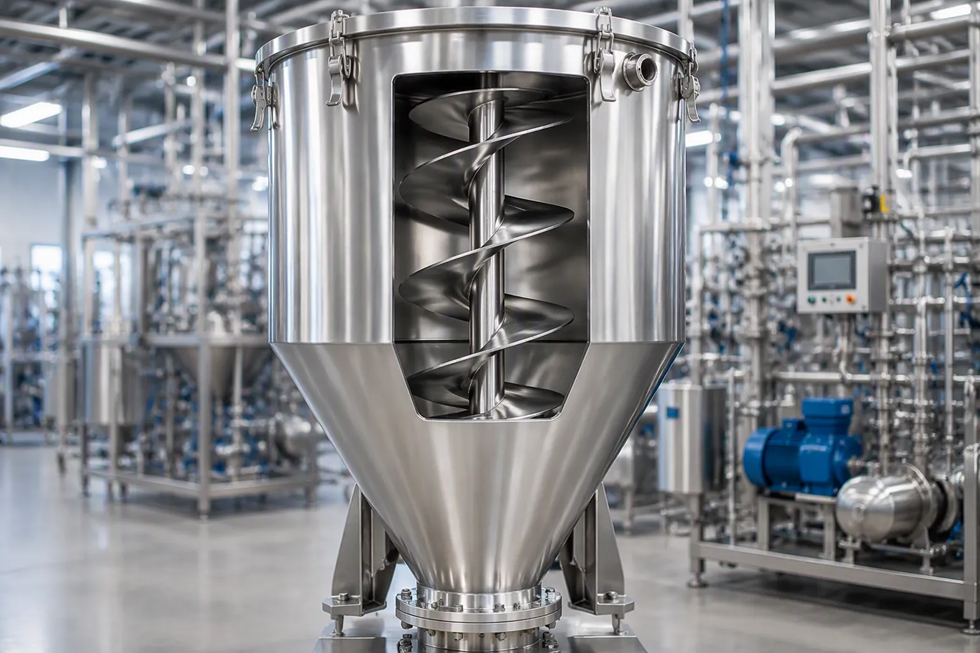 Choosing the wrong mixer size creates real problems. Too small delays production; too large wastes capital and energy. I solve this with a simple calculation using batch output, material bulk density, and a fill factor. For instance, if you need 1,000 kg per batch, I'll show you exactly how to size your Conical Screw Mixer. First, I'll explain the formula. Then, I'll match results to available models. Finally, I'll advise consulting manufacturers for confirmation.
Key Takeaways
- Calculate mixer volume by dividing batch output by bulk density, then divide by a fill factor (0.6–0.8) to get the gross volume needed.
- Match your calculated volume to the mixer's effective capacity, not its total size, because effective volume is only 40–60% of gross volume.
- Avoid oversized mixers; they cause poor mixing. Measure your facility's space and consult manufacturers for final confirmation.
Calculating Mixer Volume from Batch Output 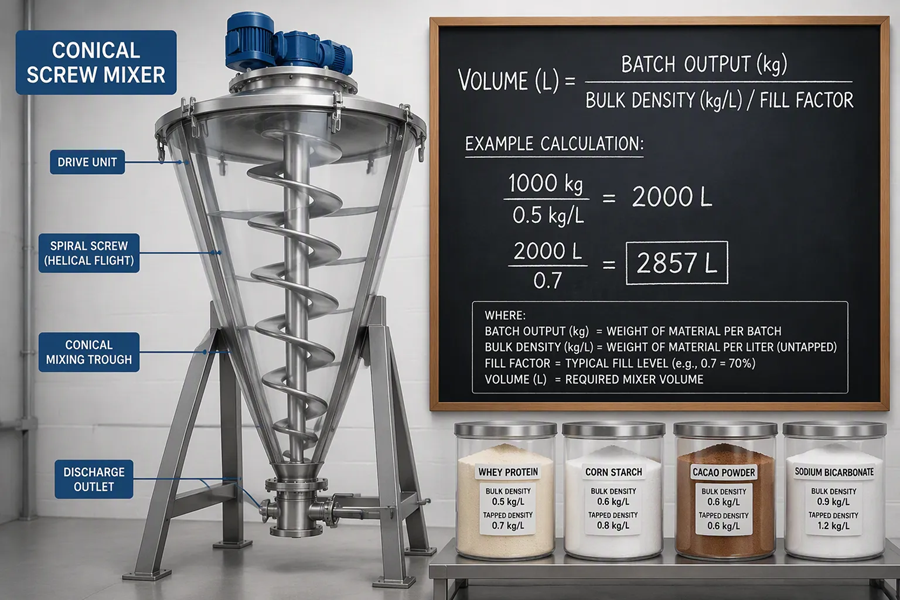
The Essential Formula for Volume Sizing
I start with a straightforward calculation. The required volume in liters equals your batch output in kilograms divided by the material's bulk density in kilograms per liter, then divided again by the fill factor. This fill factor typically ranges from 0.6 to 0.8. Let me walk through an example.
Suppose you need to mix 1,000 kilograms of powder per batch. Your material has a bulk density of 0.5 kilograms per liter. First, divide 1,000 by 0.5. That gives you 2,000 liters. Next, divide 2,000 by the fill factor. Using 0.7 as a value, you get 2,857 liters. This number represents the gross volume you should look for in a Conical Screw Mixer.
The fill factor acts as a safety margin. It prevents overfilling and ensures the mixing screw has enough space to move material effectively. Without this margin, you risk poor mixing quality and potential equipment strain. The effective volume—the usable capacity—always sits below the gross volume, which is the total tank size. Manufacturers design their models with this distinction labeled.
Understanding Bulk Density and Fill Factor
Two density measurements matter for sizing decisions. The table below shows how each one influences your Conical Screw Mixer selection.
| Density Type | Measurement Method | Role in Conical Screw Mixer Sizing |
|---|---|---|
| Bulk Density (loose) | Measured without compaction | Determines vessel volume and motor sizing; dense materials require higher torque drives |
| Tapped Density | Measured after mechanical tapping/compaction | Used alongside bulk density to assess powder flow and compaction behavior, informing the required mixing energy and vessel design |
Bulk density measures the mass of uncompressed powder per unit volume, whereas tapped density requires the powder to be compacted by tapping before measurement.
I recommend measuring your actual material rather than relying on supplier data sheets. Powders vary significantly between batches and suppliers. A small error in density estimation leads to a larger error in volume calculation.
The fill factor deserves attention. A 0.6 fill factor suits materials that aerate easily or have poor flow characteristics. A 0.8 fill factor works for free-flowing, dense powders. When uncertain, I choose the lower value. An oversized Conical Screw Mixer wastes energy and floor space. An undersized mixer causes production delays and inconsistent blends.
Consider how the material behaves during mixing. Some powders expand when agitated. Others compact under their own weight. The tapped density gives you insight into this behavior. Materials with a large gap between bulk and tapped density tend to compact during mixing. These materials require more headroom in the vessel and a lower fill factor.
I recommend calculating your required volume twice. First with bulk density and a 0.7 fill factor. Then with tapped density and a 0.6 fill factor. The larger result becomes your target gross volume. This approach protects your production schedule and your investment.
Matching Volume to Conical Screw Mixer Models 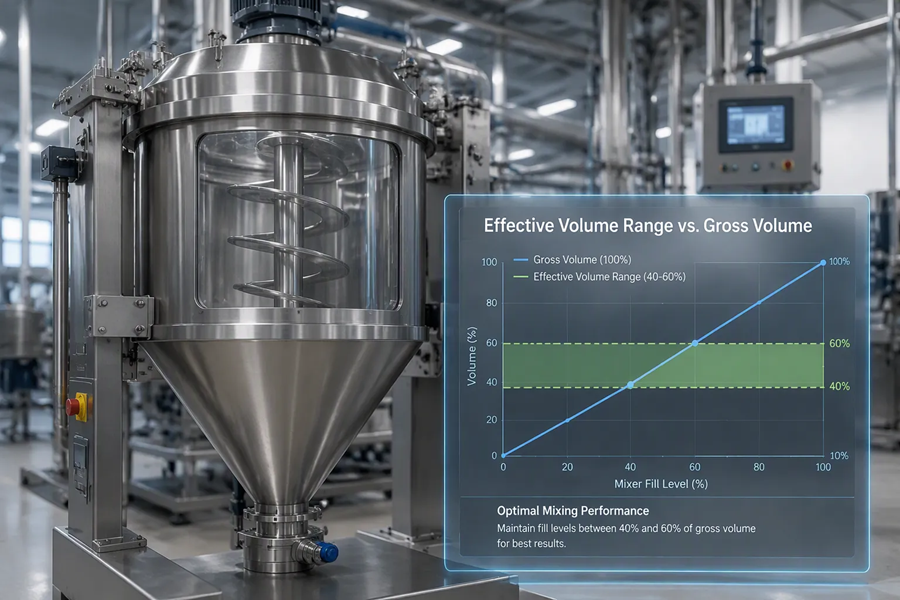
Navigating Model Specifications and Capacity Ranges
Conical screw mixers come in many sizes. The table below shows typical model categories and their usable working volumes.
| Model Category | Usable Working Volume (L) |
|---|---|
| Lab / Pilot | 20 – 200 |
| Small Production | 300 – 1,000 |
| Medium Production | 1,500 – 5,000 |
| Large Production | 6,000 – 20,000 |
| Custom Industrial | 25,000 – 60,000+ |
I advise readers to compare their calculated volume against the effective volume of potential models, not the gross volume. The gross volume represents the total tank size. The effective volume represents the usable mixing capacity.
The table below illustrates how gross volume relates to effective volume across different sizes.
| Gross Volume (L) | Effective Volume (L) | Effective/Gross Ratio |
|---|---|---|
| 100 | 40–60 | 40–60% |
| 300 | 120–180 | 40–60% |
| 500 | 200–300 | 40–60% |
| 1,000 | 400–600 | 40–60% |
| 1,500 | 600–900 | 40–60% |
| 2,000 | 800–1,200 | 40–60% |
| 3,000 | 1,200–1,800 | 40–60% |
| 4,000 | 1,600–2,400 | 40–60% |
| 5,000 | 2,000–3,000 | 40–60% |
| 6,000 | 2,400–3,600 | 40–60% |
| 8,000 | 3,200–4,800 | 40–60% |
| 10,000 | 4,000–6,000 | 40–60% |
| 12,000 | 4,800–7,200 | 40–60% |
| 15,000 | 6,000–9,000 | 40–60% |
| 20,000 | 8,000–12,000 | 40–60% |
| 25,000 | 10,000–15,000 | 40–60% |
| 30,000 | 12,000–18,000 | 40–60% |
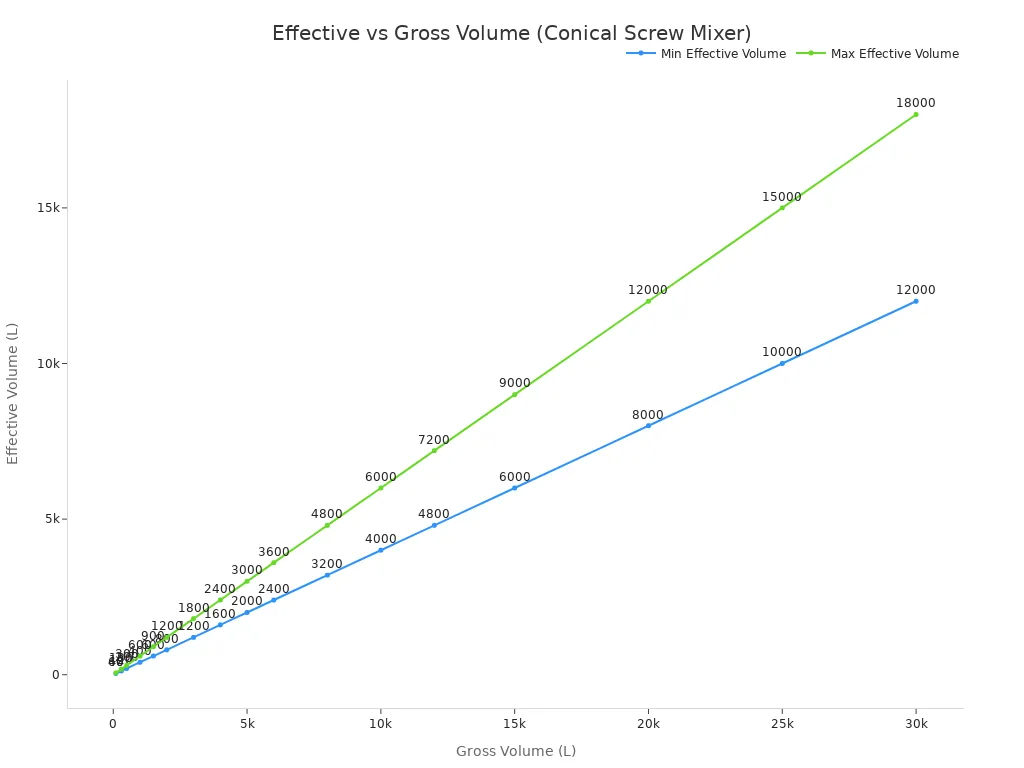
I note that the effective volume typically sits at 40 to 60 percent of the gross volume. This ratio holds across the entire size range. For example, one manufacturer offers a Conical Screw Mixer with a total volume range of 300 to 30,000 liters. The usable mixing capacity ranges from 100 to 15,000 liters.
Consistent mixing quality at 15–100% fill levels
This block quote comes from industry standards. It tells me that a well-designed mixer can handle a wide range of fill levels. However, I still recommend matching your batch size closely to the model's effective volume.
The table below shows specific models with their full and work volumes.
| Model | Full Volume (L) | Work Volume (L) |
|---|---|---|
| PRO – NM - 250 | 250 | 175 |
| PRO – NM - 500 | 500 | 350 |
| PRO – NM - 1000 | 1000 | 700 |
| PRO – NM - 2000 | 2000 | 1400 |
| PRO – NM - 3000 | 3000 | 2100 |
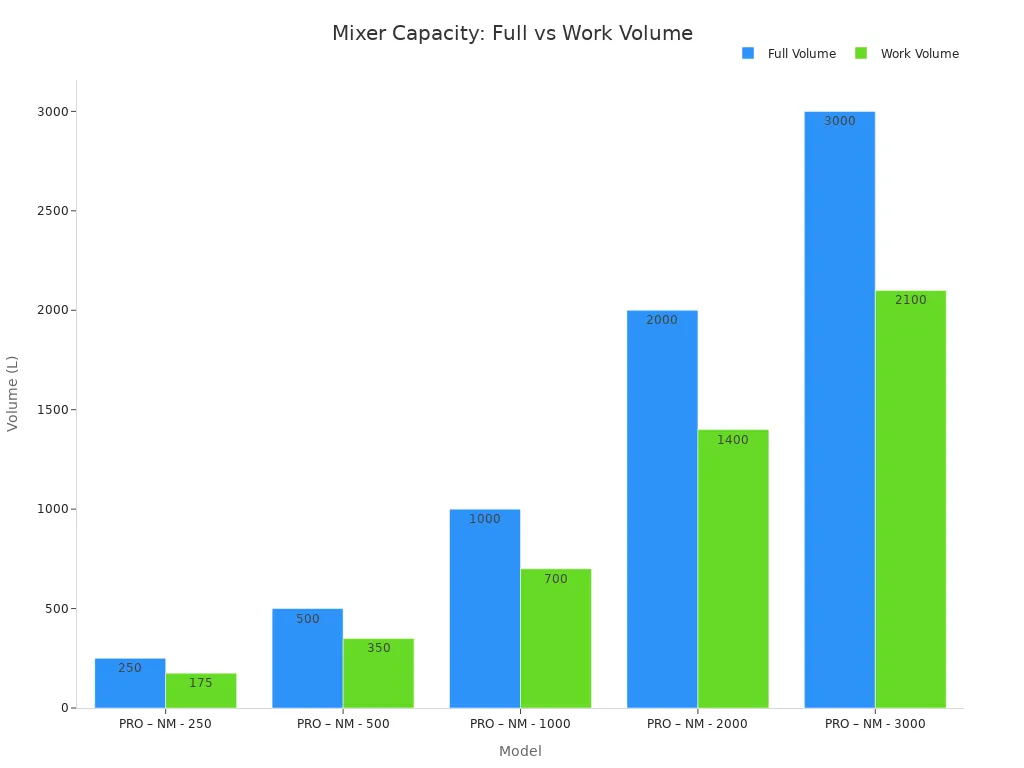
I see that the work volume sits at roughly 70 percent of the full volume for these models. This aligns with the fill factor concept I discussed earlier.
Key Factors Beyond Volume: Space, Time, and Scalability
I warn against choosing an oversized mixer. If the batch volume is too small relative to the mixer capacity, a homogeneous mix may not be achieved. The screw needs sufficient material to create proper flow patterns.
I also consider facility floor space and headroom. Larger models require more room. A Conical Screw Mixer has a tall, conical shape. It needs vertical clearance for installation and maintenance. I recommend measuring your facility dimensions before finalizing a model.
For very high throughput, I ask whether a batch mixer or a continuous mixer fits better. The conical screw type is a batch mixer. It works well for most production needs. Continuous mixers suit very high volume, steady-state operations. However, batch mixers offer more flexibility for different recipes and formulations.
Limited scalability beyond ~3,000 liters without custom engineering. Consider future scalability if production will grow.
This block quote reminds me to think ahead. If I expect production to grow, I should choose a model that can scale. Some manufacturers offer standard models up to 3,000 liters. Beyond that, custom engineering becomes necessary.
Mixing time and efficiency depend on the batch-to-volume ratio. I always consult manufacturer guidelines for optimal performance. Each model has a recommended fill range. Operating within that range ensures consistent results.
I've shown you the two-step path. First, calculate required volume using batch output divided by bulk density, then divided by fill factor. Second, match that number to a model's effective capacity. Avoid oversizing—it ruins mixing quality. Measure your facility's space carefully. Now take your calculations to a reputable Conical Screw Mixer manufacturer for expert confirmation and a quote.
FAQ
What happens if I choose a mixer that's too large?
An oversized Conical Screw Mixer fails to achieve homogeneous mixing. The screw needs sufficient material to create proper flow patterns. Small batches leave dead zones where powder never circulates.
How do I measure bulk density for my material?
Weigh a known volume of loose powder. Divide the weight by the volume. Repeat three times and average the results. This gives you the bulk density value for your calculation.
Can I use the same mixer for different materials?
Yes, but recalculate the required volume for each material. Different bulk densities change the batch capacity. A material with lower density occupies more space for the same weight.