
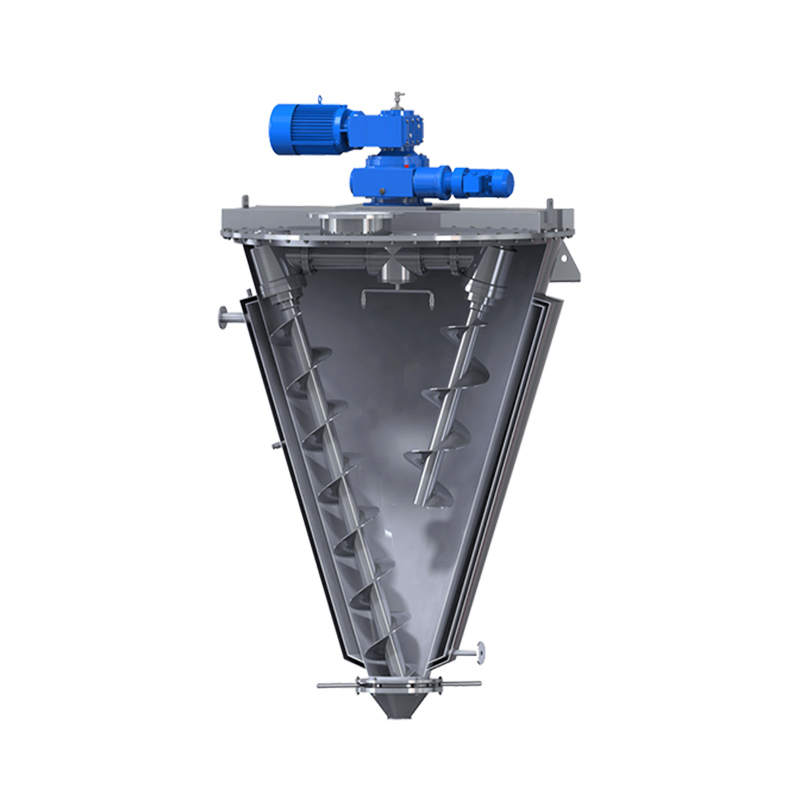
 Conical Screw Mixer
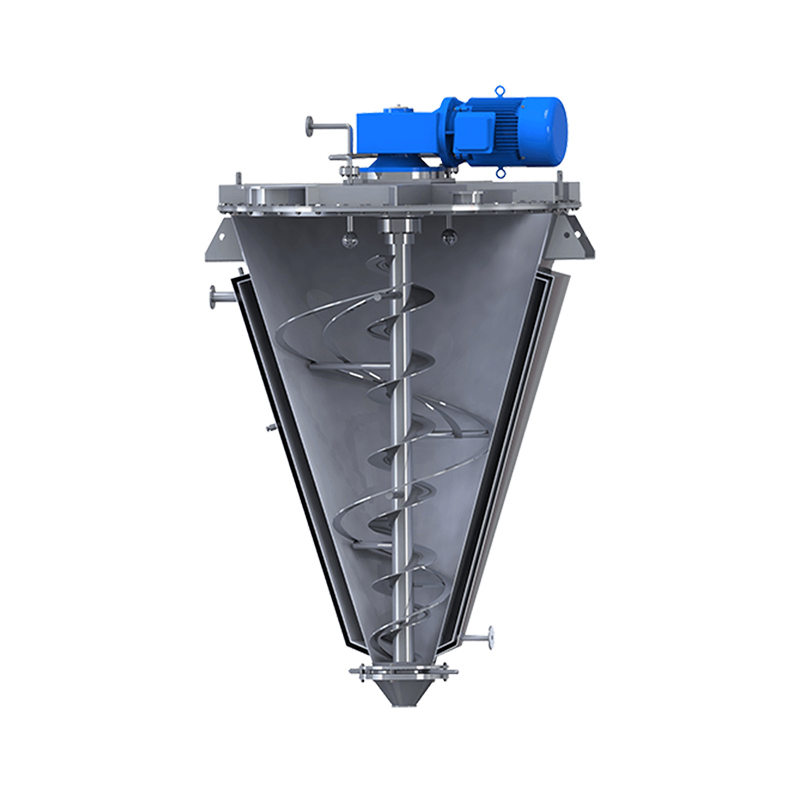 Conical Screw Belt Mixer
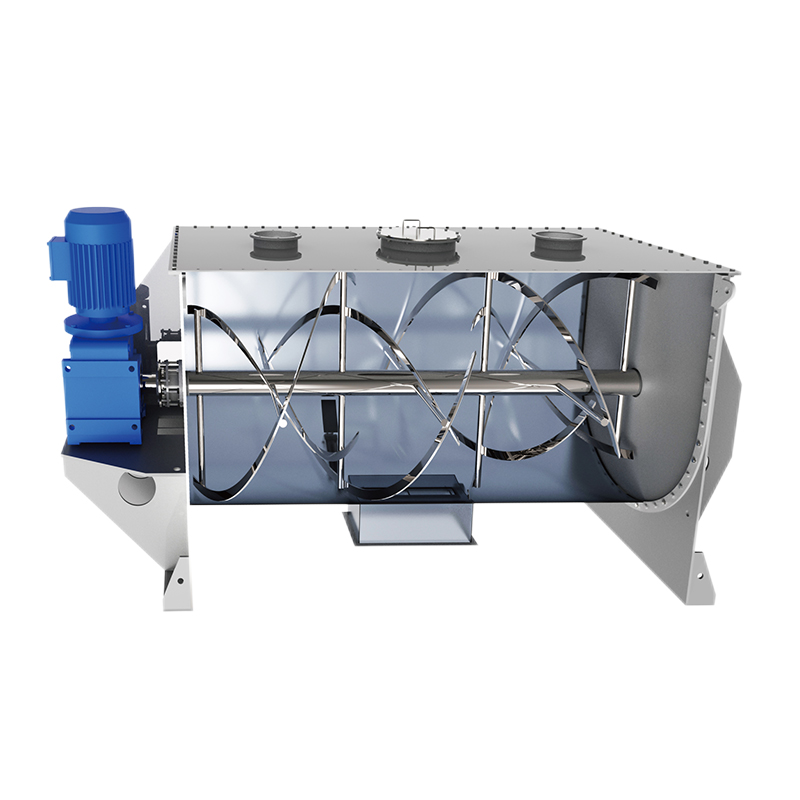 Ribbon Blender
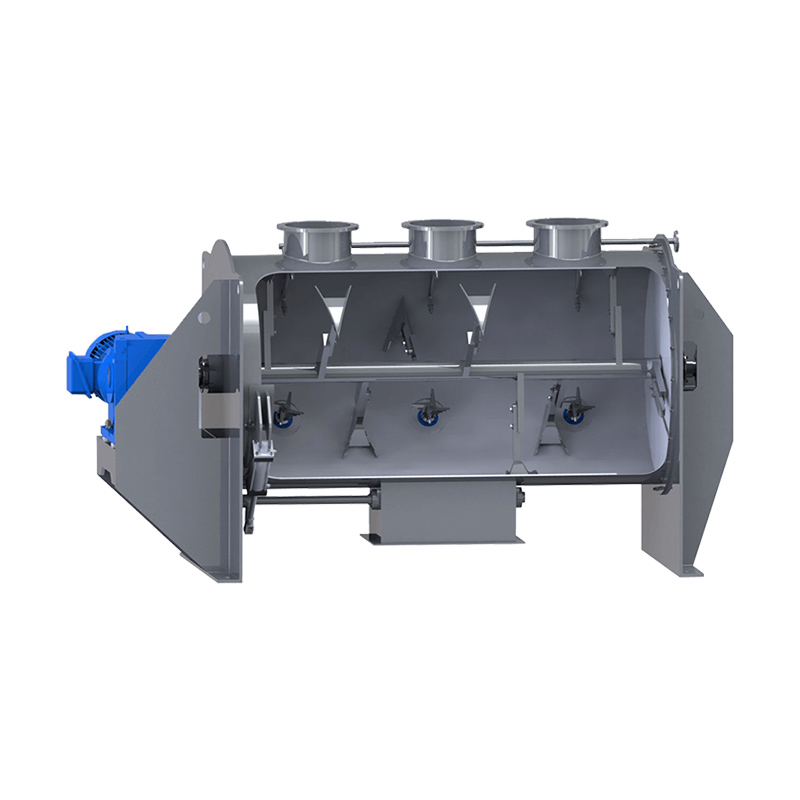 Plough-shear Mixer
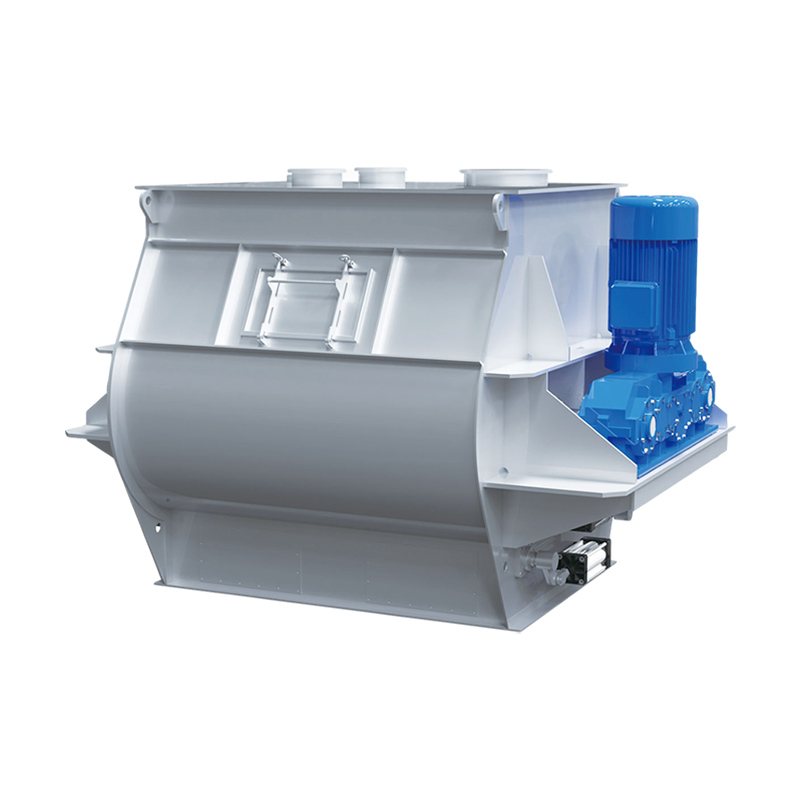 Double Shaft Paddle Mixer
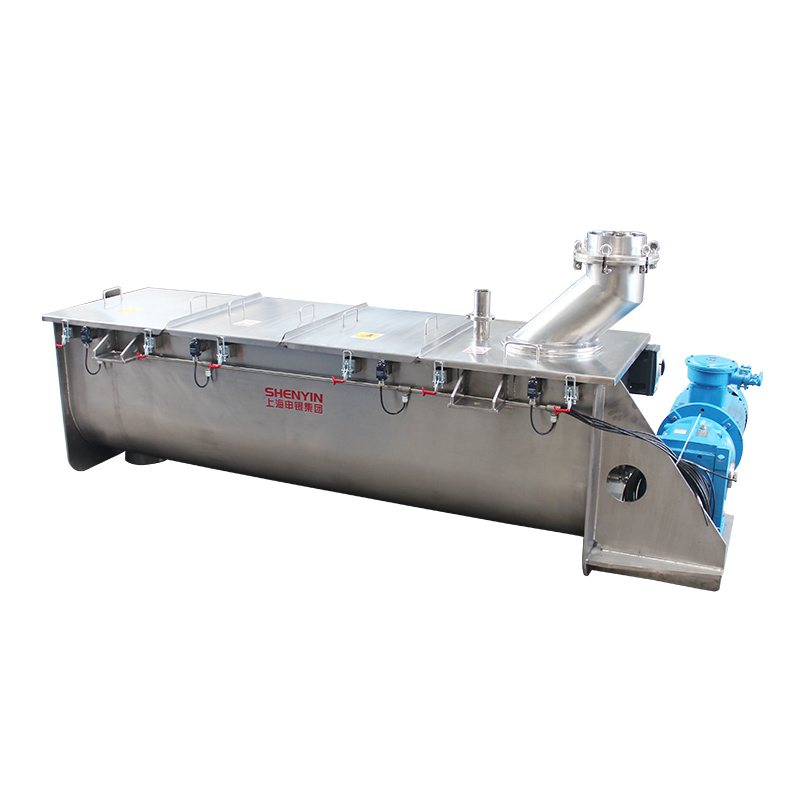 CM Series Mixer



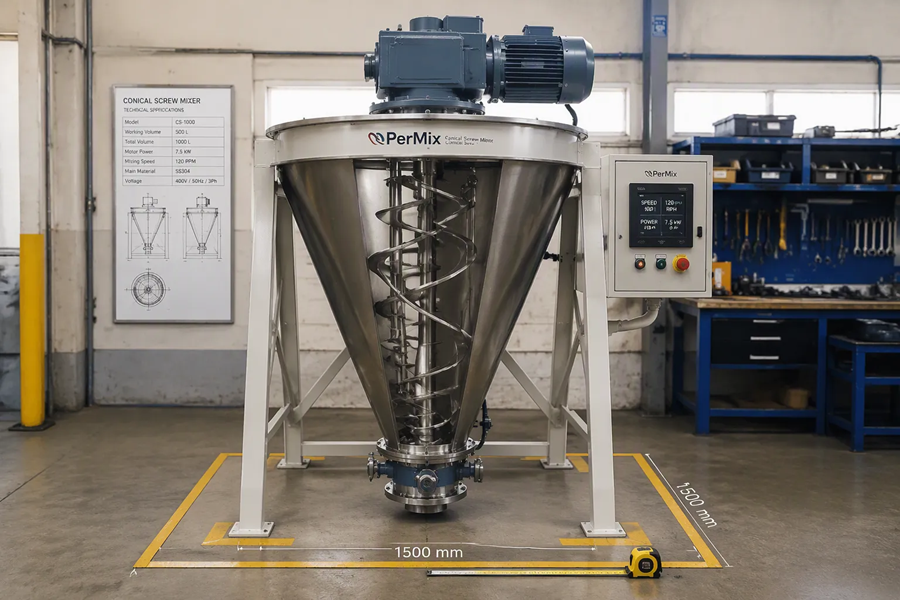
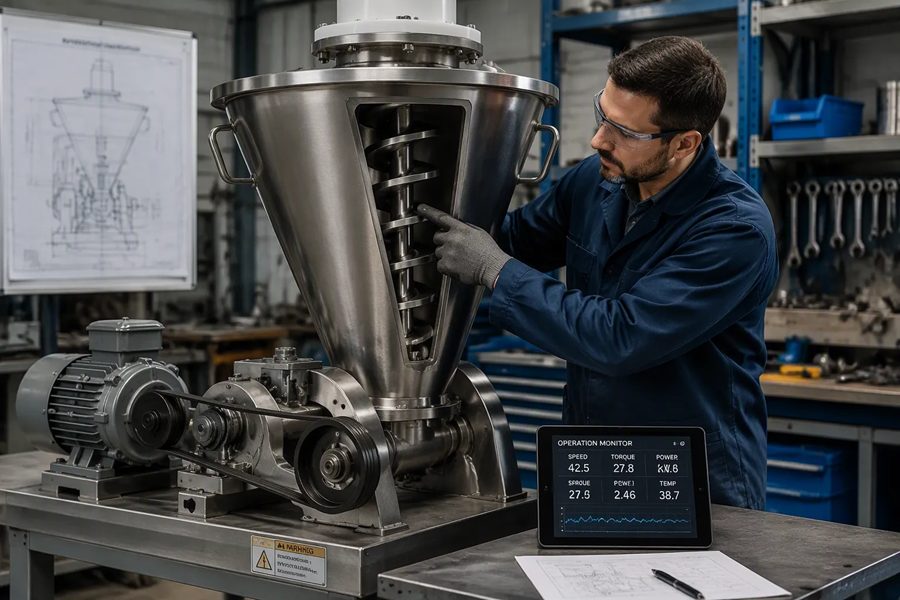
What Factors Affect the Quotation of Conical Screw Mixer From Chinese Manufacturers?
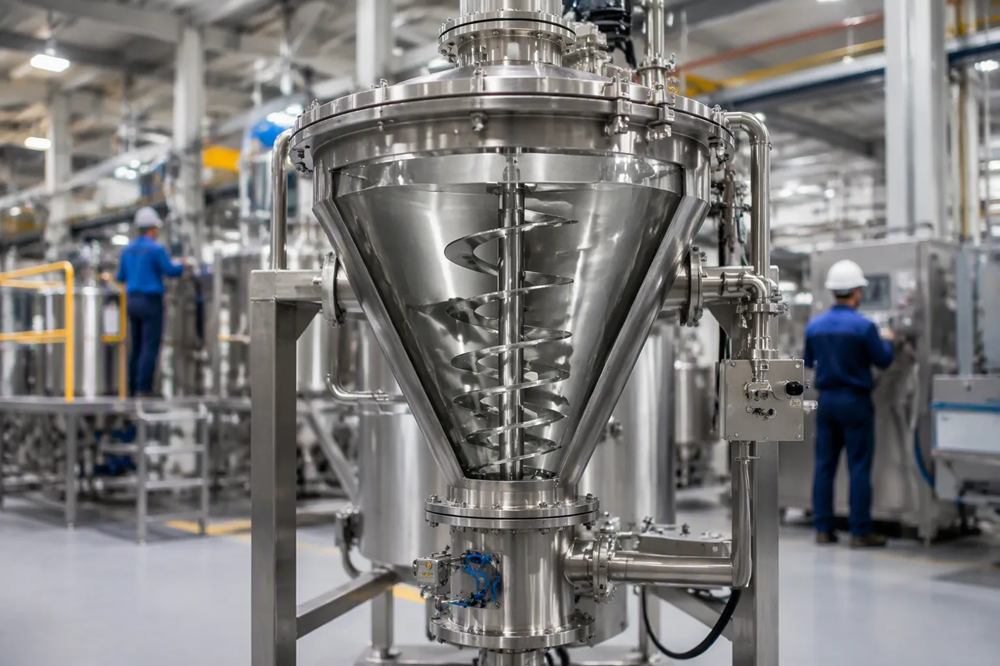
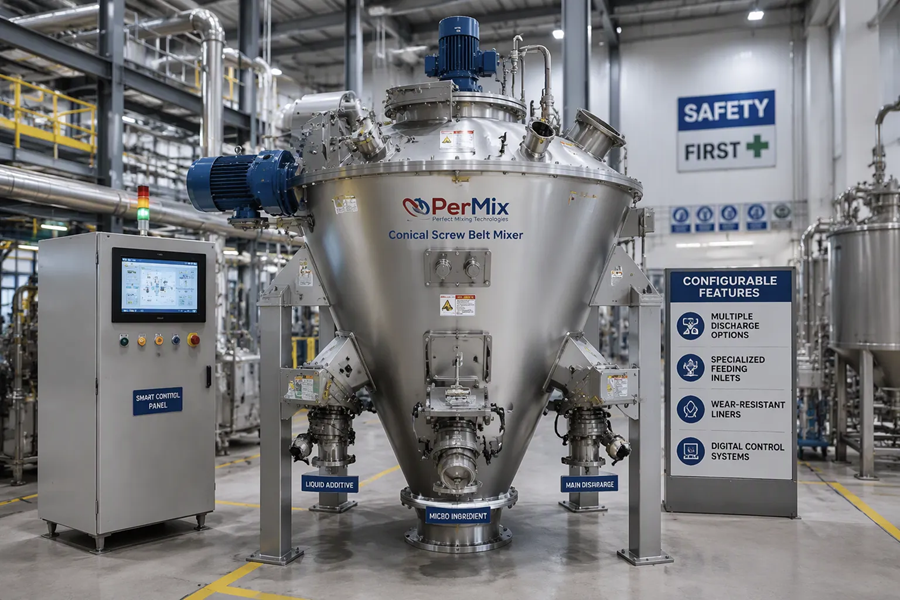
Quoting a Conical Screw Mixer involves many variables. I focus on three critical factors: material type, media characteristics, and batch volume. Stainless steel versus carbon steel changes the base price significantly. Your powder's flowability or liquid's viscosity alters motor requirements. Larger batch volumes typically lower per-unit costs. Understanding these variables helps me compare manufacturer quotes effectively.
Key Takeaways
- Choose the right material: stainless steel costs more but resists corrosion, while carbon steel saves money but may rust.
- Match the mixer design to your material's density, flow, and moisture to avoid extra costs and ensure performance.
- Order larger batches or multiple units to lower the price per machine and get better value.
Material Quality and Specifications for Conical Screw Mixer
Stainless Steel vs. Cost-Effective Metals
The metal you choose for the mixing chamber and screw sets the foundation of any quotation. I see many buyers default to stainless steel without realizing how much it shifts the price. Grade 304 stainless steel offers excellent corrosion resistance for most food, pharmaceutical, and chemical powders. Grade 316L adds molybdenum, which resists chloride attack far better. That upgrade alone can raise material costs noticeably because 316L commands a premium in the Chinese steel market.
Carbon steel presents the budget alternative. It costs substantially less per ton than either stainless grade. However, carbon steel rusts when exposed to moisture or acidic media. I always warn buyers that a carbon steel Conical Screw Mixer may require protective coatings or frequent repainting. Those maintenance expenses can erase the initial savings within a few years. For dry, non-corrosive powders with low moisture content, carbon steel often performs adequately. For anything hygroscopic or acidic, I recommend stainless steel without hesitation.
The surface finish also affects the quote. A mirror-polished interior reduces product adhesion and simplifies cleaning. Standard industrial finishes cost less but may trap residue in microscopic crevices. Pharmaceutical and food applications typically demand the higher polish, which adds labor time and therefore cost.
Key Features Impacting Conical Screw Mixer Cost
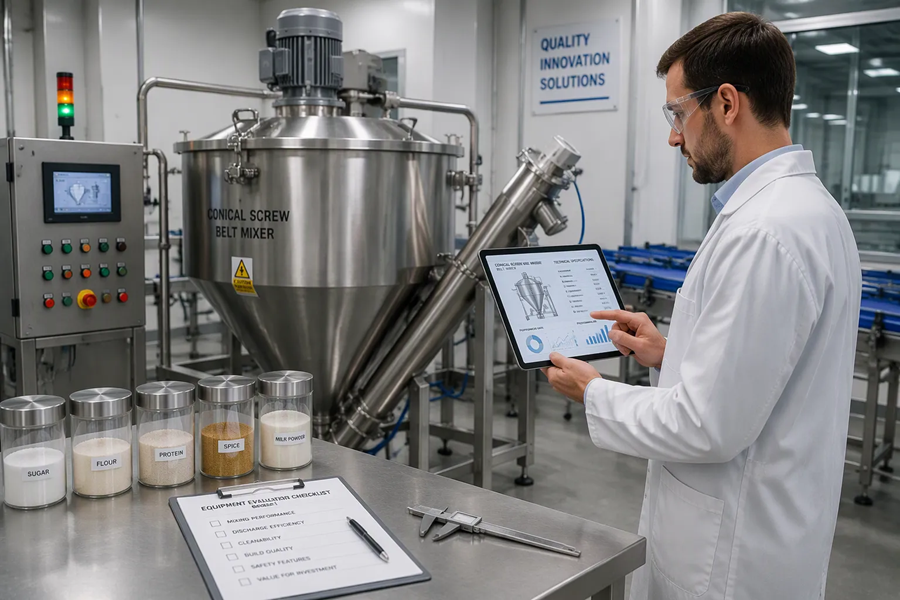
Beyond the metal itself, the media characteristics dictate the internal design. I evaluate three properties first: bulk density, flowability, and moisture content. Each one changes the engineering requirements.
Bulk density tells me how heavy the powder sits per unit volume. A dense material like titanium dioxide requires a sturdier screw and a more powerful motor to lift and circulate the batch. Light, fluffy powders like aerosil need gentler handling to prevent dust explosions or excessive aeration. The motor power rating scales with the torque required to move that specific media.
Flowability determines the screw pitch and rotational speed. Free-flowing granules move easily through a standard pitch. Cohesive powders, such as wet pigments or sticky resins, tend to bridge and clog. I then specify a variable-pitch screw that compresses near the bottom and expands toward the top. That geometry costs more to manufacture than a uniform pitch.
Moisture content influences both material selection and sealing components. Wet media accelerates corrosion, pushing me toward 316L stainless steel. High-moisture environments also demand better shaft seals to prevent leakage into the gearbox. These seals add cost but protect the drive system from premature failure.
Each of these factors compounds. A simple carbon steel unit for dry sand might quote at a baseline figure. The same machine in 316L with a variable-pitch screw, polished interior, and explosion-proof motor for a moist, cohesive chemical powder could quote at two to three times that baseline. I always ask manufacturers to specify which assumptions they used for my media. Without that breakdown, I cannot compare quotes fairly.
Market Dynamics and Order Scale
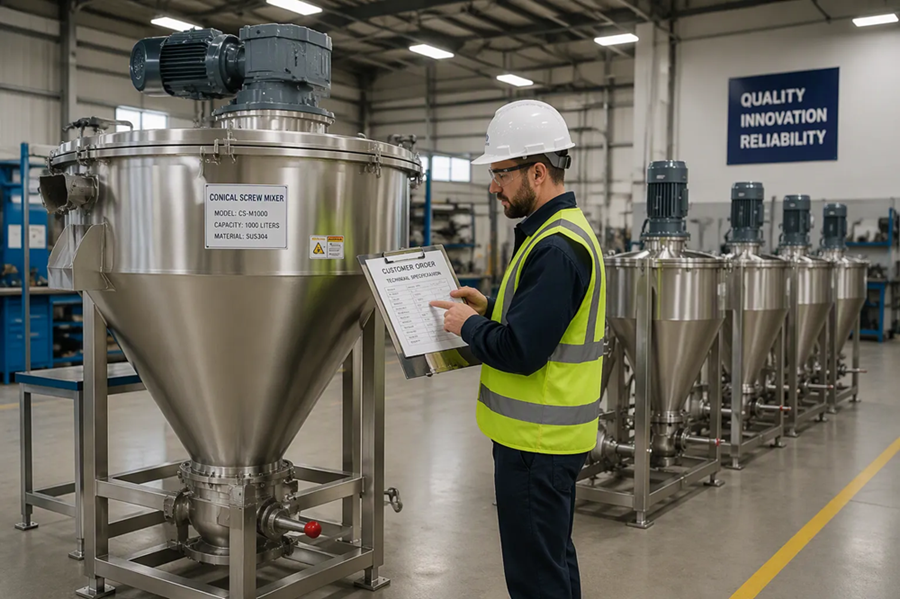
Batch Volume, Feed Rate, and Capacity Requirements
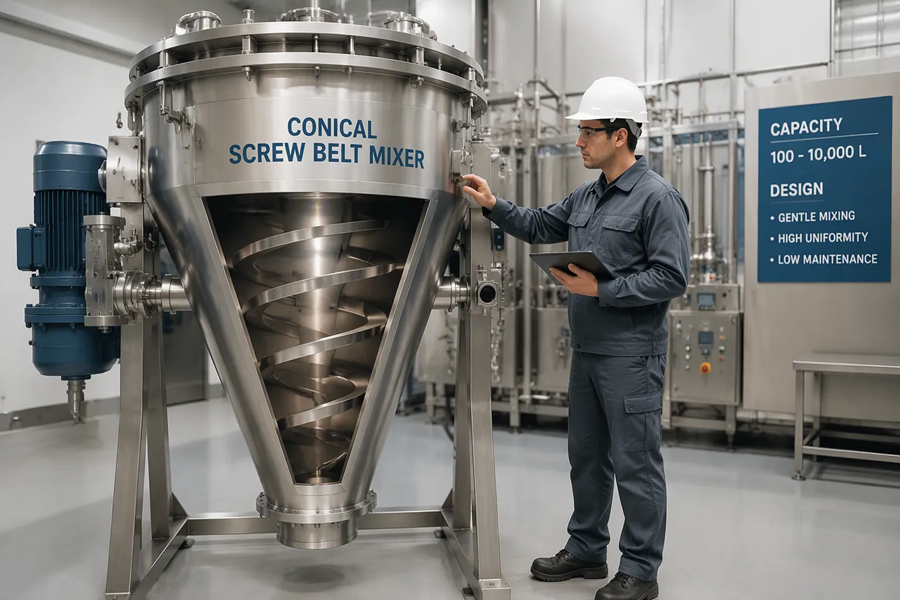
The batch volume you specify changes the quotation more than any other ordering variable. I see buyers compare quotes for machines of different sizes without realizing they are comparing different product categories. A 500-liter Conical Screw Mixer costs substantially less per liter of working capacity than a 5,000-liter unit. The relationship is not linear. Larger vessels require thicker steel plates, heavier drive trains, and more robust support structures. These components scale at different rates than the vessel volume itself.
I always ask manufacturers for their standard capacity range. Chinese factories produce certain sizes in high volume, which lowers their manufacturing cost per unit. A machine that falls outside that standard range requires custom fabrication. Custom work means new tooling setups, additional engineering time, and slower production schedules. The manufacturer passes those costs into the quotation.
Feed rate matters just as much as total capacity. A buyer who needs to discharge 10 tons per hour needs a larger discharge valve and a more powerful screw drive than someone processing 2 tons per hour. The motor size, gearbox rating, and valve diameter all increase with the required throughput. I recommend specifying both your batch size and your desired cycle time. That combination tells the manufacturer exactly which components to quote.
Order quantity also shifts the unit price. A single machine carries the full burden of engineering setup and project management. When I order five identical units, the manufacturer spreads those fixed costs across the entire batch. They can also purchase raw materials in larger quantities, securing better steel prices from their suppliers. I typically see unit prices drop between 10 and 20 percent when order quantities move from one to five machines, though the exact discount depends on the factory's current workload.
Supply Chain Volatility and Manufacturer Pricing
Chinese manufacturers quote prices based on today's raw material costs, not tomorrow's. Steel prices fluctuate with global demand, iron ore costs, and domestic production policies. When stainless steel prices rise sharply, manufacturers adjust their quotations within weeks. I have seen quotes change by 5 percent or more between initial discussion and final purchase order when steel markets moved unexpectedly.
Motor prices follow a similar pattern. Most Chinese mixers use electric motors from domestic brands like WEG or Siemens' Chinese joint ventures. Copper prices drive motor costs, and copper trades on global exchanges with daily price swings. A manufacturer who quotes a fixed price for delivery three months away assumes the risk of copper price increases during that period. Many factories protect themselves by adding a price adjustment clause or by limiting their quotation validity to 30 days.
I advise buyers to lock in quotations quickly when market conditions appear stable. I also recommend asking the manufacturer how they handle raw material price changes between quotation and delivery. Some factories absorb small fluctuations. Others pass the full increase to the buyer. Understanding this policy before signing prevents unpleasant surprises later.
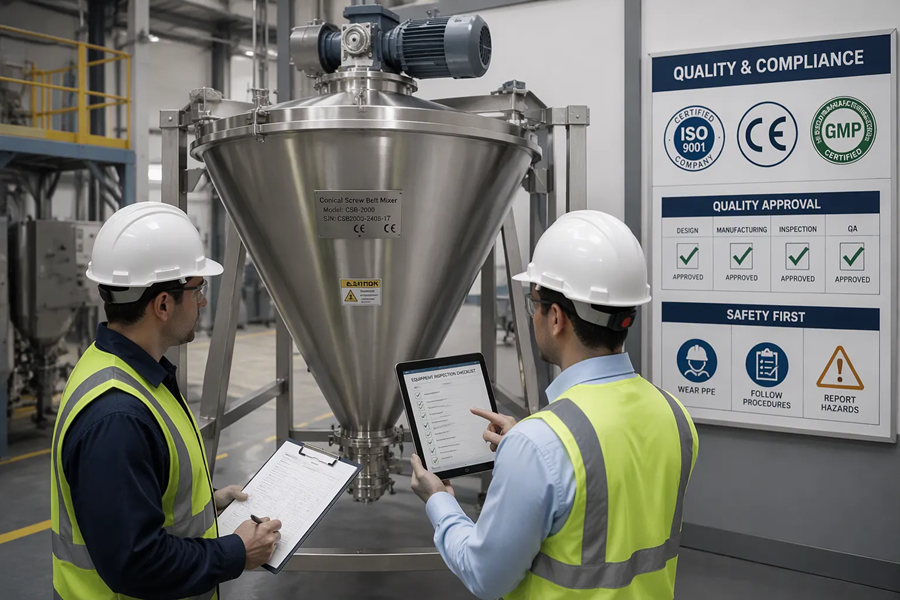
The Chinese manufacturing market operates on thin margins. A factory quoting a Conical Screw Mixer at a suspiciously low price likely plans to cut corners somewhere. They might use thinner steel, a lower-grade motor, or skip quality testing. I always compare the material specifications and component brands across quotes rather than comparing only the final numbers.
A low quotation often signals weak specifications or inferior materials. I always request a detailed breakdown of the stainless steel grade, motor brand, and handling characteristics for my specific media. Use these factors as your negotiation checklist. This approach ensures your Conical Screw Mixer performs reliably for years, not just on paper.
FAQ
How long does a typical quotation stay valid?
I see most manufacturers keep quotations valid for 30 days. Steel and copper price changes can force adjustments after that period.
What if my media characteristics change after quoting?
I always re-verify specifications before placing an order. A different bulk density or moisture level requires a completely new quotation.
Can I negotiate the price for a single machine?
Negotiation works best with multiple units. For one machine, focus on component quality and material grade rather than the final price.