
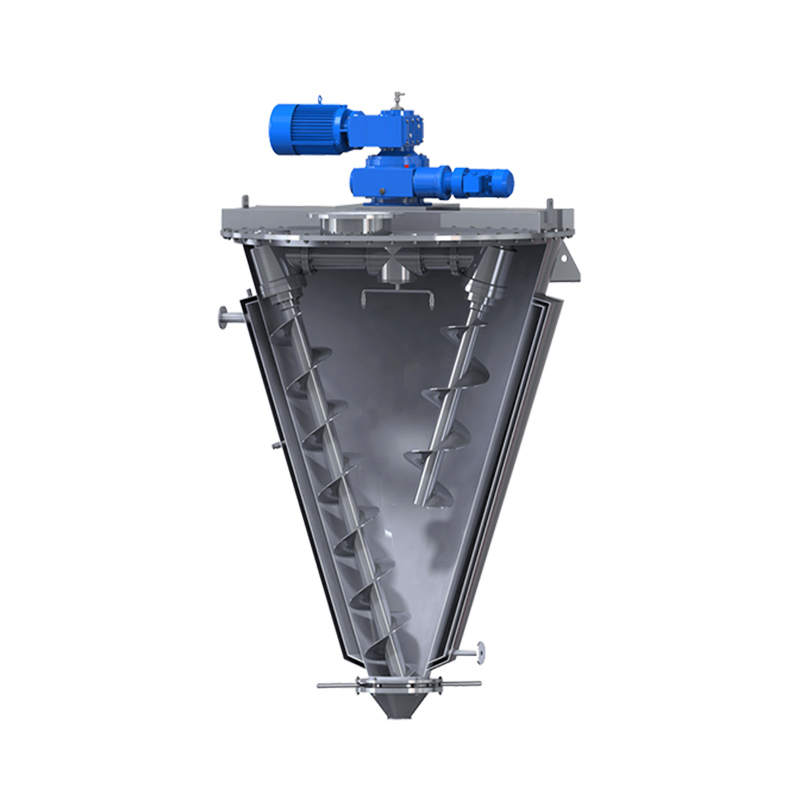
 Conical Screw Mixer
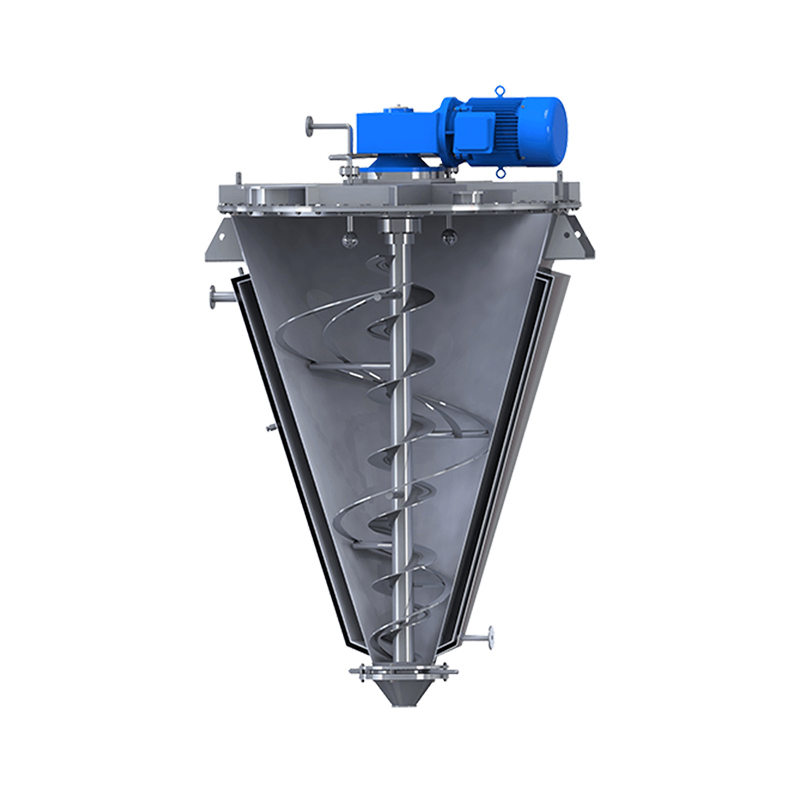 Conical Screw Belt Mixer
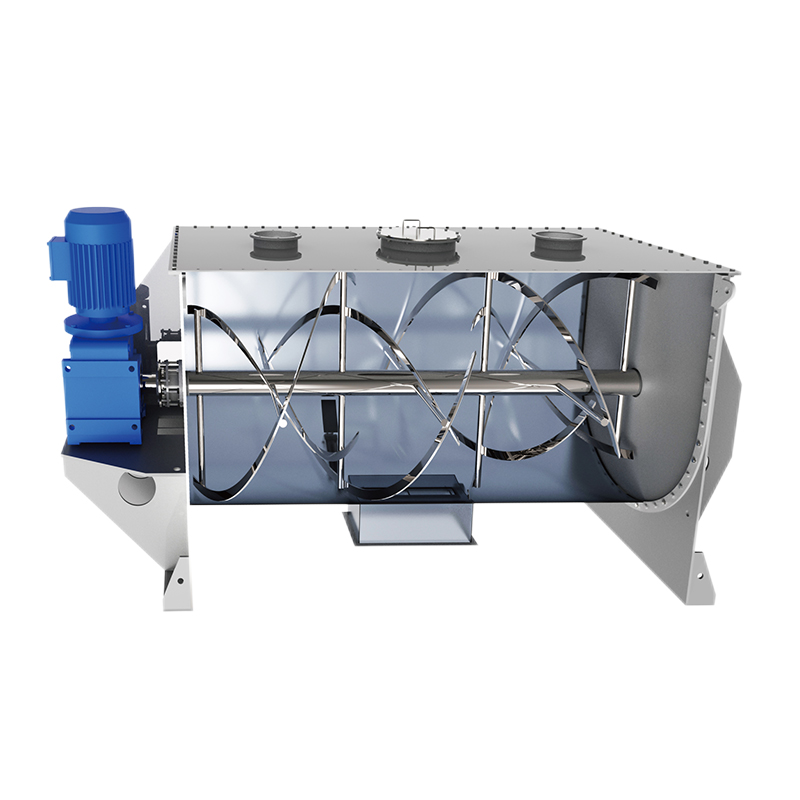 Ribbon Blender
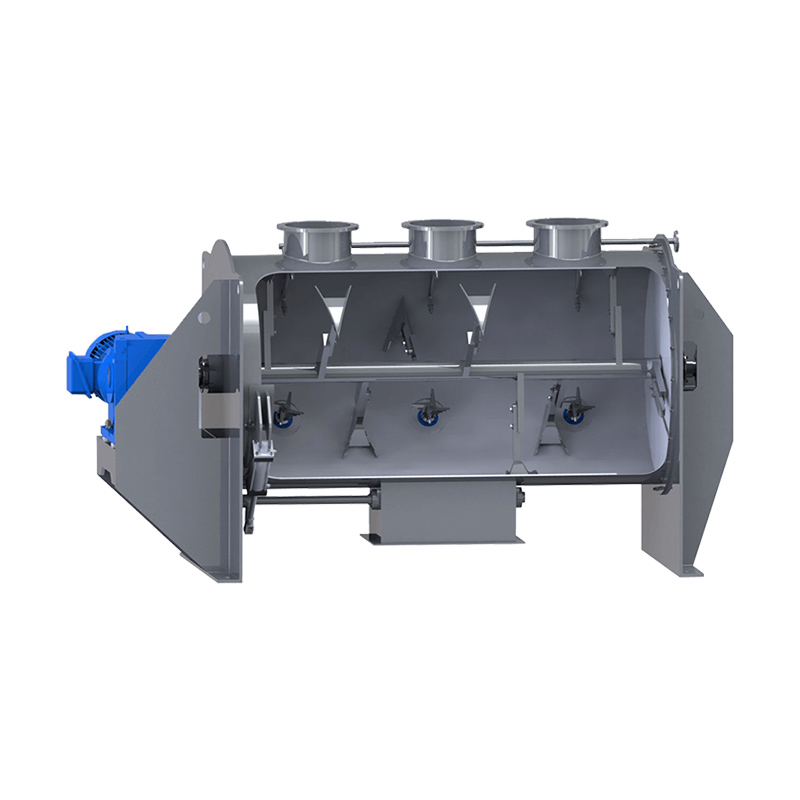 Plough-shear Mixer
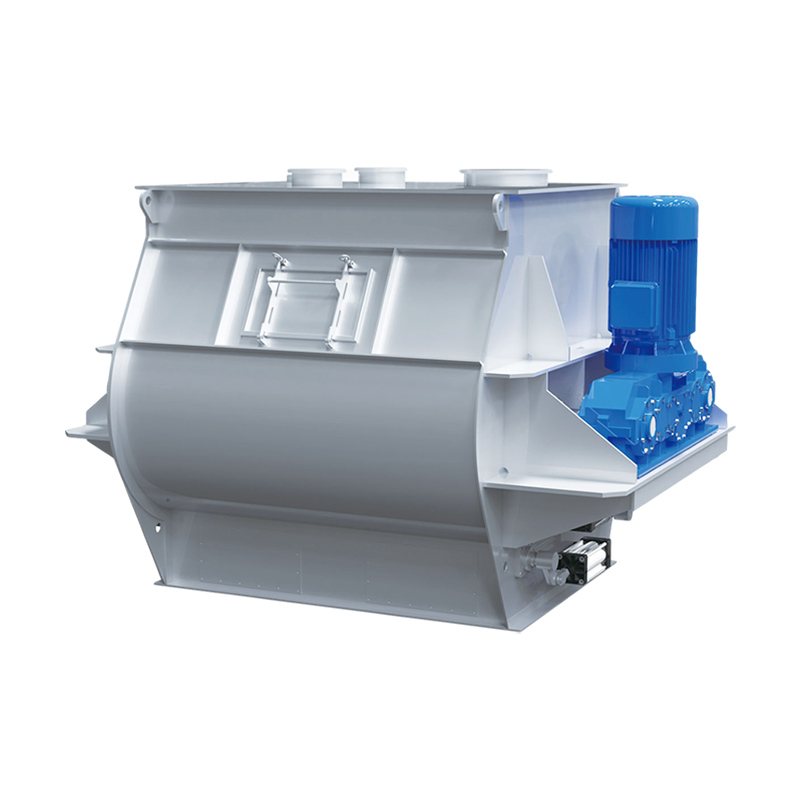 Double Shaft Paddle Mixer
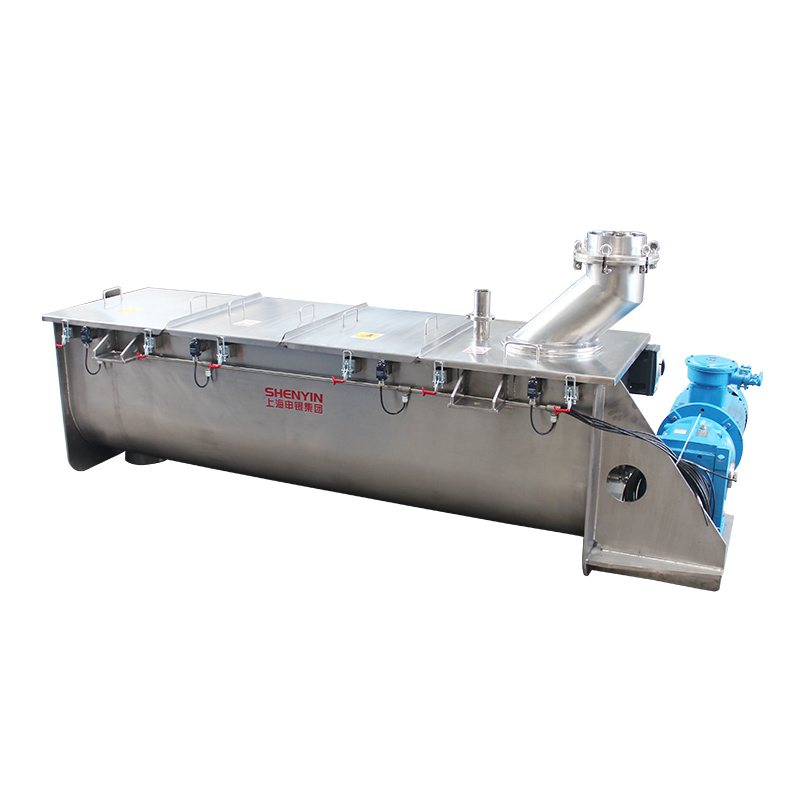 CM Series Mixer



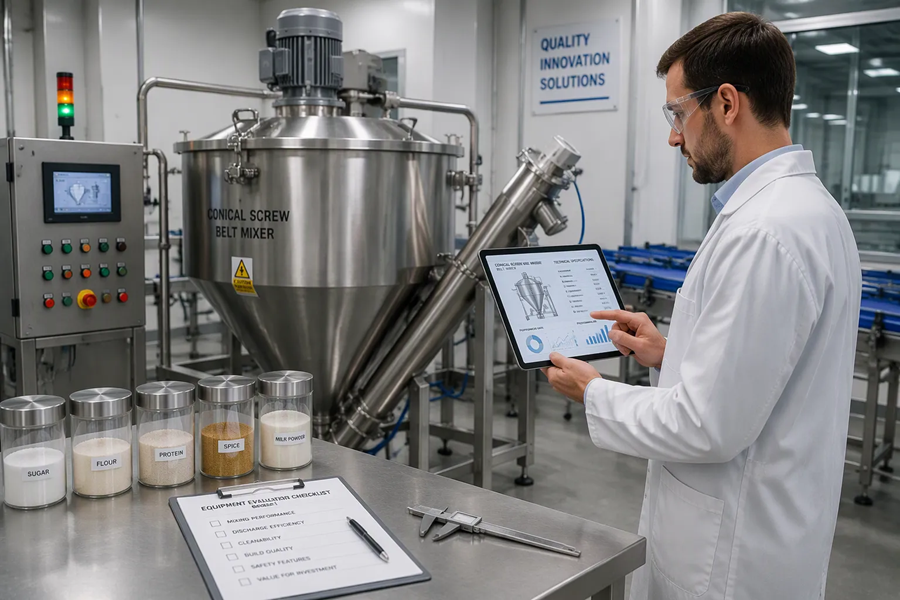

What Common Sourcing Pitfalls Should You Steer Clear of When Buying Conical Screw Belt Mixer?
Quick Answer
The most costly sourcing pitfalls when purchasing a conical screw belt mixer stem from insufficient specification definition before requesting quotations. Buyers frequently underestimate bulk density effects on motor sizing, assume quoted volumes equal actual working capacity, overlook discharge valve compatibility with material flow characteristics, and fail to verify whether quoted lead times account for custom fabrication requirements. The global Conical Mixer market continues to expand across pharmaceutical, food, and chemical sectors, yet procurement teams often lack structured evaluation frameworks. This guide identifies seven critical sourcing pitfalls that lead to equipment underperformance, delayed commissioning, and unbudgeted modification costs—along with practical verification steps to avoid each trap.
Key Takeaways:
●Bulk density, not volume alone, determines motor power and gearbox selection; misjudgment causes overload or insufficient mixing intensity
●Quoted capacity typically represents total vessel volume, not usable working capacity—effective mixing volume is 40-70% of total depending on material flowability
●Discharge valve selection must match material characteristics; standard butterfly valves fail with cohesive or bridging-prone powders
●ISO 9001:2026 transition deadlines require supplier verification for certifications issued under the previous standard
●Factory acceptance testing (FAT) with actual materials prevents commissioning surprises that remote video inspection cannot reveal
Pitfall #1: Confusing Total Volume with Working Capacity
The single most common specification error is accepting quoted mixer volumes at face value without clarifying working capacity versus total vessel volume.
Conical Screw Mixers are rated by total geometric volume (e.g., 1,000L, 2,000L, 5,000L), buteffective mixing capacity depends on material characteristics and typically ranges from 40% to 70% of total volume . For cohesive powders with poor flowability, the usable working volume may fall below 50%. A buyer specifying a “2,000L mixer” for a 1,500L batch requirement may discover the equipment cannot achieve homogeneous mixing at that fill level.
Verification steps:
●Request the manufacturer to confirm maximum working capacity for your specific bulk density and flowability
●Calculate required batch volume based on bulk density (not mass alone)
●For multi-product facilities, specify the most challenging material (lowest flowability, highest density differential) as the design basis
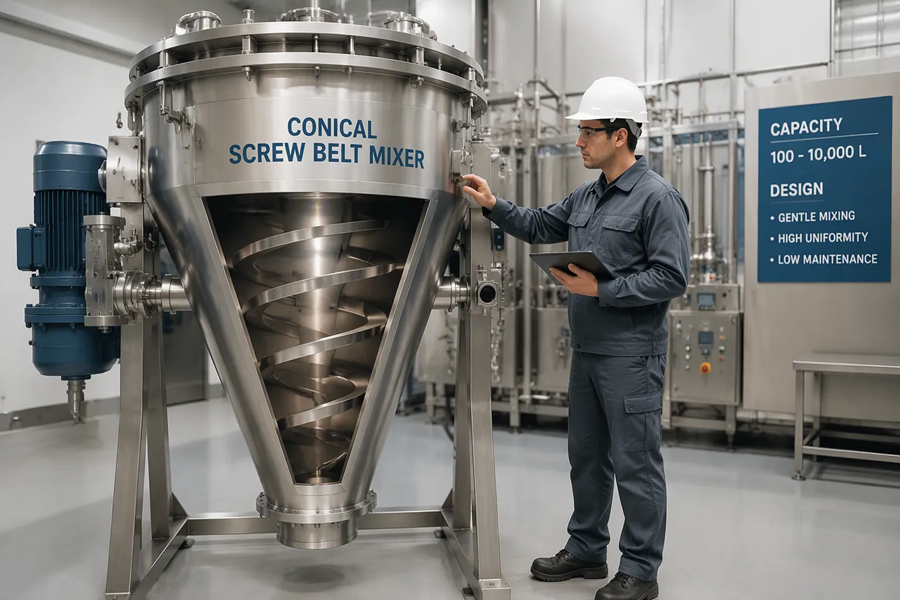
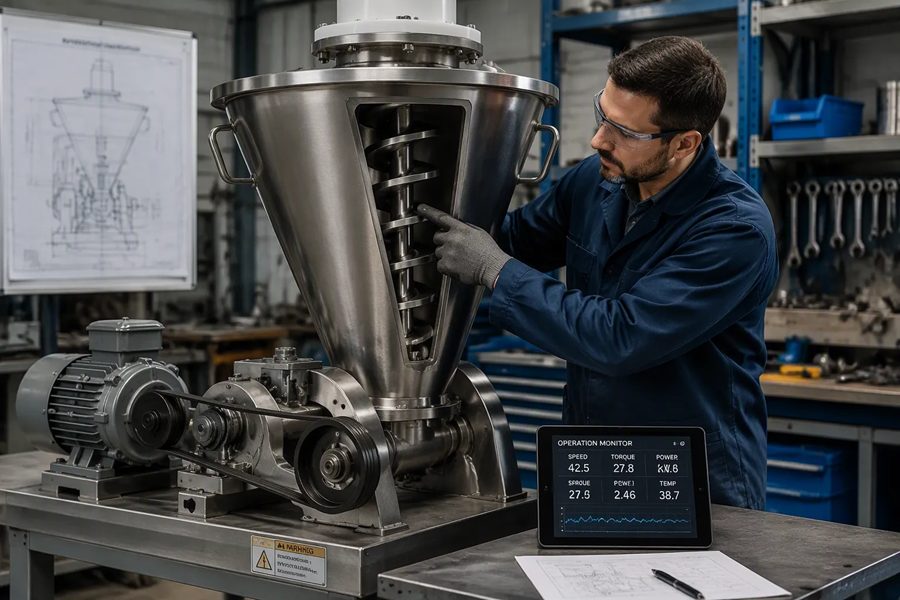
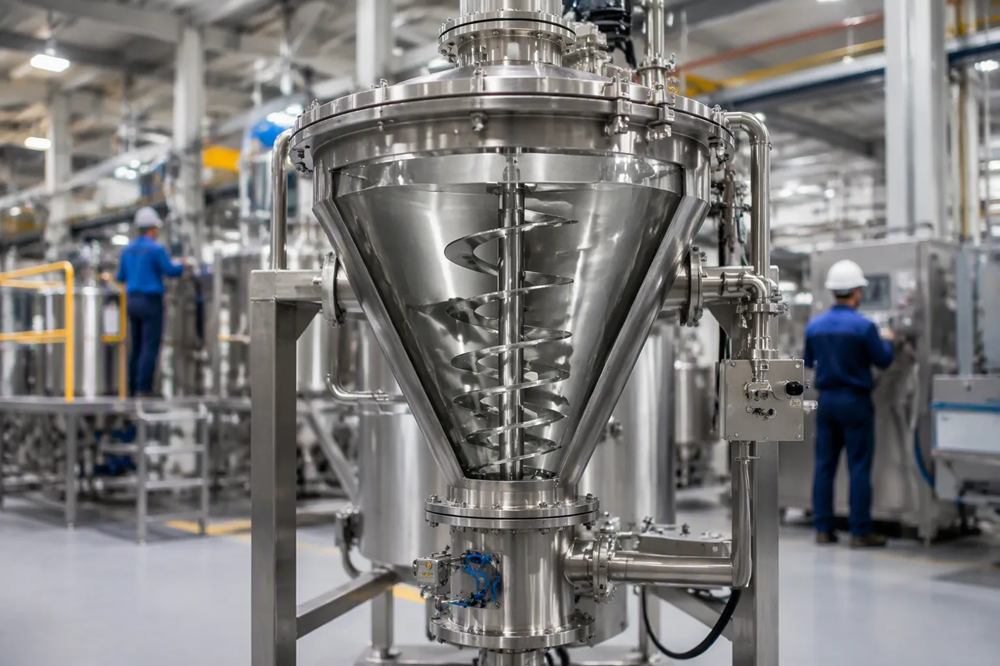
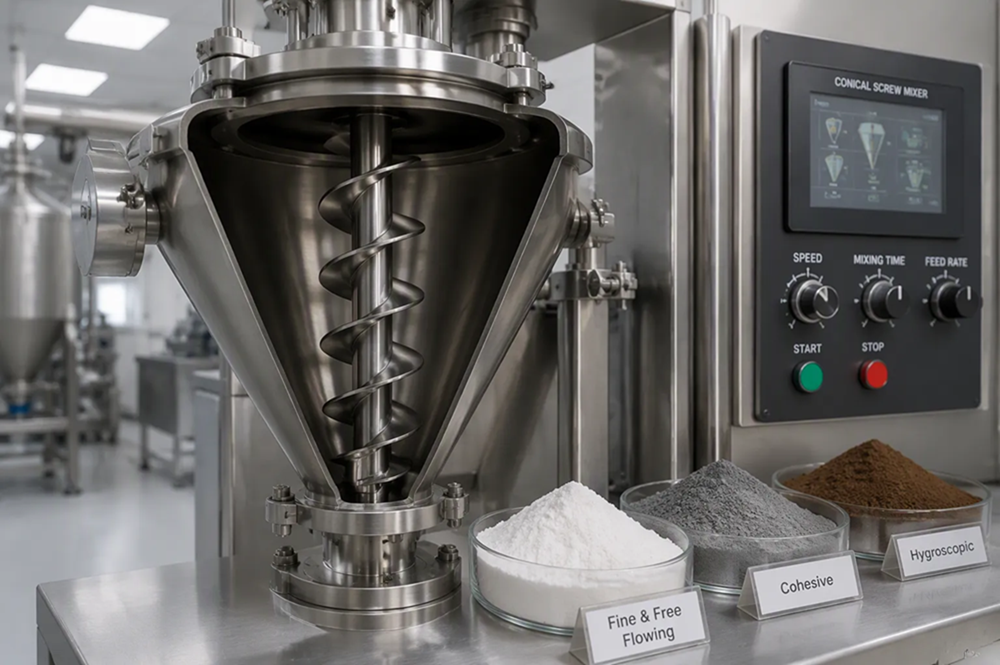
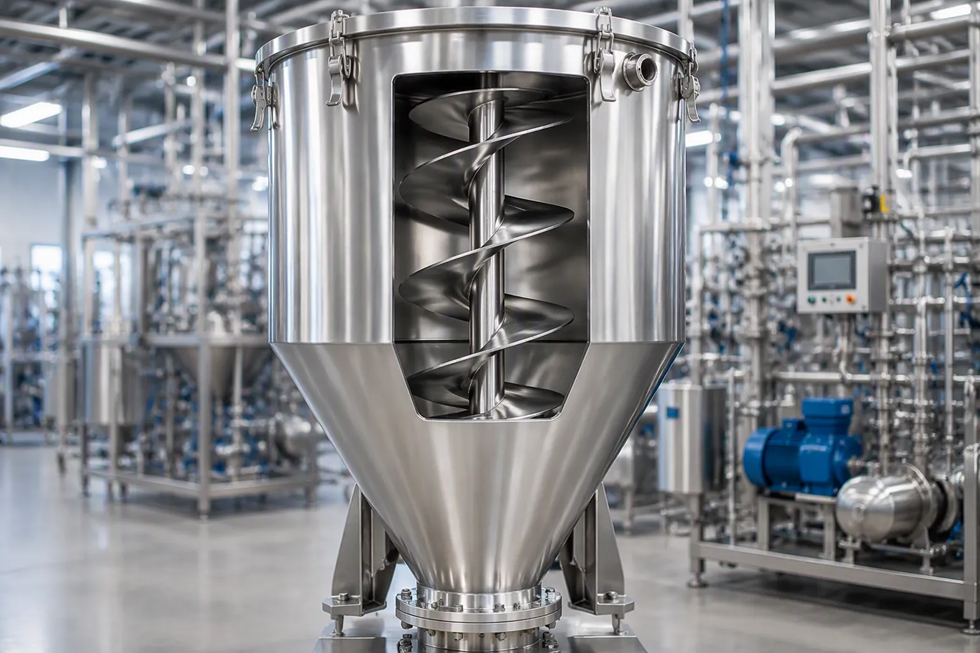
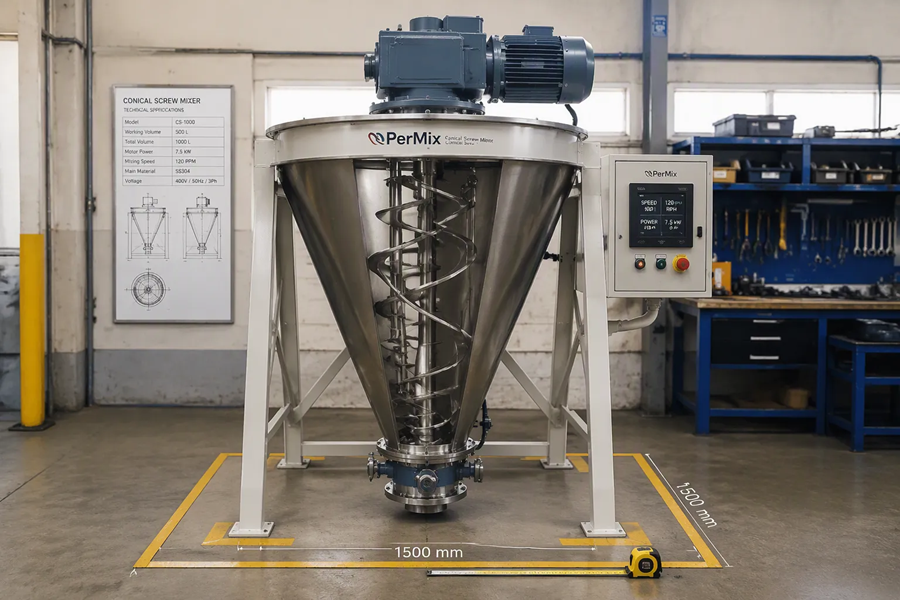
A conical screw mixer’s mixing action relies on material circulation: the screw lifts material along the vessel wall while the orbiting arm creates a downward return flow . Insufficient fill volume prevents this circulation pattern from establishing, leading to dead zones and stratification.
Pitfall #2: Underestimating Bulk Density Effects on Drive System Selection
Motor power and gearbox selection depend on bulk density and total batch mass, not volumetric capacity alone.
Two materials with identical particle size but different bulk densities (e.g., 0.4 g/cm³ versus 1.2 g/cm³) impose dramatically different loads on the mixing screw and drive system. A mixer rated for 500 kg of light powder will experience three times the torque demand when loaded with dense material at the same volume . Under-sized motors trip overloads or fail prematurely; over-sized motors waste energy and increase capital cost.
Technical reference: For ribbon and screw-type mixers, tip speed and power per unit volume are the critical scale-up parameters. Standard designs handle bulk densities up to approximately 560 kg/m³ (35 lb/ft³); higher densities require heavy-duty construction with reinforced screw flights and upgraded bearings .
| Material Category | Typical Bulk Density | Drive System Consideration |
|---|---|---|
| Light powders (flour, pigments) | 300-500 kg/m³ | Standard motor; verify torque at full load |
| Medium powders (detergents, resins) | 500-800 kg/m³ | Increased motor power; reinforced screw |
| Dense powders (minerals, metal oxides) | 800-1,500 kg/m³ | Heavy-duty gearbox; wear-resistant screw material |
| Granules (fertilizer, plastics) | 600-900 kg/m³ | Consider abrasion-resistant surface treatment |
Verification steps:
●Provide the manufacturer with bulk density at both loose and tapped conditions
●Request calculated torque and power requirements at maximum working capacity
●Specify material of construction for screw flights if abrasive materials are involved
Pitfall #3: Mismatching Discharge Valve to Material Characteristics
Discharge valve selection is frequently treated as an afterthought, yet valve design directly impacts discharge completeness and residual material accumulation.
Conical screw mixers achieve complete discharge through the conical bottom geometry, where the screw tip sweeps close to the discharge opening . However, the valve type determines whether that geometric advantage translates into practical performance.
Common valve types and application suitability:
| Valve Type | Best Application | Limitations |
|---|---|---|
| Butterfly valve | Free-flowing granules, pellets | Poor sealing with fine powders; material accumulation on disc |
| Ball valve | General powders, good sealing | Limited discharge rate; may bridge with cohesive materials |
| Knife gate valve | Abrasive materials, large particles | Not suitable for fine powders (leakage) |
| Spherical/dome valve | Complete discharge, no dead space | Higher cost; requires precise alignment |
| Dislocation (plum-blossom) valve | Controllable discharge rate | Complex mechanism; maintenance requirements |
Critical pitfall: Specifying a standard butterfly valve for cohesive or bridging-prone powders leads to incomplete discharge, requiring manual intervention and extending changeover time. For pharmaceutical and food applications where cross-contamination prevention is essential, the valve must be dead-space-free and fully drainable .
Verification steps:
●Describe material flow characteristics (angle of repose, cohesion, particle size distribution)
●Request discharge completeness testing with representative material
●For hygienic applications, verify valve design against EHEDG or 3-A Sanitary Standards
Pitfall #4: Neglecting Material of Construction and Surface Finish Requirements
Material selection extends beyond “stainless steel” specification—grade, surface roughness, and weld quality determine cleanability, corrosion resistance, and product contamination risk.
SUS304 versus SUS316L: For pharmaceutical and food applications involving acidic or chloride-containing materials, SUS316L provides superior corrosion resistance. SUS304 is adequate for most dry powder mixing but may pit under certain chemical exposures .
Surface finish specifications:
| Application | Recommended Ra (µm) | Notes |
|---|---|---|
| General chemical | ≤ 3.2 | Standard industrial finish |
| Food processing | ≤ 0.8 | Facilitates cleaning validation |
| Pharmaceutical (non-sterile) | ≤ 0.6 | cGMP compliance |
| Pharmaceutical (sterile) | ≤ 0.4 | Electropolished; full validation required |
Weld quality pitfall: Internal welds that are not ground smooth and radiused create crevices where material accumulates. EHEDG guidelines require radius ≥ 6 mm at internal corners and joint-free construction where possible . A “stainless steel” mixer with rough internal welds fails hygiene requirements regardless of material grade.
Verification steps:
●Specify Ra value and weld treatment requirements in the purchase specification
●Request material certificates (EN 10204 3.1 or equivalent) for product-contact surfaces
●For regulated industries, verify supplier familiarity with cGMP, EHEDG, or 3-A design principles
Pitfall #5: Overlooking Certification Validity and Scope
Certifications claimed in supplier quotations require verification of validity and scope—a surprisingly frequent source of procurement risk.
ISO 9001:2026 transition: ISO 9001:2026 was published in September 2026, with transition deadlines extending to September 2029 for existing certificates . Suppliers holding ISO 9001:2015 certificates remain valid during the transition period, but new certifications issued after March 2028 must conform to the 2026 edition. Buyers requiring ISO 9001 certification should verify the issue date and standard version on the certificate.
CE marking scope: CE marking for machinery (Machinery Directive 2006/42/EC) covers safety requirements, not performance or hygiene. A CE-marked mixer may still have design features unsuitable for food or pharmaceutical applications.
Special equipment manufacturing license (China): For pressure vessels or equipment operating under vacuum, the manufacturer requires a Special Equipment Manufacturing License. This certification is distinct from ISO 9001 and applies to specific equipment categories .
Verification steps:
●Request certificate copies with issue dates and scope statements
●Verify certification body accreditation (IANZ, UKAS, CNAS, or equivalent)
●For regulated end-use, confirm hygiene design compliance (EHEDG, 3-A, FDA) separately from general quality certification
Pitfall #6: Accepting Quoted Lead Times Without Understanding Customization Impact
Standard models: 45-60 days. Custom configurations: 60-80 days. These lead times quoted by many suppliers assume standard specifications with minor adjustments.
Pitfall scenarios:
●Heating/cooling jacket addition: Requires pressure vessel design review and fabrication modifications, potentially adding 2-4 weeks
●Explosion-proof motor and controls: ATEX or UL-rated components have longer procurement lead times than standard motors
●Special surface finish (electropolishing): Requires post-fabrication processing that may be outsourced, adding 1-2 weeks
●Material upgrade (316L to Alloy C22): Specialty alloys have limited mill availability
Realistic lead time expectations:
| Configuration | Typical Lead Time | Variability Factors |
|---|---|---|
| Standard model, carbon steel | 45-60 days | Material availability |
| Standard model, SUS304/316L | 50-65 days | Surface finish requirements |
| Custom volume, standard features | 60-75 days | Design review scope |
| Hygienic design (cGMP, EHEDG) | 70-90 days | Documentation and validation |
| Explosion-proof, full automation | 80-110 days | Component certification |
Verification steps:
●Request a detailed fabrication schedule with milestones (design approval, material procurement, fabrication start, FAT, shipment)
●Clarify whether quoted lead time starts from purchase order date or design approval date
●For time-critical projects, consider modular design that allows partial shipment or phased commissioning
Pitfall #7: Skipping Factory Acceptance Testing with Actual Materials
Remote video inspection and factory test runs with surrogate materials (sand, plastic pellets) provide insufficient verification for critical mixing applications.
What FAT should include:
1.Mixing uniformity test: Running the mixer with your actual formulation for the specified mixing time, followed by sampling at multiple locations and analyzing coefficient of variation (CV). Industry standard for acceptable uniformity varies by application—typically CV ≤ 5% for pharmaceutical, CV ≤ 10% for food and general chemical.
2.Discharge completeness test: Measuring residual material after discharge cycle. Target: < 0.1% of batch weight for hygienic applications.
3.Temperature monitoring: Recording bearing and gearbox temperatures during extended operation.
4.Safety interlock verification: Confirming all guards, limit switches, and emergency stops function as designed.
Pitfall consequence: A mixer that passes factory testing with free-flowing surrogate powder may fail with the actual cohesive material, requiring screw flight modifications, valve replacement, or drive system upgrades—all after installation.
Verification steps:
●Specify FAT requirements in the purchase contract, including material to be used
●Request video documentation of the full test sequence
●For critical applications, arrange third-party inspection during FAT
●Plan for site acceptance testing (SAT) with production materials before final payment
FAQ
Q1: What is the difference between total volume and working capacity for a conical screw mixer?
Total volume is the geometric internal volume of the conical vessel. Working capacity (also called effective mixing volume) is the practical batch size that achieves homogeneous mixing—typically 40-70% of total volume depending on material flowability. For cohesive powders, working capacity may fall below 50%. Always specify the required batch volume to the manufacturer and confirm they can achieve acceptable mixing uniformity at that fill level.
Q2: How do I determine the correct motor power for my application?
Motor power depends on bulk density, total batch mass, screw geometry, and required mixing intensity. Provide the manufacturer with: (1) bulk density at loose and tapped conditions, (2) maximum batch mass, (3) particle size distribution, (4) desired mixing time. Request a power calculation based on these parameters. Standard designs typically handle bulk densities up to 560 kg/m³; higher densities require heavy-duty construction.
Q3: Which discharge valve type prevents material accumulation?
For complete discharge with minimal residual, specify a spherical or dome valve with a seat that matches the conical bottom geometry. Butterfly valves are unsuitable for fine powders (sealing issues); knife gate valves work for abrasive materials but not fine powders. For hygienic applications, the valve design must be dead-space-free and verify against EHEDG or 3-A Sanitary Standards.
Q4: What surface finish is required for pharmaceutical applications?
For non-sterile pharmaceutical mixing, specify Ra ≤ 0.6 µm with internal welds ground smooth and radiused (R ≥ 6 mm). For sterile applications, specify Ra ≤ 0.4 µm with electropolishing. Material should be SUS316L for corrosion resistance. The mixer should comply with cGMP design principles: no dead spaces, fully drainable, easy to clean and inspect .
Q5: How do I verify that a supplier’s ISO 9001 certificate is valid?
Check: (1) Standard version (ISO 9001:2015 certificates are valid until transition deadlines; new certifications after March 2028 must be ISO 9001:2026) . (2) Issue date and expiry. (3) Certification body accreditation (IANZ, UKAS, CNAS, or equivalent). (4) Scope statement confirming it covers mixing equipment manufacturing. Request a copy and verify with the issuing body if necessary.
Q6: What lead time should I expect for a custom conical screw mixer?
Standard models with minor customization: 60-75 days. Hygienic design (cGMP/EHEDG): 70-90 days. Explosion-proof with full automation: 80-110 days. Clarify whether the quoted lead time starts from purchase order or design approval. For critical projects, request a milestone schedule covering design approval, material procurement, fabrication, FAT, and shipment.
Q7: What should a Factory Acceptance Test include for a conical screw mixer?
A comprehensive FAT should include: (1) Mixing uniformity test with your actual material, reporting coefficient of variation (CV), (2) Discharge completeness measurement (residual material weight), (3) Temperature monitoring during extended operation, (4) Safety interlock verification (guards, emergency stops, limit switches), (5) Noise and vibration measurement. Request video documentation of the full test sequence and consider third-party inspection for critical applications.
Conclusion
Sourcing a conical screw belt mixer without a structured evaluation framework invites costly surprises. The seven pitfalls outlined here—volume confusion, bulk density underestimation, valve mismatch, material specification gaps, certification scope neglect, lead time optimism, and inadequate testing—represent the most frequent sources of project delay and equipment underperformance.
The common thread across all pitfalls is insufficient specification definition before quotation. Buyers who provide detailed material characteristics, clearly stated batch requirements, and explicit verification checklists receive more accurate quotations and more suitable equipment. Those who accept general specifications and optimistic lead times bear the risk of post-installation modifications.
For critical applications, Factory Acceptance Testing with actual production materials is non-negotiable. Video inspection and surrogate-material testing cannot reveal how a mixer will perform with your specific powder—its flowability, cohesion, and discharge behavior. The cost of a thorough FAT is trivial compared to the cost of equipment modification after installation.
For procurement professionals, the actionable takeaway is this: invest in specification development before requesting quotations. Document bulk density, flow characteristics, required batch volume, hygiene requirements, and verification expectations. Request calculated performance data, not catalog generalizations. Verify certifications and lead time assumptions. The upfront effort eliminates the downstream surprises that erode project budgets and timelines.