
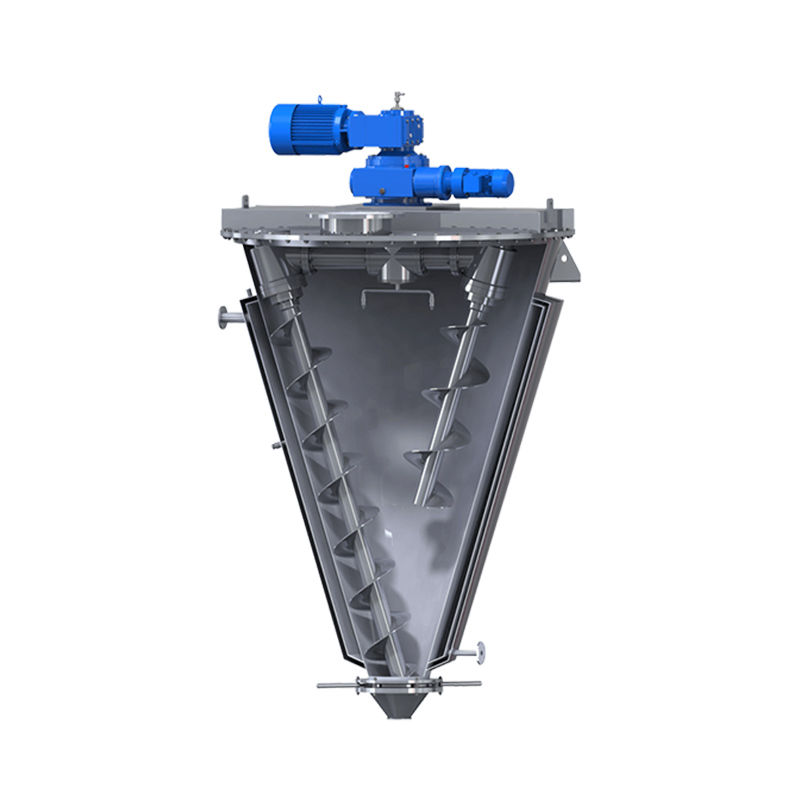
 Conical Screw Mixer
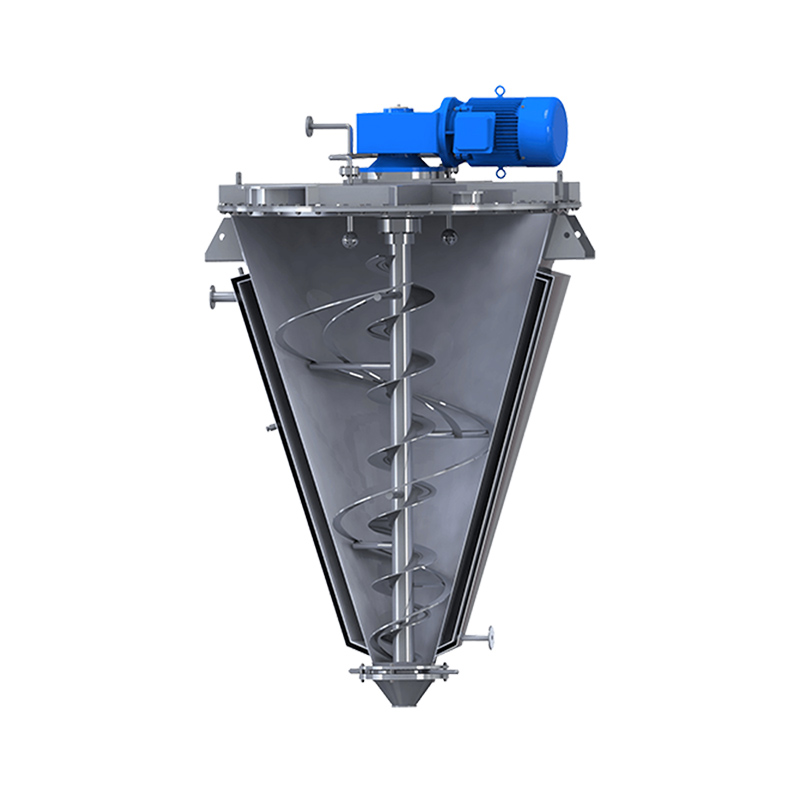 Conical Screw Belt Mixer
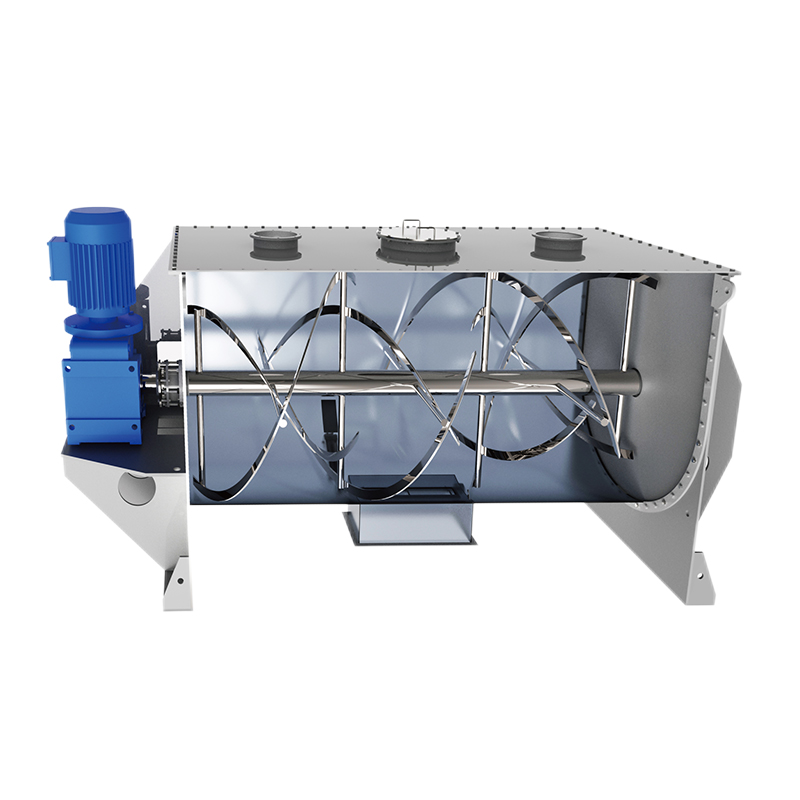 Ribbon Blender
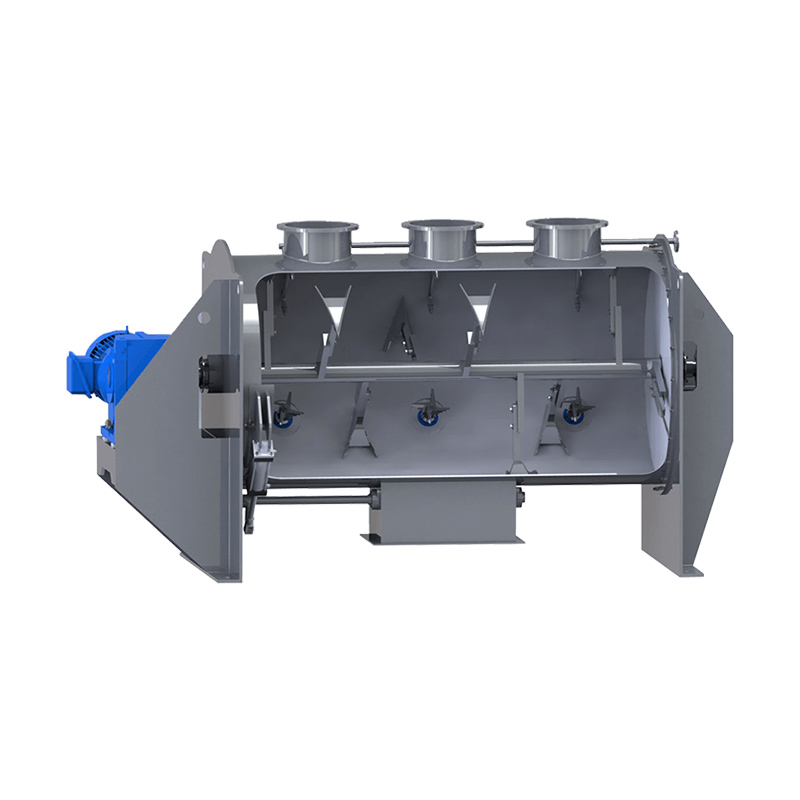 Plough-shear Mixer
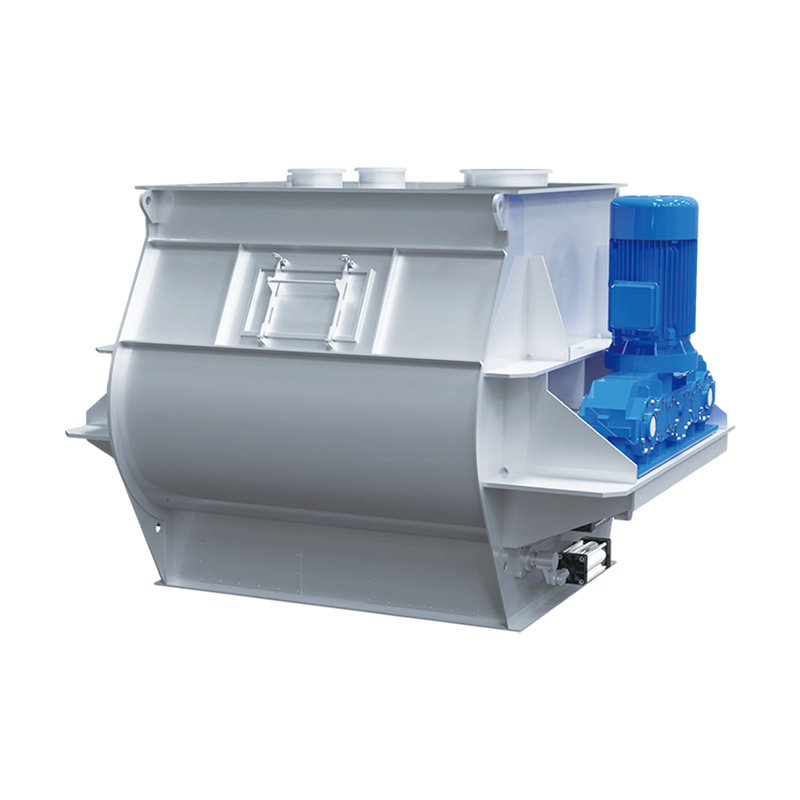 Double Shaft Paddle Mixer
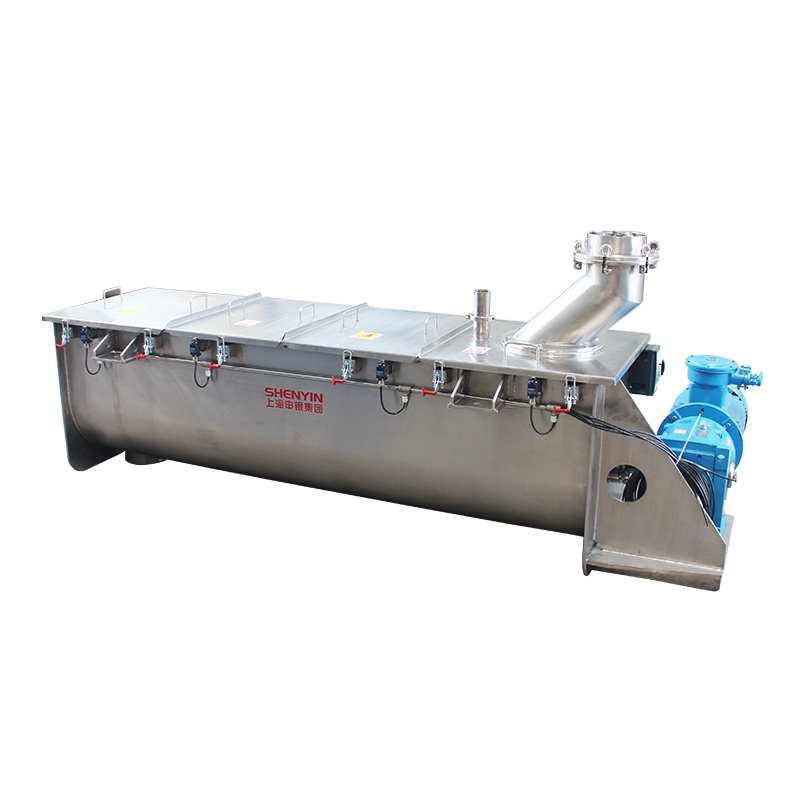 CM Series Mixer



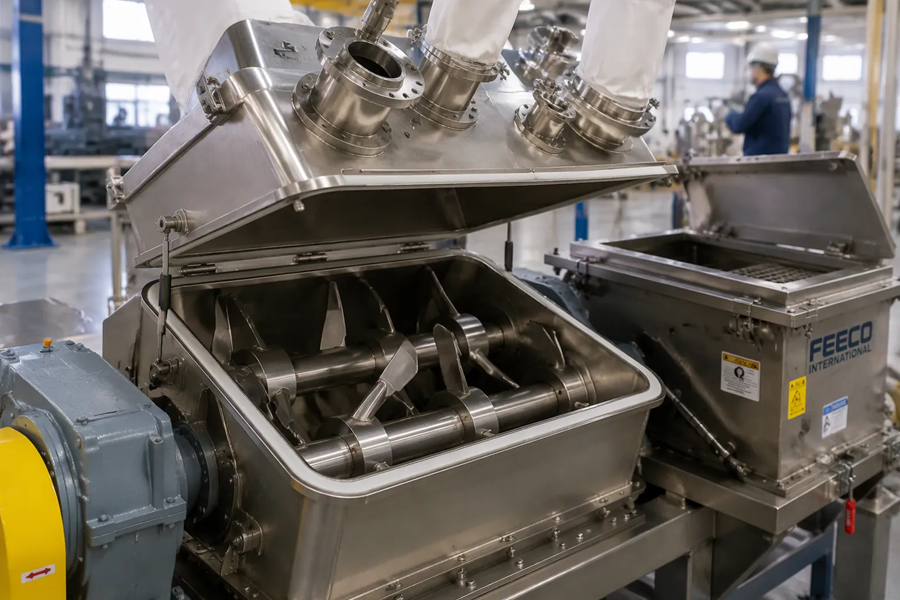
What Capacity Options Are Available for Double Shaft Paddle Mixer and How to Match Your Output Requirement?
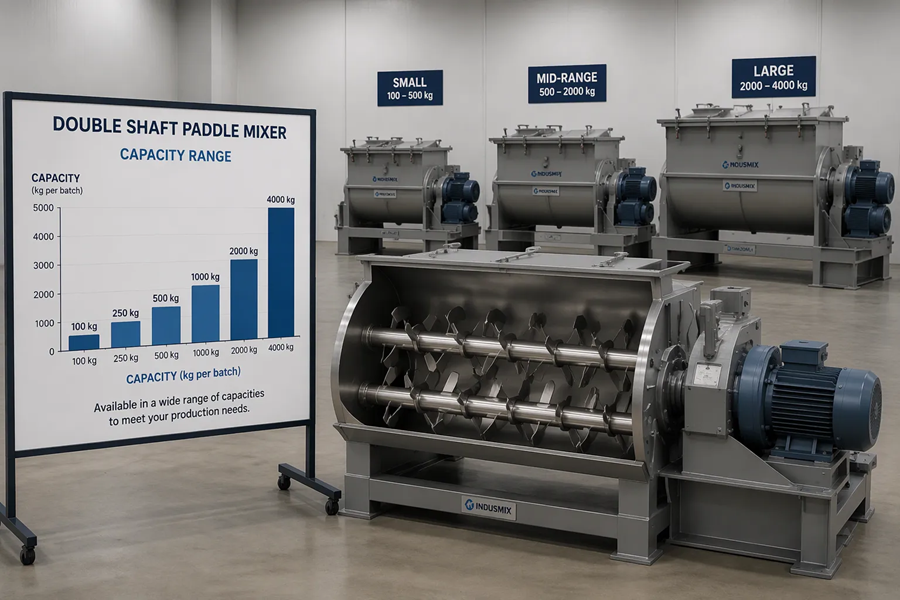
A double shaft Paddle Mixer typically comes in sizes from about 10 to 1,000+ cubic feet, which means roughly 300 to 3,000 liters of effective volume. Batch weights run from about 100 kg to 4,000 kg per batch. To match capacity to your output, you calculate required batch volume as target production rate times cycle time divided by bulk density, then adjust the result for fill factor. This guide walks you through the standard sizes, the throughput factors, a step-by-step planning method, application needs, and cost trade-offs. You will see how double-shaft mixers fit different production scales.
Key Takeaways
- Double shaft paddle mixers come in many sizes, from small lab units to large industrial models.
- Calculate your needed batch volume using your production rate, cycle time, and bulk density.
- Adjust for fill factor: you usually fill only 60–80% of the mixer's total volume.
- A fast cycle time of 30–45 seconds lets you use a smaller mixer to meet your output.
- Choose a size with modest extra room for growth, not the largest possible unit.
Capacity Options for Double Shaft Paddle Mixer
Standard Sizes and Batch Volumes
A double shaft paddle mixer covers a wide size range. QuickProPack lists units from 10 to 1,000+ cubic feet. The table below maps total volume to bowl volume and typical batch weight, so you can see where your target falls.
| Total volume (ft³) | Bowl volume (L) | Typical batch weight (lbs) |
|---|---|---|
| 1 | 180 | 300 |
| 10 | 280 | 600 |
| 35 | 1,000 | 1,500 |
| 70 | 2,000 | 3,000 |
| 175 | 5,000 | 7,000 |
| 1,500 | 8,000 | 13,000+ |
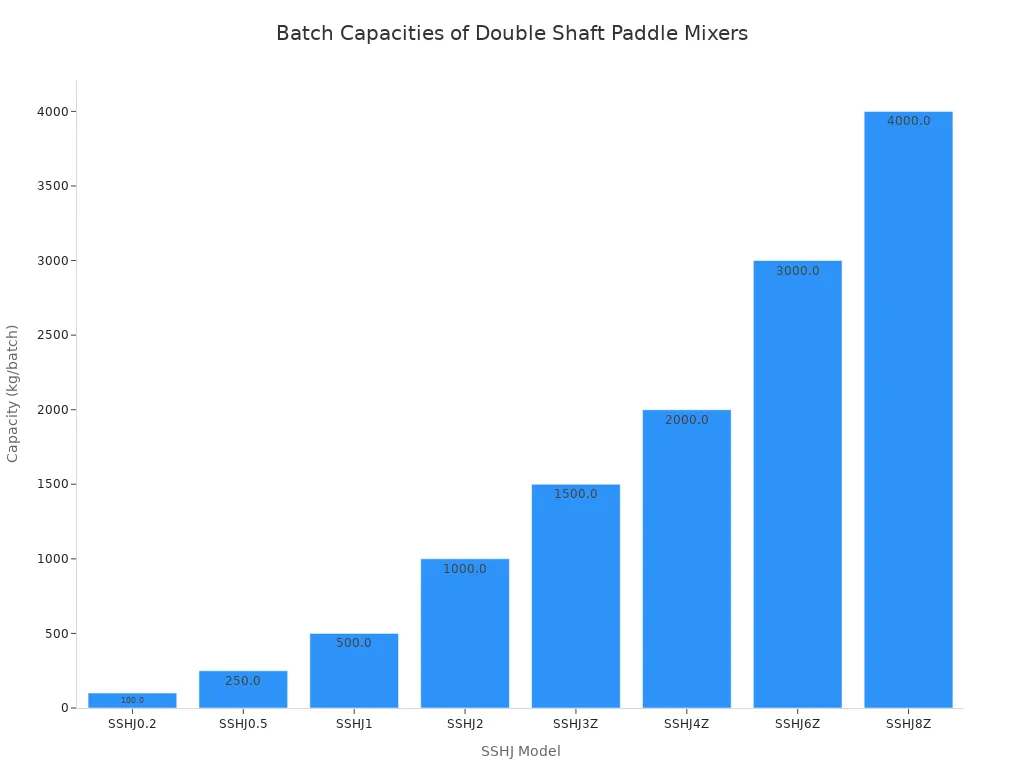
Model tables show the same spread in metric terms. Yuda Machinery lists its SSHJ line from 0.2 m³ at 100 kg per batch up to 8 m³ at 4,000 kg per batch. Topspack publishes effective volume from 300 L to 3,000 L, with full volume running higher and a loading ratio of 0.6–0.8. Across suppliers, batch capacity spans roughly 100–4,000+ kg/batch, and larger custom builds push past that.
Small, Mid-Range, and Large Units
Small units fit lab work, pilot runs, and low-volume production. A 300 L machine handles recipe trials and short runs without wasting material. Mid-range units suit standard plant output. Models in the 500 to 2,000 kg per batch band cover most daily production schedules in food, chemical, and construction work. Large units serve high-volume continuous-schedule operations, where one machine feeds a line all day.
The low-profile horizontal design helps here. A large-capacity double-shaft mixer spreads its volume along the floor rather than upward. That shape makes scale-up easier when your building has limited headroom. You can add nominal batch capacity without rebuilding the structure around it.
Each size class earns its place. Small machines protect expensive ingredients during trials. Mid-range machines balance output and floor space. Large machines deliver throughput for continuous duty. Your production plan decides which one fits.
Key Factors for Matching Throughput
Batch Size, Cycle Time, and Bulk Density
Batch size and cycle time together set your hourly throughput. Multiply the pounds per batch by the number of batches you finish each hour. A double-shaft mixer completes a batch in a short cycle time, while a pan mixer needs a relatively longer cycle. At the same batch size, the twin-shaft design delivers more output per hour. Mousasons confirms this pattern in its twin-shaft versus planetary comparison: twin-shaft units have a short mixing time that maximizes cycles per hour, while planetary units run longer cycles that limit hourly output.
| Criterion | Twin-shaft | Planetary |
|---|---|---|
| Cycle time | Short | Relatively longer |
Bulk density shifts the capacity you need for a weight-based target. A light powder occupies more space per pound, so you need a larger effective volume to hit the same tonnage. Fill level works the same way. You typically load 60–80% of total volume, so the usable space sits below the nameplate figure. A low bulk density plus a conservative fill level can push your required capacity up by a wide margin.
Production Schedule and Peak Demand
Your schedule decides how hard the machine must work. Count your shifts per day and the batches each shift requires. A single-shift operation may run comfortably on a mid-size unit, while a three-shift plant needs more batch capacity to absorb the same daily total. Peak demand periods matter too. Seasonal spikes or rush orders can double your normal rate for a few weeks.
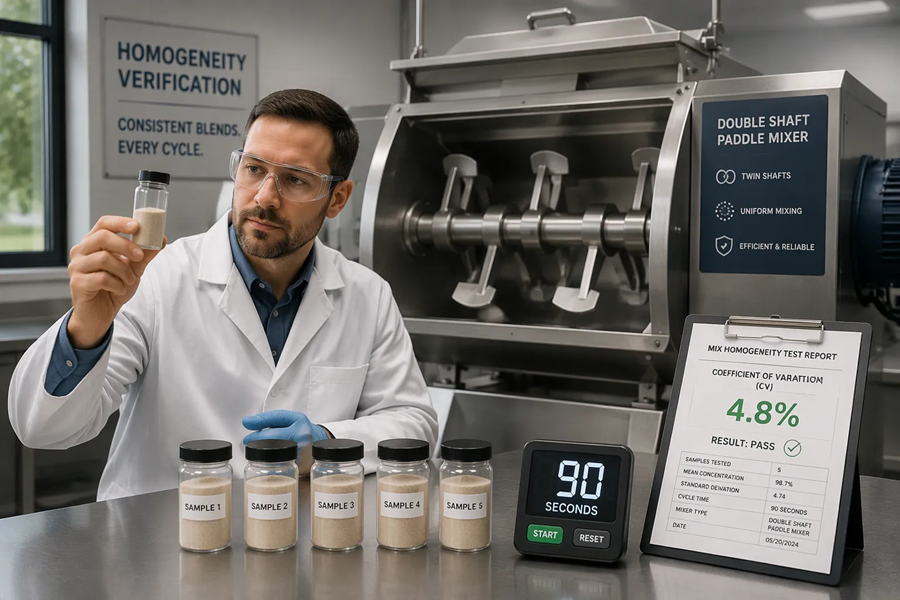
Changeover time between recipes also eats into available hours. Frequent recipe switches shrink the number of batches you can run, so plan extra headroom in batch sizes. A modest allowance for growth supports scale-up later without oversizing today. Confirm blend uniformity during this planning stage, since a well-matched double-shaft mixer should reach a 5% CV or better in 30–120 seconds.
Step-by-Step Capacity Planning
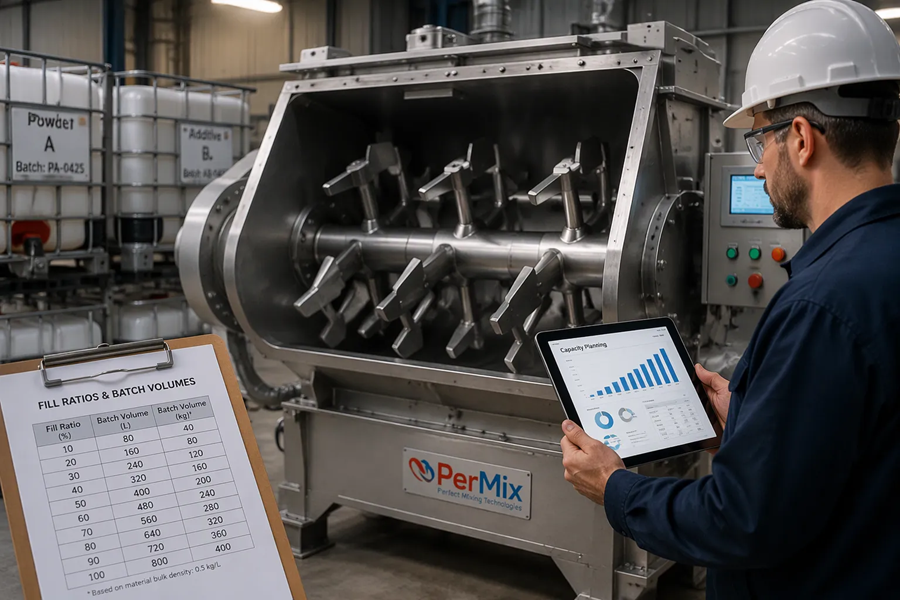
Calculate Required Volume per Batch
Start with your output target. Suppose you need 10 tons per hour and your double shaft paddle mixer completes a batch in 40 seconds. That cycle time gives 90 batches per hour. Divide 10 tons by 90 batches, and you get about 0.11 tons, or roughly 245 pounds, per batch. Now divide that batch weight by the bulk density of your material in its blended, settled state. A powder at 50 pounds per cubic foot needs about 4.9 cubic feet of working volume per batch. Shengyi Group describes this same sequence: define the target batch weight, determine bulk density, divide weight by density to get working volume, apply the fill ratio, then pick the nearest standard model. Run the numbers with your own throughput figure, and the arithmetic stays simple.
Adjust for Fill Factor and Select a Size
Working volume is not total volume. You divide working volume by your target fill ratio to find the required total vessel volume. Shengyi Group puts the practical target at 0.6–0.7 for most formulations. Our 4.9 cubic feet of working volume becomes about 7 to 8 cubic feet of total volume at that ratio. Select the nearest standard size above that figure. A 10 cubic foot model gives you modest headroom for future growth without oversizing. The fill level you choose should sit inside the workable fill range for your product. Shengyi Group notes that Ribbon Agitators mix effectively between 40% and 80% fill, with 60–70% as the practical target. Below 30–40% fill, the agitator spins in air. Above 80% fill, material restricts circulation and creates dead zones. Match your fill ratio to the scenario:
| Production Scenario | Fill Ratio | Priority |
|---|---|---|
| Single product, consistent density | 60–70% | Efficiency |
| Frequent partial batches | 40–60% | Low-end capability |
| Low-density, aerated powders | 60–75% | Larger vessel |
Size selection is only half the job. Confirm blend uniformity alongside it. A well-matched double-shaft mixer should reach a 5% CV or better in 30–120 seconds. Powderbulkvideos.com recommends a predefined sampling plan with representative locations, sample mass, number of samples, assay method and acceptance statistic. Check discharge as well as the in-vessel blend. Trials should include the difficult formulation and the expected fill range. Powder response depends on particle size distribution, shape, cohesion, moisture, hardness and entrained air, so the same setting can produce a different result after a raw material change. Treat mixing time as the earliest repeatable point at which your sample plan meets the blend-uniformity criterion without unacceptable attrition, heat or segregation. Fmixer reports that solid-solid mixing at a 1:1000 ratio holds the standard deviation between three hundred thousandths and eight hundred thousandths, even with differences in specific gravity and particle size. That performance supports scale-up decisions, provided you verify the required uniformity on your own product. Use these results to measure capacity in practice, not just on paper.
Application-Specific Capacity Considerations
Food, Chemical, and Construction Material Differences
Your application shapes the capacity you should choose. Food production often calls for sanitary design and smaller batches that you clean more often. Frequent washdowns and allergen changeovers favor a modest vessel size, so cleaning stays quick and product stays fresh. Chemical work may need larger batches and dust containment, especially with fine powders. Construction material production often favors large-capacity units that run high-volume output all day.
Think about batch or continuous duty when you compare these paths. A food plant may run many short batches, while a construction plant may push one recipe through long shifts. Neither approach is better. Each one matches its own production rhythm. A double-shaft mixer serves both patterns well, because its short cycle time keeps frequent small batches moving and its large frames handle heavy daily tonnage.
Compliance and Sanitary Design Requirements
Sanitary finishes, washdown capability, dust control, and material contact standards all affect usable capacity. Polished contact surfaces and cleanable corners leave slightly less room for product. Dust containment hardware can trim the working volume a little further. Plan for this reduction during scale-up, so the nameplate figure does not mislead you.
Check your fill level against these requirements. A sanitary design may limit how high you can load the vessel. Powder mixing trials should confirm that your chosen capacity still reaches uniform blend under real cleaning and containment constraints. Confirm compliance needs before you finalize the size, and the machine will fit your plant for years.
Cost and Performance Trade-offs
Capital Cost vs. Scalability
Capital cost climbs with vessel size. A larger frame, heavier agitators, and a bigger drive package all add to the price. You face a real choice: buy a larger unit now or add capacity later. Buying big today locks in floor space and ties up budget in steel you may not use for years. Adding capacity later means a second machine, a second footprint, and a second set of utilities.
The short cycle time of a double-shaft mixer changes this math. A batch finishes in a short cycle, so you can meet a throughput target with a smaller batch size than a slower mixer type would need. That smaller batch often lands in a lower price class. Plan a modest step above your current need, and the capacity you buy today should carry you through growth without oversizing.
Mixing Quality and Energy Use
Four indicators guide size selection: mixing quality, mixing time, average mixing power, and the energy required to reach steady state. Confirm blend uniformity alongside these figures. A well-matched double-shaft paddle mixer should reach a 5% CV or better in 30–120 seconds. Check that result on your own formulation before you commit.
Energy use scales in a balanced way. A larger unit draws more power per batch, yet it runs fewer batches per hour to hit the same tonnage. A smaller unit draws less per batch and runs more often. Compare total energy per ton, not per batch, and the two paths often land close together. Treat each trade-off as a fit decision. Match the machine to your schedule, your product, and your budget, and the double-shaft mixers in any size class will serve you well through scale-up.
You now have a clear path. First, define your output target in tons or pounds per hour. Second, convert it to batch volume using cycle time and bulk density. Third, adjust for fill factor and pick the nearest standard size above that figure. This three-step capacity planning method keeps your double shaft paddle mixer matched to real demand.
Plan for modest future growth without oversizing. Confirm your application and compliance needs before you finalize capacity. Then send your production data to a supplier and request a capacity recommendation. Share your target rate, bulk density, and fill level. A well-matched double-shaft mixer will serve your plant for years.
FAQ
How do I know which mixer size fits my output?
Start with your hourly target. Divide it by the batches you complete each hour, then divide by bulk density. Apply your fill factor and pick the nearest standard size above the result. This method keeps your capacity matched to real demand.
Is a larger unit always the better choice?
No. A larger unit costs more and ties up floor space. The short cycle time of a double-shaft mixer often lets a smaller batch meet your tonnage. Choose modest headroom for growth instead of maximum size.
How does fill factor change my size selection?
You typically load 60–80% of total volume. Divide your working volume by your target fill ratio to find total vessel volume. A lower fill ratio pushes you toward a larger frame for the same batch weight.
Can a fast cycle time reduce the size I need?
Yes. A double-shaft mixer finishes a batch in a short cycle time. That speed means more batches per hour at a given batch size. You can hit your output target with a smaller vessel than a slower mixer type would require.
What data should I send a supplier for a recommendation?
Share your target rate, bulk density, and fill level. Add your shift pattern and any compliance needs. Confirm blend uniformity targets too, such as a 5% CV in 30–120 seconds. Suppliers can then size the unit around your production data.