
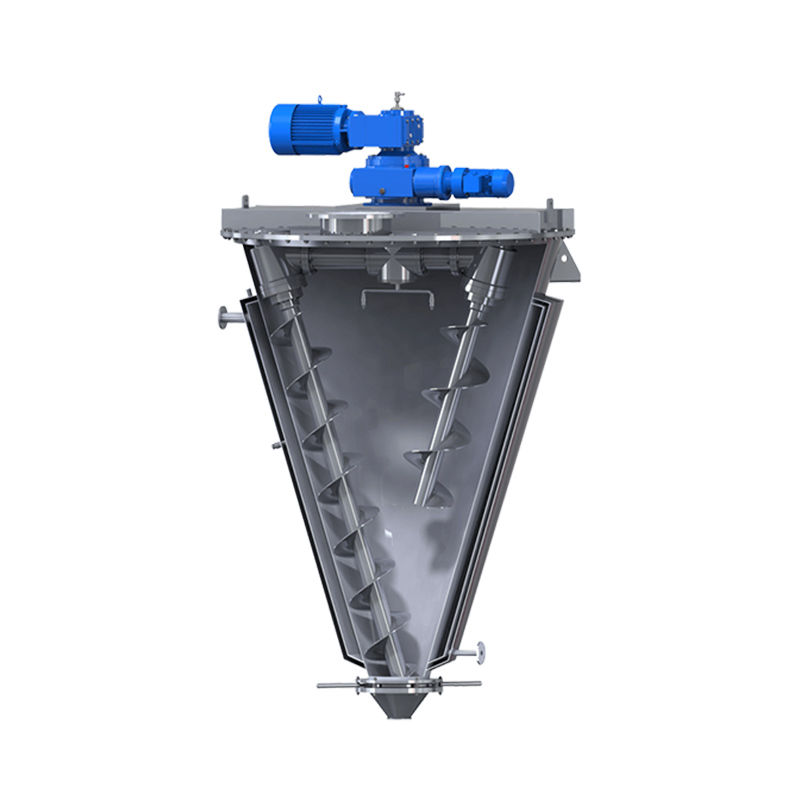
 Conical Screw Mixer
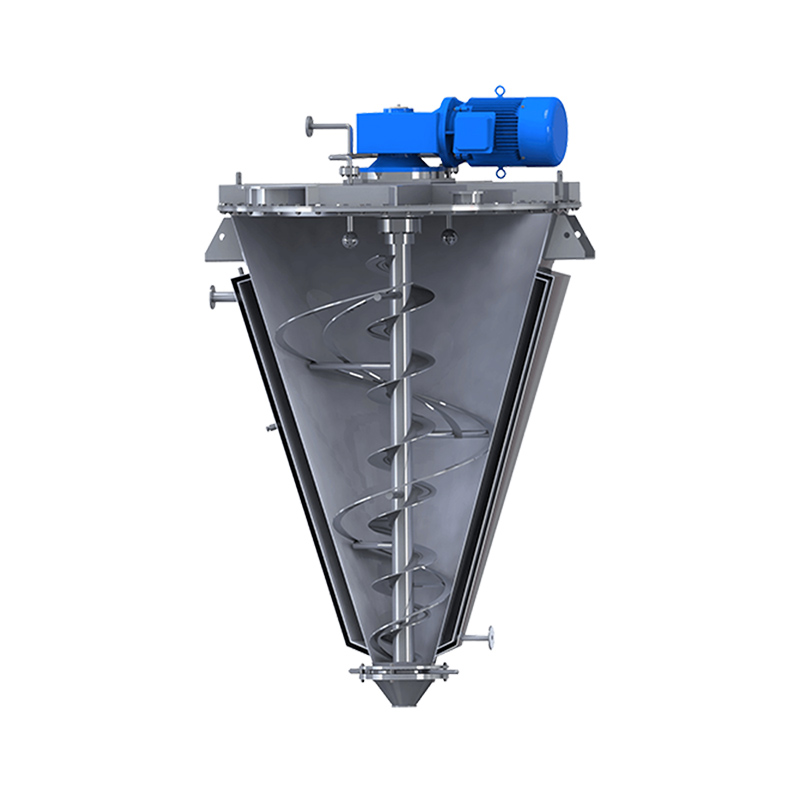 Conical Screw Belt Mixer
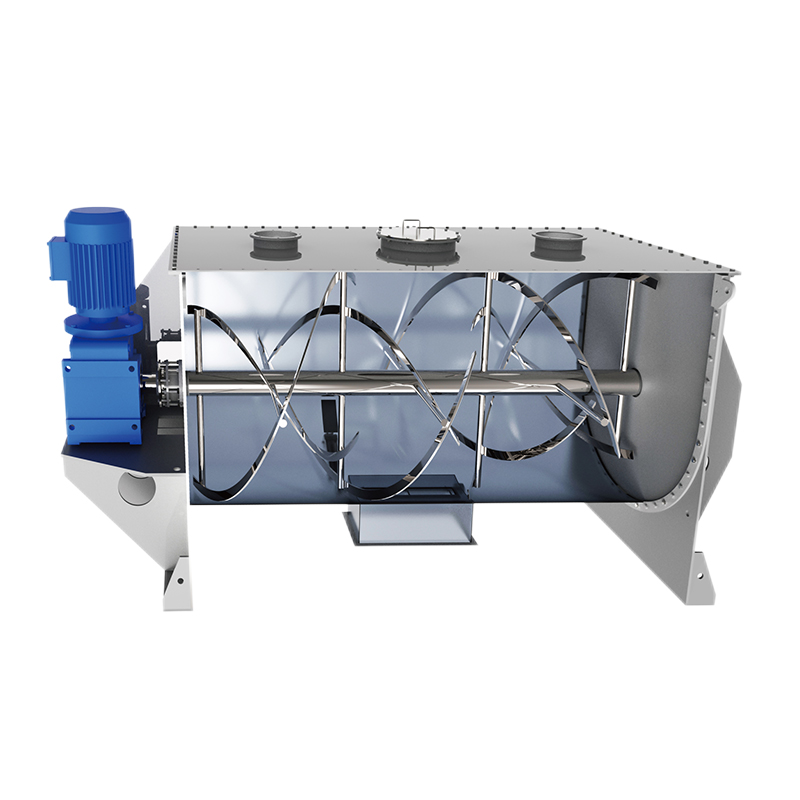 Ribbon Blender
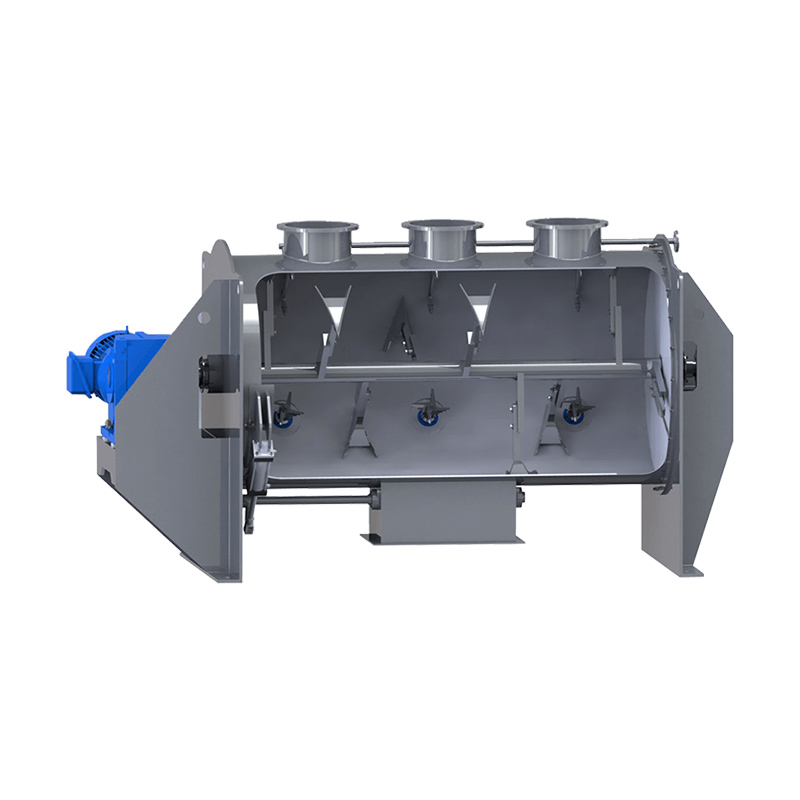 Plough-shear Mixer
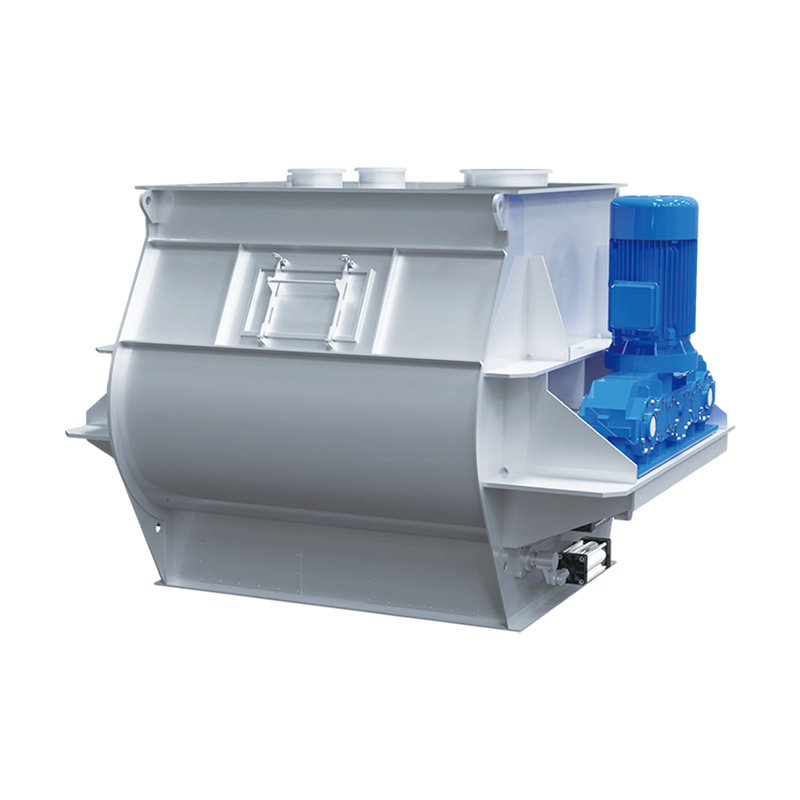 Double Shaft Paddle Mixer
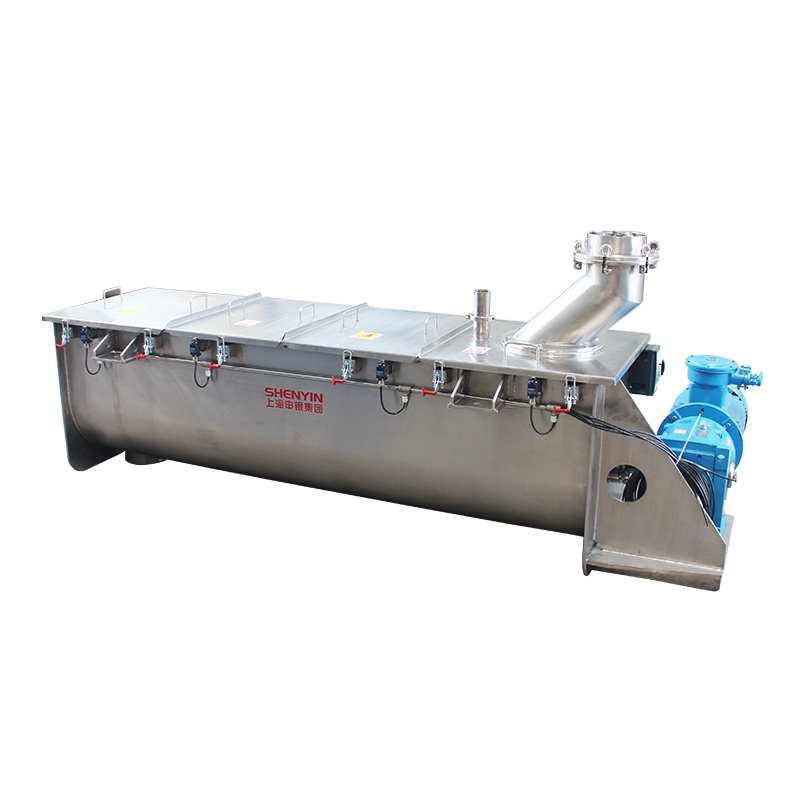 CM Series Mixer


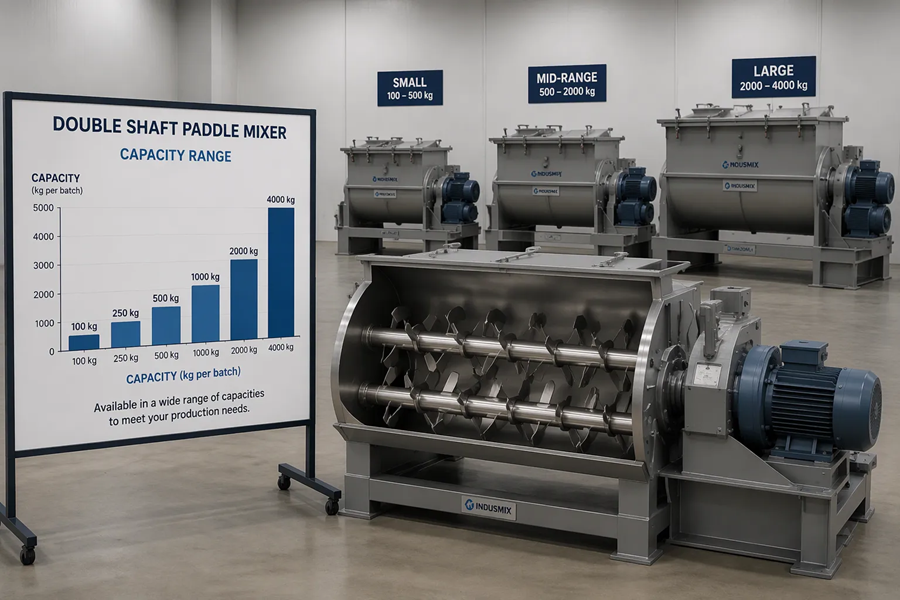
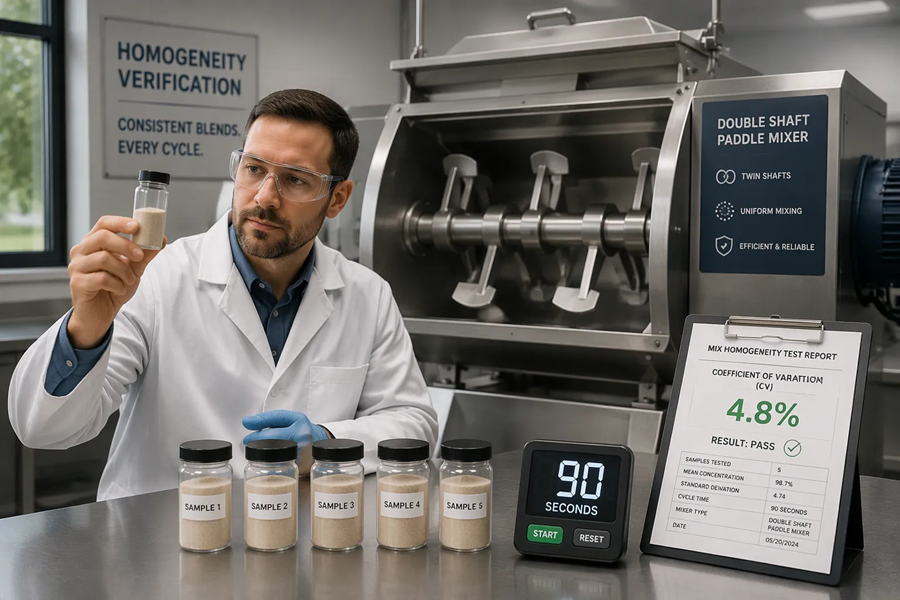
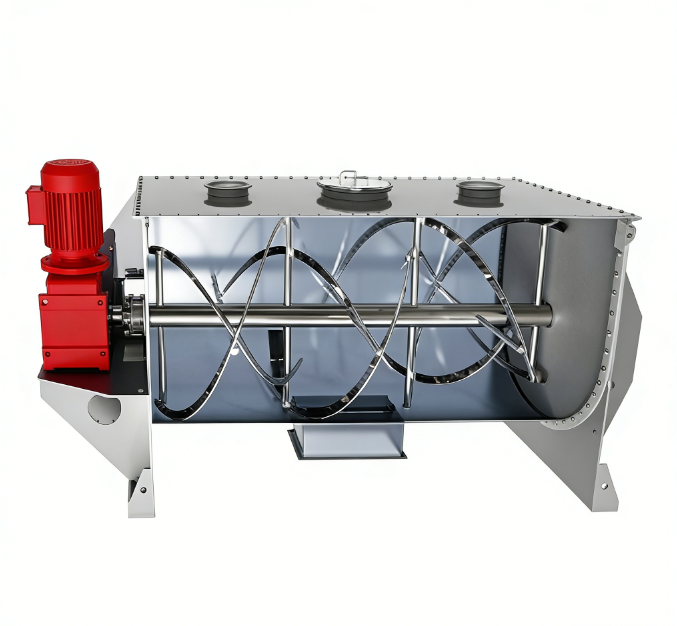
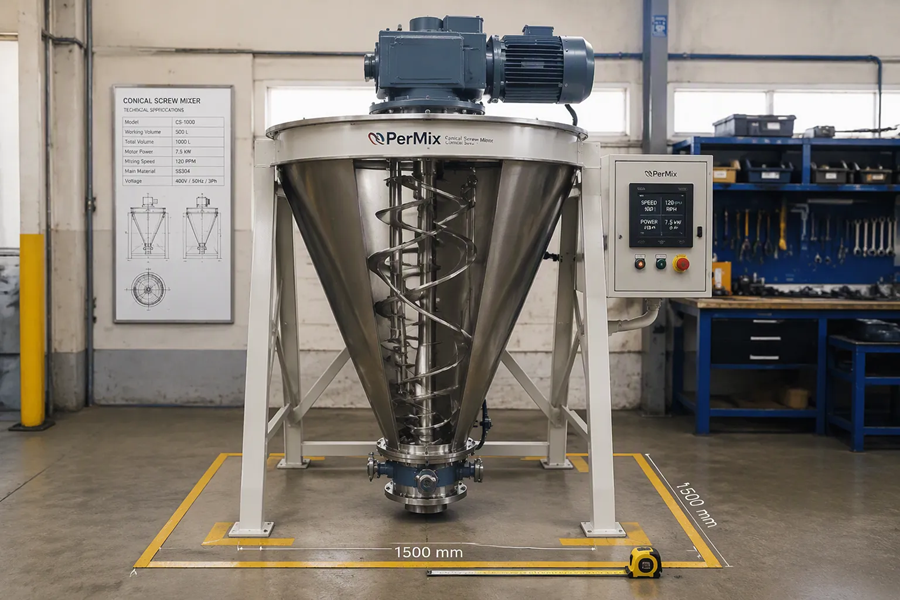
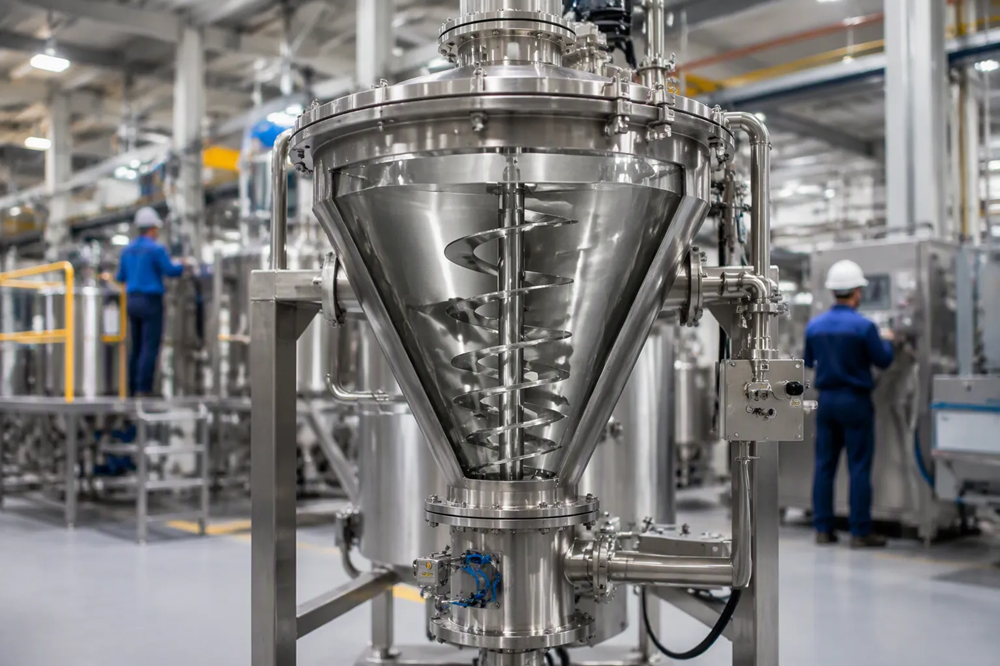
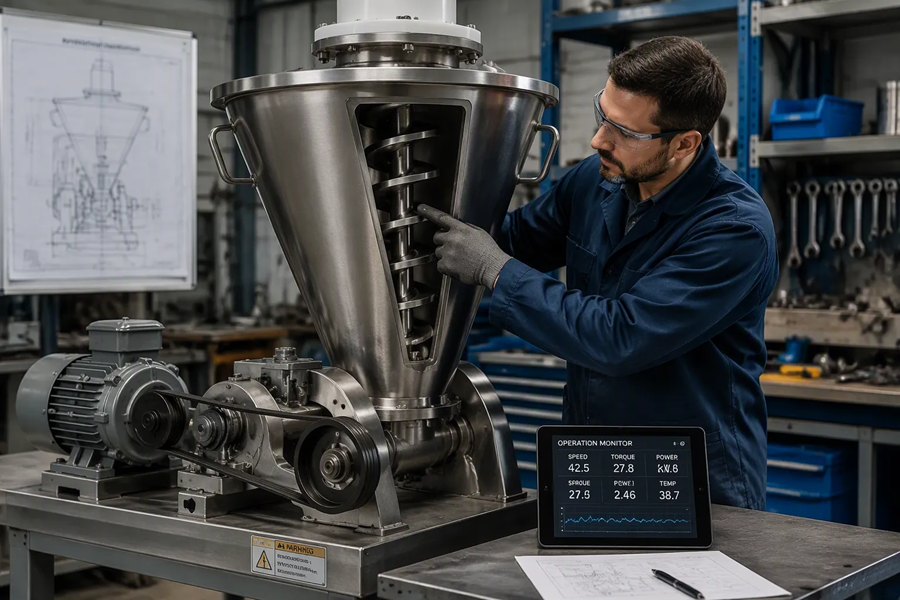
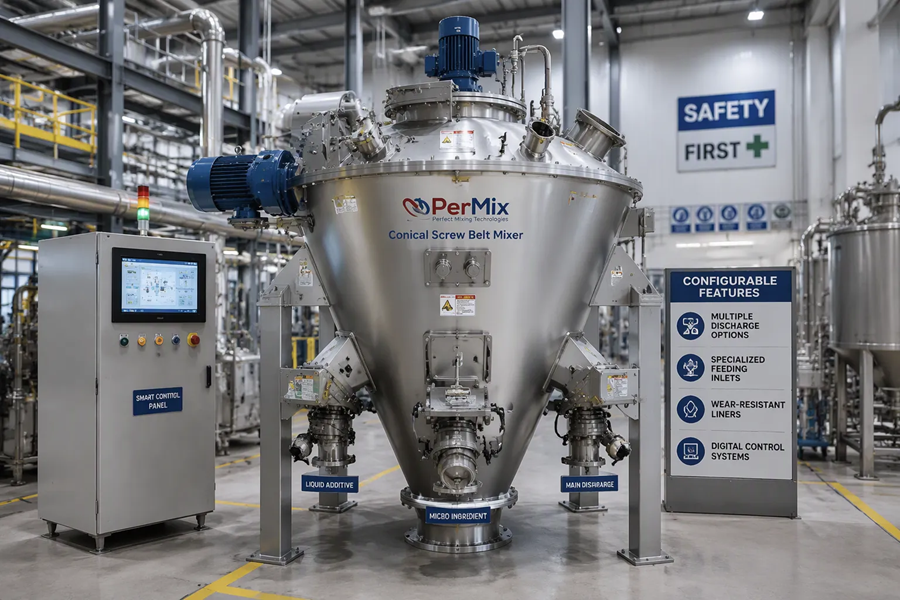
What Optional Configurations Can Be Customized for a Double Shaft Paddle Mixer to Meet Special Production Needs?
You can customize a double shaft Paddle Mixer with paddle designs and materials, shaft configurations, trough and cover options, discharge mechanisms, liquid addition systems, and automation packages. Each choice targets a specific production need.
One option fights abrasion. Another supports hygiene or contains fine powders. Discharge accuracy, liquid dispersion, and process control each call for their own configuration. The sections below map every option to the challenge it solves, so you can match a Double Shaft Paddle Mixer to your process instead of adapting your process to a standard unit.
Key Takeaways
- Customize paddle design and materials to handle abrasive or fragile products effectively.
- Choose shaft configurations and seals to manage viscosity and prevent contamination.
- Select trough and cover options that match your cleaning and dust control needs.
- Pick discharge mechanisms that fit your batch size and automation level.
- Use liquid addition systems and automation to ensure consistent, high-quality batches.
Paddle Designs for Every Double Shaft Paddle Mixer
Paddle Geometry and Mixing Action
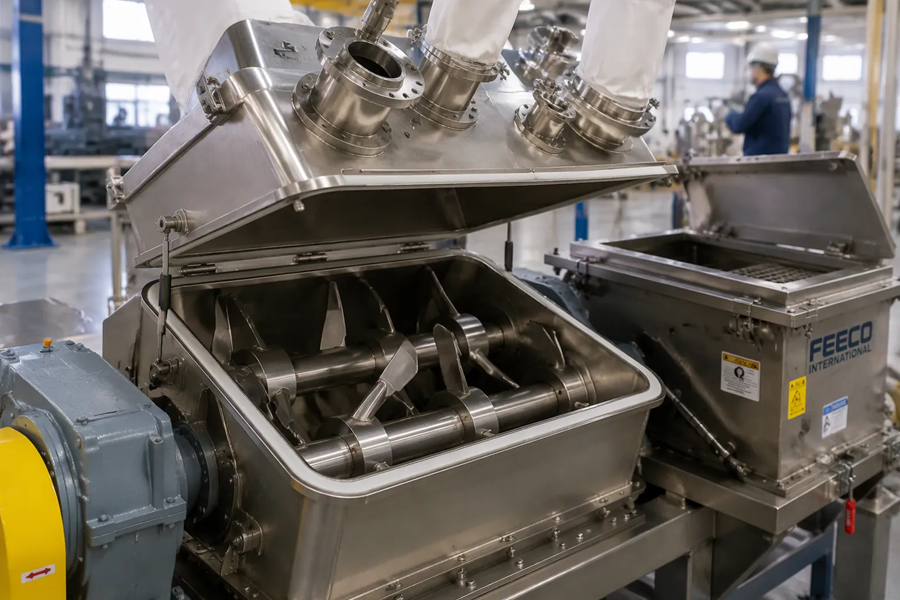
Your first decision is the shaft style. Parallel paddle shafts suit products that need gentle, thorough blending across a wide range of densities. Ribbon shafts fit free-flowing materials and production goals that favor high throughput. Each style matches different product characteristics, so start with your material and your production target, then confirm the choice with test data. The right shaft style sets the foundation for every other paddle choice on a Double Shaft Paddle Mixer.
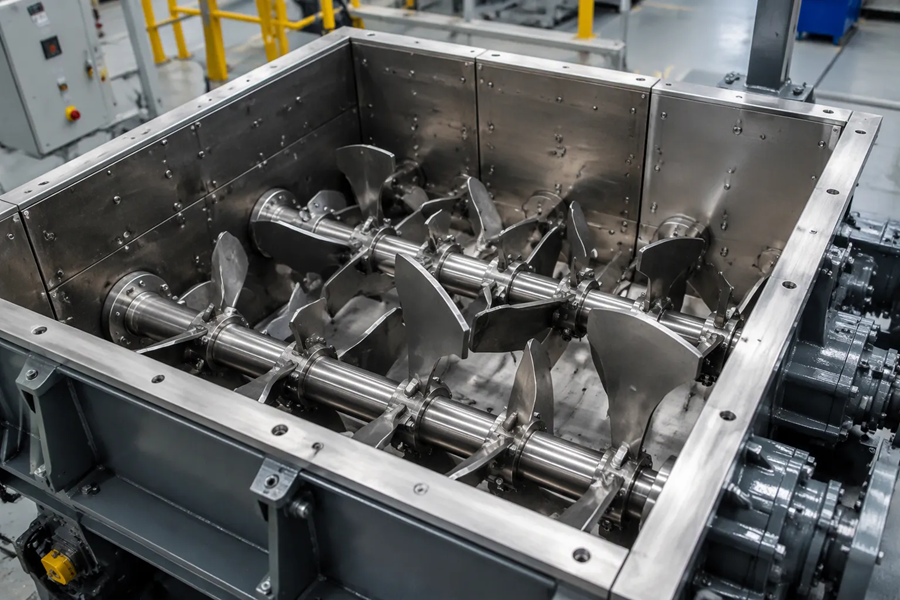
Paddle geometry then shapes how material moves. Permix Mixers notes that paddles can be configured to promote gentle lifting, cross-mixing, and axial movement, which reduces dead spots while avoiding the harsher action of some other mixer geometries. Paddle shape and pitch also matter. Wider or more gently angled paddles move more product with less localized stress, while poor geometry can cause unnecessary compaction or repeated impacts. Shaft arrangement, paddle overlap, and vessel proportions all influence how smoothly material circulates. For fragile products, this combination protects particle integrity while still delivering a uniform blend.
Wear-Resistant Liners and Materials
Abrasive ingredients wear standard contact surfaces quickly. Hardox wear plate offers a strong balance of hardness and toughness, so it fits abrasive mineral and aggregate duty. AR steel gives you a cost-effective abrasion-resistant option for less severe wear. Replaceable liner plates let you renew the wear surface without replacing the whole trough. Thicker plate lasts longer in severe service, while thinner plate keeps weight and cost down. Compare both materials on technical performance, application fit, regulatory compliance, and cost. Food, pharmaceutical, and other sanitary processes may call for stainless steel contact surfaces or a liner grade that meets your hygiene plan. Hardox usually carries a higher price than generic AR steel, and the extra wear life often justifies it in high-abrasion service. Match the liner to your abrasion level and your compliance needs, and you get long service life without overspending.
Shaft Configurations and Sealing
Shaft Layout and Heavy-Duty Options
High-viscosity products place heavy loads on the shafts. A heavy-duty shaft specification uses a larger shaft diameter and stronger bearings to handle that load. You also get reinforced shaft-to-paddle connections, which resist the torque that thick pastes and dense slurries create. These upgrades keep the mixer running smoothly when standard shafts would struggle.
Shaft layout matters just as much. Parallel paddle shafts work well for demanding, high-viscosity duty when you pair them with heavy-duty components. The layout spreads mixing force across the trough and avoids concentrating stress in one zone. Choose heavy-duty shafts when your product resists flow, when you run long batches, or when you need extra service life from a Double Shaft Paddle Mixer. The added cost buys durability and fewer shutdowns.
Air Purge and CinchSeal Protection
Fine powders find their way into shaft seals. Air purge creates a positive pressure barrier at the seal, so powder stays inside the trough and away from the bearings. This configuration fits processes with very fine, dusty ingredients and applications where a pressure differential exists across the seal. Air purge needs a clean, dry air supply, and that utility adds to operating cost.
CinchSeal protection offers another route. A CinchSeal-style seal keeps the shaft surface clean and blocks material migration without relying on a constant air feed. It suits fine-powder duty and pressure differentials where you want reliable sealing with lower utility demand. Compare the two on application fit and cost. Air purge handles heavy dust loading well, while CinchSeal reduces air consumption. Match the seal to your powder characteristics and your plant utilities, and you protect the bearings while keeping contamination out of your product.
Trough and Cover Options
Trough Materials and Linings
The trough sets your hygiene baseline. PerMix notes that sanitary paddle mixers can use 304, 316, or 316L contact surfaces, continuous internal welds, ground and polished transitions, and defined surface finishes. Radiused corners and reduced product traps stop material from collecting in dead zones. A drainable design lets wash water leave completely.
CIP and WIP setups suit processes that switch products often or run strict hygiene campaigns. Spray devices and CIP provisions clean the interior without full disassembly. PerMix advises matching the design to your cleaning method: dry cleaning, vacuum cleaning, wet washing, pressure washing, cleaning in place, or disassembly between campaigns. Food and pharmaceutical duty may also call for mirror finishes, electropolishing, and GMP-compliant designs, per CSPMAC. These choices raise cost, so specify them only where validation demands them. A Double Shaft Paddle Mixer built for wet wash duty needs different trough detailing than one cleaned dry between campaigns.
Covers for Dust, Pressure, and Hygiene
Cover design controls dust, pressure, and access. Hayes & Stolz lists fully bolted, fully hinged, or combination cover sections. Flanged inlets accept dry ingredients or liquids at custom locations. Duct pickup ports connect the cover to your plant dust control system. A bag dump station with hinged lids and safety grates contains dust during manual loading. Manways give inspection and cleaning access, and cover assist mechanisms ease opening.
For dusty or fugitive emissions, CSPMAC recommends better seals, dust extraction, or a pressurized enclosed system. Explosion protection matters for combustible dust, and ATEX certification applies in regulated industries. Hinged covers cost more than bolted ones but speed access. Bolted covers seal more tightly for pressure duty. Match the cover to your dust load, your pressure regime, and how often operators need to reach inside.
Discharge Mechanisms
Manual vs. Pneumatic Valve Drive
The valve drive decides how your operator empties the mixer. A manual drive uses a handwheel or lever. You control the opening by hand, and you feel the valve move as it opens. Manual drives fit small batches, low cycle counts, and plants without compressed air at the discharge point. They cost less up front and need no air supply. The trade-off is operator time and effort on every batch.
A pneumatic drive uses an air cylinder to open and close the valve. You trigger it from a pushbutton or a control signal, and the valve strokes fully without manual effort. Pneumatic drives fit high cycle counts, large batches, and automated lines where the discharge must follow a recipe step. They cost more than manual drives and need a clean air supply. Choose manual for simple, low-volume duty. Choose pneumatic when speed, repeatability, and automation matter.
Cylinder and Butterfly Valve Types
The valve body shapes how completely the mixer empties. A cylinder valve uses a sliding cylindrical plug to open a full-bore port. The bore matches the trough opening, so material leaves in a fast, complete dump. Cylinder valves fit free-flowing blends and processes that need a full, rapid empty with minimal residue. The sliding action handles bulk flow well, and the design costs more than a simple butterfly.
A butterfly valve uses a rotating disc inside the bore. The disc swings aside to open the port. Butterfly valves fit metered emptying, partial discharge, and lines where you want a compact, lower-cost valve. The disc sits in the flow path when open, so sticky or bridging material can catch on it. Match the valve to your emptying goal. Choose a cylinder valve for complete dumps of free-flowing product. Choose a butterfly valve for metered release and tighter budgets. Either type works on a Double Shaft Paddle Mixer when you size it to your batch and your material flow.
Liquid Addition Systems
Spray Nozzle and Injection Points
Where you inject liquid decides how evenly it spreads. A single injection point dumps liquid into one zone, and that zone stays wet while the rest of the batch stays dry. Cybernetik reports that spray bars spreading liquid across the width of the mixer work much better than a single injection point. A full-width spray bar distributes the liquid over the moving material, so every particle meets a share of the moisture.
Nozzle choice and placement complete the picture. Mixers.com lists spray nozzles for uniform liquid addition among the design options on Ribbon Blenders, and the same principle carries over to aDouble Shaft Paddle Mixer. You can mount nozzles in the cover, in the trough wall, or on a bar above the paddle zone. Timing matters as much as location. Cybernetik notes that liquid added before the dry ingredients spread leaves wet and dry patches that never fully even out. Add liquid after the dry ingredients are distributed, and the paddles fold it through the batch.
Coating and High-Viscosity Delivery
Coating duty asks for a fine, controlled spray. You want small droplets that land on particle surfaces instead of soaking in. A nozzle that produces a mist coats evenly, and a lower delivery rate gives the paddles time to spread the liquid before the next pass. High-speed choppers help here. Cybernetik explains that chopper blades mounted in the trough wall break up lumps as they form, which keeps a coating thin and uniform.
High-viscosity liquids resist atomization, so delivery needs a different approach. You can heat the liquid to lower its viscosity, or inject it under pressure at a point where the paddles work hardest. Pair the delivery with heavy-duty shaft specifications, and the mixer keeps folding a thick additive through the batch. Add the liquid in stages, and let the paddles disperse each dose before the next one arrives.
Automation and Controls for the Double Shaft Paddle Mixer
Recipe Management and Monitoring
Recipe management turns your batch into a repeatable event. You store each formula in the controller, and the mixer calls up the right settings for each product. The system then tracks ingredient additions, mixing time, and discharge steps against that recipe. Operators stop dialing in settings by hand, and every batch follows the same path.
Monitoring adds a record you can trust. Sensors log temperatures, motor load, and valve positions as the batch runs. AMIX Systems notes that automated batch systems support quality assurance through integrated data logging that records mix recipes, a capability that matters in operations under regulatory oversight. You gain traceability for audits, customer claims, and internal quality reviews. Alarm functions flag a deviation while the batch is still running, so you can correct it instead of scrapping the load.
Plant Control System Integration
A Double Shaft Paddle Mixer rarely runs alone. You can tie it into your plant control system through sensors, programmable logic controllers, interlocks, and recipe management. That link lets the mixer follow plant-wide scheduling and share status with upstream and downstream equipment.
Confirm the details before you sign off on the scope. Check control voltage, communication protocols, emergency-stop logic, access controls, batch records, and alarm functions. Settle who owns integration responsibility, because the mixer builder and your controls team can each assume the other holds it. Compliance also enters the picture. Combustible dust may require grounding, bonding, venting, isolation, and certified electrical components, and ATEX or equivalent rules may apply in your market. On cost, treat purchase price as one part of the picture. Ask for a lifecycle estimate that covers power demand, routine parts, seal replacement, and maintenance access.
Customization turns a standard Double Shaft Paddle Mixer into a solution built around your materials, your hygiene standards, your discharge requirements, and your control environment. Each option you select answers a real production challenge. The right package depends on your production need, not on a generic specification sheet.
Share your process requirements with the mixer supplier. Describe your ingredients, your cleaning routine, your batch targets, and your plant controls. That detail lets the supplier recommend the paddle, shaft, trough, discharge, liquid addition, and automation options that fit your line. You get a mixer matched to your process from the first batch.
FAQ
How do you choose between air purge and CinchSeal for shaft sealing?
Match the seal to your powder and your plant utilities. Air purge suits heavy dust loading and pressure differentials when you have a clean, dry air supply. CinchSeal blocks material migration with lower air demand. Compare both on application fit and operating cost before you decide.
When does a pneumatic discharge drive make more sense than a manual one?
Pick pneumatic drive for high cycle counts, large batches, and automated lines where discharge follows a recipe step. Manual drive fits small batches, low cycle counts, and plants without compressed air at the discharge point. Weigh speed and repeatability against upfront cost and air demand.
Can you add liquid injection to an existing mixer?
Often you can, but confirm the scope with your supplier first. Cover-mounted nozzles, trough-wall injection points, and full-width spray bars are all options. Timing matters too. Add liquid after the dry ingredients distribute, so the paddles fold moisture through the batch evenly.
What should you specify for abrasive or fragile products?
For abrasive duty, specify a wear-resistant liner such as Hardox or AR steel, plus replaceable plates so you can renew the surface. For fragile products, choose paddle geometry that promotes gentle lifting and cross-mixing. Confirm both choices with test data on your actual material.
How do you plan controls integration without surprises?
Settle control voltage, communication protocols, emergency-stop logic, and alarm functions early. Assign integration responsibility in writing, because the mixer builder and your controls team can each assume the other holds it. Ask for a lifecycle estimate covering power, seals, and maintenance access.