
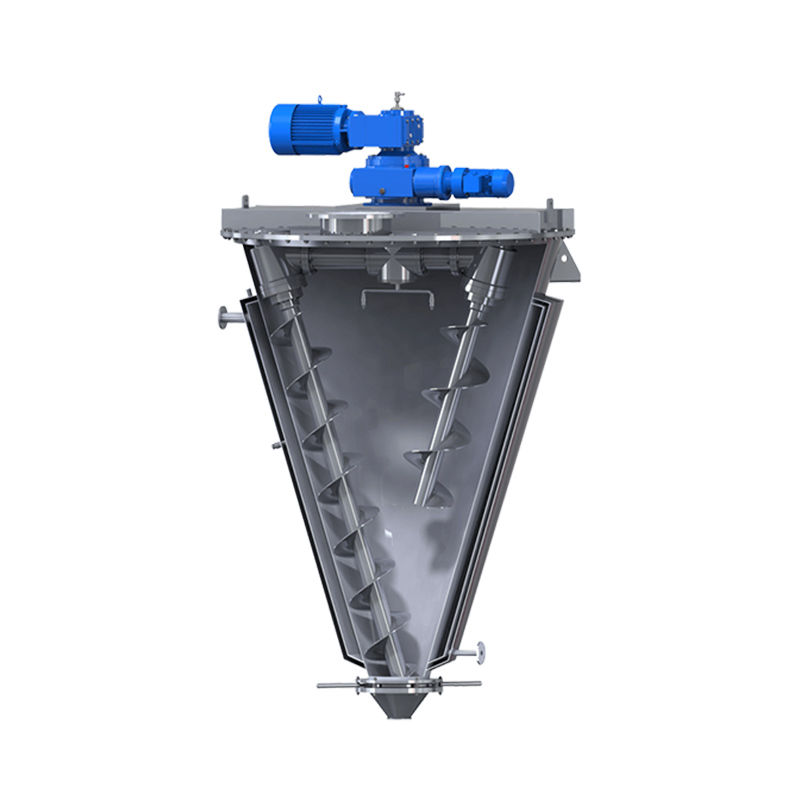
 Conical Screw Mixer
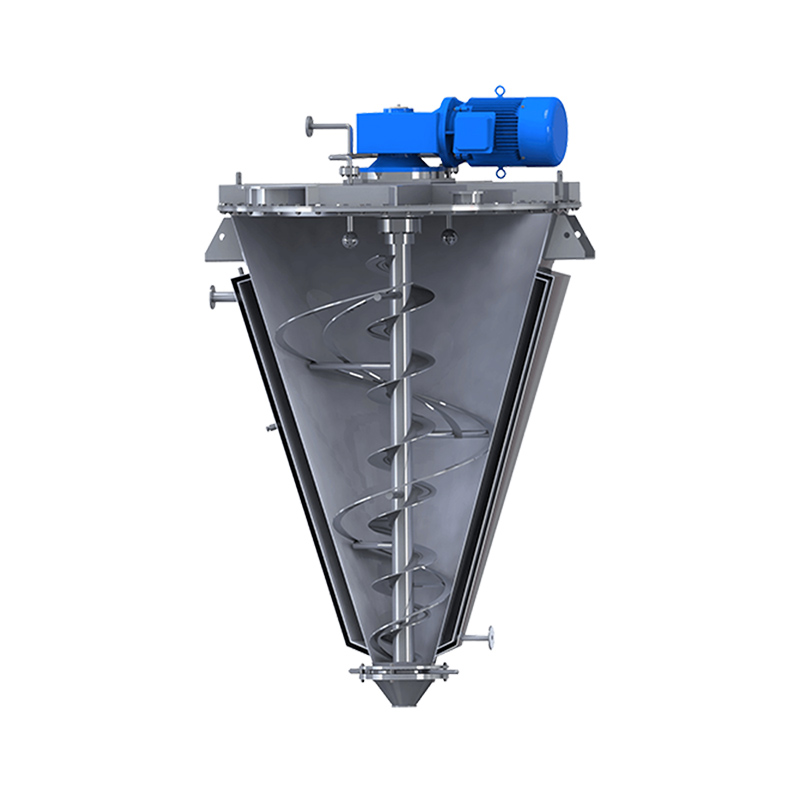 Conical Screw Belt Mixer
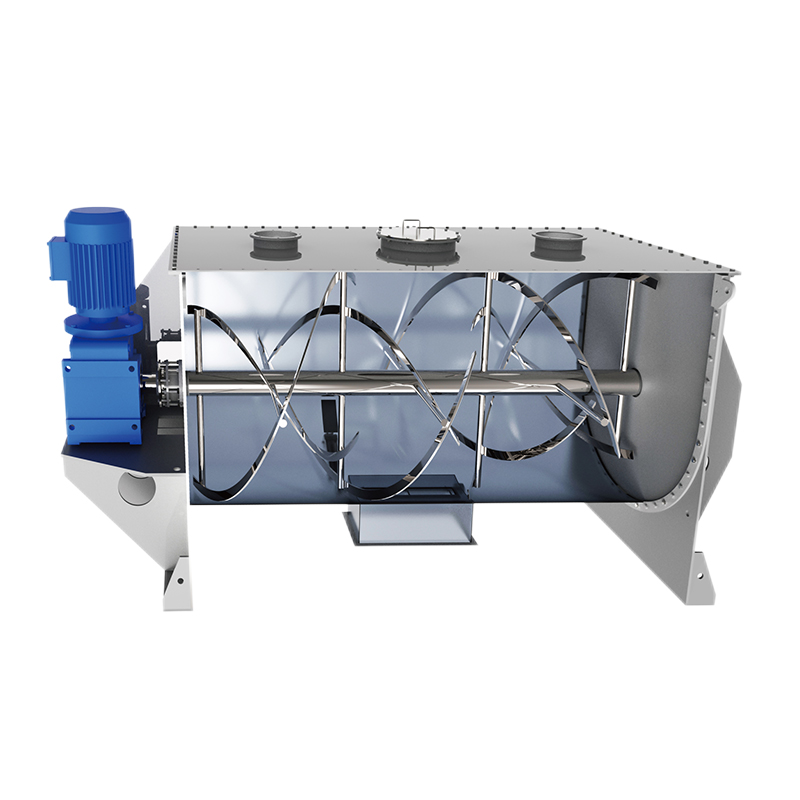 Ribbon Blender
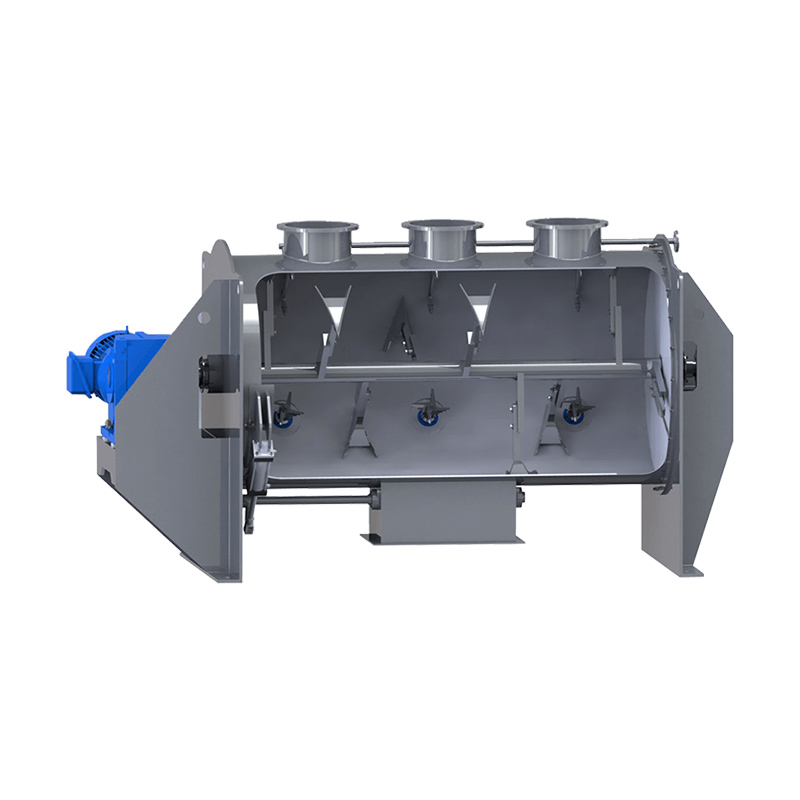 Plough-shear Mixer
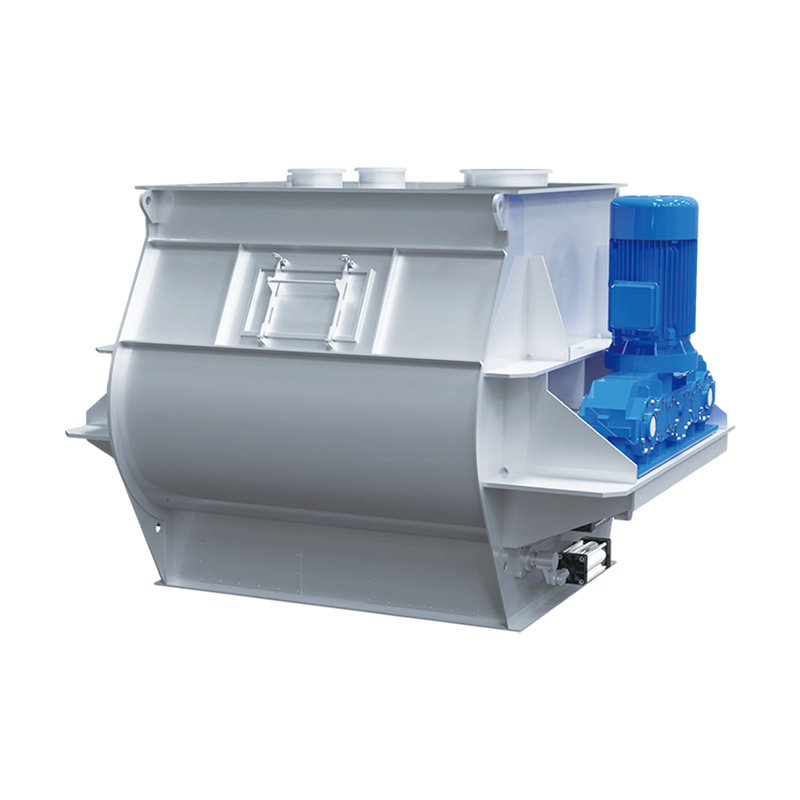 Double Shaft Paddle Mixer
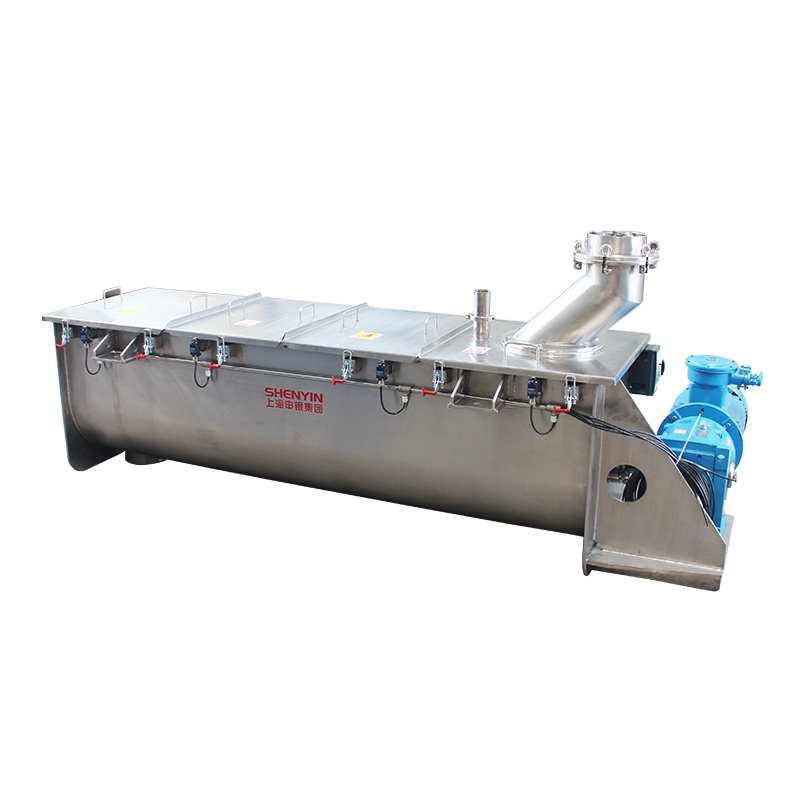 CM Series Mixer



What Parameters Should You Compare When Selecting a Double Shaft Paddle Mixer for Bulk Production?
Start your comparison with mixing homogeneity and cycle time. These two parameters decide whether a Double Shaft Paddle Mixer can meet your quality and throughput targets at all. Similar-looking datasheets often hide large differences in real blend consistency and batch time at bulk scale.
A structured comparison covers five areas: mixing performance, design and construction, operational and application fit, regulatory compliance, and cost. Weigh each area against your own process before you shortlist suppliers.
This approach pays off. You avoid overbuying capacity you never use, underbuying on a critical parameter, and costly retrofits after installation. Careful parameter comparison turns a confusing set of quotes into a clear, defensible decision.
Key Takeaways
- Start by comparing mixing homogeneity and cycle time. These two parameters show if the mixer meets your quality and speed goals.
- Check the design and construction. Look at shaft and paddle design, materials, and surface finish for durability and easy cleaning.
- Evaluate operational fit. Consider power use, maintenance access, and how well the mixer handles your specific materials.
- Review safety and compliance. Ensure the mixer meets safety standards and comes with necessary documentation.
- Calculate total cost of ownership. Look beyond the purchase price to include energy, maintenance, and downtime costs.
Mixing Performance Parameters
Homogeneity And Cycle Time For A Double Shaft Paddle Mixer
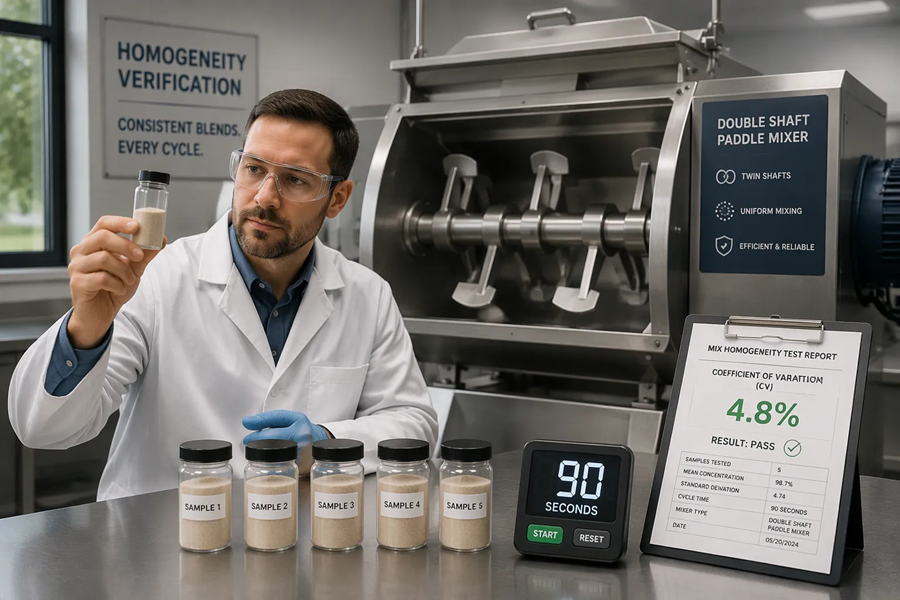
Homogeneity and cycle time work as a pair. A blend that reaches a tight uniformity target in a short cycle delivers more effective throughput than one that reaches the same target slowly. Compare both numbers together, never in isolation.
A coefficient of variation (CV) expresses how evenly a tracer spreads through the batch. Yuda Machinery reports that a Double Shaft Paddle Mixer typically targets CV ≤ 5% and reaches it in 30 to 120 seconds per batch. The same source notes that a single-shaft paddle mixer needs 2 to 4 minutes to hit CV ≤ 7%. That gap matters at bulk scale, where every saved minute multiplies across hundreds of batches.
| Parameter | Single-Shaft Paddle Mixer | Double Shaft Paddle Mixer |
|---|---|---|
| Mixing time per batch | 2–4 minutes | 30–120 seconds |
| Homogeneity target (CV) | ≤ 7% | ≤ 5% |
Verification follows a defined method. Yuda Machinery describes a tracer test with a typical inclusion rate of 0.1%, 10 to 12 samples drawn per batch, and CV ≤ 5% as the confirmation criterion. The same CV limit keeps micro-inclusions at rates of 0.1–0.5% evenly distributed. Ask each vendor how they sample and how they calculate CV, because the test method shapes the result.
Longer mixing is not automatically better. Dry blends usually reach full uniformity within roughly 30 seconds to 2–3 minutes. Past that window, extra time adds heat, wear, and cost without improving the blend. Evaluate any extended cycle against a measured gain in CV.
RPM alone tells you little about mixing efficiency. Tool speed, paddle geometry, and fill level interact. Request trial data on your actual recipe rather than generic benchmarks. A machine that shines on a vendor's demo powder may behave differently on your cohesive or fibrous ingredients.
Working Volume And Fill Level
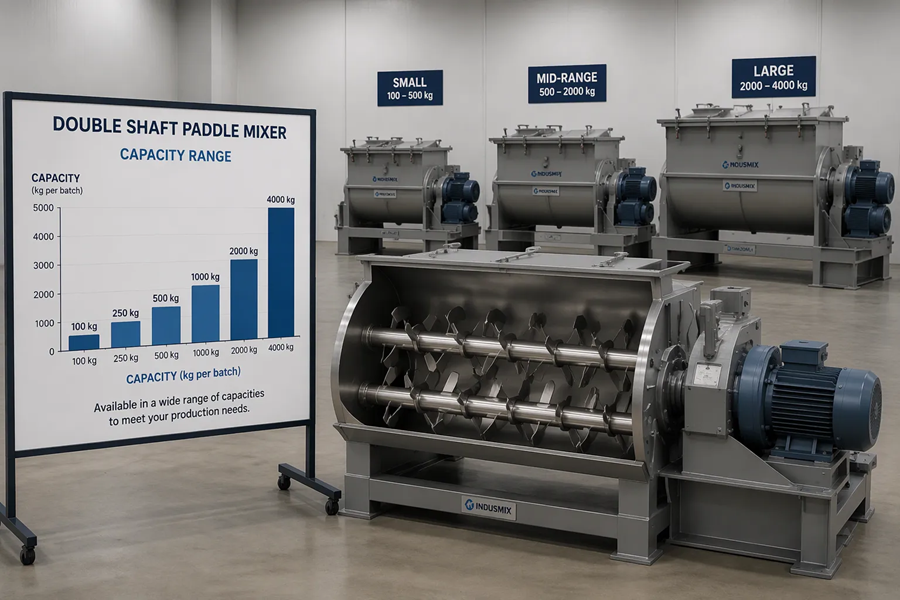
Compare working volume against total volume, and ask for the recommended fill range. A mixer that performs well only at one fill level limits your batch-size flexibility. You want a machine that holds homogeneity across a usable band of fills, from partial batches to full ones.
Before you finalize the selection, run representative formulation trials. Use these trials to define five things: fill level, tool speed, batch sequence, liquid-addition method, and blend time. Each variable shifts the outcome, and the trial pins down the combination that meets your CV target at your required cycle time. Document the results, then hold every candidate Double Shaft Paddle Mixer to the same test protocol.
Design And Construction Of The Double Shaft Paddle Mixer
Shaft, Paddle, And Drive Design
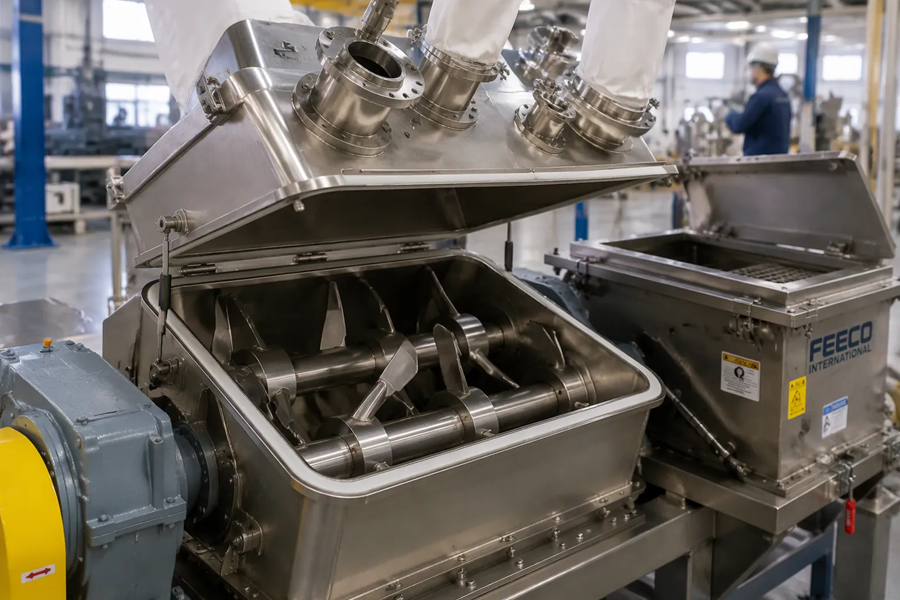
The twin-shaft layout defines the mixing action. Two shafts turn in opposite directions, and each carries a row of paddles. The counter-rotating pattern lifts material from the trough floor, folds it toward the center, and throws it back into the active zone. A single-paddle design relies on one shaft to do all of this work. The extra paddle row on a Double Shaft Paddle Mixer creates more contact points per revolution, so the batch reaches uniformity faster and more thoroughly.
Paddle angle sets the balance between lifting and pushing. Cybernetik notes that a steeper angle moves material along the trough more strongly, while a flatter one lifts more. Treat this as a fit trade-off, not a defect. Fragile or heat-sensitive products may prefer a slight angle that softens the mechanical action. Many designs allow angle adjustment, which lets you tune the mixing action to your product. Cybernetik also points out that paddle angle, tip clearance, and shaft speed together determine material movement, wall coverage, and the overall mixing regime.
Paddle width is a design parameter in its own right. Wider paddles sweep more volume per pass and raise the load on the shaft. Compare width alongside shaft arrangement and drive sizing. Check the drive against your duty cycle and against startup loads at full fill, because a full vessel demands far more torque at rest than a running one. Ask each vendor for the drive rating at your intended fill level.
Materials And Surface Finish
Contact-part materials decide corrosion and wear life. Review every product-contact part, not just the vessel: shaft, paddles, seals, fasteners, and surface finish all matter. Permix Mixers lists the common options and where each fits.
| Material | Best Fit |
|---|---|
| Carbon steel | Non-corrosive industrial powders, minerals, fertilizers |
| 304 stainless steel | Food ingredients and general sanitary processing |
| 316 and 316L stainless steel | Pharmaceuticals, specialty chemicals, salt-containing formulations |
| Duplex and specialty stainless | Cases where 304 or 316L falls short on corrosion or strength |
| Hastelloy and nickel alloys | Highly corrosive products or cleaning environments |
| Hardox and abrasion-resistant builds | Abrasive powders such as minerals, refractories, and silica |
| Ceramic-lined | Highly abrasive or contamination-sensitive materials |
Surface finish and fabrication quality affect residue buildup and service life. Permix Mixers recommends continuous internal welds, ground and polished transitions, defined surface finishes, and radiused corners. These features reduce product traps and make cleaning faster. Tight paddle-to-wall gap tolerances keep material from sitting in dead zones. Request mill certificates and batch traceability for the contact metals, and confirm the weld and finish standard in writing before you approve the build.
Operational And Application Fit
Power, Maintenance, And Controls
Compare specific power consumption per ton mixed, not motor size alone. A machine that draws less energy for the same batch lowers your running cost across thousands of cycles. Ask each vendor for the power figure at your intended fill level and recipe.
Maintenance access shapes your downtime. Bak Food Equipment describes typical features on parallel twin-Shaft Mixers:
- Tool-free interior access
- Monolithic silicone seals
- Polished bowl and shafts
- A fully sealed cover, with an optional openwork cover for safe ingredient additions without halting production
- Automatic lid operation via pneumatic or hydraulic systems
Check paddle inspection and replacement points, bearing and seal service intervals, and cleanout time between recipes. Then compare control capabilities against your automation plans. Recipe management, batch tracking, and plant-system integration decide how smoothly the mixer fits your line. Permix Mixers notes that well-designed recipes define ingredient order, feed rates, agitator speed profiles, liquid addition timing, and discharge conditions, so the control system carries real production logic.
Material Characteristics And Recipe Flexibility
Bulk density, particle size distribution, and flowability drive the mixing action you need. A double shaft paddle mixer suits mixtures with different particle sizes, densities, or flow characteristics, according to CSPMAC. The two shafts create interacting material movements that combine convection, displacement, and localized shear, and this reduces stagnant zones when you configure the machine correctly.
Incmachine advises matching the mixer to your material first:
When selecting a mixer to be applied in the processing of powder consider the following:
Material Characteristics – It will be bulk density, flowability and moisture content. The sticking or paste like materials require more aggression of mixing (ploughshare or double shaft).
The twin-shaft design fits moist, sticky, and fragile materials well. Incmachine notes it handles fragile and granule products and combines dry powders with liquid additives effectively. Gericke Group reports that liquid and fat additions work efficiently thanks to the fluidized bed in the mixing chamber, and optional high-speed dispersion tools in the front door disperse viscous liquids and deagglomerate lumps. For frequent recipe changes, compare minor-ingredient dosing and liquid injection options before you commit to a Double Shaft Paddle Mixer.
Regulatory Compliance Parameters
Safety And Sanitary Design
Compare safety features against the standards your plant must meet. Guard interlocks should stop the agitators when anyone opens an access point. Emergency stops must sit within easy reach of every loading and discharge station. Where your powders create combustible dust, check the mixer's dust-hazard rating and its grounding and bonding provisions. Ask each vendor to state which safety standards the machine is built to, and request the declaration in writing.
Sanitary design decides how well you can clean between recipes. Look for full drainability, so no liquid pools in the trough after washdown. Tool-free access to the interior shortens cleaning time and reduces the risk of missed residue. Smooth, radiused internal surfaces and sealed shaft entries keep product out of traps. These features support your cleaning program, though your own team still owns the cleaning validation protocol and acceptance criteria.
Documentation And Certifications
Define the documentation package before you place the order. PerMix notes that FAT, material traceability, calibration and validation-support documents can be specified before order placement. A complete package can include material certificates, surface-finish and weld documentation, passivation records, calibration certificates, and a spare-parts list. PerMix also confirms that IQ and OQ support documents can be included when the project scope defines them.
Factory acceptance testing verifies agreed functions before shipment. PerMix lists a typical FAT scope: mechanical inspection, speed range, controls, interlocks, emergency stops, recipe operation, alarm functions, liquid addition, guarding, and cleaning access. Match this scope to your audit requirements, then confirm every deliverable in the contract. Equipment documentation supports validation, but your organization remains responsible for process validation, cleaning validation, and batch release.
Cost Parameters
Initial Cost And Total Cost Of Ownership
Purchase price is only the first number you write down. Add installation, energy, spare parts, downtime, and cleaning labor across the service life. These items often outweigh the sticker price difference between two candidate machines.
Energy cost scales with specific power consumption per ton mixed. A machine that draws less power for the same batch lowers your running cost across thousands of cycles. Spare parts pricing and availability matter too, because paddle and seal replacement is a recurring expense. Cleaning labor adds up quickly when changeovers are frequent, so compare cleanout time between recipes as a real cost line.
Warranty terms, service network responsiveness, and lead times carry production risk at bulk scale. A long lead time delays your start-up. A slow service response turns a minor failure into a multi-day stoppage. Ask each vendor for their standard warranty coverage, their nearest service location, and their quoted delivery window. Put these commitments in the contract.
Return On Investment
Frame ROI around your production targets, not the sticker price. Compare throughput gains, yield improvement, and reduced downtime against what you need to achieve. A higher-priced Double Shaft Paddle Mixer that shortens cycle time and cuts rejected batches can pay back faster than a cheaper unit that struggles with your recipe.
Build a simple payback picture. Estimate the extra tons you can produce per shift from a shorter cycle. Add the value of yield you recover from tighter homogeneity. Subtract the cost of added energy and maintenance. Compare that annual benefit against the total installed cost. This calculation turns a vague price comparison into a clear business case.
The best value comes from fit, not from the lowest quote. Score each candidate on total cost of ownership and expected return, then weigh those scores alongside mixing performance and design quality. A machine that meets your targets at a fair total cost beats a bargain that misses them.
Start your evaluation with homogeneity and cycle time. These two parameters decide whether a Double Shaft Paddle Mixer meets your quality and throughput targets. Design robustness, operational fit, compliance, and total cost of ownership follow in that order. Each one narrows the field further.
Build a weighted scoring list for your process. Require trial data on your own recipe, not generic benchmarks. Score every candidate against the same weighted list, then shortlist the top performers. This framework keeps emotion out of a costly decision.
The best choice fits your specific production profile. A longer spec sheet does not guarantee a better match. Fit wins.
FAQ
How Do You Verify A Vendor's Homogeneity Claim?
Ask for the test method, not just the number. A credible claim states the tracer inclusion rate, the sample count per batch, and the CV limit. The evidence above cites a 0.1% tracer, 10 to 12 samples per batch, and CV ≤ 5% as a confirmation criterion. Then repeat the test on your own recipe.
Can A Double Shaft Paddle Mixer Handle Small Batches?
It can, if the machine holds uniformity across a usable fill range. A unit that performs well only at one fill level limits your batch-size flexibility. Ask each vendor for the recommended fill range and for trial data at your smallest and largest planned batch sizes before you commit.
What Should A Trial Run Prove Before You Buy?
A trial should pin down five variables: fill level, tool speed, batch sequence, liquid-addition method, and blend time. Run it on your actual formulation, not a demo powder. Document the results, then hold every candidate to the same protocol so the comparison stays fair.
Does A Longer Mixing Cycle Improve Blend Quality?
Usually not. Dry blends typically reach full uniformity within roughly 30 seconds to 2–3 minutes. Past that window, extra time adds heat, wear, and cost without improving the blend. Evaluate any extended cycle against a measured gain in CV, and skip it when the gain disappears.
Should You Choose The Lowest Price Or The Best Fit?
Choose fit. Purchase price is only the first cost line. Add installation, energy, spare parts, downtime, and cleaning labor across the service life. A machine that meets your targets at a fair total cost beats a bargain that misses them.