
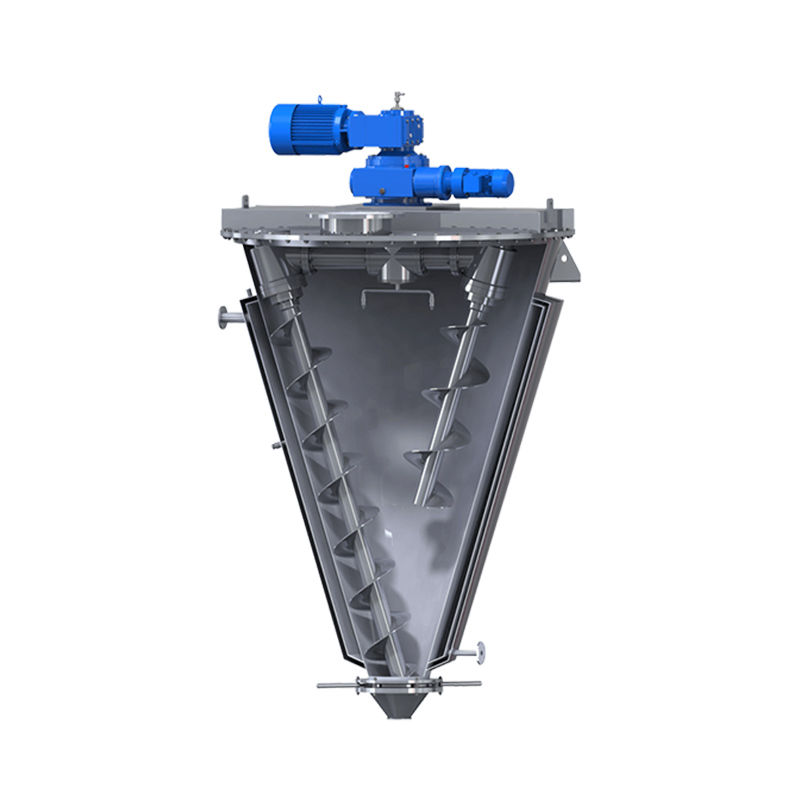
 Conical Screw Mixer
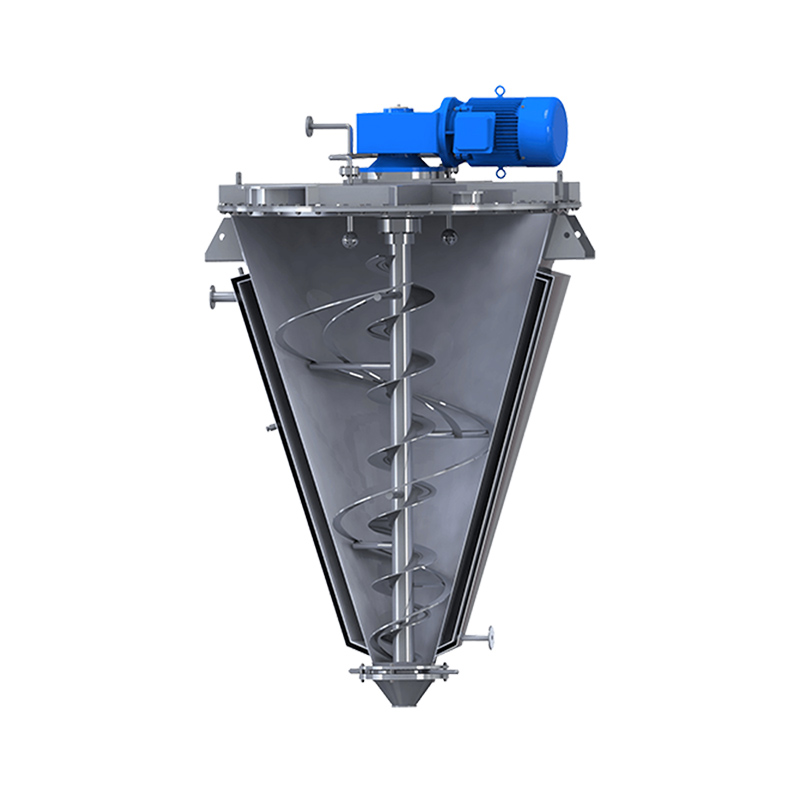 Conical Screw Belt Mixer
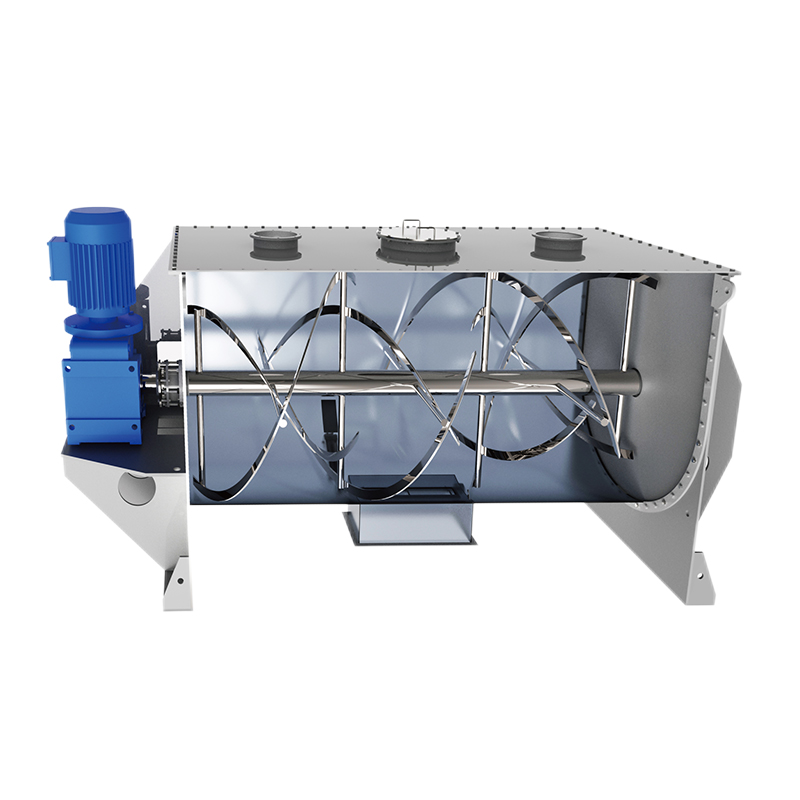 Ribbon Blender
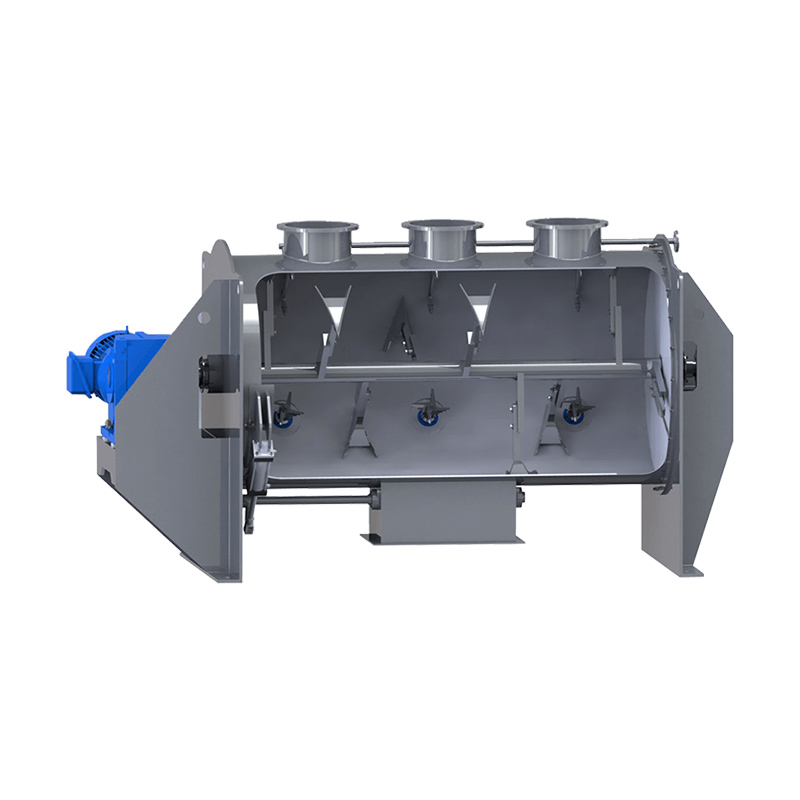 Plough-shear Mixer
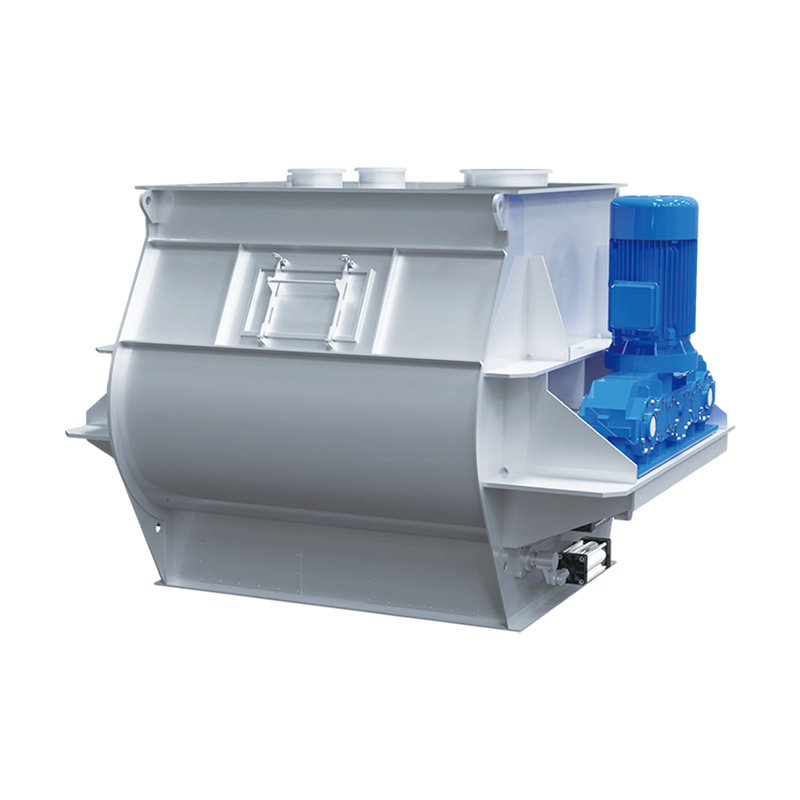 Double Shaft Paddle Mixer
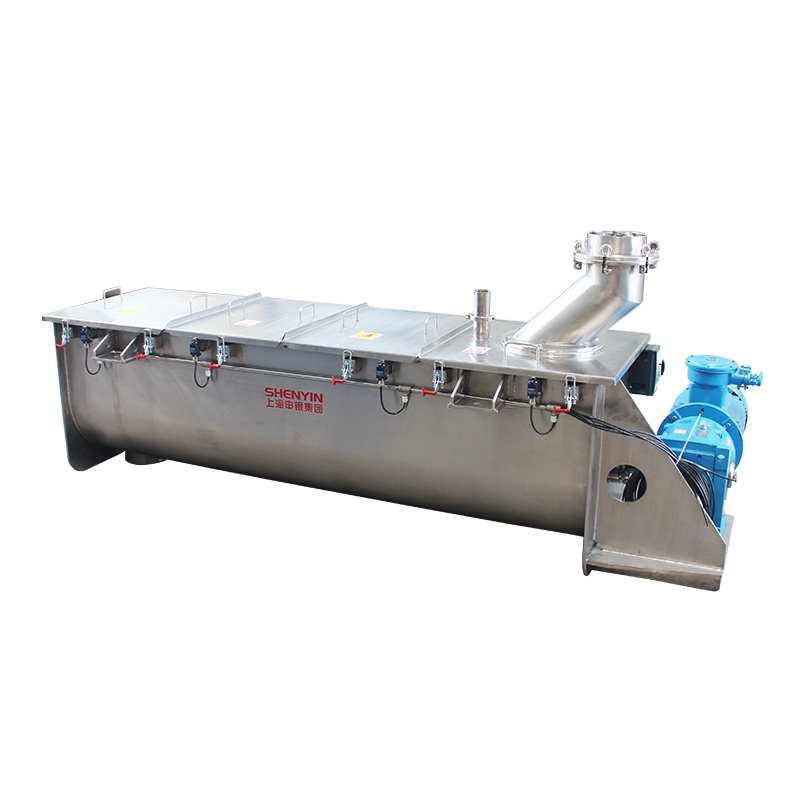 CM Series Mixer



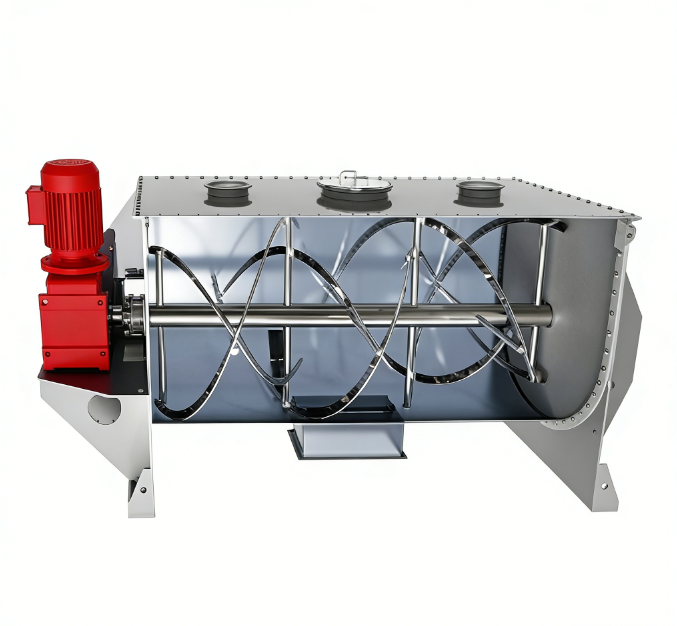
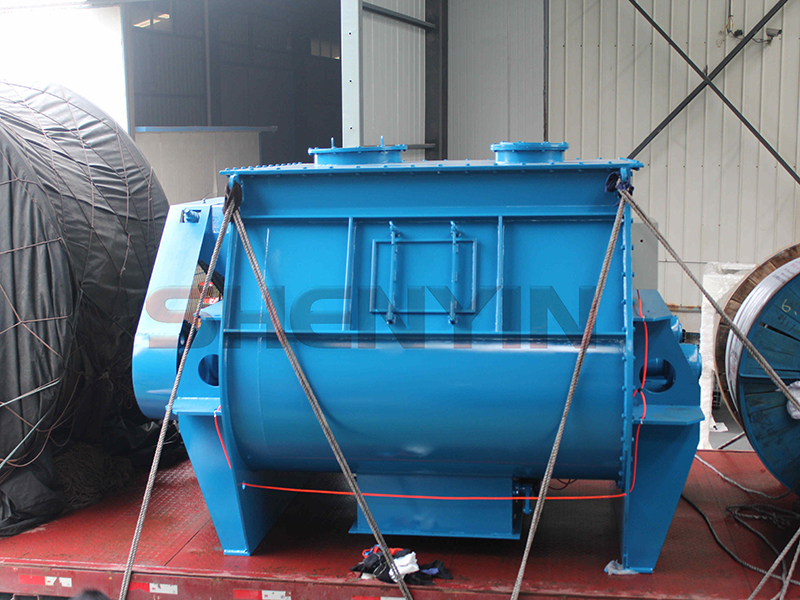
What Are the Key Advantages of Choosing a CM Series Mixer for Production Lines?
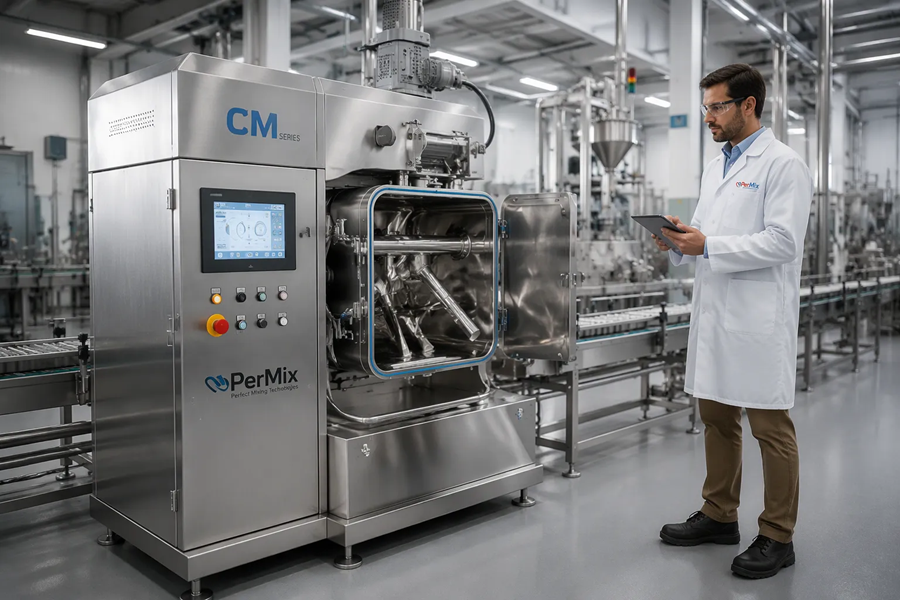
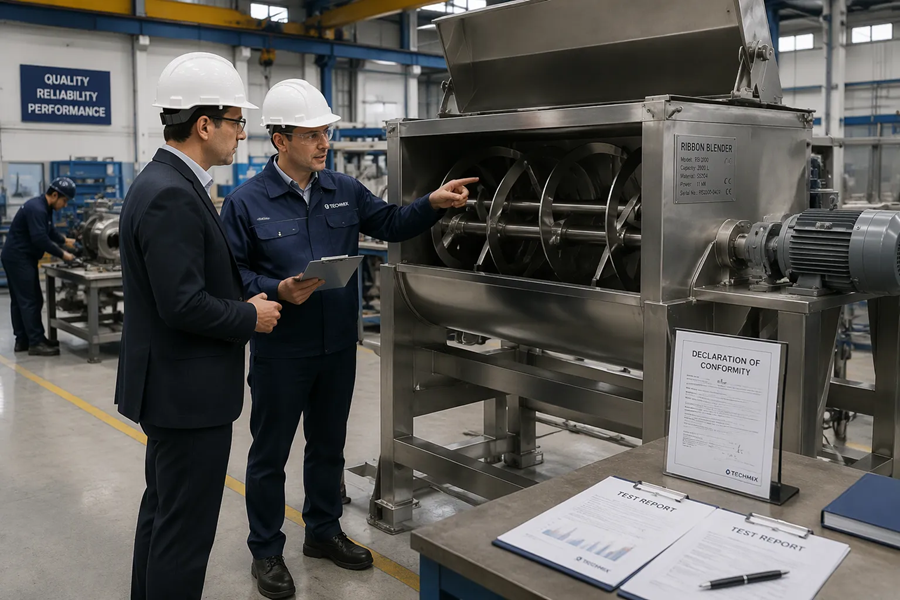
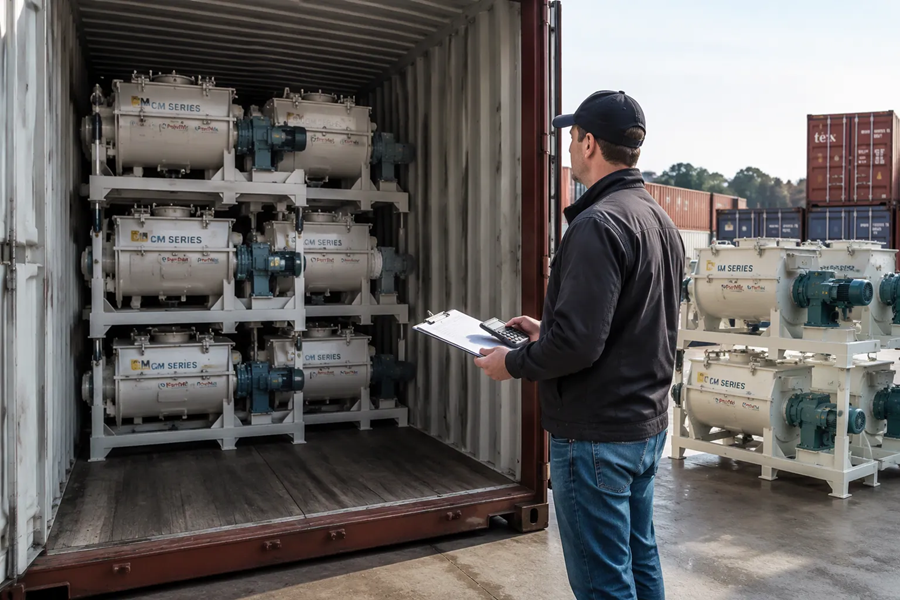
A CM Series mixer brings clear advantages to your line. These advantages tie to five areas: subtype, capacity, construction, testing, and configuration. Each area shapes how the equipment behaves in daily operation. You gain the most when you treat the mixer choice as a line-level decision. The unit interacts with feeders, conveyors, and downstream equipment. A weak match in any one area limits the whole production flow. A strong match supports steady output and consistent quality. You should weigh all five areas together before you commit to a specification.
Key Takeaways
- Choose the right mixer subtype for your job. The CMS single-Shaft Mixer handles moderate duty. The CMD twin-shaft mixer handles demanding duty with fast mixing.
- Treat capacity as a system property. A well-matched feeder sets your real throughput and boosts efficiency.
- Select construction materials carefully. Stainless steel resists corrosion and cleans easily. This protects product quality.
- Run pilot tests with your actual material. Real material shows how the mixer will perform in your line.
- Review optional configurations as engineering decisions. Each option changes specifications. Match every addition to your production needs.
CM Series Mixer Subtype Selection
You gain the first advantage when you settle the subtype. This decision sets the mixing capability of the cm series mixer before you fix any other specification. Drive power, shaft geometry, and discharge design all follow from it. Treat the subtype as the foundation of the whole line. A clear choice here prevents costly changes later. The two designs share the same platform logic, yet they behave differently on the floor.
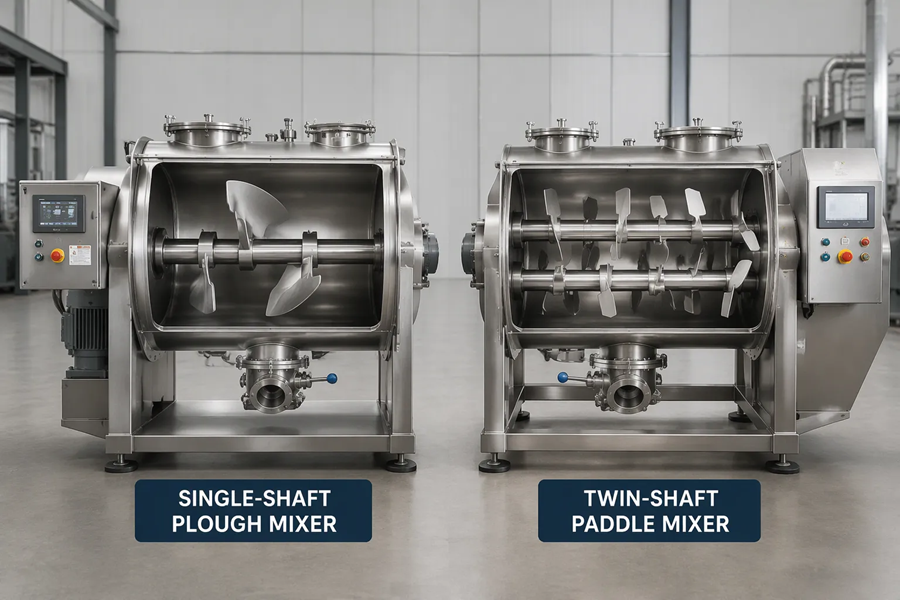
CMS Single-Shaft Plough Mixer
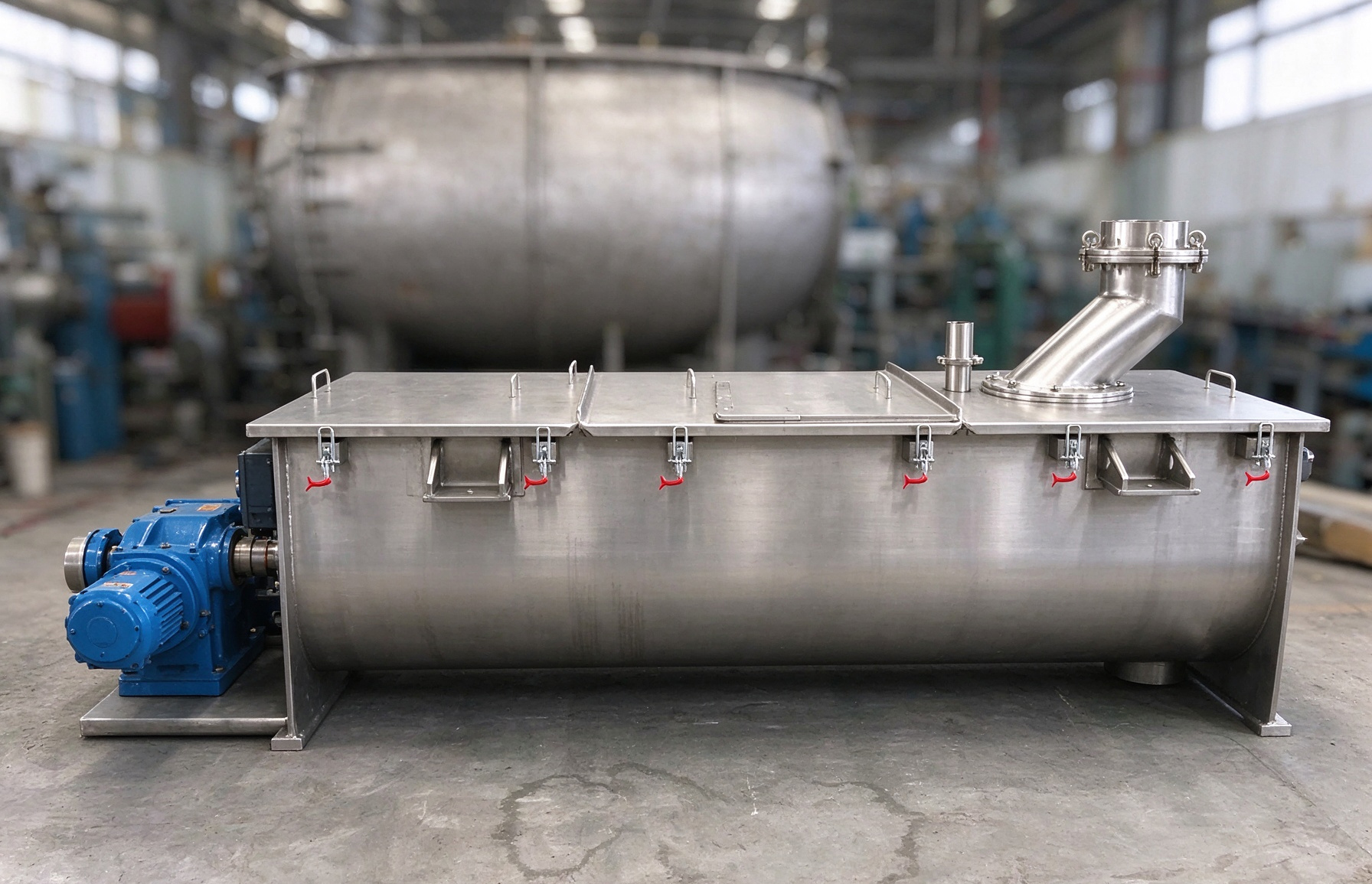
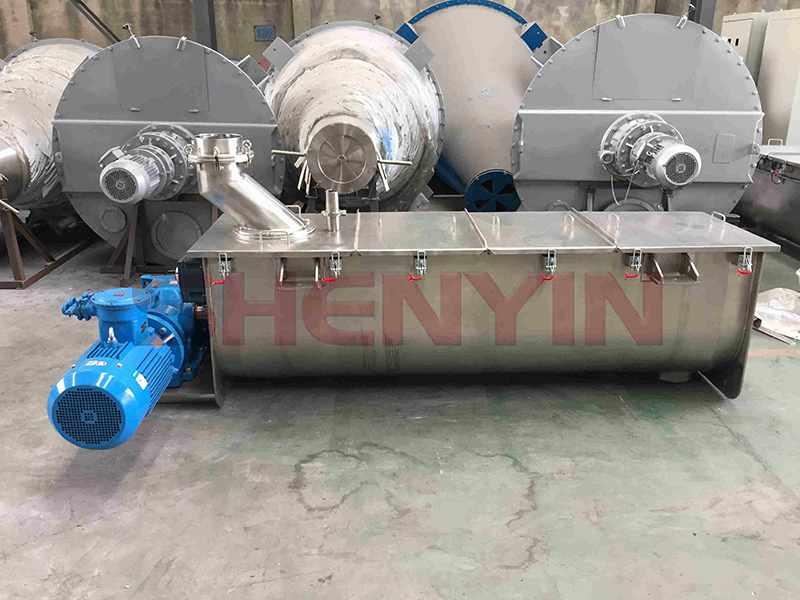
The CMS single-shaft plough mixer suits general-purpose and moderate-duty work. A single shaft drives plough-shaped tools through the material bed. This layout fits applications where the material flow stays predictable and the duty cycle leaves room for a longer mix. You can add liquids through spray bars when the formula calls for them. The single shaft keeps the footprint compact and the drive train simple. Many plants use this Industrial Mixer for routine blending of powders with similar bulk densities. It handles sticky materials well and delivers excellent uniformity. The mixing action stays gentle on the product. Typical mix times run several minutes, so plan the upstream and downstream equipment around that rhythm. Moderate throughput targets fit this design without strain. You should review your batch size, target cycle time, and material behavior before you commit. The design rewards steady, repeatable routines.
CMD Twin-Shaft Paddle Mixer
The CMD twin-shaft paddle mixer fits demanding duty profiles. Two overlapping shafts create a fluidized zone where particles are briefly weightless. That action drives intensive mixing and strong resistance to segregation. You get high homogeneity in cycles measured in tens of seconds rather than minutes. A typical dry cycle runs 20-30 seconds for filling, 40-60 seconds for mixing, and 10-20 seconds for discharging, for a total of 1.5 to 2 minutes. Minor components at fractions of a percent distribute rapidly, and micro-minors at 1 ppm mix without dead spots. Liquid addition works well because the fluidized zone spreads fluid fast. A bomb-bay door supports almost complete discharge. This subtype serves animal feed, mineral premixes, aqua feed, and pet food. It also fits instant drinks, infant milk powder, bakery mixes, detergents, pigments, fertilizers, vitamin mixes, dry mortar, and fly ash conditioning. Duty profiles that call for this action include solid-solid work, solid-liquid work, coating and granulation, heat-sensitive formulas, pre-reaction preparation, pH adjustment, and color work. Shear stays very low, so fragile materials such as flake or whole coffee beans keep their integrity. Short cycles let a relatively small unit deliver large output.
Both subtypes are valid choices. Match the unit to your application instead of ranking one above the other. A moderate-duty line with predictable flow may run well on the single-shaft design. A line with large batches, critical cycle time, wide density differences, and rapid minor-ingredient distribution needs the twin-shaft action. The right industrial mixer for your blending equipment train is the one that fits your duty profile, not the one with the longest feature list. Confirm the choice with your material data before you finalize the mixing process. That step protects product quality and keeps the production line balanced. It also tells you which cm series mixer configuration will serve the line for years. A short pilot run on your own material settles the question quickly.
Continuous Mixer Capacity and High Efficiency
Capacity is a system property, not a number stamped on the mixer shell. The internal volume of a continuous mixer tells you only part of the story. Throughput depends on the feeding system that supplies it. A well-matched feeder sustains the continuous mixing rate and keeps the unit working at its design point. This is where high efficiency begins.
Feeding System Sets Throughput
The feeder type follows the material. Disc, single-screw, twin-screw, belt, vibratory, and rotary airlock feeders each suit different bulk behavior. The goal is a predictable volumetric flow. You can improve that flow through speed control or through gravimetric control, which uses load cells or balances to correct for drift. For liquids, positive-displacement pumps such as gear and progressing cavity pumps give a close, linear relationship between pump speed and volume, so metering stays predictable and easy to calibrate.
Control strategy drives accuracy. The table below shows typical figures for continuous blending systems.
| Configuration | Throughput | Proportioning Accuracy |
|---|---|---|
| Continuous fertilizer blending plant | 30–300 tons per hour | ±0.5%–1.0% gravimetric; ±2%–5% volumetric |
| Volumetric system (screw, belt, or rotary valve) | 10–150 tons per hour | ±1%–3% |
| Gravimetric control | Medium to very high | ±0.1%–0.3% |
A continuous feeding and mixing process runs feeding and discharging at the same time. Material enters while mixed product leaves. This simultaneous action is the basis for high efficiency. It cuts idle time, reduces labor costs, and lowers energy use per ton. A compact industrial mixer can then deliver a large volume of mixed materials without a matching jump in floor space.
Pros and Cons of a Continuous Mixer
Weigh the pros and cons of a continuous mixer against your line reality. The pros of a continuous mixer include steady throughput, easy line matching, and strong operational efficiency. Every stage runs without interruption, so you gain a continuous production rhythm and better overall equipment effectiveness. Automation and monitoring fit naturally, and product loss to residue stays low.
The cons of a continuous mixer center on feed discipline. Output quality tracks feed consistency, so upstream control matters. A feeder that runs empty or a hopper that bridges will show up in the blend. Multi-ingredient formulas with tight uniformity limits demand robust sampling and testing. Gravimetric feeders and recipe-driven control address much of this. Understand the advantages and disadvantages before you specify, and match the industrial mixer to your production line rather than the reverse.
Construction and Consistent Quality
316L, 304, and Mild Steel
Material choice sets the durability, hygiene, and cost profile of your industrial mixer. Stainless steel resists corrosion through a self-healing chromium oxide film, so it lasts in wet, salty, and chemical environments where carbon steel fails. Its smooth, non-porous surface cleans completely, which matters in food and medicine. Mild steel costs less and suits dry, non-corrosive duties. The table below shows how the two stainless grades compare.
| Property | SS304 | SS316L |
|---|---|---|
| Chromium | ~18% | ~16–18% |
| Nickel | ~8% | ~10–14% |
| Molybdenum | None | 2–3% |
| Pitting Resistance (PREN) | Lower | Higher |
| Chloride Tolerance | Moderate | High |
| Weld Corrosion Risk | Higher | Lower |
SS304 can pit above roughly 150 to 200 ppm chloride, especially at elevated temperatures. SS316L uses molybdenum to stabilize the passive layer and low carbon to reduce carbide precipitation during welding. Choose 304 for dry food lines, low-salt water-based products, and mild cleaning. Choose 316L for brine, acidic beverages, protein work, and frequent high-temperature CIP cycles. Strength comes from material selection, structural design, and heat treatment working together. Cast steel lets you tune tensile strength and ductility through alloying and heat treatment, so parts handle cyclic loading.
Pilot Testing with Actual Materials
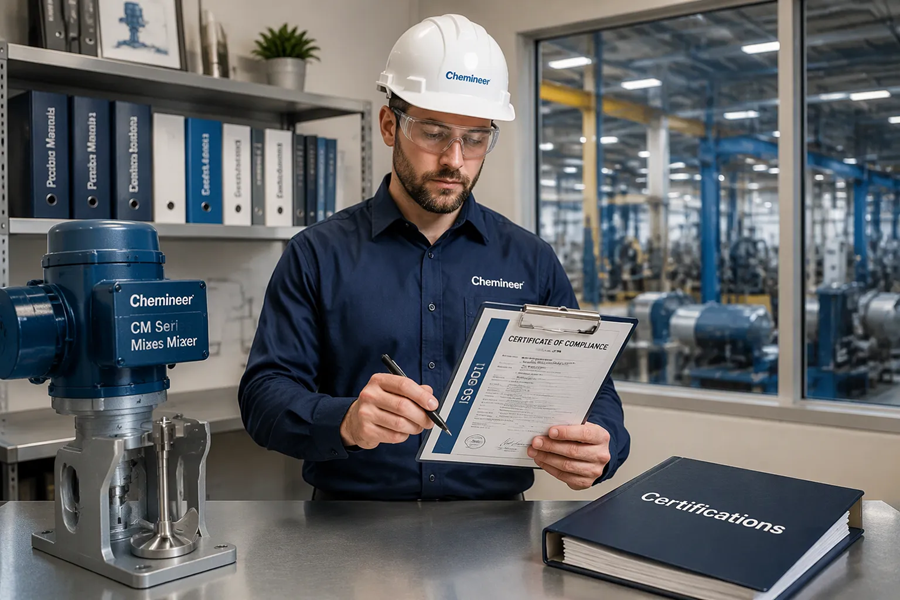
Pilot testing confirms how your material behaves under shear and verifies homogeneity. Run trials with actual production material, not generic samples. Real material reveals batch repeatability, mixing consistency, temperature stability, and cleanability before you finalize the specification. Scale-up deserves care. A larger continuous mixer changes bed depth, fill level, peripheral speed, and power demand. Matching a pilot unit's RPM at full scale does not reproduce its mixing physics. Test feeding equipment with the real material too, not just a data sheet. This step supports a consistent mixing process and a homogenous blend, and it protects uniform quality across every batch.
Optional Configurations and Specifications
Specification-Affecting Options
Optional configurations change real specifications, so treat each choice as an engineering decision. Footprint, drive power, and discharge arrangement all shift once you add an option. The series spans total volumes from 0.3 to 30 m³ and hourly capacities from 5 to 200 m³/h, with motor power from 3 to 200 kW. Your configuration picks the point inside that range.
| Configuration Decision | Specification to Verify | Consequence of Getting It Wrong |
|---|---|---|
| Agitator type | Match to material flow behavior and mixing objective | Poor homogeneity, excessive residence time, or dead zones |
| Flying knives for agglomerates | Confirm necessity with material testing | Lumps pass through to product; downstream rejects |
| Wear protection for abrasives | Tool material and replaceable wear parts | Accelerated wear, metal contamination, frequent shutdowns |
| Discharge configuration | Downstream handling capacity matches mixer output | Backflow, blockage, line stoppage |
A discharge that runs faster than your downstream handling will back up the line. A drive sized for a light duty profile will strain under an abrasive one. Check each option against the whole processing line before you approve it.
Application-Specific Additions
Application-specific additions expand fit for your duty. They do not imply the base model falls short. Each addition moves the spec envelope in a predictable way.
- Liquid injection systems are built around viscosity, addition rate, droplet size, nozzle type, spray angle, and final moisture target.
- Choppers and intensifiers break soft agglomerates, distribute liquids, and improve coating.
- Heating and cooling jackets depend on jacket surface area, media temperature and flow rate, and vessel-wall thickness.
- Sanitary features such as continuous internal welds, radiused corners, and CIP provisions support reduced cleaning needs and cut cleaning downtime between runs.
- Controls range from local starters to PLC and HMI systems with recipe management and batch reporting.
A jacketed bowl adds thermal control to your mixing cycle. A spray system adds liquid handling to your blending step. Each choice raises the specification you must verify. Match every addition to your production target, and the industrial mixer will hold quality across the full run. A continuous mixer configured this way fits the line instead of forcing the line to fit it.
Your cm series mixer choice pays off when you align five areas with your line. Subtype fit sets mixing capability. System-level capacity and efficiency come from the feeding system. Construction choice protects consistent quality. Pilot testing with actual materials confirms performance. Optional configurations extend fit without implying a base model falls short.
Match the configuration to your specific line requirements. Do not default to a single spec. Weigh the advantages and disadvantages of a continuous mixer against your feed discipline and throughput targets. A continuous mixer rewards disciplined upstream control. Early specification decisions shape long-term production line performance. A well-matched unit supports steady output and reliable results for years.
FAQ
Which subtype should you choose for your line?
Start with your duty profile. The CMS single-shaft plough mixer fits general-purpose and moderate-duty work with predictable material flow. The CMD twin-shaft paddle mixer fits demanding profiles that need intensive action and fast minor-ingredient distribution. Match the subtype to your application, then set the remaining specifications.
How do you set the throughput of a continuous mixer?
Treat throughput as a system property. The feeding system sustains the continuous mixing rate, so feeder type and control strategy set your real capacity. Disc, screw, belt, vibratory, and rotary airlock feeders suit different bulk behavior. Gravimetric control tightens proportioning accuracy beyond volumetric control. Size the feeder and the mixer together.
Does material construction affect product quality?
Yes. Stainless steel resists corrosion and cleans completely, which protects hygiene and batch-to-batch consistency. Choose 304 for dry food lines and mild cleaning. Choose 316L for brine, acidic products, and frequent high-temperature CIP cycles. Mild steel suits dry, non-corrosive duties at lower cost. Material selection, structural design, and heat treatment work together.
Why should you run pilot tests with actual materials?
Real material reveals batch repeatability, mixing consistency, temperature stability, and cleanability. Generic samples hide these behaviors. Test the feeding equipment with the real material too. Scale-up changes bed depth, fill level, peripheral speed, and power demand, so confirm the continuous mixer against your own material before you finalize the specification.
Which options change the specification?
Many options shift real specifications. Agitator type, flying knives, wear protection, and discharge configuration each change footprint, drive power, or downstream matching. Liquid injection, choppers, heating and cooling jackets, sanitary features, and PLC controls each move the spec envelope. The series spans 0.3 to 30 m³ total volume and 5 to 200 m³/h, so your configuration picks the point inside that range. Verify every addition against the whole line.