
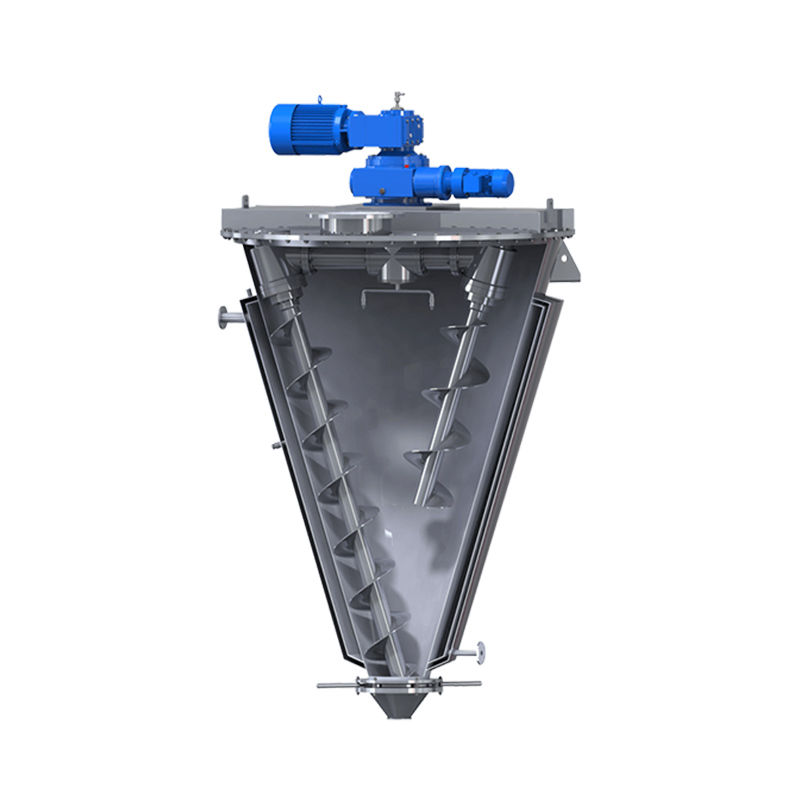
 Conical Screw Mixer
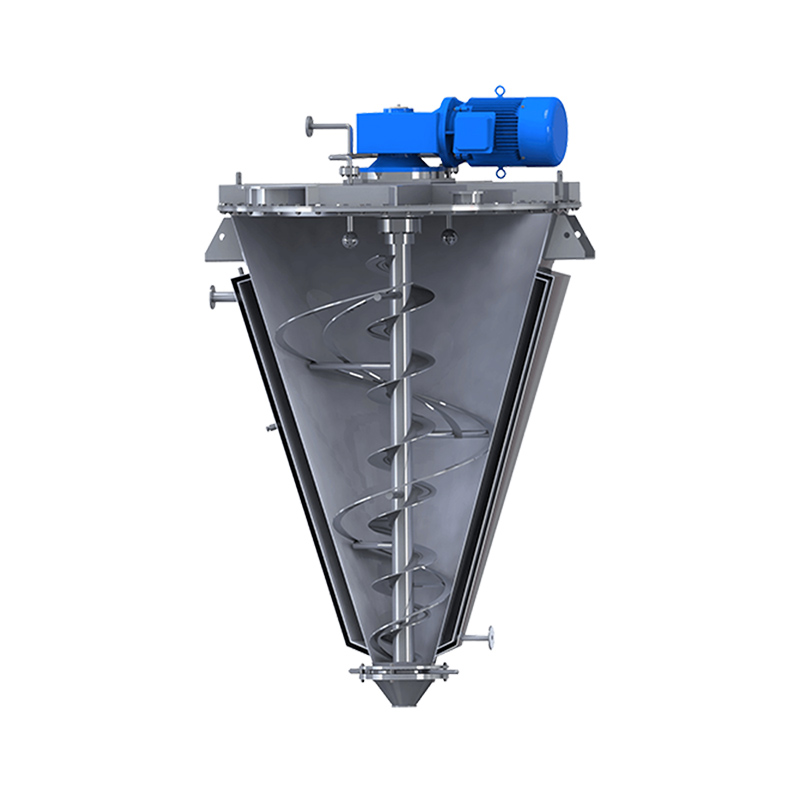 Conical Screw Belt Mixer
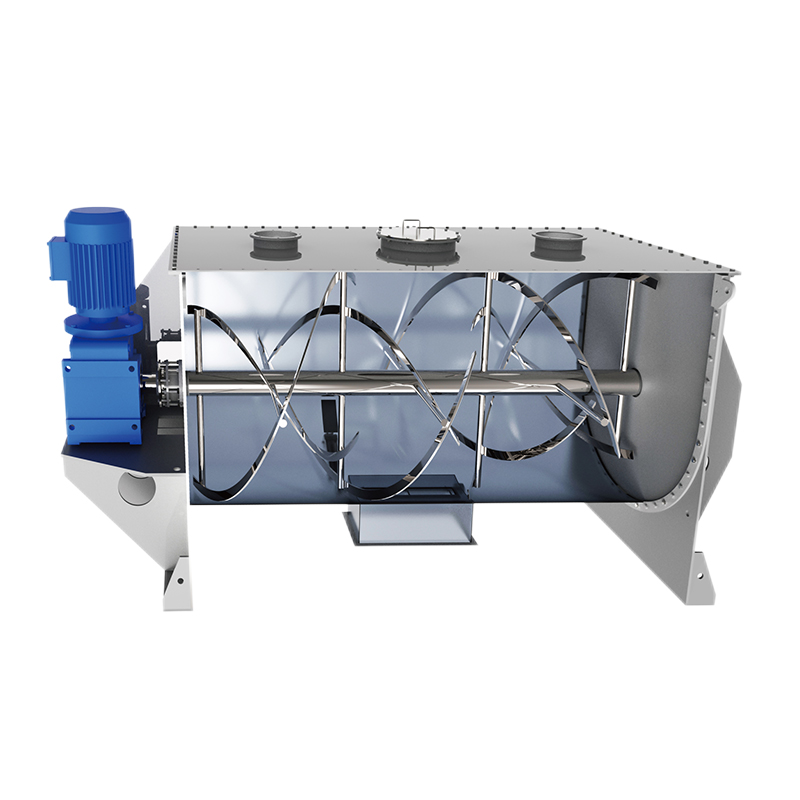 Ribbon Blender
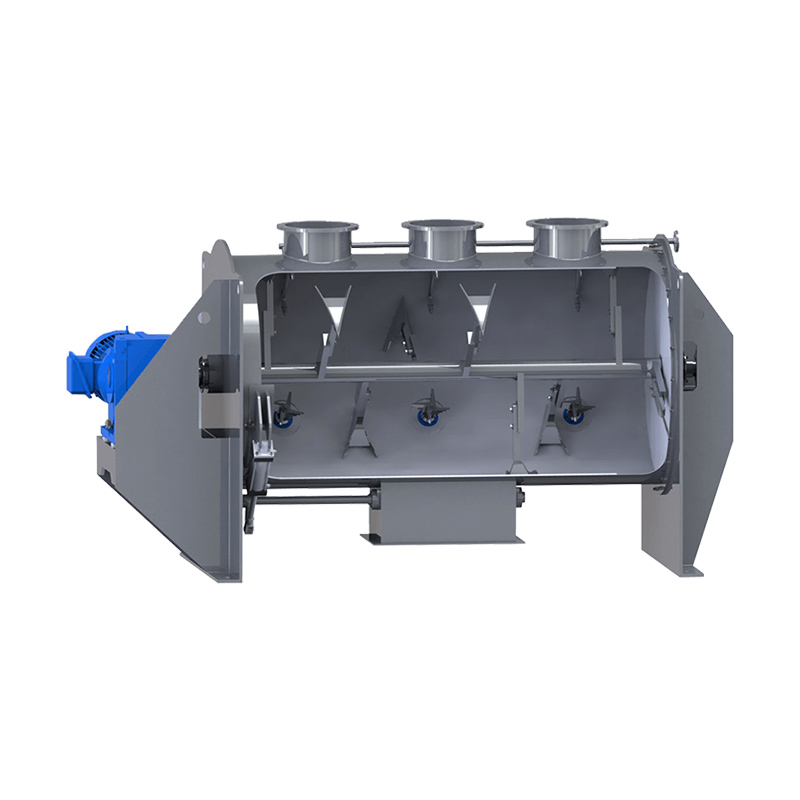 Plough-shear Mixer
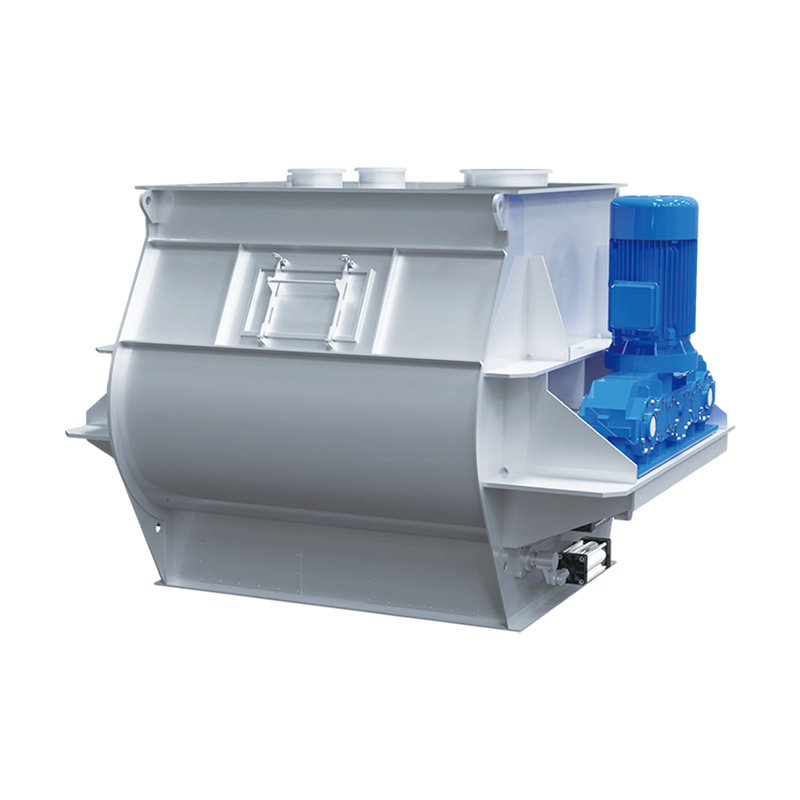 Double Shaft Paddle Mixer
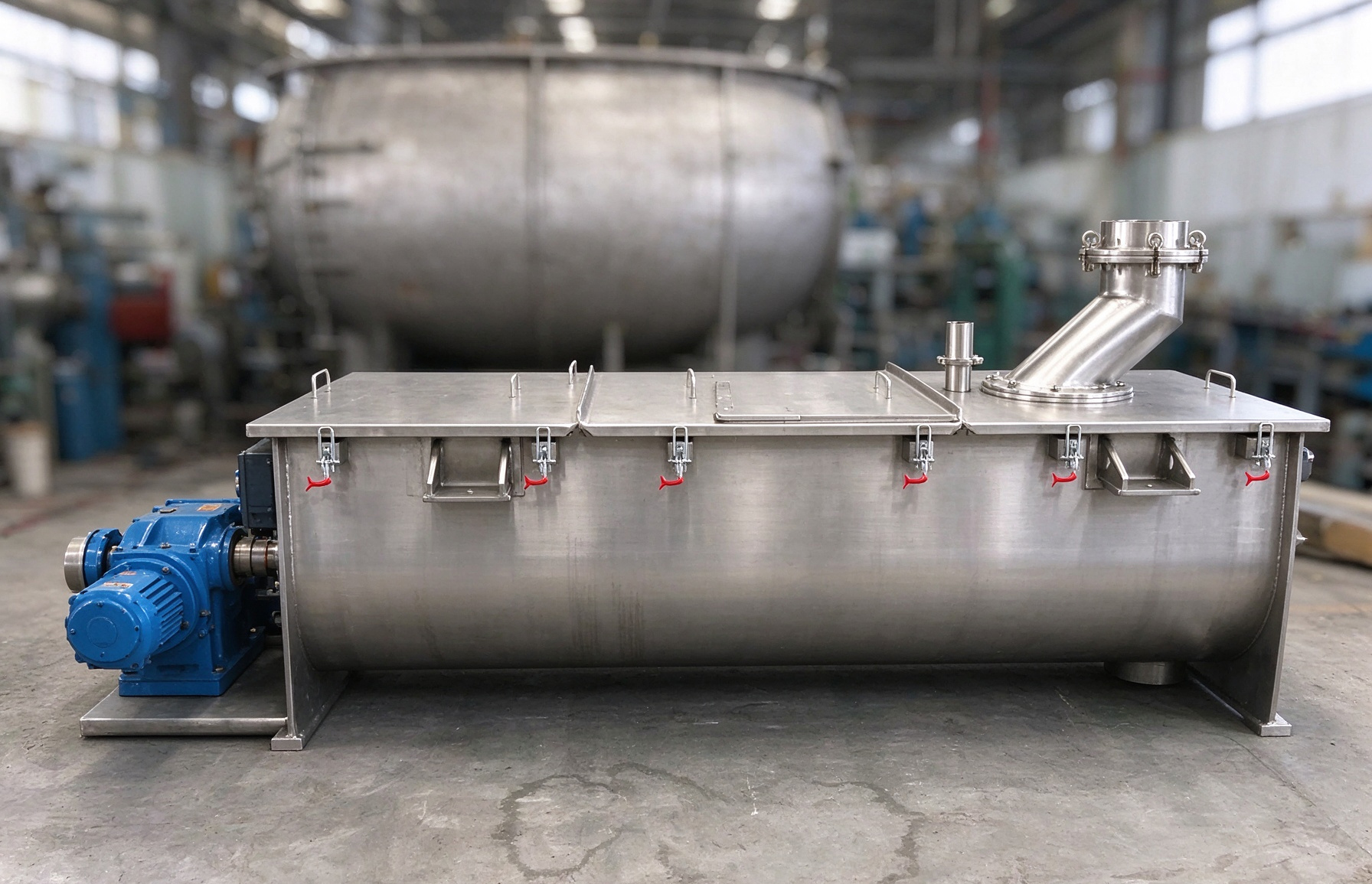
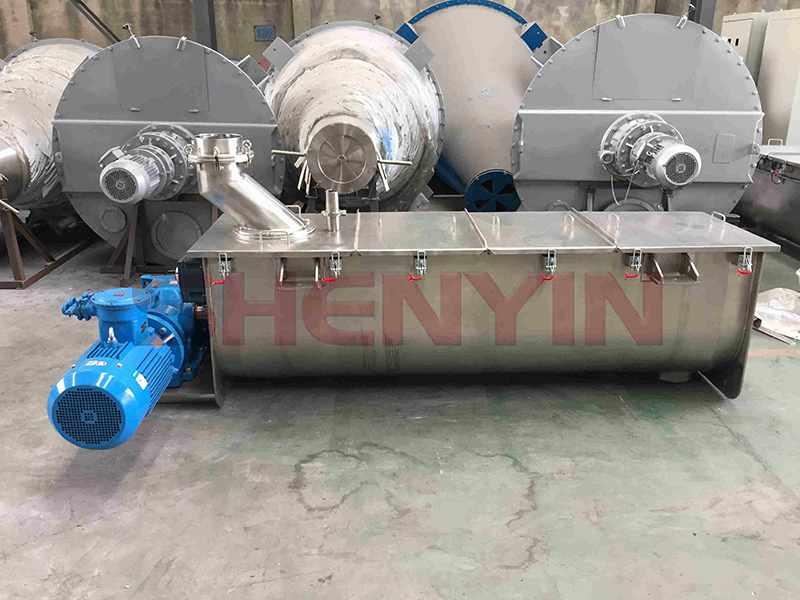
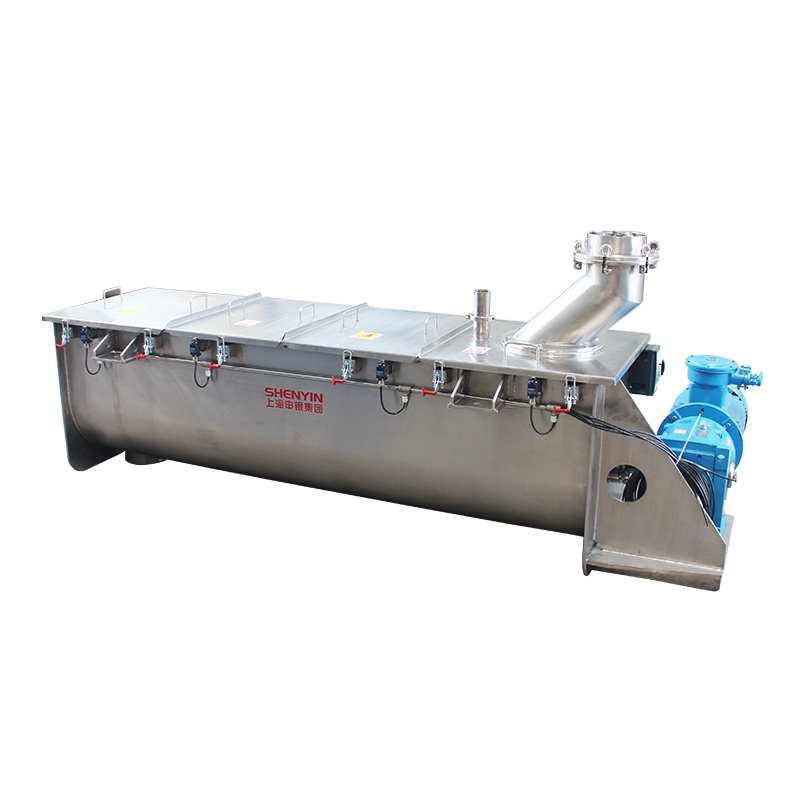 CM Series Mixer





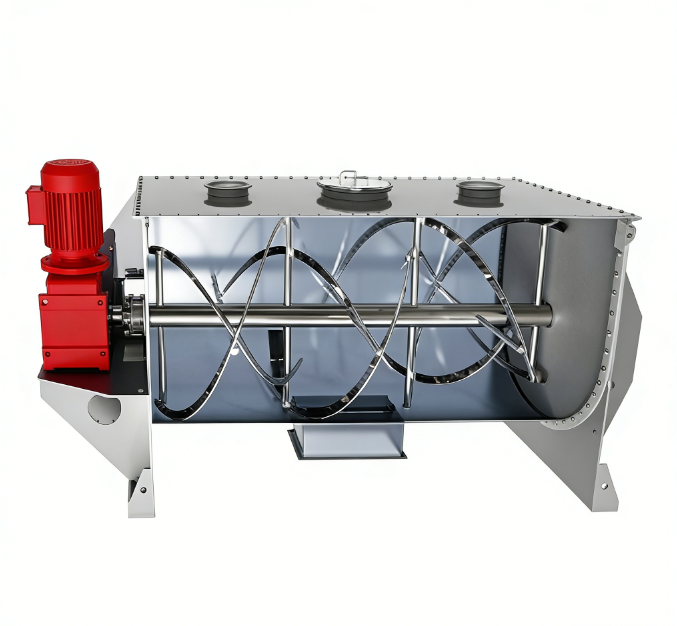
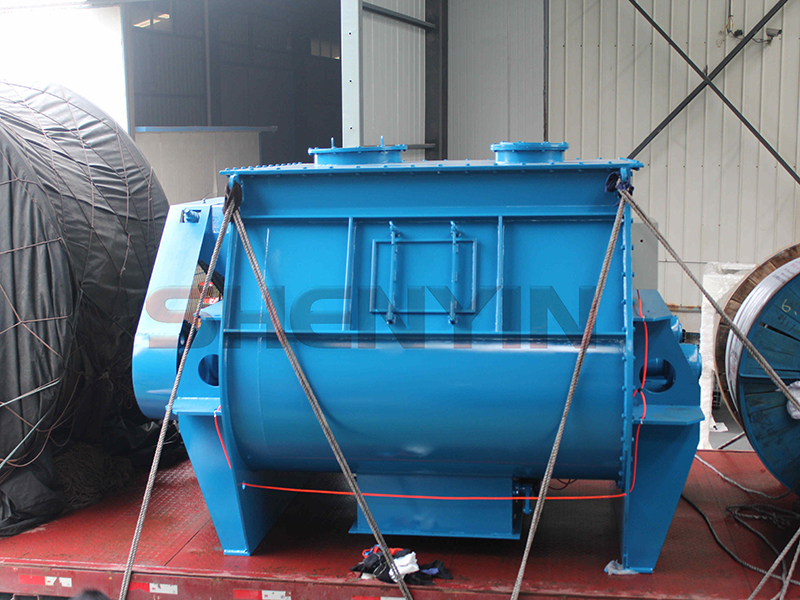
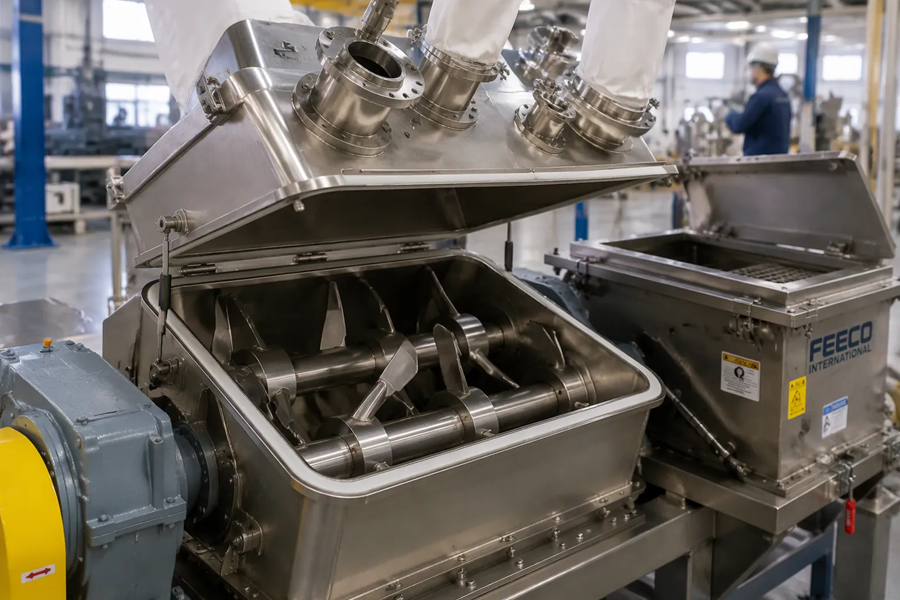
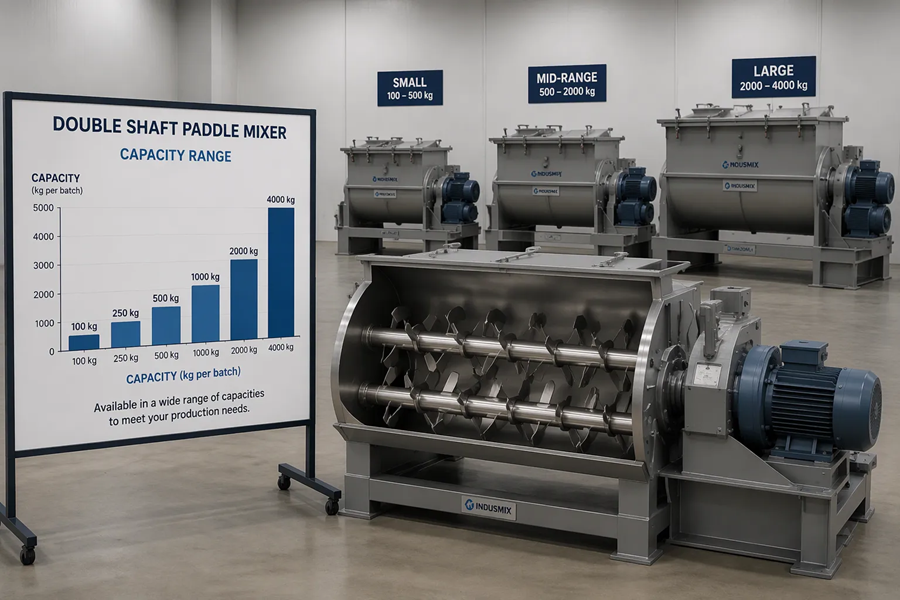
What Common Sourcing Pitfalls Should You Avoid When Importing CM Series Mixer?
Most problems with a cm series mixer import trace back to a handful of avoidable sourcing mistakes. You can sidestep most of them with careful checks at each stage.
Watch for these common pitfalls:
●Specification errors, such as sizing by total volume instead of working volume
●Supplier verification shortcuts
●Hidden quotation fees
●Documentation and customs errors
●Inspection oversights
●After-sales gaps
These importing mistakes share one root cause: skipped verification. The verification checklist in the body gives you a practical tool for each stage. Use it before you place any order. Careful checks now prevent costly sourcing mistakes later.
Key Takeaways
●Specify working volume and bulk density to avoid sizing errors.
●Vet suppliers thoroughly and qualify at least two sources.
●Demand itemized quotations and calculate total landed cost.
●Verify HTS codes and country of origin to prevent customs delays.
●Arrange pre-shipment inspection yourself and tie payment to passing report.
Specification Mistakes When Sourcing a CM Series Mixer
Sizing by Total Volume, Not Working Volume
A common trap is sizing a cm series mixer by its total tank volume. Total volume describes the shell's full geometric capacity. Working volume describes the usable batch size the mixer can actually process well. These two numbers differ, and confusing them leads to a machine that misses your real production capacity needs.
Suppose your process needs a certain batch weight per cycle. You must convert that weight into a volume using working volume and bulk density together. A light powder and a dense granule occupy very different space at the same weight. Check both figures with your supplier before you commit. Ask for the rated working volume and the bulk density range the design assumes. This single check removes one of the most frequent specification gaps in importing an industrial Ribbon Blender.
Unclear Product Definition and Requirements
Poor design and vague product definition rank among the most common mistakes in any ribbon blender import. Many buyers describe the machine in general terms and leave critical details open. The supplier then builds to its own assumptions, and the delivered unit may not fit your line.
Fully specify your technical requirements before you select a supplier. Document the material to be blended, the target batch size, the required discharge height, the voltage and frequency, the control interface, and the surface finish. State the working volume and bulk density range explicitly. Put every requirement in writing and attach it to the purchase order. A clear specification protects both sides and gives you a firm basis for inspection later.
Common Sourcing Mistakes in Supplier Selection
Skipping Manufacturer Vetting
Wrong supplier selection is one of the most frequent importing mistakes you can make. Price alone tells you very little about a manufacturer's real ability to deliver a working machine on schedule. Vet each candidate for capability, reputation, and track record before you request a formal quotation.
Start with capability. Ask what equipment the factory actually builds in-house and which parts it outsources. A supplier that assembles every component from outside vendors carries more quality risk than one with control over fabrication and finishing. Request photos or video of the production floor, and confirm the facility can handle your specified working volume and surface finish.
Then check reputation and track record. Ask for references from buyers who ordered similar units, and follow up with those buyers directly. Ask how the machine performed after installation and how quickly the supplier responded to issues. A short call with a past customer reveals more than any brochure.
Avoid relying too heavily on a single supplier. One vendor can face capacity limits, material shortages, or ownership changes that disrupt your supply. Qualify at least one alternative vendor in parallel. This step protects your production schedule and gives you leverage in price and lead-time negotiations. Many common mistakes in a ribbon blender import begin with a buyer who never tested a second source.
Treating CE Certification as a Checkbox
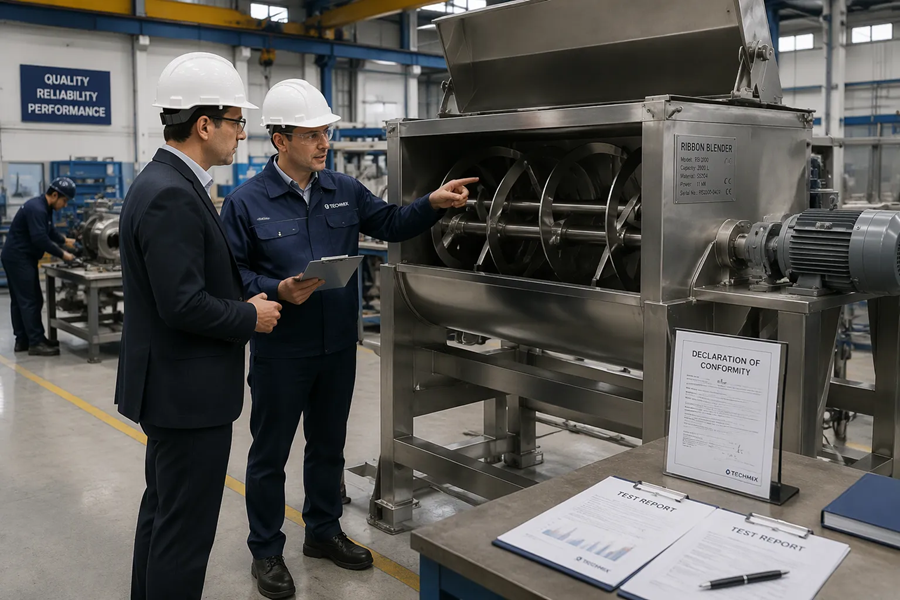
CE marking is not a sticker you tick off a list. It is a declaration that the equipment meets applicable European directives, and it must apply to the specific machine you buy. Treat certification as a verification task, not a formality.
Ask the supplier for the declaration of conformity and the supporting test reports. Check that the model and configuration on the certificate match your order. A certificate issued for a different size or a different electrical configuration does not cover your unit. Confirm which directives and standards the declaration cites, and verify the issuing body where a notified body is involved.
Watch for suppliers who treat documentation as an afterthought. A supplier that cannot or will not produce complete paperwork may be hiding a gap in compliance. Incomplete documentation also stalls customs clearance and can block delivery. Build certification review into your supplier scorecard, and make the certificate a condition of the purchase order.
A well-vetted supplier welcomes these questions. That openness is itself a signal of a reliable partner for your cm series mixer order.
Top Mistakes Importers Must Avoid in Quotations and Costs
Accepting Incomplete Quotations
An incomplete quotation hides cost until the invoice arrives. Treat a vague quote as a warning sign, not a bargain. Ask your supplier to itemize the machine price, packaging, inland freight to the port, and any crating charges. Request the Incoterm in writing, such as FOB or CIF, and confirm which port applies. A quote that lists only a single lump sum gives you no way to compare vendors or spot padding.
Push for detail on the extras. Clarify whether spare parts, wear liners, and the control panel are included or billed separately. Ask about payment terms, lead time, and the currency of settlement. Confirm what happens if the delivery date slips. These details separate a firm offer from a rough estimate. Among the top mistakes importers must avoid, accepting a thin quote ranks near the top, because every missing line becomes a surprise later.
Miscalculating Total Landed Cost
The purchase price is only one part of what you pay. Total landed cost adds freight, insurance, import duties, customs brokerage, port handling, and inland transport to your door. Many common mistakes in budgeting start with a buyer who compares machine prices alone and ignores these add-ons.
Build a landed-cost sheet before you choose a vendor. List each cost line and fill it with figures from your freight forwarder and customs broker. Duties depend on the HTS classification, so confirm that code early. A low quote from one supplier can lose its edge once freight and duties enter the picture. Review the sheet with your team and update it whenever a rate changes. This habit turns a rough guess into a reliable budget and prevents the importing mistakes that erode your margin after the order ships.
Commercial Invoice and Country of Origin Errors
Incomplete documentation is a red flag. A supplier who cannot or will not provide the needed import paperwork may be hiding something. Treat missing documents as a reason to pause, not a detail to sort out later. Ask for every form before you pay a deposit.
Incomplete Commercial Invoice Details
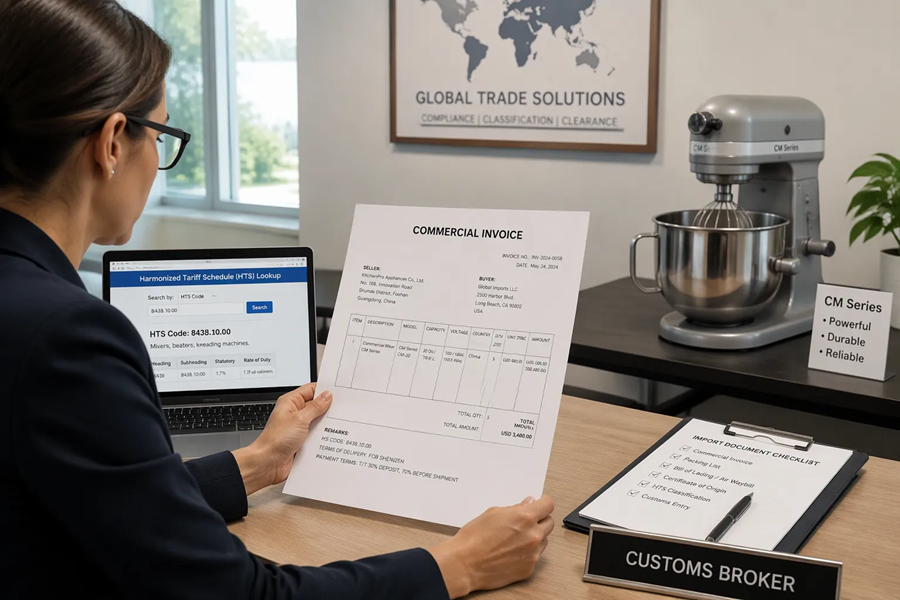
A complete, accurate commercial invoice prevents customs delays. Your commercial invoice requirements start with proper Incoterms, such as FOB or CIF, written exactly as agreed. The invoice must also show a detailed description of the merchandise: model, capacity, voltage, and key components. Vague lines like "mixer" invite questions at the border.
Include the country of origin on every line, and state the currency and payment terms. List weights, package counts, and marks that match the packing list. These details keep the customs clearance process moving. A customs broker can review the draft before shipment. That review catches gaps early, when fixing them is cheap.
Poor commercial invoices and billing paperwork cause most documentation failures. Missing data stalls release, triggers exams, and adds storage fees. Build a template with every required field, and send it to your supplier at order confirmation. Demand proper paperwork every time. One weak invoice can undo months of planning.
Incorrect HTS Classification and Country of Origin
The harmonized tariff schedule assigns every product a code, and that code sets the proper duty rate. A wrong code brings penalties, delays, and unexpected duties. Confirm the code with your customs broker before the goods ship. Ask the supplier for the code they used on past shipments, then verify it independently.
Country of origin errors carry equal risk. Listing the country of origin incorrectly can void trade program benefits or trigger penalties from U.S. Customs and Border Protection. The origin must reflect where the goods were actually produced, not where they were shipped from. Check that the origin on the invoice, the packing list, and any certificate of origin all match.
Documentation errors compound. A mismatched origin and HTS code draws scrutiny and slows release. Keep one master file with the invoice, packing list, certificate of origin, and classification ruling. Update it whenever your product or supplier changes.
Review your import paperwork with your customs broker before every shipment. This habit turns a risky step into a routine check. Accurate documents protect your margin and your delivery schedule.
Inspection and After-Sales Pitfalls
Missed Pre-Shipment Inspections
A pre-shipment inspection is your last chance to catch problems before the machine leaves the factory. Skip it, and you accept the unit sight unseen. Many common mistakes in an industrial ribbon blender order surface at this stage, and most of them stay invisible until the crate opens at your dock.
Book a pre-shipment inspection before the supplier packs the unit. A qualified inspector can check the finished machine against your specification: working volume, surface finish, voltage, control interface, and safety guards. Ask the inspector to run the drive and confirm the discharge operates freely. Request photos and a written report. A pre-shipment inspection costs far less than a return shipment.
Do not let the supplier schedule the pre-shipment inspection alone. You choose the inspector, and you set the date. Confirm the pre-shipment inspection happens after final assembly and before crating. A pre-shipment inspection on a partially built unit proves little. Build the pre-shipment inspection into the payment terms, so the balance releases only after a passing report. Treat a refused pre-shipment inspection as a serious warning. A supplier who blocks a pre-shipment inspection leaves you no evidence of what shipped. One well-run pre-shipment inspection removes most of the risk from a ribbon blender import.
Unclear Warranty and Support Terms
Vague warranty language creates disputes after delivery. Ask for the warranty period, the parts covered, and the exclusions in writing. Confirm who pays freight on replacement parts and how fast the supplier ships them. Clarify the response time for technical questions and the support channel you will use.
Spare parts planning matters as much as the warranty itself. Request a recommended spare parts list with the order, and confirm the supplier stocks wear items such as seals and liners. Ask how long the supplier will keep parts available for your model. Keep all documentation, including the warranty certificate and parts list, in one file with the commercial paperwork. Clear terms protect you long after the machine starts running.
Most risks in a cm series mixer import are preventable. Disciplined verification at each stage—specification, supplier vetting, quotations, documentation, inspection, and after-sales terms—catches problems while they are still cheap to fix. Apply the verification checklist before you place any order. Document every agreement in writing, from the working volume to the warranty terms, so nothing rests on memory or a verbal promise.
Think beyond the first shipment. A reliable supplier who answers questions openly and delivers accurate paperwork will serve you better across repeat orders than a vendor who wins on the lowest upfront price. Build that relationship deliberately, and each future order becomes simpler and safer than the last.
FAQ
How do you confirm the working volume you actually need?
Convert your required batch weight into a volume using the material's bulk density. Then compare that figure against the rated working volume, not the total tank capacity. Ask the supplier to confirm both numbers in writing before you approve the design.
How many suppliers should you qualify before ordering?
Qualify at least two. A single vendor leaves you exposed to capacity limits or material shortages. A second qualified source protects your schedule and gives you real leverage on price and lead time. Test both before you commit to either.
What belongs in a complete quotation?
Demand itemized lines for the machine, packaging, crating, and inland freight to the port. Confirm the Incoterm and named port. Ask whether spare parts and the control panel are included. A lump-sum figure gives you nothing to compare and hides cost until the invoice arrives.
Can you rely on the supplier's HTS code?
No. Verify the classification independently with your customs broker before shipment. A wrong code triggers penalties, delays, and unexpected duties. Cross-check the country of origin across the invoice, packing list, and certificate of origin so all three match.
Who should arrange the pre-shipment inspection?
You should. Choose the inspector and set the date yourself, after final assembly and before crating. Tie the balance payment to a passing report. A supplier who resists an inspection leaves you no evidence of what actually shipped for your cm series mixer order.