
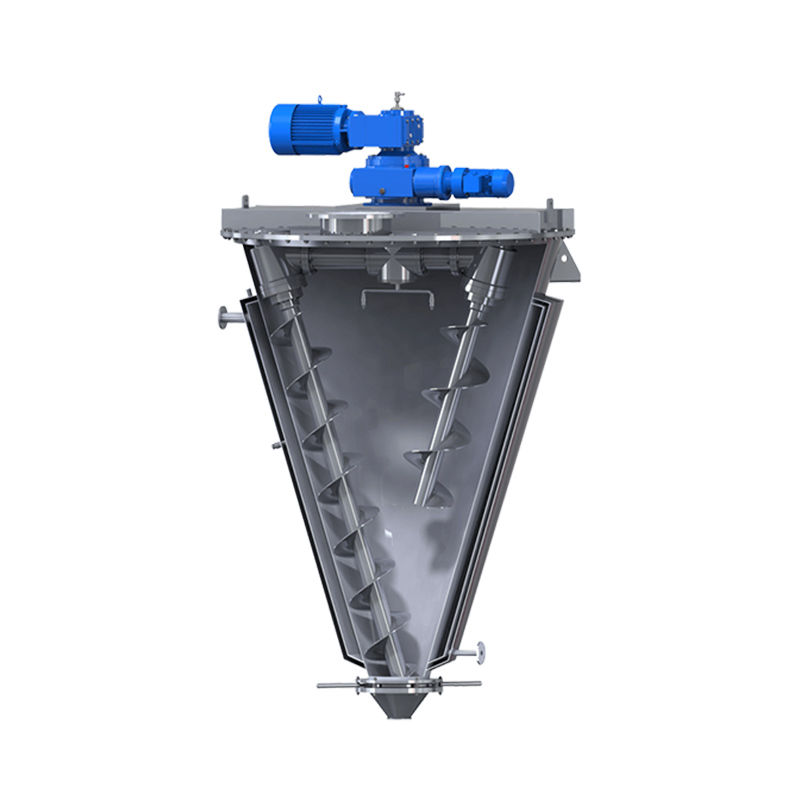
 Conical Screw Mixer
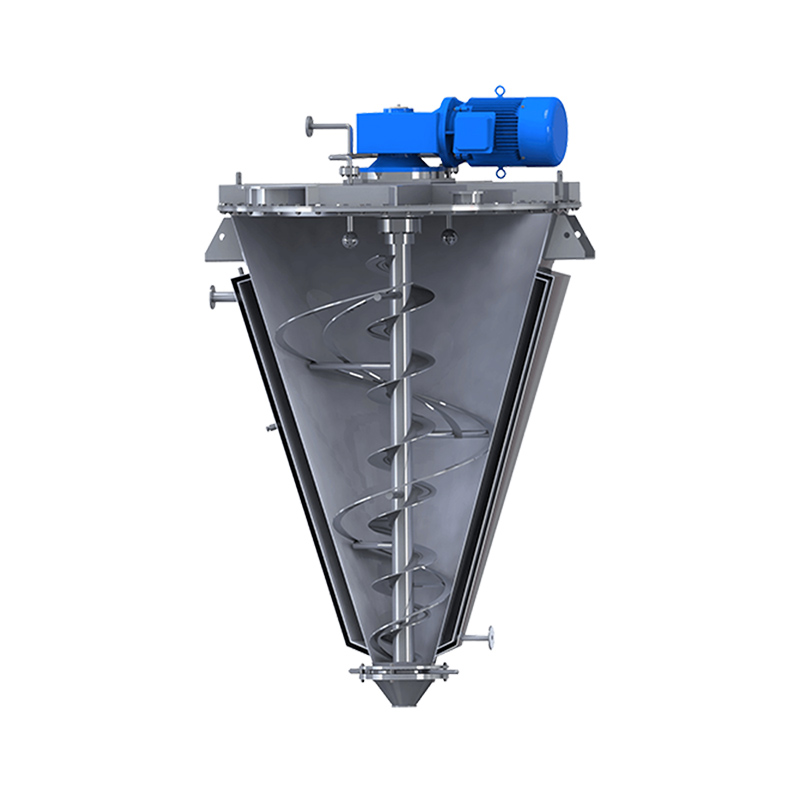 Conical Screw Belt Mixer
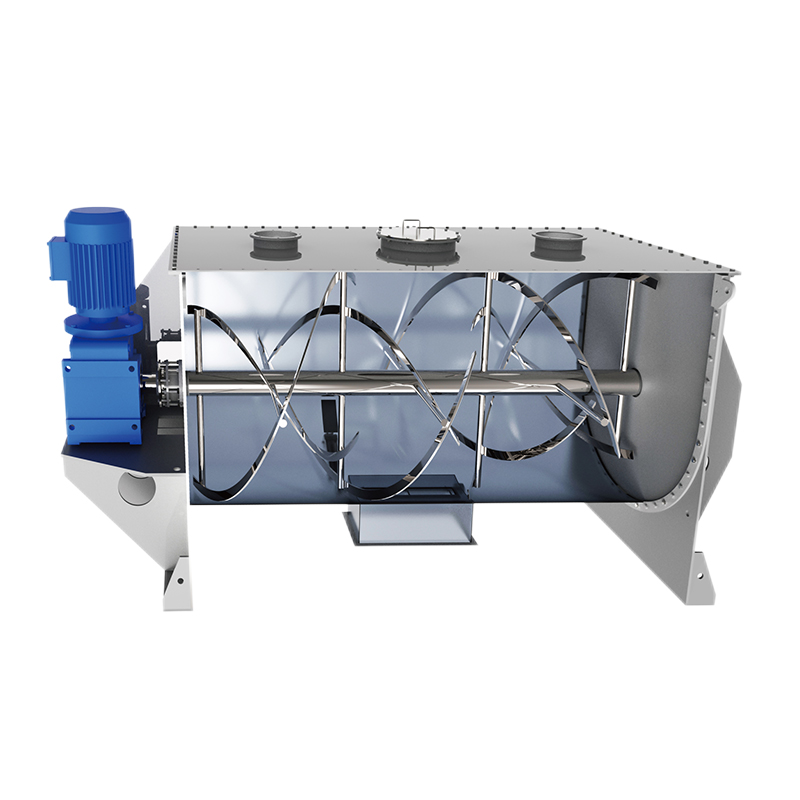 Ribbon Blender
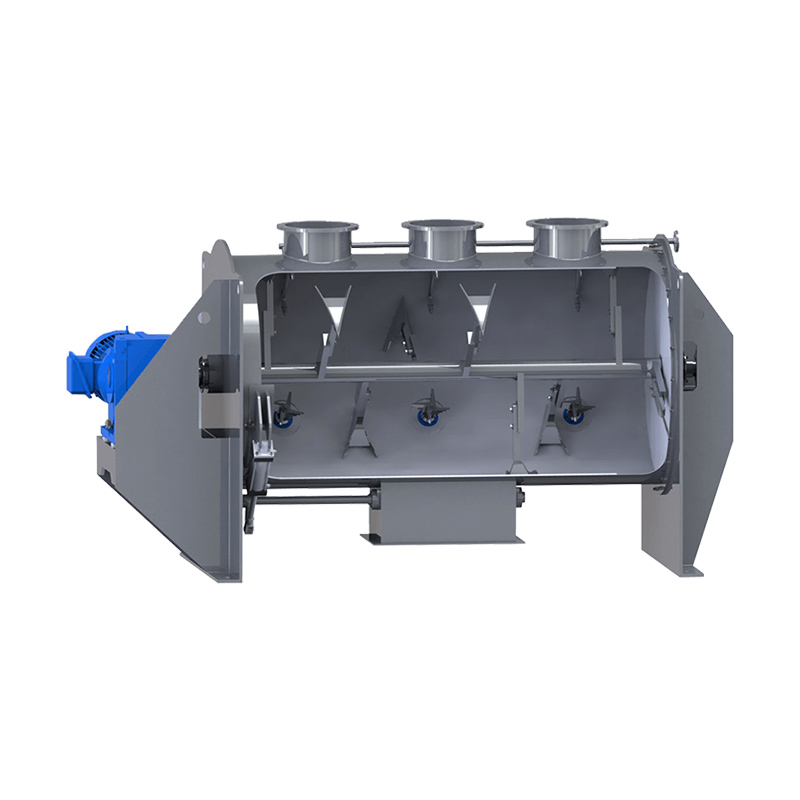 Plough-shear Mixer
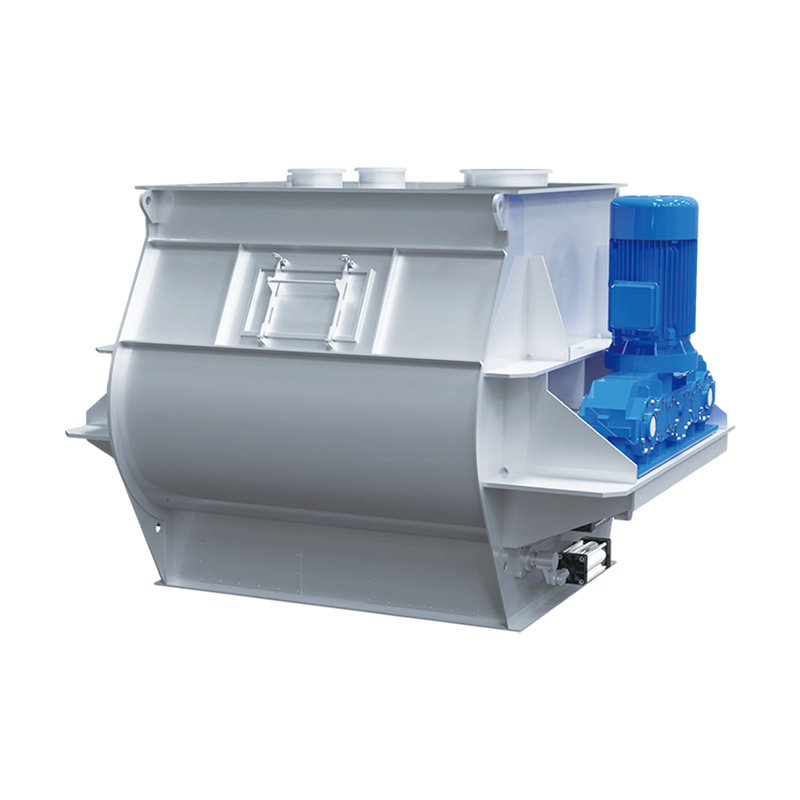 Double Shaft Paddle Mixer
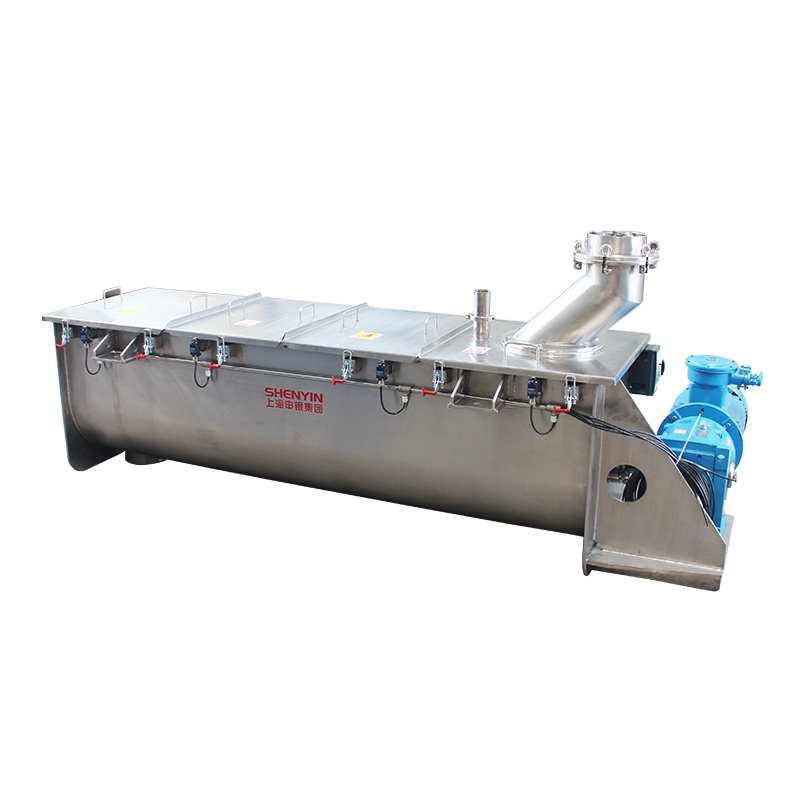 CM Series Mixer



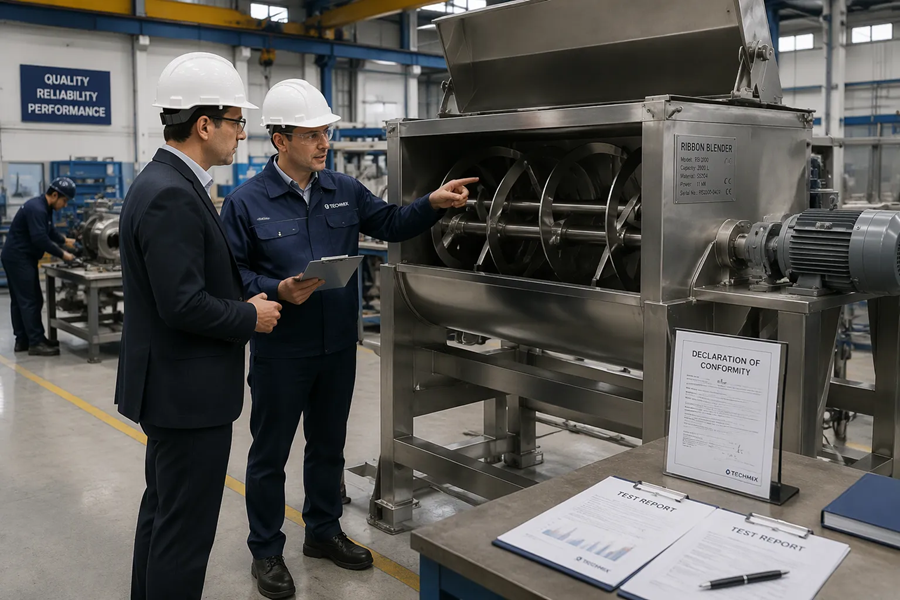
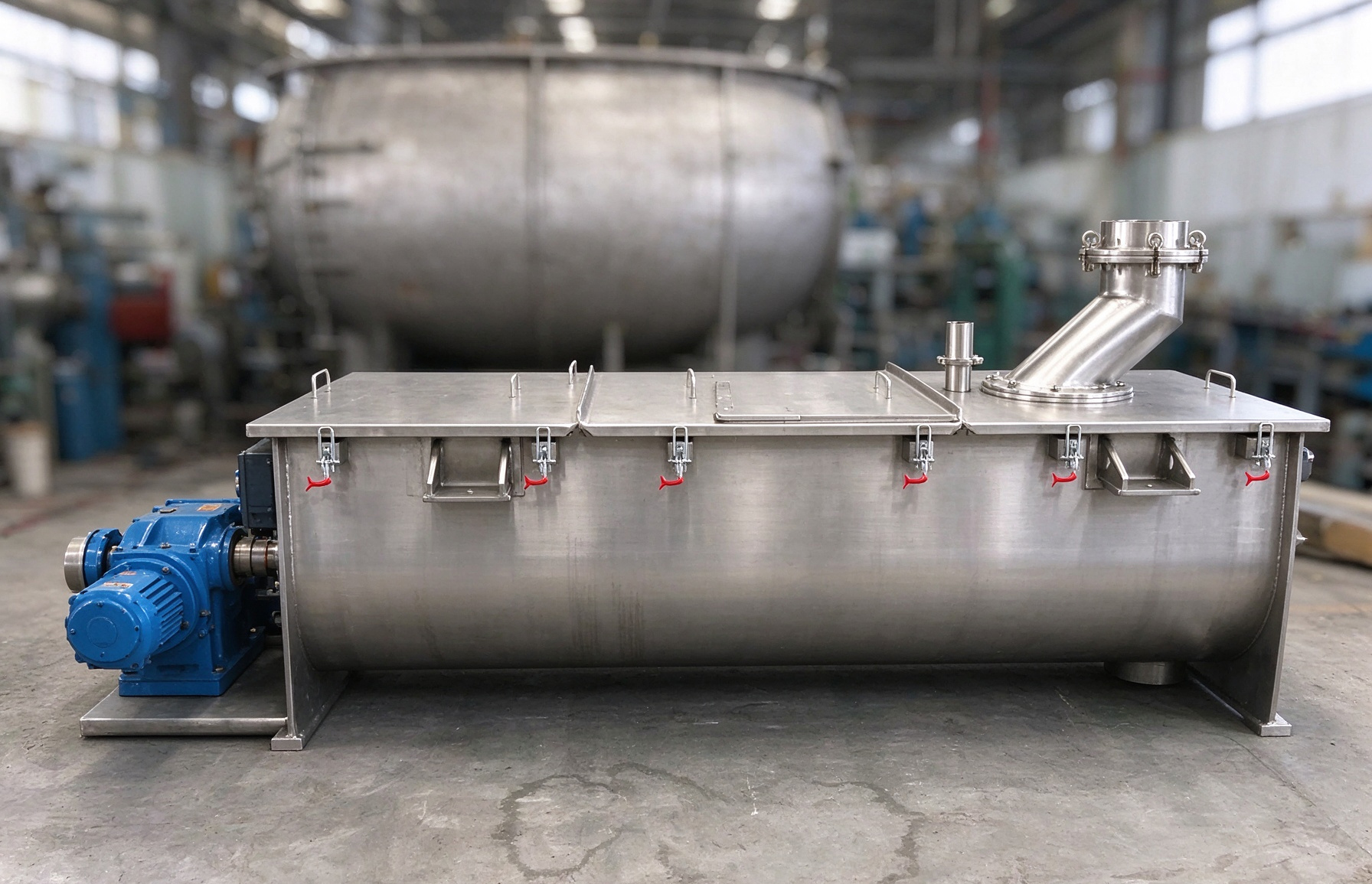
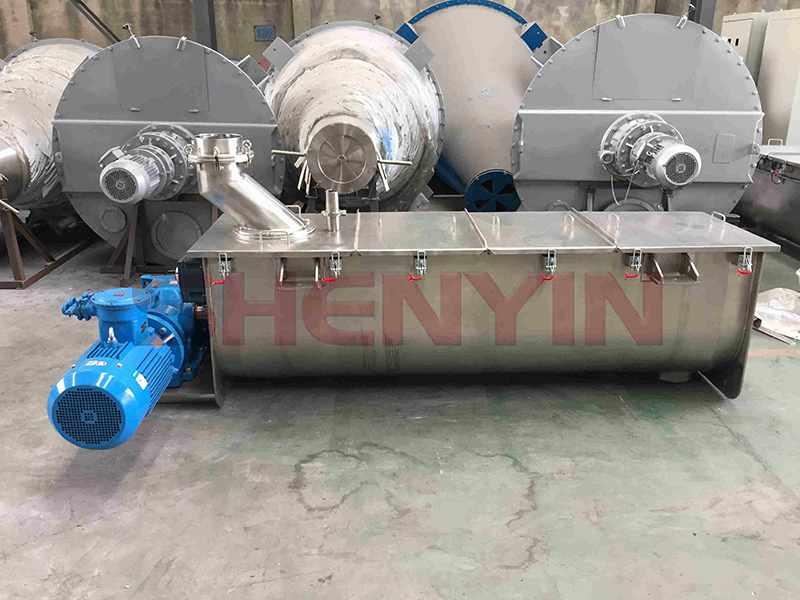

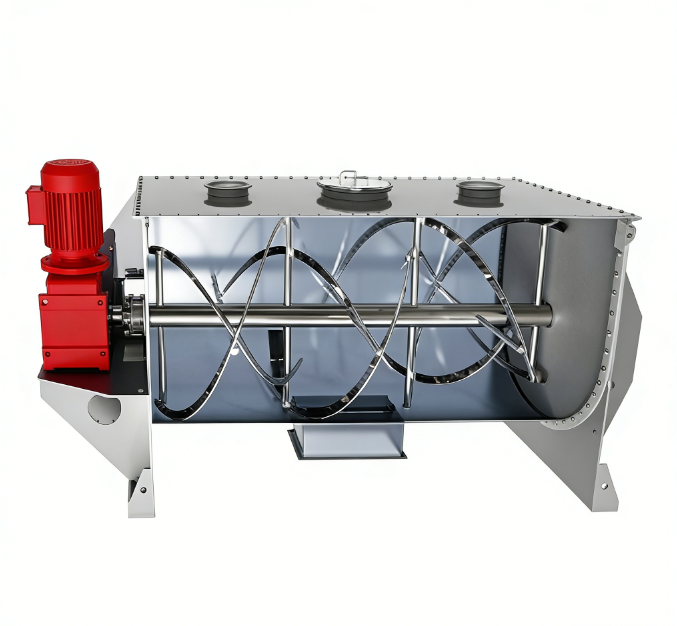
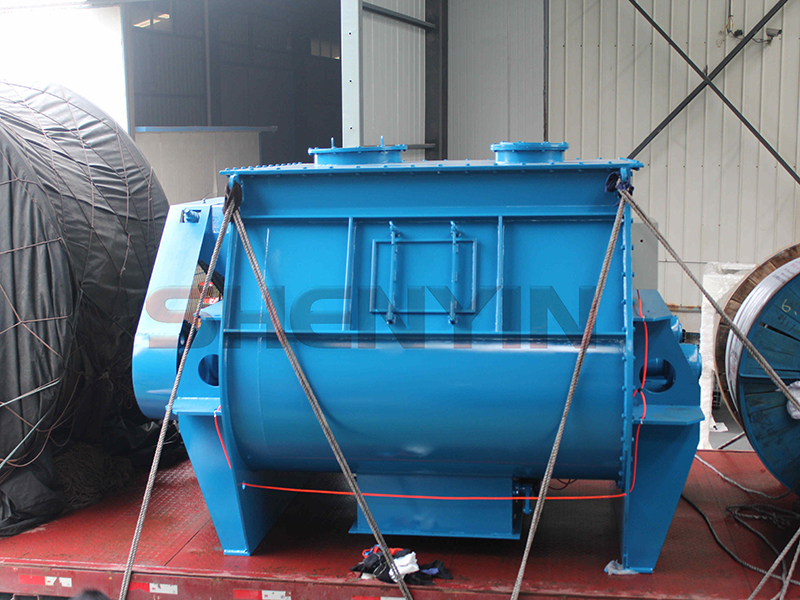
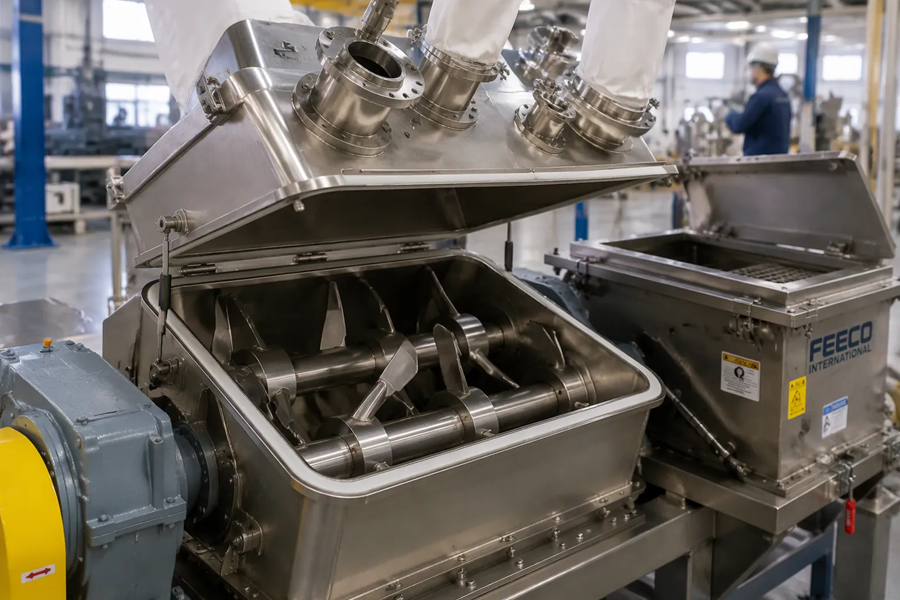
What Core Factors Affect the Quotation of CM Series Mixer From Chinese Manufacturers?
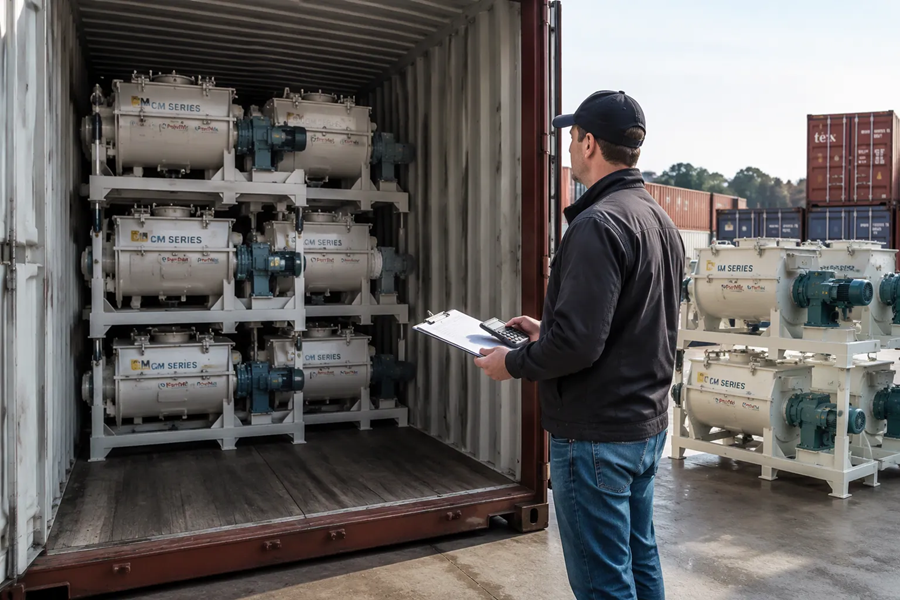
Three core factors shape every quotation for a CM Series Mixer from Chinese manufacturers: packing dimensions, gross weight, and container loading capacity. Each one comes directly from the equipment configuration you choose. These factors drive shipping costs, and shipping costs feed straight into the final price. So why do similar quotations differ once you weigh configuration and logistics together? Two mixers can look alike on paper yet pack differently, weigh differently, and fit a container differently. That gap explains most of the price spread you will see. Understanding it turns a confusing comparison into a clear one.
Key Takeaways
- Packing dimensions, gross weight, and container loading capacity determine the shipping cost and final quotation.
- Your equipment configuration choices, like tank size and motor power, directly change the packed dimensions and gross weight.
- Always get the packed dimensions and gross weight in writing from the manufacturer to plan shipping accurately.
- Calculate how many units fit in a container to find the freight cost per unit and compare quotes fairly.
- A well-matched configuration improves loading efficiency and can lower the freight cost per unit.
Configuration of the CM Series Mixer
Variables That Change Footprint
The Shenyin Group product page for the CM Series Mixer lists several customizable configuration options. Your choices here directly shape the packed dimensions and the gross weight of the finished unit. Tank size stands out as a primary variable. A larger tank increases the physical envelope of the machine. That added volume translates into a wider and taller packed footprint. Motor power is another key factor. A more powerful motor often requires a larger housing and heavier internal components. Frame design also matters. A reinforced frame for heavy-duty service adds structural steel. That extra material increases both the footprint and the weight of the packed unit.
These variables interact with one another. A large tank paired with a high-power motor and a reinforced frame produces a significantly larger and heavier package than a standard configuration. You should confirm every option with the manufacturer before you request a quotation. Small changes in configuration can shift the packed dimensions enough to affect how many units fit in a container.
From Net Weight to Gross Weight
Net weight refers to the weight of the machine itself. Gross weight includes the machine plus all packaging materials and pallets. The difference between the two is not trivial. Wooden crates, steel strapping, moisture barriers, and shipping pallets all add mass. A unit with a modest net weight can have a gross weight that is noticeably higher once full export packaging is applied.
You need the gross weight figure for logistics planning. Shipping lines and freight forwarders charge based on gross weight, not net weight. Always ask the manufacturer for the gross weight of the packed CM Series Mixer in writing. This figure, combined with the packed dimensions, forms the basis for every container loading calculation that follows.
Dimensions, Weight, and Loading Capacity
Matching Units to Container Types
Container choice sets the outer boundary for your shipment. A 20-foot container offers a compact floor area and a moderate internal height. A 40-foot container doubles the floor length. A 40-foot high-cube adds extra internal height on top of that longer floor. Each type imposes two separate limits on your cargo: the space available and the maximum payload weight.
Packed dimensions decide how many CM Series Mixer units fit on the floor and how many you can stack. Gross weight decides whether you reach the payload ceiling before you run out of space. A tall, bulky unit may fill the container volume while leaving payload capacity unused. A dense, heavy unit may hit the weight limit with floor space still open. You need both figures to find the true unit count.
Picture a configuration with a large tank and a reinforced frame. Its packed footprint may allow only a limited number of units across the container floor. Its gross weight may then cap the total load before the floor is full. A more compact configuration with a standard frame may load more units per container. The exact unit count depends on the final configuration. Confirm packed dimensions and gross weight with the manufacturer in writing before you book freight.
Space Loss and Loading Efficiency
Raw container volume never translates fully into usable cargo space. Packaging creates gaps. Crates have corners that do not nest. Pallets leave clearance for forklift access. Strapping and bracing consume room. These losses compound when unit shapes vary within a single shipment.
Loading efficiency measures how much of the container you actually use. A well-matched configuration fills the floor and stacks cleanly. A poorly matched one leaves voids that cost you money. You pay for the whole container either way.
Stackability matters here. Units that stack safely use vertical space and raise efficiency. Units that cannot stack waste the upper portion of the container. Frame design and packaging strength determine whether stacking is safe. Ask the manufacturer whether the packed unit supports stacking and to what height.
Weight distribution also affects efficiency. Heavy units placed poorly can create axle load problems for inland transport. Spread the load evenly and keep the center of gravity low. These steps protect the cargo and keep the shipment compliant with transport rules.
Exact loading figures vary with every configuration. Treat any estimate as provisional until the manufacturer confirms it in writing. A written confirmation protects you when you compare quotations and plan shipments.
CM Series Mixer Loading Capacity and Quotation Impact
Freight Cost per Unit
Freight cost per unit is the total shipping charge divided by the number of units in the container. This simple relationship explains a great deal about quotation differences. When a configuration allows fewer units per container, each unit carries a larger share of the same freight bill. The container costs the same to ship whether it holds many units or few. Fewer units per container therefore raise the freight cost per unit, and that higher cost flows directly into the quotation you receive.
Consider two configurations shipped in the same container type. The compact one loads more units. The bulky one loads fewer. Both containers cost the same to move. The bulky configuration spreads that fixed cost across a smaller unit count. Each unit now carries more freight cost. A manufacturer must recover that cost in the quoted price. This is why a larger tank or a reinforced frame can raise the quotation beyond the added material cost alone. The logistics penalty compounds the equipment cost.
You should calculate freight cost per unit for every configuration you compare. Divide the total freight charge by the confirmed unit count. This step reveals the true shipping burden behind each quote.
Quotation Adjustments
Manufacturers adjust quotations when loadability changes due to configuration. A configuration that loads efficiently earns a more favorable freight allocation. A configuration that wastes container space or hits the payload ceiling early carries a higher allocation. The manufacturer reflects this difference in the price you see.
These adjustments follow the loading math. When a configuration reduces the unit count per container, the manufacturer recalculates the freight share per unit and revises the quotation upward. When a configuration improves loadability, the freight share per unit falls and the quotation can move downward. The adjustment is not arbitrary. It tracks the actual cost of moving your goods.
Ask the manufacturer to show the freight basis behind each quotation. A quote that separates equipment price from freight allocation is easier to verify and compare.
Configuration changes late in the process can trigger a quotation revision. Confirm your configuration early and lock the packed dimensions and gross weight in writing. This practice keeps the quotation stable and avoids surprises at the booking stage. A written confirmation also gives you a fair basis for comparing competing offers on the same CM Series Mixer configuration.
Treat every quotation as a package of equipment cost plus logistics cost. The loading capacity of your chosen configuration sets the logistics portion. Understand that link, and you can read any quotation with confidence.
Interacting Factors
Packaging Materials and Protection
Packaging choices set up a trade-off you must manage. Heavier crating adds protection and adds gross weight. Moisture barriers shield the machine from humid sea air and add a thin layer of material. Pallets lift the unit for forklift access and consume vertical space. Each choice buys protection with weight or volume.
You can match the packaging to the journey. A short inland move needs less protection than a long ocean voyage with several transfers. Ask the manufacturer to describe the standard export packaging and any optional upgrades. Then weigh the protection gain against the loading loss. A well-protected unit that loads one fewer per container may still offer the better total value.
Transport Mode and Route
Transport mode changes the loading math. Sea freight offers the lowest cost per unit for large volumes and suits full container loads of the CM Series Mixer. Rail freight fits long overland routes and links well with sea legs. Air freight moves urgent or small orders fast and charges by chargeable weight, so packed density matters most there.
Route selection interacts with the same factors. A direct route with fewer transfers reduces handling risk. A longer route may lower the freight rate but add transit time. Match the mode and route to your order size, timeline, and budget. Sea fits volume orders, rail fits continental moves, and air fits urgency. Each option serves a real need. Confirm packed dimensions and gross weight in writing, then compare total quotation across modes before you decide.
Packing dimensions, gross weight, and container loading capacity drive the quotation for a CM Series Mixer from Chinese manufacturers. Each factor traces back to the equipment configuration you select. Confirm that configuration early. Request packed dimensions and gross weight in writing. Calculate container loadability before you compare quotes. These steps give you a fair basis for evaluation.
Treat quotation comparison as a configuration-and-logistics exercise. Unit price alone tells you little. The better quote often reflects a smarter fit between machine, package, and container. Weigh all three together, and your decision rests on facts you can verify.
FAQ
How early should you confirm the CM Series Mixer configuration?
Confirm it before you request any quotation. Tank size, motor power, and frame design set the packed dimensions and gross weight. Those figures drive the loading math. Early confirmation keeps your quotation stable and gives every supplier the same basis for comparison.
What should you ask the manufacturer for in writing?
Ask for the packed dimensions and the gross weight of your exact configuration. Request the standard export packaging details too. Written figures protect you at the booking stage. Verbal estimates can shift once production starts, and that shift changes your freight cost.
Why do two quotes for the same mixer model differ so much?
The equipment price may match closely. The logistics portion rarely does. Different configurations pack differently and load differently into a container. Fewer units per container means a higher freight share per unit. Compare the freight basis behind each quote, not just the headline price.
How do you compare quotations fairly?
Lock one configuration first. Collect packed dimensions and gross weight from each supplier in writing. Calculate the unit count per container type yourself. Then divide the total freight by that count. This method puts every offer on the same footing and exposes hidden logistics costs.
Does a heavier package always cost more to ship?
Not always. Gross weight matters most when you approach the container payload ceiling. Packed volume matters when you run out of floor space first. Check both limits for your chosen container type. The binding constraint decides your unit count and your freight cost.