
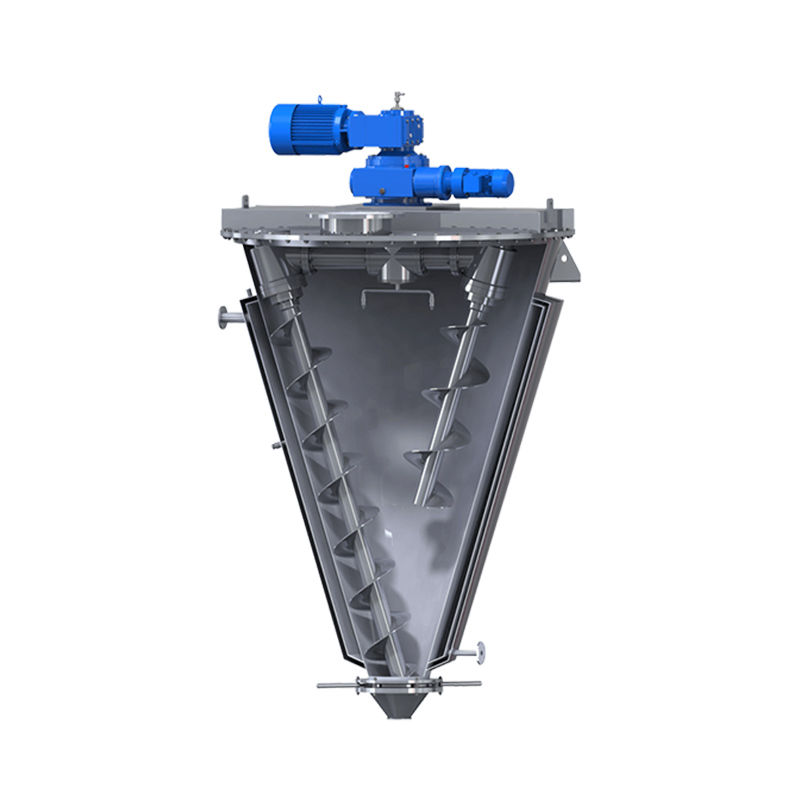
 Conical Screw Mixer
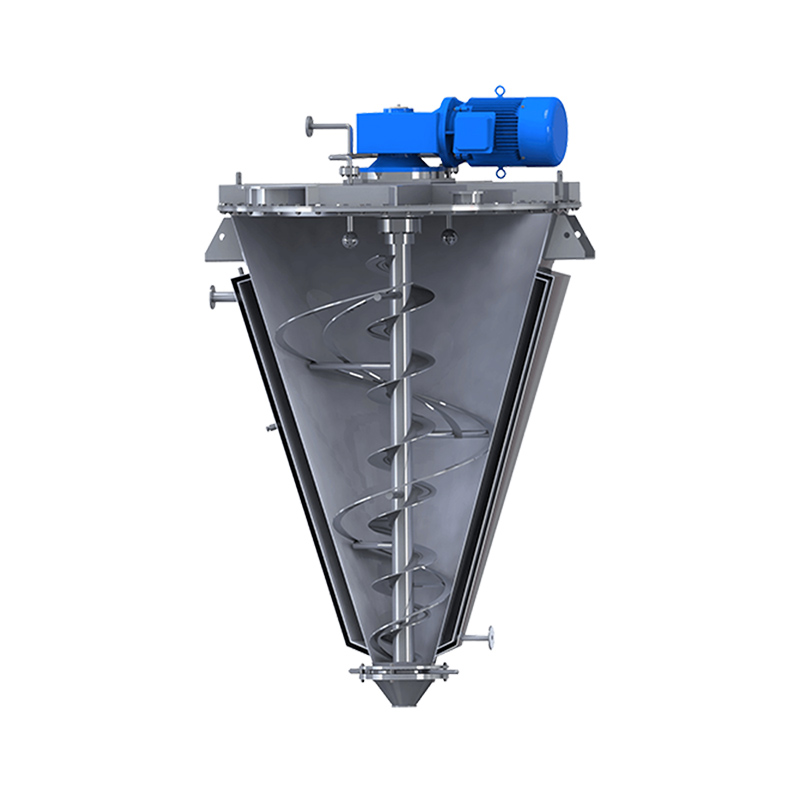 Conical Screw Belt Mixer
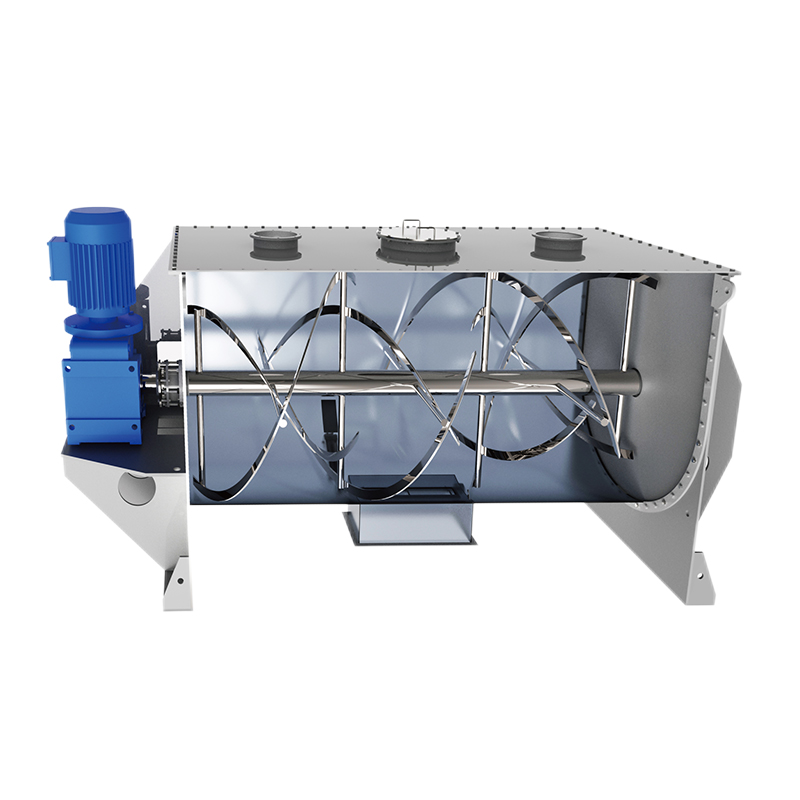 Ribbon Blender
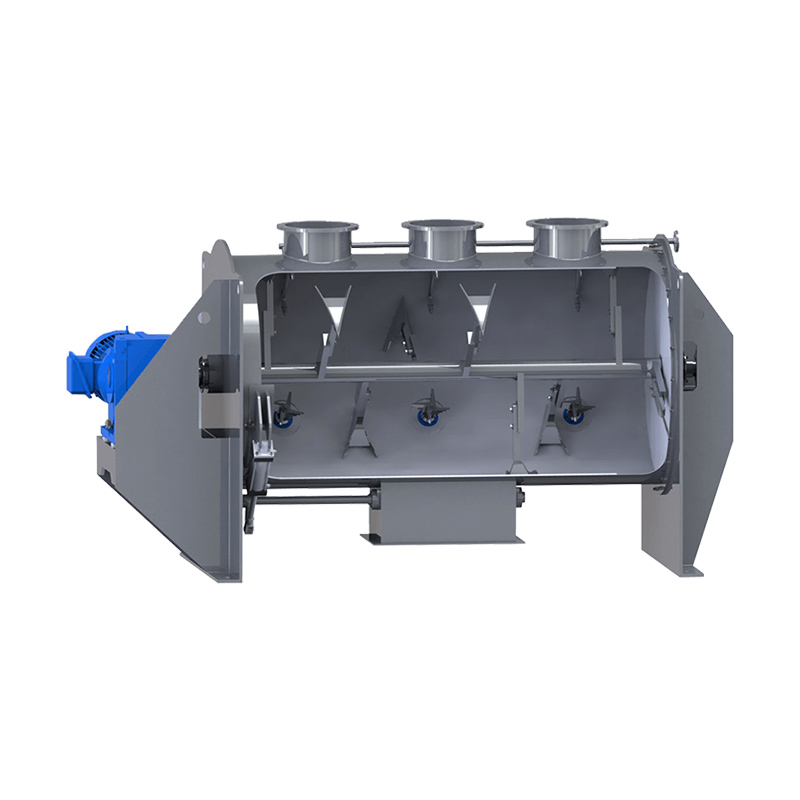 Plough-shear Mixer
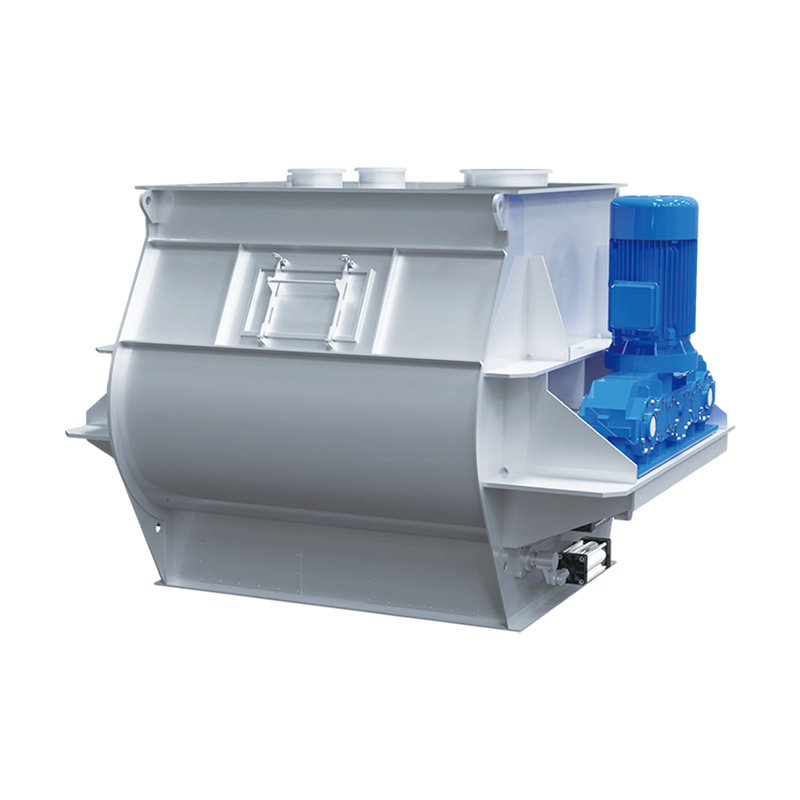 Double Shaft Paddle Mixer
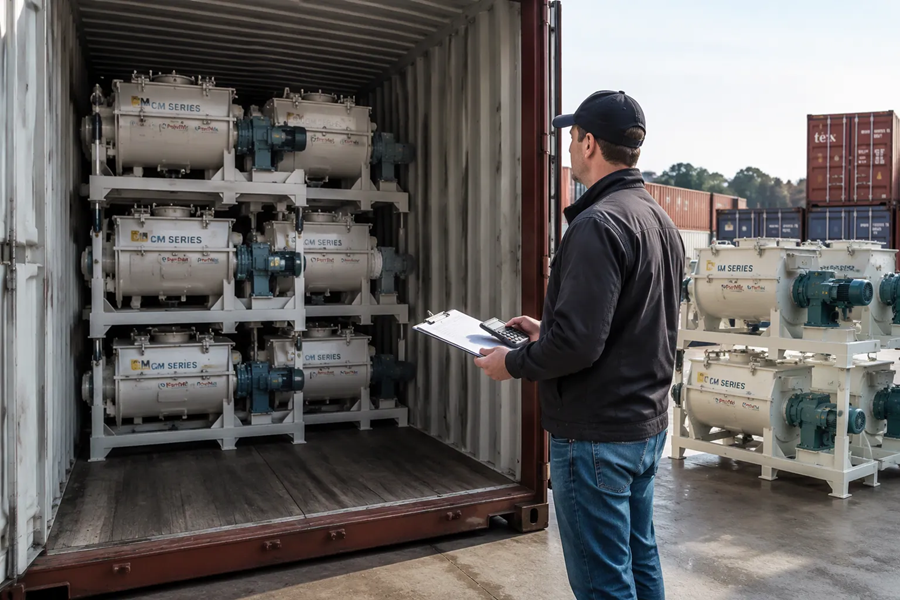
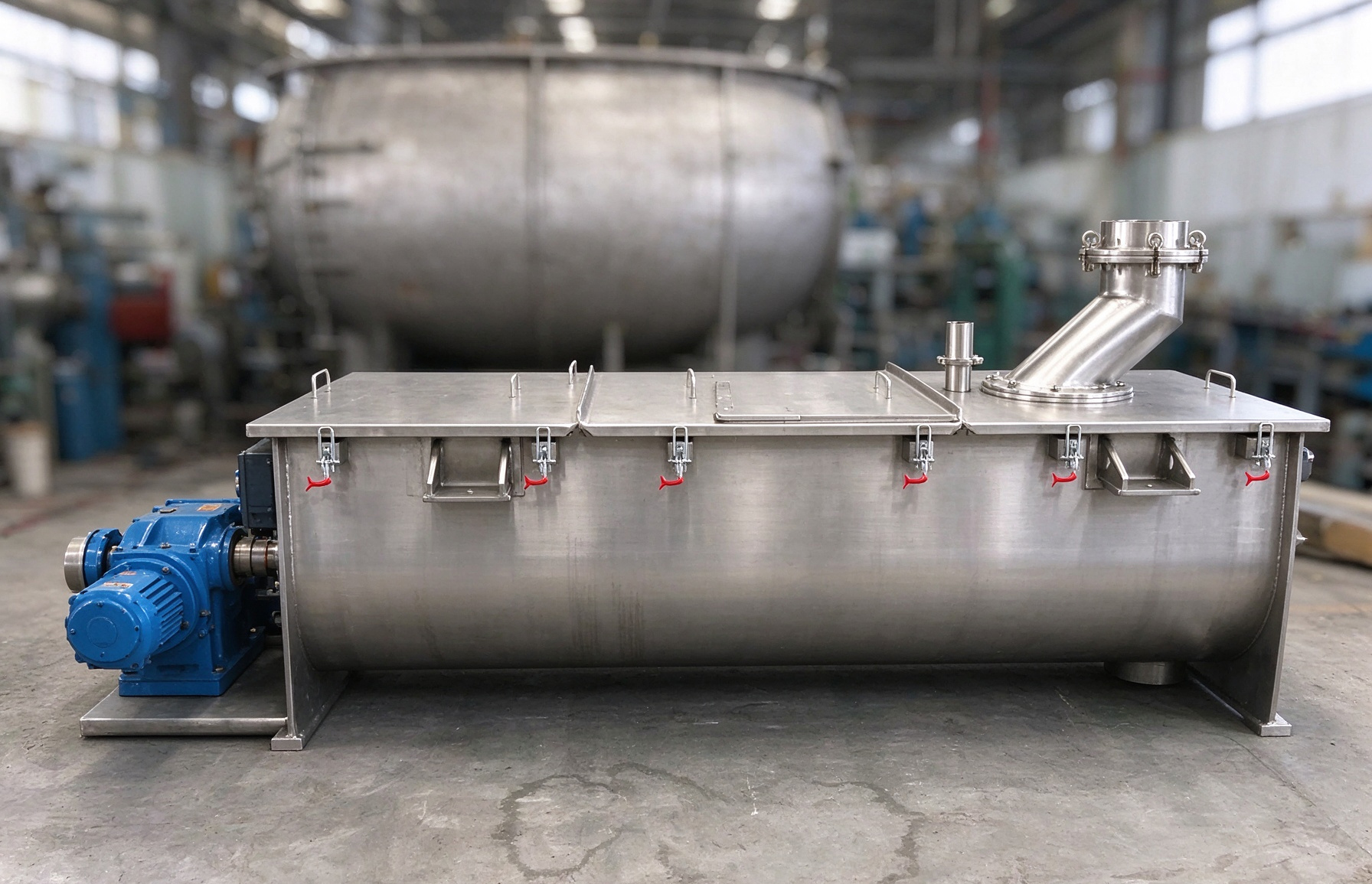
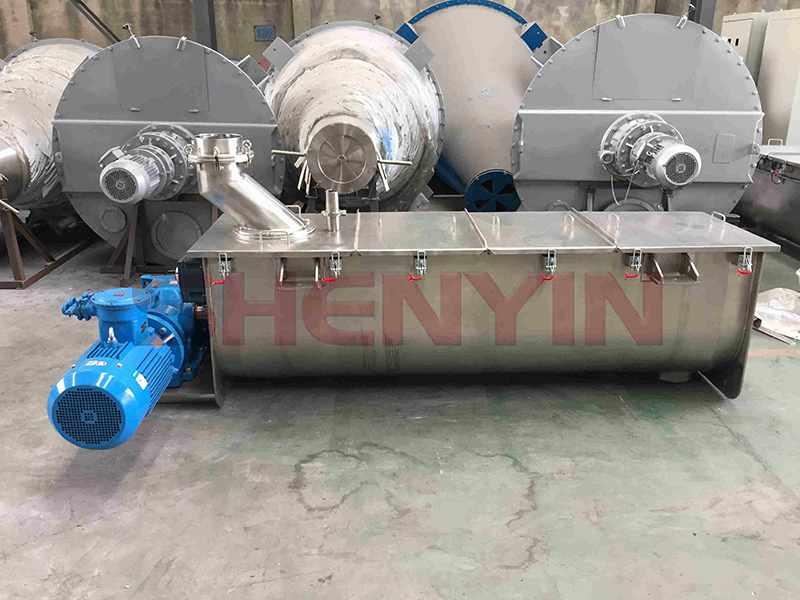
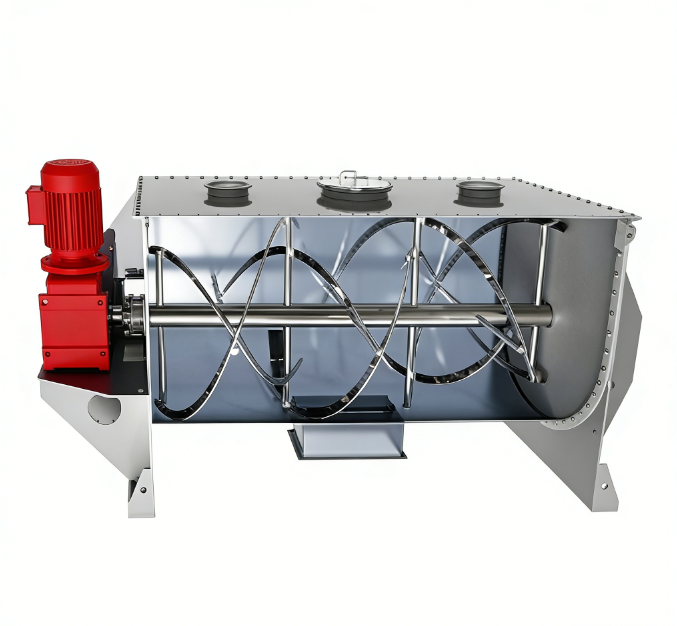
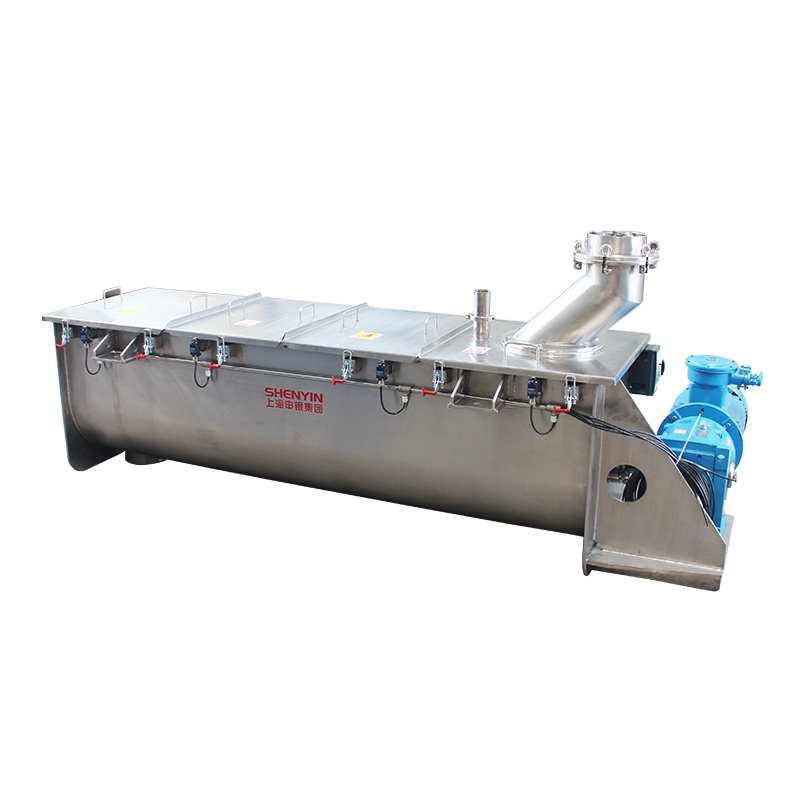 CM Series Mixer



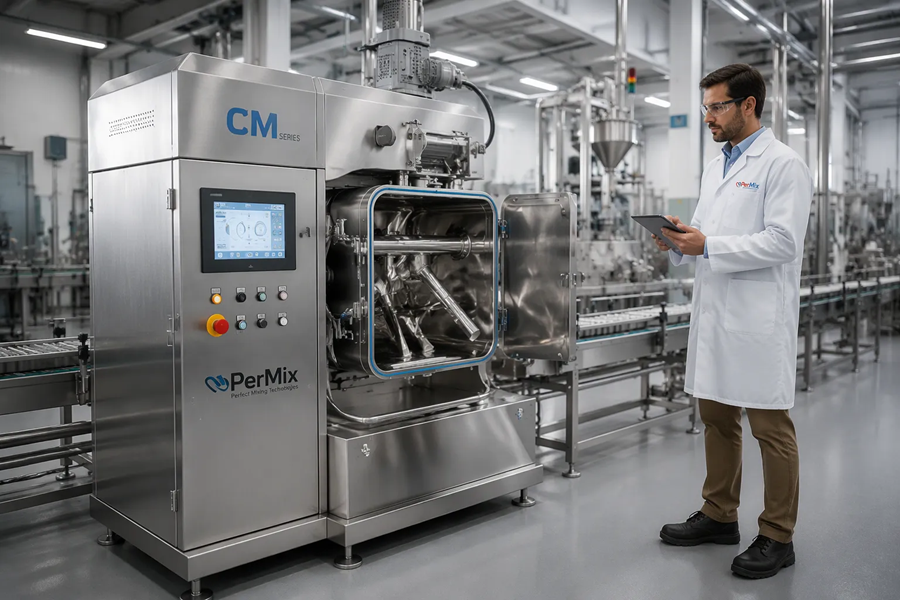
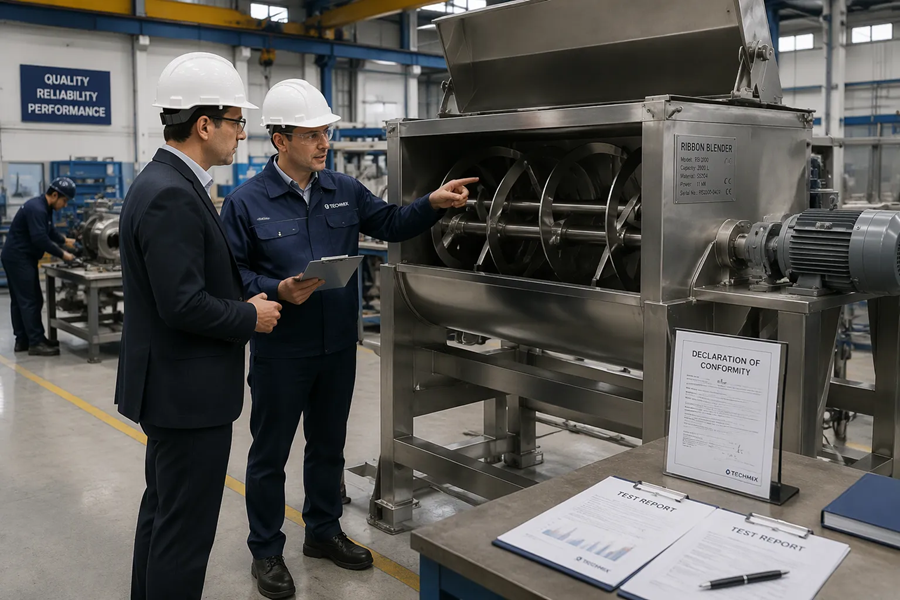

What Factory Qualifications and Certifications Need to Be Verified Before Ordering CM Series Mixer
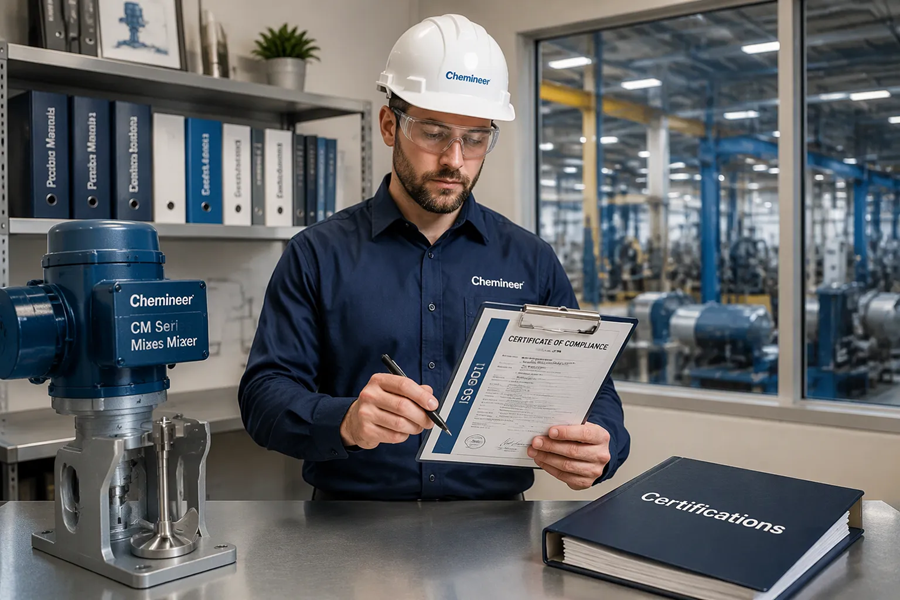
Before you order a CM Series Mixer, request these documents: the business license, ISO 9001 certificate, CE Declaration of Conformity, EN 10204 3.1 material certificates, and application-specific certificates such as UL, ATEX certification, or FDA food-contact approval where relevant.
Requesting these certifications is not enough. Check each one for authenticity, scope, and current validity. CE certification means little without a signed EU declaration of conformity that matches your model and carries a current date.
This verification protects your compliance standing, mixing performance, and delivery timelines. Confirm the manufacturer name on every document matches your quotation. Treat each certificate as a live record. Safety and safety-related claims deserve equal scrutiny.
Key Takeaways
●Request core documents first: business license, ISO 9001, CE declaration, and material certificates.
●Check every certificate for authenticity, scope, and current validity.
●Match the manufacturer name and model number on all documents to your order.
●Verify application-specific certificates like UL, ATEX, or FDA for your use environment.
●Qualify at least two suppliers and request a factory acceptance test before payment.
Core Factory Qualifications to Request
Mandatory vs. Optional Documents
Every CM Series Mixer order starts with a core set of factory qualifications. These documents prove the manufacturer operates legally and builds equipment to recognized standards. You should treat four items as mandatory for any order, regardless of where the mixer will operate.
The business license confirms the manufacturer exists as a legal entity. The ISO 9001 certification shows the factory runs a documented quality management system. The CE declaration of conformity proves the mixer meets applicable European directives. EN 10204 3.1 material certificates trace the steel and other materials used in construction back to their heat numbers.
Application-specific certifications depend on your use environment and the materials your mixer will handle. UL certification applies when you need recognized electrical components for relevant markets. ATEX certification matters when the mixer will run in explosive or hazardous atmospheres. FDA or food-contact compliance becomes essential when your process involves food-grade or ingestible materials. A special equipment license applies only where local regulations classify the mixer as special equipment.
You should request these documents before you sign any purchase agreement. Each one carries different weight for your compliance standing. Missing a mandatory document creates legal and operational risk. Missing an application-specific certificate creates safety and regulatory risk in your specific facility.
Qualification Verification Checklist Table
A qualification verification checklist helps you track each document against your order. The table below lists what to request, who issues it, what it proves, and how to validate it.
| Document | Issuer | What It Proves | How to Validate |
|---|---|---|---|
| Business license | Local government authority | Legal entity exists and operates at the stated address | Match the license number and address to the quotation and production site |
| ISO 9001 certificate | Accredited certification body | Factory maintains a documented quality management system | Check the certificate scope statement covers Mixing Equipment and confirm validity with the issuing body |
| CE declaration of conformity | Manufacturer | Mixer meets applicable EU directives and standards | Verify the model number, directives, and responsible person match your order |
| EN 10204 3.1 material certificates | Steel mill or material supplier | Material grade and heat number traceability | Cross-check the heat numbers and grades against your order specifications |
| UL certification | Underwriters Laboratories | Electrical components meet recognized safety standards | Confirm the file number covers the specific components in your mixer |
| ATEX certification | Notified body | Equipment is safe for explosive or hazardous environments | Check the zone rating and temperature class match your facility |
| FDA or food-contact compliance | Manufacturer or testing lab | Materials are safe for food-grade or ingestible products | Request test reports and confirm material grades meet food-contact requirements |
This table gives you a single reference point for every document. You should update it as each certificate arrives. A signed EU declaration of conformity and a valid ISO 9001 certificate form the foundation of your verification. The remaining documents build on that base.
When you review factory credentials, check the manufacturer name on every document. The name must match your quotation exactly. A certificate issued to a different legal entity does not protect your order. You should also confirm that each certificate scope statement covers the specific CM Series Mixer model you plan to buy.
ISO 9001 and Factory Identity Verification
What ISO 9001 Proves
An ISO 9001 certification holds real value when it connects to traceable manufacturing milestones. The certificate scope must name mixing equipment, not just "machinery" in general. Ask the accredited certification body to confirm the certificate is current and that the scope covers your CM Series Mixer model. A quality management certificate with a vague scope tells you little about the factory's actual process control.
A valid ISO 9001 quality system certification shows the factory documents each fabrication phase. Raw material verification relies on mill test certificates that confirm stainless steel grades such as 304, 316L, or specialized alloys. Engineering drawing release protocols ensure custom nozzle orientations, motor mountings, and seal designs pass review before cutting metal. Non-destructive testing of critical weld seams along the trough and main shaft reduces structural failure risks under cyclic fatigue. No-load factory run testing checks drive balance, motor amperage stability, bearing temperature control, and noise thresholds before shipment.
Manufacturer vs. Trading Company
Factory identity verification starts with the business license. Match the license address to the production site, then cross-check the certificate holder name against your quotation. Request a live video walkthrough or schedule an on-site audit. These steps confirm the supplier operates the factory that builds your mixer.
Trading companies are a legitimate model. A good trading partner can produce the manufacturer's ISO 9001 certificates and arrange a factory visit on your behalf. Judge the partner on document quality, not business type. Confirm the manufacturer named on the certifications is the same entity that will build and test your CM Series Mixer. This verification protects your safety compliance and delivery schedule.
CE Certification and Declaration of Conformity
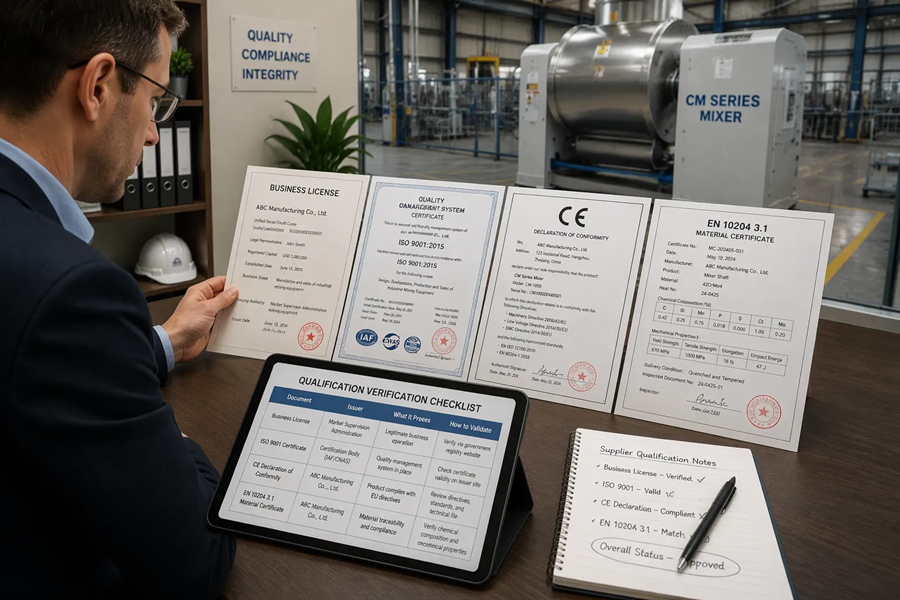
Reading the Declaration of Conformity
CE certification rests on a document, not a sticker. The CE mark on the machine means little on its own. The evidence lives in the declaration of conformity, and you should read it line by line before you approve the order.
Start with the product identification. A valid declaration of conformity names the exact CM Series Mixer model you are buying. A generic statement covering "mixing equipment" does not protect you. Check that the model code, serial range, and configuration on the paper match your purchase order.
Next, review the listed directives and standards. The document should cite the applicable EU directives, such as the Machinery Directive, and the harmonized standards the mixer was tested against. Confirm those standards apply to your unit's design and voltage. A model-specific declaration that lists the wrong standards signals a copy-paste document.
Then find the responsible person. The declaration of conformity must name the legal entity that accepts liability for the product, usually the manufacturer or an authorized representative inside the EU. That name must match your quotation and the business license. Check the issue date and the signature. An unsigned or undated declaration is not a controlled document.
Keep the signed EU declaration of conformity with your order file. Auditors and customs officials may ask for it, and a missing document can stall delivery.
UL, ATEX, and Food-Contact Certificates
Application-specific certifications fit different use environments. Match each one to your facility, not to a general checklist.
UL certification covers electrical components in relevant markets. Ask for the file number and confirm it covers the specific motors, controls, and wiring in your CM Series Mixer. ATEX certification applies when the mixer runs in explosive or hazardous atmospheres. Check the zone rating and temperature class against your site classification. FDA or food-contact compliance matters when the mixer handles food-grade or ingestible materials. Request test reports and confirm the material grades meet food-contact rules.
A special equipment license applies only where local regulations classify the mixer as special equipment. Do not request it as a default. Confirm your local rules first.
Each certificate adds a layer of safety assurance. Together with the declaration of conformity, they complete your compliance file. Treat every certificate scope as a boundary. A certificate that covers a different model or component does not transfer to your order. Run this verification before you release payment, and you close the gaps that paperwork alone cannot catch.
Material and Performance Verification
EN 10204 3.1 Material Certificates
An EN 10204 3.1 certificate confirms the material grade and traces each batch to its heat number. The steel mill issues this document, not the Mixer Manufacturer. You should match the heat numbers and grades on the certificate to the materials listed in your order.
The CM Series Mixer offers three construction materials. 316L stainless steel contains molybdenum, which improves resistance to chlorides and reducing acids. Choose 316L for chemical processing with corrosive additives, food and pharmaceutical work requiring cleanability, or any process where iron contamination would degrade the product. 304 stainless steel provides good general corrosion resistance at lower cost. Mild steel is the lowest-cost option and suits only applications where iron or rust contamination is acceptable. Ask whether the supplier offers wear-resistant coatings or replaceable wear plates for your material.
Factory Acceptance and Uniformity Tests
Request a factory acceptance test with a witnessed run and a signed inspection report. The reliable approach is pilot testing with your actual formulation under representative conditions. Ask the supplier these questions during evaluation:
●Has the manufacturer tested this material or a similar one in a CM Series mixer?
●What homogeneity was achieved, and how was it measured?
●What residence time was required to reach that homogeneity?
●What feeding equipment configuration was used in the test?
Review the uniformity test method and results. Confirm the feeding equipment can deliver the formulation ratio consistently across your production rate range. Check that downstream equipment removes material as fast as the mixer discharges it. Confirm the mixer geometry and shaft speed produce adequate blending at your intended feed rate. Premix minor additives below 5% before loading, since a Continuous Mixer's residence time is typically too short to distribute trace components uniformly. Finally, confirm guarding and safety features meet the relevant machinery safety standards. This verification step protects your compliance standing and your operators' safety.
Final Qualification Verification Checklist
Red Flags During Verification
Before you pay a deposit, run one last pass over the full document set. Confirm the business license, ISO 9001 certificate, CE Declaration of Conformity, EN 10204 3.1 material certificates, and any application-specific approvals all name the same legal entity. Then check that the model and configuration on each document match your order. A certificate issued for a different size or a different electrical setup does not cover your unit.
Watch for these warning signs during verification:
●A certificate scope or model number that does not match your quotation.
●An expired validity date or an unsigned declaration.
●A certificate issued to a different legal entity than the one quoting you.
●A supplier who treats factory audit documentation as an afterthought or refuses to share it.
●A supplier who blocks a pre-shipment inspection, leaving you no evidence of what shipped.
●A vague warranty that omits the period, covered parts, and exclusions.
●A thin quote with one lump sum and no Incoterm, port, or itemized charges.
Treat missing paperwork as a reason to pause. Incomplete documents stall customs clearance and can block delivery. Ask for every form before you release payment.
Qualifying a Second Supplier
Qualify at least two potential suppliers in parallel. One vendor can face capacity limits, material shortages, or ownership changes that disrupt your supply. This rule applies equally to manufacturers and to trading companies that present valid factory documents.
Start with capability. Ask what the factory builds in-house and which parts it outsources. Request photos or video of the production floor. Then check reputation. Ask for references from buyers who ordered similar units, and follow up with those buyers directly. Compare both candidates against the same checklist, so price never becomes the only measure of a manufacturer's real ability to deliver.
Follow a fixed order for your verification. Confirm factory identity and the business license first. Then check ISO 9001. Next comes CE certification and the declaration of conformity. After that, review EN 10204 3.1 material certificates. Finish with application-specific approvals such as UL, ATEX certification, or FDA food-contact compliance.
Two steps matter most, and buyers skip them often. Match every certificate scope and model number to your exact CM Series Mixer. Check each validity date as well.
Request the full document set and a witnessed factory acceptance test before you place any order. Ask the manufacturer to confirm the CE declaration of conformity and EU declaration of conformity name your model. These certifications protect your safety and your operators' safety.
FAQ
Which document should you check first?
Start with the business license. Confirm the legal entity and address match your quotation. Then move to ISO 9001, followed by the declaration of conformity and material certificates. This order builds your verification on a confirmed factory identity before you review technical documents.
What if the certificate names a different company than your quotation?
Pause the order. Ask the supplier to explain the relationship in writing. A certificate issued to another legal entity does not cover your unit. Request documents that name the entity quoting you, or a signed statement linking the two parties.
Can you order from a trading company?
Yes. Trading companies are a legitimate model. Judge them on document quality. A good partner produces the manufacturer's certifications and arranges a factory visit. Confirm the named manufacturer is the entity that will build and test your mixer.
How do you confirm the certificate covers your exact mixer?
Compare the model code, configuration, and voltage on each document against your purchase order. Check that the declaration of conformity lists the directives and standards for your design. A generic scope statement does not protect your order.
What should you request before releasing payment?
Ask for the full document set and a witnessed factory acceptance test with a signed inspection report. Confirm every validity date is current. This final check protects your safety compliance and your delivery schedule.